Sushi Lab

Sushi Lab at 132 W 47th St occupies a specific position in Midtown Manhattan's increasingly stratified Japanese dining scene, where the gap between conveyor-belt operations and serious omakase counters has never been wider. The name signals an experimental orientation that sits apart from the strict traditionalist counters dominating the upper tier of the New York sushi market.
Pearl is the En Primeur Club membership app — saves, bookings, and concierge access live there. Same editors, same standards.
- Address
- 132 W 47th St, New York, NY 10036
- Phone
- +12124320000
- Website
- sushilab.com
- Directions
- Get directions
 Saves & bookings on Pearl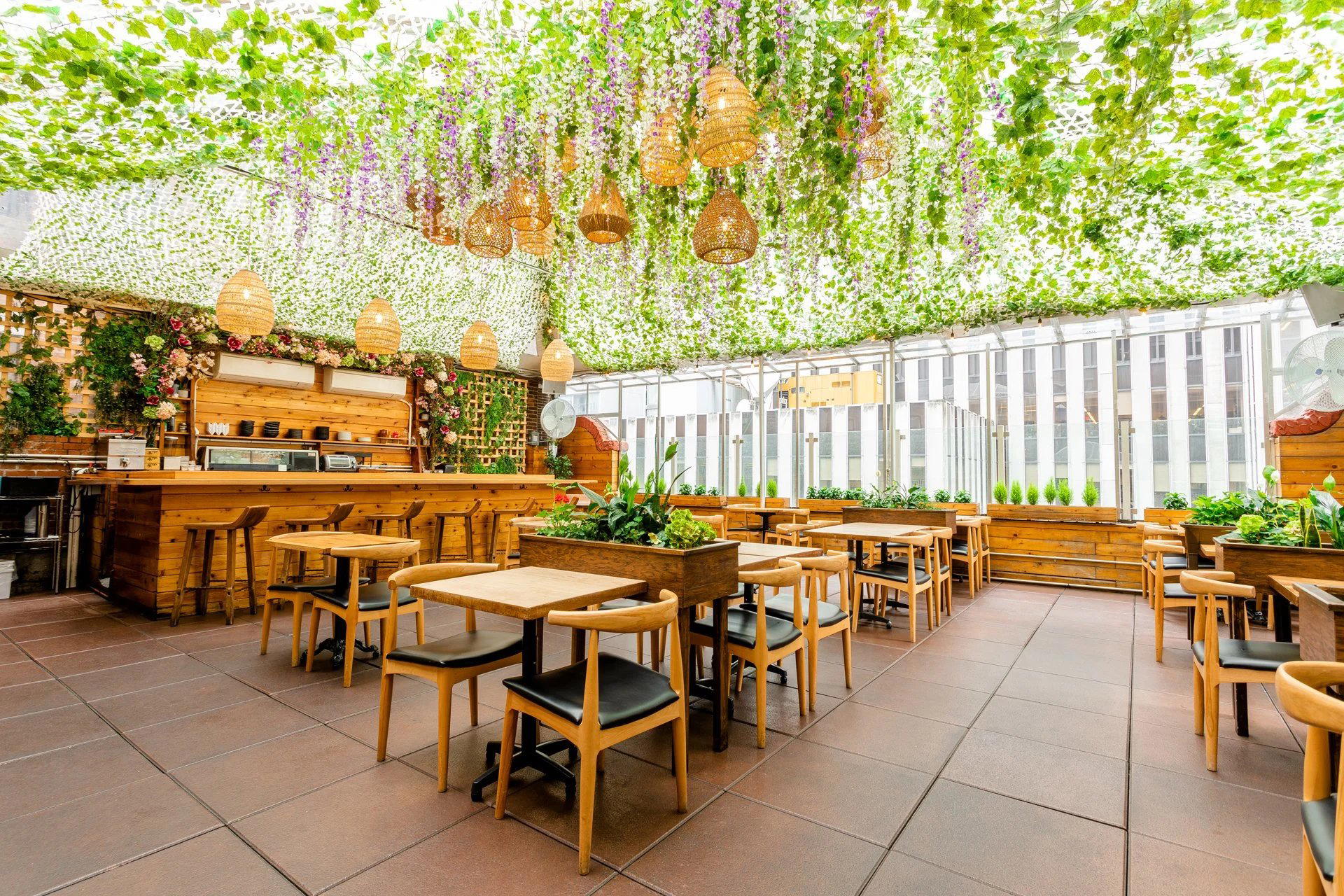
Where Midtown's Sushi Scene Has Landed
New York's Japanese dining tier has reorganized itself significantly over the past decade. The leading end is now anchored by a handful of counters, most with Michelin recognition and per-person costs that price against international fine dining rather than casual Japanese. Masa in Columbus Circle sits at the far edge of that bracket, functioning as a benchmark price point rather than a practical comparison for most diners. Below that, a second tier has emerged: counters that take the omakase format seriously, run trained kitchen teams, and charge accordingly, but have not yet attracted the same institutional recognition. A third tier, broader and more diffuse, covers the range from neighborhood sushi bars to fast-casual concepts. Sushi Lab at 132 W 47th St in New York City is a Modern Japanese Omakase restaurant with a $75 per-person price point. It operates within Midtown's dense dining geography, where the lunch trade from Rockefeller Center and the theater district creates a different kind of pressure on a kitchen than the quieter, reservation-only rhythm of a downtown omakase specialist.
The name itself signals something about the positioning. "Lab" has become a familiar shorthand across food culture for a willingness to experiment, to treat technique as a variable rather than a fixed inheritance. That framing separates Sushi Lab from the traditionalist counters that trade on lineage and restraint, placing it instead in a more contemporary mode of Japanese-influenced dining that has grown steadily in American cities since the early 2010s. Whether that experimental orientation runs through the full menu or functions more as a branding posture is the central question any visitor will be trying to answer.
The Midtown Context Matters More Than It Looks
Midtown Manhattan is not where New York's most serious food culture tends to concentrate. The neighbourhood's dining scene is shaped by volume, by business accounts, by the logistics of pre-theater windows, and by a tourist footfall that rewards familiarity over discovery. Most of the city's critically recognized restaurants have settled in lower Manhattan, in the West Village, in Williamsburg, or in the neighborhoods around the Upper West Side. The Midtown pocket around 47th Street and the Diamond District is an outlier: dense with office workers at lunch, thin on destination dining at dinner, and operating under real estate economics that compress the space available for intimate, low-capacity concepts.
That context makes Sushi Lab's location both a practical asset and an editorial complication. Proximity to Rockefeller Center and the Bryant Park area means a reliable lunch audience. It also means the room is competing with the broader Midtown dining offer rather than within the more defined competitive set of New York's serious sushi counters, most of which have chosen neighborhoods where the surrounding environment reinforces the experience. Compare that to where Atomix or Jungsik New York have positioned themselves, and the neighborhood signal alone communicates something about intended audience.
The Evolution of the "Lab" Format in American Dining
Across American fine dining, venues that adopted science-inflected or experiment-forward branding in the 2010s have followed divergent trajectories. Some have refined the format into something with genuine intellectual depth, earning the credential the name implies. Others have softened into more conventional operations while retaining the branding. Alinea in Chicago represents the sustained commitment end of that spectrum, having reinvented its format multiple times while holding three Michelin stars. Lazy Bear in San Francisco pivoted from underground supper club to awarded destination without abandoning its original character. The question for any venue carrying an experimental name is whether the current operation still earns it, or whether the name has become legacy branding for a kitchen that has settled into a more predictable rhythm.
Within the specific frame of sushi, the experimental mode tends to manifest in a few recognizable ways: fusion-influenced preparations that layer Japanese technique with non-Japanese ingredients, omakase formats that include cooked courses or non-traditional proteins alongside raw fish, or technical interventions like dry-aging fish that depart from the classical Japanese approach. The market for that kind of sushi has grown in New York, partly because the city's dining culture has always been more receptive to hybridization than cities with more defined culinary identities, and partly because the pure omakase tier has priced a portion of its natural audience toward alternatives.
comparable set and Planning Context
For a reader deciding where Sushi Lab fits in a New York dining itinerary, one useful frame is what it is not. It is not competing directly with the multi-course, reservation-months-ahead counters at the summit of the market. It is not a casual drop-in conveyor belt. It occupies a middle register that has become one of the more interesting and contested spaces in American Japanese dining, where the format is serious enough to reward attention but accessible enough to function without the ceremony of a full fine-dining booking cycle.
The comparison set for planning purposes includes venues across the country that have worked through similar positioning questions. Single Thread Farm in Healdsburg and Providence in Los Angeles both demonstrate how a commitment to sourcing and technique can carry a restaurant through format evolution without losing its identity. Closer to home, Le Bernardin and Per Se represent what sustained critical investment over decades looks like in a New York context. For readers travelling from further afield, the broader EP Club guide to New York City restaurants maps the full range of options across price points and neighborhoods.
| Venue | Neighbourhood | Price Tier | Format | Awards |
|---|---|---|---|---|
| The restaurant | Midtown West (W 47th St) | Not confirmed | Not confirmed | Not confirmed |
| Masa | Columbus Circle | $$$$ | Omakase counter | Michelin starred |
| Per Se | Columbus Circle | $$$$ | Tasting menu | Michelin starred |
| Atomix | Flatiron/NoMad | $$$$ | Tasting menu | Michelin starred |
Practical Planning
The restaurant is located at 132 W 47th St in Midtown Manhattan, accessible from multiple subway lines serving Times Square and the 47th-50th Streets Rockefeller Center stations. Current hours, pricing, and reservation availability are best confirmed directly with the venue. For international context, 8 1/2 Otto e Mezzo Bombana in Hong Kong and Alain Ducasse at Louis XV in Monte Carlo illustrate how the highest-tier dining credential operates in non-American markets.
Cuisine Context
Comparable venues nearby, for context on price, style, and recognition.
| Venue | Cuisine | Price | Notes |
|---|---|---|---|
| Sushi LabThis venue — the venue you are viewing | Modern Japanese Omakase | $$$ | Not listed |
| NONONO | Japanese Yakitori Grill | $$$ | Midtown South-Flatiron-Union Square |
| Fushimi Bay Ridge | Japanese-French Fusion | $$$ | Bay Ridge |
| Soba Ulala | House-Made Soba Noodles | $$$ | Soho |
| Hasaki | Edomae-Style Sushi & Sashimi | $$$ | East Village |
| Sushi Sen-Nin | Traditional Japanese Sushi & Yakitori | $$$ | Midtown South-Flatiron-Union Square |
Recognition history
Dated appearances from independent guides and award organizations, with the underlying list record or original source where available.
Opinionated About Dining Top Restaurants in North America Recommended
Opinionated About Dining
Continue exploring
More in New York City
Restaurants in New York City
Browse all →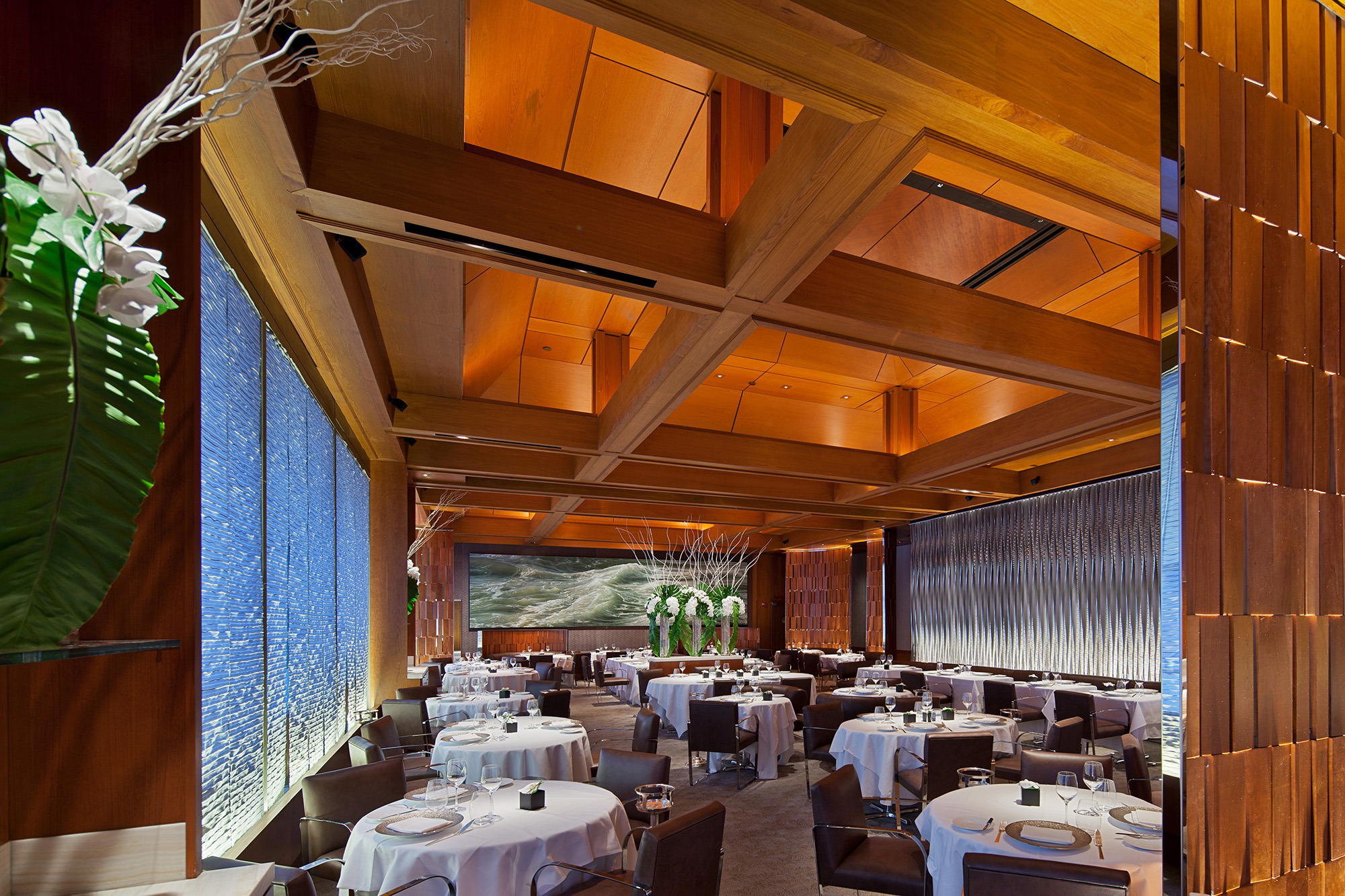
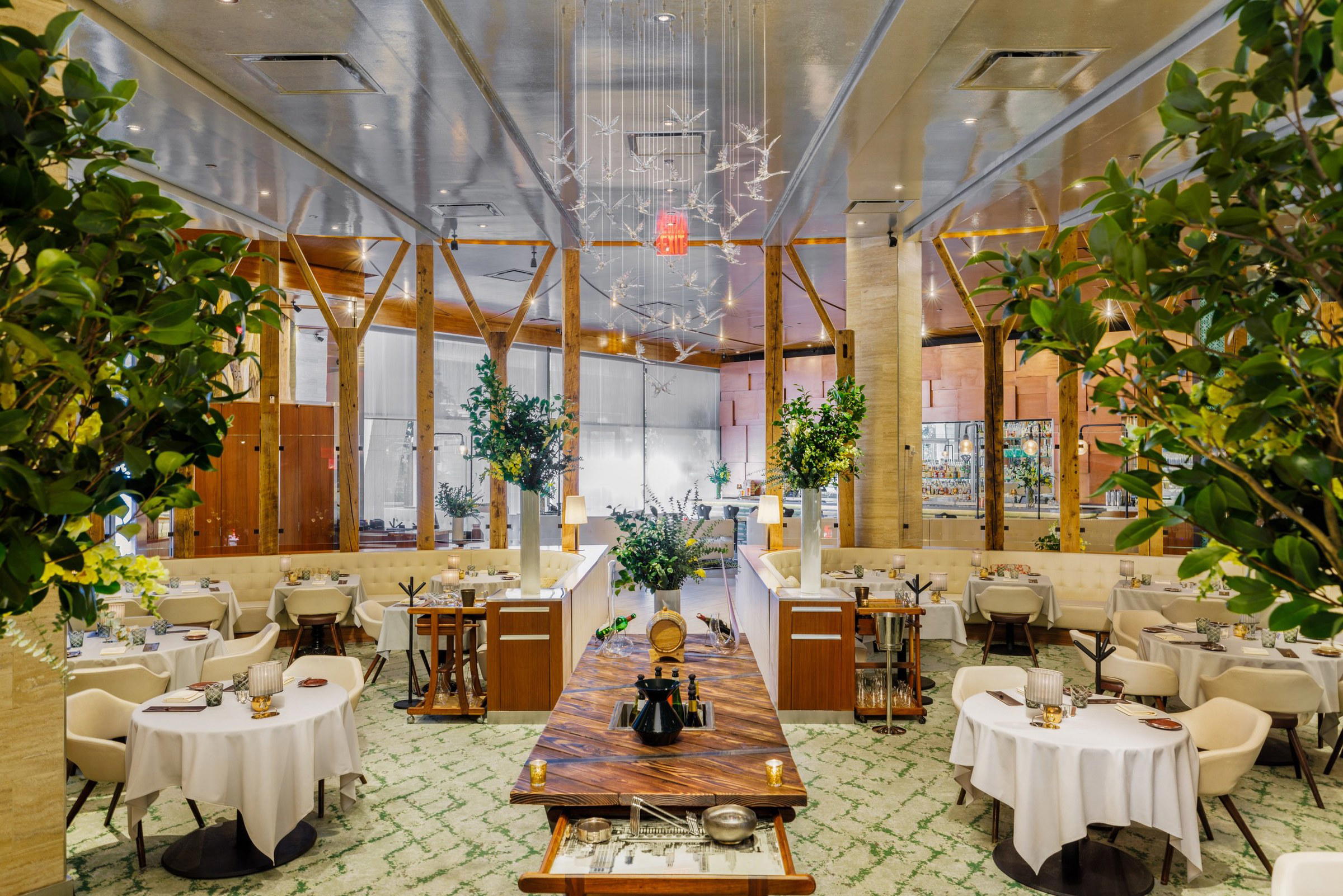
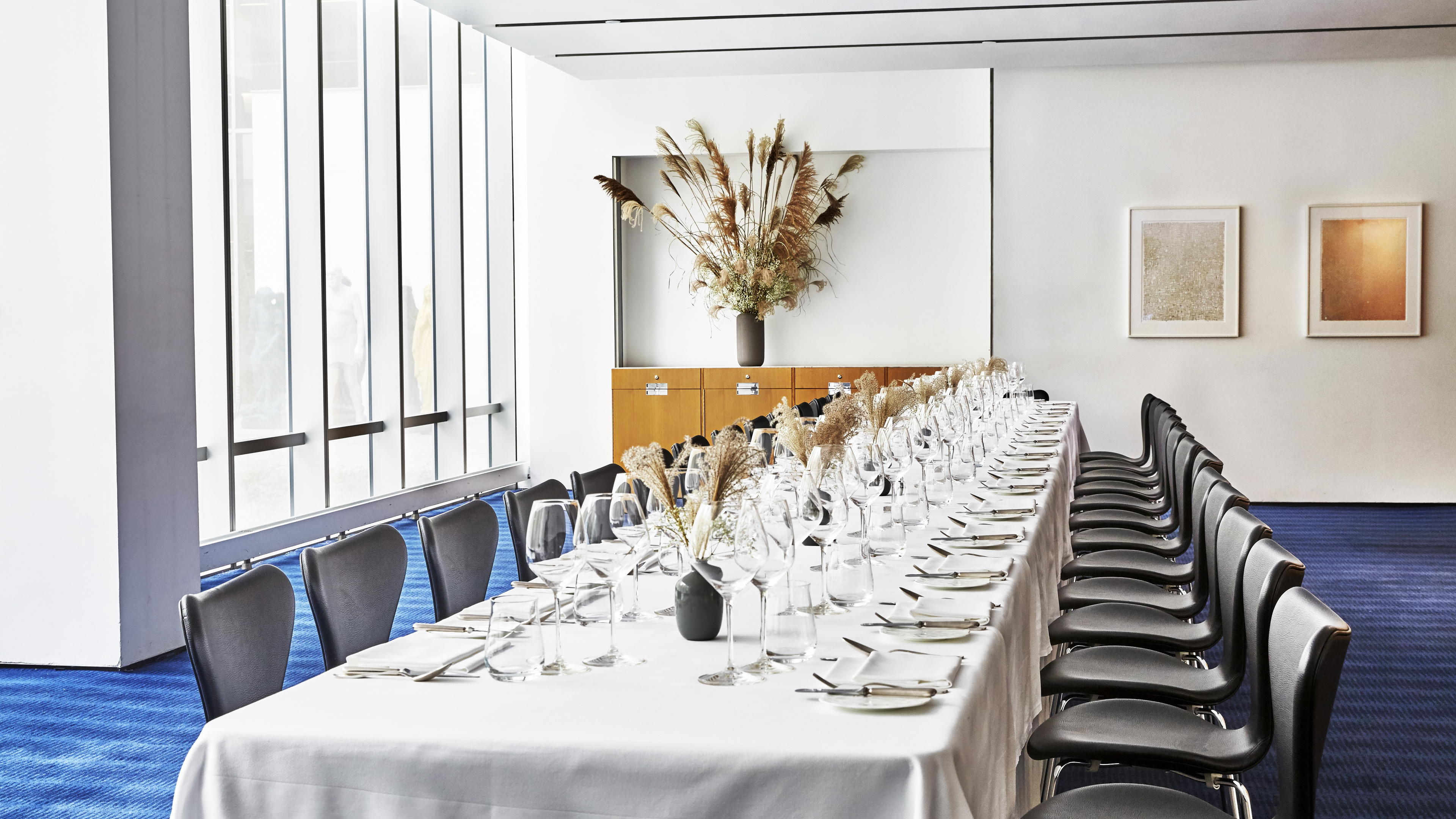
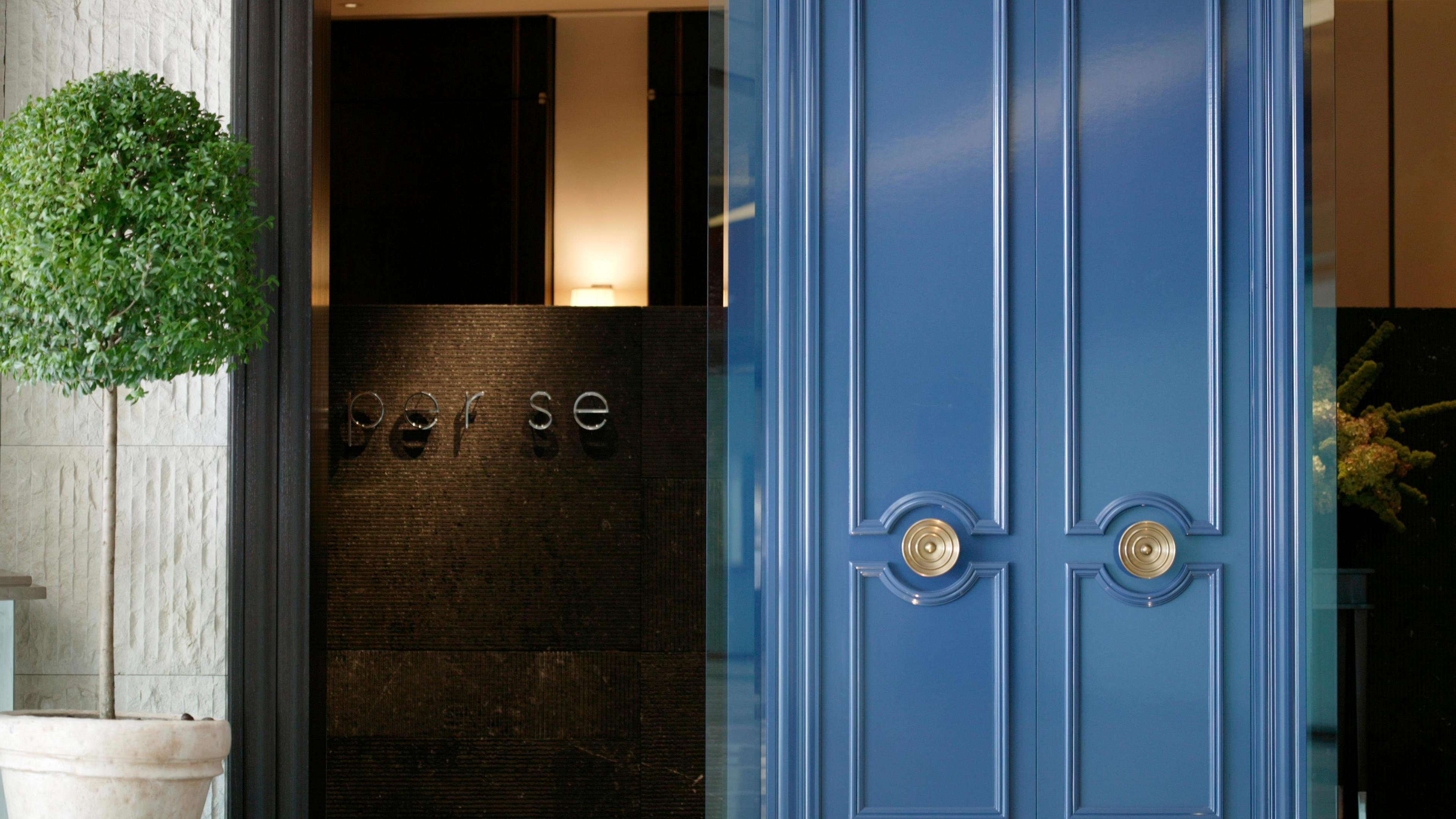
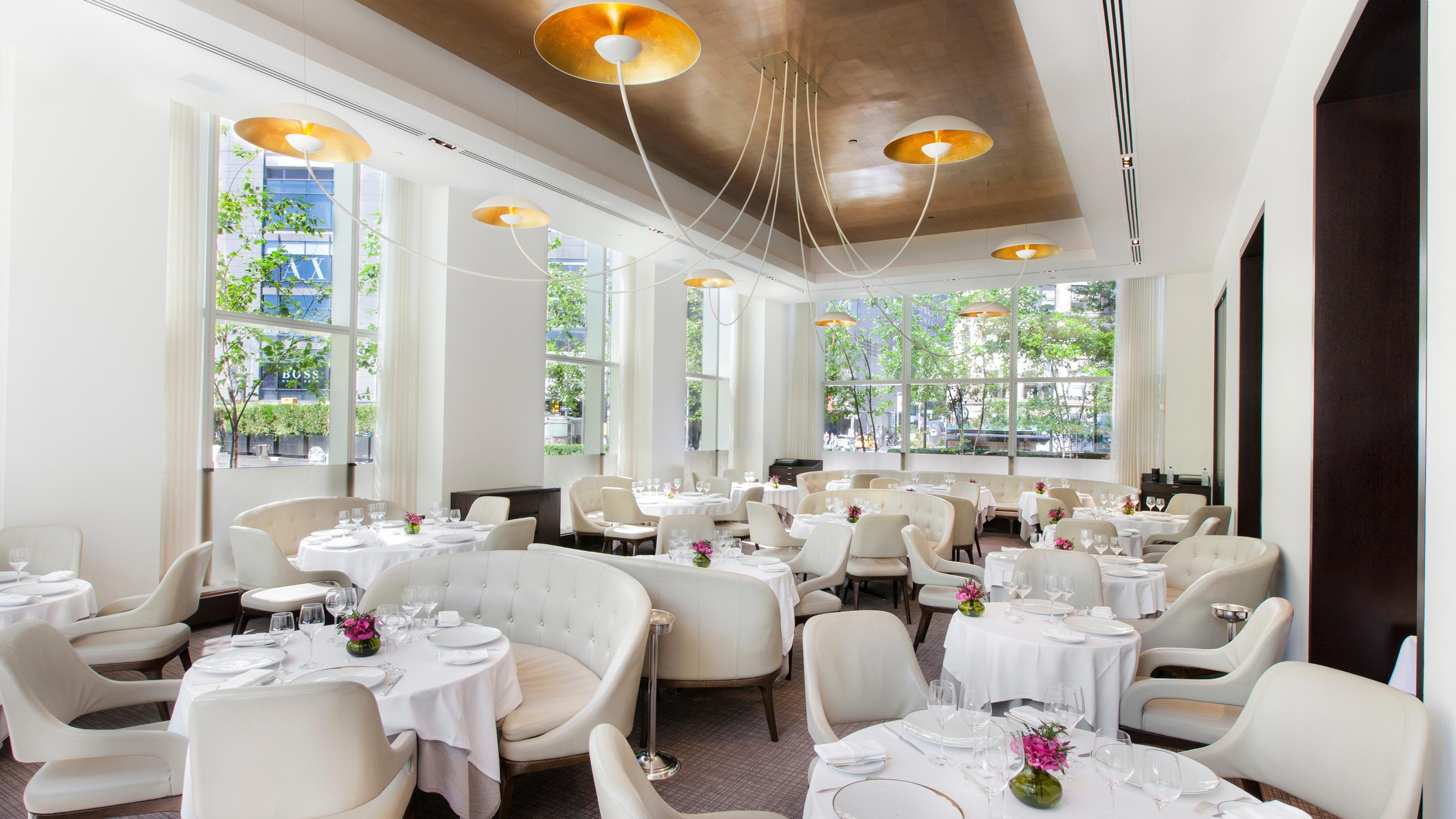
Bars in New York City
Browse all →
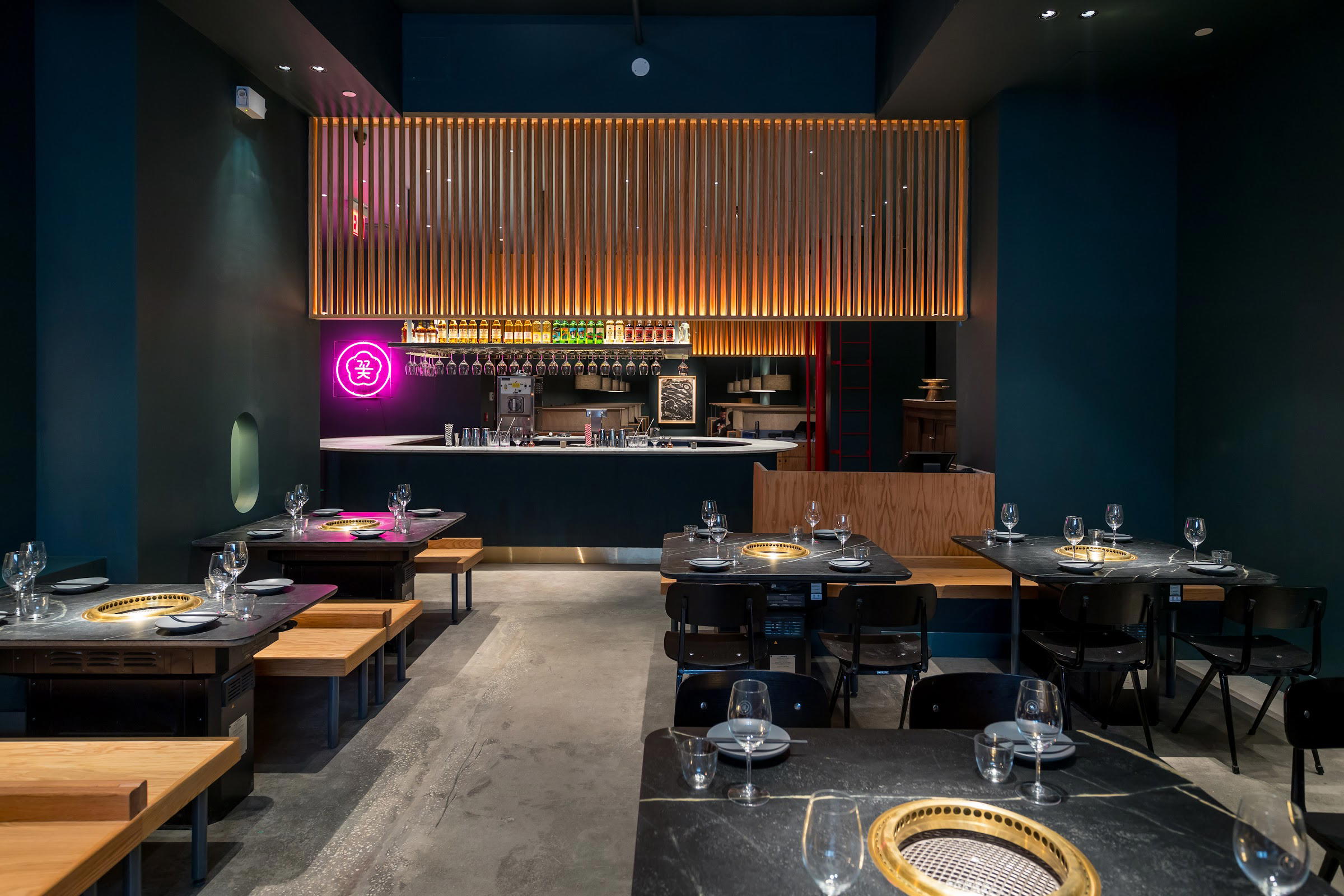
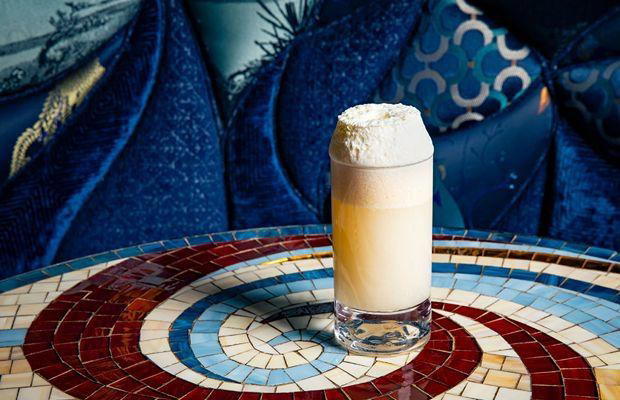

Hotels in New York City
Browse all →





At a Glance
- Trendy
- Modern
- Elegant
- Date Night
- Special Occasion
- Rooftop
- Chefs Counter
- Open Kitchen
- Craft Cocktails
- Sake Program
- Sustainable Seafood
- Skyline
- Garden
Current opening hours
- Monday
- 5–10 PM
- Tuesday
- 5–10 PM
- Wednesday
- 12–3 PM, 5–10 PM
- Thursday
- 12–3 PM, 5–10 PM
- Friday
- 12–3 PM, 5–10 PM
- Saturday
- 12–3 PM, 4:30–10 PM
- Sunday
- 4:30–10 PM
Hours can change for holidays and private events. Last verified .
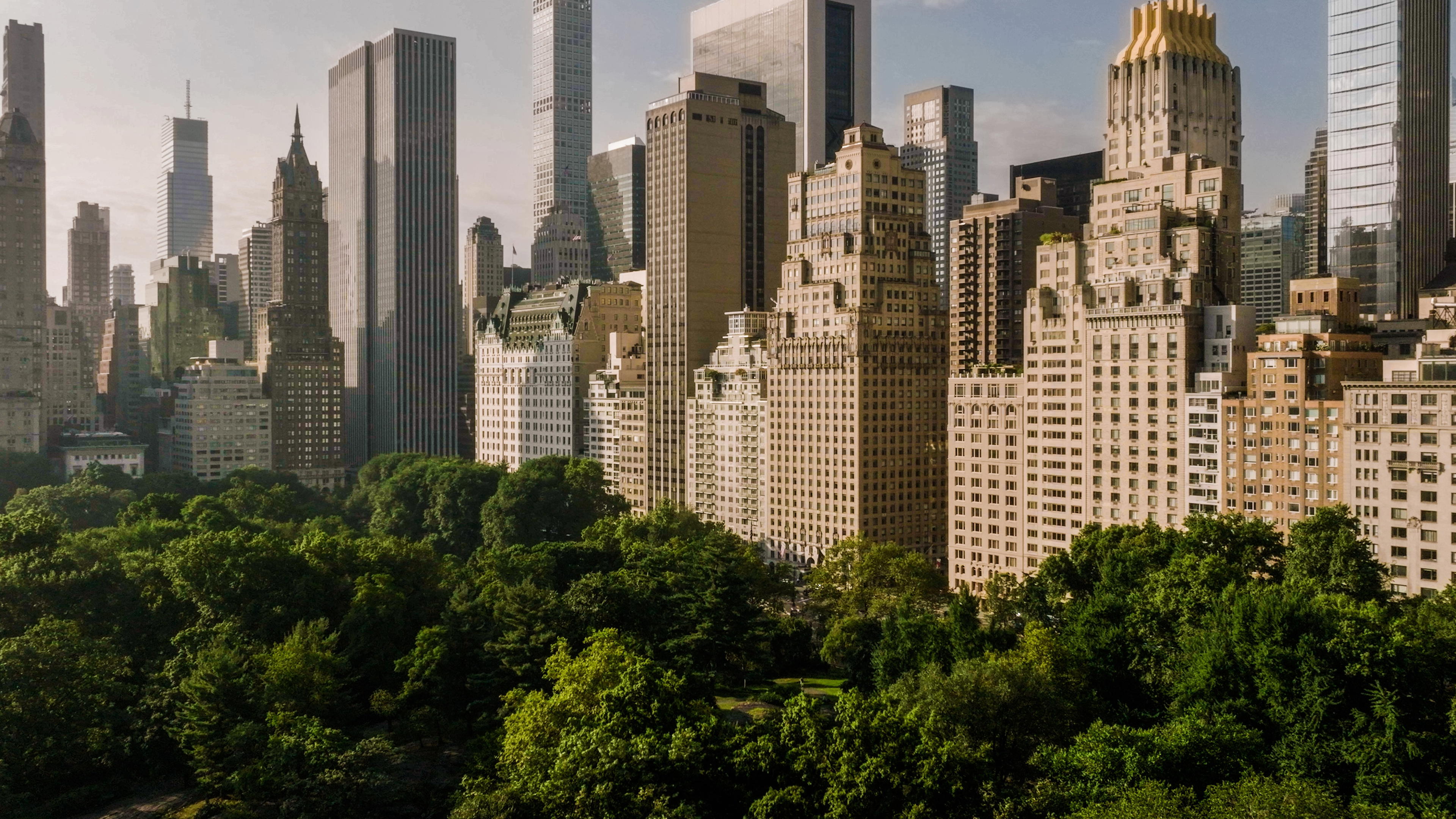
Serene urban oasis with lush greenery, subtle city views, calming and relaxing atmosphere above the busy streets.