Our verdict
Sushi Ryori Ichitaka operates from a residential-block address in Fukuoka's Chuo Ward, placing it within a neighbourhood dining scene that has quietly grown in ambition over recent years. The format sits inside the broader Fukuoka tradition of sushi ryori — counter-led dining that moves between sushi and cooked-course elements — and draws on a city whose proximity to Genkai Sea fishing grounds gives its raw-fish kitchens a structural advantage over many mainland peers.

Pearl is the En Primeur Club membership app — saves, bookings, and concierge access live there. Same editors, same standards.
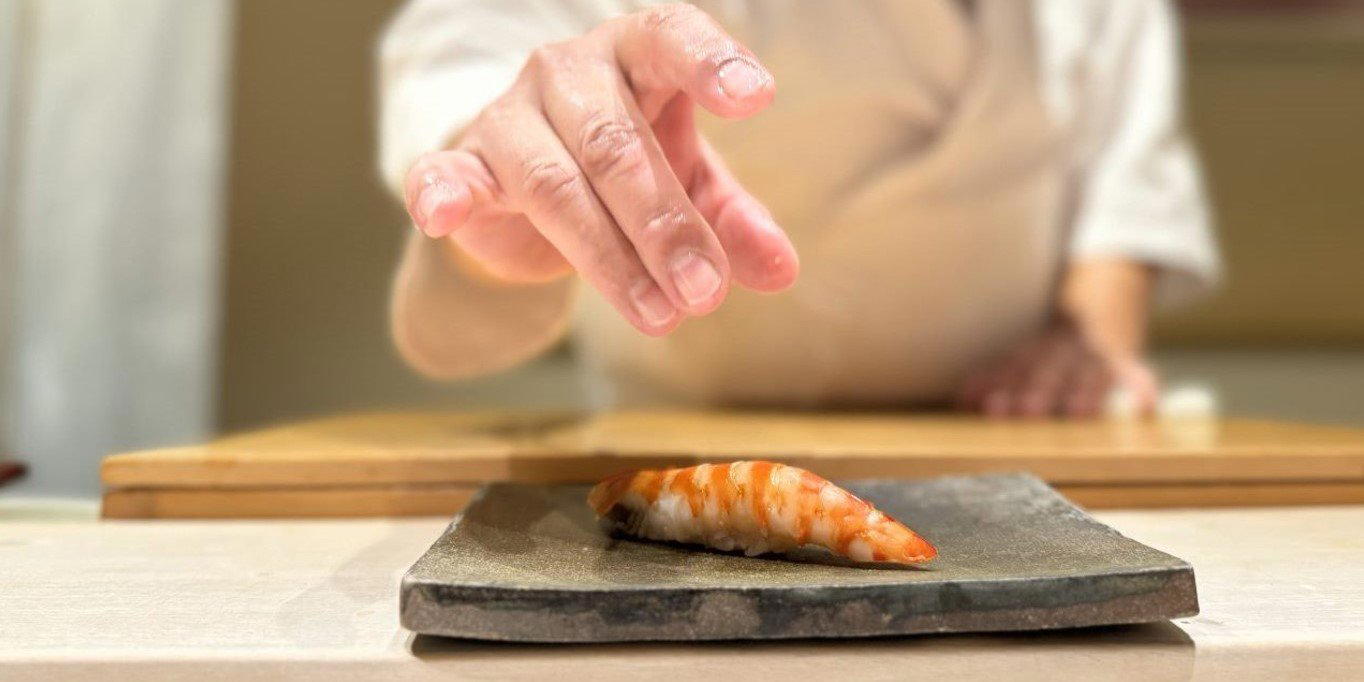
Chuo Ward and the Counter Tradition
Fukuoka's Chuo Ward has long functioned as the city's culinary centre of gravity, home to a cluster of counter restaurants that operate somewhere between the formality of Tokyo omakase and the looser, more sociable rhythms that define Hakata dining culture. Sushi Ryori Ichitaka sits on a residential block in Arato, a sub-district that lacks the marquee visibility of Yakuin or Daimyo but has developed a reputation among locals as the kind of address where serious kitchens trade on word-of-mouth rather than foot traffic. In Japanese cities, this pattern — a competent counter tucked into a low-rise apartment building, found via recommendation rather than signage — is a reliable indicator of a kitchen that has reached a stable local audience without needing to compete for tourist attention.
The address itself, in a mansion-style building on a side street off the Arato residential grid, is consistent with the format that defines a specific tier of Fukuoka dining: owner-operated, modest in scale, and oriented toward regular customers who return on a cycle rather than first-time visitors chasing a checklist. Compare this positioning with the more conspicuously located counters in Yakuin, where Chikamatsu (Sushi) operates, and the difference in visibility strategy becomes clear. Ichitaka's location implies a kitchen that competes on quality and repeat loyalty rather than on discoverability.
Sushi Ryori as a Fukuoka Format
The category name matters here. Sushi ryori, literally sushi cooking or sushi cuisine, is distinct from the pure edomae omakase format that dominates Tokyo's high-end counter scene. Where Tokyo's leading counters increasingly narrow their focus to nigiri sequencing and rice temperature, sushi ryori in Fukuoka and across Kyushu tends to move more fluidly between cooked dishes, seasonal preparations, and raw fish courses. The format reflects the city's proximity to multiple fishing sources: the Genkai Sea to the north delivers fish with different fat profiles and texture than the Pacific-facing catches that Tokyo counters rely on, and Fukuoka kitchens have historically built menus around that regional specificity rather than trying to replicate the capital's aesthetic.
This distinction places Ichitaka in a different competitive conversation than the celebrated counters of Tokyo or Osaka. For reference points closer to Ichitaka's mode, the relevant comparison set sits within Fukuoka itself, among counter restaurants like Chikamatsu, rather than reaching upward to the Michelin-dense tiers represented by venues like Harutaka in Tokyo or across culinary disciplines to Fukuoka's French-inflected counters such as Goh (French). The sushi ryori format operates by its own logic, and evaluating it against pure omakase metrics misses what it is actually doing.
Evolution of the Neighbourhood Counter
Over the past decade, the residential-block counter format in Japanese cities has undergone a quiet but measurable shift. What was once a format associated almost exclusively with value-oriented lunch sets and neighbourhood regulars has split into two distinct tiers. The lower tier remains as it was: accessible, informal, built on efficiency and affordability. But a second tier has emerged in cities like Fukuoka, where owner-operators with serious training have chosen residential or semi-residential addresses not because they cannot afford prime locations but because the format disciplines that come with lower-visibility premises, smaller seat counts, tighter reservation windows, reduced walk-in dependency, allow for better kitchen control.
Ichitaka's Arato address places it within that evolving second tier, or at least within the geography where it tends to occur. Across Fukuoka's broader dining scene, which includes everything from the yakiniku counters at Beef Taigen to the ryokan-adjacent dining of Asago and the Scandinavian-influenced work at Bekk, the residential-block sushi counter represents one of the more durable and least disrupted formats in the city's food culture.
Nationally, the evolution of this format can be tracked through counters in other cities that have made the shift from neighbourhood staple to destination-level operation. The journey from local regular haunt to something that warrants a journey from across the city, or across the country, is not automatic, and it requires both culinary consistency and a booking architecture that manages demand without eliminating accessibility. Restaurants like Gion Sasaki in Kyoto and HAJIME in Osaka illustrate what that transition looks like at its most complete, though they operate in different categories and at very different price points. The sushi ryori format in Fukuoka has its own developmental timeline.
Where Ichitaka Sits in Fukuoka's Current Sushi Scene
Fukuoka's sushi and sushi ryori scene does not receive the same level of international critical attention as Tokyo or Kyoto, but that gap is narrowing. The city's access to Kyushu's coastal fishing networks, combined with a local dining culture that values directness and seasonal specificity over ceremony, has produced a counter scene that rewards sustained engagement rather than single-visit assessment. A restaurant like Ichitaka, operating from a low-profile address without the weight of major award recognition in the available record, fits a category that Fukuoka has historically done well: the technically grounded, locally embedded counter that serves a regular audience with consistent seasonal material.
For visitors building a broader itinerary of Japanese counter dining, Fukuoka functions well as a counterpoint to the more internationally legible circuits. The city's counter restaurants, including Ichitaka and its peers across sushi, yakitori, and modern Japanese formats, tend to price and position against a local reference rather than an international luxury one. That means the value relationship between quality and cost often looks different here than at comparable-quality operations in Tokyo, a pattern that applies across the sushi ryori category and not just to a single address. Our full Fukuoka restaurants guide maps the broader scene across categories and neighbourhoods.
Planning a Visit
Ichitaka's address in the Arato sub-district of Chuo Ward puts it within reasonable distance of central Fukuoka's transit grid, though the specific block is residential rather than commercial, which means the approach on foot involves navigating a quiet neighbourhood rather than a dining street. The building is a standard Fukuoka mansion-style residential complex, and the unit numbers (101 and 102) suggest a ground-floor layout typical of owner-operated counters that have taken over or combined residential-commercial ground-floor space. Seasonal timing matters in sushi ryori, and Fukuoka's coastal access means the menu's character will shift meaningfully between the colder months, when richer, fattier fish dominate, and summer, when lighter preparations take precedence. Those with dietary restrictions or allergy requirements should communicate directly before visiting, as the format's flexibility varies by kitchen.
For a fuller picture of comparable counter experiences across Japan's secondary cities and beyond, the EP Club network includes venues from akordu in Nara to 一本杉川嶋制 in Nanao, 夕刊仕乃 in Sapporo, 湖畔荘 in Takashima, 五羽鶴屋 in Nishikawa Machi, Birdland in Sakai, and Bistro Ange in Toyohashi, each operating within a different regional context but sharing the counter-dining logic that makes Japan's off-circuit restaurants consistently worth pursuing. For reference points in a global context, the structured seriousness of Le Bernardin in New York City or the Korean-inspired tasting format at Atomix in New York City illustrate how counter-format precision translates across culinary traditions.
Frequently asked questions
What's the address for Sushi Ryori Ichitaka?
Sushi Ryori Ichitaka is located at Japan, 〒810-0062 Fukuoka, Chuo Ward, Arato, 1 Chome−2−2 ロワールマンション大æ¿ 101・102, Fukuoka.
How does Sushi Ryori Ichitaka differ from a standard omakase restaurant in Fukuoka?
Sushi ryori is a distinct category from edomae omakase: where a pure omakase counter centres the progression almost entirely on nigiri, sushi ryori integrates cooked and prepared dishes alongside the sushi, reflecting a broader interpretation of the cuisine. This format has a specific presence in Fukuoka, shaped by the city's access to Genkai Sea seafood and local culinary conventions that differ from Tokyo's sushi orthodoxy. Ichitaka's location in the Arato sub-district of Chuo Ward places it within a neighbourhood counter tradition that has historically served local regulars rather than destination diners.
What should I order at Sushi Ryori Ichitaka?
Sushi ryori as a format sits between a full kaiseki progression and a pure sushi omakase, meaning the kitchen typically directs the meal rather than a à la carte selection. At a Chuo Ward counter of this type, the practical approach is to follow whatever course structure the chef sets. If a preference or specific ingredient matters to you, raise it when booking rather than at the counter.
Do they take walk-ins at Sushi Ryori Ichitaka?
Ichitaka operates from a residential block in the Arato sub-district of Chuo Ward, a format that almost universally runs on reservations rather than walk-in availability. Counter restaurants at this address scale tend to have limited seats, which makes spontaneous visits a risk. Contact ahead through whatever channel the venue currently uses to confirm availability.
What makes Sushi Ryori Ichitaka worth seeking out?
Fukuoka's sushi and sushi ryori scene receives considerably less international critical attention than Tokyo or Kyoto, which means counters like Ichitaka operate outside the review circuits that drive reservation queues elsewhere. The sushi ryori format itself is a Fukuoka-inflected category that differs from the edomae tradition, giving the meal a regional character that straight omakase venues in the city don't replicate. For anyone spending time in Chuo Ward, that specificity is the draw.
How does Sushi Ryori Ichitaka handle allergies?
The standard practice at Japanese counter restaurants is to communicate dietary restrictions at the time of reservation, not on arrival, since courses are prepared in advance. Given Ichitaka's Arato address and counter format, that lead-time expectation likely applies here.
Is Sushi Ryori Ichitaka overpriced or worth every penny?
As a reference point, sushi ryori counters in Fukuoka's Chuo Ward generally sit below the price ceiling of Tokyo's top-tier edomae counters, though that range varies widely by course length and ingredient sourcing. Confirming current rates directly with the venue before visiting is the only reliable approach.
Awards and Standing
Comparable venues nearby, for context on price, style, and recognition.
| Venue | Cuisine | Price | Awards | Notes |
|---|---|---|---|---|
| Sushi Ryori IchitakaThis venue (the venue you are viewing) | Kyushu Edomae Omakase | $50–100 | Not listed | Not listed |
| Riki Hanten | Yakiniku (Japanese BBQ) | $50–100 | Tabelog 100 #31 | Chūō |
| Kamo to Negi Yodomizu Nigyo | Duck shabu-shabu (Japanese hotpot) | $30–50 | Tabelog 100 #83 | Chūō |
| Osake to Hakata Kozara Tanakada | Traditional Hakata Izakaya & Small Plates | $50–100 | Tabelog 100 #64 | Chūō |
| Yakitori Mako | Yakitori & Kushiyaki | $50–100 | Tabelog 100 #32 | Chūō |
| Sushi to Amakusa Daio Amane | Omakase Sushi & Amakusa Daio Chicken | $100–150 | Tabelog 100 #72 | Chūō |
Continue exploring
More in Fukuoka
Restaurants in Fukuoka
All restaurants in Fukuoka →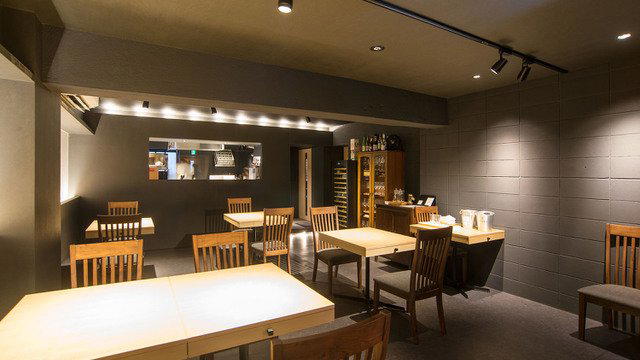
Sushi Ryori Ichitaka
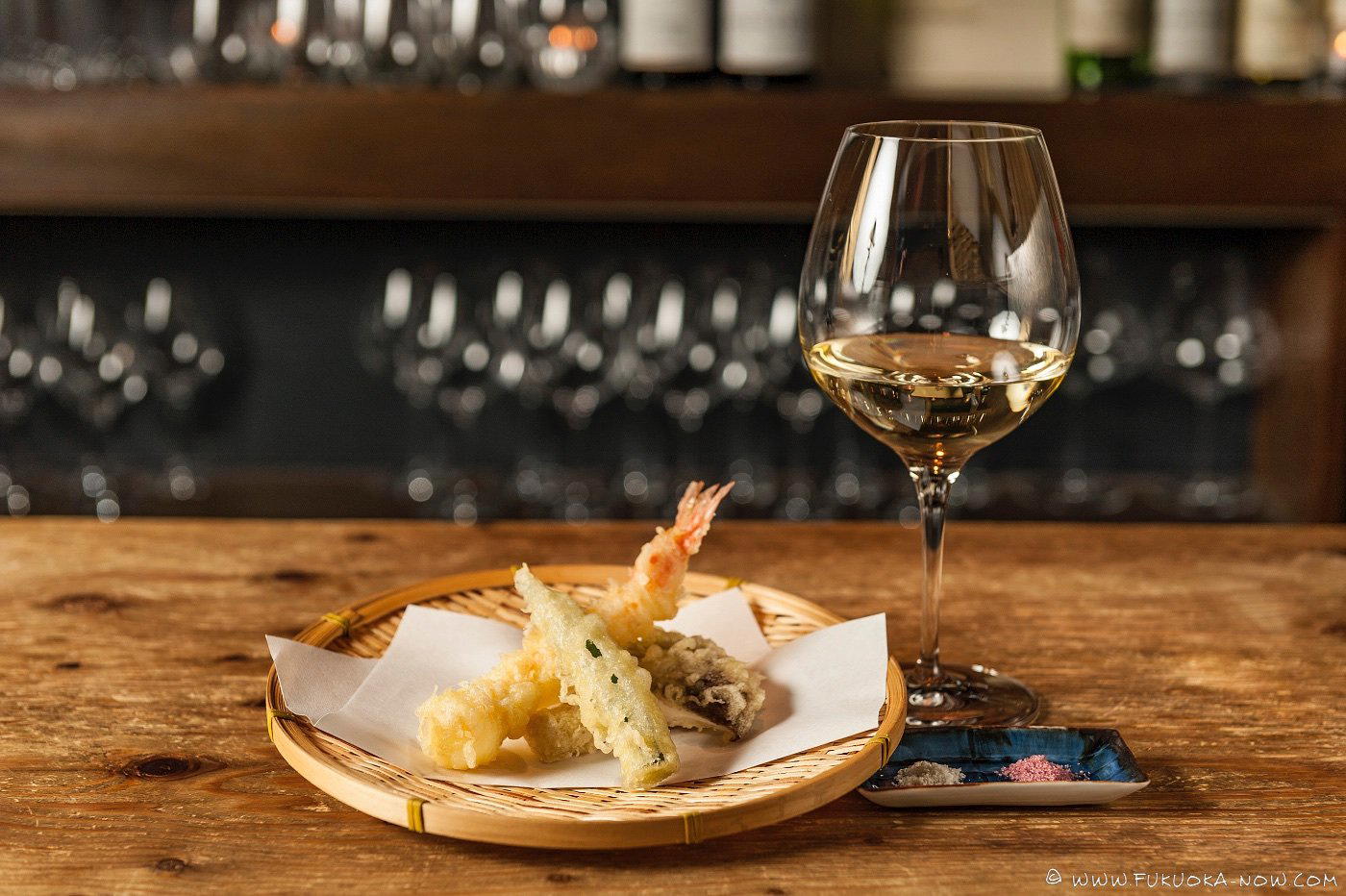
The wine
- Wine program
- Curated wine list
- Sake program
Details
- Elegant
- Sophisticated
- Intimate
- Quiet
- Date Night
- Special Occasion
- Chefs Counter
- Sake Program
- Local Sourcing
- Sustainable Seafood
- Omakase
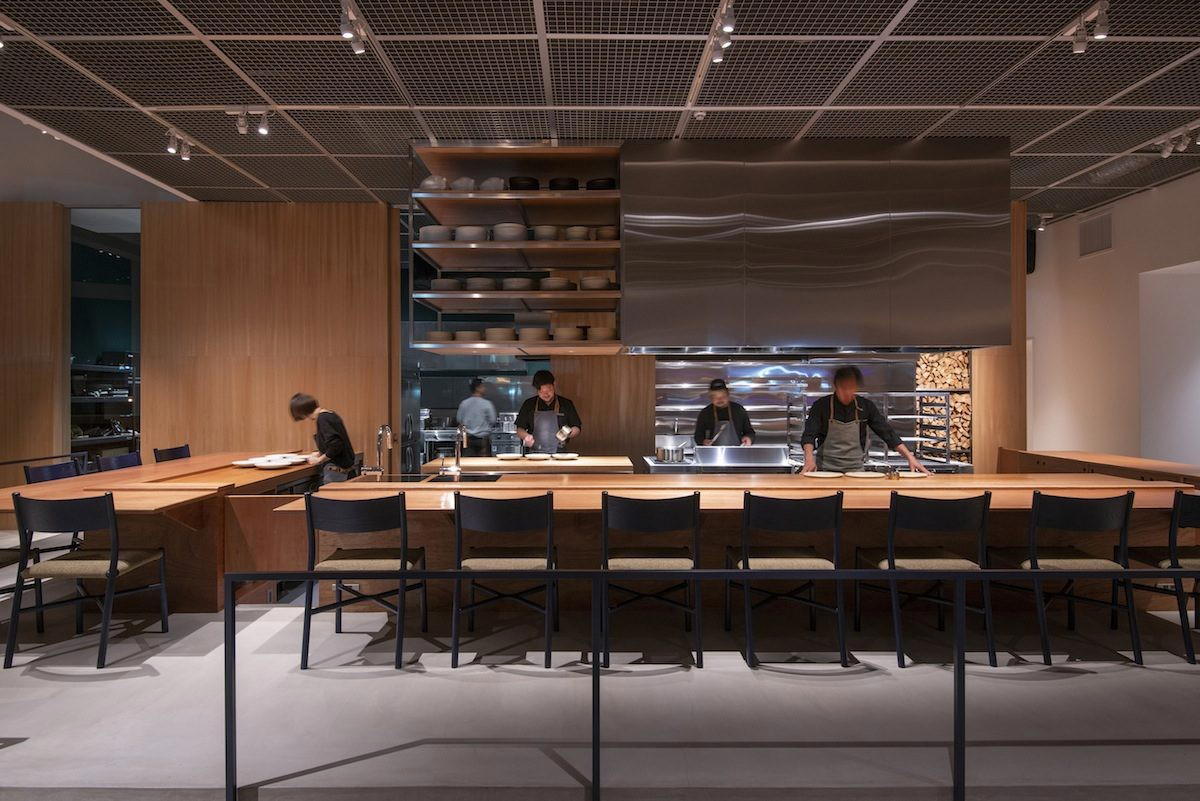
- Counter Dining
- Sake
- Vegetarian Friendly
Current opening hours
- Monday
- 11:30 AM–2:30 PM, 5:30–10 PM
- Tuesday
- Closed
- Wednesday
- Closed
- Thursday
- Closed
- Friday
- 11:30 AM–2:30 PM, 5:30–10 PM
- Saturday
- 11:30 AM–2:30 PM, 5:30–10 PM
- Sunday
- 11:30 AM–2:30 PM, 5:30–10 PM
Hours can change for holidays and private events. Last verified .
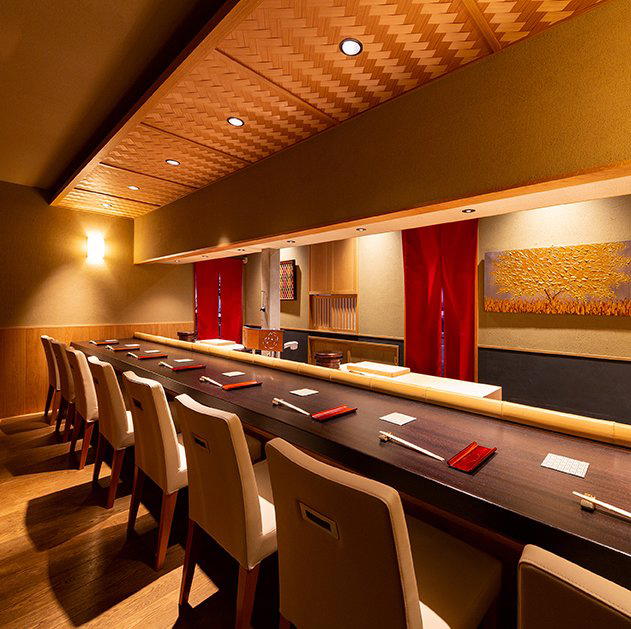
Quiet and elegant atmosphere in a small intimate setting near Ohori Park.