
Yakitori Mako sits in Yakuin, a Fukuoka district where small counters and serious drinking rooms pull dining energy away from the city’s obvious tourist routes. Its Tabelog 100 Yakitori WEST selections in 2024 and 2025 place it in the region’s recognized yakitori tier, with a compact counter-led format that suits diners who care about grill work, pacing, sake and wine as much as the skewers themselves.
Pearl is the En Primeur Club membership app — saves, bookings, and concierge access live there. Same editors, same standards.
- Address
- Japan, 〒810-0022 Fukuoka, Chuo Ward, Yakuin, 2 Chome−14−18 2F
- Phone
- +81 92-214-7053
- Website
- instagram.com
 Saves & bookings on Pearl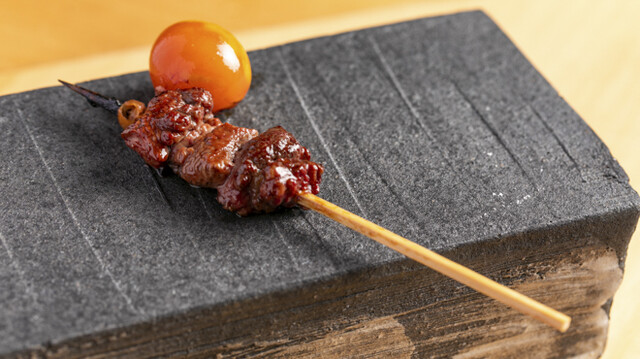
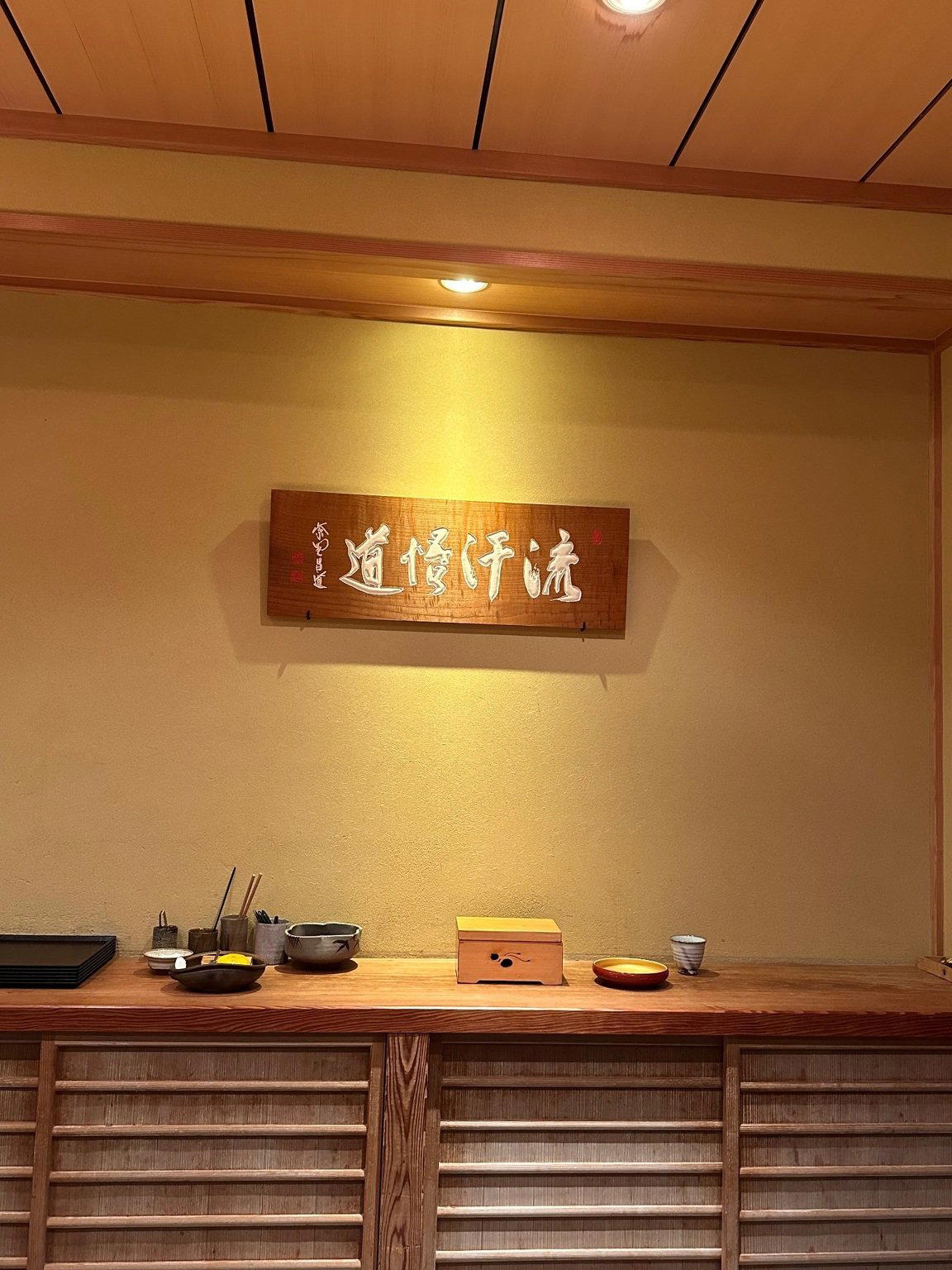
Yakuin changes the tone of Fukuoka dining before a menu appears. Close enough to Tenjin for convenience, its streets favour compact upstairs rooms, counter seats, charcoal, sake lists and regulars over department-store polish. Yakitori Mako feels less like a destination detached from its district than a clear expression of Yakuin’s dining character: small scale, adult pace, craft over spectacle.
Fukuoka’s food identity is often reduced to ramen, yatai and seafood, but its stronger dining map is broader: serious soba, tempura, curry, izakaya and grilled-chicken addresses spread across neighbourhoods rather than one luxury quarter. For that range, Our full Fukuoka restaurants guide is the useful starting point; wider itineraries can also cross-check Our full Fukuoka hotels guide, Our full Fukuoka bars guide, Our full Fukuoka wineries guide and Our full Fukuoka experiences guide.
Yakuin's counter culture gives yakitori a quieter stage
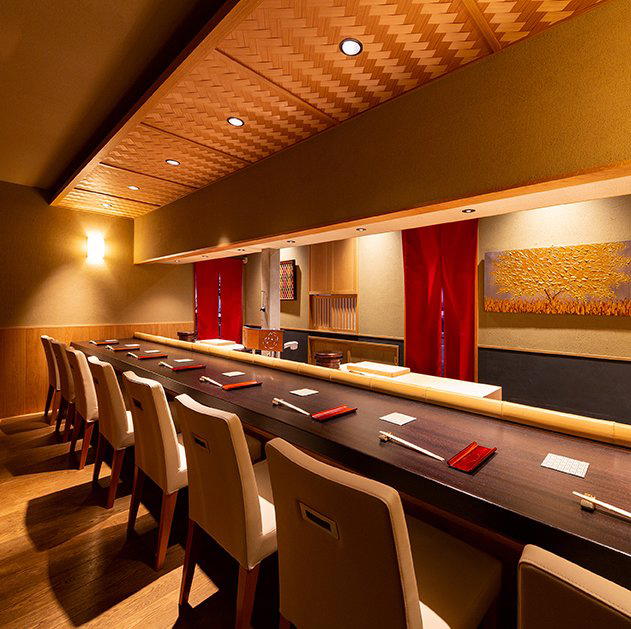
Yakitori works differently in a small room than in a casual drinking hall. The format rewards sequence, heat management and the rhythm between grill and guest. A 15-seat room, with 11 counter seats and a four-person private room, foregrounds the grill and shortens the distance between preparation and service. That matters because timing is craft: skewers are not built for long waits, and the counter keeps the meal close to the heat source that defines it.
The kitchen’s stated category is yakitori, and the listed description points to Kuro Satsuma chicken from Kyushu and Binchotan charcoal. Those details place the cooking within a regional conversation, not a generic grilled-skewer template. Kyushu has deep poultry culture, and Binchotan signals grilling built on steady heat and clean combustion. The point is not novelty but control, where serious yakitori separates itself from casual skewers.
Recognition gives that claim external weight. Yakitori Mako was selected for Tabelog 100 Yakitori WEST in 2024 and 2025, and carries a Tabelog score of 3.92. Tabelog’s regional yakitori lists are not Michelin-style star systems, but in Japan they are meaningful signals for diners comparing specialists within a category. For a Fukuoka yakitori counter, repeated WEST selection places the restaurant in a competitive regional frame, not just a neighbourhood recommendation.
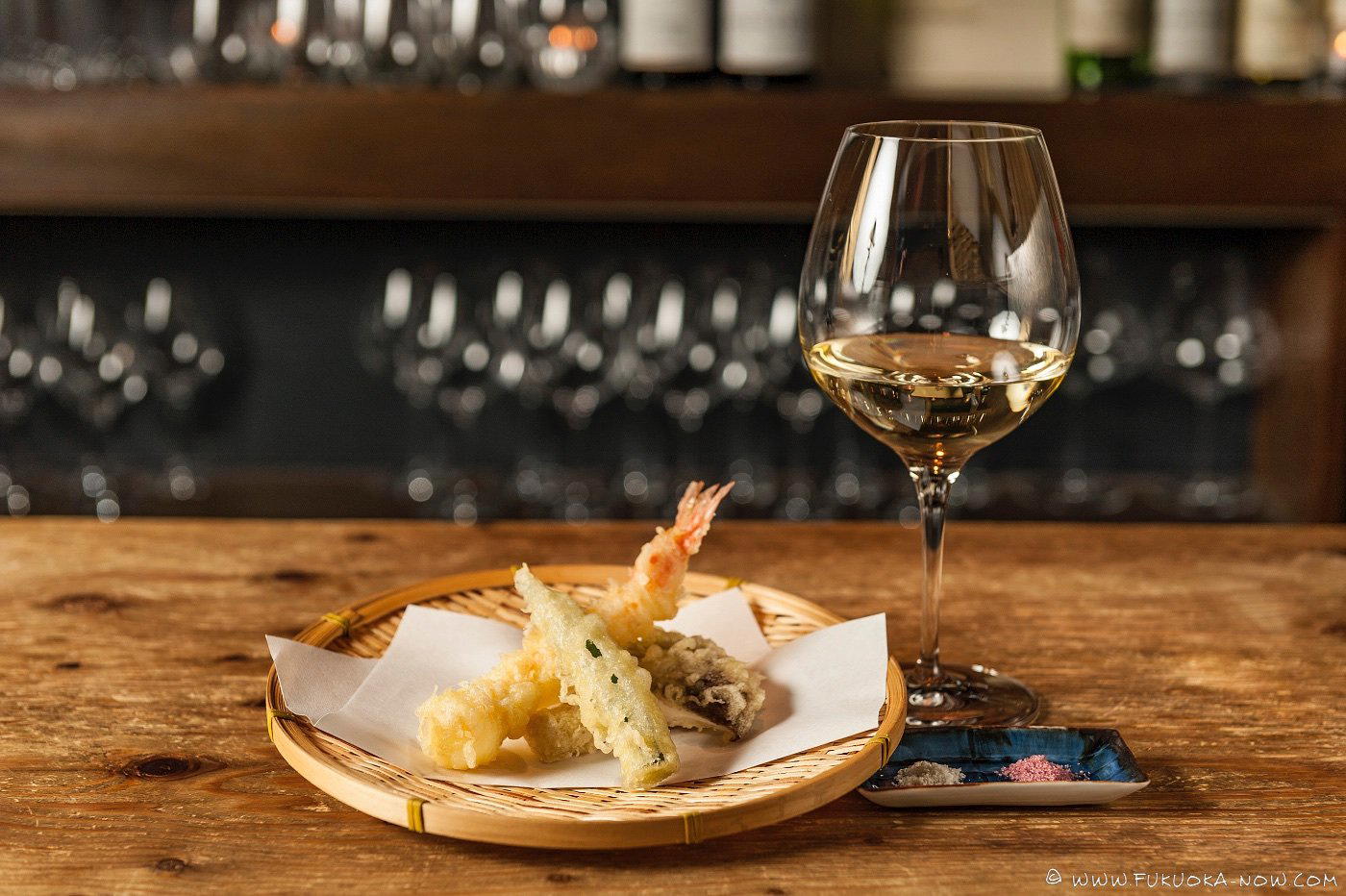
The drinks signal matters too. The listing notes sake, wine, and a particular focus on both. In Fukuoka, where casual drinking culture can overshadow formal pairing language, that combination points to a modern yakitori pattern: chicken, charcoal and salt or tare remain central, while the table is no longer limited to beer and highballs. Sake anchors the meal in Japanese dining grammar; wine lets the counter meet broader tasting-menu expectations without abandoning skewers.
How it sits among Fukuoka's specialist rooms
Yakuin and nearby central wards show Fukuoka’s middle and upper dining tiers without forcing every meal into luxury. Soba Ozaki occupies a lower spend bracket for diners tracing noodle culture. Tempura Tenko and Tempura Tanaka sit higher, where counter work turns frying into a staged sequence. KYuNii overlaps more closely on spend, while Bomber Kitchen Yakuin honten shows the district’s casual side. Against that spread, Yakitori Mako takes the specialist grill lane: smaller than a general izakaya, less ceremonial than high tempura, more focused than a broad Japanese dining room.
That comparison helps planning because Fukuoka rewards category clarity. Choosing yakitori here should not mean expecting the cues of a Tokyo sushi counter or Kyoto kappo room. The value is in Kyushu ingredients, charcoal technique and a drinking program built for grilled chicken. Diners building a broader Japanese food crawl can balance the evening with other city formats, from South Indian cooking at 106 South Indian Fukuoka tenjin ten to spice-led dining at Afterglow, old-school local cooking at Aji Dokoro Taro Gen Sougyou ten, fried fish at Aji Furai Shokudo Kaba, or the everyday appeal of Aji no Katsueda.
The room’s constraints shape the experience as much as the cooking. Counter seats show the sequence directly, while the private room suits a small party wanting separation without turning dinner into a banquet. Non-smoking status matters in yakitori, where smoke can be romanticized too easily; a controlled room lets charcoal read as technique, not atmosphere for its own sake. Children are limited to private-use situations, reinforcing the adult, counter-led meal.
The planning case for a focused Fukuoka dinner
The practical appeal is concentration. The restaurant is near Yakuin-Odori Station, in a district suited to an evening built around one serious dinner rather than a checklist of stops. Reservations are available, major credit cards are accepted, and no parking is listed, so rail or taxi planning is cleaner. From January 2026, courses are scheduled to begin at set start times, making punctuality part of the format, not just courtesy.
Spend sits above casual yakitori and below many formal counter restaurants in larger Japanese cities. The decision is clear: book for a compact, category-specific Fukuoka dinner with recognized yakitori credentials, not a sprawling night of izakaya variety. Repeated Tabelog 100 Yakitori WEST selection places the room in a regional specialist conversation, but the stronger reason to go is the fit between neighbourhood and format. Yakuin gives this counter enough quiet to do its work.
For readers comparing Japanese dining across cities, the lesson is that specialist rooms are not confined to obvious capitals. A charcoal counter in Fukuoka belongs on the same itinerary logic as beef in Kamakura at -Grilled beef Sukiyaki- KAMAKURA TANUKIAN 鎌倉 たぬき庵 in Kamakura, tuna and charcoal in Tokyo at. 鮪と炭火焼き うお炭 秋葉原店 in Tokyo, café culture in Osaka at.cafe in Osaka, contemporary dining in Kumamoto at.know in Kumamoto, Vietnamese cooking in Kawasaki at (Shoku) Vietnam in Kawasaki, curry in Sapporo at [Curry Senmon Ten] Maruyama Kyoju. in Sapporo, sake-bar dining in Los Angeles at Jōdo Saké Bar in Los Angeles, or casual Japanese comfort in Pasadena at Onigiri Time in Pasadena. The thread is not sameness; it is the value of choosing a narrow format and letting the place explain why it works there.
Just the Basics
Comparable venues to anchor price and recognition.
| Venue | Cuisine | Price | Notes |
|---|---|---|---|
| Yakitori MakoThis venue — the venue you are viewing | Chūō, Yakitori & Kushiyaki | $$$ | Not listed |
| Kiyoki | Chūō, Japanese small plates and steak | $$$ | Not listed |
| Kamo to Negi Yodomizu Nigyo | Not listed | $$$ | Chūō, Duck shabu-shabu (Japanese hotpot) |
| Hinai Matomi | Chūō, Seasonal Soba & Nabe Kaiseki | $$$ | Not listed |
| Tatsu Sho | Chūō, Sushi Omakase | $$$ | Not listed |
| Shin-shin Nishinakasu shop | Chūō, Traditional Japanese Izakaya | $$$ | Not listed |
Recognition history
Dated appearances from independent guides and award organizations, with the underlying list record or original source where available.
Tabelog 100 #32 · No. 32
Tabelog · Tabelog 100 - Yakitori - WEST - 2025
At a Glance
- Cozy
- Intimate
- Classic
- Date Night
- Special Occasion
- Solo
- Standalone
- Sake Program
- Beer Program
Current opening hours
- Monday
- 6 PM–12 AM
- Tuesday
- Closed
- Wednesday
- 6 PM–12 AM
- Thursday
- 6 PM–12 AM
- Friday
- 6 PM–12 AM
- Saturday
- 6 PM–12 AM
- Sunday
- 6 PM–12 AM
Hours can change for holidays and private events. Last verified .
An intimate, reservation-driven yakitori spot with a refined, understated atmosphere suited to a focused dining experience.