

A Michelin-starred sushi counter in Osaka's Tennoji Ward, Sushi Yuden operates within the city's deep-rooted tradition of market-fresh fish and restrained technique. Chef Yuya Nishimura sources daily from Kuromon Market, working behind an open counter where preparation is fully visible. The 2025 Michelin Plate and 2024 Michelin Star position it among Osaka's most recognised sushi addresses.
Pearl is the En Primeur Club membership app — saves, bookings, and concierge access live there. Same editors, same standards.
- Address
- Japan, 〒543-0002 Osaka, Tennoji Ward, Ueshio, 3 Chome−8−25 北岡ビル 1階
- Phone
- +81 90-3475-8883
- Website
- sushi-yuuden.net
- Directions
- Get directions
 Saves & bookings on Pearl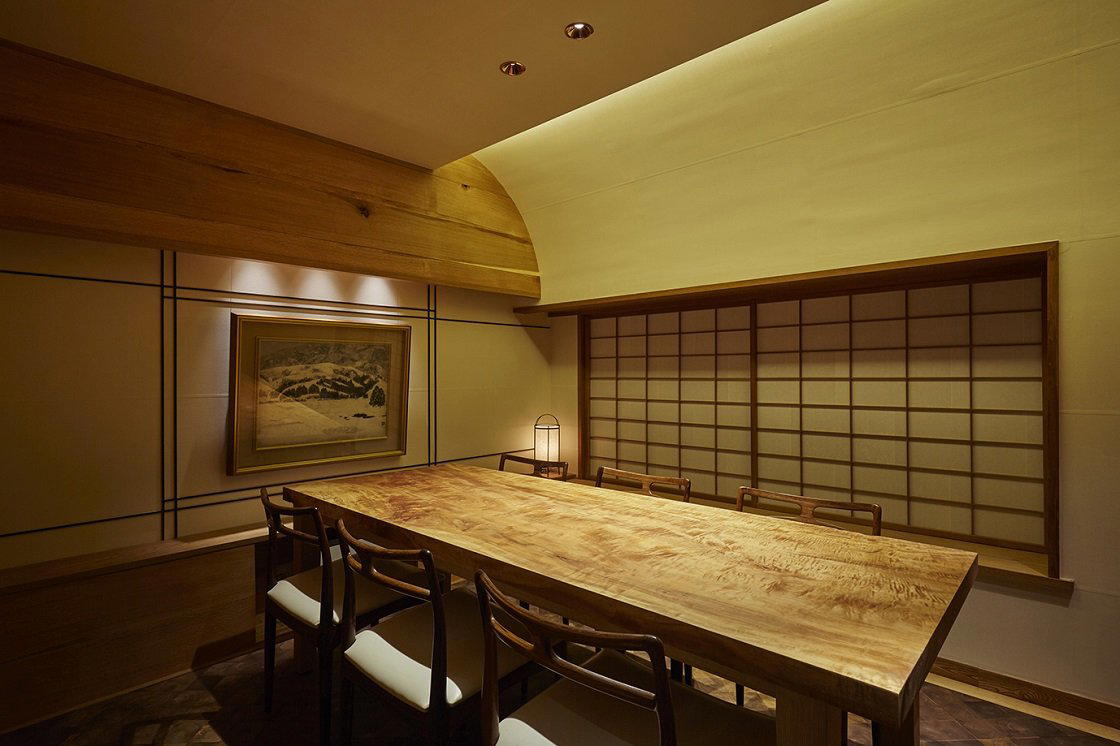
The Counter as the Room
In Osaka's sushi culture, the counter is not a design choice, it is the format. The chef works within arm's reach, fish rests on wood rather than behind glass, and the sequence of the meal is governed by what arrived at the market that morning. Sushi Yuden, located in Osaka's Tennoji Ward, is a Michelin-starred omakase sushi restaurant. The room is built around the counter as its organising principle: the kitchen is the dining room, and the dining room is a performance space where the cook's movements are the programme.
This proximity is not incidental. The counter format evolved in Japan as a way of communicating freshness and trust, the guest watching rice seasoned and fish cut in real time has more information than any printed menu can offer. At Yuden, that dynamic is intact. The meal emerges from what is selected and how it is prepared, not from a static printed omakase list.
Tennoji Ward and Osaka's Sushi Geography
Tennoji sits south of Namba and east of Shinsaibashi, a district that carries less international foot traffic than the tourist corridors but holds a serious concentration of neighbourhood restaurants serving locals who know what they want. Within Osaka's broader sushi scene, the Tennoji-Ueshio pocket is less documented than Shinsaibashi or Fukushima, which makes the Michelin recognition at Yuden a meaningful signal.
Osaka's relationship with sushi differs from Tokyo's in important ways. The city's culinary identity has long centred on freshness, accessibility, and a kind of democratic rigour, the idea that good food should be eaten the day it arrives, not aged or elaborated upon unnecessarily. This is the tradition Nishimura works within. His sourcing from Kuromon Market, the covered market in Namba that has supplied Osaka's restaurants and households for over three centuries, is not a provenance story for marketing purposes. It is the operational logic of a kitchen that treats freshness as a non-negotiable input.
Kuromon Market and the Sourcing Chain
Kuromon Ichiba, sometimes called Osaka's kitchen, handles the kind of fish volume and variety that only a city with Osaka's seafood appetite could sustain. Stalls open early, and the professional buyers who arrive before the public are often chefs who cannot afford to have their menus decided for them by a distributor. The kitchen works with daily market sourcing and adjusts the menu accordingly.
This sourcing approach places Yuden in a specific tier of Osaka sushi. Counter restaurants that buy through wholesale distributors and those that buy direct from market have different kitchen cultures, different cost structures, and different menus, even when the price point looks similar. The daily market visit is a discipline as much as a logistical choice, it commits the kitchen to whatever is genuinely good that day rather than what was ordered three days earlier.
Michelin Recognition and Peer Context
Sushi Yuden held a Michelin Star in 2024. Within Osaka's starred sushi tier, that places it alongside a group of counter-format restaurants that have earned recognition on technical and sourcing grounds rather than spectacle or scale.
Osaka's broader fine-dining scene is anchored by a different set of formats. Kaiseki-leaning Japanese restaurants like Taian, and innovation-driven houses like Fujiya 1935, HAJIME, and La Cime, operate at the ¥¥¥¥ tier with multi-hour, multi-course structures. Yuden sits at ¥¥¥, a price point that reflects the counter sushi format, fewer courses than a kaiseki progression, concentrated on fish and rice, with less elaborate front-of-house ceremony.
Gion Sasaki in Kyoto and akordu in Nara represent different registers of the region's approach to produce and technique. Further afield, Harutaka in Tokyo offers a useful benchmark for how the Tokyo omakase counter differs from Osaka's more market-direct style. In Southeast Asia, the sushi counter format has also taken root: Sushi Shikon in Hong Kong and Shoukouwa in Singapore both operate with Japanese-trained chefs and Michelin recognition, though the sourcing chain and fish variety differ significantly from what a direct Kuromon market connection provides.
The Name and Its Logic
The character 'Yu' in Yuden carries the meaning of calm or endurance, a word that describes a state of steadiness rather than excitement. It is a considered name for a counter restaurant, signalling that the kitchen's values are about continuity and consistency rather than novelty. That framing aligns with how particularly durable sushi counters in Japan position themselves: technique accumulated over time, sourcing relationships built over years, and a format that does not require seasonal reinvention to justify its existence.
Nishimura has described sushi as a traditional cuisine, and the counter format at Yuden embodies that perspective. The open kitchen is not staged for drama; it is functional, and the transparency it creates is a byproduct of how the work is actually done. The term 'old-time sushi counter' in how the restaurant has been characterised is not nostalgia for its own sake, it reflects a decision to maintain a format that privileges the relationship between chef and guest over the elaboration of the room.
Placing Yuden in the Meal Sequence
For visitors building a serious eating itinerary in Osaka, the question is less whether Yuden belongs on the list and more where it sits within the sequence. The ¥¥¥ price point and counter format make it a natural evening anchor, a meal that runs on fish quality and technique rather than length or wine pairing. It is not the kind of restaurant that requires a full day of preparation or that competes with Osaka's kaiseki format for the same kind of attention. It occupies a different hour and a different register.
The Tennoji location also matters for itinerary planning. Tennoji has its own culinary character, distinct from the Dotonbori tourist strip and the Kitashinchi business dining district. A meal at Yuden is a neighbourhood experience in direct sense: a restaurant that exists because the local appetite for serious sushi is real, not because an international audience has been identified.
For travellers extending beyond Osaka, Goh in Fukuoka, 1000 in Yokohama, and 6 in Okinawa each represent distinct regional approaches to Japanese fine dining worth considering in context. And within Osaka itself, the full scope of the city's dining, drinking, and hospitality options is covered across our full Osaka restaurants guide, our full Osaka hotels guide, our full Osaka bars guide, our full Osaka wineries guide, and our full Osaka experiences guide.
Planning Your Visit
Location: 3 Chome-8-25 Ueshio, Tennoji Ward, Osaka (Kitagoka Building, 1F). Price range: ¥¥¥, mid-to-upper tier for Osaka sushi counters. Reservations: Essential. Dress: Smart casual is appropriate for this format; counter seating does not require formal dress. Leading timing: Counter sushi in Osaka is typically an evening format; Kuromon market sourcing means the menu reflects morning availability.
What Dish Is Sushi Yuden Famous For?
Sushi Yuden does not publicise a single signature dish, and no specific menu items are confirmed in the available record. The restaurant's identity is built around daily market sourcing from Kuromon Market. The Michelin recognition across both 2024 and 2025 guides is anchored in technique and sourcing consistency rather than a single showpiece. Guests at this category of counter typically experience the meal as a sequence determined by the chef, with the fish quality of any given day being the operative factor.
Same-City Peers
Comparable venues nearby, for context on price, style, and recognition.
| Venue | Cuisine | Price | Notes |
|---|---|---|---|
| Sushi YudenThis venue — the venue you are viewing | Michelin-Starred Omakase Sushi | $$$$ | Not listed |
| Sushiroku | Edomae-Style Omakase Sushi | $$$$ | Kita |
| Zeshin | Seasonal Kaiseki Omakase | $$$$ | Kita |
| Masuda | Michelin-Starred Seasonal Kaiseki Omakase | $$$$ | Chūō |
| Ajikitcho Bumbuan | Traditional Japanese Kaiseki | $$$$ | Chūō |
| Nishitemma Nakamura | Seasonal Kaiseki with Western Influences | $$$$ | Kita |
Recognition history
Dated appearances from independent guides and award organizations, with the underlying list record or original source where available.
Michelin Plate
Michelin
Opinionated About Dining Top Restaurants in Japan Recommended
Opinionated About Dining
Michelin Plate
Michelin
Continue exploring
More in Osaka
Restaurants in Osaka
Browse all →




Bars in Osaka
Browse all →

Hotels in Osaka
Browse all →




Wineries in Osaka
Browse all →
At a Glance
- Intimate
- Elegant
- Sophisticated
- Cozy
- Date Night
- Special Occasion
- Chefs Counter
- Sake Program
- Local Sourcing
- Sustainable Seafood
Current opening hours
- Monday
- Closed
- Tuesday
- 5:30–11 PM
- Wednesday
- 5:30–11 PM
- Thursday
- 5:30–11 PM
- Friday
- 5:30–11 PM
- Saturday
- 5:30–11 PM
- Sunday
- 5:30–11 PM
Hours can change for holidays and private events. Last verified .
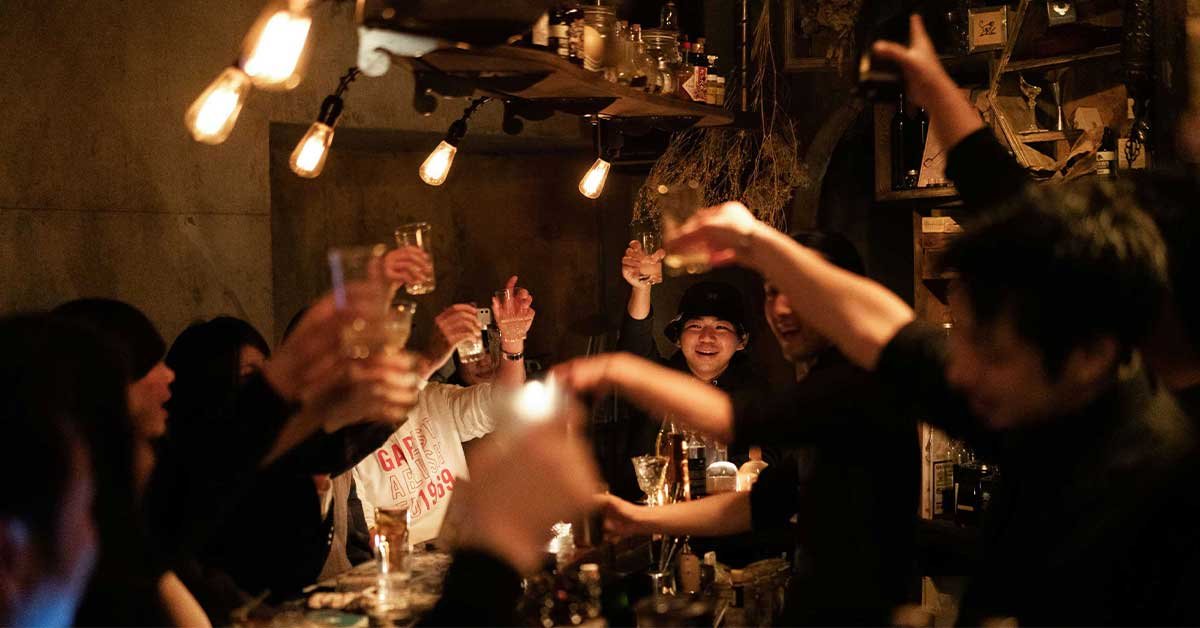
Warm and tranquil atmosphere with a counter from 160-year-old cypress wood, creating an intimate omakase setting.