Michelin Plate · La Liste Top Restaurants
Our verdict
Bangkok's omakase tier has grown sharply over the past decade, and Sushi Masato in Watthana sits near its upper end, a Michelin Plate holder ranked in Opinionated About Dining's Asia top 100 across three consecutive years. Produce arrives daily from Toyosu Market in Tokyo, and the counter places Chef Masato Shimuzu's Japan-and-New-York-trained technique at the centre of a format that rewards serious attention.

Pearl is the En Primeur Club membership app, where members save venues, book tables and use the concierge.
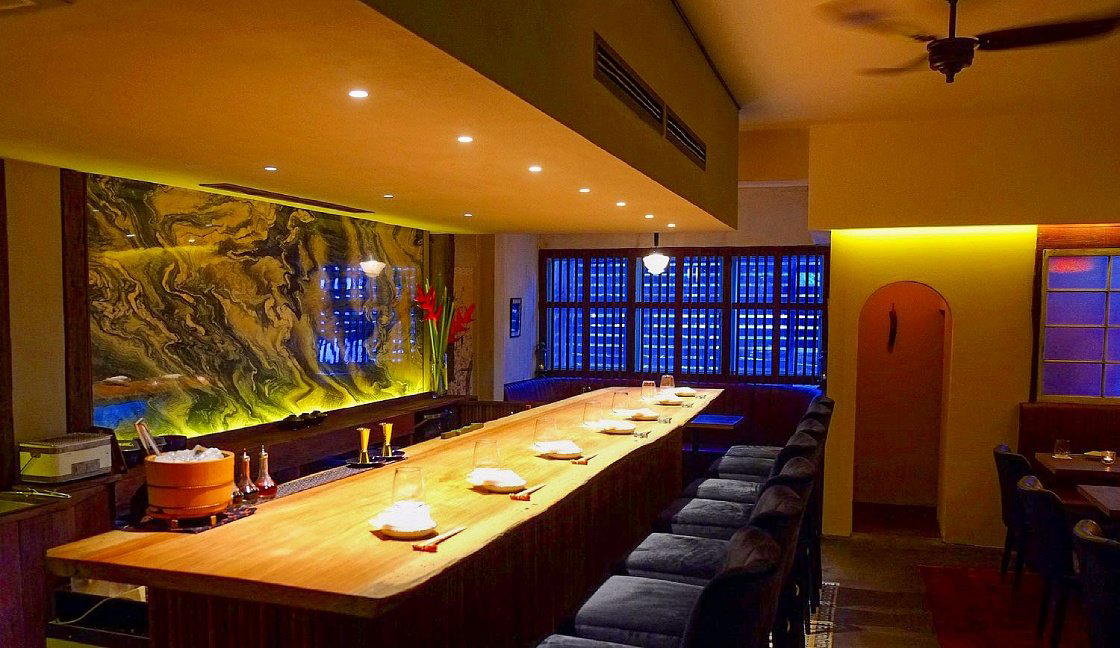
A Counter in the Upper Tier of Bangkok Omakase
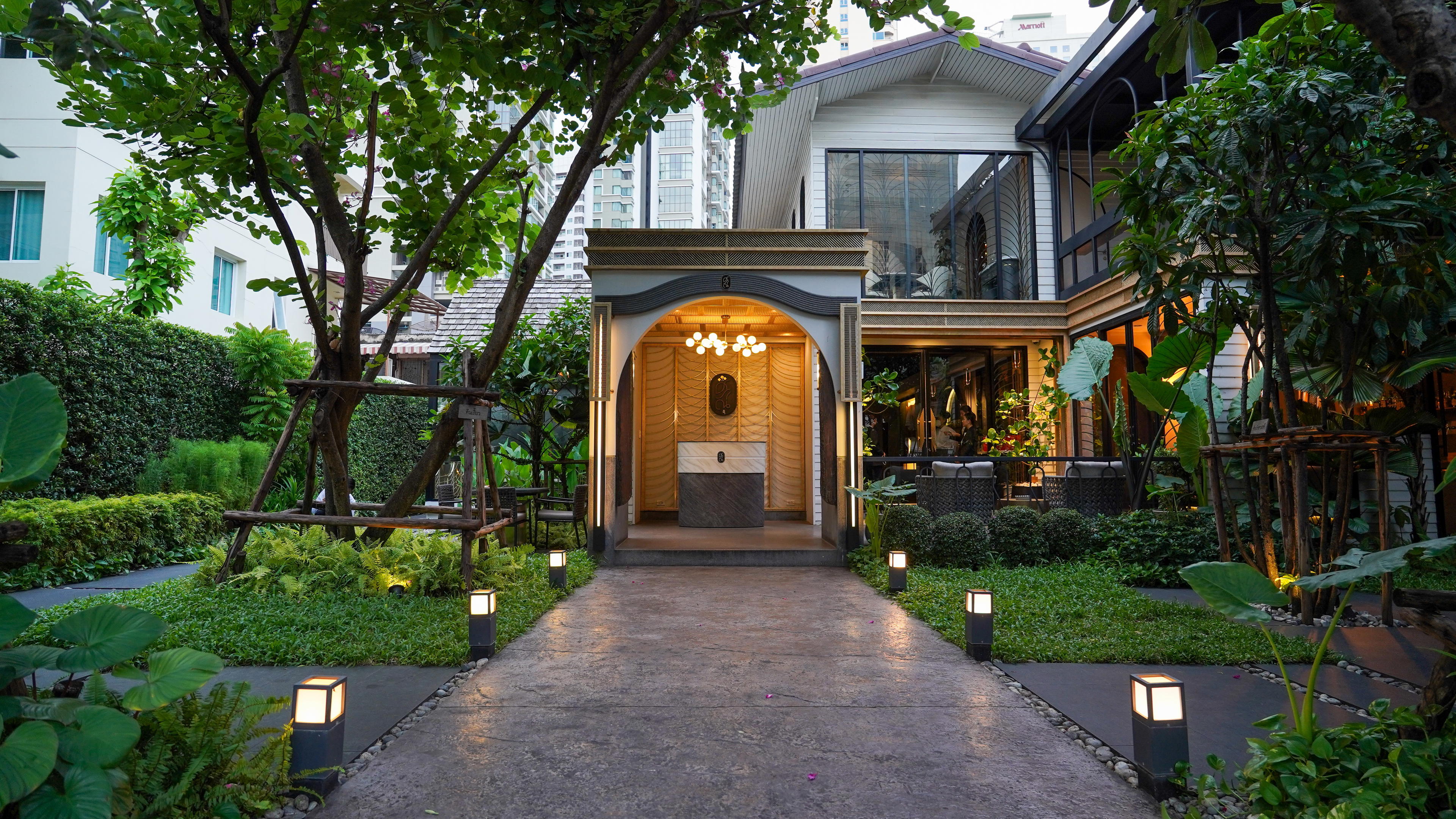
Bangkok's sushi scene has reorganised itself considerably since the early 2010s. What was once a handful of Japanese-run counters aimed at expatriates and visiting businesspeople has expanded into a layered market: entry-level omakase for the curious, mid-range counters with credible Japanese sourcing, and a smaller upper bracket where daily Toyosu imports, competition-level knife work, and sustained international recognition converge. Sushi Masato, on Soi Sawatdi in Watthana, operates in that upper bracket. The address is residential in character, the approach is quiet, the building understated, which means the counter functions as destination rather than walk-in, drawing guests who have already decided before they arrive.
Across Bangkok's wider restaurant scene, the ฿฿฿฿ price tier is occupied by a range of cuisines: southern Thai at Sorn, contemporary German at Sühring, modern Indian at Gaa.
Edomae Principles and the Question of Where This Counter Sits
The tension that runs through serious sushi today, in Tokyo, Hong Kong, New York, and in Bangkok, is the distance between Edomae orthodoxy and what might be called the modern counter idiom. Edomae sushi, as it developed in Edo-period Tokyo, was defined by specific curing, marinating, and aging techniques applied to local catches from Tokyo Bay. The philosophy was about transformation through craft: vinegar-cured kohada, kelp-pressed hirame, simmered shellfish. The rice temperature, the hand pressure, the sequence of pieces, all of it codified over generations into something that resisted improvisation on principle.
The modern counter idiom, as it has spread globally, tends to prioritise premium raw material and minimal intervention: the leading fish flown in at great expense, served with as little standing between the ingredient and the diner as possible. This approach is not inherently less rigorous, but it operates by different logic, sourcing replaces transformation as the central act of craft.
Sushi Masato sits at a considered point between these two poles. The daily Toyosu import pipeline anchors the sourcing side firmly: produce arrives from the market that replaced Tsukiji as Tokyo's primary wholesale hub, meaning the seasonal rhythms of the Japanese seas, spring shellfish, winter fatty fish, govern what appears on the counter here in Bangkok. That is a significant operational commitment for a restaurant outside Japan, and it aligns Masato with the sourcing-first ethos of modern premium omakase. Chef Masato Shimuzu's training, spanning Japan and New York, adds another layer: New York's omakase culture absorbed both Edomae discipline and a cosmopolitan appetite for experimentation, and that dual influence tends to produce chefs comfortable moving between registers. Whether any given service leans toward the classical or the contemporary depends on season, product, and guest, which is, in itself, an Edomae-adjacent sensibility.
For direct comparison within Bangkok, Ginza Sushi Ichi represents the more explicitly Tokyo-classical end of the local spectrum, while Sushi Ichizu and In the Mood for Love each occupy their own position on the tradition-to-innovation axis. Masato's sustained presence in the rankings, appearing in Opinionated About Dining's Asia top 100 in 2023, 2024, and 2025, and holding a Michelin Plate across both 2024 and 2025, indicates the counter has found a stable identity within this competitive field rather than chasing a single positioning.
Recognition and What the Awards Data Implies
A Michelin Plate signals that inspectors consider the food worth noting without yet awarding a star. Within Bangkok's sushi category, that distinction matters: the city's Michelin coverage has expanded, and a Plate at a premium-tier counter confirms the operation meets a threshold of consistency and technique that many sushi restaurants, regardless of spend level, do not. La Liste, which aggregates global critic and guide sources into a single score, rated Sushi Masato at 87 points in 2025, a slight adjustment from 87 the prior year, placing it inside La Liste's recognised tier for Asia. The Opinionated About Dining ranking, which draws from a specialist critical community with strong Japanese-food expertise, placed the counter at #72 in Asia in 2024 and #98 in 2025, movement within the top 100 rather than exit from it, which over three years constitutes a meaningful track record.
For regional context, the Asia sushi tier that Masato references also includes venues like Sushi Shikon in Hong Kong and Tokyo references such as Harutaka, counters that define what the upper end of the category looks like across the region. Bangkok's leading counters now operate credibly within that regional conversation, and Masato's consistent appearances in cross-market rankings confirm its position there.
Planning Your Visit
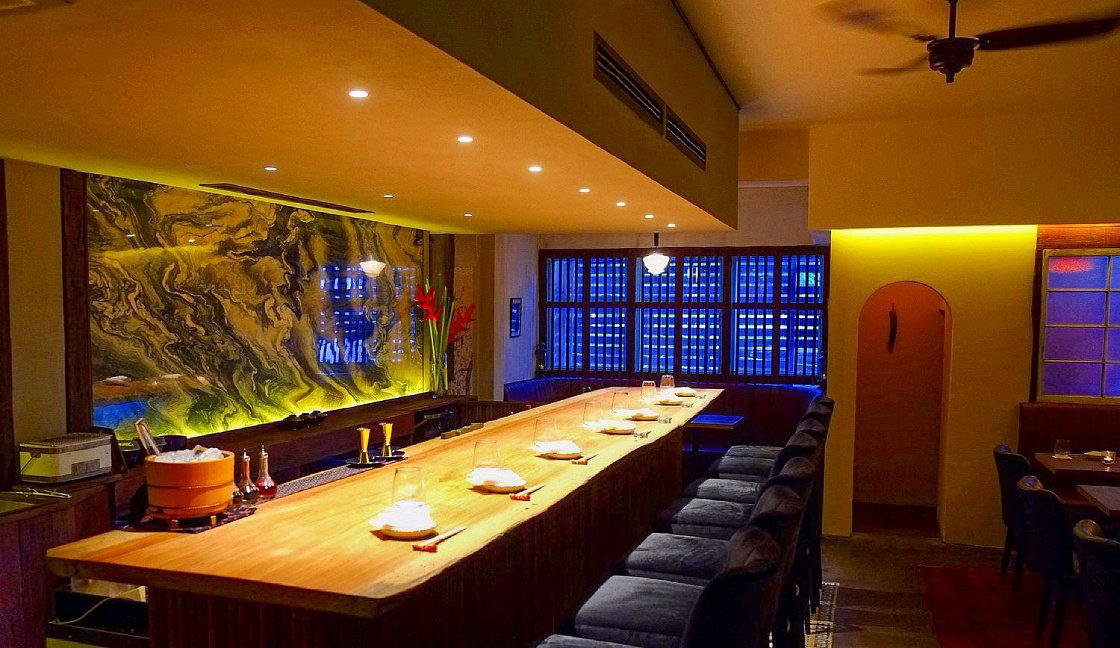
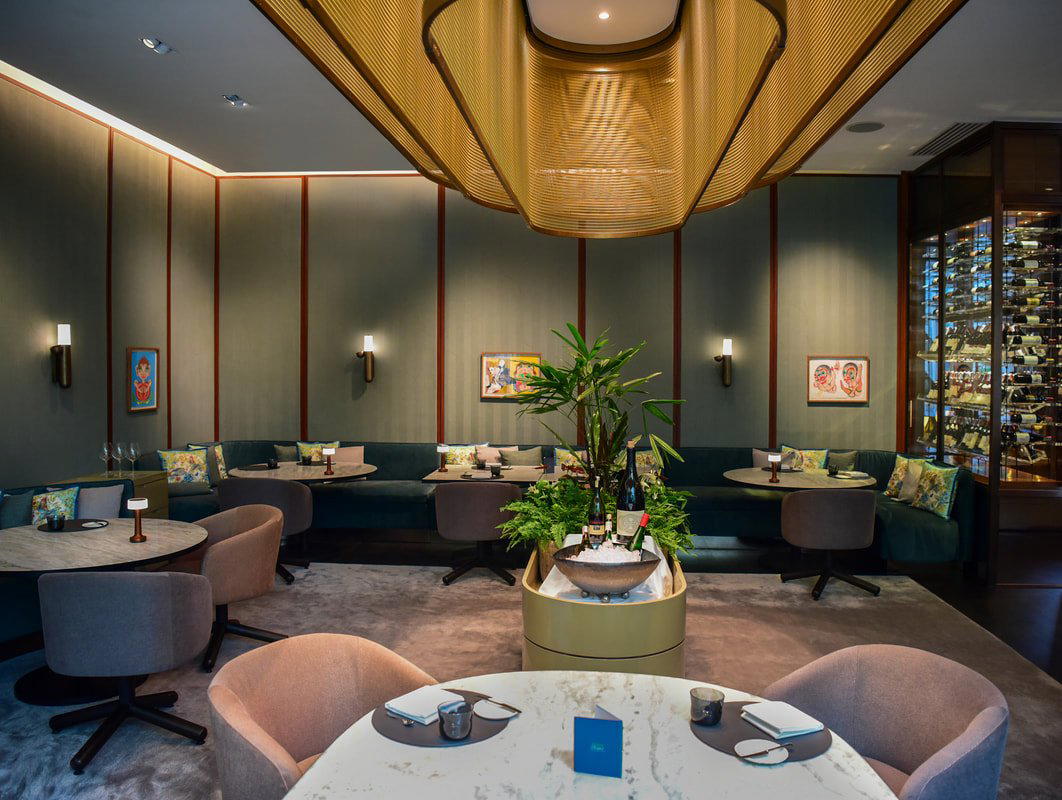
Sushi Masato is on Soi Sawatdi in the Khlong Toei Nuea sub-district of Watthana, a quieter address than the main Sukhumvit corridor, which suits the counter format. The kitchen operates Wednesday through Sunday for both lunch (12–2 pm) and dinner (5–10 pm, with Sunday dinner ending at 8 pm). Monday and Tuesday are closed. At the time of booking, guests may request to be seated at Chef Masato's counter specifically, which is worth noting for those for whom the direct counter experience is the point.
| Venue | Cuisine | Price | Recognition | Lunch Service |
|---|---|---|---|---|
| Sushi Masato | Sushi / Omakase | ฿฿฿฿ | Michelin Plate, OAD Asia Top 100, La Liste | Yes (Wed–Sun) |
| Ginza Sushi Ichi | Sushi / Omakase | ฿฿฿฿ | Michelin recognised | Check venue |
| Sushi Ichizu | Sushi / Omakase | ฿฿฿฿ | Michelin recognised | Check venue |
| Fillets | Sushi | ฿฿฿ | EP Club listed | Check venue |
If you are building a broader Bangkok itinerary, EP Club covers the full range: hotels, bars, wineries, and experiences are all indexed. For dining beyond Bangkok, the EP Club Thailand network extends to PRU in Phuket, AKKEE in Pak Kret, Aeeen in Chiang Mai, Angeum in Ayutthaya, and Agave in Ubon Ratchathani.
Frequently asked questions
Would Sushi Masato be comfortable with kids?
A sushi counter running two-session service daily and ranked among Asia's top restaurants by Opinionated About Dining is geared toward guests who can follow the omakase pace quietly. Young children who are comfortable sitting through a multi-course tasting format without disruption should be fine, but this is not a casual drop-in venue, the counter format and premium Toyosu-sourced fish set the tone.
Is Sushi Masato formal or casual?
The setting is intimate and counter-focused rather than ceremonially stiff, but the context calls for considered dress. Guests sit at the counter in front of Chef Masato Shimizu, and the room operates at a register consistent with a Michelin Plate restaurant drawing La Liste recognition. Smart, composed attire is appropriate; overly casual clothing would feel out of place.
What distinctions does Sushi Masato have?
Sushi Masato has received recognition including: The Japanese seas provide a rich bounty of seasonal delights: spring offers an abundance of fresh shellfish, while winter brings the indulgence of rich, fatty fish. At Sushi Masato, guests enjoy this premium seasonal produce flown in daily ….
What should I eat at Sushi Masato?
The menu follows seasonal availability from Toyosu Market, with fish flown in daily from Tokyo, meaning the selection shifts with the calendar. Spring leans toward shellfish; winter brings fattier cuts. You can request to be seated directly in front of Chef Masato Shimizu, which shapes the experience considerably at an omakase counter where the chef's judgment drives every course.
Reputation First
A quick snapshot of similar venues for side-by-side context.
| Venue | Cuisine | Price | Awards | Notes |
|---|---|---|---|---|
| Sushi MasatoThis venue (the venue you are viewing) | Michelin-Starred Japanese Omakase | $100–150 | Michelin Plate · La Liste Top Restaurants | Not listed |
| Sorn | Fine Southern Thai | $200–300 | 3 Michelin Stars · World's 50 Best #12 | Southern Thai, ฿฿฿฿ |
| Côte by Mauro Colagreco | Riviera Mediterranean Fine Dining | $200–300 | 2 Michelin Stars · World's 50 Best #91 | Mediterranean, Modern Cuisine, ฿฿฿฿ |
| Baan Tepa | Creative Thai Fine Dining | $150–200 | 2 Michelin Stars · World's 50 Best #53 | Thai contemporary, ฿฿฿฿ |
| Gaa | Modern Indian Fine Dining with Thai Influences | $150–200 | 2 Michelin Stars · World's 50 Best #95 | Modern Indian, Indian, ฿฿฿฿ |
| Sühring | Modern German Fine Dining | $200–300 | 3 Michelin Stars · World's 50 Best #18 | German, ฿฿฿฿ |
Recognition history
Dated appearances from independent guides and award organizations, with the underlying list record or original source where available.
Michelin Plate
Michelin
La Liste Top Restaurants
La Liste
Opinionated About Dining Top Restaurants in Asia Ranked #125
Opinionated About Dining
Full recognition history (9 entries)
La Liste Top Restaurants
La Liste
Michelin Plate
Michelin
Opinionated About Dining Top Restaurants in Asia Ranked #98
Opinionated About Dining
Michelin Plate
Michelin
Opinionated About Dining Top Restaurants in Asia Ranked #72
Opinionated About Dining
Opinionated About Dining Top Restaurants in Asia Ranked #86
Opinionated About Dining