Michelin Plate
Our verdict
Nikaku brings Kitakyushu-rooted Edo-mae sushi to Bangkok's Silom district, operating a 12-seat counter at W Bangkok with omakase-only service and ingredients sourced primarily from Fukuoka every two days. Fresh uni arrives from Hokkaido; the format is strict, the supply chain deliberate. Michelin Plate recognition in both 2024 and 2025 places it firmly within Bangkok's serious Japanese counter tier.

Pearl is the En Primeur Club membership app, where members save venues, book tables and use the concierge.
The menu
What to order
- Shiro Amadai
- O-toro
- Bafun Uni
- Kogane Anago
A Counter Built on Distance and Restraint
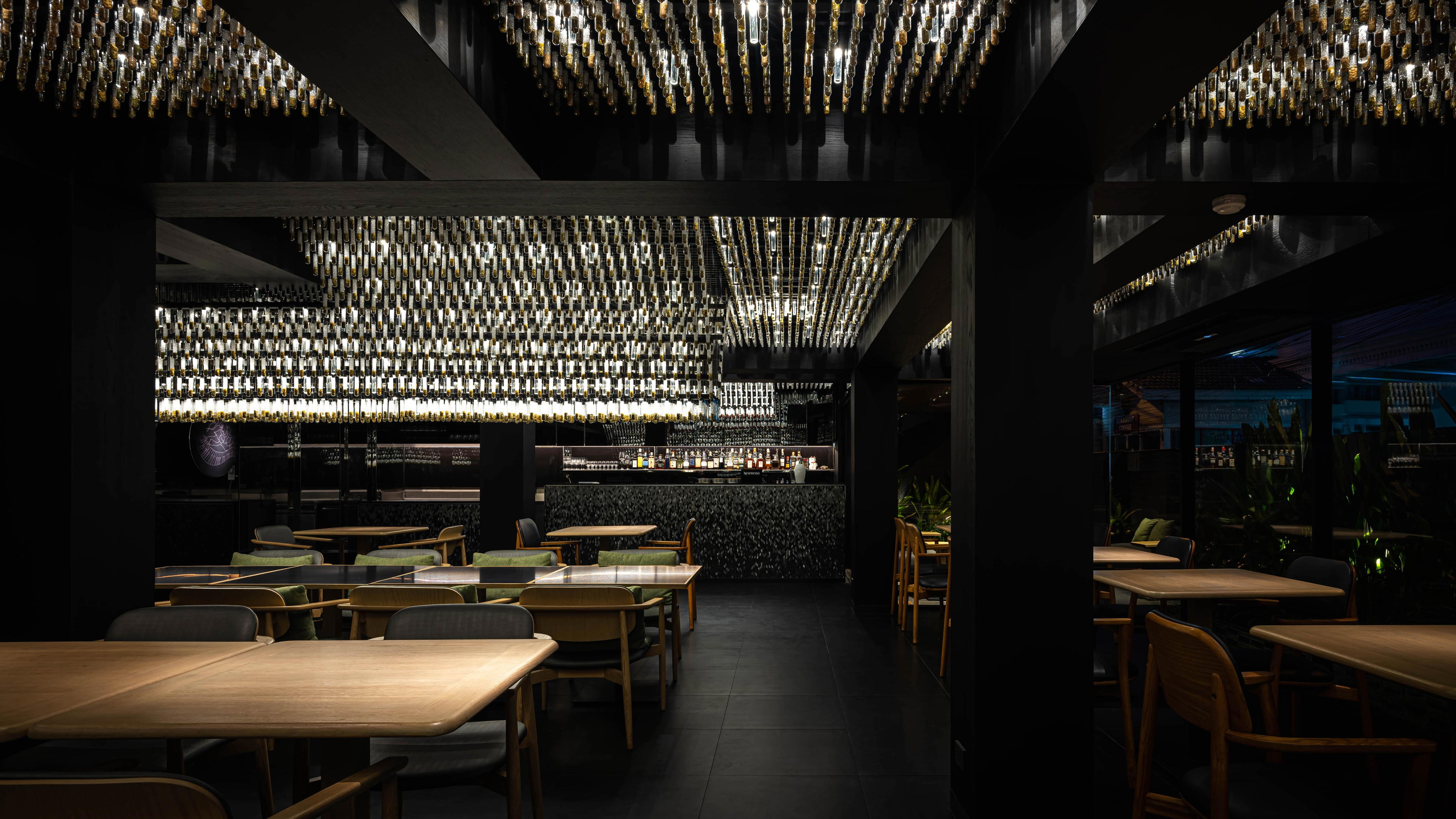
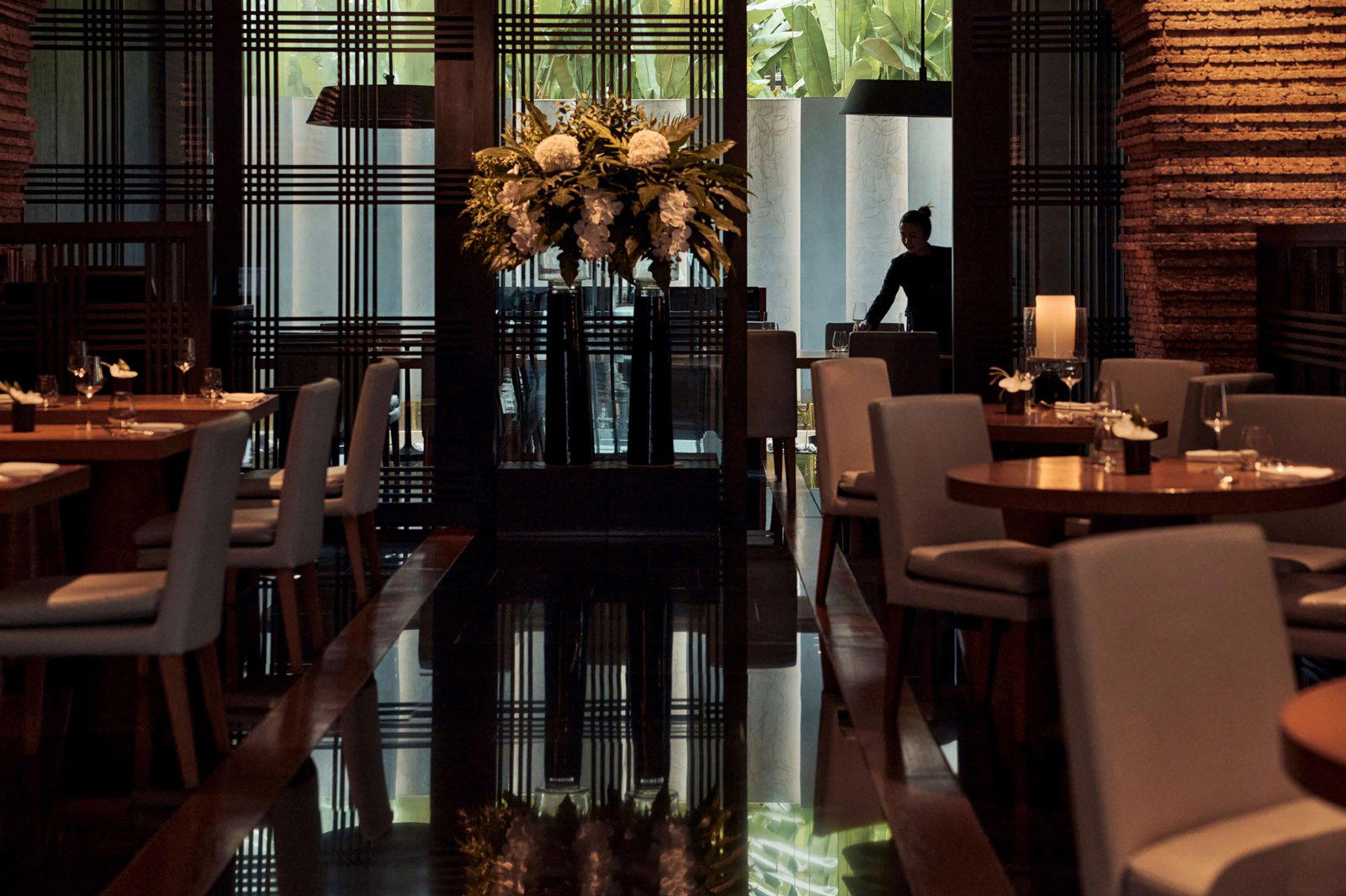
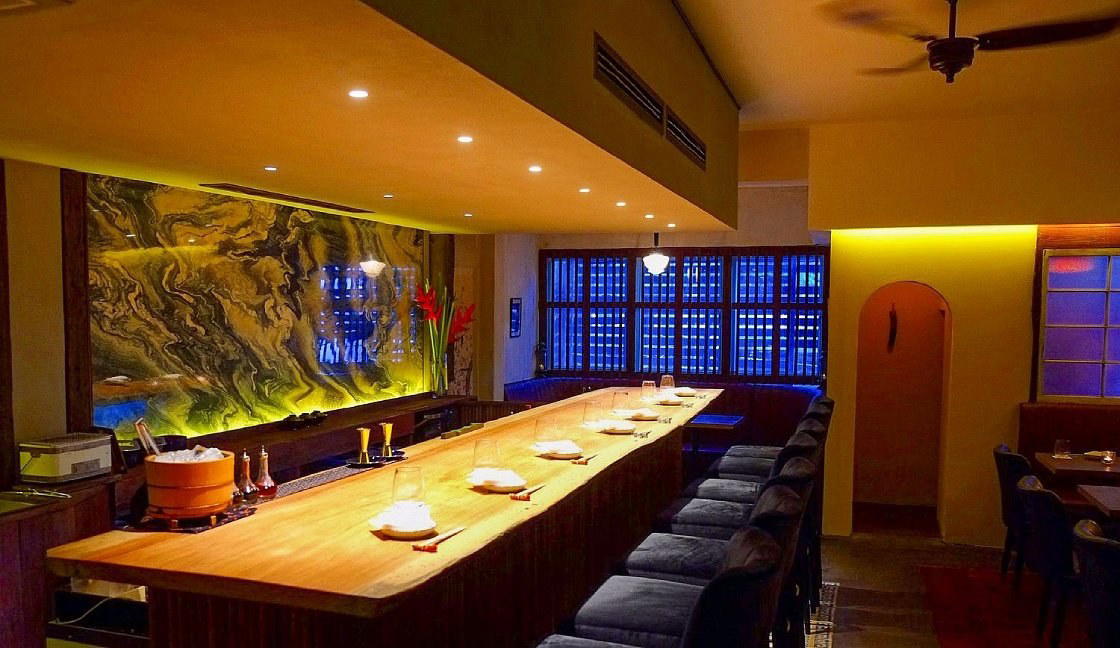
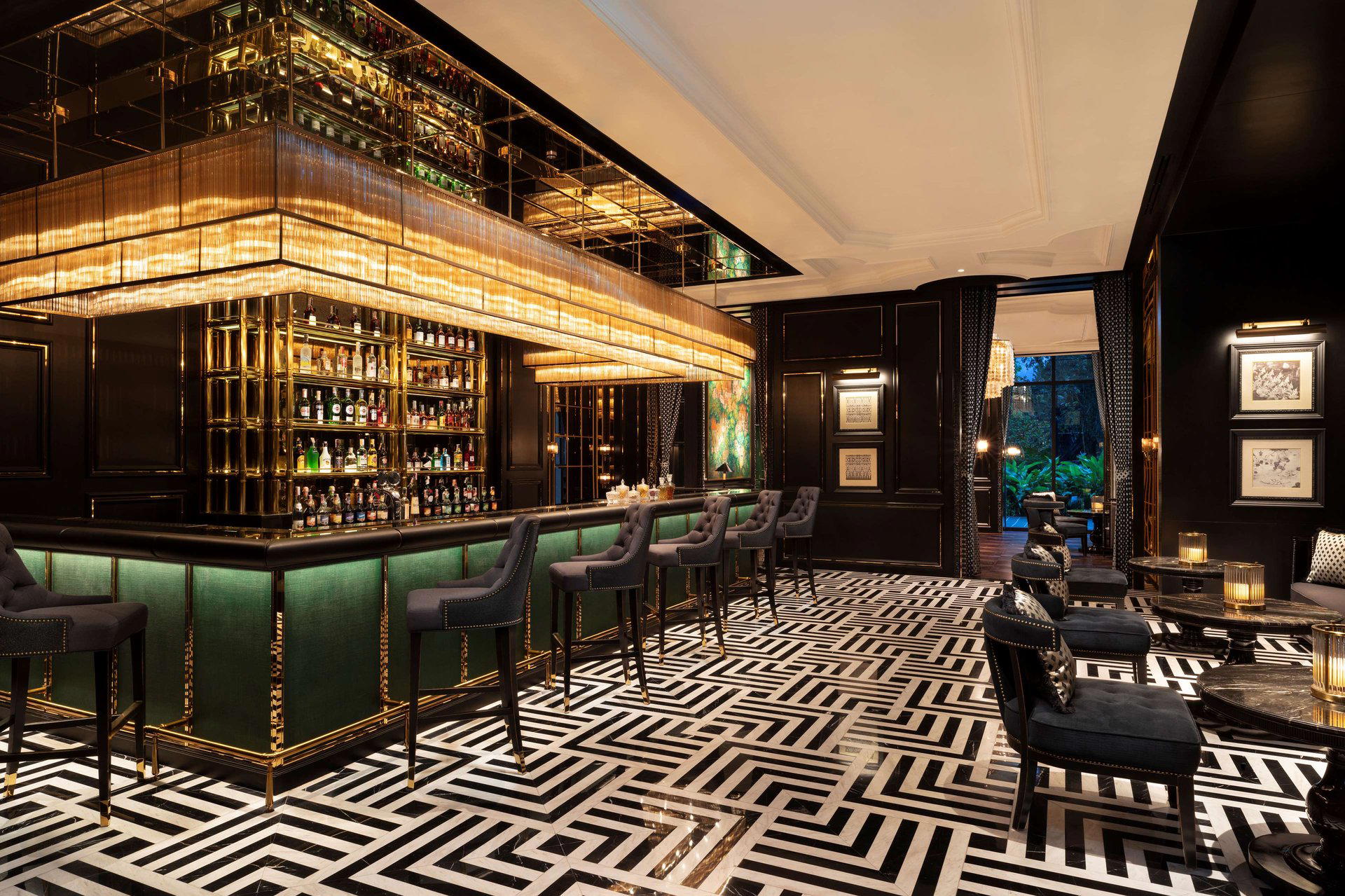
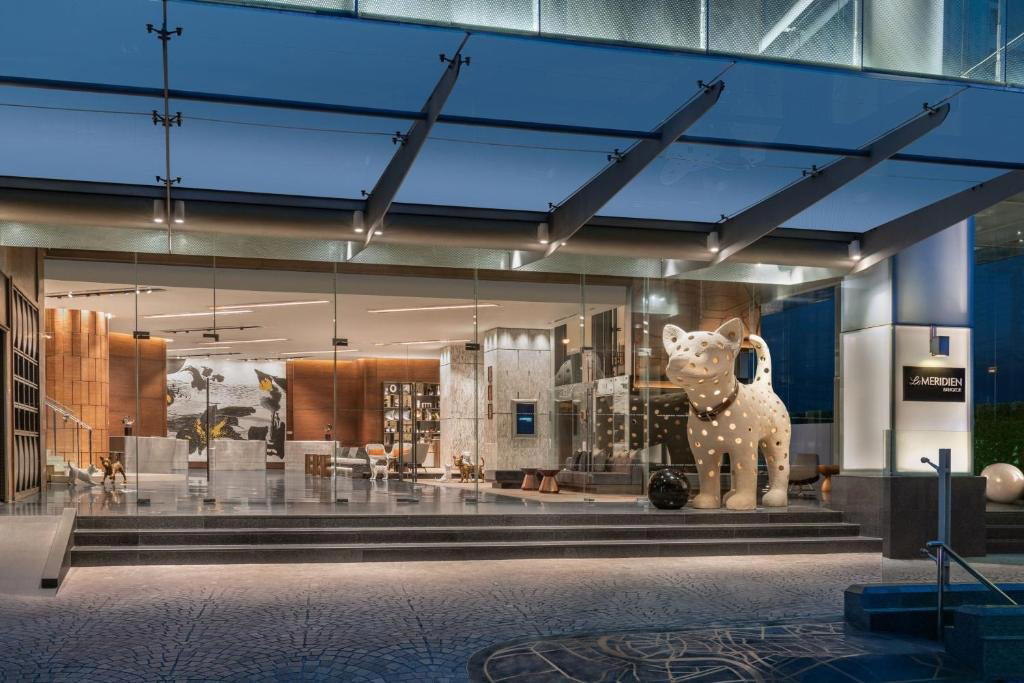
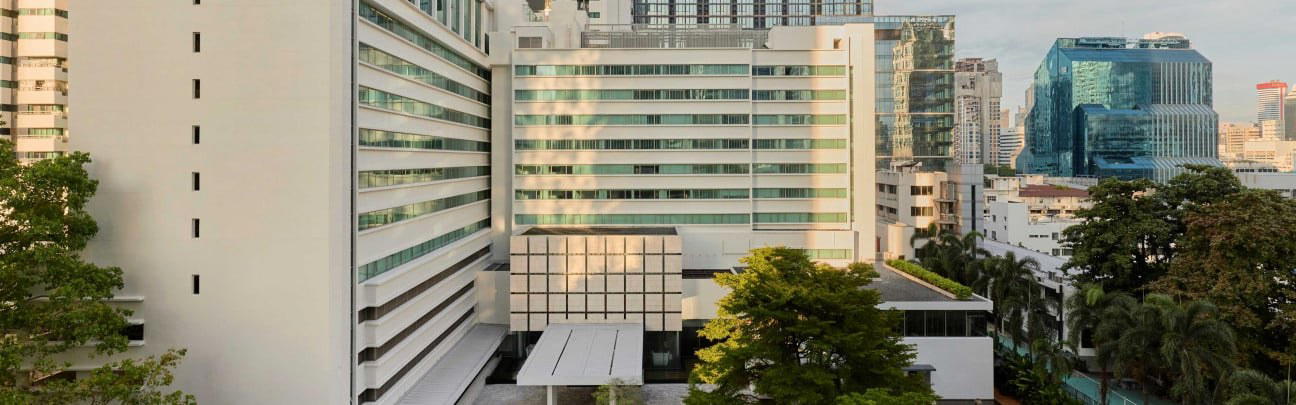
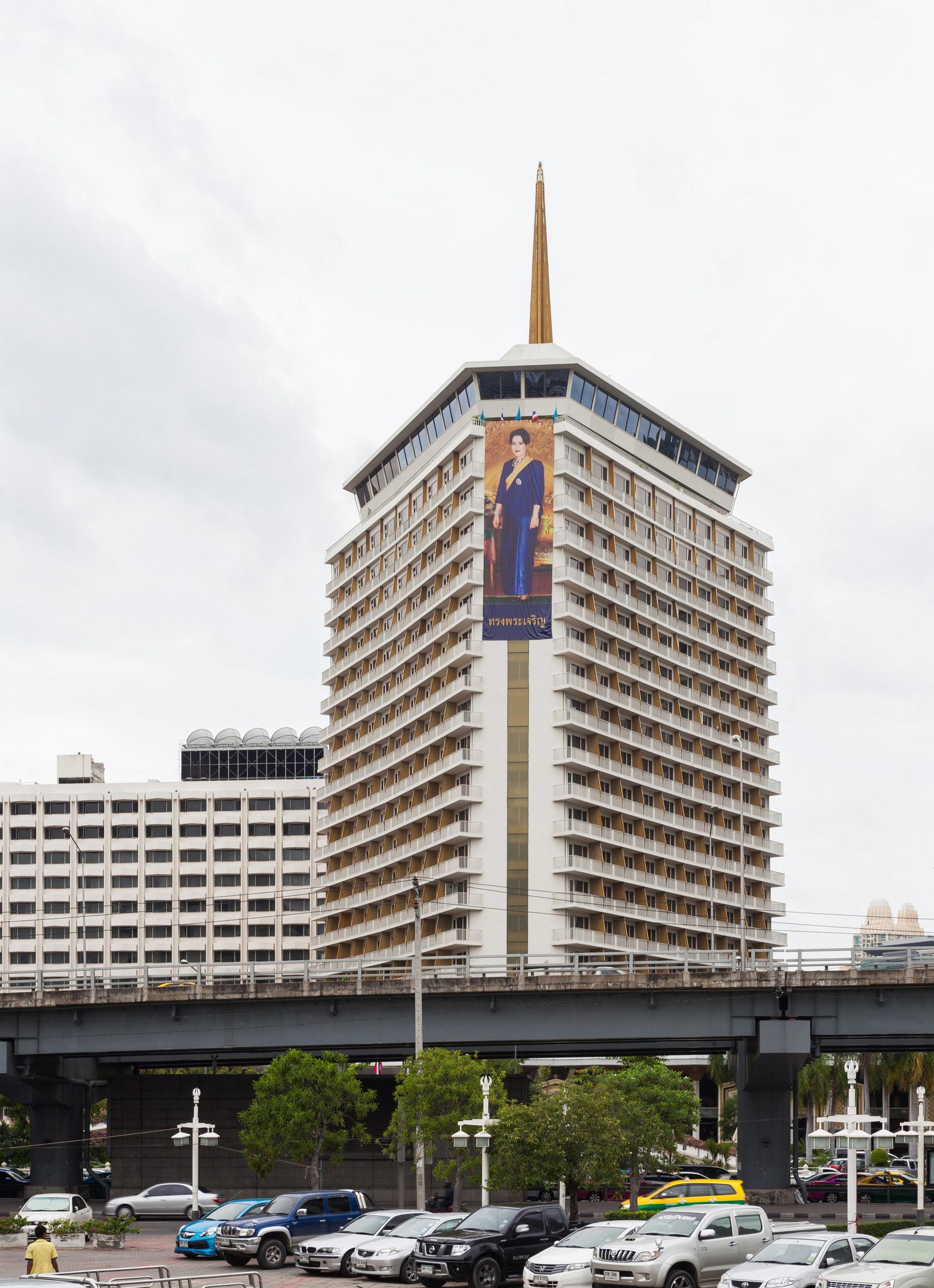
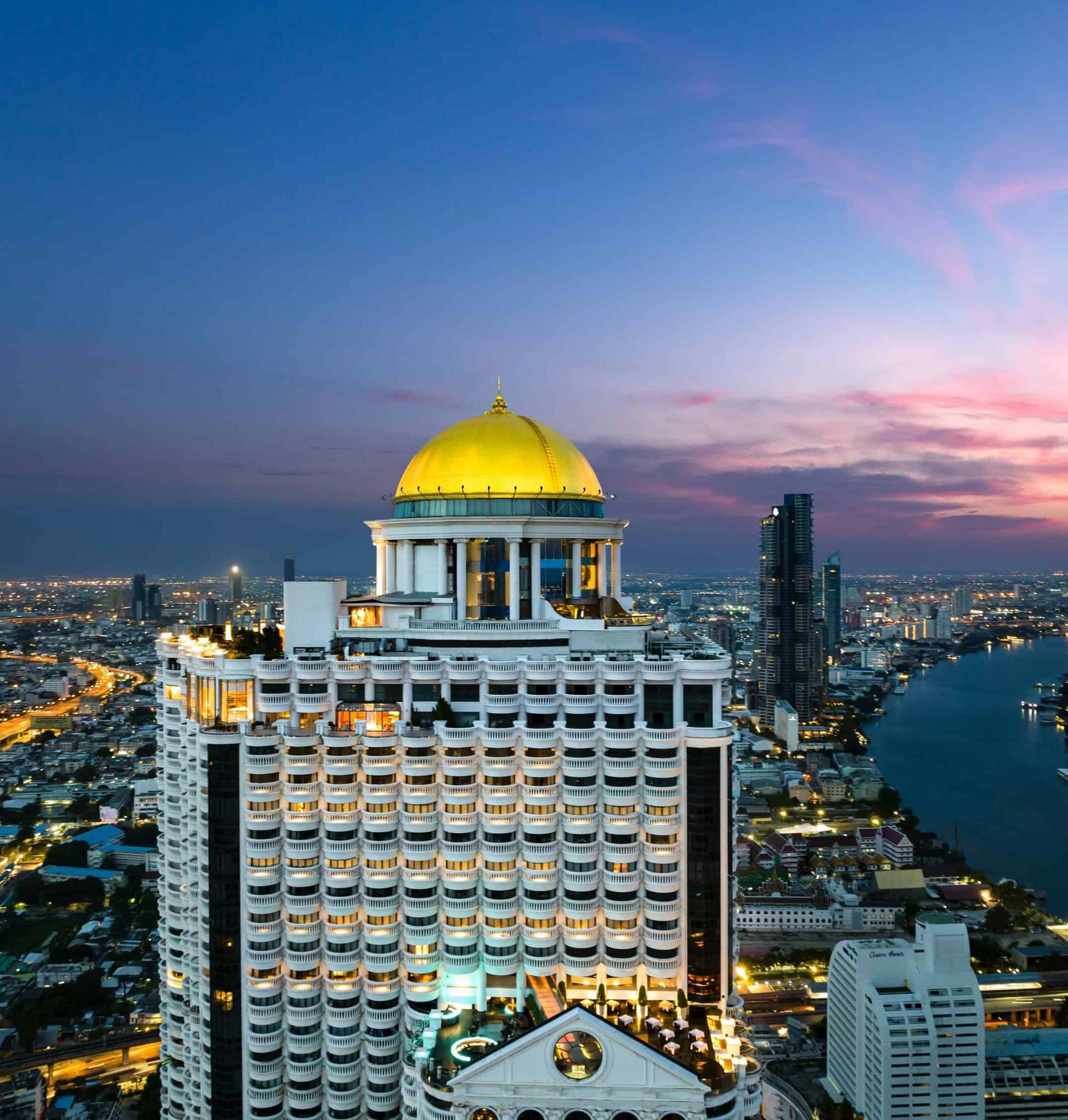
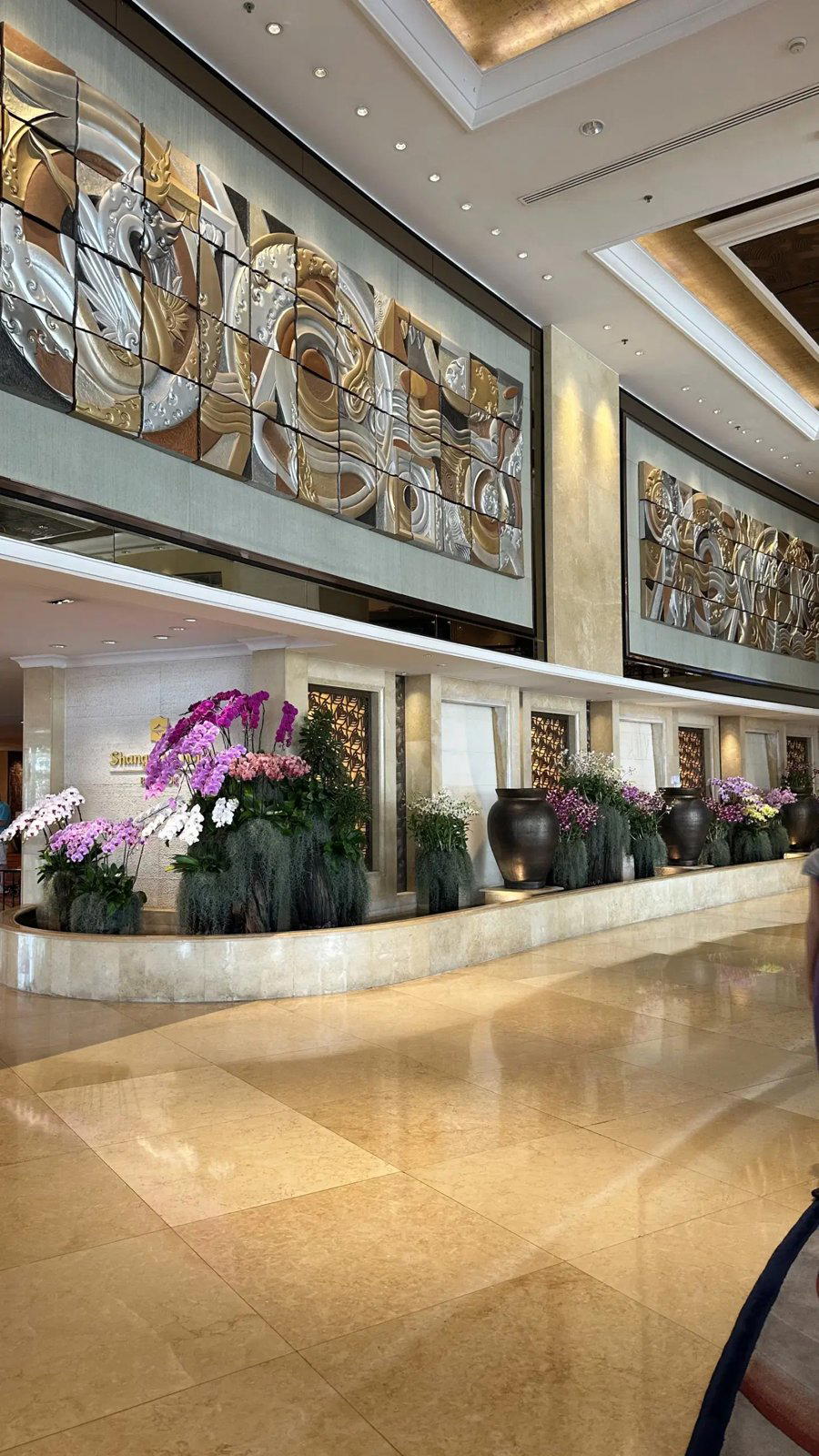
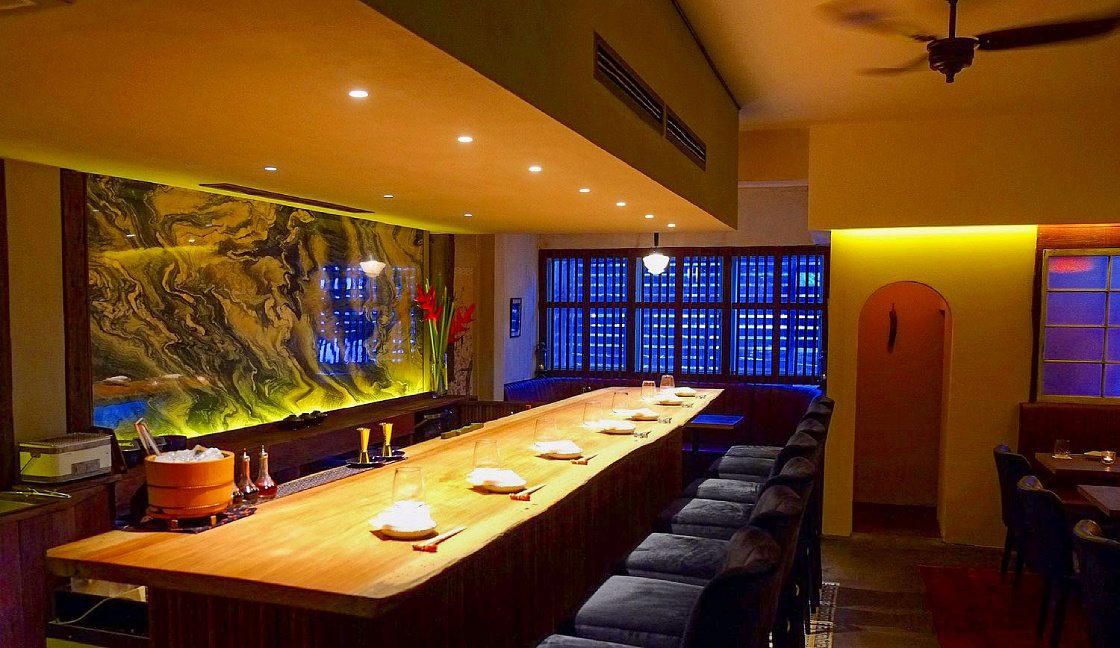
There is a particular stillness to the leading Edo-mae counters, the kind that registers the moment you sit down and realise the room holds only eleven other people. At Nikaku, occupying the ground floor of W Bangkok on North Sathon Road, that stillness is architectural. Twelve seats, a counter, and a kitchen focused entirely on the tradition of pressing, curing, and seasoning rice-topped fish in the style that defined sushi before the California roll changed the conversation. The Silom corridor around it hums with hotel bars and rooftop terraces; inside, the scale refuses all of that noise.
Bangkok's premium Japanese scene has grown considerably denser over the past decade. Counters like Ginza Sushi Ichi, Sushi Masato, and Sushi Ichizu have each carved positions in that field, competing not on price bracket alone but on sourcing provenance, lineage, and format discipline. Nikaku enters that conversation from an unusual angle: its origins trace to Kitakyushu, in northern Kyushu, rather than to Tokyo or Osaka. That geographic grounding shapes the supply logic, and the supply logic, here, is where the real story begins.
Sourcing as the Editorial Argument
At a time when provenance has become a marketing reflex in dining, the most credible counters demonstrate it through systems rather than menu copy. Nikaku's approach is structural: ingredients travel from Fukuoka on a two-day delivery cycle. Fukuoka's proximity to the Genkai Sea and its established fish market infrastructure make it one of Japan's most defensible sourcing nodes for sushi-grade fish and shellfish. The frequency of delivery, every two days rather than daily or weekly, suggests a deliberate calibration: fresh enough to hold quality, frequent enough to avoid overstocking.
This model sits within a broader shift among serious omakase venues toward shorter, more legible supply chains. Restaurants recognised for sustainability practice, from PRU in Phuket to AKKEE in Pak Kret, have demonstrated that reduced-intermediary sourcing isn't just an ethical signal, it produces measurably better raw material. For an Edo-mae counter, where ingredients are minimally transformed, quality of the incoming product is everything. Nikaku's Hokkaido uni, for instance, arrives as a finished argument: sea urchin that travels from Japan's northernmost island to a hotel counter in Bangkok's business district, and still registers as worth the distance.
Compare this to counters that rely on weekly Bangkok market sourcing or consolidated wholesale channels. The difference is not just freshness, it's the ability to respond to what is actually good on a given week rather than what was pre-committed. Edo-mae tradition rewards that kind of responsiveness; it is why the omakase format exists in the first place. Fillets and In the Mood for Love represent adjacent approaches to Japanese seafood in the city, but Nikaku's formal Edo-mae framework, Kyushu sourcing base, and hotel counter format place it in a distinct operational category.
The Omakase Format and What It Demands
Omakase is often described as trust, you eat what the chef decides, in the order they decide. That framing is accurate but incomplete. For the diner, it also means receiving information: at Nikaku, the chef provides detailed explanations of each piece of seafood, its origin, and its handling. This is not incidental hospitality. In Edo-mae tradition, understanding what you are eating, where it came from, and how it was prepared is part of the meal's structure. A diner who leaves knowing why Hokkaido uni commands the provenance premium they received it at has had a different experience from one who simply found it pleasant.
The twelve-seat capacity enforces the format's integrity. At scale, these explanations become impossible to sustain with any precision; the intimacy of a small counter is not aesthetic decoration but operational necessity. Venues like Harutaka in Tokyo and Sushi Shikon in Hong Kong have demonstrated that the counter format translates across Asia when the underlying supply and craft discipline travel with it. Nikaku represents that same logic applied to Bangkok's growing appetite for format-serious Japanese dining.
Tea pairings are available as an optional addition to the omakase. In a city where sommelier programs default to wine or sake, a tea pairing option reflects both practical awareness of the non-drinking market and a culturally coherent choice for a Kyushu-origin counter. Japanese tea culture, particularly the green and oolong varieties associated with Kyushu production, pairs with the clean, saline character of Edo-mae sushi without competing with its flavours the way alcohol sometimes does.
Recognition and Competitive Position
Michelin awarded Nikaku a Plate in both 2024 and 2025. The Plate designation sits below star level but carries meaningful weight as a signal of consistent quality within the Michelin review framework, it identifies venues cooking to a recognised standard without yet reaching the threshold of starred recognition. In Bangkok's ฿฿฿฿ omakase tier, which also includes multi-starred venues and highly regarded counters across Thai, European, and Japanese categories (Sorn, Sühring, Gaa, and Baan Tepa all compete in the same price bracket across different cuisine categories), consecutive Plate recognition positions Nikaku as a credible entry in that conversation rather than merely a hotel restaurant filling a slot.
In omakase contexts, that demographic tends to be format-familiar, which makes the rating a reasonable proxy for quality rather than ambient popularity.
For readers tracking Bangkok's Japanese dining scene more broadly, our full Bangkok restaurants guide maps the city's counter tier in full context. Those planning around accommodation should cross-reference with our Bangkok hotels guide, and the drinks landscape, from Silom hotel bars to specialist programs, is covered in our Bangkok bars guide. For broader Thailand travel, the Aeeen in Chiang Mai, Angeum in Ayutthaya, and Agave in Ubon Ratchathani extend the picture beyond Bangkok. Bangkok wineries and Bangkok experiences round out the full EP Club coverage, and the The Spa in Lamai Beach offers a southward detour worth noting for any itinerary that extends to the Gulf Coast.
Know Before You Go
- Address: G Floor, W Bangkok, 106 N Sathon Rd, Si Lom, Bang Rak, Bangkok 10500, Thailand
- Cuisine: Edo-mae sushi, omakase format
- Price tier: ฿฿฿฿
- Capacity: 12 seats at counter only
- Sourcing: Primarily Fukuoka, delivery every two days; Hokkaido uni featured
- Pairings: Special tea pairings available
- Recognition: Michelin Plate 2024 and 2025
- Booking: Advance reservation strongly advised given 12-seat capacity
What Should I Eat at Nikaku?
Nikaku operates a single omakase format, so the question of what to eat is largely answered by the counter itself. The programme follows Edo-mae principles: nigiri and preparations built on seasoned rice, house-cured and lightly treated fish, and sourced shellfish emphasising quality over variety. Hokkaido uni, sea urchin prized for its clean, oceanic sweetness, appears as a signature of the sourcing philosophy, arriving from Japan's northern coast as part of the bi-weekly Fukuoka delivery cycle. The tea pairing adds a considered alternative to sake or wine for those who want a beverage programme without alcohol, and the chef's running commentary on each piece of fish gives the meal an educational dimension that rewards engaged rather than passive dining. Awards recognition from Michelin in 2024 and 2025 confirms the technical standard across the menu as a whole.
Frequently asked questions
What awards or recognition does Nikaku have?
Nikaku has received recognition including: This Japanese restaurant, originating from Kitakyushu, specialises in authentic Edo-mae sushi. Offering an omakase menu, it serves only 12 diners at a counter, showcasing the chef's skills. Ingredients are delivered every two days, mainly f….
What's the pricing like at Nikaku?
Pricing at Nikaku is listed as ฿฿฿฿.
What should I eat at Nikaku?
Nikaku runs a single omakase programme, so the menu is entirely the chef's call. The format follows Edo-mae principles, with ingredients arriving every two days primarily from Fukuoka, expect the fish and shellfish selection to reflect what came in most recently. Hokkaido uni appears among the sourced ingredients. A dedicated tea pairing is available for diners who want a non-alcoholic progression alongside the counter sequence.
What cuisine category does Nikaku fall under?
Comparable Options
| Venue | Cuisine | Price | Awards | Notes |
|---|---|---|---|---|
| NikakuThis venue (the venue you are viewing) | Traditional Edomae Omakase | $200–300 | Michelin Plate | Not listed |
| Sorn | Fine Southern Thai | $200–300 | 3 Michelin Stars · World's 50 Best #12 | Southern Thai, ฿฿฿฿ |
| Côte by Mauro Colagreco | Riviera Mediterranean Fine Dining | $200–300 | 2 Michelin Stars · World's 50 Best #91 | Mediterranean, Modern Cuisine, ฿฿฿฿ |
| Baan Tepa | Creative Thai Fine Dining | $150–200 | 2 Michelin Stars · World's 50 Best #53 | Thai contemporary, ฿฿฿฿ |
| Gaa | Modern Indian Fine Dining with Thai Influences | $150–200 | 2 Michelin Stars · World's 50 Best #95 | Modern Indian, Indian, ฿฿฿฿ |
| Sühring | Modern German Fine Dining | $200–300 | 3 Michelin Stars · World's 50 Best #18 | German, ฿฿฿฿ |
Recognition history
Dated appearances from independent guides and award organizations, with the underlying list record or original source where available.
Michelin Plate
Michelin
Full recognition history (3 entries)
Michelin Plate
Michelin
Michelin Plate
Michelin