On Schwabstraße in Stuttgart's West district, Achillion occupies a position that requires some effort to decode, the address places it outside the city's recognized fine-dining corridor, which shapes both its clientele and its character. For visitors orienting around Stuttgart's broader restaurant scene, understanding where Achillion fits within the city's dining tiers is the first useful exercise.
Pearl is the En Primeur Club membership app — saves, bookings, and concierge access live there. Same editors, same standards.
- Address
- Schwabstraße 32, 70197 Stuttgart, Germany
- Phone
- +4971165669183
- Website
- achillion-stuttgart.de
- Directions
- Get directions
 Saves & bookings on Pearl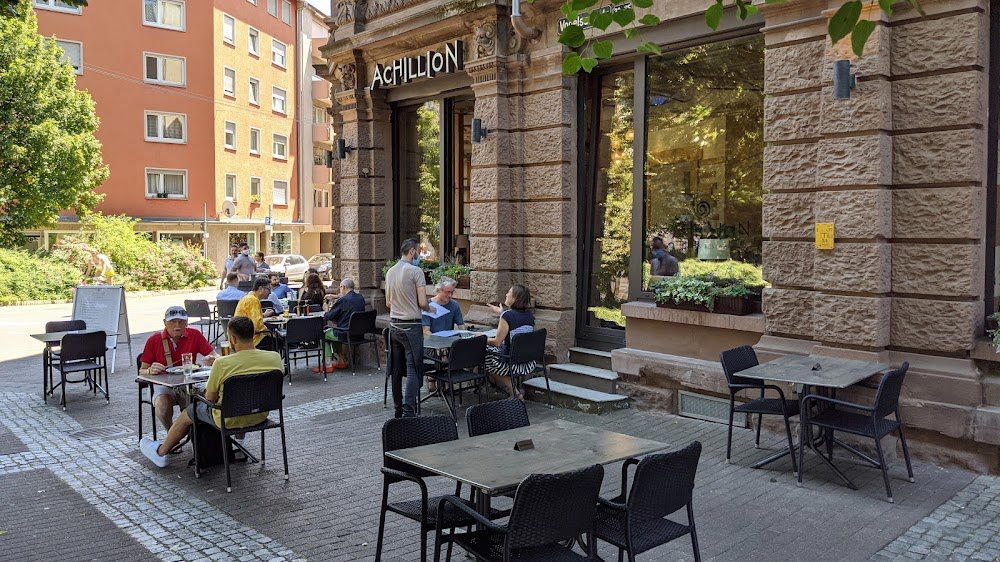
Schwabstraße and the Question of Where Stuttgart Eats
Stuttgart's dining geography divides more sharply than most German cities of comparable size. The obvious axis runs through the city centre and out toward the villa districts, where addresses like Speisemeisterei and Hegel Eins have built reputations that draw visitors from across Baden-Württemberg. Schwabstraße 32, where Achillion is addressed, sits in Stuttgart West, a neighbourhood that functions less as a destination dining strip and more as a residential corridor with pockets of independent hospitality. That positioning is not a liability. In German cities, some of the more considered neighbourhood restaurants operate precisely because they are not competing on the same stage as the city's award-circuit venues.
The name Achillion references the well-known palace on Corfu, which gives an immediate signal about the cultural orientation of the place. Greek-rooted restaurants in German cities occupy an interesting niche: at the lower end, they are the familiar taverna format that has populated German high streets for decades; at the upper end, a smaller number have moved toward a more composed reading of Hellenic cooking traditions. Where Achillion falls within that range is something a prospective visitor should establish before booking, given that the available public record on the venue is sparse. Achillion is a Modern Greek restaurant at Schwabstraße 32, 70197 Stuttgart, Germany, with a price tier of €€ and recommended reservations.
The Ritual of a Greek Meal in a German Context
The customs of a Greek table are worth understanding on their own terms, because they shape the pacing and logic of the meal in ways that differ from both the French tasting-menu format and the German Bürgerliche Küche tradition. At its most considered, a Greek meal moves through a sequence of shared mezze, building toward protein-centred main courses, with the expectation that the table, not the individual diner, governs the rhythm. Bread arrives early and stays. Olive oil is not a condiment but a structural element. The meal is meant to extend, and a host who rushes courses is making a social error by the logic of the tradition.
In the German context, that unhurried format sometimes requires a recalibration of expectation. Diners accustomed to the choreographed pacing of venues like Der Zauberlehrling or the precision service at Délice will find the Greek dining ritual operates on a different register entirely. The pleasure is cumulative rather than sequential. A well-run Greek table rewards patience and communal ordering; it does not reward guests who approach it as a tasting menu with Hellenic ingredients.
Whether Achillion commits fully to that communal format or adapts it toward the more individualized German service model is a detail that the public record does not settle. For visitors to Stuttgart's West district, the address on Schwabstraße places it in a neighbourhood where the room is likely modest in scale and the atmosphere closer to a local regular's restaurant than to the formality that a city-centre reservation implies. That is a reasonable working assumption, not a confirmed detail.
Stuttgart's Broader Restaurant Tier and Where Greek Fits
Stuttgart carries a stronger fine-dining infrastructure than its international profile suggests. The city sits within among the more award-dense regions in Germany, with Schwarzwaldstube in Baiersbronn and Waldhotel Sonnora in Dreis among the broader Baden-Württemberg and wider Southwest German comparable set that defines the regional ceiling. Against that backdrop, Stuttgart's mid-tier neighbourhood restaurants serve a different function: they are where locals eat on a Tuesday, not where visitors build a special-occasion itinerary.
Greek cuisine in that mid-tier operates with a set of its own reference points. The ingredients that define serious Hellenic cooking, aged feta, good olive oil, fresh herbs, seafood from reliable supply chains, are available to any kitchen with the right sourcing relationships. The differentiator between a taverna and a restaurant that takes the tradition seriously is whether those ingredients are treated as the point or merely as dressing. Across Germany's better Greek restaurants, the shift in recent years has been toward slightly shorter menus with better product, rather than the sprawling multi-page formats that characterized the format's earlier German incarnation.
For visitors building a Stuttgart itinerary with multiple evenings, the practical calculus involves knowing which tier each venue occupies. The €€€€ bracket at venues like 5 operates on a different budget logic than a neighbourhood restaurant on Schwabstraße. Our full Stuttgart restaurants guide maps that tier structure clearly, which is worth consulting before allocating evenings across the city.
Comparisons Beyond Stuttgart
German dining at its most ambitious has moved toward formats that share little with the Greek communal tradition. Aqua in Wolfsburg, Vendôme in Bergisch Gladbach, and Victor's Fine Dining in Perl represent a high-modernist approach to the tasting menu that has dominated Germany's award circuit for two decades. At the other end of the spectrum, venues like CODA Dessert Dining in Berlin and JAN in Munich have built distinct identities by working within tighter conceptual parameters. The Greek neighbourhood restaurant belongs to neither lineage, it answers to a different set of traditions and a different kind of diner.
Internationally, the communal-table format has seen serious critical reappraisal. Le Bernardin in New York City and Lazy Bear in San Francisco have both, in different ways, engaged with the question of how a meal's social structure shapes its meaning. Greek dining addresses that question through a different answer: participation over observation, sharing over individual plating, duration over efficiency. ES:SENZ in Grassau and Schanz in Piesport and Restaurant Haerlin in Hamburg each represent the German fine-dining tradition at serious levels, and none of them particularly resemble what a well-run Greek table looks like in practice. That contrast is part of what makes the category worth seeking out when you are spending multiple evenings in a city.
Planning a Visit: What to Know Before You Go
Achillion is at Schwabstraße 32 in Stuttgart West, accessible by tram from the city centre. Reservations are recommended. The dress code is smart casual. For visitors building a multi-day Stuttgart programme, this is a neighbourhood complement to the city's dining mix rather than a standalone destination booking.
Cuisine-First Comparison
Comparable venues nearby, for context on price, style, and recognition.
| Venue | Cuisine | Price | Notes |
|---|---|---|---|
| AchillionThis venue — the venue you are viewing | Modern Greek | $$ | Not listed |
| Porto Elia | Traditional Greek | $$ | Berg |
| Weinstube Zur Kiste | Traditional Swabian German | $$ | Gablenberg |
| Pops Burger | American Smashed Burgers | $$ | Berg |
| L'Artista | Authentic Neapolitan Pizza | $$ | Asemwald |
| EArth Tokyo | Authentic Japanese Ramen | $$ | Gablenberg |
Continue exploring
More in Stuttgart
Restaurants in Stuttgart
Browse all →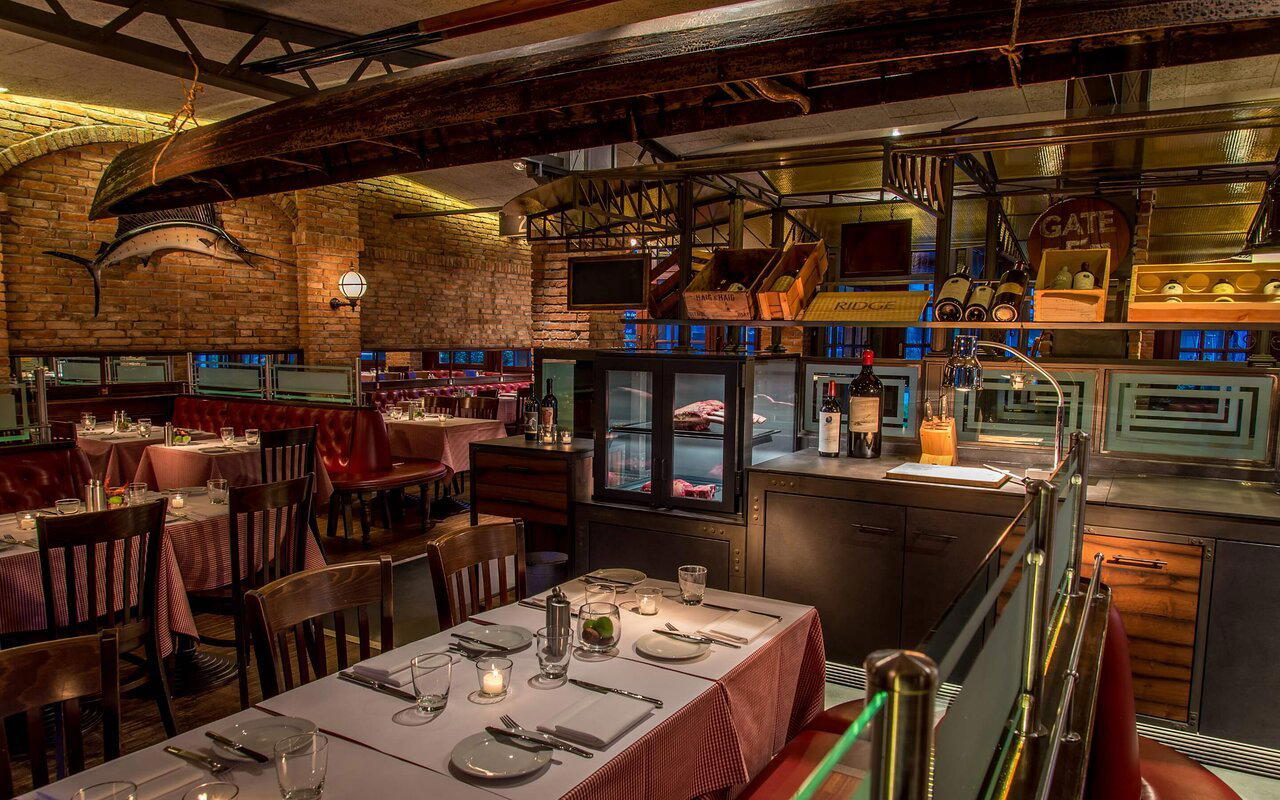
Bars in Stuttgart
Browse all →

Hotels in Stuttgart
Browse all →

At a Glance
- Modern
- Cozy
- Elegant
- Date Night
- Casual Hangout
- Open Kitchen
- Extensive Wine List
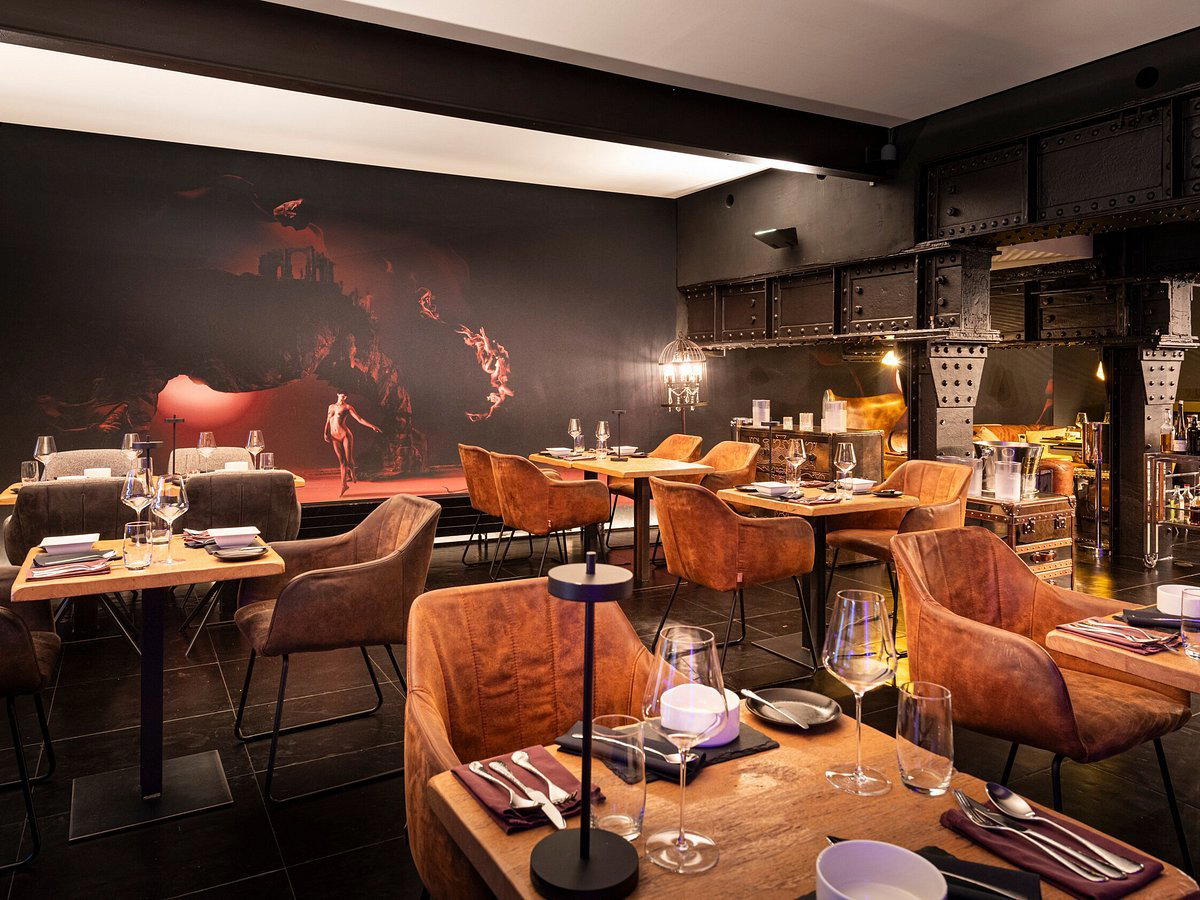
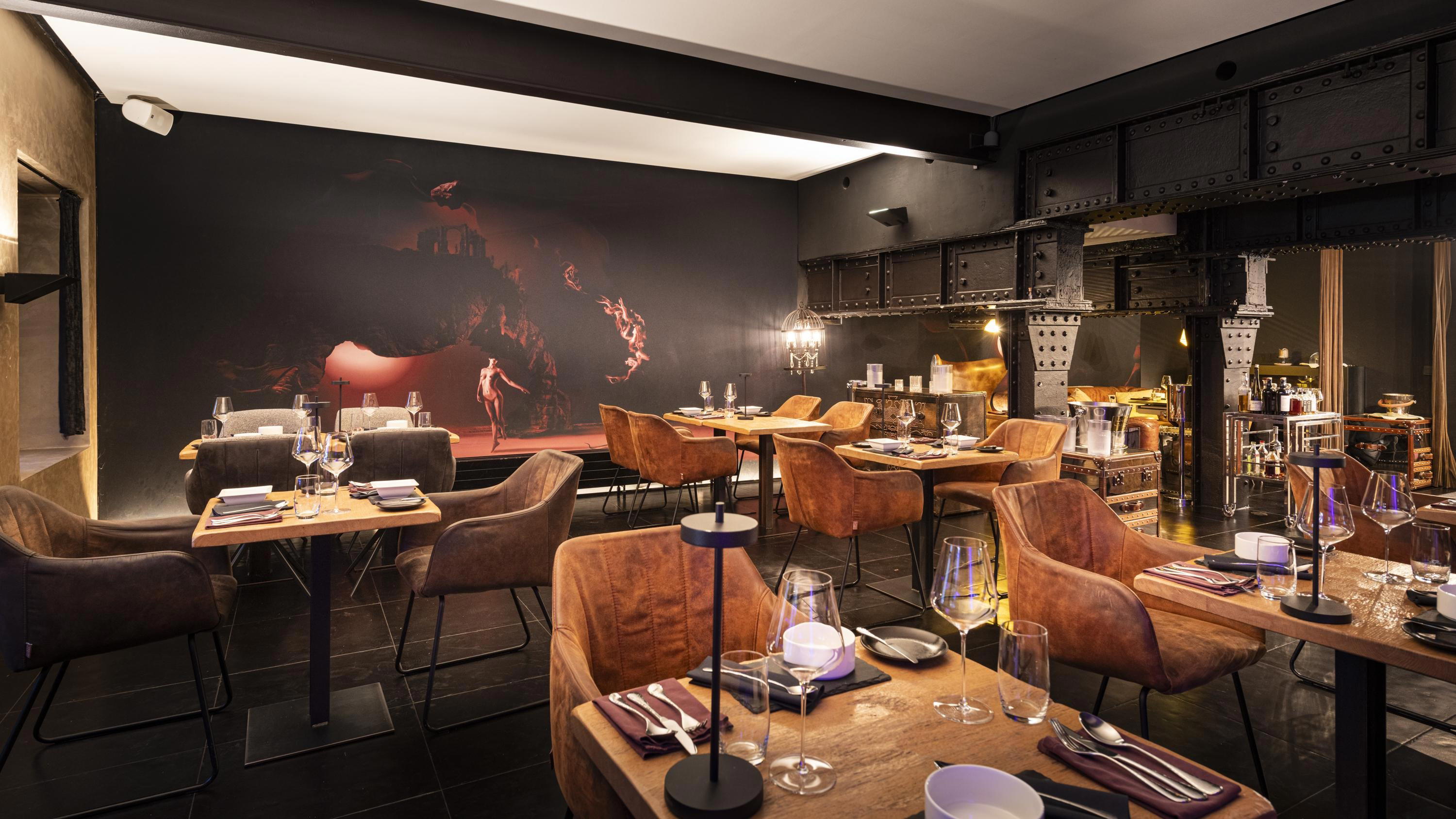
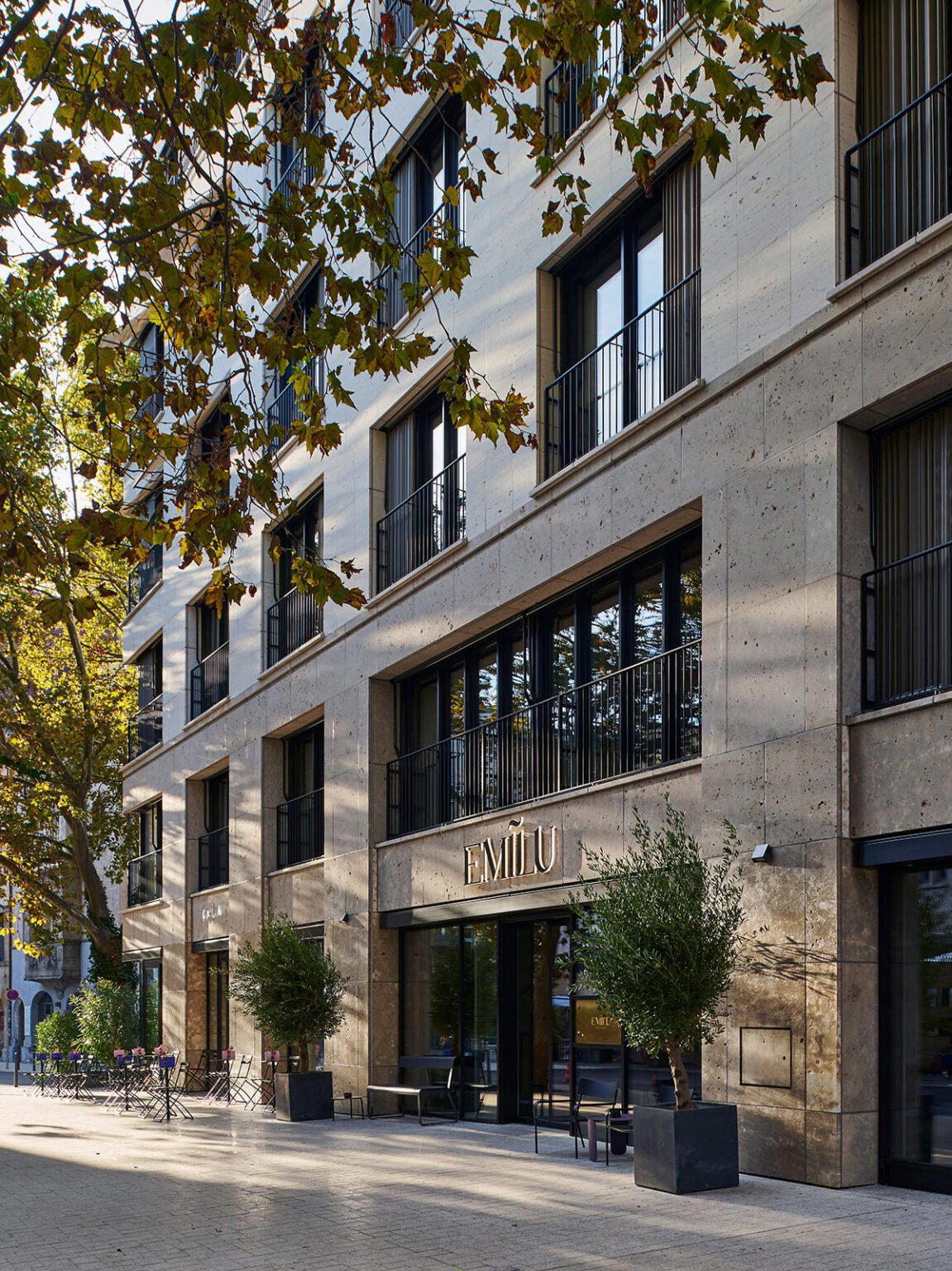
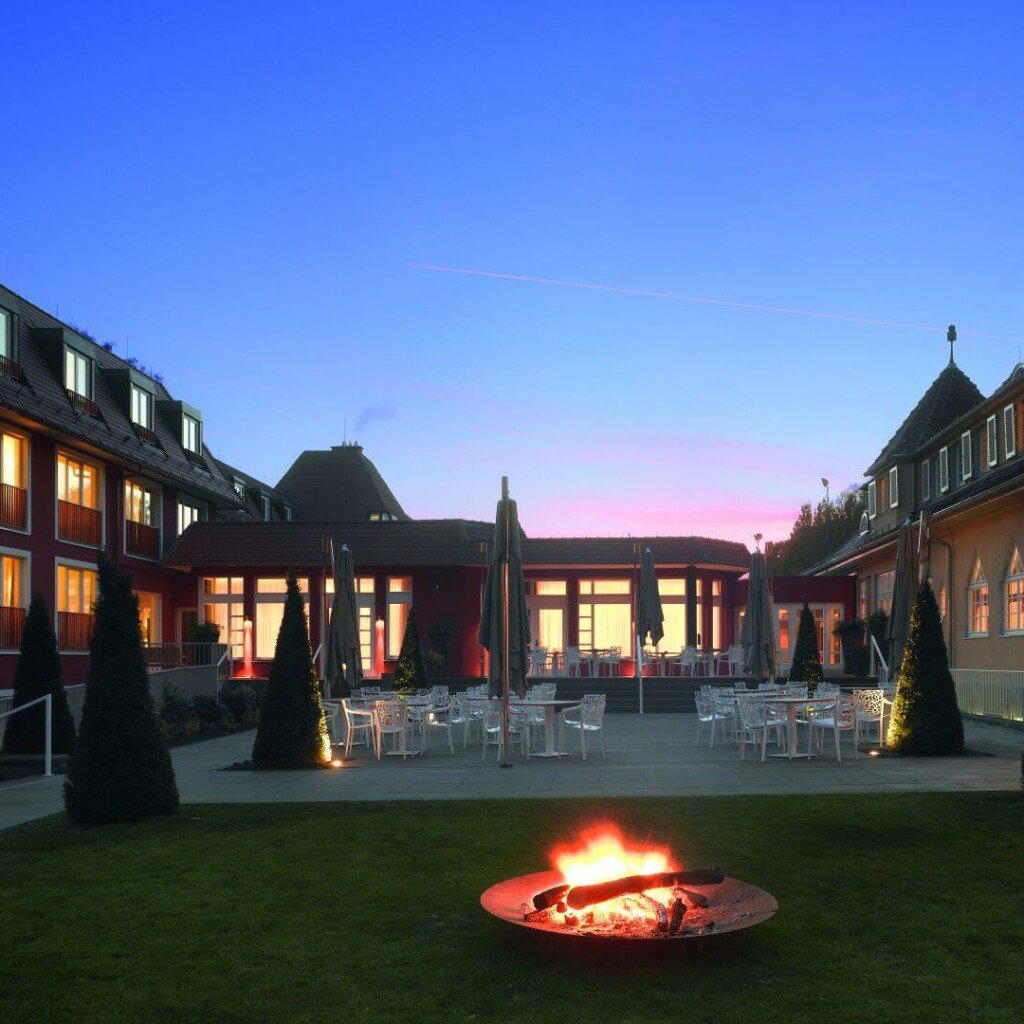
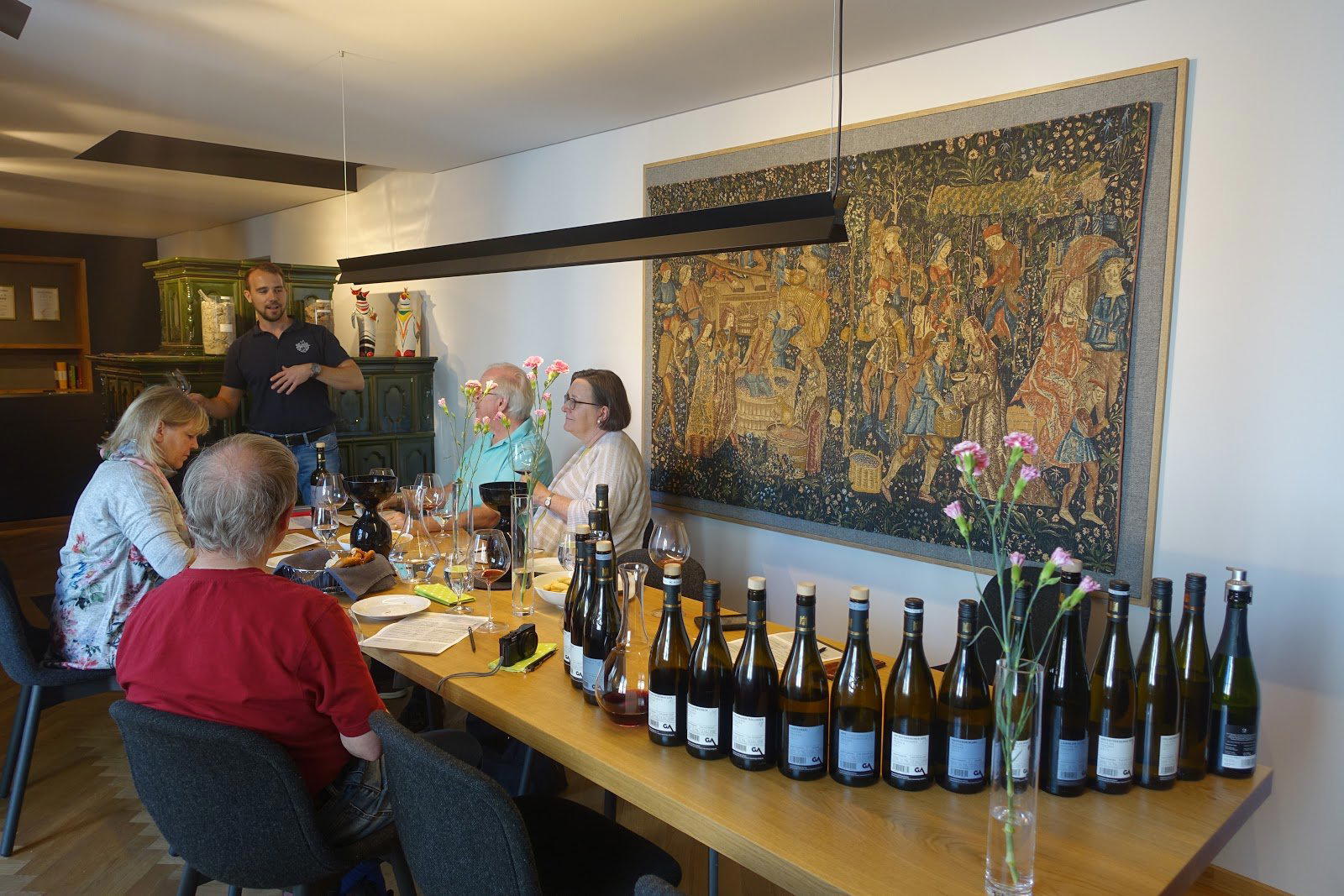
Stylish interior with light wood and leather accents, creating a casual yet upscale atmosphere.