Sura Hawaii
Sura Hawaii occupies a ground-floor address on Kapiolani Boulevard, placing it within one of Honolulu's most transit-dense dining corridors. The restaurant draws from a tradition of Korean cuisine that has taken root across the Hawaiian Islands, where a long history of immigration has shaped the local palate as meaningfully as any Pacific fusion trend. For visitors and residents alike, the Kapiolani stretch offers a concentration of options that reward exploration on foot.
Pearl is the En Primeur Club membership app — saves, bookings, and concierge access live there. Same editors, same standards.
- Address
- 1726 Kapiolani Blvd #101, Honolulu, HI 96814
- Phone
- +18089416678
- Website
- surahawaii.com
- Directions
- Get directions
 Saves & bookings on Pearl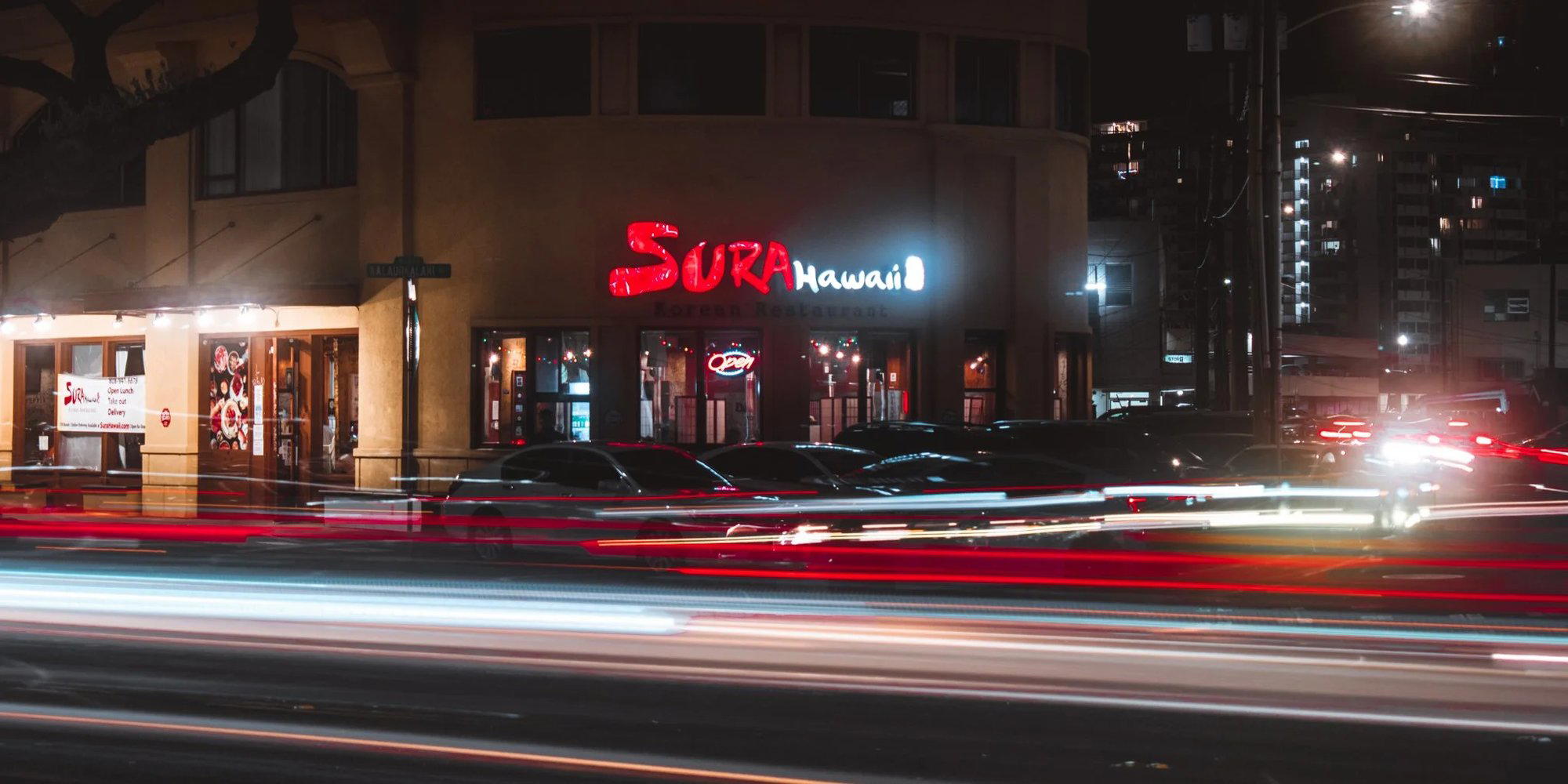
Kapiolani Boulevard and the Korean Dining Corridor
Kapiolani Boulevard runs parallel to Waikiki without being consumed by it. The stretch between Ala Moana and Kaimuki is a working dining street: office lunch crowds, evening regulars, late-night return trips after a show. Korean restaurants have anchored parts of this corridor for decades, and that presence reflects something structural about Honolulu's food history rather than any passing trend. Hawaii's Korean community dates to the early twentieth century, and the cuisine has evolved locally in ways that differ noticeably from mainland Korean-American interpretations, absorbing Japanese technique, Hawaiian produce, and plate-lunch sensibility in uneven, often interesting proportions.
Sura Hawaii sits at 1726 Kapiolani Blvd, suite 101, in a ground-floor commercial position typical of the boulevard's mixed-use blocks. That placement matters more than it might elsewhere. In Honolulu, walkability is concentrated in a handful of corridors, and Kapiolani is one of them. A restaurant at street level here draws from a genuinely local customer base rather than relying on hotel proximity or destination foot traffic. That distinction tends to show up in the menu over time.
What Korean Dining Looks Like in Honolulu
Korean cuisine in Hawaii occupies a different register than it does in Los Angeles's Koreatown or New York's emerging Korean fine-dining tier, where venues like Atomix in New York City have pushed the format toward multi-course tasting menus with premium beverage programs. Honolulu's Korean restaurants tend to operate in a more grounded mode: banchan-forward, family-portioned, built around barbecue, stews, and fermented staples that don't require explanation to the people ordering them.
That's not a limitation. The Hawaiian context adds its own layer. Korean barbecue sits comfortably alongside Japanese izakaya, Filipino adobo, and plate-lunch formats in a city where cultural boundaries around food have always been porous. The result is a dining scene that's less defined by category purity and more by accumulated local habit. For comparison, the fine-dining segment of Honolulu, represented by addresses like 53 By The Sea and Fête (New American), operates in a largely separate tier, drawing on different occasions and different price expectations. Korean restaurants on Kapiolani sit closer to the everyday end of that spectrum, which is precisely what makes them useful to know about.
Nationally, the highest tier of Korean-influenced cooking has reached restaurants like Atomix, while American fine dining more broadly is represented by Le Bernardin in New York City, The French Laundry in Napa, and Alinea in Chicago. Sura Hawaii operates in a different register entirely, one defined by neighborhood regularity rather than destination dining.
The Kapiolani Address in Practice
The suite 101 designation places Sura Hawaii in a ground-floor unit of what is likely a mixed commercial building, a common configuration along Kapiolani. These spaces tend to be direct: parking is available in building lots or on adjacent streets, the entrance is at grade, and the format is designed for repeat visits rather than first-time occasion dining. That structural positioning shapes the experience before anyone sits down.
Honolulu's broader dining scene has several fixed reference points worth knowing. 3660 On the Rise represents the long-established Hawaii regional cuisine model. Ahaaina Luau covers the cultural experience format. 855-ALOHA operates in its own category. Each fills a different function in the city's dining map. A Korean restaurant on Kapiolani fills a different function still: it's the kind of address a local recommends without ceremony, for a Tuesday dinner or a weekend lunch that doesn't require planning weeks in advance.
For visitors constructing a Honolulu itinerary, the our full Honolulu restaurants guide provides broader orientation across categories and neighborhoods.
Along Kapiolani and the surrounding blocks, Korean dining options compete primarily on consistency, portion value, and the quality of their foundational preparations: broth depth in soups, the calibration of gochujang-based marinades, the rotation and variety of banchan. These are the criteria that matter to regular customers, and they are harder to sustain over time than a single impressive dish on a debut menu.
Comparison venues in Honolulu's broader Asian dining segment include Japanese addresses like Fujiyama Texas and Ginza Bairin, which operate in an adjacent culinary tradition but with different format expectations. Korean barbecue and Japanese izakaya share some overlap in the group-dining, communal-order format, but they draw on distinct culinary logics. The fermentation tradition in Korean cooking, the central role of kimchi and doenjang, has no direct Japanese equivalent, and that distinction tends to define what regulars return for.
Internationally, Korean cooking at the precision end has been documented at venues like Atomix in New York. At the other end of the fine-dining spectrum, addresses like Providence in Los Angeles, Lazy Bear in San Francisco, Blue Hill at Stone Barns in Tarrytown, Addison in San Diego, Single Thread Farm in Healdsburg, Emeril's in New Orleans, The Inn at Little Washington in Washington, and 8 1/2 Otto e Mezzo Bombana in Hong Kong define what formal occasion dining looks like across the Pacific and Atlantic. Sura Hawaii sits at a different point on that spectrum: it is a neighborhood address, evaluated on different terms.
Know Before You Go
- Address: 1726 Kapiolani Blvd #101, Honolulu, HI 96814
- Neighbourhood: Kapiolani corridor, between Ala Moana and Kaimuki
- Format: Ground-floor, street-accessible Korean dining
- Parking: Building lot and street parking on adjacent blocks
- marinated beef
- pork belly
- chicken
- soft tofu soup
- spicy soft tofu soup
- kimchi soup
- fried chicken
- fried noodles
At a Glance
- Lively
- Modern
- Energetic
- Industrial
- Group Dining
- Family
- Casual Hangout
- Late Night
- Open Kitchen
Current opening hours
- Monday
- Closed
- Tuesday
- 5 PM–2 AM
- Wednesday
- 5 PM–2 AM
- Thursday
- 5 PM–2 AM
- Friday
- 5 PM–2 AM
- Saturday
- 5 PM–2 AM
- Sunday
- 5 PM–2 AM
Hours can change for holidays and private events. Last verified .
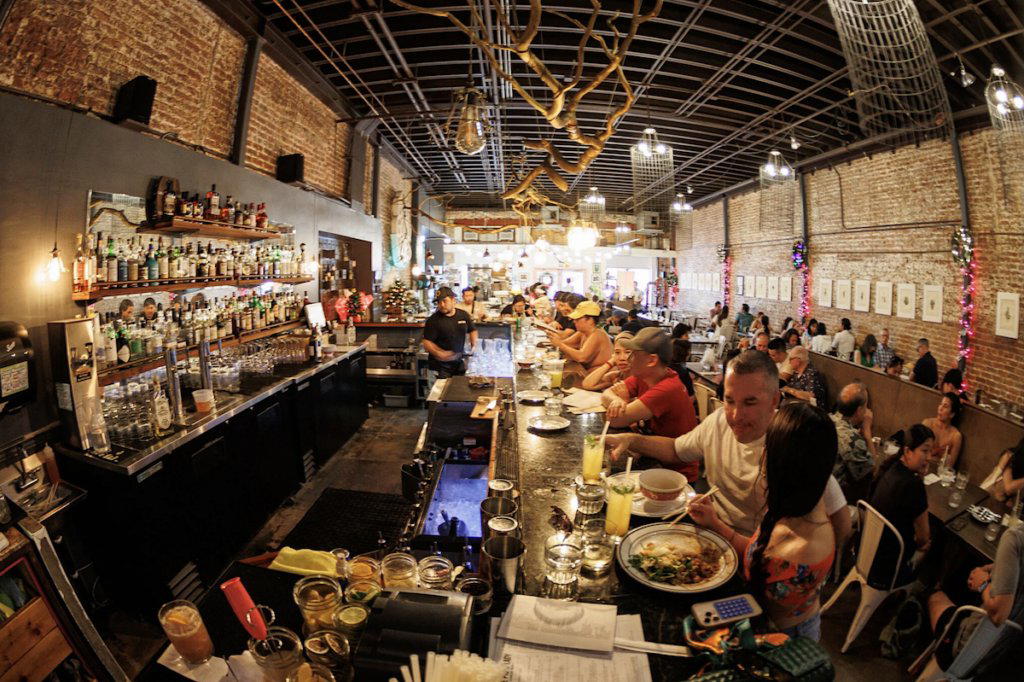
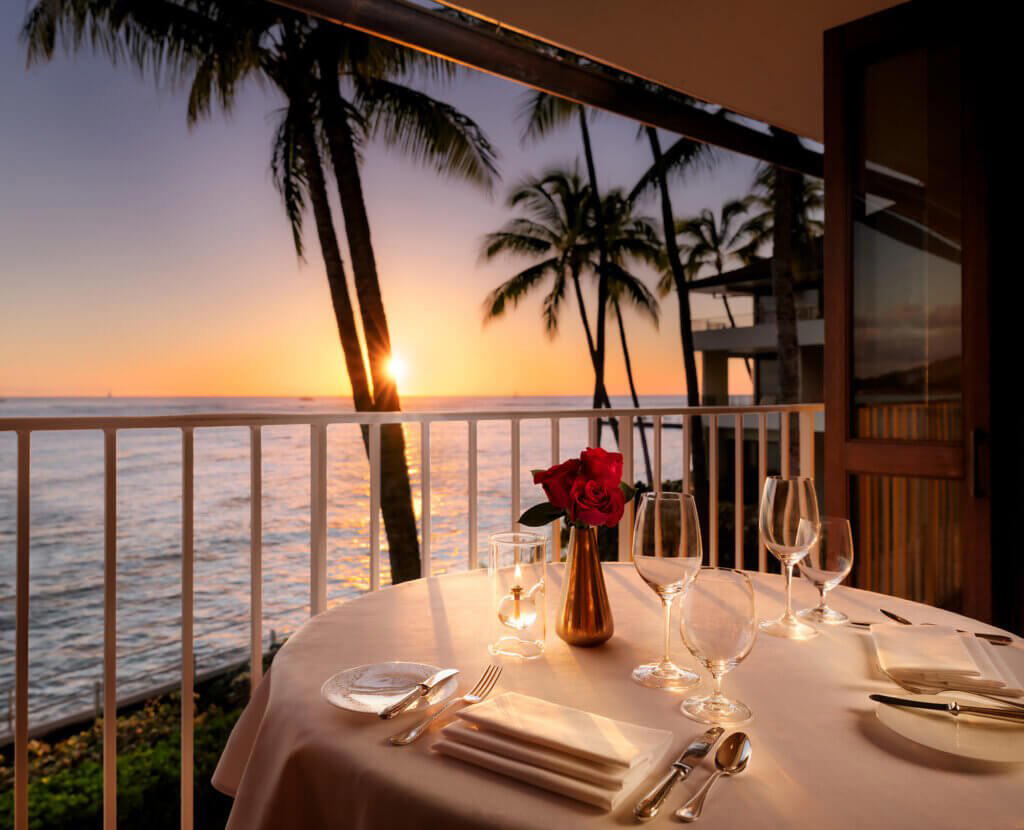
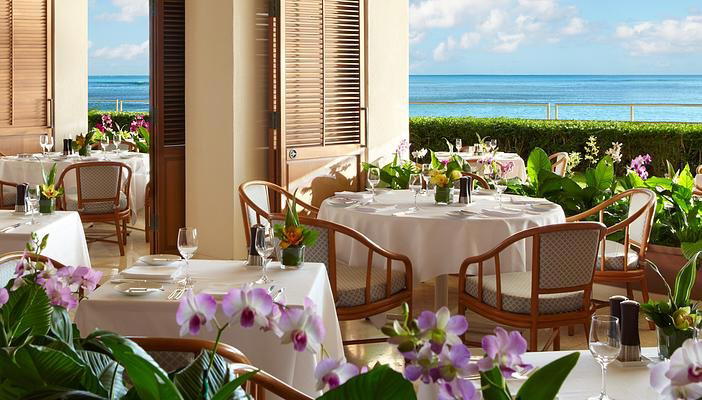
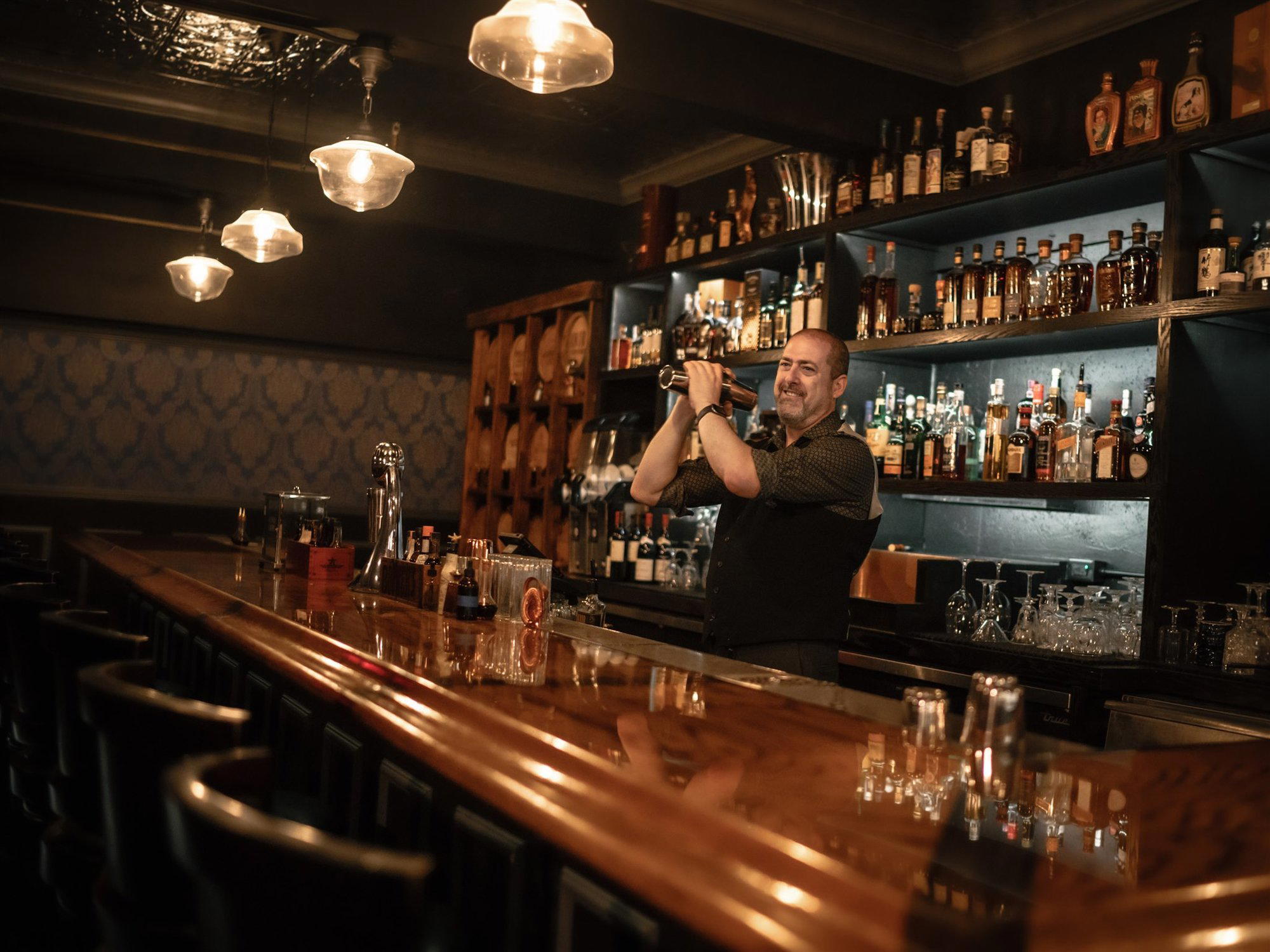
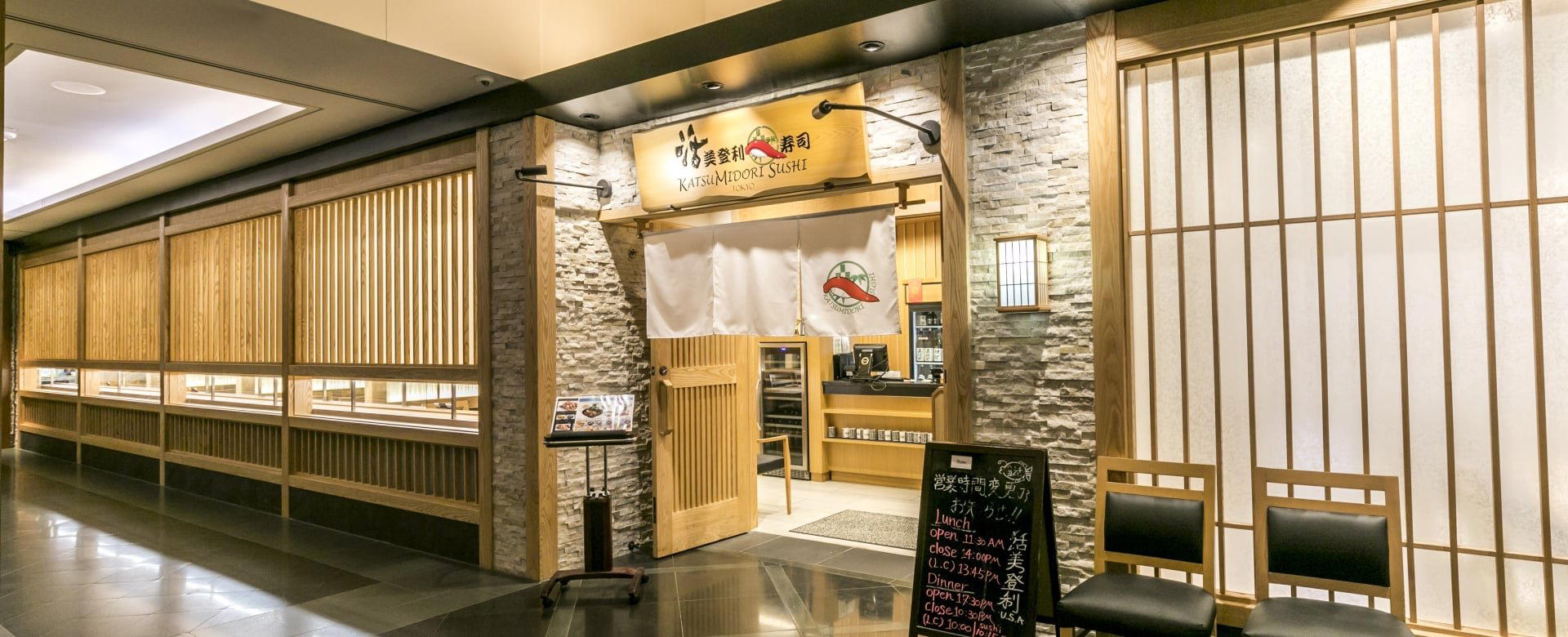
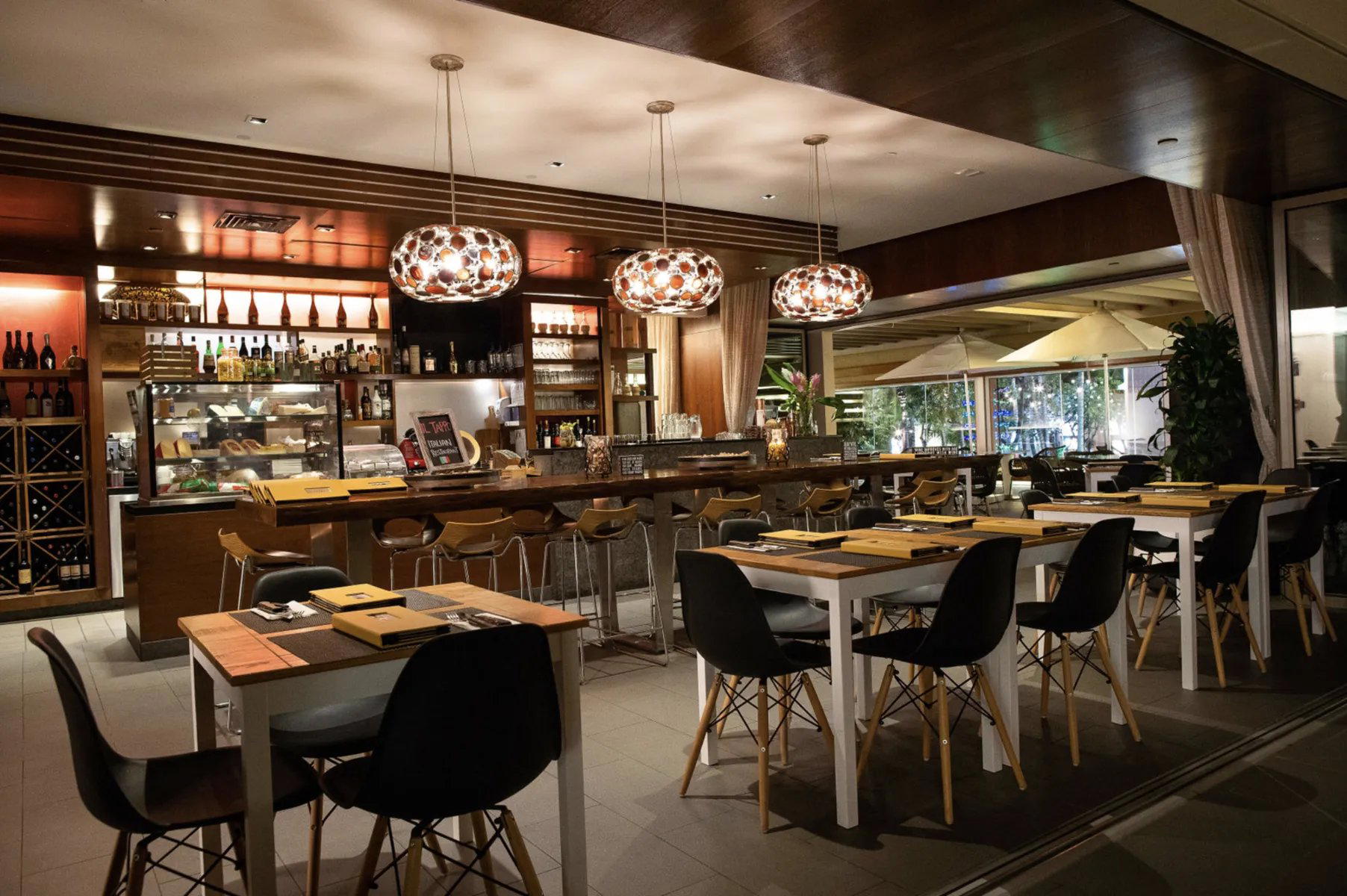
Modern industrial space with lively, energetic atmosphere featuring Korean music and décor that transports diners to Korea; Korean staff (ahjummas) provide attentive service and tips on proper BBQ enjoyment.
Know Before You Go
- Getting there
- 1726 Kapiolani Blvd #101, Honolulu, HI 96814