Moobongri Soup & Yakiniku
On a stretch of McCully Street that feeds into Honolulu's most local-facing dining corridor, Moobongri Soup & Yakiniku draws a loyal neighbourhood crowd for Korean soup and tabletop grilling. The combination of long-simmered broths and yakiniku cuts places it in a category where off-the-tourist-path persistence matters more than accolades. For visitors willing to book ahead and commit to the format, it delivers exactly what it promises.
Pearl is the En Primeur Club membership app — saves, bookings, and concierge access live there. Same editors, same standards.
- Address
- 930 McCully St, Honolulu, HI 96826
- Phone
- +18082005687
- Website
- moobongri.com
- Directions
- Get directions
 Saves & bookings on Pearl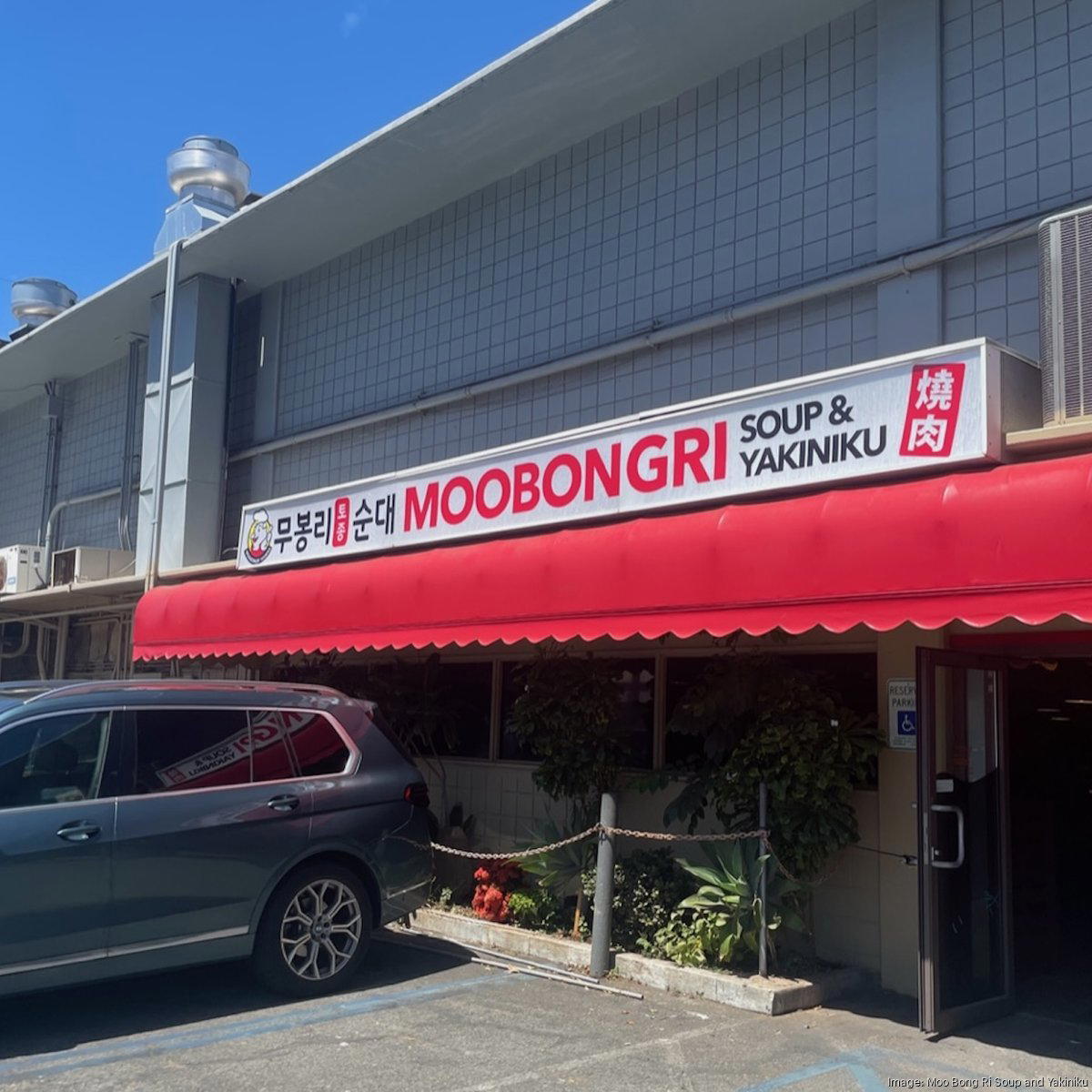
McCully Street and the Case for Neighbourhood Korean
Honolulu's dining conversation tends to anchor on waterfront rooms, hotel restaurants, and the kind of tasting menus that travel well in press. Venues like 53 By The Sea and Fête (New American) occupy the city's upper-bracket editorial space alongside destination-calibre counterparts such as The French Laundry in Napa or Le Bernardin in New York City. But Honolulu also sustains a dense tier of neighbourhood-facing Asian restaurants that rarely surface in that editorial layer, operating instead on word-of-mouth, community loyalty, and the kind of repeat custom that keeps a room full on a Tuesday.
Moobongri Soup & Yakiniku, at 930 McCully Street, sits in that second category. McCully is a residential artery that connects Ala Moana to Moiliili, a corridor where Korean, Japanese, and local plate-lunch operators have built durable businesses serving the people who actually live in those blocks. The address is not a destination in the tourist-trail sense. It is, however, exactly the kind of place that a certain type of traveller plans a visit around.
The Format: Soup and Yakiniku Together
Korean dining in Honolulu follows a few distinct tracks. There are the sit-down yakiniku houses built around tabletop charcoal grills, the soup-focused restaurants where long-simmered broths like seolleongtang or doenjang jjigae anchor the menu, and the full-service Korean BBQ rooms that do both with considerable production value. The pairing of soup and yakiniku under one roof is a sensible commercial format in Korea but slightly less common as a dedicated positioning in Honolulu, where most Korean restaurants tend to specialize more narrowly.
That dual identity is what gives Moobongri its particular place in the neighbourhood. Diners who want the slow, restorative logic of a bone broth or a jjigae can find it here, as can those who come specifically for the yakiniku format, where cuts of meat are grilled tableside in a progression that rewards patience and sequence. The combination means the room serves different dining modes simultaneously, which tends to produce a certain kind of ambient energy: solo diners over a bowl of soup, groups managing a grill, the crossover of both.
Compared to the highly choreographed tasting formats at venues like Atomix in New York City or the produce-driven progression at Blue Hill at Stone Barns in Tarrytown, the format here is entirely unpretentious. There is no arc designed by a kitchen team. The arc is yours to manage, and that informality is the point.
Planning a Visit: What the Booking Experience Requires
Because specific operational data for Moobongri is not publicly catalogued in the way that larger or more press-facing restaurants are, the logistics require a more active approach from the visitor. Phone numbers and online booking portals are not widely confirmed in aggregator databases, which places this venue in a planning category that rewards direct contact and local intelligence rather than a simple OpenTable reservation.
For visitors staying in Waikiki or Ala Moana, McCully Street is a short drive or a manageable rideshare. The neighbourhood does not have the foot-traffic pull of Kalakaua Avenue, so arriving with intention is the assumption. Walk-in availability is plausible at lower-traffic hours, but Korean soup and yakiniku restaurants in this format tend to draw consistent local demand on evenings and weekends, and the practical wisdom is to make contact in advance rather than rely on spontaneous availability.
Visitors who plan Honolulu itineraries around the city's broader dining range, moving between restaurants like 3660 On the Rise and 855-ALOHA at the more formal end and neighbourhood-specific rooms like this at the other, tend to find the contrast useful. A meal here reads differently after a day of resort dining. The planning friction is part of what makes the experience feel local rather than packaged.
For those building a wider American dining itinerary, the contrast between neighbourhood Korean in Honolulu and tasting-menu formats at, say, Alinea in Chicago or Lazy Bear in San Francisco illustrates how differently the same planning effort can land depending on format. The logistics here are informal; the reward is proportionally candid.
Honolulu's Korean Dining Tier
Korean food in Hawaii has roots that predate the state's tourism infrastructure. Early Korean immigration to the islands established community-facing restaurants that served the diaspora long before visitors sought them out, and that founding logic still shapes which establishments maintain local loyalty versus which pivot toward tourist-legible formats. Moobongri operates in the former tradition, in a part of the city where the customer base is predominantly residential and return rates are high.
Within Honolulu's current Japanese-Korean dining range, venues like Fujiyama Texas and Ginza Bairin occupy nearby but distinct territory. The citywide picture, covered in more depth in our full Honolulu restaurants guide, shows a dining scene where Asian cooking traditions are not specialty niches but baseline expectations. In that context, a Korean soup and yakiniku restaurant on McCully is less a curiosity and more a category standard, judged by internal consistency rather than crossover appeal.
For comparison, the kind of Korean fine dining that has drawn international recognition, as seen in New York's highly structured tasting formats, is a different proposition entirely. Moobongri operates at the honest, utilitarian end of the spectrum, where the cooking is measured by whether the broth is right and whether the yakiniku cuts are handled with appropriate care. Those are not small standards in a community where diners have access to decades of reference points.
Visitors who have spent time at high-production dining experiences like Providence in Los Angeles, Addison in San Diego, or Single Thread Farm in Healdsburg will find the register here deliberately different. That difference is its own argument for inclusion in any serious Honolulu dining itinerary. Events like the Ahaaina Luau and culturally staged dining at venues like The Inn at Little Washington in Washington or Emeril's in New Orleans share one thing with Moobongri: a clear sense of what they are and who they are for. That clarity is not incidental. It is the thing worth seeking out.
Know Before You Go
- Address: 930 McCully St, Honolulu, HI 96826
- Format: Korean soup and yakiniku (tabletop grilling)
- Neighbourhood: McCully-Moiliili, a residential corridor between Ala Moana and Moiliili
- Getting There: Short drive or rideshare from Waikiki and Ala Moana; street and nearby lot parking typical for the corridor
- Booking: Specific online booking not confirmed in public databases; direct contact with the restaurant is advisable before visiting, particularly for evenings and weekends
- Price Range: Not publicly catalogued; neighbourhood Korean in Honolulu at this format tier typically runs moderate by local standards
How Moobongri Soup & Yakiniku Honolulu compares with similar nearby venues.
| Venue | Cuisine |
|---|---|
| Fujiyama Texas | Japanese |
At a Glance
- Lively
- Trendy
- Group Dining
- Casual Hangout
- Open Kitchen
- Sake Program
Current opening hours
- Monday
- 10 AM–10 PM
- Tuesday
- 10 AM–10 PM
- Wednesday
- 10 AM–10 PM
- Thursday
- 10 AM–10 PM
- Friday
- 10 AM–10 PM
- Saturday
- 10 AM–10 PM
- Sunday
- 10 AM–10 PM
Hours can change for holidays and private events. Last verified .
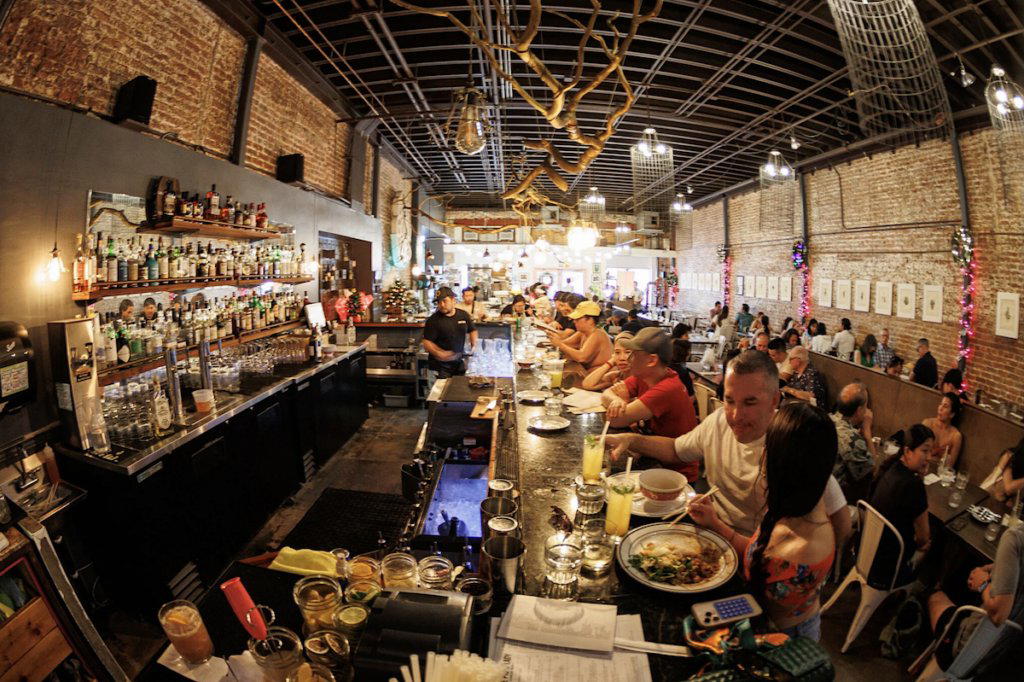
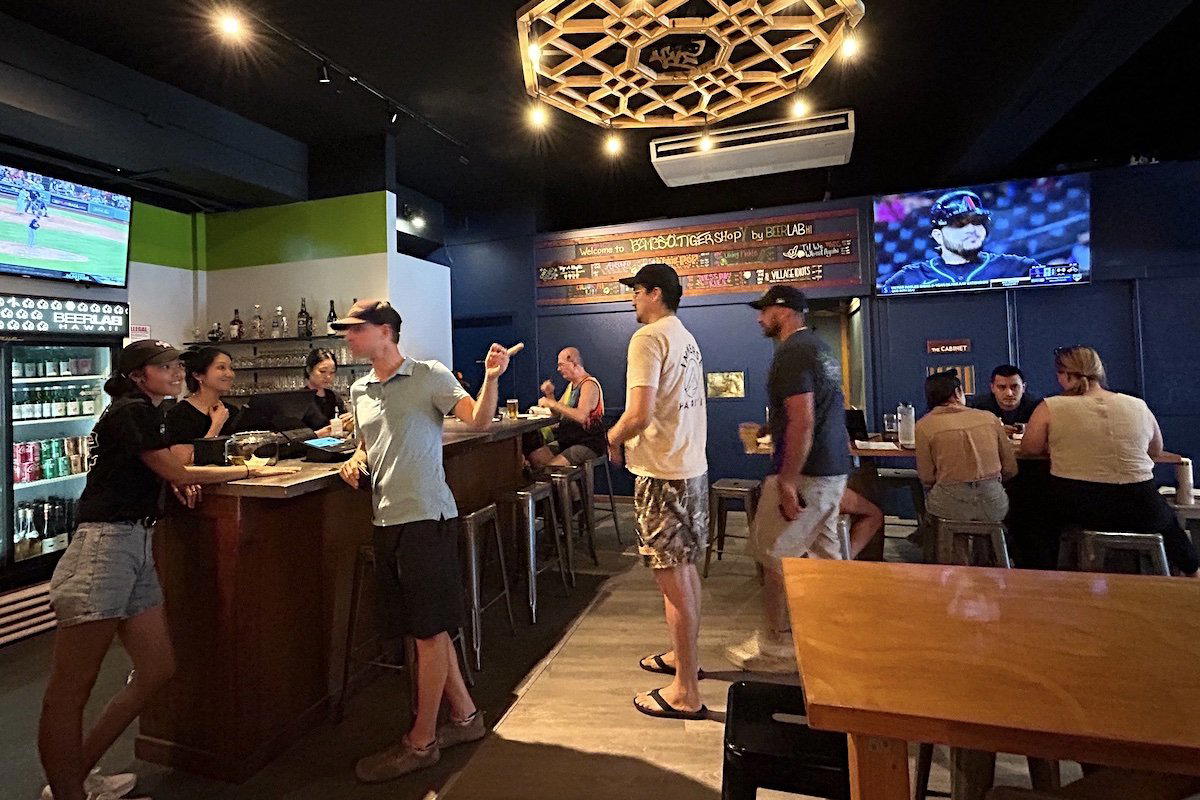
Casual and energetic atmosphere suited for group dining with grill-at-table BBQ experience.
Know Before You Go
- Getting there
- 930 McCully St, Honolulu, HI 96826