Sushi ii
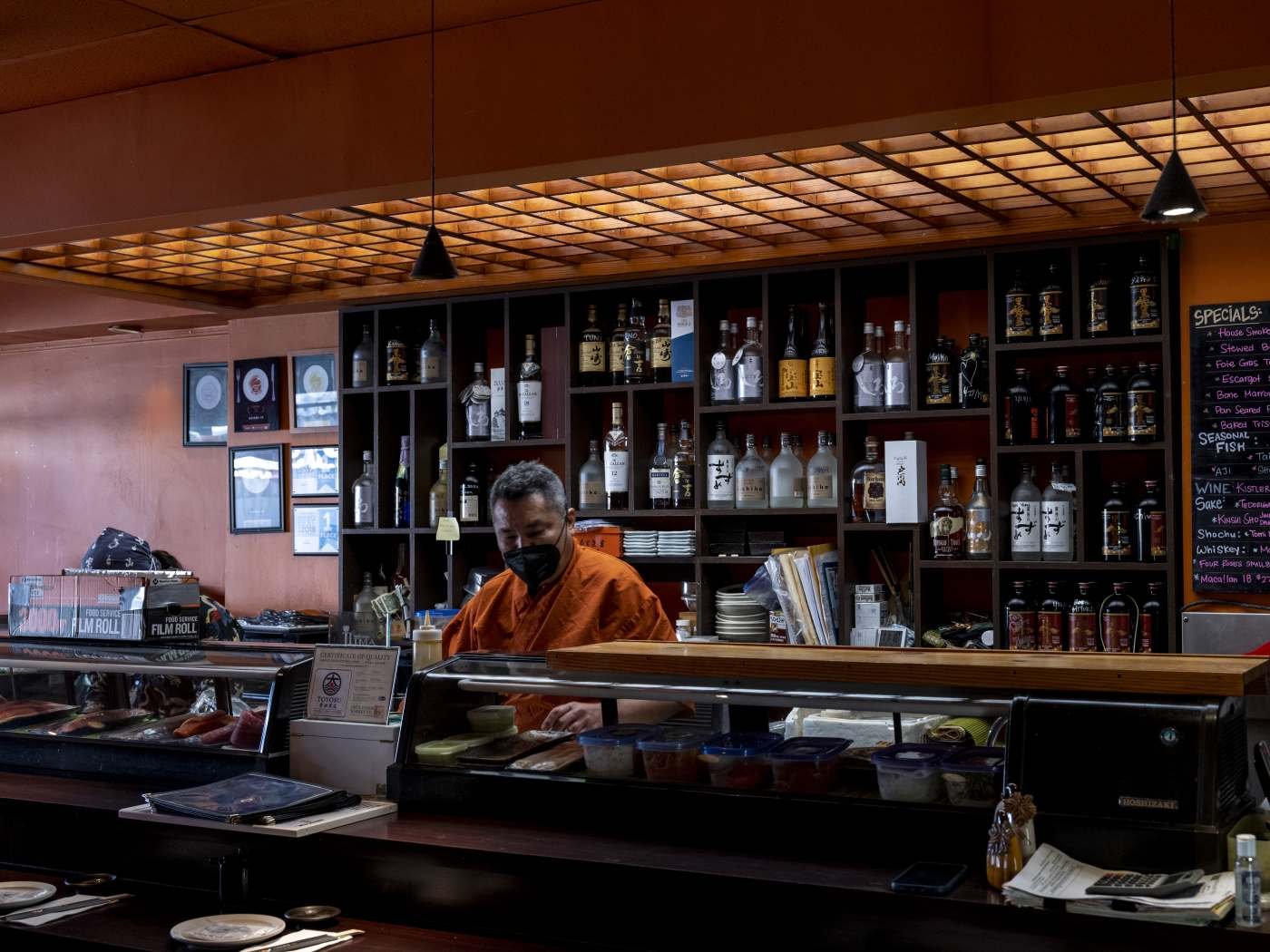
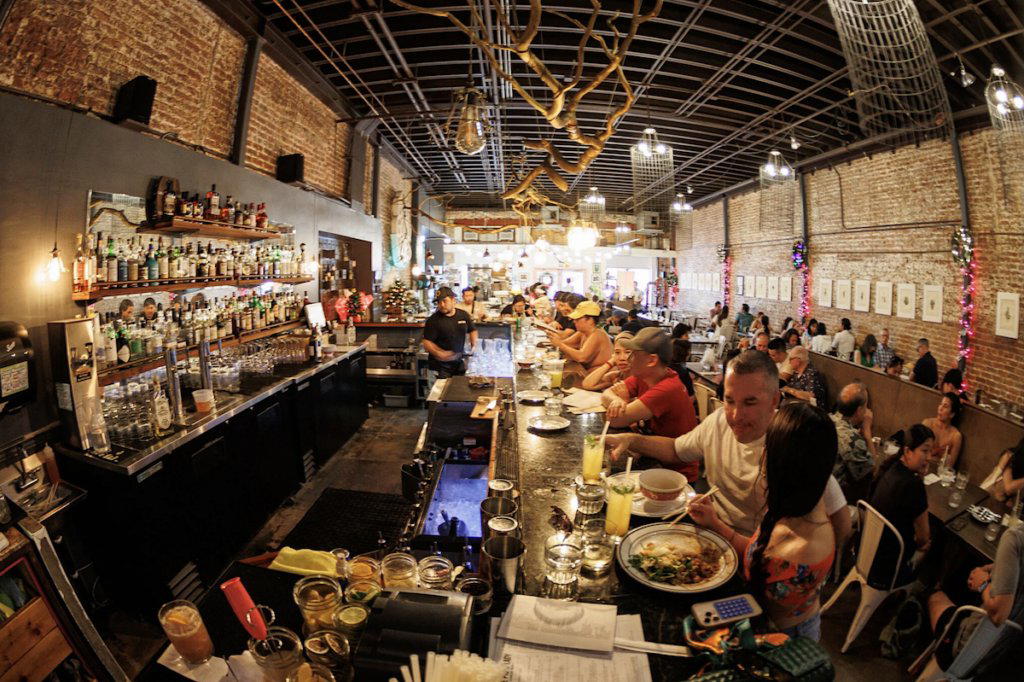
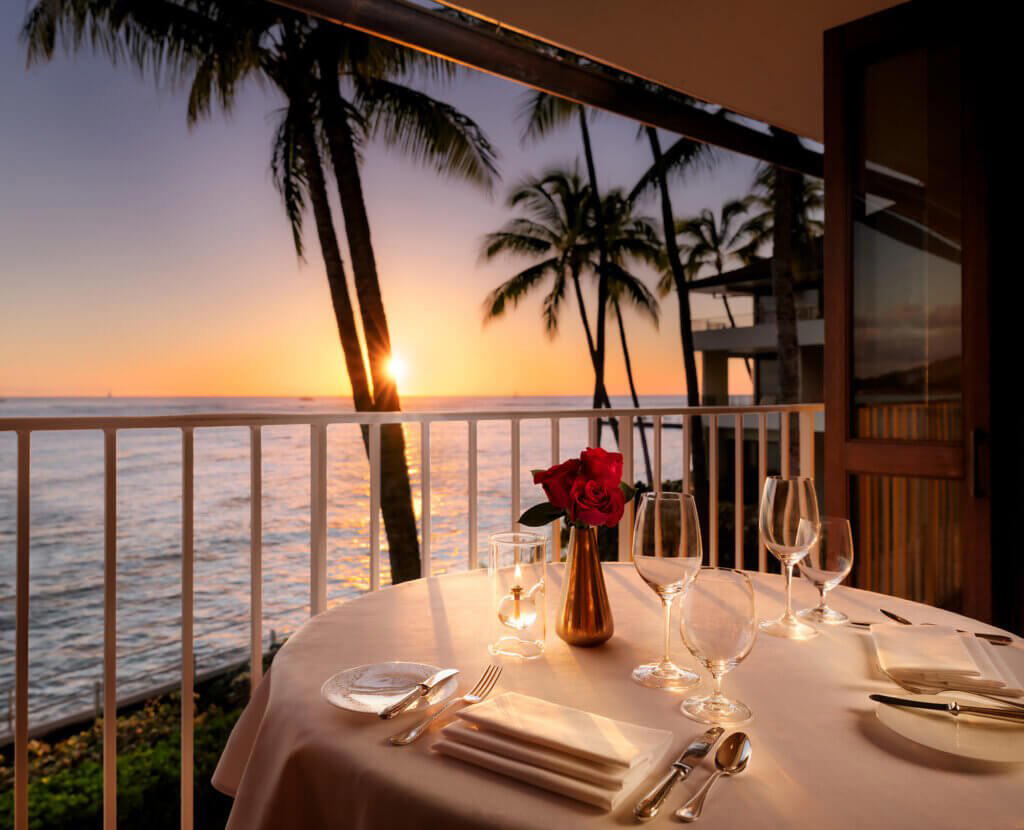
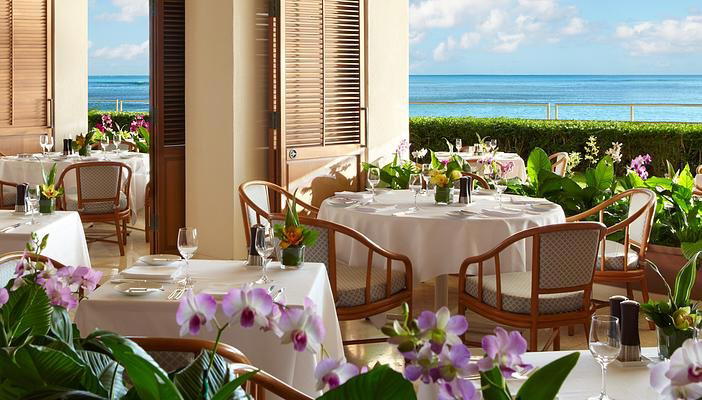
Sushi ii occupies a ground-floor unit in the Ke'eaumoku corridor, a stretch of Honolulu that functions more as a working neighbourhood than a tourist drag. Among the sushi counters in this price tier and postcode, it draws a consistent local crowd that reads as a reliable indicator of kitchen credibility. For visitors looking beyond Waikiki's dining circuit, it represents the kind of address that rewards a short detour.

Pearl is the En Primeur Club membership app — saves, bookings, and concierge access live there. Same editors, same standards.
- Address
- 655 Ke’eaumoku St #109, Honolulu, HI 96814
- Phone
- (808) 942-5350
- Hours
- Mon 5:30–10 PMTue–Sat 11 AM–1 PM, 5:30–10 PMSun 5–10 PM
- Website
- facebook.com
- Directions
- Get directions
- Booking
- Book on the venue's website
Ke'eaumoku's Quiet Counter Culture
Honolulu's sushi scene divides roughly into two camps: the resort-facing operations along Kalakaua Avenue that price against hotel restaurants and tourist expectations, and the neighbourhood counters tucked into strip malls and commercial blocks across the Ala Moana and Ke'eaumoku corridor. Sushi ii sits in the second category. The address, 655 Ke'eaumoku Street, places it in a stretch of mid-island Honolulu that locals move through daily for groceries, hardware, and lunch, not a street where visitors typically plan an evening. That geography is the first thing worth understanding about what kind of place this is.
The Ke'eaumoku corridor has developed a modest but consistent dining identity over the past decade, shaped less by design intention than by the neighbourhood's function as a working, residential block. Korean barbecue houses, Japanese izakayas, and noodle shops have established themselves here because the customer base is local, repeat, and not primarily motivated by novelty. A sushi counter in this context operates by different logic than one in Waikiki: the room has to hold up on a Tuesday, not just on a Saturday reservation. That regularity of patronage is, in many cities and neighbourhoods, the more demanding test of kitchen consistency.
Where It Sits in Honolulu's Sushi Tier
Honolulu supports a wider range of Japanese dining than its tourist-facing reputation suggests. At the upper end, counters with omakase formats and long reservation windows draw comparison to similar operations in Los Angeles or even lower-tier Tokyo equivalents. Further down the price structure, conveyor-belt and casual box-lunch formats serve the city's substantial Japanese-American population.
For useful comparison within Honolulu's Japanese dining scene, Imanas Tei on King Street is a well-regarded example of the neighbourhood izakaya model: modest room, consistent execution, and a local following built over years. Lucky Belly on Hotel Street represents a different approach, Japanese-inflected but ramen-led and stylistically more deliberate. Sushi ii, on the evidence of its location and the community it draws, occupies a more traditional counter role, closer to the Imanas Tei model in terms of its relationship to the surrounding neighbourhood.
Visitors who have spent time at Bar Leather Apron in Honolulu, one of the city's more technically focused bar programs, will recognise the same principle at work in different categories: the most interesting addresses in any city often sit one or two postcodes away from the main circuit, serving a clientele that discovered them without a magazine recommendation.
The Neighbourhood Watering Hole Logic
The concept of the neighbourhood watering hole translates across formats. In bar terms, it describes a place like 9th Ave Rock House in Honolulu, where the draw is familiarity and community rather than rotating cocktail lists. In dining terms, the equivalent is a sushi counter where the chef knows the regulars, the menu reflects what's available and what the room actually orders, and the measure of success is whether people come back twice a month rather than once in a lifetime.
This model has a particular logic in Hawaii, where the Japanese-American community has maintained a dining culture that predates the islands' tourism infrastructure by generations. Sushi in Hawaii is not, for a large portion of its consumers, a special-occasion category. It is ordinary in the leading sense: part of the weekly rhythm of eating, available at lunch, priced for repetition, and evaluated by the same standards applied to any neighbourhood restaurant. A counter that has found a place in that rhythm has passed a different kind of test than one built around a destination reservation.
For context across other cities, the neighbourhood-anchor model appears in different forms at places like Andy's Sandwiches and Smoothies in Honolulu, which has maintained a local following through consistency and modest pricing, or at the community-facing end of the bar spectrum represented by Duke's Waikiki, where the draw is as much about regularity of occasion as quality of product.
Planning a Visit
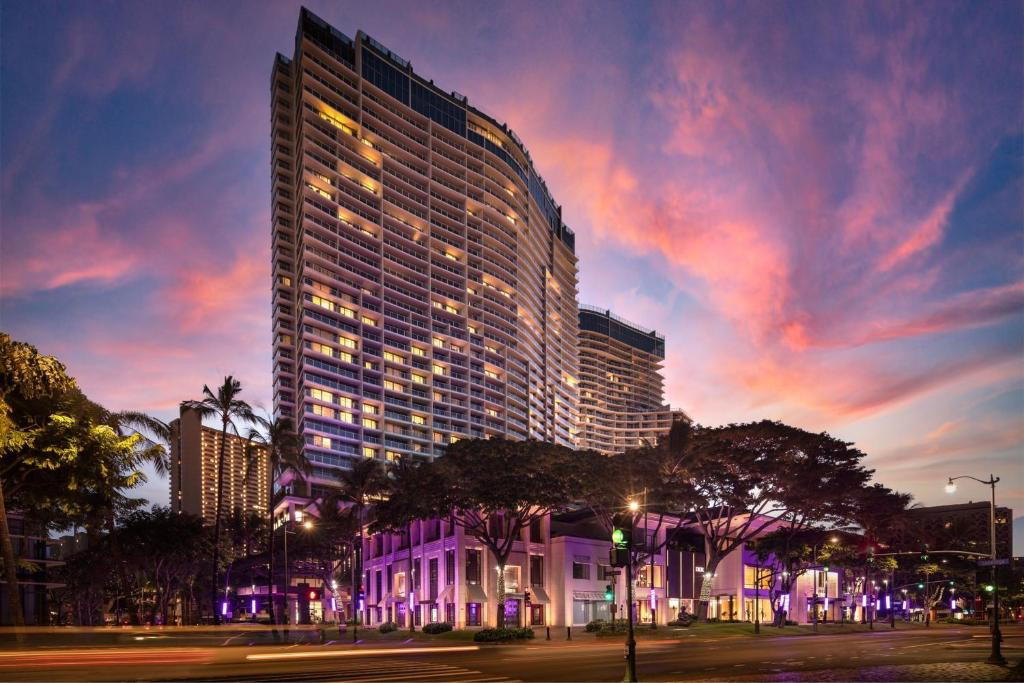
Sushi ii's Ke'eaumoku Street location places it within reasonable distance of the Ala Moana Center area, making it accessible from both central Honolulu and the Waikiki hotel district without significant travel time. Street parking in this corridor is generally available, and the block is navigated more easily by car or rideshare than on foot from the resort strip.
For visitors building a broader Honolulu itinerary, our full Urban Honolulu restaurants guide maps the city's dining by neighbourhood and category, including the Ke'eaumoku and Ala Moana corridor in its wider context. For drinking before or after, Beachhouse at the Moana remains one of the more considered bar settings accessible from the central hotel district.
Readers interested in how neighbourhood dining anchors operate in other American cities can find useful reference points at Kumiko in Chicago, where Japanese technique meets a neighbourhood bar format with considerable critical attention, or at ABV in San Francisco, which holds a similar position in its own corridor. Further afield, Jewel of the South in New Orleans, Julep in Houston, Superbueno in New York City, and The Parlour in Frankfurt each illustrate how the neighbourhood anchor model holds across very different city contexts, always with the same core logic: a consistent address for people who already know where they're going.
At a Glance
| Venue | Price |
|---|---|
| Sushi iiThis venue — the venue you are viewing | $50–100 |
| Katsumidori Sushi Tokyo | $50–100 |
| IL TAPPO Hawaii | $30–50 |
| Imanas Tei Restaurant | $30–50 |
Continue exploring
More in Urban Honolulu
Bars in Urban Honolulu
Browse all →
Restaurants in Urban Honolulu
Browse all →
Details
- Intimate
- Trendy
- Date Night
- Special Occasion
- Counter Only
- Sake
Current opening hours
- Monday
- 5:30–10 PM
- Tuesday
- 11 AM–1 PM, 5:30–10 PM
- Wednesday
- 11 AM–1 PM, 5:30–10 PM
- Thursday
- 11 AM–1 PM, 5:30–10 PM
- Friday
- 11 AM–1 PM, 5:30–10 PM
- Saturday
- 11 AM–1 PM, 5:30–10 PM
- Sunday
- 5–10 PM
Hours can change for holidays and private events. Last verified .
Stylish and inviting with a balance between lively and comfortable atmosphere.