Katsumidori Sushi Tokyo
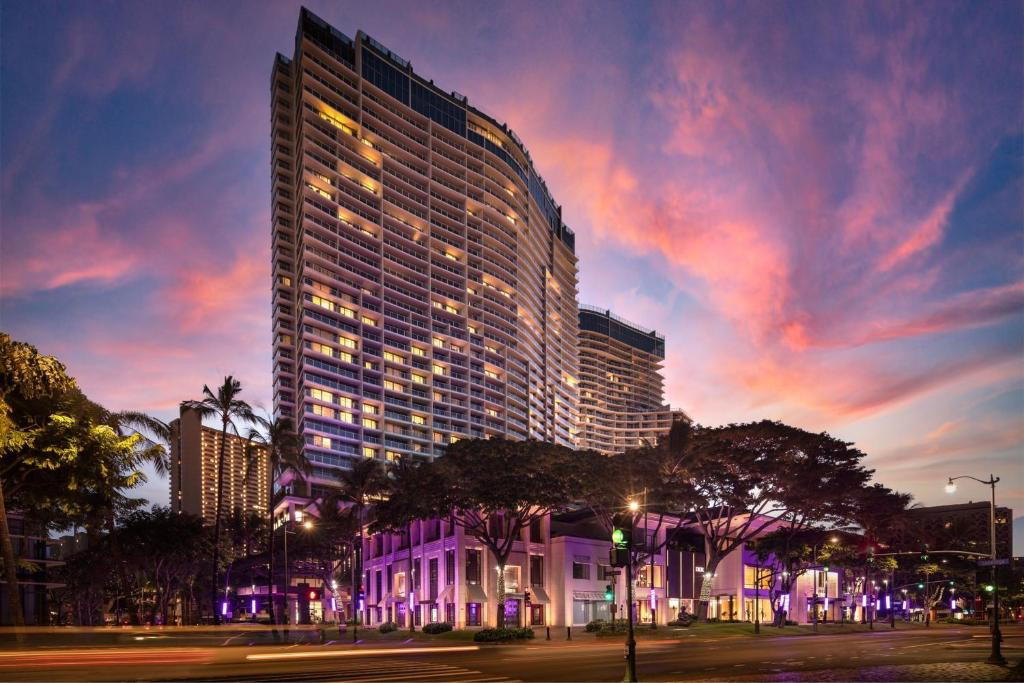
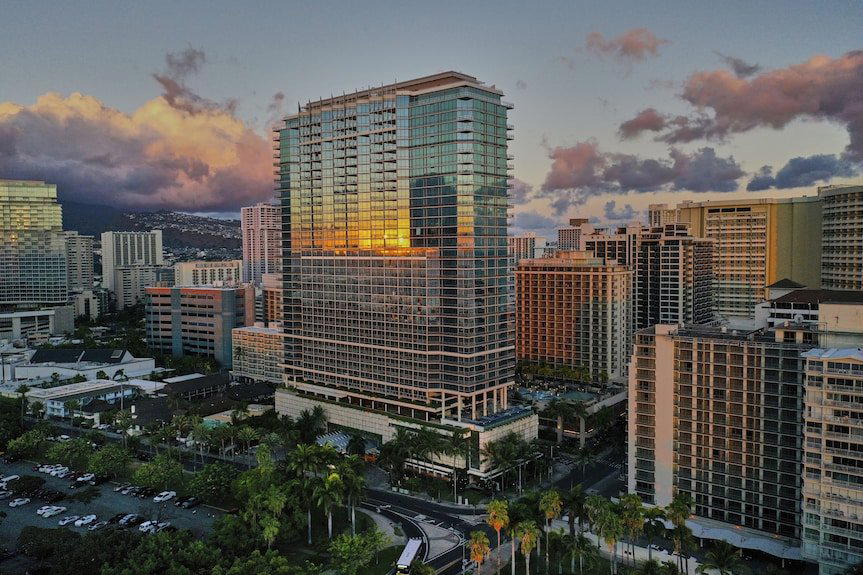
Katsumidori Sushi Tokyo brings a Japanese sushi-bar format to Honolulu's Ala Moana corridor, operating from the ground floor of 100 Holomoana St. The setting positions it inside a broader wave of Japanese hospitality concepts finding footing in Hawaii, where proximity to Japan's food culture runs deeper than almost anywhere else in the United States.

Pearl is the En Primeur Club membership app — saves, bookings, and concierge access live there. Same editors, same standards.
- Address
- 100 Holomoana St Ground Floor, Honolulu, HI 96815
- Phone
- (808) 946-7603
- Hours
- Daily 11:30 AM–2 PM, 5–9:30 PM
- Website
- katsumidori-hawaii.com
- Directions
- Get directions
- Booking
- Book on OpenTable
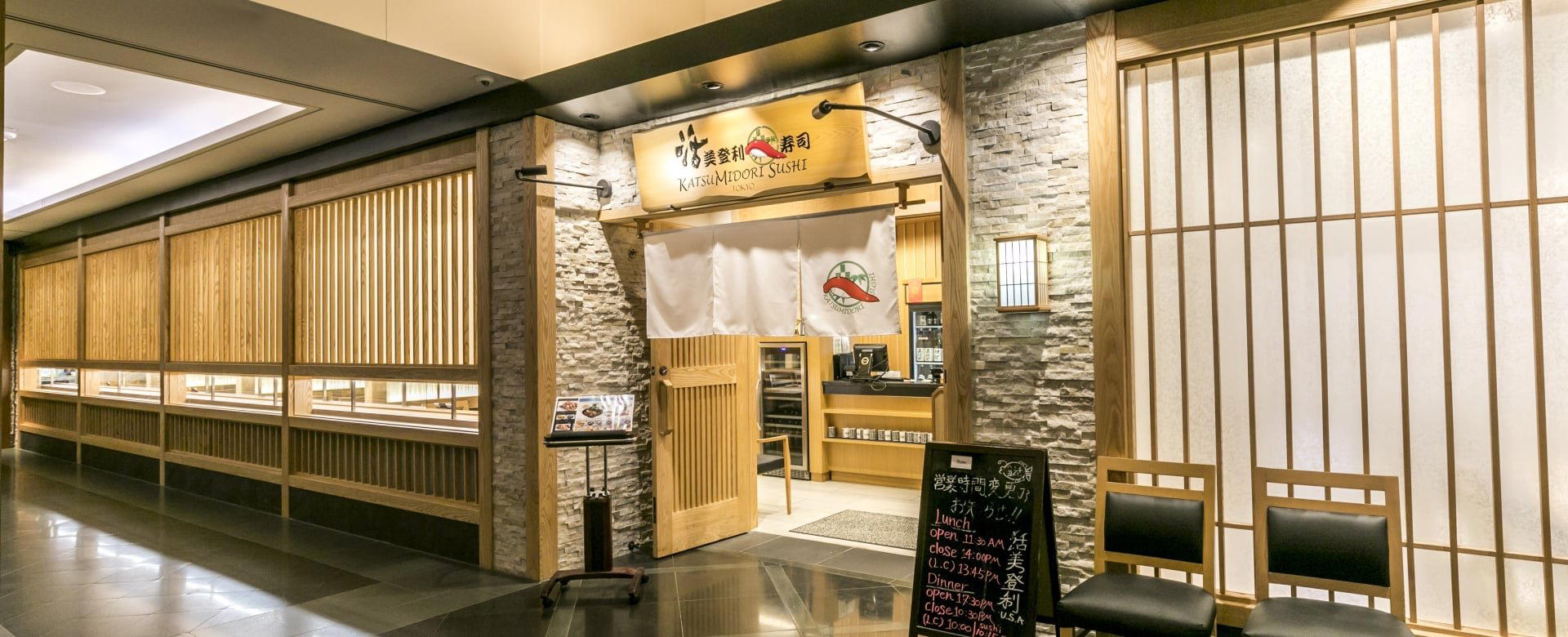
Where Waikiki Meets the Counter
The ground floor of 100 Holomoana Street sits at the edge of the Ala Moana retail and hospitality corridor, a stretch of Honolulu where Japanese consumer culture has maintained a consistent presence for decades. That context matters when reading a name like Katsumidori Sushi Tokyo. The original Katsumidori operation in Japan built its reputation on an affordable, high-throughput conveyor-belt format that managed to keep fish quality higher than its price tier suggested — a combination that earned it long queues at its Tokyo locations and a devoted following among both locals and visiting shoppers. Dropping that format into Honolulu is not an arbitrary move: Hawaii receives more Japanese visitors per capita than any other American state, and a significant portion of Honolulu's resident population has direct cultural ties to Japan. A concept that travels from Tokyo to this address is, in a real sense, traveling to familiar ground.
The Sushi Counter in the American Pacific
Honolulu occupies an unusual position in the American dining conversation. It is the only major U.S. city where Japanese sushi formats, from standing sushi bars to conveyor-belt kaiten operations, have been absorbed into everyday eating rather than positioned exclusively as occasion dining. That normalization changes what a venue like this is competing against. In most American cities, a Japanese sushi import competes primarily against high-end omakase counters or mid-range rolls-and-apps concepts. In Honolulu, it enters a market where residents already have a calibrated sense of what Japanese fish quality looks like and what it costs. The bar for credibility is higher here than it would be in, say, Denver or Atlanta.
That competitive context places Katsumidori Sushi Tokyo in an interesting bracket. The Ala Moana address — ground-floor retail-adjacent, high foot traffic, close to the convention center and several hotel properties, suggests a format designed for accessibility and volume rather than the intimate, reservation-only experience of a traditional omakase counter. For travelers staying along the Waikiki strip or attending events nearby, the location is walkable from most major hotel addresses in the area.
How This Fits Into Honolulu's Drinking and Dining Circuit
Any serious look at Honolulu's food and drink offerings has to reckon with how the city's hospitality scene has matured over the last decade. The cocktail tier, in particular, has developed a technical seriousness that would not have been expected even five years ago. Bar Leather Apron in Honolulu represents the kind of focused, technique-driven cocktail program that has become a reference point for the city's bar scene, operating in the same vein as destination bars like Kumiko in Chicago or Jewel of the South in New Orleans, where the drink program carries as much editorial weight as the kitchen. For visitors building a broader evening in the area, the sushi stop and the cocktail bar are not mutually exclusive, they represent different chapters of the same meal.
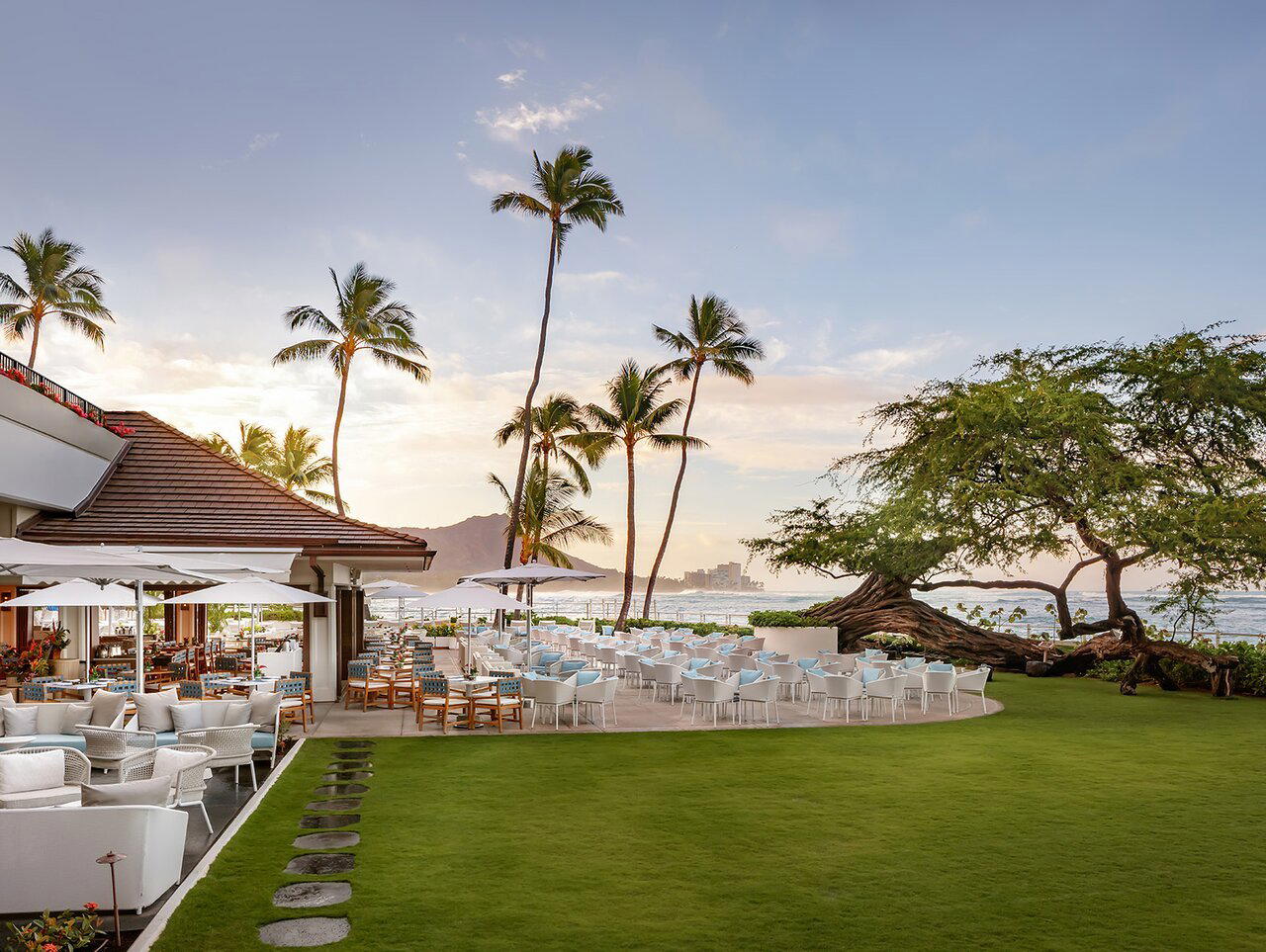
Within Waikiki's immediate orbit, the bar tier covers a wide range of formats. Beachhouse at the Moana operates at the hotel-facing, ocean-view end of the spectrum, while Duke's Waikiki handles high-volume beachfront traffic. For something more neighborhood-facing before or after a sushi sitting, 9th Ave Rock House and Andy's Sandwiches and Smoothies operate in a more casual register entirely. The broader U.S. cocktail circuit, for context, includes technically ambitious programs at Superbueno in New York City, Julep in Houston, ABV in San Francisco, and internationally at The Parlour in Frankfurt on the Main, all venues that illustrate how far the craft bar conversation has traveled from its speakeasy-revival origins.
Practical Considerations for Visitors
The Holomoana Street address places Katsumidori Sushi Tokyo within the Ala Moana commercial zone, which means proximity to the Ala Moana Center and easy access from the convention center district. For visitors staying in Waikiki, it is a short cab or rideshare from the main hotel corridor. Given that the concept in Japan operates with kaiten-style or counter formats typically suited to walk-in traffic and moderate dwell times, the entry point for a meal here is likely lower than a traditional omakase reservation would suggest, though specific booking requirements, hours, and pricing are best confirmed directly before visiting, as the Honolulu operation may differ from the Tokyo template in meaningful ways. Our full Urban Honolulu restaurants guide covers the broader dining and drinking picture across the city's neighborhoods if you are building a longer itinerary.
What the Tokyo Name Carries
In a city where Japanese dining concepts are not exotic imports but familiar anchors, a Tokyo-branded sushi name is evaluated differently than it would be on the mainland. Honolulu diners, particularly those with family connections to Japan or frequent travel between the islands and the archipelago, tend to know when a Japanese restaurant concept is the real thing and when it is an approximation. The Katsumidori name carries specific associations in Tokyo's sushi culture, a format that prioritized accessibility without collapsing quality, and those associations travel with it. Whether the Honolulu location fully realizes that Tokyo reputation is the kind of question that gets answered at the counter rather than from the outside, but the pedigree of the name sets a clear expectation that the kitchen is held to.
For the broader sushi tier in Honolulu, the Katsumidori arrival is a marker of how seriously the city's food market is being taken by Japanese hospitality operators. When a Tokyo concept with name recognition chooses Honolulu over a larger mainland city for a U.S. foothold, it reflects the demographic and cultural logic that has always made Hawaii the most natural crossing point between Japanese and American food culture. That logic has supported everything from neighborhood izakayas in Kaimuki to high-end omakase counters in Ala Moana, and it continues to drive new arrivals in a market that, more than most, knows exactly what it is eating.
A Quick Peer Check
Comparable venues nearby, for context on price, style, and recognition.
| Venue | Cuisine | Price | Notes |
|---|---|---|---|
| Katsumidori Sushi TokyoThis venue — the venue you are viewing | sake_bar | $50–100 | Not listed |
| Senia | cocktail_bar | Not listed | Chinatown |
| Fête | cocktail_bar | Not listed | Chinatown |
| Sushi Sho | sake_bar | Not listed | Waikiki |
| MW Restaurant | lounge | Not listed | Kakaako |
| Sushi ii | sake_bar | $50–100 | Ala Moana |
Continue exploring
More in Urban Honolulu
Bars in Urban Honolulu
Browse all →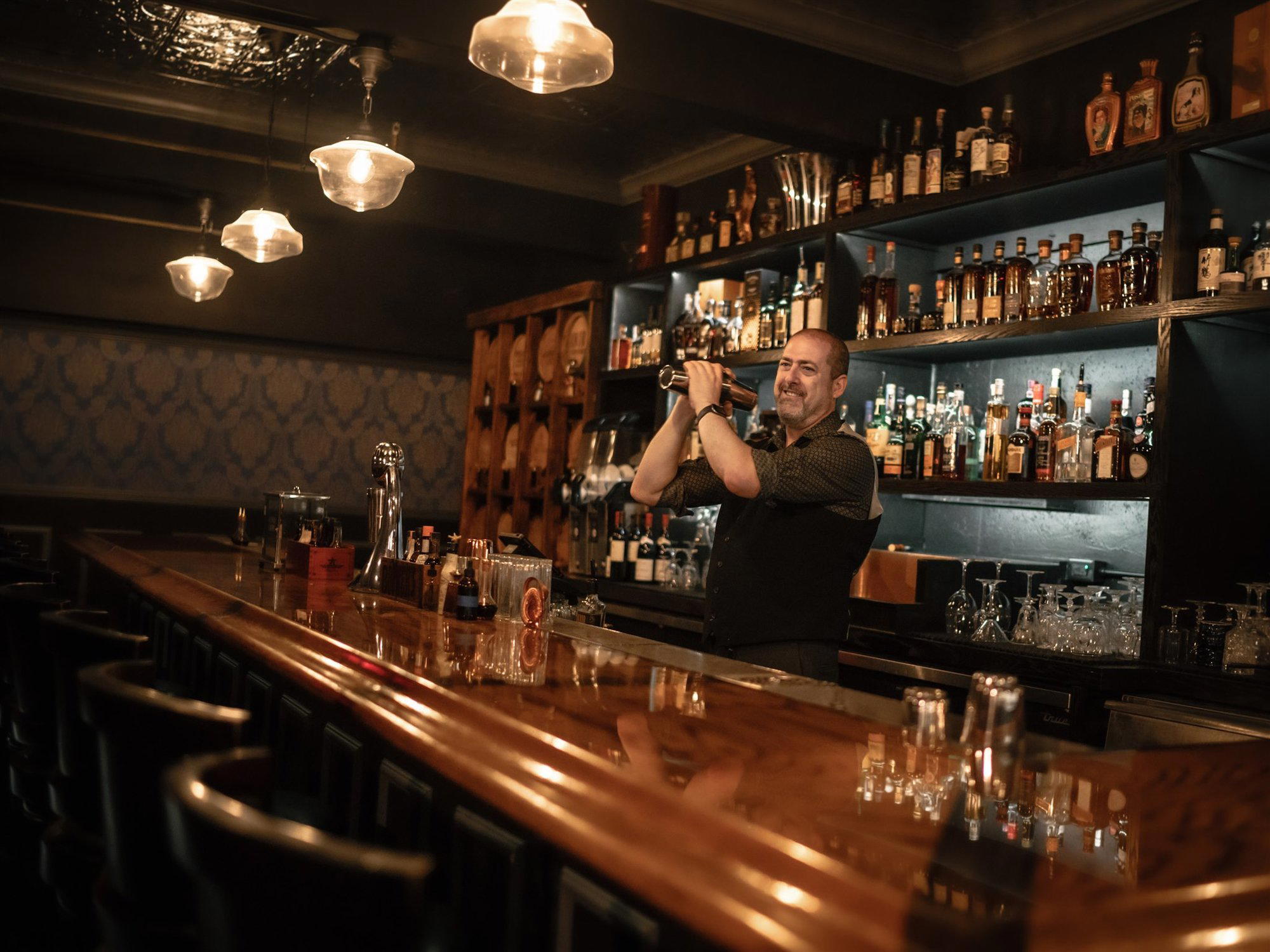
Restaurants in Urban Honolulu
Browse all →
Details
- Modern
- Trendy
- Date Night
- Casual Hangout
- Hotel Bar
- Counter Only
- Sake
Current opening hours
- Monday
- 11:30 AM–2 PM, 5–9:30 PM
- Tuesday
- 11:30 AM–2 PM, 5–9:30 PM
- Wednesday
- 11:30 AM–2 PM, 5–9:30 PM
- Thursday
- 11:30 AM–2 PM, 5–9:30 PM
- Friday
- 11:30 AM–2 PM, 5–9:30 PM
- Saturday
- 11:30 AM–2 PM, 5–9:30 PM
- Sunday
- 11:30 AM–2 PM, 5–9:30 PM
Hours can change for holidays and private events. Last verified .
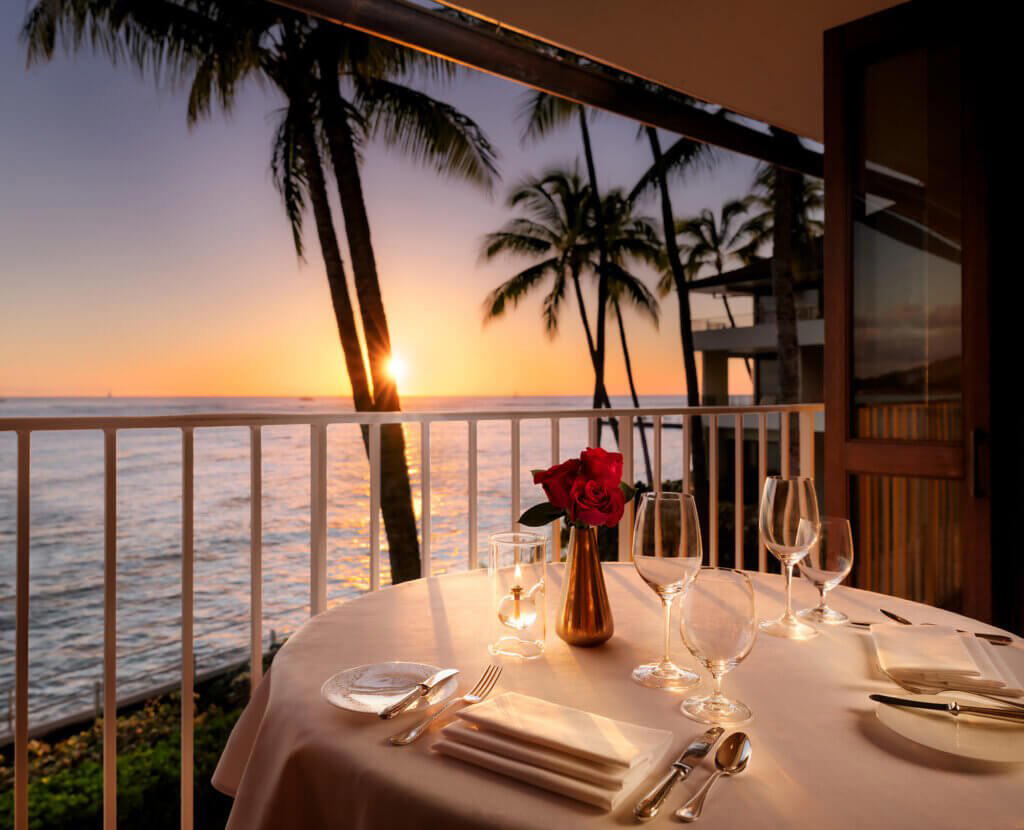
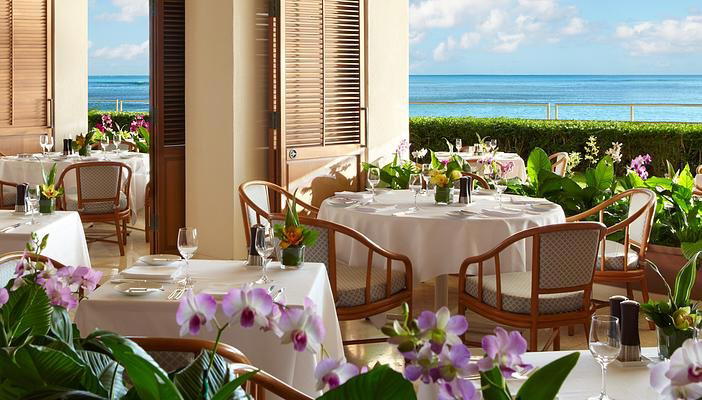
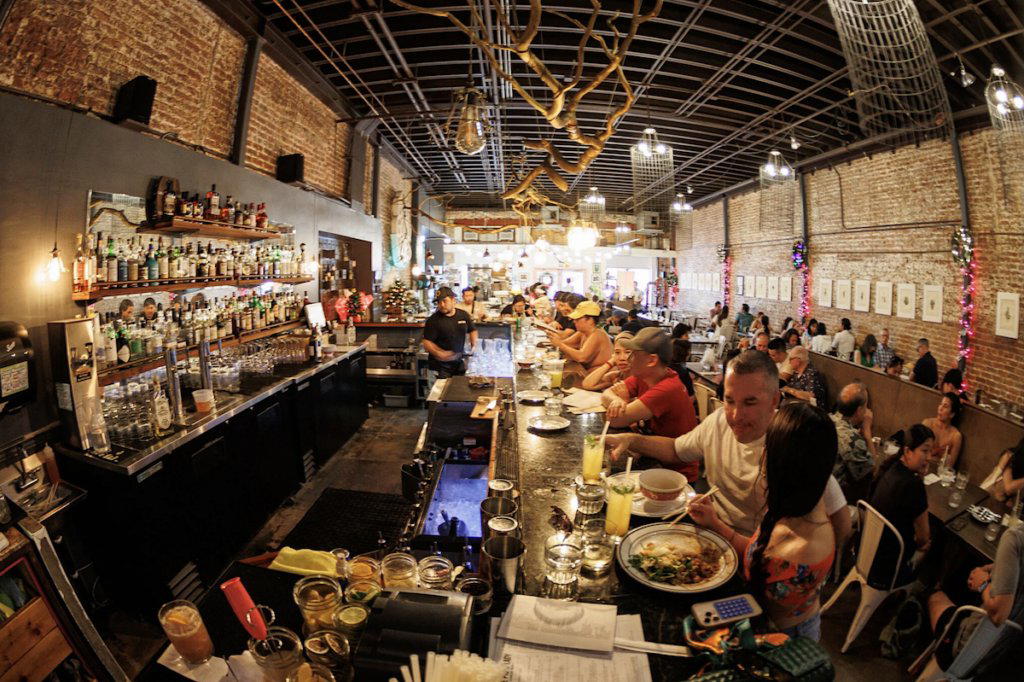
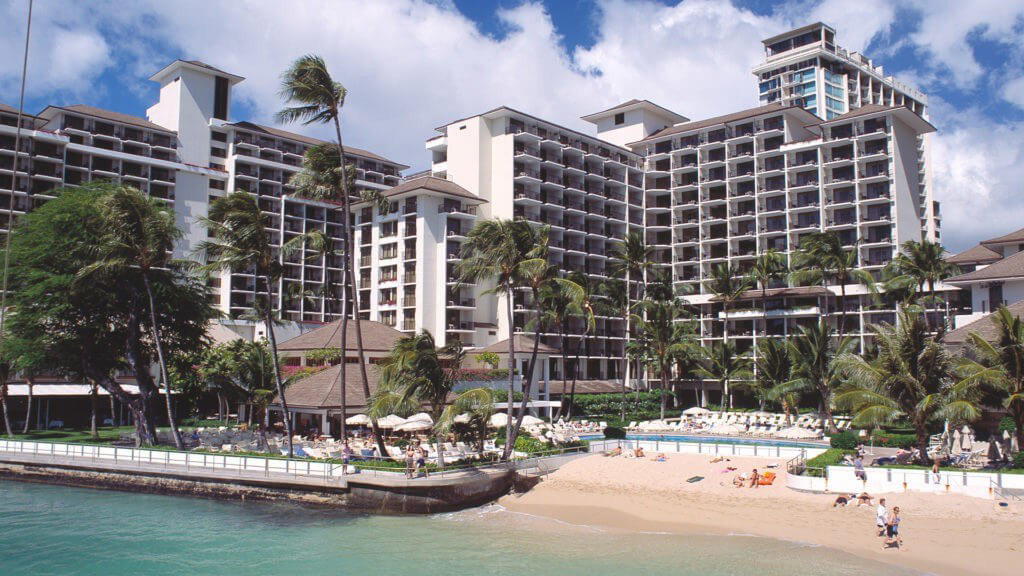
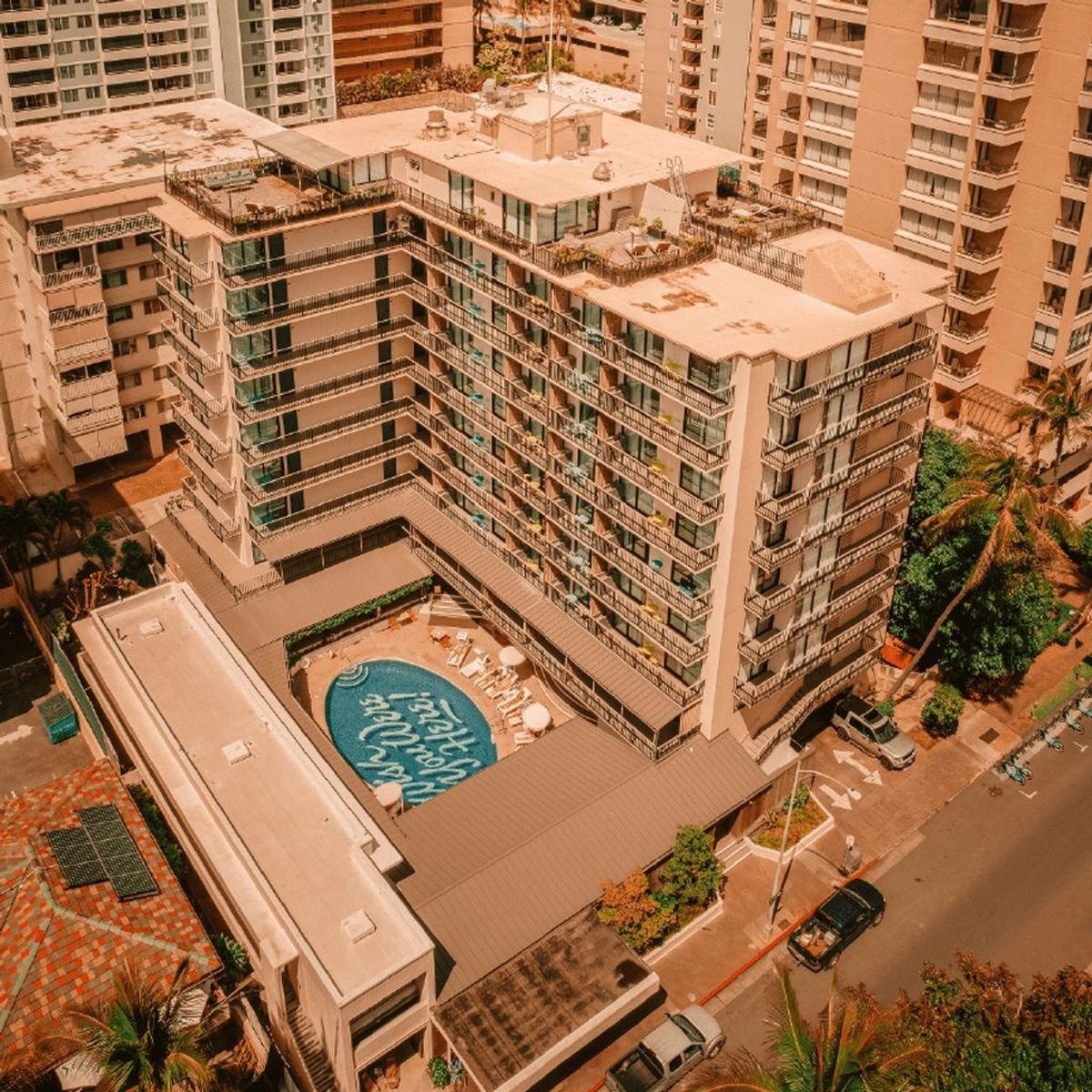
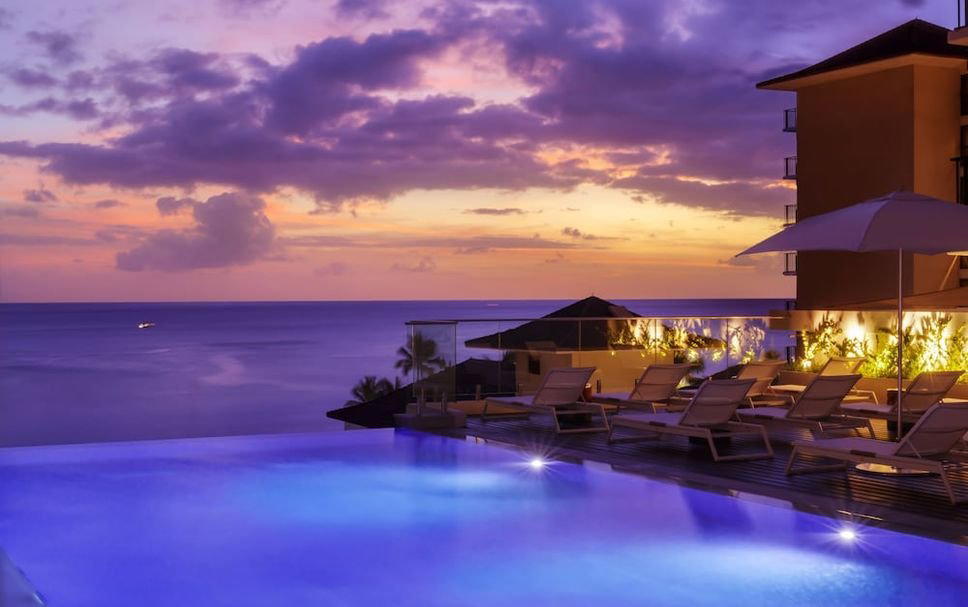
Welcoming atmosphere in the lively Waikiki hotel lobby with a modern sushi counter vibe.