Kaneko Hannosuke
Edomae tendon — the Edo-period tradition of arranging tempura over seasoned rice — is the entire point at Kaneko Hannosuke, a Tokyo-born concept that has carried its focused format to Waikiki Yokocho on Kalakaua Avenue. The brand traces its name and philosophy to a historical figure from Asakusa, the Tokyo neighbourhood where street-stall tempura culture took root in the nineteenth century, and that lineage shapes what the kitchen does: a tightly defined menu built around one bowl, executed with consistency rather than ambition. The tendon format keeps things direct. A base of rice arrives topped with a combination of tempura items — shrimp, conger eel, squid, soft-boiled egg, and seasonal vegetables are the recurring elements in the Tokyo original — finished with a house sauce developed to work specifically with the fried components. The concept was designed from the outset to make Edomae tendon accessible on price, with the Tokyo locations pricing the bowl at entry-level figures by any standard. That positioning carries through to the Honolulu outpost, which sits inside a food hall environment rather than operating as a standalone dining room. The Waikiki Yokocho setting places Kaneko Hannosuke inside a concentrated cluster of Japanese food and drink options in Honolulu's main visitor district, which means the context is casual and communal rather than destination-dining. For anyone tracing the actual tradition behind a style of bowl that Tokyo has refined over generations, the provenance here is documented and the format is faithful to the source.
- Address
- Honolulu, United States
- Directions
- Get directions
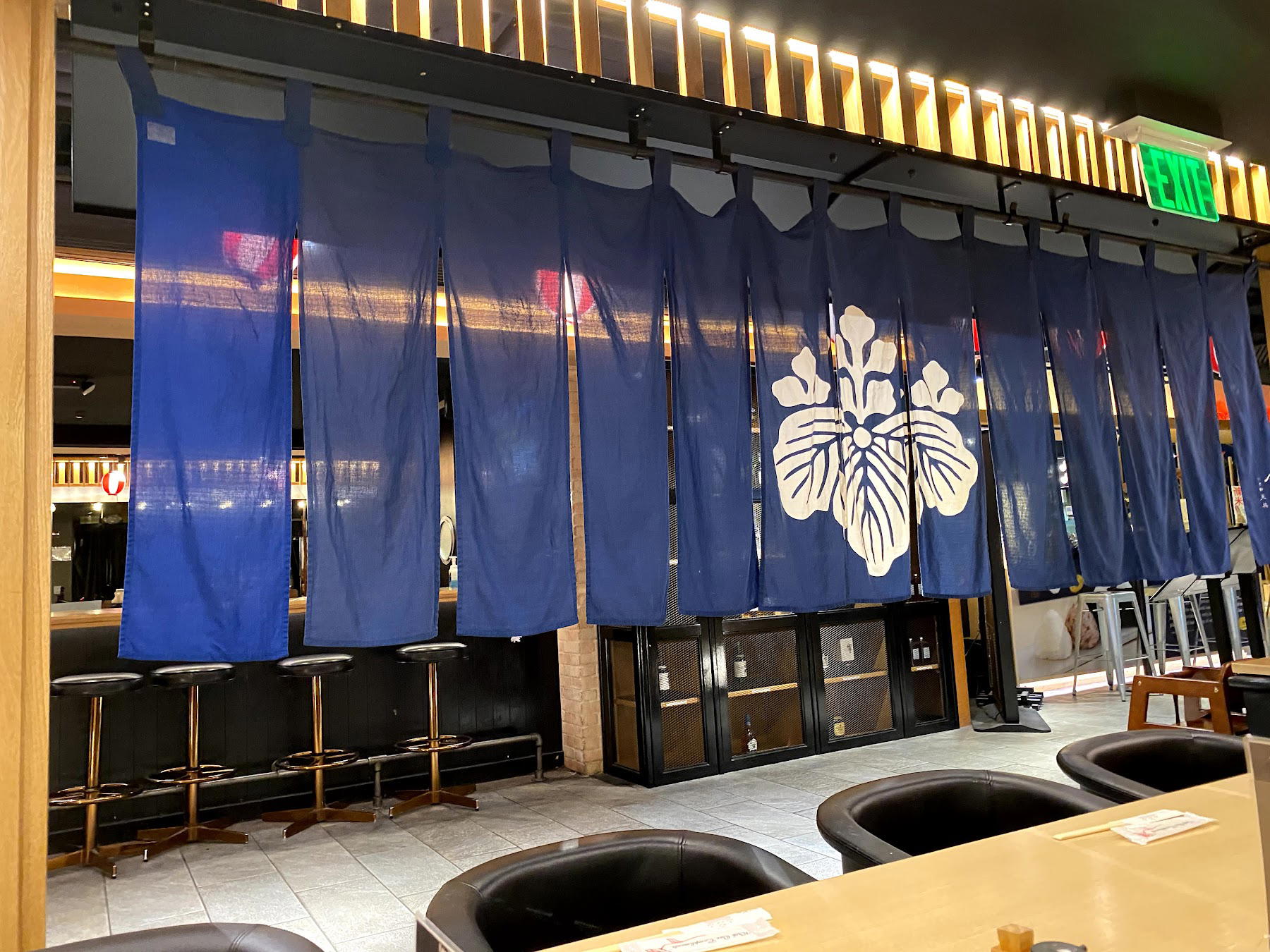
Edomae tendon — the Edo-period tradition of arranging tempura over seasoned rice — is the entire point at Kaneko Hannosuke, a Tokyo-born concept that has carried its focused format to Waikiki Yokocho on Kalakaua Avenue. The brand traces its name and philosophy to a historical figure from Asakusa, the Tokyo neighbourhood where street-stall tempura culture took root in the nineteenth century, and that lineage shapes what the kitchen does: a tightly defined menu built around one bowl, executed with consistency rather than ambition.
The tendon format keeps things direct. A base of rice arrives topped with a combination of tempura items — shrimp, conger eel, squid, soft-boiled egg, and seasonal vegetables are the recurring elements in the Tokyo original — finished with a house sauce developed to work specifically with the fried components. The concept was designed from the outset to make Edomae tendon accessible on price, with the Tokyo locations pricing the bowl at entry-level figures by any standard. That positioning carries through to the Honolulu outpost, which sits inside a food hall environment rather than operating as a standalone dining room.
The Waikiki Yokocho setting places Kaneko Hannosuke inside a concentrated cluster of Japanese food and drink options in Honolulu's main visitor district, which means the context is casual and communal rather than destination-dining. For anyone tracing the actual tradition behind a style of bowl that Tokyo has refined over generations, the provenance here is documented and the format is faithful to the source.
In Context
Comparable venues nearby, for context on price, style, and recognition.
| Venue | Cuisine | Price | Notes |
|---|---|---|---|
| Kaneko HannosukeThis venue — the venue you are viewing | Waikiki, Tempura | $$ | Not listed |
| Yanagi Sushi | Not listed | $$ | Capitol District, Traditional Japanese Sushi |
| Tonkatsu Kuro | Not listed | $$ | Ala Moana, Modern Japanese Tonkatsu & Soba |
| Asuka | Kaimuki, Japanese Shabu-Shabu Hot Pot | $$ | Not listed |
| Kamukura Surf + Dine | Not listed | $$ | Kapahulu, Japanese-Hawaiian Fusion Ramen and Sushi |
| Tempura Kiki | Waikiki, Traditional Japanese Tempura | $$ | Not listed |
At a Glance
- Casual
- Casual Hangout
Casual counter-service atmosphere focused on fresh tempura.