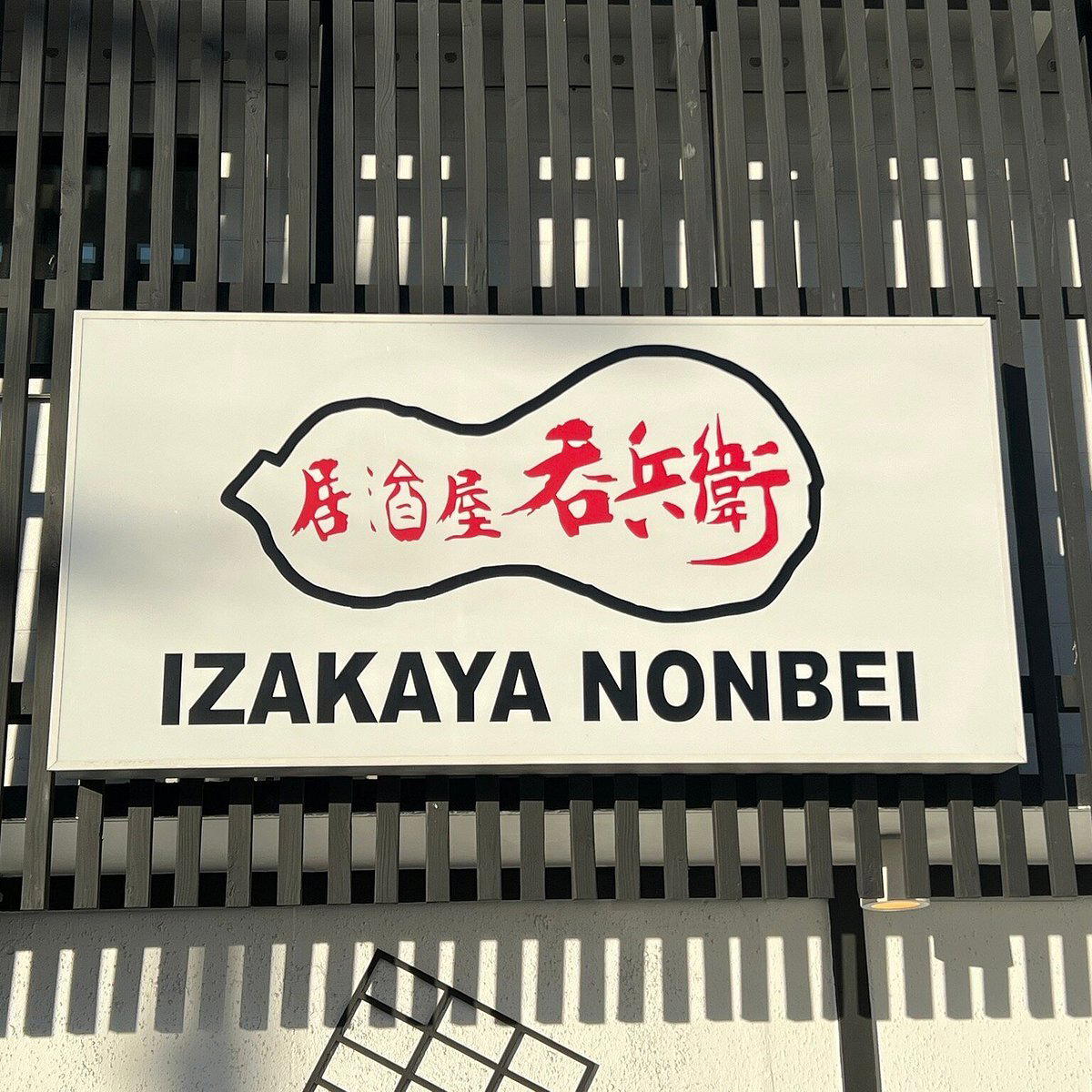
Izakaya Nonbei
Our verdict
The format places small plates and cold drinks at the center of an evening rather than any single showpiece dish.

Pearl is the En Primeur Club membership app — saves, bookings, and concierge access live there. Same editors, same standards.
- Address
- 3108 Olu St, Honolulu, HI 96816
- Phone
- (808) 734-5573
- Hours
- Mon–Tue 5–10 PMWed–Fri 11:30 AM–2 PM, 5–10 PMSat–Sun 5–10 PM
- Website
- izakayanonbei.com
- Directions
- Get directions
- Booking
- Book on OpenTable
The menu
What to order
- Karaage Chicken
- Miso Butterfish
- Wafu Steak
- Tempura Soba
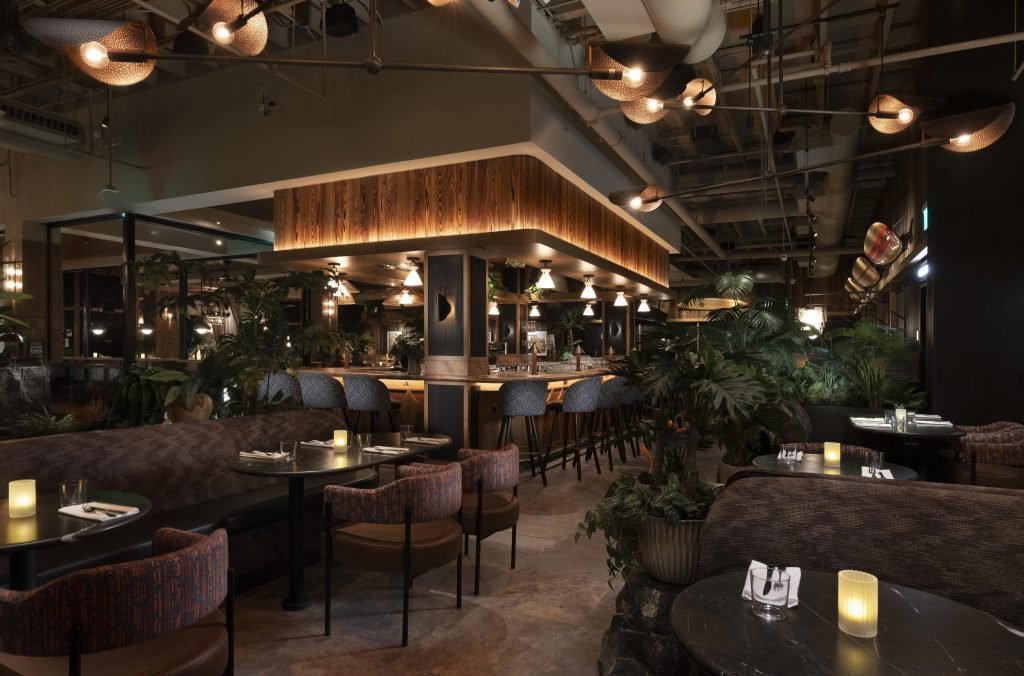
Across Japan, izakayas function as the connective tissue of after-work social life: informal gastropubs where the drinking and the eating carry equal weight, where ordering unfolds gradually across the evening rather than arriving in a structured sequence.
Local Produce, Japanese Framework
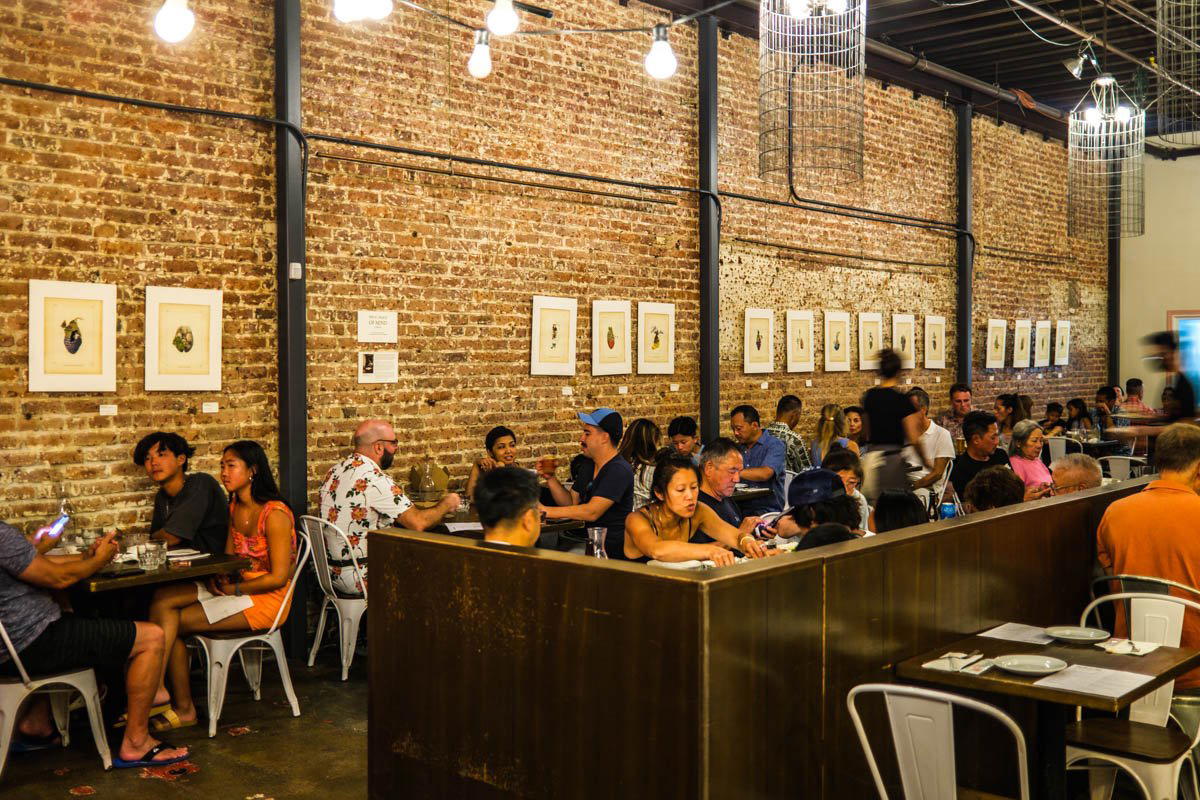
The editorial angle that matters most for understanding Izakaya Nonbei is the intersection of imported technique and local material. That friction is generative. The izakaya format, which places less rigid demands on ingredient sourcing than, say, a kaiseki kitchen or a high-commitment omakase counter, is well suited to absorbing local material without distorting its own logic. Hawaiian ahi, opah, and moi have different fat structures, flavor profiles, and seasonal windows than the bluefin or flounder a Shibuya izakaya would build around. A kitchen working in the izakaya idiom can accommodate those differences at the level of individual dishes without restructuring its identity. The small-plate format absorbs substitution and variation more naturally than a prix-fixe menu built on a fixed progression. The Olu Street address places Izakaya Nonbei away from the tourist-facing corridors of Waikiki and the denser commercial strips of Chinatown or Kakaako. Kaimuki's culinary reputation has been building for years, anchored by restaurants that attract a local rather than hotel-dependent clientele. The Palolo adjacency puts Izakaya Nonbei in the orbit of that scene without being directly in it. For visitors, the practical implication is that getting there requires intention. This is not a restaurant you walk past on the way somewhere else. That self-selection tends to shape the room: the audience skews local, the atmosphere skews familiar, and the dynamic approximates what an izakaya is actually supposed to feel like rather than what a tourist-facing version of one performs. New American formats like That positioning has parallels in other cities. In San Francisco, Lazy Bear represents the opposite pole: a kitchen where technique is the explicit subject. In New York, Atomix applies similar ambition to Korean fine dining. The value of a well-executed izakaya is precisely that it makes no such claims. The format works when execution is consistent, sourcing is honest, and the room feels like the kitchen is cooking for regulars rather than performing for critics. For context on the broader dining scene, see Palolo Valley as a Setting
Frequently asked questions
Where is Izakaya Nonbei located?
Izakaya Nonbei is located at 3108 Olu St, Honolulu, HI 96816, Honolulu.
Is Izakaya Nonbei in Honolulu suitable for a casual weeknight dinner rather than a special occasion?
The izakaya model is built for exactly that context: an informal, multi-hour evening of small shared plates and drinks rather than a structured tasting progression. The Olu Street address in Palolo Valley reinforces this, sitting outside the celebratory-dining corridors of Waikiki and Kakaako. For Honolulu diners who want Japanese food rooted in neighbourhood habit rather than occasion-dining expectation, Izakaya Nonbei fits that brief by format and location alike.
What do regulars order at Izakaya Nonbei?
Izakaya Nonbei follows the izakaya format, which centres on shared small plates and drinking food designed to accompany sake, shochu, or beer over a long evening. At Honolulu izakaya establishments generally, regulars gravitate toward grilled skewers, house-made tofu preparations, and sashimi that draws on Hawaii's Pacific fish supply. Specific menu details for Nonbei are not published, so confirming current offerings directly before visiting is advisable.
Should I book Izakaya Nonbei in advance?
The izakaya format at its Palolo Valley address on Olu Street places Nonbei in a residential neighbourhood rather than a high-traffic commercial strip, which tends to produce a loyal repeat-customer base with limited walk-in capacity. Reservations ahead of a visit are worth arranging, particularly on weekends. Contact details are not currently listed publicly, so reaching out through the venue directly is the most reliable approach.
What's Izakaya Nonbei best at?
Izakaya Nonbei operates within a format that Honolulu supports more authentically than almost any other American city outside the continental West Coast, given Hawaii's deep structural ties to Japanese culinary culture. The Palolo Valley location keeps the atmosphere neighbourhood-facing rather than tourist-facing, which shapes the pace and informality of service. That combination of genuine izakaya format and a local rather than visitor-oriented clientele is the clearest distinction the venue offers.
Credentials Lens
Comparable venues nearby, for context on price, style, and recognition.
| Venue | Cuisine | Price | Awards | Notes |
|---|---|---|---|---|
| Izakaya NonbeiThis venue — the venue you are viewing | Traditional Japanese Izakaya | $30–50 | Not listed | Not listed |
| Akasaka | Traditional Japanese Sushi | $30–50 | Not listed | Waikiki |
| Kamukura Surf + Dine | Japanese-Hawaiian Fusion Ramen and Sushi | $20–30 | Not listed | Kapahulu |
| Waikiki Shokudo | Japanese Izakaya | $20–30 | Not listed | Waikiki |
| Fukurou | Japanese-Mexican-Hawaiian Fusion Omakase | $50–100 | Not listed | Waikiki |
| Mud Hen Water | Modern Hawaiian Fusion | $50–100 | James Beard Award Semi Finalist | Kaimuki |