Suppenhandlung occupies a quietly residential stretch near the Lutherkirche in Hanover's Nordstadt, operating in the register of the neighbourhood local rather than the destination restaurant. The address alone signals something about its relationship to the city: this is a place that serves the quarter first. Whether the kitchen leans casual or more considered depends on the hour, and that divide is worth understanding before you go.
Pearl is the En Primeur Club membership app — saves, bookings, and concierge access live there. Same editors, same standards.
- Address
- An d. Lutherkirche 13, 30167 Hannover, Germany
- Phone
- +4951134083630
- Website
- suppenhandlung.de
- Directions
- Get directions
 Saves & bookings on Pearl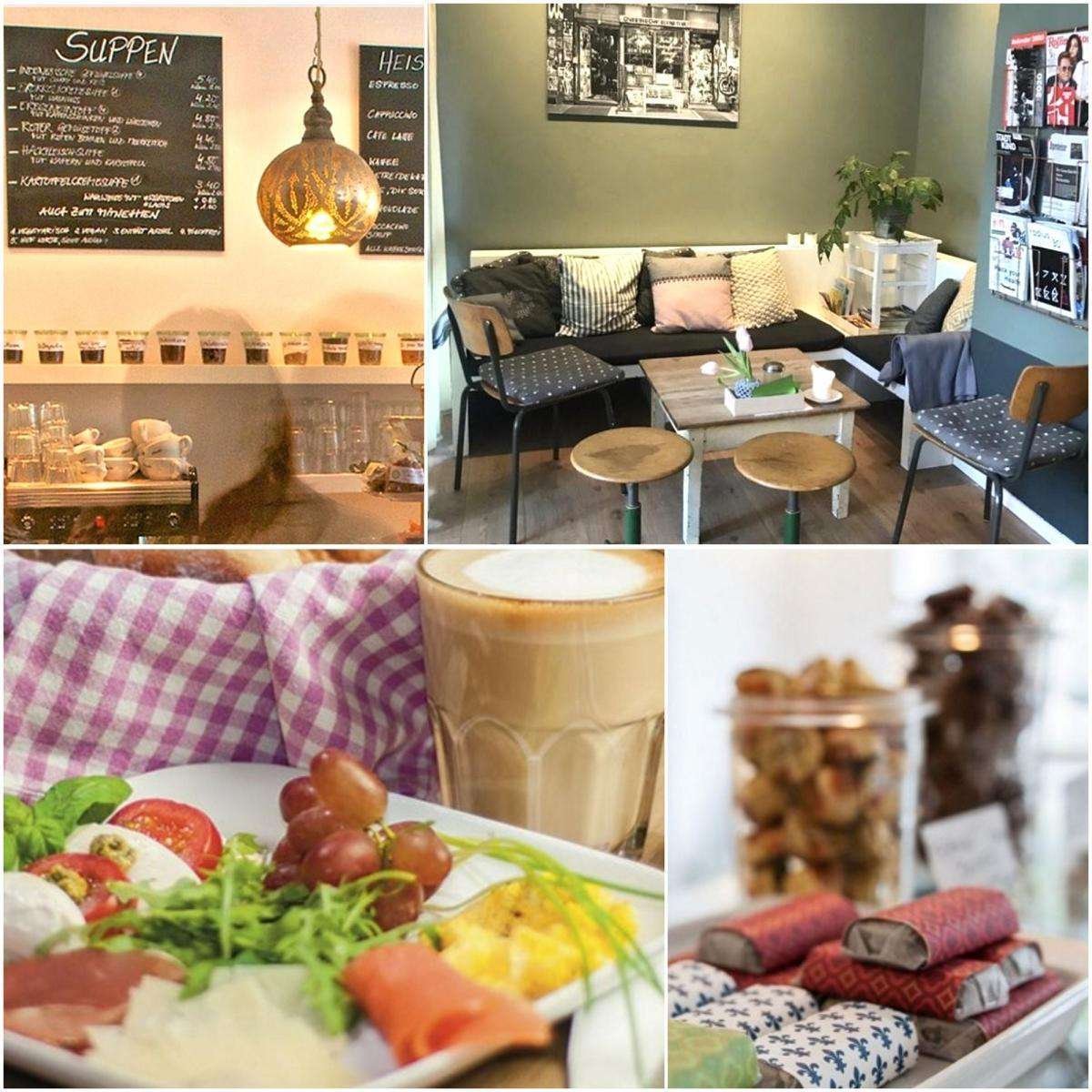
A Neighbourhood Register, Nordstadt Style
Hanover's dining geography divides more sharply than the city's size might suggest. The centre and Linden pull the headline venues, while Nordstadt functions as the residential counterweight: denser with regulars, shorter on ceremony. An der Lutherkirche sits inside that logic, a street where the pavement is wide and the buildings are lived-in, and where a restaurant earns its place by serving the neighbourhood well rather than by drawing visitors across town. Suppenhandlung occupies that role. It is a restaurant in Hanover, serving German Soup Specialties at a casual, walk-in-friendly price point of about $10 per person. Its address positions it as a local institution in the older sense of the word: a place that a particular postcode relies on, not a destination engineered for discovery.
That context matters when reading what Suppenhandlung is. Across Germany's mid-tier cities, a cohort of neighbourhood restaurants operates in the gap between fast-casual and formal dining. These places rarely carry Michelin recognition or make the lists that draw international visitors, but they function as the backbone of a city's everyday eating culture. Hanover's version of that stratum includes addresses across Nordstadt and Linden, and Suppenhandlung belongs to it. For the visitor calibrating their itinerary, this framing is useful: the expectation should be calibrated to neighbourhood hospitality, not competitive fine dining.
The Lunch and Dinner Divide
In most German neighbourhood restaurants, the distance between a lunch service and an evening sitting is greater than the menu alone suggests. Lunch in this register tends toward economy and efficiency: a changing daily plate, a soup course that earns the Suppenhandlung name its most literal reading, and a pace that accommodates the working quarter around it. The room reads differently at noon, lighter in atmosphere, quicker in rhythm, oriented around tables turning rather than tables lingering.
Evening service in the same space tends to shift register. The pace slows, the kitchen has more time to commit to the plate, and the dynamic between guest and room changes in ways that have nothing to do with the menu changing dramatically. Across Hanover's mid-range neighbourhood restaurants, this split between daytime utility and evening occasion is consistent. Schorse im Leineschloss and similar addresses at the €€ price point follow the same pattern: lunch is the value proposition, dinner is where the atmosphere compounds. Suppenhandlung, positioned at the same broad tier, operates under the same logic, which means the question of when to visit is as important as whether to visit at all.
For visitors with only one window, the case is for weekday lunch. The neighbourhood quiets, the Lutherkirche anchors the street with some architectural presence, and the experience of a Nordstadt local shifts from functional to genuinely pleasant in ways that are harder to access at lunch. That said, if the specific draw is the soup format that the name implies, a weekday lunch is where that tradition tends to be most present and most honestly priced.
Where It Sits in the Hanover Picture
Hanover's formal dining tier is a compact field. Jante and Votum operate in the creative register at the €€€€ level, while Handwerk and Marie anchor the €€€ modern-European middle ground. Albertz. rounds out a set of addresses that together define Hanover's considered dining offer. Suppenhandlung sits below that tier, which is not a criticism, it means it is doing something different and serving a different purpose. The visitor who has already covered the upper tier and wants to understand how the city actually eats on a Tuesday evening will find more genuine local texture here than at an address calibrated for occasion dining.
That positioning also places it in a different competitive conversation. The relevant comparable set is not the Michelin-tracked rooms that the Hanover restaurants guide covers at the formal level, nor the destinations worth travelling across Germany to reach, such as Aqua in Wolfsburg or Schwarzwaldstube in Baiersbronn. The relevant comparison is the neighbourhood restaurant that knows its postcode, keeps its kitchen honest, and has regulars who would notice immediately if it closed. Germany's dining culture has always valued that tier, more than the international food media does.
Getting There and Planning Your Visit
An der Lutherkirche 13 is walkable from the Nordstadt's main artery and accessible by tram from Hanover's central station, a journey of under fifteen minutes depending on the line. The address is residential rather than commercial, which means street parking is easier than in the city centre but the surrounding block offers few pre-dinner options for drinks or post-dinner movement. Plan accordingly: arrive with time to walk the neighbourhood rather than expecting a strip of adjacent venues. For evening visits specifically, the quieter streets around the Lutherkirche have a character that is easy to miss if you arrive and depart by taxi.
The restaurant is open Monday through Friday from 11 AM to 6 PM, and closed on Saturday and Sunday. Walk-in visits are a good fit for the format.
Context Beyond Hanover
The neighbourhood-restaurant format that Suppenhandlung represents is one of Germany's more durable dining structures. While the country's critical attention concentrates on formal addresses, rooms like JAN in Munich, Vendôme in Bergisch Gladbach, Victor's Fine Dining by Christian Bau in Perl, or Waldhotel Sonnora in Dreis, the connective tissue of German eating culture has always been the mid-tier local, the place that does one or two things well and serves them to the same faces each week. CODA Dessert Dining in Berlin, ES:SENZ in Grassau, Restaurant Haerlin in Hamburg, and Schanz in Piesport all operate at the far end of the formal spectrum. The gap between those rooms and a Nordstadt neighbourhood address is wide, and it is in that gap that the majority of German diners eat the majority of their meals.
For international visitors more familiar with New York's dense restaurant culture, the analogy is the transition from a destination address like Le Bernardin or Atomix to a neighbourhood corner that locals would never think to explain to a visitor because it has never needed explaining. Suppenhandlung operates in that second register.
Side-by-Side Snapshot
Comparable venues nearby, for context on price, style, and recognition.
| Venue | Cuisine | Price | Notes |
|---|---|---|---|
| SuppenhandlungThis venue — the venue you are viewing | German Soup Specialties | $$ | Not listed |
| ælling – brød & vin | Danish Smørrebrød & Wine | $$ | Südstadt |
| Broyhan Haus | Traditional German Regional Cuisine | $$ | Hanover-Mitte (Altstadt) |
| O'Atlántico | Authentic Spanish Tapas | $$ | Linden Süd |
| Chois | Traditional Korean | $$ | Lister Meile |
| Stadtmauer am Lister Platz | Modern German Crossover | $$ | List |
Continue exploring
More in Hanover
Restaurants in Hanover
Browse all →
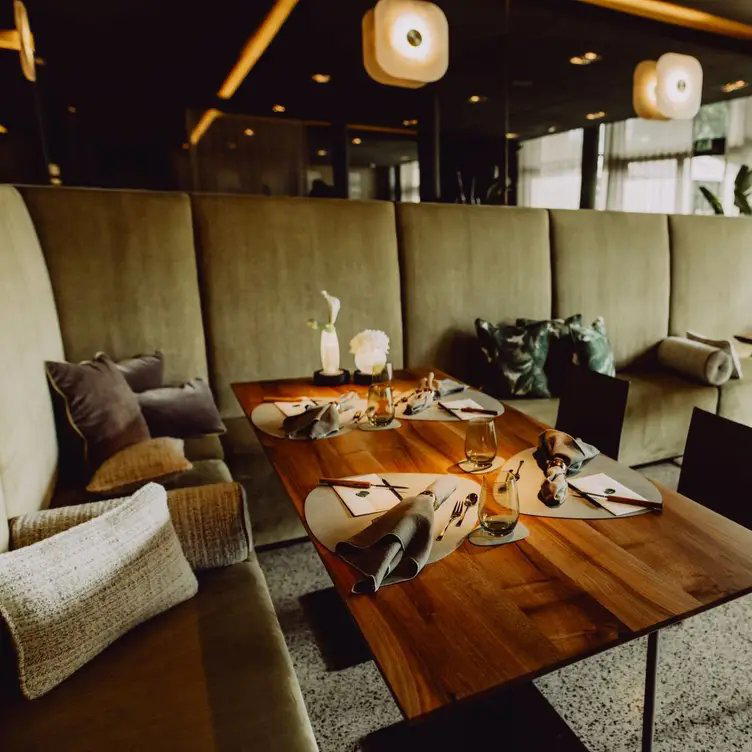
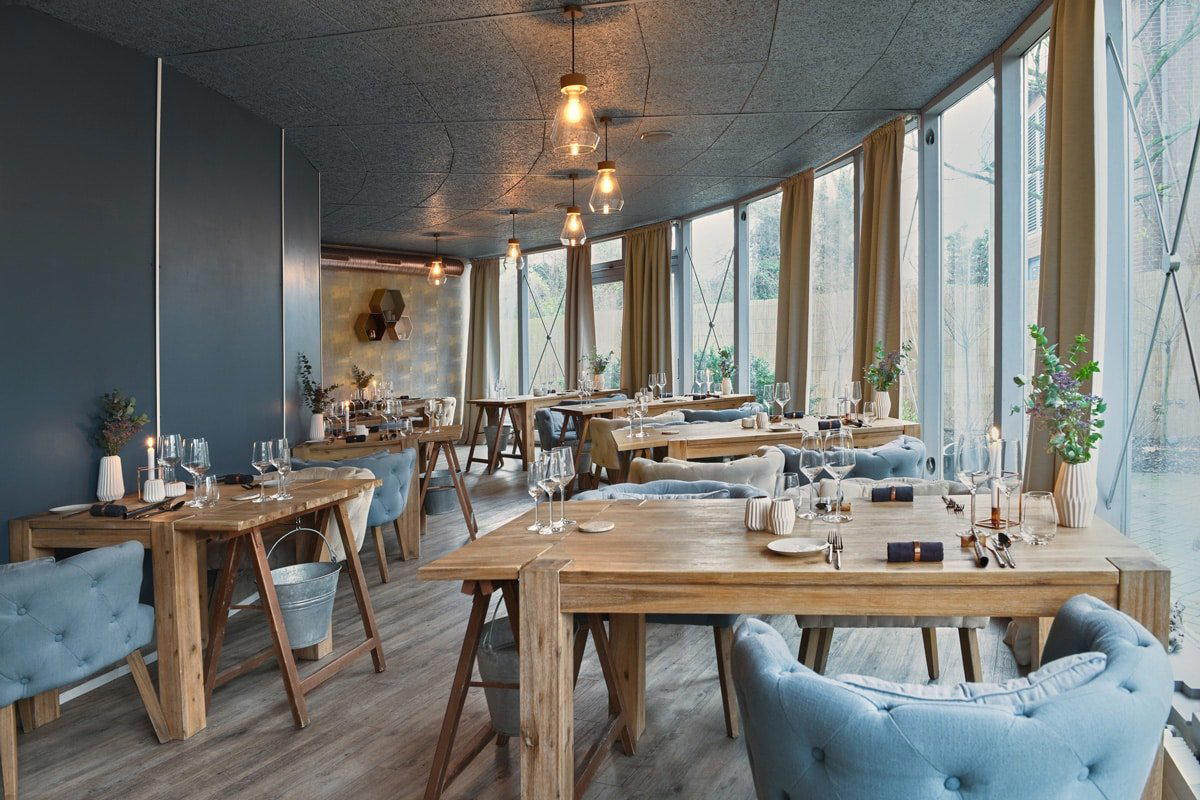
Bars in Hanover
Browse all →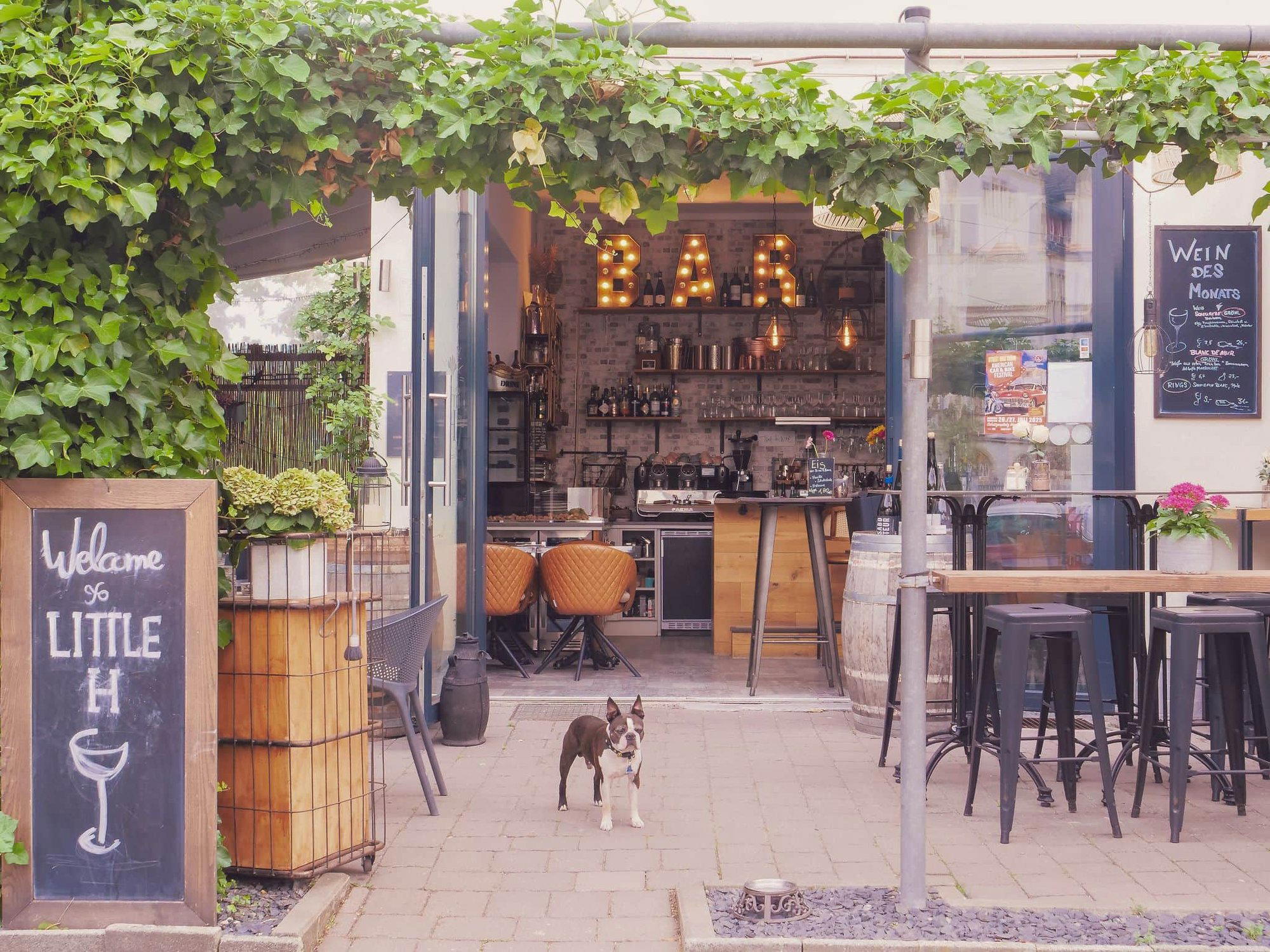
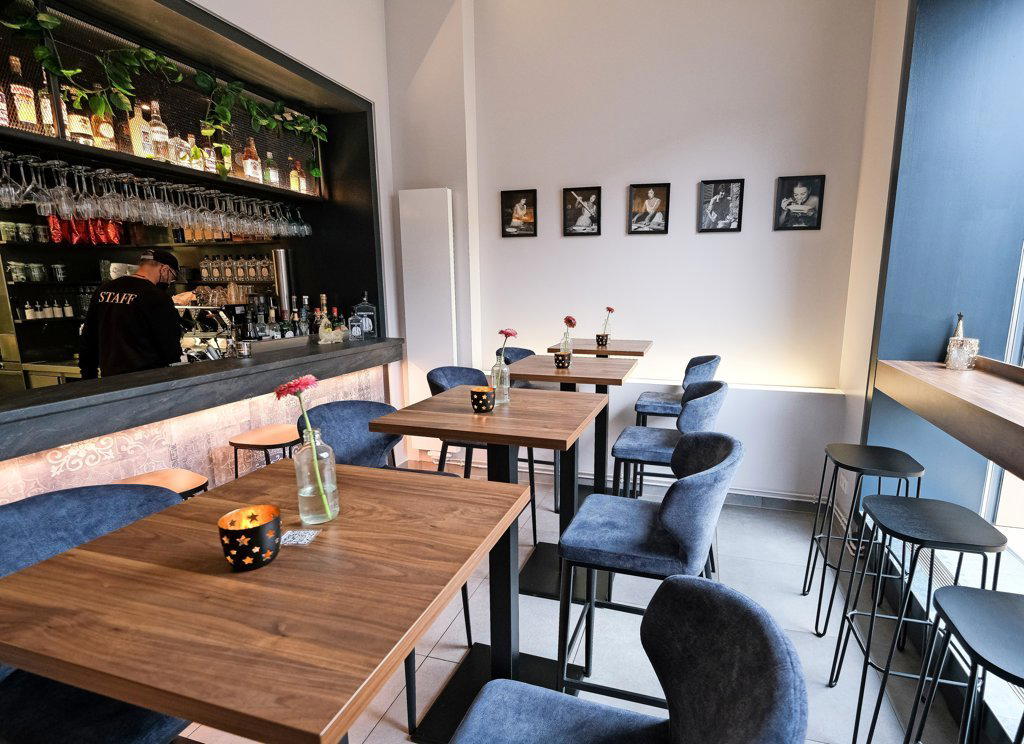
Hotels in Hanover
Browse all →

At a Glance
- Cozy
- Rustic
- Lively
- Casual Hangout
- Solo
- Group Dining
- After Work
- Standalone
Current opening hours
- Monday
- 11 AM–6 PM
- Tuesday
- 11 AM–6 PM
- Wednesday
- 11 AM–6 PM
- Thursday
- 11 AM–6 PM
- Friday
- 11 AM–6 PM
- Saturday
- Closed
- Sunday
- Closed
Hours can change for holidays and private events. Last verified .
Cozy and inviting with rustic charm blended with lively modern touches; features a dedicated corner for young people; inconspicuous exterior contrasts with welcoming interior.