On Lister Meile, one of Hanover's most walked thoroughfares, Chois occupies a position in the city's growing conversation about where Asian-influenced dining sits relative to its French and modern-European neighbours. Against a Hanover fine-dining scene that skews heavily toward classic continental formats, Chois represents a distinct alternative for diners tracking the city's quieter culinary shifts.
Pearl is the En Primeur Club membership app — saves, bookings, and concierge access live there. Same editors, same standards.
- Address
- Lister Meile 61, 30161 Hannover, Germany
- Phone
- +4949511313132
- Website
- restaurant-chois.de
- Directions
- Get directions
 Saves & bookings on Pearl
Lister Meile and the Neighbourhood That Frames Chois
Lister Meile runs north from Hanover's city centre into the List district, a stretch that mixes independent retail, neighbourhood restaurants, and the kind of everyday foot traffic that keeps a dining room honest. It is not the address you associate with ceremony-heavy fine dining, which is precisely what makes it an instructive location for a restaurant operating outside the conventions that dominate Hanover's upper tier. The street functions as a litmus test: restaurants here earn regulars through consistency rather than occasion-dining hype. Chois, at number 61, sits within that context.
Hanover's fine-dining conversation has historically centred on a small group of technically accomplished rooms. Jante and Votum operate in the creative tasting-menu format; Handwerk and Marie anchor the modern European and French ends of the mid-to-upper price spectrum. What that peer group shares is a broadly continental reference point. A restaurant working from a different culinary tradition occupies genuinely different territory in this city, and that gap in the market is worth understanding before walking in.
The Sustainability Frame: How Conscious Sourcing Shapes the Category
Across Germany's restaurant culture, a shift in sourcing ethics has moved from marketing language to operational practice over the past decade. The country's geography, with short supply chains to Central European farms, forest foragers, and North Sea and Baltic fisheries, makes ethical sourcing structurally more achievable here than in many comparable markets. Restaurants at every price point have responded, though the depth of commitment varies considerably between those who list a single regional supplier on the menu and those who have restructured procurement around waste reduction and seasonal limits.
The sustainability question matters especially in Asian-influenced dining, a category where ingredient provenance is often more complex. Certain proteins, condiments, and aromatics that define the cooking tradition travel long distances by default, creating a genuine tension between culinary authenticity and supply-chain ethics. How a kitchen resolves that tension, whether through substitution, local sourcing of key ingredients, or transparency about what cannot be sourced regionally, is one of the more telling things you can observe about its operating philosophy. Germany's broader farm-to-table infrastructure, visible in ambitious addresses like ES:SENZ in Grassau and Schanz in Piesport, has raised the baseline expectation for what conscientious sourcing looks like at the serious end of the market.
Comparable conversations are happening in urban neighbourhood restaurants across the country. CODA Dessert Dining in Berlin has made zero-waste preparation a structural feature of its format. JAN in Munich ties its menu closely to what the season and local producers can deliver. These are not outliers; they represent a direction of travel that neighbourhood-facing restaurants in Hanover are engaging with in their own register.
Where Chois Sits in the Hanover Dining Hierarchy
Chois is a Traditional Korean restaurant at Lister Meile 61 in Hannover, priced at about $25 per person and rated 4.7 on Google. That middle band is competitive in any German city: it contains restaurants with serious kitchens and modest margins, where the cooking has to be the argument because the marketing budget rarely is. The comparison set here is less Schwarzwaldstube in Baiersbronn or Vendôme in Bergisch Gladbach and more the independent operators who have built consistent local followings without institutional validation.
On Lister Meile specifically, the competitive dynamic tilts toward neighbourhood loyalty. Albertz. represents the kind of address that functions on regulars as much as destination diners. Chois competes in that register, where the question is not whether you can book three months out but whether the cooking merits return visits from people who live ten minutes away.
For context on how this category plays at international level, the gap between neighbourhood-facing Asian-influenced restaurants and destination-tier addresses is substantial. Le Bernardin in New York City and Lazy Bear in San Francisco operate with the kind of institutional recognition and booking infrastructure that shapes a different dining experience entirely. Closer to home, Aqua in Wolfsburg and Victor's Fine Dining by Christian Bau in Perl represent the German fine-dining ceiling. Chois is not in conversation with those addresses, which is not a criticism; it is a calibration that helps set appropriate expectations.
What the Address Signals for the Practical Visitor
Lister Meile 61 is accessible from Hanover's city centre by tram, with the Lister Platz and List/Walderseestraße stops both within walking distance. The neighbourhood is residential and commercial in equal measure, and the dining energy of the street concentrates in the evening. Visitors using Hanover as a hub for business travel will find the Lister Meile corridor a practical option, a short taxi or tram ride from the central hotel cluster. For those building a Hanover dining itinerary across multiple nights, pairing an evening at Chois with visits to other independent rooms gives a reasonable cross-section of what the city's dining scene looks like.
Booking is recommended, and Chois is open Tuesday through Sunday for lunch and dinner, with Monday and Sunday closed. Walk-ins may be possible during quieter service periods, but neighbourhood restaurants with a regular following tend to fill predictably on Friday and Saturday evenings regardless of how visible they are to outside visitors. For addresses with this profile, midweek visits typically offer both more availability and more attentive service.
The Broader Pattern Chois Belongs To
German cities outside Munich, Berlin, and Hamburg have spent the past decade developing independent restaurant cultures that do not depend on the starred tier for credibility. Hanover is part of that pattern: a city with a functioning mid-market independent scene, anchored by operators who are not chasing recognition so much as building something durable in their own neighbourhood. The sustainability thread running through serious German kitchens, from sourcing discipline to reduced food waste, increasingly defines what a credible independent operation looks like. Waldhotel Sonnora in Dreis and Restaurant Haerlin in Hamburg demonstrate what that commitment looks like at the formally recognised end of the market. At the neighbourhood level, the question is whether the same principles hold when the spotlight is smaller.
Just the Basics
Comparable venues nearby, for context on price, style, and recognition.
| Venue | Cuisine | Price |
|---|---|---|
| ChoisThis venue — the venue you are viewing | Lister Meile, Traditional Korean | $$ |
| Enchilada Hannover | Mitte, Fresh Mexican Kitchen & Bar | $$ |
| Little Cortile | Goethestraße, Italian Pasta Bar | $$ |
| Liners Food | Kröpcke, Vegan Fast Food | $$ |
| Suppenhandlung | Nordstadt, German Soup Specialties | $$ |
| The Harp | Linden, American Gastropub Burgers | $$ |
Continue exploring
More in Hanover
Restaurants in Hanover
Browse all →
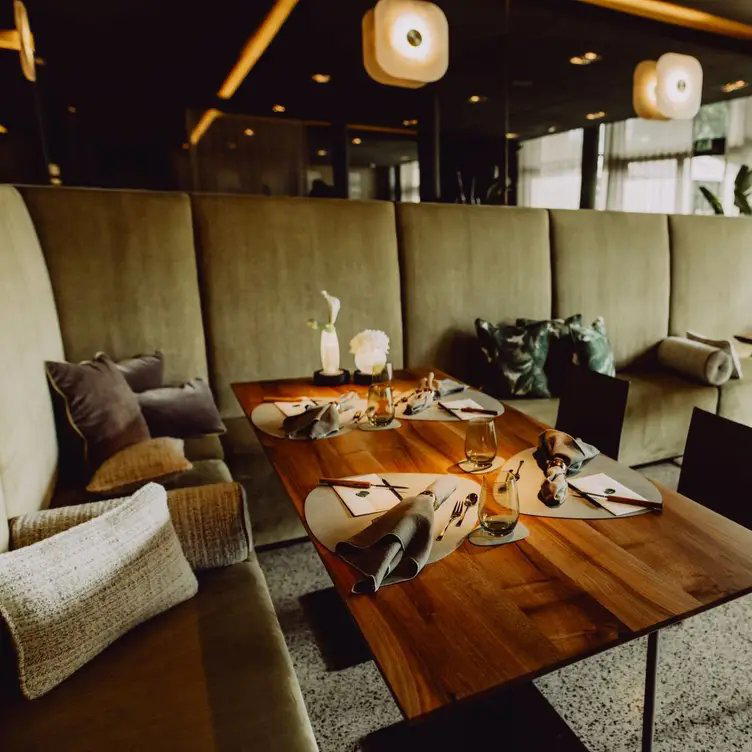
Bars in Hanover
Browse all →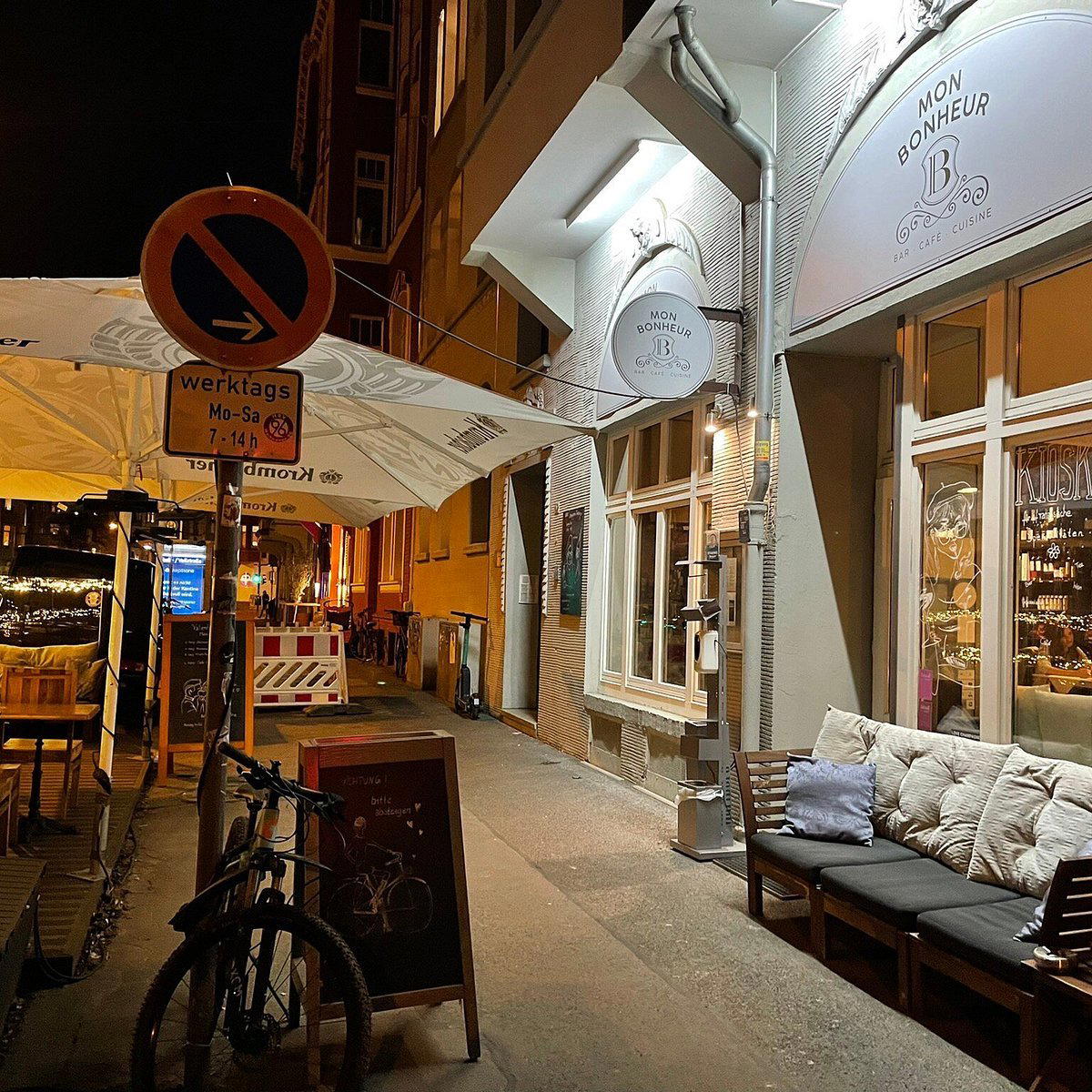
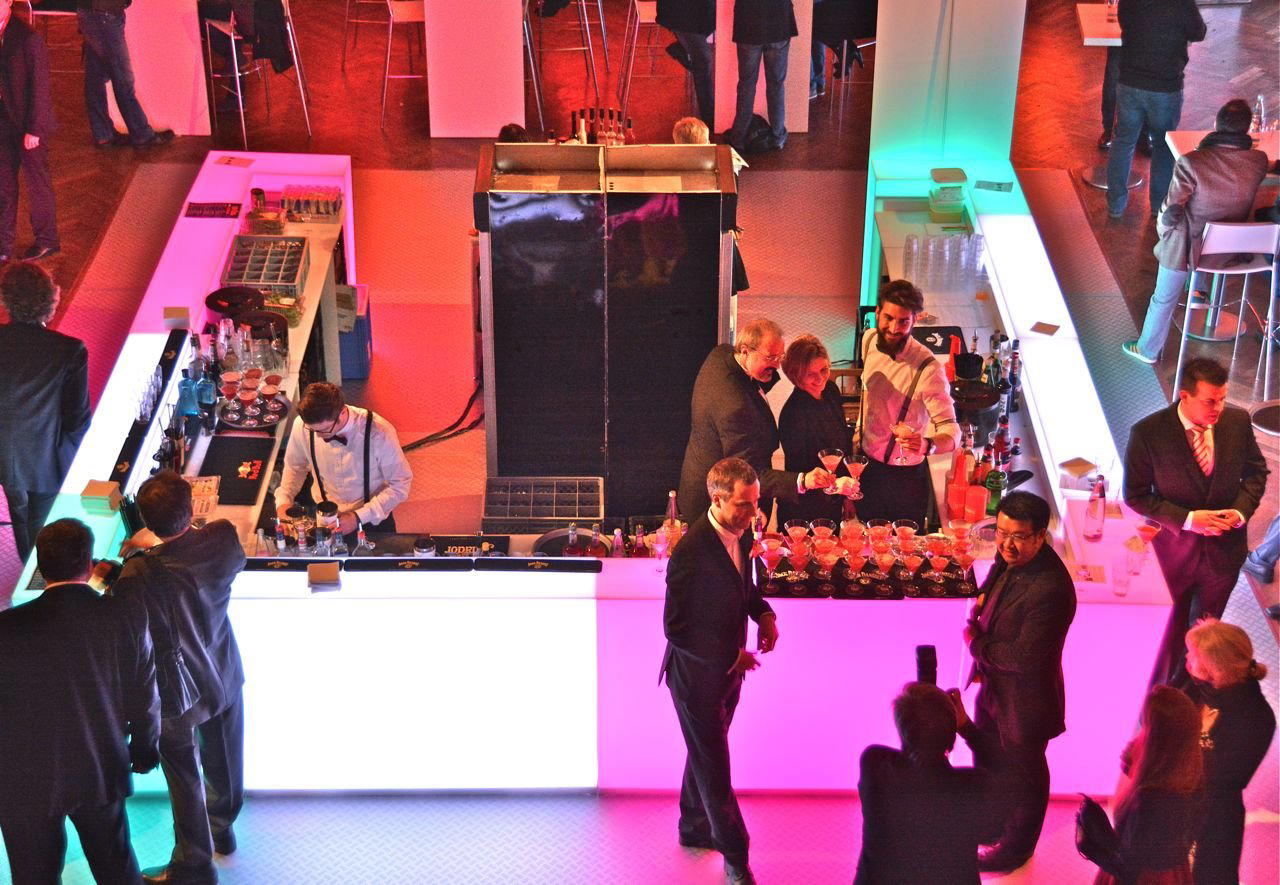
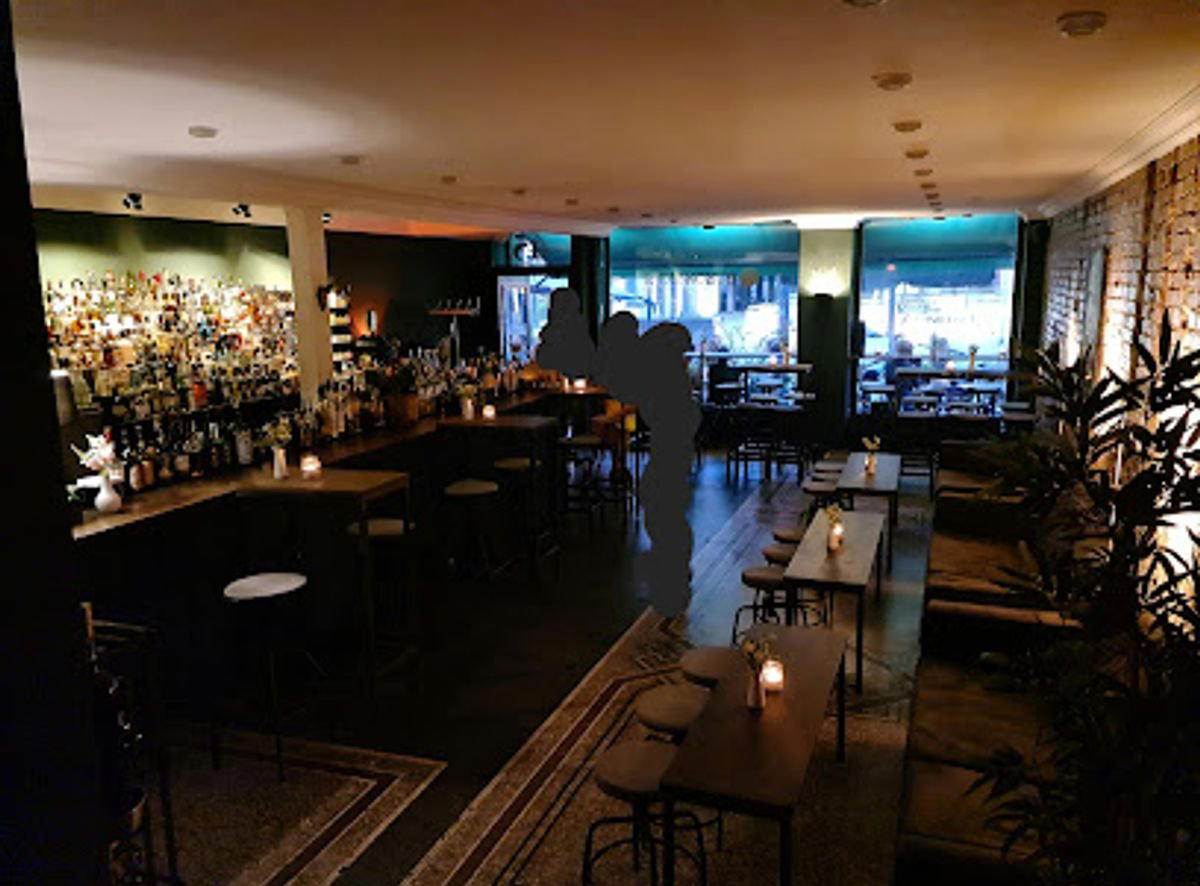

Hotels in Hanover
Browse all →

At a Glance
- Cozy
- Casual
- Casual Hangout
- Group Dining
Current opening hours
- Monday
- Closed
- Tuesday
- 11:30 AM–3 PM, 5:30–10 PM
- Wednesday
- 11:30 AM–3 PM, 5:30–10 PM
- Thursday
- 11:30 AM–3 PM, 5:30–10 PM
- Friday
- 11:30 AM–3 PM, 5:30–10 PM
- Saturday
- 11:30 AM–3 PM, 5:30–10 PM
- Sunday
- Closed
Hours can change for holidays and private events. Last verified .
Bright and casual atmosphere with buzz during peak times, though some note it can be loud due to poor acoustics.