
Handwerk holds a Michelin star for the second consecutive year (2024 and 2025), placing it among Hanover's small tier of destination-grade modern cuisine restaurants. Chef Thomas Wohlfeld leads the kitchen at Altenbekener Damm 17. At the €€€ price point, it sits in the same bracket as The Wild Duck and one tier below the two-starred Jante.
Pearl is the En Primeur Club membership app — saves, bookings, and concierge access live there. Same editors, same standards.
- Address
- Altenbekener Damm 17, 30173 Hannover, Germany
- Phone
- +49 511 26267588
- Website
- handwerk-hannover.com
- Directions
- Get directions
 Saves & bookings on Pearl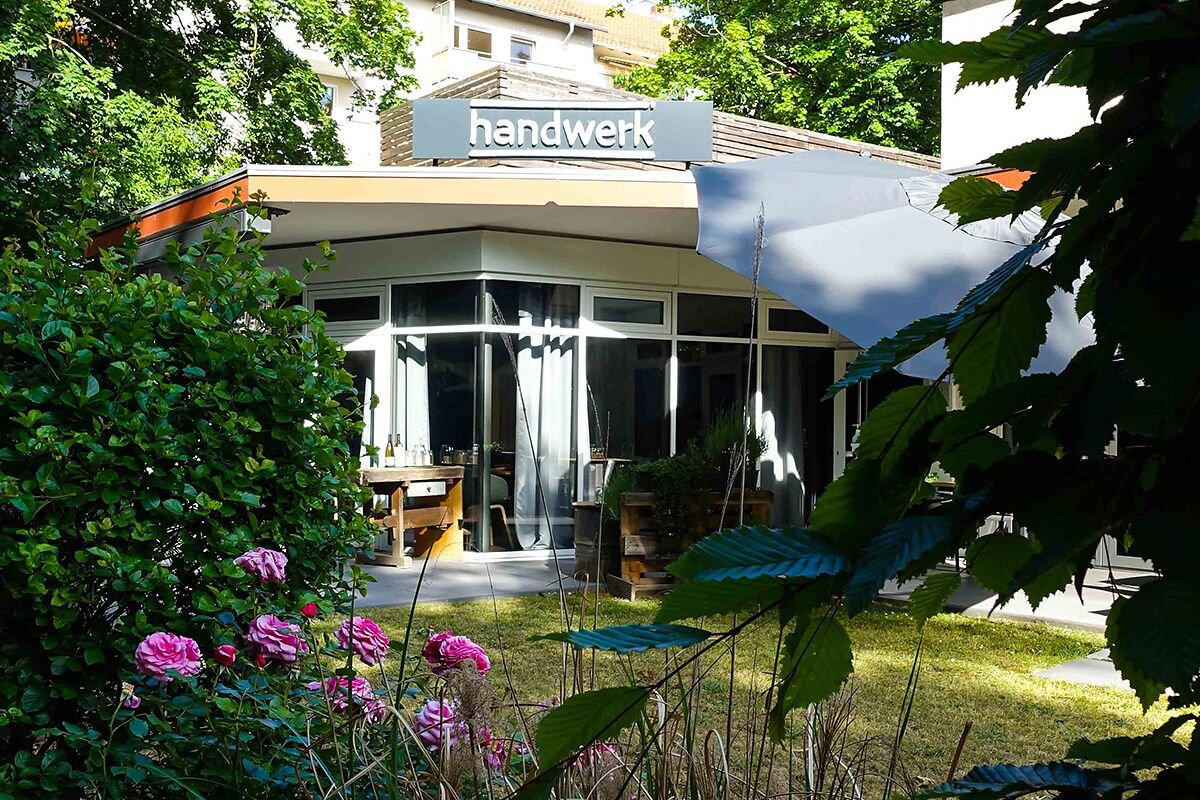
Where Craft Meets Sourcing: Modern Cuisine in Hanover's Southern Quarter
The address on Altenbekener Damm places Handwerk a deliberate distance from the city centre, in a quieter residential stretch of Hanover's southern districts. That geography is not incidental. The restaurants in this part of the city tend toward the considered rather than the conspicuous, and Handwerk fits that register: a dining room that signals seriousness without the formal stiffness that characterised German fine dining for decades. It is a one-Michelin-star restaurant in Hannover, led by chef Thomas Wohlfeld, with a price level around $120 per person. You arrive expecting precision, and the room delivers it before a dish appears.
Across Germany, modern cuisine has broadly split between two approaches: kitchens that source globally and assemble with technical flair, and those that treat ingredient provenance as the organising principle of the menu. Handwerk belongs firmly in the second camp. The name itself, meaning craft or artisanship in German, signals where the kitchen's priorities lie: in the quality and character of raw material, and in the work done to honour it. That framing matters because it shapes every decision on the plate, from what gets ordered and when, to how little or how much is done to it before service.
Sourcing as the Structural Logic of the Menu
German modern cuisine has, over the past decade, developed a more rigorous relationship with domestic and regional producers. The country's artisan farming and small-scale agriculture networks, once underexploited by fine-dining kitchens that looked to France or Scandinavia for prestige ingredients, now supply particularly technically accomplished restaurants in the country. At places like Aqua in Wolfsburg or JAN in Munich, ingredient sourcing has become a legible part of the culinary identity, not just a procurement detail.
Handwerk operates in this same tradition. What defines this approach is that the sourcing decision comes first, and the menu follows from it, rather than the reverse. Seasonal availability, regional produce cycles, and the direct relationships between kitchen and supplier shape what appears on the plate. This is structurally different from a menu built around technique, where ingredients are selected to demonstrate a cooking method. Here, the method exists to serve the ingredient, and the result tends toward a clarity that more intervention-heavy kitchens can obscure.
For the diner, this translates into menus that shift meaningfully with the season. A Michelin-starred kitchen at this price point, €€€, which in Germany typically places the tasting menu in a range accessible to regular fine-dining visitors rather than exclusively to occasion spenders, can sustain this model only with serious supplier relationships. The two consecutive Michelin stars, awarded in both 2024 and 2025, confirm that the approach has been executed with consistency.
Hanover's Fine Dining Tier: Where Handwerk Sits
Hanover is not a city that frequently features in international fine-dining conversations, but its upper restaurant tier is more coherent than its profile suggests. Jante, which operates at €€€€ and holds two Michelin stars, defines the ceiling. Below it, the one-star bracket includes Handwerk, Marie (French, €€€), and sits alongside The Wild Duck, which shares both the modern cuisine category and the €€€ price range. Further down, Beckers represents the French tradition at a more accessible €€ price point, and Votum operates in the creative segment.
Within this comparable set, Handwerk's distinction lies in the ingredient-sourcing angle rather than in sheer technical spectacle or format experimentation. It is a kitchen that competes on the quality of what arrives at the pass, which in a city without deep tourist-driven demand for fine dining means the audience skews local and returning.
That consistency also places Handwerk in a recognisable cohort within German modern cuisine more broadly. Restaurants like ES:SENZ in Grassau or Vendôme in Bergisch Gladbach occupy positions where sustained Michelin recognition over multiple years signals a kitchen that has moved past novelty and settled into authoritative command of its format. The Michelin star at Handwerk carries the same implication.
Chef Thomas Wohlfeld and the Kitchen's Direction
Chef Thomas Wohlfeld leads the kitchen. In a dining format built around ingredient sourcing, the head chef functions less as a stage personality and more as the primary curatorial intelligence: deciding what the kitchen's relationships with suppliers look like, how seasonal shifts get translated into menu changes, and where the threshold sits between respecting an ingredient and transforming it. The Michelin star retained across 2024 and 2025 reflects a judgment that this curatorial work is being done at a qualifying standard.
The broader trend this represents is worth noting. Across Europe, a cohort of chefs at this tier, one Michelin star, €€€ pricing, modern cuisine format, has moved away from the elaborate tasting menus of the previous decade toward formats that foreground ingredient character over technique accumulation. Schwarzwaldstube in Baiersbronn and CODA Dessert Dining in Berlin represent different formal experiments within this broader shift, and internationally the same logic appears in formats as varied as Frantzén in Stockholm or FZN by Björn Frantzén in Dubai. Handwerk sits within this conversation, operating the German regional version of a format that has become a global mode of serious fine dining.
Planning Your Visit
Handwerk is located at Altenbekener Damm 17, 30173 Hannover. The address is in the southern part of the city, reachable by tram from the centre in under fifteen minutes. At the €€€€ price point with a retained Michelin star, booking ahead is essential. The restaurant is closed Monday and Tuesday and serves dinner Wednesday through Sunday from 6 to 10 p.m.
A Pricing-First Comparison
Comparable venues nearby, for context on price, style, and recognition.
| Venue | Cuisine | Price | Awards | Notes |
|---|---|---|---|---|
| HandwerkThis venue — the venue you are viewing | Modern Cuisine | $$$$ | Michelin 1 Star | Not listed |
| The Wild Duck | Not listed | $$$ | Michelin Plate | . List, Asian-French Fusion Fine Dining |
| Marie | Not listed | $$$ | Michelin 1 Star | Oststadt, Modern French with Asian Accents |
| Schorse im Leineschloss | Mitte, French Bistro | $$$ | Bib Gourmand | Not listed |
| Beckers | Oststadt, Modern German Wine Bar | $$$ | Michelin Plate | Not listed |
| EssKultur | Not listed | $$$$ | Not listed | Mitte, Modern European Fusion Fine Dining |
Recognition history
Dated appearances from independent guides and award organizations, with the underlying list record or original source where available.
Michelin 1 Star
Michelin
Michelin 1 Star
Michelin
Michelin 1 Star
Michelin
Continue exploring
More in Hanover
Restaurants in Hanover
Browse all →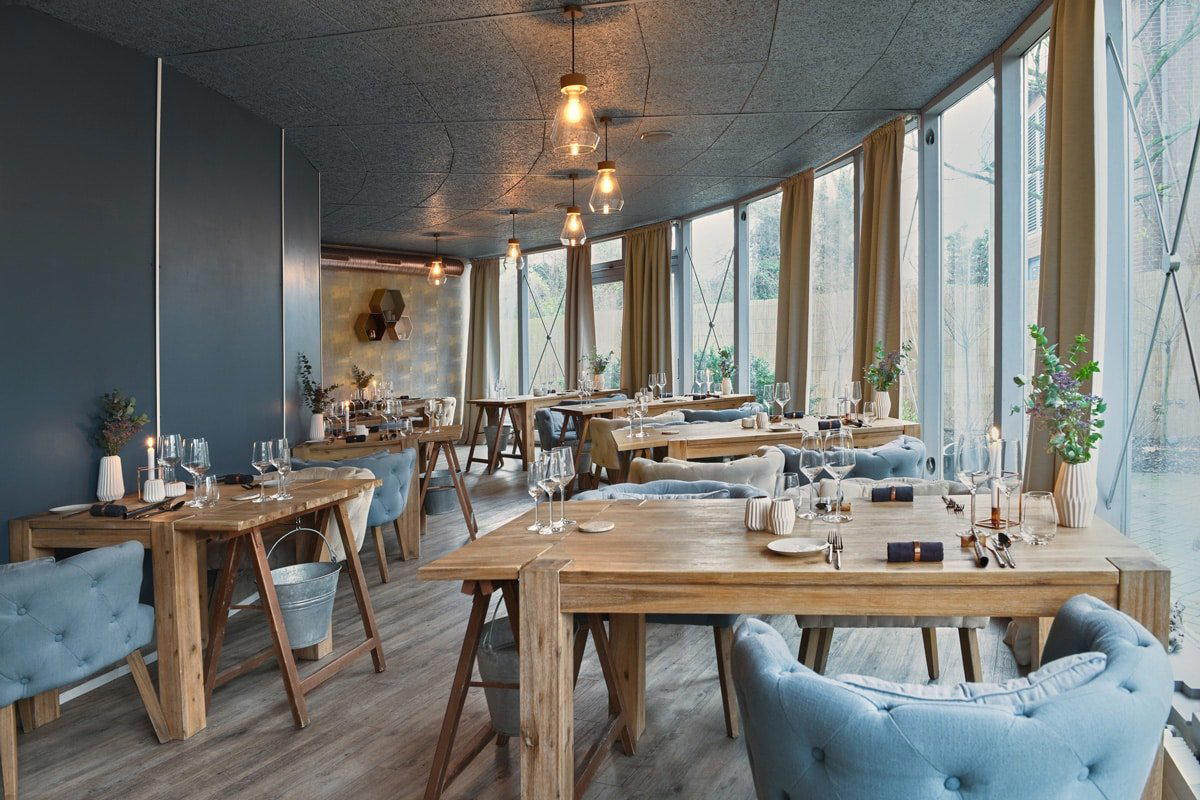
Bars in Hanover
Browse all →
Hotels in Hanover
Browse all →

At a Glance
- Modern
- Elegant
- Trendy
- Intimate
- Sophisticated
- Date Night
- Special Occasion
- Celebration
- Business Dinner
- Open Kitchen
- Garden
- Terrace
- Private Dining
- Sommelier Led
- Natural Wine
- Local Sourcing
- Sustainable
- Garden
Current opening hours
- Monday
- Closed
- Tuesday
- Closed
- Wednesday
- 6–10 p.m.
- Thursday
- 6–10 p.m.
- Friday
- 6–10 p.m.
- Saturday
- 6–10 p.m.
- Sunday
- 6–10 p.m.
Hours can change for holidays and private events. Last verified .
Upscale yet relaxed minimalist design with contemporary décor; warm, welcoming atmosphere with friendly and professional service; open kitchen allows diners to observe the chefs' disciplined work.