A bread-and-wine address on Böhmerstraße 17 in Hanover's Südstadt, ælling reads its menu through two anchors that most restaurants treat as afterthoughts. The format places fermentation and grain at the centre of the dining proposition rather than the periphery, positioning it within a small but growing tier of European venues where the bread program and the wine list carry equal editorial weight to the kitchen's main plates.
Pearl is the En Primeur Club membership app — saves, bookings, and concierge access live there. Same editors, same standards.
- Address
- Böhmerstraße 17, 30173 Hannover, Germany
- Phone
- +4917631649103
- Website
- aelling.de
- Directions
- Get directions
 Saves & bookings on Pearl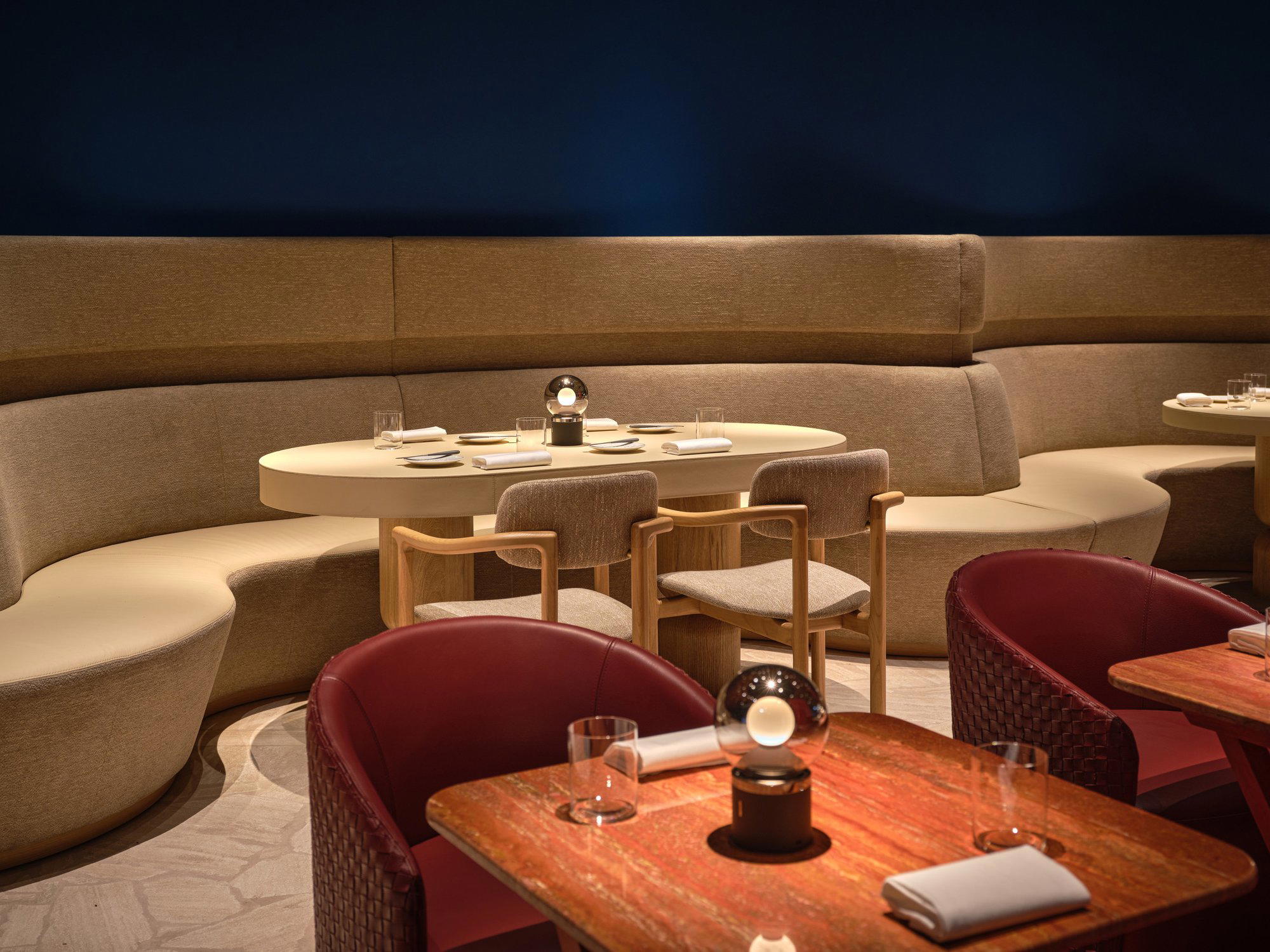
Where the Menu Begins Before the Kitchen Does
In most European dining rooms, bread arrives as a courtesy and wine appears as a supplement. At ælling – brød & vin on Böhmerstraße 17 in Hanover's Südstadt district, the structure is reversed. It is a restaurant serving Danish Smørrebrød & Wine in Hanover, Germany. The name itself, Danish for 'duckling' and paired with the direct compound of bread and wine, signals a menu architecture where fermentation runs through every tier of the experience rather than bookending it. That is a meaningful structural choice.
Hanover's restaurant scene has developed along recognisable lines over the past decade: a cluster of creative and modern-cuisine addresses in the upper brackets, a mid-tier with French and international influences, and neighbourhood formats filling the everyday register. Against that backdrop, ælling occupies a distinct position. It is not competing with Jante or Votum on tasting-menu terms, nor is it a direct bistro in the manner of Marie. The bread-and-wine framing positions it closer to the natural wine bar and artisan bakery crossover format that has gained ground in Copenhagen, Berlin, and London over the last several years.
Menu Architecture: Bread and Wine as Primary Coordinates
The editorial logic of a brød & vin address is that the menu is organised around two ingredients that most restaurants source without comment. Bread, in the Scandinavian and northern European tradition the name invokes, is a fermented product with its own craft vocabulary: starter cultures, grain sourcing, hydration ratios, crust development. Wine, in the natural and low-intervention segment that tends to accompany this kind of format, is similarly a product of microbial activity, terroir expression, and minimal manipulation. When both are placed at the structural centre of a menu, they impose a kind of discipline on everything around them: accompaniments need to complement rather than overwhelm, sauces need to earn their place alongside something that already carries acid and tannin, and the pacing of the meal reflects the fact that bread takes time.
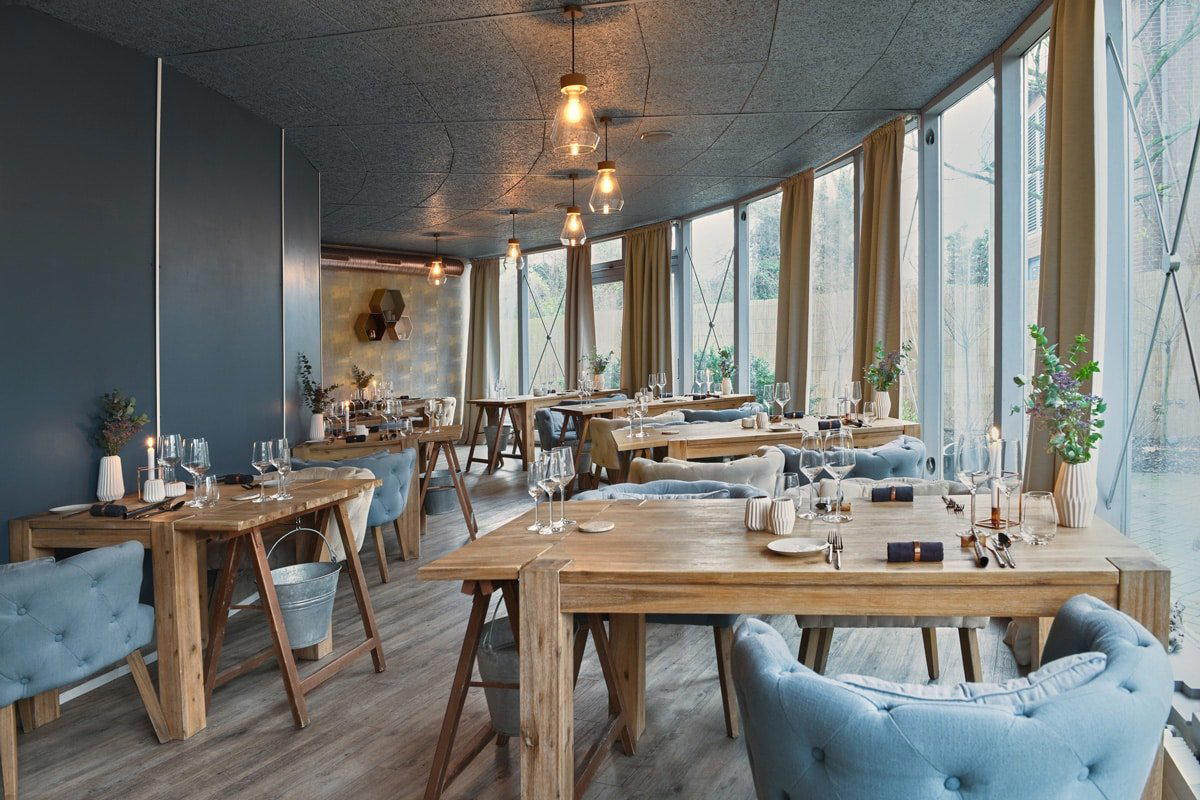
This is the opposite of the tasting-menu logic that governs venues like Handwerk or, at the national level, operations such as Aqua in Wolfsburg or Schwarzwaldstube in Baiersbronn. Those kitchens build menus around chef technique and sequence. A brød & vin format builds around materials and process. The difference matters to the kind of meal you have: at the former, you submit to a narrative; at the latter, you participate in a set of choices about what you drink, what you eat alongside it, and how much bread you want between those decisions.
Across Europe, the venues that have built reputations in this format, including operations in Copenhagen and the natural wine bars of Berlin's Prenzlauer Berg, tend to share certain structural features. The wine list skews toward small producers, often biodynamic or natural, with limited availability per label. The food component is typically shorter than a conventional restaurant menu, with dishes designed to sit alongside wine rather than dominate it. And the bread program, if serious, functions as a daily product rather than a made-to-order one, which means quality is tied to the rhythm of the bakery as much as the kitchen. CODA Dessert Dining in Berlin represents one version of ingredient-led menu inversion; ælling represents another.
The Südstadt Setting
Böhmerstraße 17 sits in Hanover's Südstadt, a residential neighbourhood south of the city centre that has accumulated a number of independent food and drink addresses without acquiring the self-conscious density of a formal dining district. That relative quietness is part of the operational context. A format built around bread and wine does not require the foot traffic of a city-centre location in the same way a conventional restaurant does. It requires a customer who has sought it out deliberately, which tends to produce a different kind of evening: fewer walk-ins, more considered orders, a room where people are there because they chose to be rather than because they happened to pass.
That context connects ælling to a broader pattern visible across mid-sized German cities, where specialist food formats and natural wine bars have found sustainable positions in residential neighbourhoods rather than tourist-facing streets. The analogy is not with Hanover's fine dining tier, which you can survey through venues like Jante and Albertz., but with the independent specialist addresses that have made similar neighbourhoods in Hamburg, Munich, and Berlin function as reliable destinations for a certain kind of eating. Restaurant Haerlin in Hamburg and JAN in Munich occupy different tiers entirely; the point is that Germany's restaurant geography now includes a meaningful specialist layer beneath the Michelin-tracked upper brackets, and ælling sits in that layer.
Planning Your Visit
ælling – brød & vin is at Böhmerstraße 17, 30173 Hannover, in the Südstadt. The current hours are Mon: Closed; Tue: Closed; Wed: 3–10 PM; Thu: 3–10 PM; Fri: 10 AM–10 PM; Sat: Closed; Sun: Closed, and reservations are recommended. The dress code is smart casual. For a fuller picture of where ælling sits within Hanover's broader food scene, our full Hanover restaurants guide maps the city across price tiers and formats.
Credentials Lens
Comparable venues nearby, for context on price, style, and recognition.
| Venue | Cuisine | Price | Notes |
|---|---|---|---|
| ælling – brød & vinThis venue — the venue you are viewing | Danish Smørrebrød & Wine | $$ | Not listed |
| zurück zum glück | Organic Café with Breakfast and Bowls | $$ | Zoo-Viertel |
| Stadtmauer am Lister Platz | Modern German Crossover | $$ | List |
| Little Cortile | Italian Pasta Bar | $$ | Goethestraße |
| Da Toni | Italian Pizza Bistro | $$ | List |
| VEATS | Vegetarian & Vegan Bowls, Wraps & Smoothies | $$ | Hannover-Mitte |
Continue exploring
More in Hanover
Restaurants in Hanover
Browse all →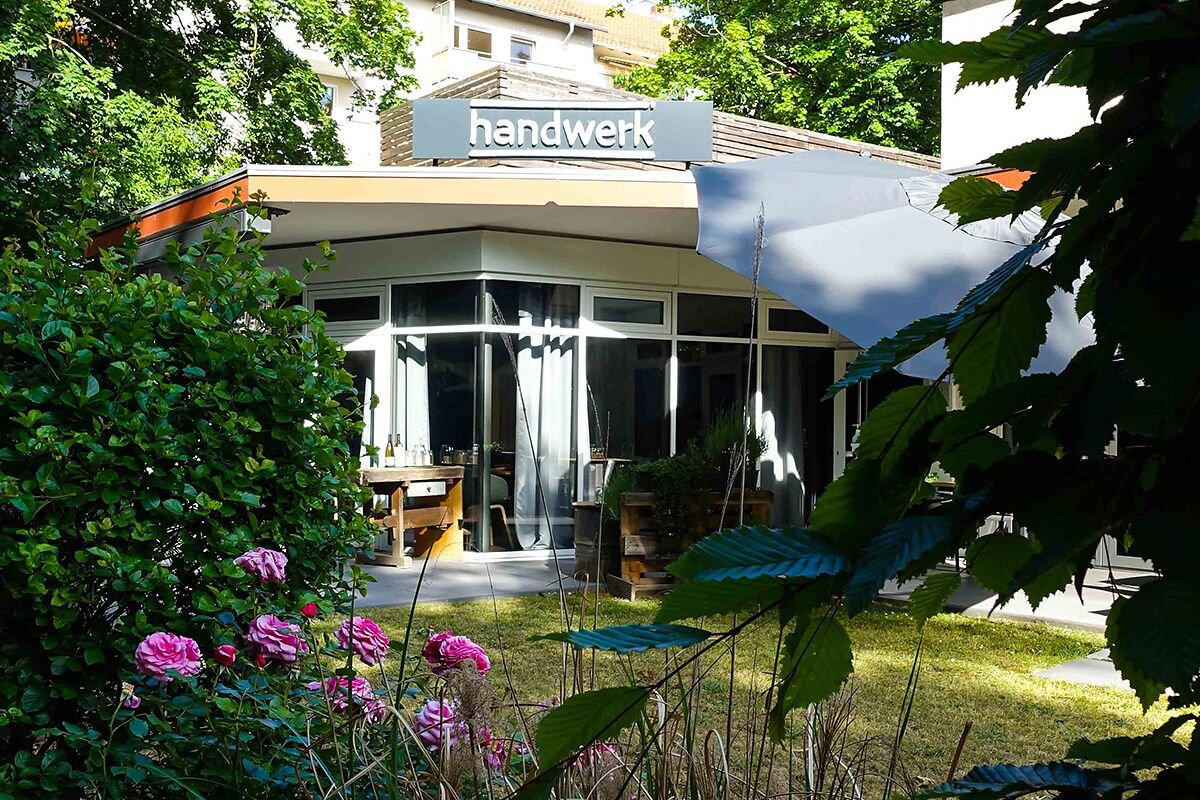
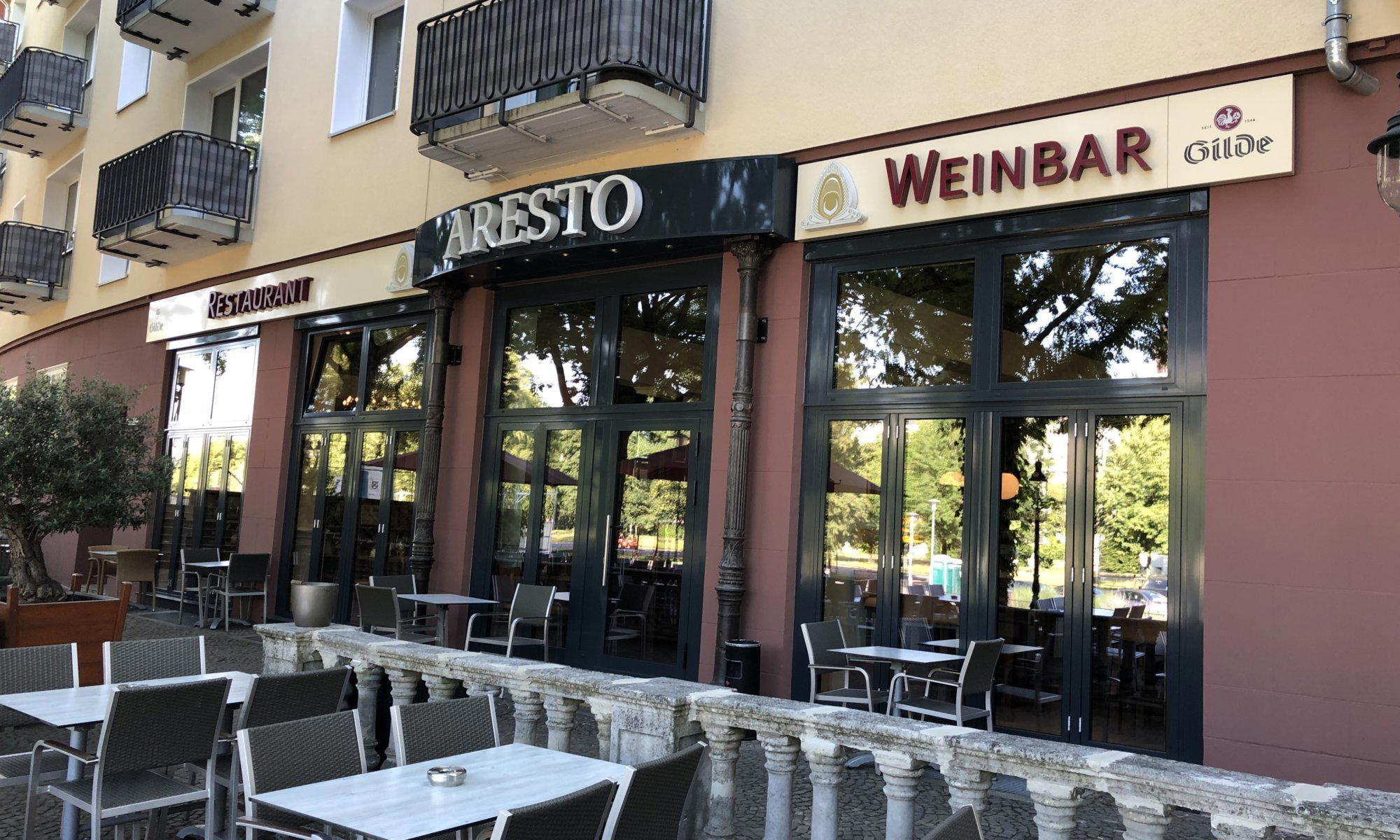
Bars in Hanover
Browse all →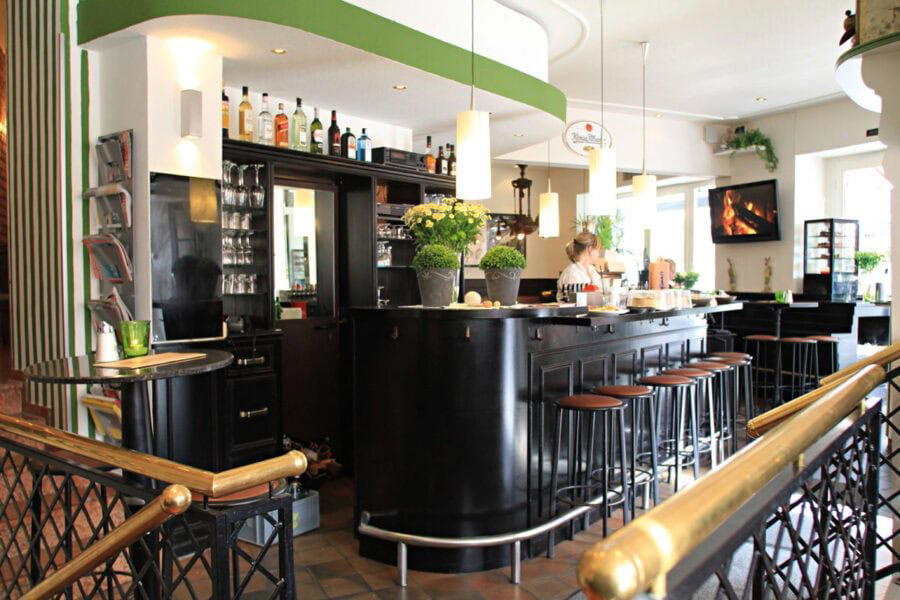
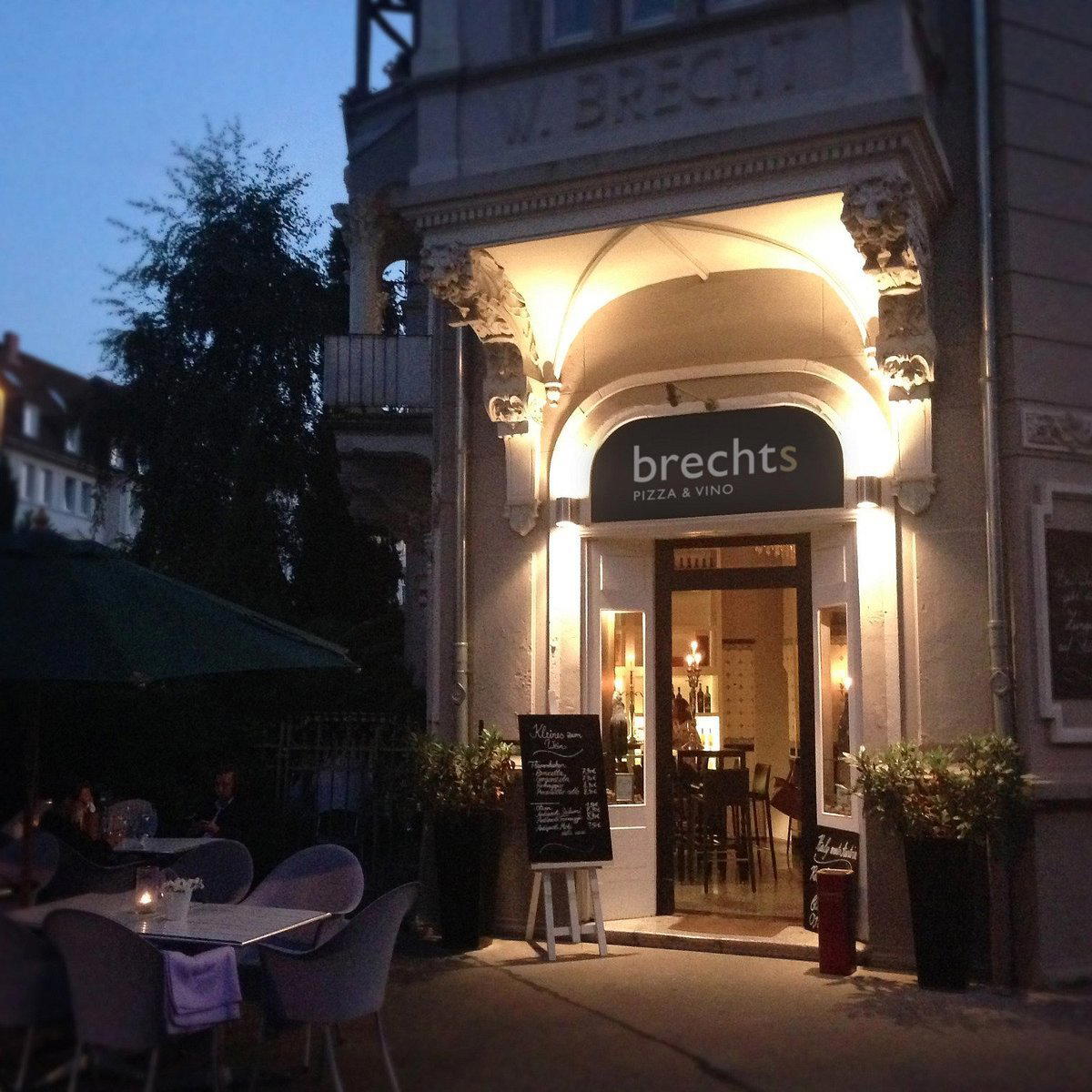

Hotels in Hanover
Browse all →

At a Glance
- Modern
- Cozy
- Casual Hangout
- Open Kitchen
- Extensive Wine List
- Local Sourcing
Current opening hours
- Monday
- Closed
- Tuesday
- Closed
- Wednesday
- 3–10 PM
- Thursday
- 3–10 PM
- Friday
- 10 AM–10 PM
- Saturday
- Closed
- Sunday
- Closed
Hours can change for holidays and private events. Last verified .
Fresh, modern space that has shed its previous musty market hall feel.