Broyhan Haus sits on Kramerstraße in central Hanover, occupying a historic address that has drawn locals back for generations. The format here is traditional German hospitality at its most settled: a room that rewards return visits over single-occasion dining. For those mapping Hanover's eating beyond its creative fine-dining tier, this is where the city's everyday loyalty lives.
Pearl is the En Primeur Club membership app — saves, bookings, and concierge access live there. Same editors, same standards.
- Address
- Kramerstraße 24, 30159 Hannover, Germany
- Phone
- +4949511323919
- Website
- broyhanhaus.de
- Directions
- Get directions
 Saves & bookings on Pearl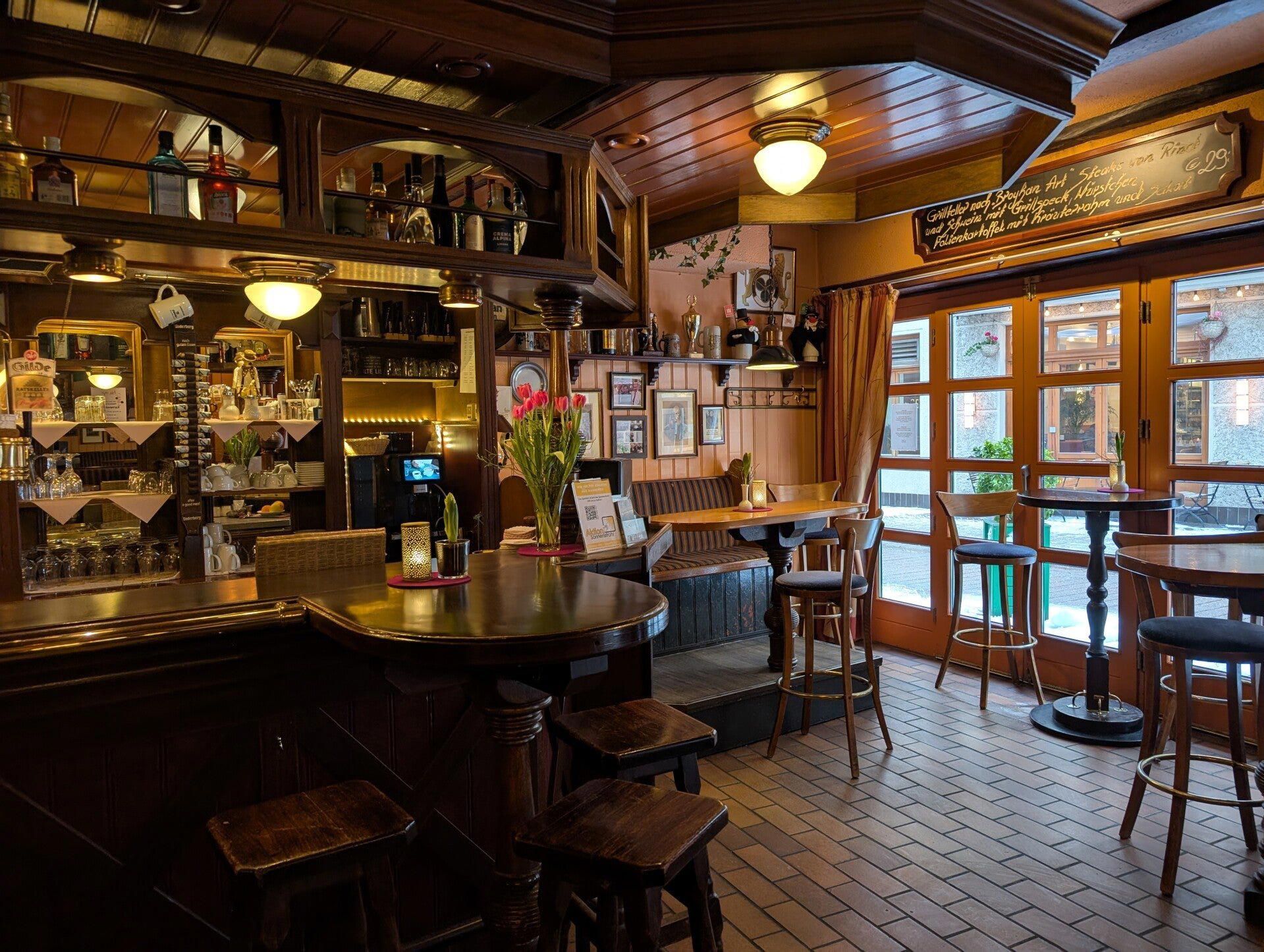
A Room That Rewards the Return Visit
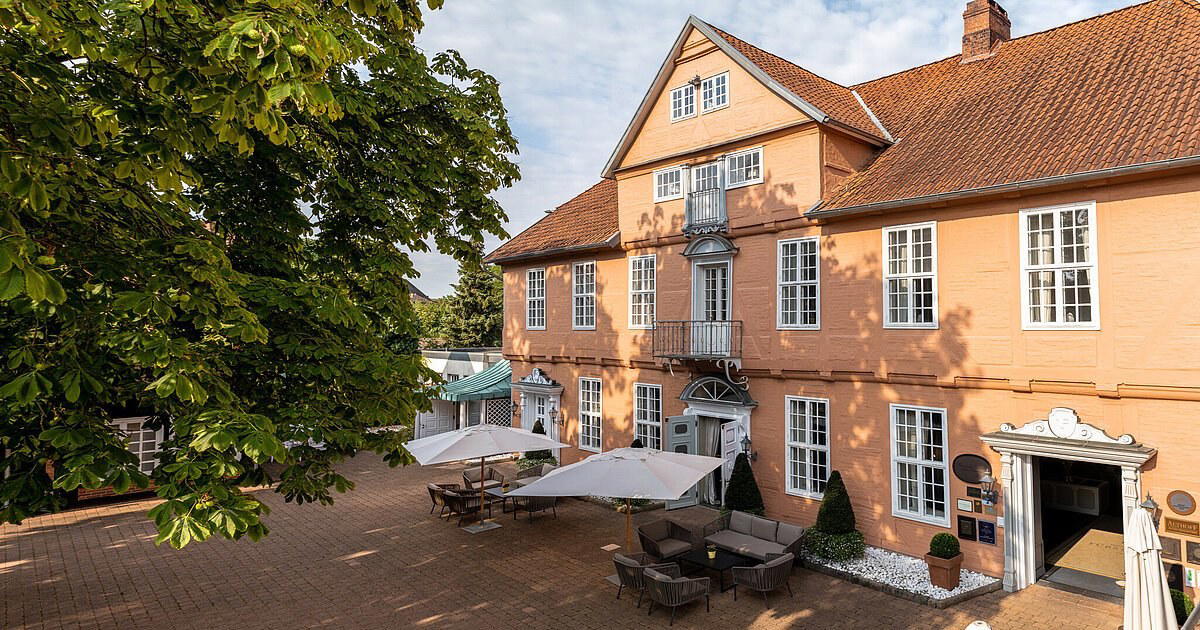
Kramerstraße runs through the heart of old Hanover, close enough to the Marktkirche that you pass the church's sandstone facade on the way in. Broyhan Haus occupies number 24 on that street, and the address carries weight: this is a part of the city where merchants and guild workers once drank and ate, and the building's character has not been entirely smoothed away by renovation. There is a specific kind of civic solidity to the interior, dark timber, a room designed for conversation rather than performance, that signals immediately what kind of establishment this is. Not a stage set for a single occasion, but a place with regulars. It is a casual restaurant in Hanover serving traditional German regional cuisine, with reservations recommended and an average price of about $25 per person.
That regulars' culture is the defining fact about Broyhan Haus. In Hanover's dining scene, which has developed a meaningful creative tier anchored by places like Jante and Votum at the higher end, Broyhan Haus occupies a different position entirely. This is not where you go to track a chef's evolution or decode a tasting menu. It is where Hanover goes to eat in a way that feels habitual rather than celebratory, and that distinction matters.
What the Name Carries
Broyhan is not an arbitrary word. It refers to a style of top-fermented wheat and barley beer brewed in Hanover from the sixteenth century onward, associated with a brewer named Cord Broyhan whose recipe became closely tied to the city's identity. By the nineteenth century, Broyhan-style beer had largely disappeared from production, but the name survived in civic memory and, crucially, in the name of this house. For regulars, the reference is understood, it anchors the place in a specifically Hanoverian tradition rather than a generic German beer-hall aesthetic. The name functions as a signal to those who know the city's history, and as a quiet invitation to those who do not yet.
Germany has a category of eating house that sits between a formal restaurant and a direct pub: the Wirtshaus or Gasthaus format, where the food is substantial, the room is lived-in, and the expectation of return is built into the experience from the first visit. Broyhan Haus operates within that tradition, placing it in a different competitive frame from Hanover's Handwerk or Marie, which operate at a more formal register, and from Albertz., whose positioning differs again. The tier the restaurant belongs to is not defined by awards architecture but by civic function: this is part of how a German city feeds itself week to week.
The Unwritten Menu
For regulars, there is often something operating alongside the printed menu: a set of understood preferences, preferred tables, seasonal expectations carried in their heads. This is the dynamic that defines the restaurant for those who have made it a habit. The kitchen operates within a tradition where the measure of quality is consistency rather than novelty, where a dish returning in the same form, season after season, is a mark of confidence rather than stagnation.
German cuisine in this register tends toward the substantial: braised meats, regional preparations, dishes that reflect a northern European pantry rather than a Mediterranean one. Hanover sits in Lower Saxony, a region whose food traditions lean toward pork, game, root vegetables, and mustard-based preparations, alongside the bread culture that defines much of northern Germany. A room with the restaurant's character and historical framing would logically draw on that tradition. For visitors arriving from the fine-dining circuits, from the Michelin-weighted rooms of Schwarzwaldstube in Baiersbronn or Aqua in Wolfsburg, the register here is deliberately different, and that difference is the point.
Hanover's Dining Tiers in Context
Understanding where the restaurant sits requires a brief map of how Hanover's eating has developed. The city is not typically on the international fine-dining circuit in the way that Munich or Hamburg are, places like JAN in Munich or Restaurant Haerlin in Hamburg carry the kind of Michelin weight that draws destination diners. Hanover's upper tier, led by creative formats, operates at a smaller scale and draws primarily from the city's own professional and cultural community. Below that tier, the city has a network of neighbourhood restaurants and traditional eating houses that serve the majority of the population most of the time.
The restaurant belongs to that second category, not as a consolation prize, but as a deliberate choice by the people who return to it. Germany's most decorated fine-dining addresses, from Vendôme in Bergisch Gladbach to Victor's Fine Dining by christian bau in Perl, occupy a tier defined by Michelin recognition and international clientele. The restaurant is defined by something different: the kind of loyalty that does not require external validation. That is a coherent position, and in a city where the full dining scene is broader than most visitors expect, it is a meaningful one.
For context, the broader German fine-dining field includes rooms like ES:SENZ in Grassau, Schanz in Piesport, and Waldhotel Sonnora in Dreis, all operating at the highest technical register. Even internationally, the contrast is instructive: a room like Le Bernardin in New York City or Lazy Bear in San Francisco is built around a singular creative statement. The restaurant is built around a different proposition entirely: the meal you know you will enjoy, in a room you already understand, with a glass of something regional beside your plate. And in its own terms, that proposition holds.
Planning Your Visit
The restaurant is located at Kramerstraße 24 in central Hanover, within walking distance of the Marktkirche and the old town. The address places it in one of the more historically legible parts of the city, a short walk from the main train station and accessible on foot from most of Hanover's central hotels. As with many traditional German eating houses in this format and price tier, walk-ins during quieter weekday periods are generally feasible, though weekend evenings in the old town draw heavier traffic and some forward planning is prudent. CODA Dessert Dining in Berlin represents what German dining looks like when it pushes into pure concept territory; the restaurant is the counterpoint, a room where the concept is continuity itself.
- Currywurst
- Sour meat
- Harzer Roller
- Stuffed beef roulade
- Pork knuckle
- Homemade sausages
- Baked camembert
Cuisine and Credentials
Comparable venues nearby, for context on price, style, and recognition.
| Venue | Cuisine | Price | Notes |
|---|---|---|---|
| Broyhan HausThis venue — the venue you are viewing | Traditional German Regional Cuisine | $$ | Not listed |
| Albertz. | Modern German Eatery | $$ | Mitte |
| zurück zum glück | Organic Café with Breakfast and Bowls | $$ | Zoo-Viertel |
| Suppenhandlung | German Soup Specialties | $$ | Nordstadt |
| Brudis | German Döner & Smash Burgers | $ | Mitte |
| Ombra | Italian Bistro & Pizzeria with Sourdough | $$ | Limmerstraße |
Continue exploring
More in Hanover
Restaurants in Hanover
Browse all →
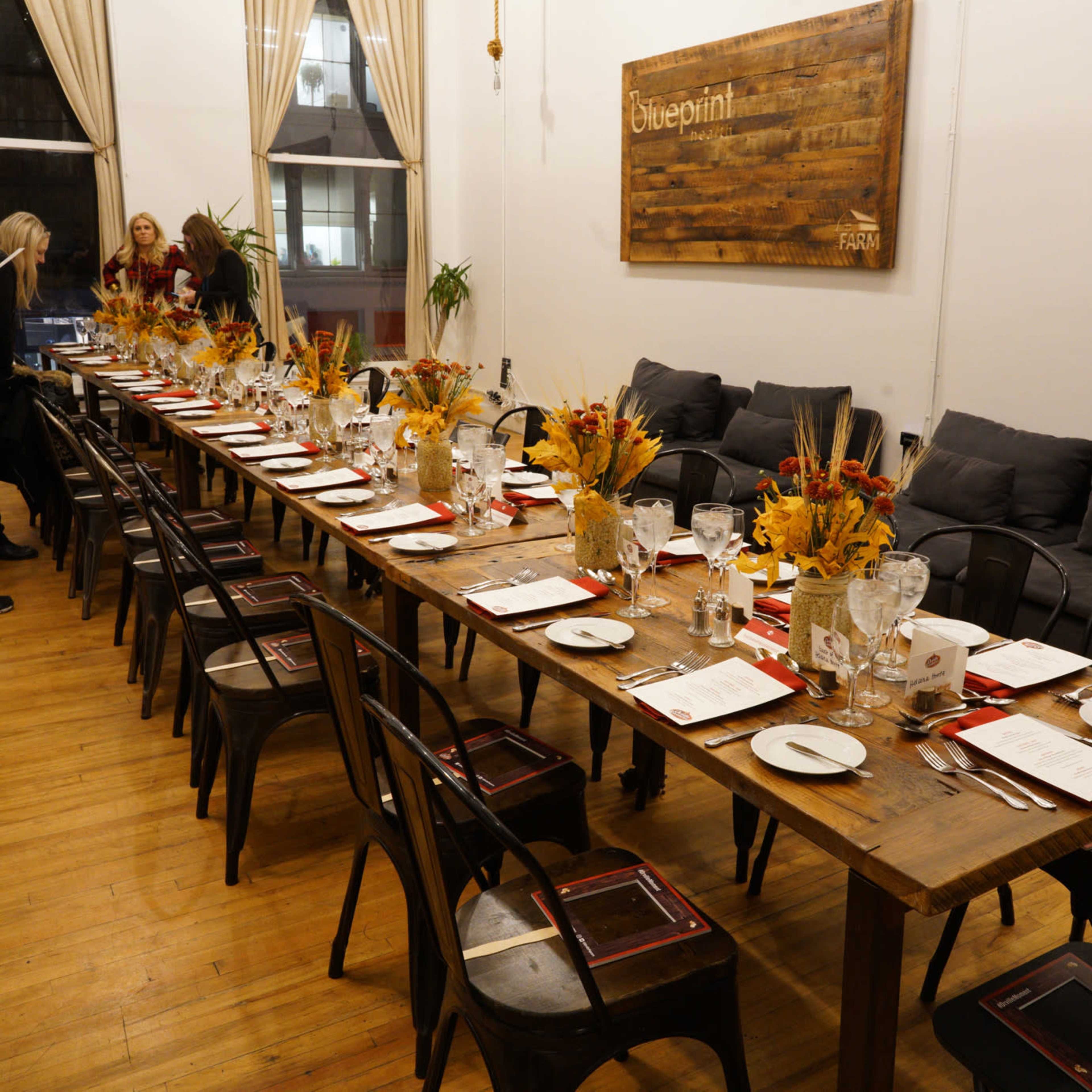
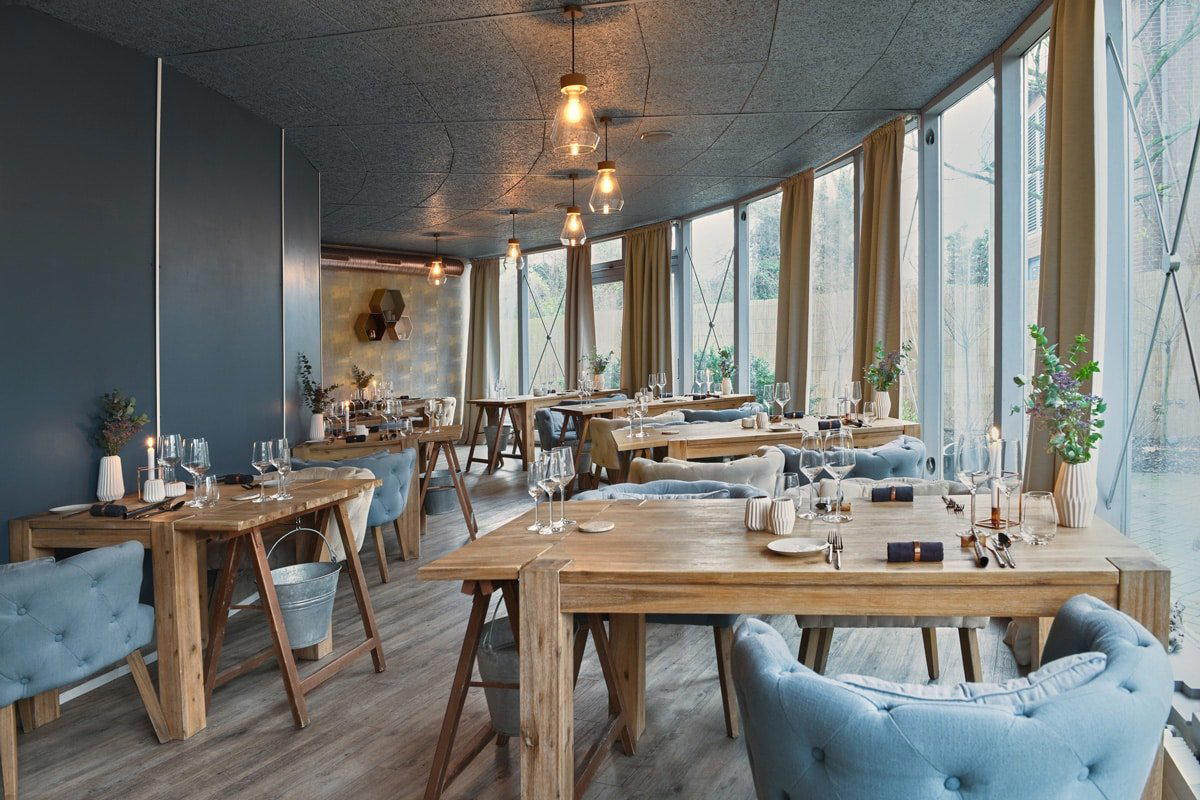
Bars in Hanover
Browse all →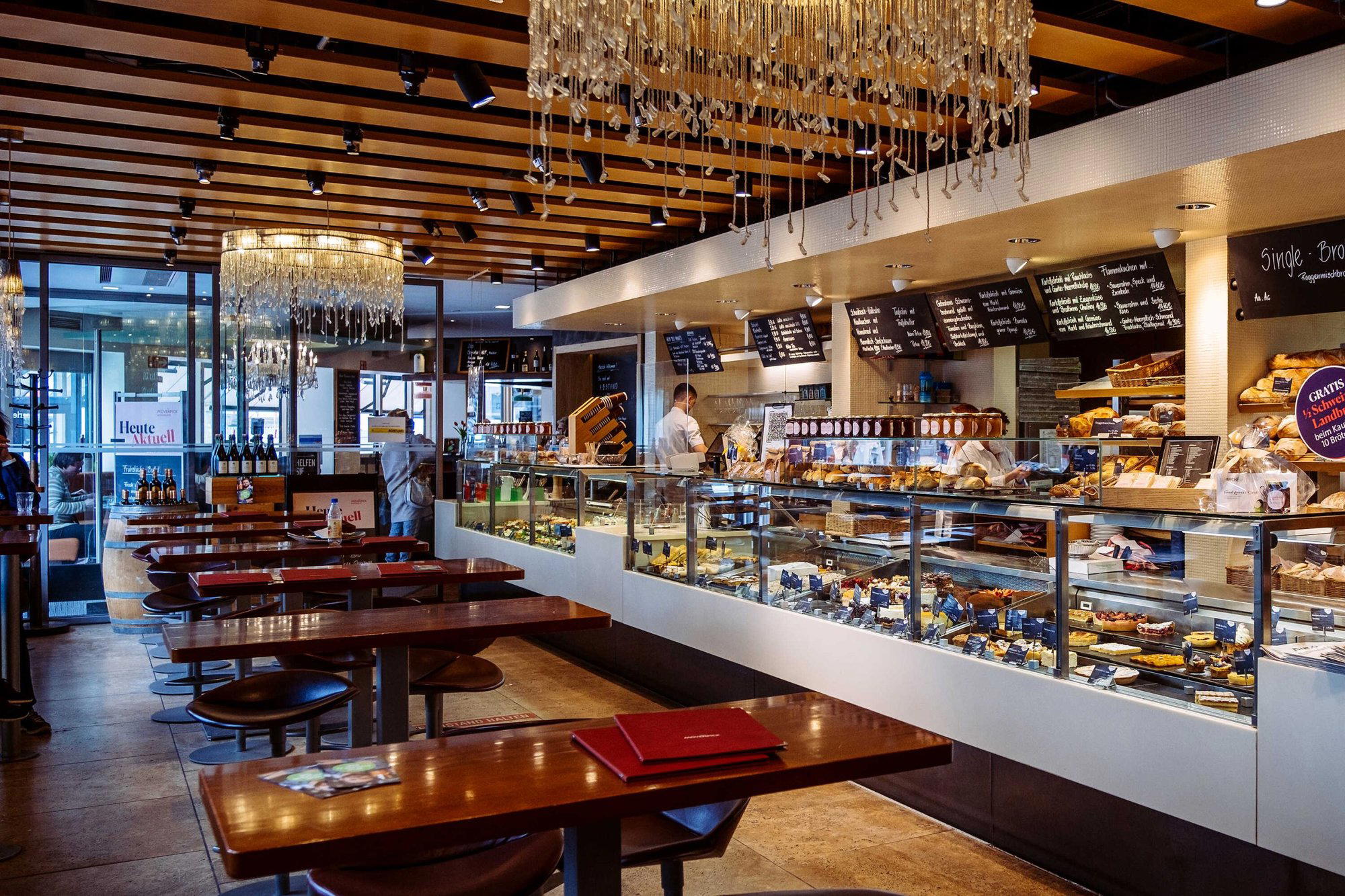
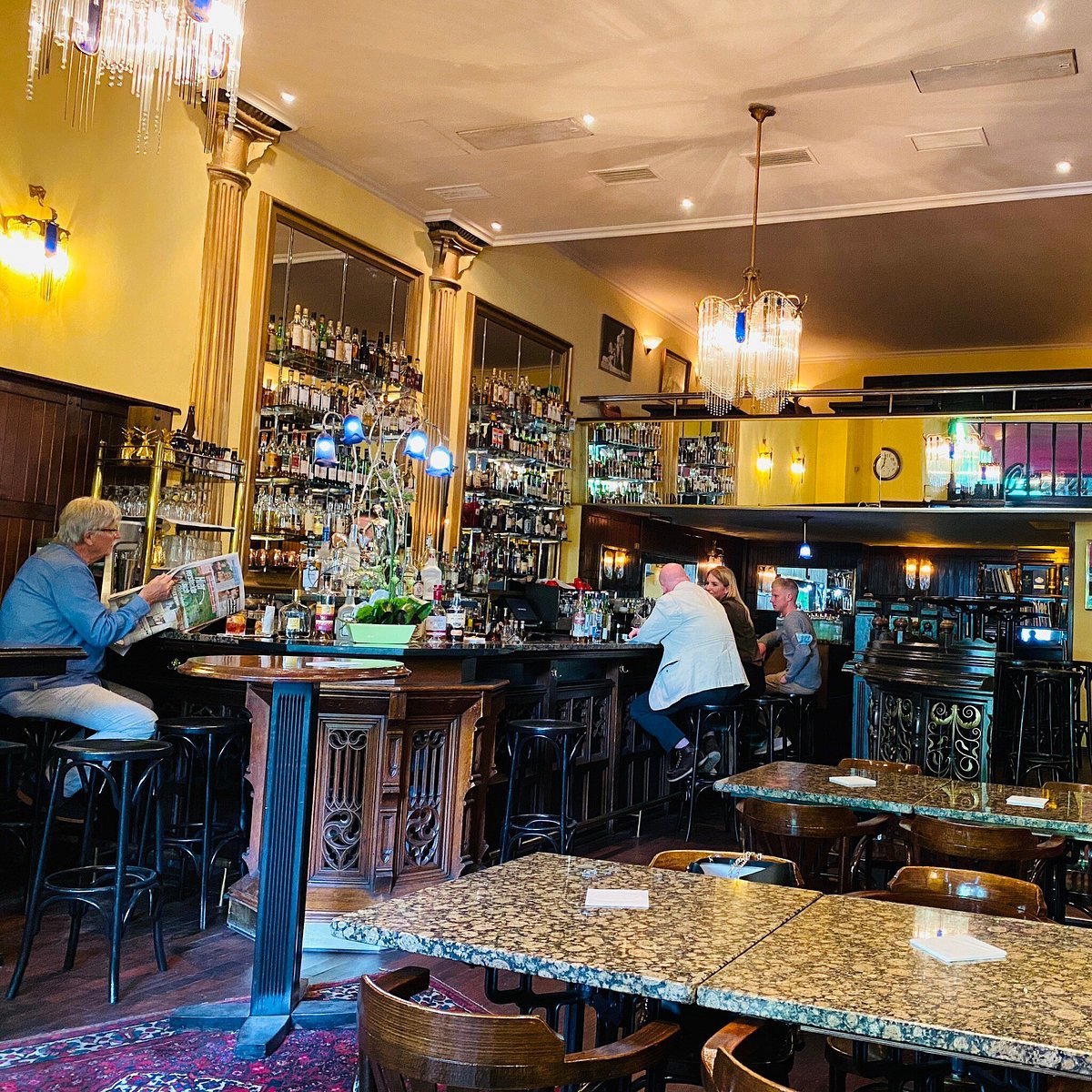

Hotels in Hanover
Browse all →

At a Glance
- Rustic
- Cozy
- Classic
- Lively
- Casual Hangout
- Group Dining
- Family
- After Work
- Late Night
- Historic Building
- Standalone
- Beer Program
Current opening hours
- Monday
- 11:30 a.m.–11 p.m.
- Tuesday
- 11:30 a.m.–11 p.m.
- Wednesday
- 11:30 a.m.–11 p.m.
- Thursday
- 11:30 a.m.–11 p.m.
- Friday
- 11:30 a.m.–11 p.m.
- Saturday
- 11:30 a.m.–11 p.m.
- Sunday
- 11:30 a.m.–11 p.m.
Hours can change for holidays and private events. Last verified .
Cozy and rustic with oak-timbered surroundings, wooden decorations, and a lively atmosphere where laughter and conversation flow freely.