O'Atlántico sits on Kötnerholzweg in the Linden district of Hanover, bringing an Atlantic-facing sensibility to a city whose restaurant scene has grown quietly but with purpose. The name signals an orientation toward the ocean, Portuguese and broader Iberian references that read as a counterpoint to the modern German cuisine dominating Hanover's fine-dining tier. It occupies a distinct position in a city where creative and French-leaning rooms currently set the tone.
Pearl is the En Primeur Club membership app — saves, bookings, and concierge access live there. Same editors, same standards.
- Address
- Kötnerholzweg 6, 30451 Hannover, Germany
- Phone
- +4949511448239
- Website
- spanische-restaurants.com
- Directions
- Get directions
 Saves & bookings on Pearl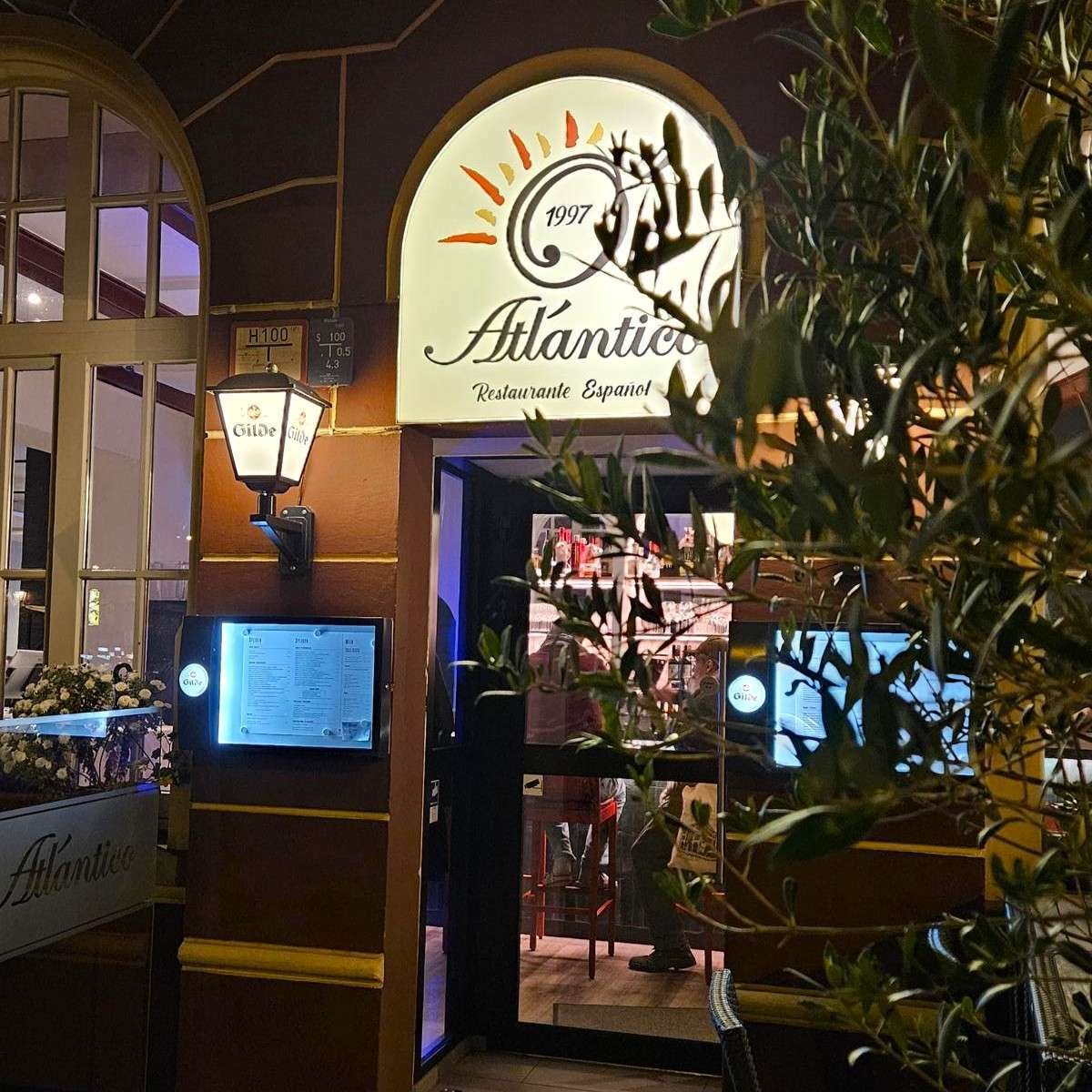
An Atlantic Current in Hanover's Dining Scene
Hanover's restaurant scene has spent the last decade building a credible dining tier, with creative and modern cuisine formats taking particularly visible positions. The city's better-known rooms, places like Jante and Votum on the creative end, and Marie and Handwerk representing French and modern German registers, have anchored a scene that rewards the traveller willing to look past the obvious German cities. Against that backdrop, O'Atlántico reads differently. The name itself declares an orientation: away from the landlocked Central European default and toward the Atlantic coast, the Iberian peninsula, the cuisines shaped by salt water and trade routes.
The address, Kötnerholzweg 6 in the Linden district, places it away from the city centre's main dining corridor. Linden is one of Hanover's more characterful neighbourhoods, dense with independent businesses and a local clientele that tends toward the curious rather than the conventional. Restaurants that settle here are usually making a statement about audience as much as location.
What the Setting Signals
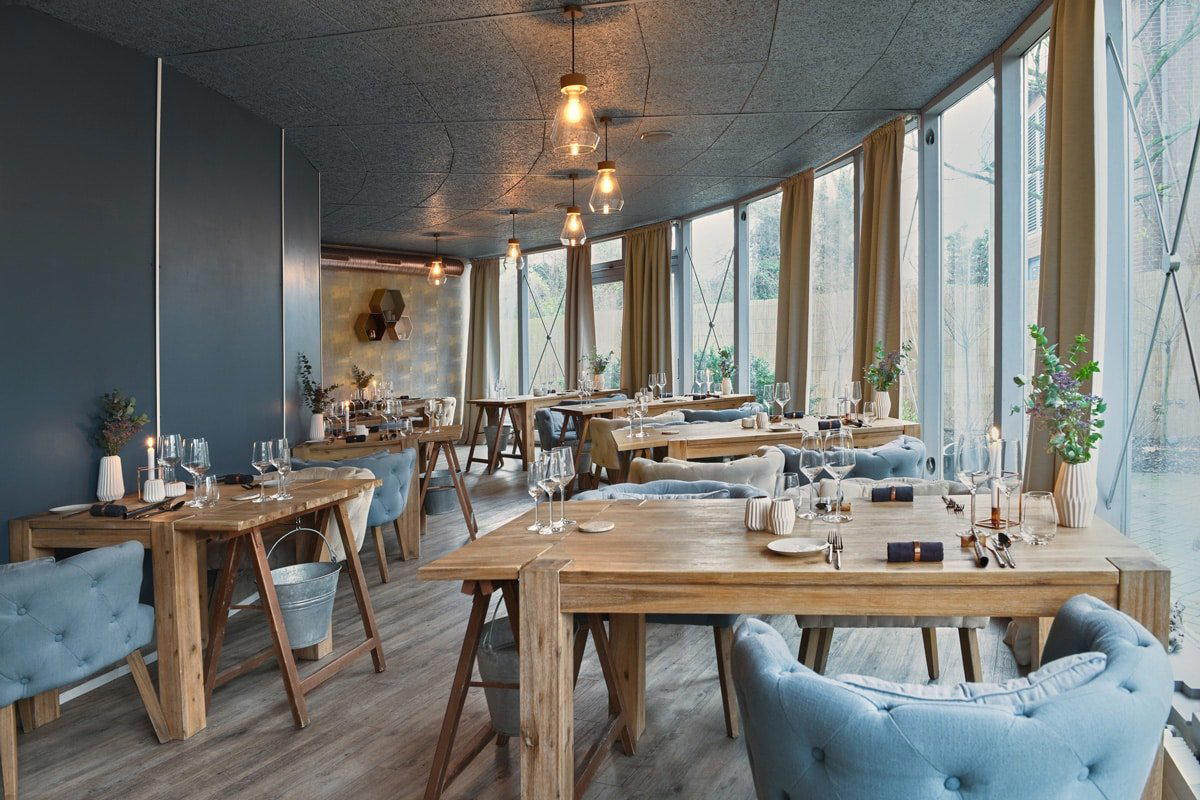
Approaching a restaurant in a neighbourhood like Linden carries its own atmosphere before the door opens. The streets are narrow and residential in character; the transition from pavement to dining room tends to feel more abrupt, more intimate, than in purpose-built dining districts. Atlantic-themed restaurants in Central Europe often trade on a specific emotional register, the sensation of coastline conjured through colour, material, and the smell of preserved fish or citrus. Whether O'Atlántico commits fully to that sensory language or deploys it selectively is part of what defines its identity within the city.
The broader pattern across European cities is instructive. Atlantic and Iberian-inflected dining has moved from novelty to a recognisable format in many northern and Central European markets. The question for any restaurant working that territory is how much translation it performs: does it import the source cuisine directly, or does it interpret through a local lens? The answer shapes everything from the wine list to the plating register to how the room is lit.
Cuisine Orientation and the Atlantic Reference
The Atlantic framing invites comparison with how seafood-driven, coast-referencing cuisine has developed at the highest levels elsewhere in Germany and Europe. Houses like Restaurant Haerlin in Hamburg, a city with direct port history and a deeper institutional relationship with northern seafood, operate from a different foundation than a landlocked city. Further afield, Le Bernardin in New York City remains the clearest demonstration of how rigorous seafood cooking becomes a self-sufficient fine-dining argument, independent of location. O'Atlántico is not operating at that scale or recognition tier, but the comparison illuminates what any serious seafood or Atlantic-themed programme has to resolve: sourcing fidelity, technique, and the discipline not to let the thematic concept overwhelm the plate.
Within Germany, the creative fine-dining tier has produced rooms with strong individual voices, Aqua in Wolfsburg, JAN in Munich, Vendôme in Bergisch Gladbach, ES:SENZ in Grassau, Victor's Fine Dining by Christian Bau in Perl, and Waldhotel Sonnora in Dreis, that have earned sustained recognition through technique and consistency. The restaurant is not positioned in that tier by current evidence, but its conceptual orientation distinguishes it from both the modern German mainstream and the French-leaning rooms that dominate Hanover's upper bracket. That distinction carries weight in a city where differentiation is still being established.
Where It Sits in Hanover's Tier Structure
Hanover's dining map is still coalescing around clear tier identities. The city has a credible creative layer, see Jante for one developed version of that argument, and a functional mid-range represented by rooms like Albertz. The restaurant's position on Kötnerholzweg, its neighbourhood setting, and its Atlantic-facing concept suggest it is working in a different register from the formal fine-dining tier: more neighbourhood-rooted, more accessible in feel, likely pitching to a local clientele that values specificity of concept over ceremony of service. That is not a diminishment, in many European cities, interesting dining is happening exactly in this space, where the cooking has ambition and the room has character without the full apparatus of tasting-menu formality.
For comparison, consider how concept-driven rooms like CODA Dessert Dining in Berlin or Schwarzwaldstube in Baiersbronn have built strong identities around a clear culinary proposition. The format discipline, knowing what you are and staying in that lane, matters as much as any single dish. An Atlantic-themed room in Linden is making a proposition of exactly that kind. It is also, incidentally, one of the few restaurants in Hanover's current scene pointing south and west rather than toward the French or Scandinavian references that have dominated northern European fine dining for the last fifteen years. Schanz in Piesport and Atomix in New York City both demonstrate, in different contexts, how a clearly argued culinary identity sustains long-term recognition. The question the restaurant has to answer over time is whether its Atlantic proposition is argued with enough consistency and depth to build that kind of identity in Hanover. Our full Hanover restaurants guide maps the full range of options across the city's neighbourhoods and price points for anyone building a broader itinerary.
Planning Your Visit
The restaurant is located at Kötnerholzweg 6 in Linden, a neighbourhood best reached by tram from Hanover's central station; the area is walkable once you arrive and has the character of a destination in itself rather than a pass-through. The restaurant is recommended for reservations and serves dinner Monday through Thursday from 6 to 10:30 PM, Friday and Saturday from 5:30 PM to midnight, and Sunday from 5:30 to 10:30 PM. Reservations are recommended, especially for weekend evenings.
Recognition, Side-by-Side
Comparable venues nearby, for context on price, style, and recognition.
| Venue | Cuisine | Price | Notes |
|---|---|---|---|
| O'AtlánticoThis venue — the venue you are viewing | Authentic Spanish Tapas | $$ | Not listed |
| La Casa | Spanish Tapas | $$ | List |
| Damn Dog | Hot Dog Street Food | $$ | Not listed |
| BoBo | Modern Healthy Fusion Café | $$ | Centre |
| Tru Story | Modern Vietnamese Fusion | $$ | Linden |
| ælling – brød & vin | Danish Smørrebrød & Wine | $$ | Südstadt |
At a Glance
- Cozy
- Date Night
- Casual Hangout
Current opening hours
- Monday
- 6–10:30 PM
- Tuesday
- 6–10:30 PM
- Wednesday
- 6–10:30 PM
- Thursday
- 6–10:30 PM
- Friday
- 5:30 PM–12 AM
- Saturday
- 5:30 PM–12 AM
- Sunday
- 5:30–10:30 PM
Hours can change for holidays and private events. Last verified .
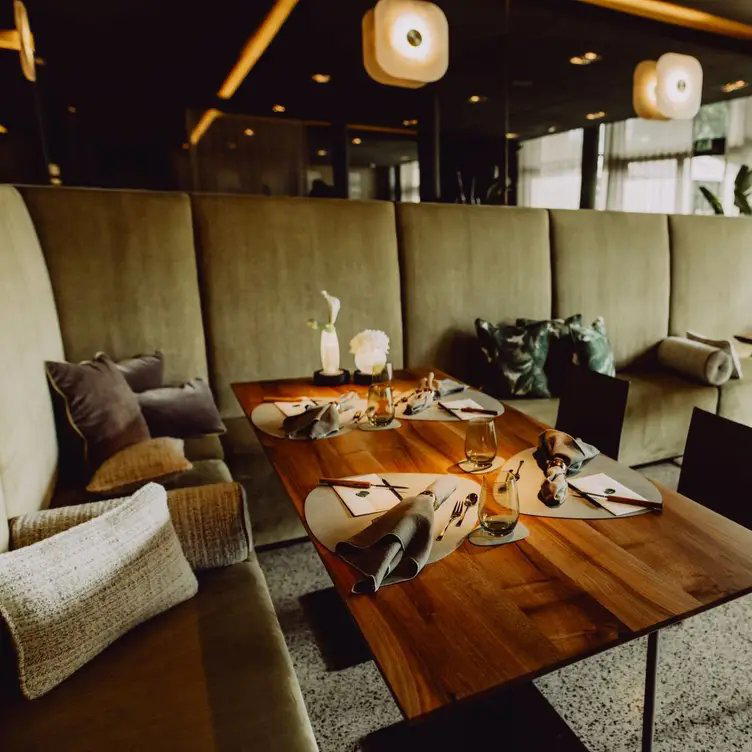
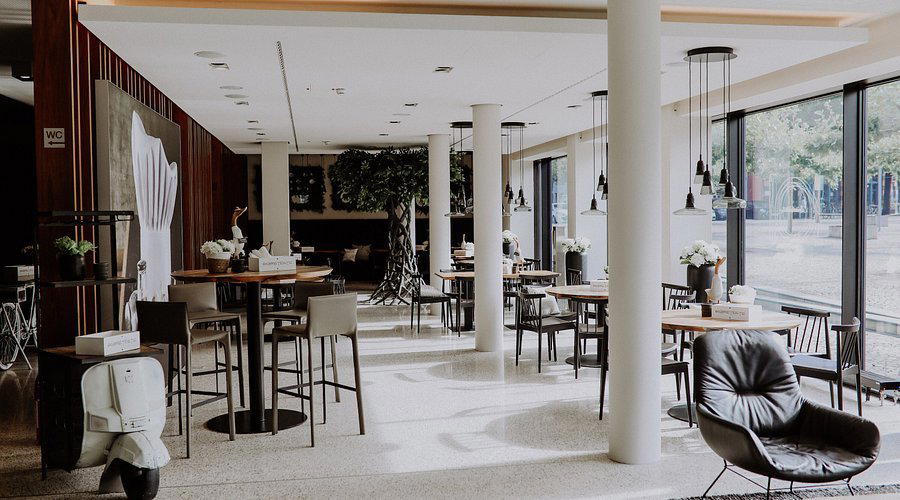
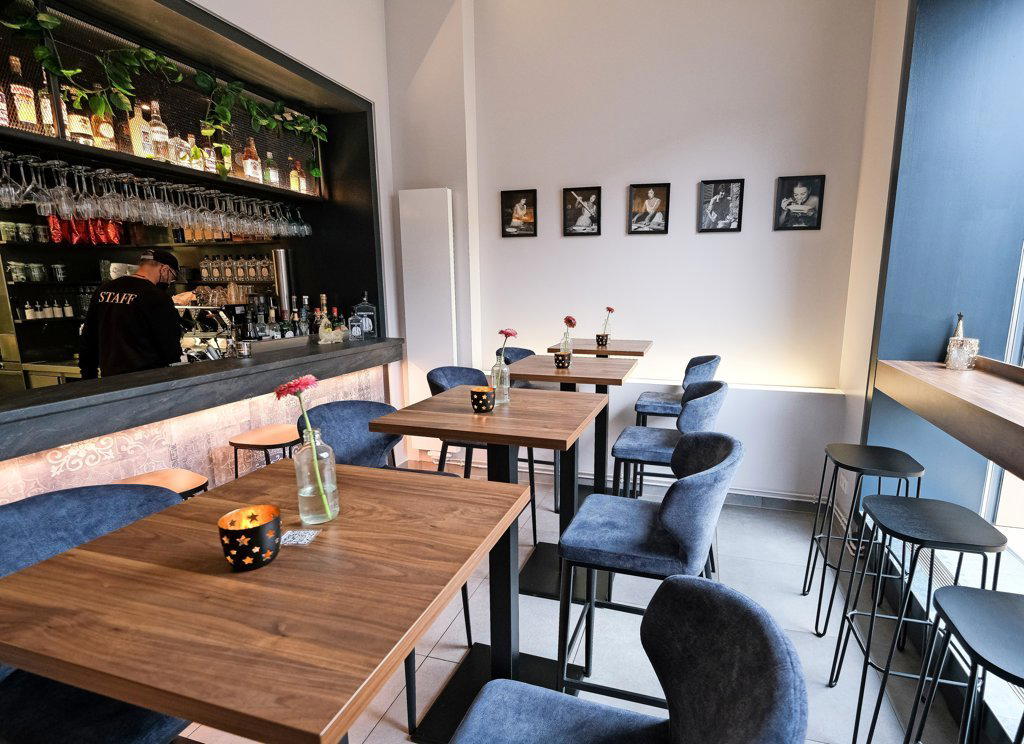
Cozy and comfortable atmosphere well-suited for savoring tapas.