

Althoff Hotel Fürstenhof Celle sits at the centre of one of Lower Saxony's most architecturally preserved market towns, earning a 91.5-point score in the 2026 La Liste Top Hotels ranking. The property occupies a position within the Althoff Collection alongside properties of equivalent standing across Germany, making it a credible base for travellers who treat accommodation as part of the editorial experience rather than a footnote.
Pearl is the En Primeur Club membership app — saves, bookings, and concierge access live there. Same editors, same standards.
- Address
- Hannoversche Str. 55/56, 29221 Celle
- Phone
- +49 5141 2010
- Website
- fuerstenhof-celle.com
- Directions
- Get directions
 Saves & bookings on Pearl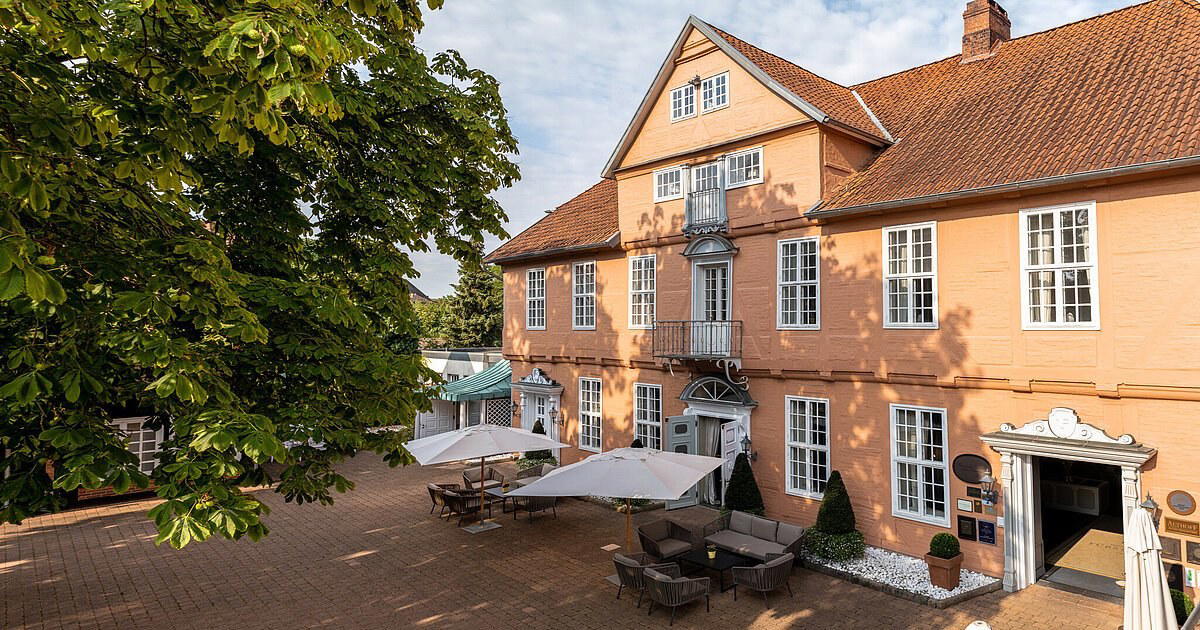
A Town Built in Timber, a Hotel That Reads the Room
Celle does not announce itself the way Hamburg or Hanover does. The town of roughly 70,000 in Lower Saxony is instead defined by the density and coherence of its built environment: more than 400 half-timbered facades line its old quarter in a near-uninterrupted grid, many of them dating to the sixteenth and seventeenth centuries. It is, by European standards, an unusually intact example of Fachwerkarchitektur at urban scale. The Altstadt has the quality of a set that was never struck, the architecture is the point, not a backdrop to something else. A hotel that reads well in this context has to earn its place within that visual language, or at least respect it. Althoff Hotel Fürstenhof Celle addresses this through its position on Hannoversche Strasse, one of the main approaches into the historic core, where the property's facade registers as a period building rather than a contemporary intrusion.
For travellers calibrating Germany's hotel tier system, Celle sits below the major metropolitan markets in terms of international visitor volume, which places properties here in a different competitive frame than Fairmont Hotel Vier Jahreszeiten in Hamburg or Mandarin Oriental Munich. Althoff Hotel Fürstenhof Celle is a 5-star hotel at Hannoversche Str. 55/56, 29221 Celle. The Fürstenhof operates in a niche where the town itself functions as the primary draw, and the hotel's role is to service a guest who came specifically for Celle's architectural heritage, the nearby Lüneburg Heath, or the understated character of Lower Saxon travel.
Placing the Fürstenhof Within the Althoff Portfolio
The Althoff Collection has built its German identity around historic properties in locations that reward a slower, more considered form of travel. The Fürstenhof in Celle belongs to this logic: it is neither a resort in the Alpine mould of Schloss Elmau nor an urban address competing for international business traffic. Its comparable set within the Althoff portfolio is closer to the Althoff Seehotel Überfahrt in Rottach-Egern in terms of positioning: a property where the surrounding environment carries significant weight in the guest proposition. The Fürstenhof scores 91.5 points in the 2026 La Liste Leading Hotels ranking. That score places it within the recognised tier of German heritage hotels, alongside properties like Bülow Palais in Dresden and Excelsior Hotel Ernst in Cologne, which operate in historic city centres with comparable positioning.
Travellers who use La Liste scores as a filtering tool should note that 91.5 puts the Fürstenhof within a recognisable bracket of German properties that have maintained quality consistency over time. It does not occupy the upper tier of the index alongside Michelin-decorated resort destinations, but it is meaningfully above the undifferentiated mid-market. For the Celle market, that score functions as a strong signal of reliable standards in a location where the alternative accommodation options are considerably more modest.
The Architecture as the Primary Argument
In Germany's historic hotel stock, the relationship between building fabric and guest experience tends to fall into two broad types. The first preserves period architecture primarily as aesthetic dressing, placing contemporary interiors inside historic shells. The second attempts to integrate the spatial logic of the original building into how guests actually move through and inhabit the property. The more convincing hotels in this category, including Hotel Ketschauer Hof in Deidesheim and Hotel de Rome in Berlin, tend toward the latter approach, where the building's history becomes legible through proportions, materials, and spatial sequence rather than through decorative reference alone.
The Fürstenhof sits on Hannoversche Strasse at addresses 55 and 56, which suggests a building or pair of buildings of some footprint for a Celle address. The town's preservation standards are among the more stringent in Lower Saxony, and the coherence of the surrounding streetscape means that the hotel's exterior presentation is effectively regulated by its context. The architectural argument for staying here is less about what the hotel has done to its building than about what the building already is, and what the street outside continues to be. For travellers whose interest in historic fabric extends beyond what a hotel room contains, Celle's Altstadt offers a walkable radius of medieval and Renaissance architecture that few German towns of comparable scale can match.
Planning a Stay: What to Know Before Booking
Celle sits approximately 40 kilometres northeast of Hanover, making the journey from Hanover Hauptbahnhof by regional train a practical entry point for travellers arriving by rail or via Hanover Airport. The town is compact enough that the Altstadt, the Residenzschloss, and the Bomann-Museum are all walkable from the hotel's address on Hannoversche Strasse.
For travellers building a Lower Saxony or North German itinerary, the Fürstenhof works as a logical stop between Hamburg and Hanover, or as a base for exploring the Lüneburg Heath to the north and east. Those interested in comparing heritage hotel options across northern Germany may also want to consider BUDERSAND Hotel in Hörnum on Sylt or Landhaus Stricker in Sylt for North Sea coastal alternatives, though these serve a meaningfully different guest profile.
Germany's premium hotel sector has been consolidating around a set of properties that can articulate a credible reason for existence beyond room count and amenity lists. The Fürstenhof's reason is Celle itself. Travellers who have already worked through the more prominent German heritage addresses, Hotel Bareiss in Baiersbronn, Breidenbacher Hof in Düsseldorf, or Kempinski Hotel Berchtesgaden, will find in Celle a slower, less mediated version of German architectural heritage, and a hotel that sits within it at a recognised standard.
A Quick Peer Check
Comparable venues nearby, for context on price, style, and recognition.
| Venue | Cuisine | Price | Awards | Notes |
|---|---|---|---|---|
| Althoff Hotel Fürstenhof CelleThis venue — the venue you are viewing | Baroque palace converted into a luxury hotel | $$$$ | 5-Star | Not listed |
| Althoff Dom Hotel | Luxury grand hotel in a historic landmark building at the foot of Cologne Cathedral. | $$$$ | 5-Star | Altstadt |
| Steigenberger Inselhotel | Historic luxury hotel in former monastery | $$$$ | 5-Star | Old Town |
| Burghotel Staufeneck | Historic castle with modern five-star superior luxury | $$$$ | 5-Star | Salach |
| Villa Rothschild, Autograph Collection | Historic boutique castle hotel in Art Nouveau style | $$$$ | 5-Star | Königstein im Taunus |
| Hotel Atlantic Hamburg, Autograph Collection | Well-known grand hotel with timeless Hanseatic luxury. | $$$$ | 5-Star | St. Georg |
Recognition history
Dated appearances from independent guides and award organizations, with the underlying list record or original source where available.
La Liste Top Hotels
La Liste
Michelin Selected
Michelin
Continue exploring
More in Celle
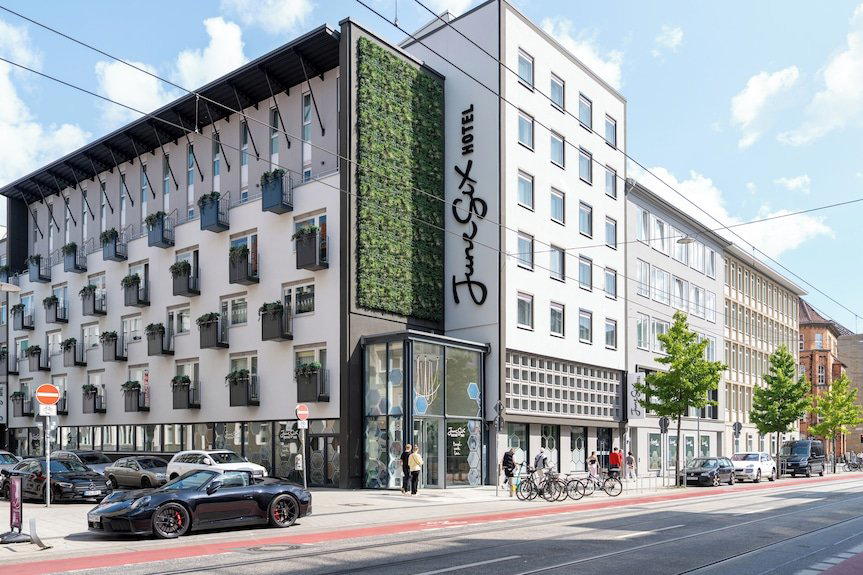
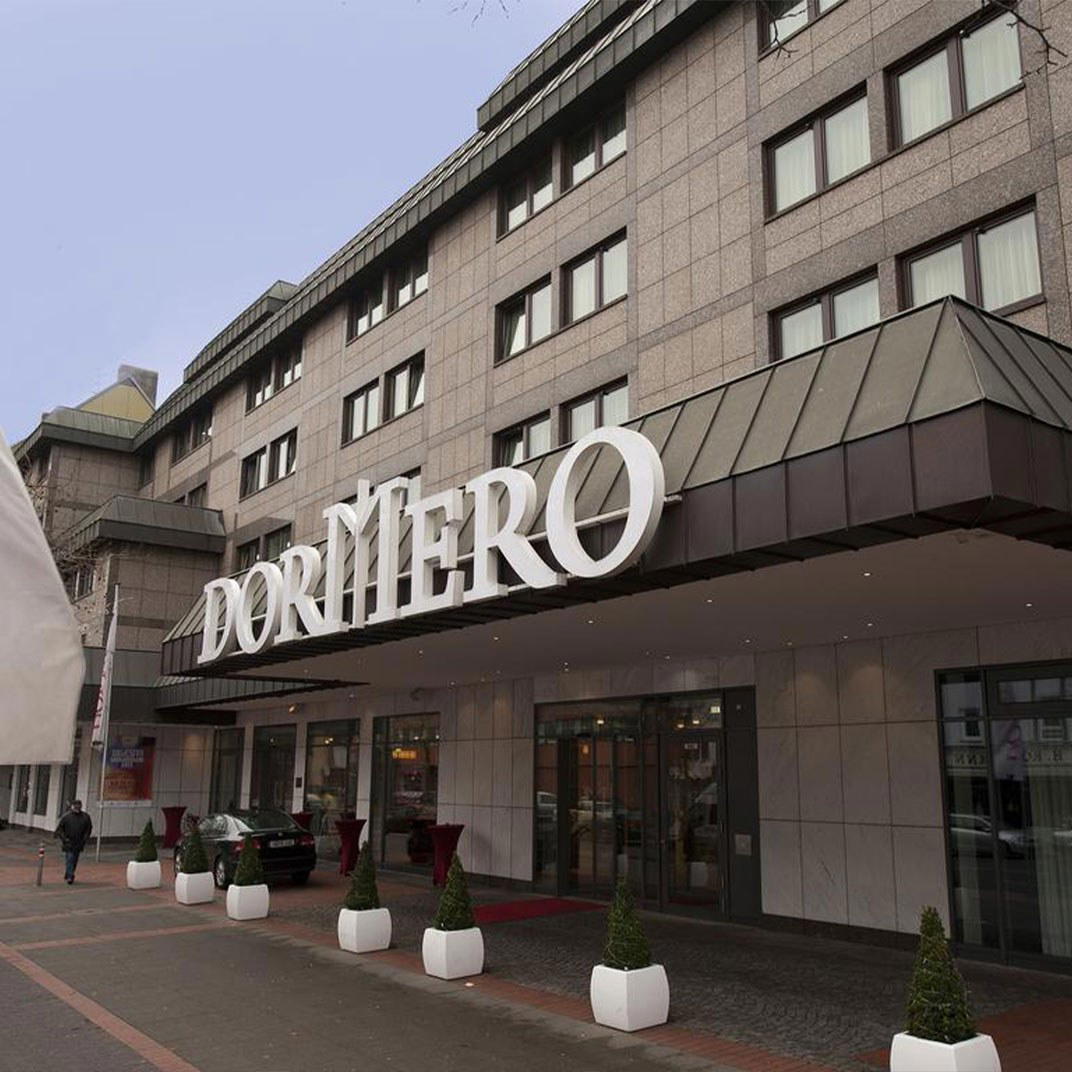
Hotels in Celle
Browse all →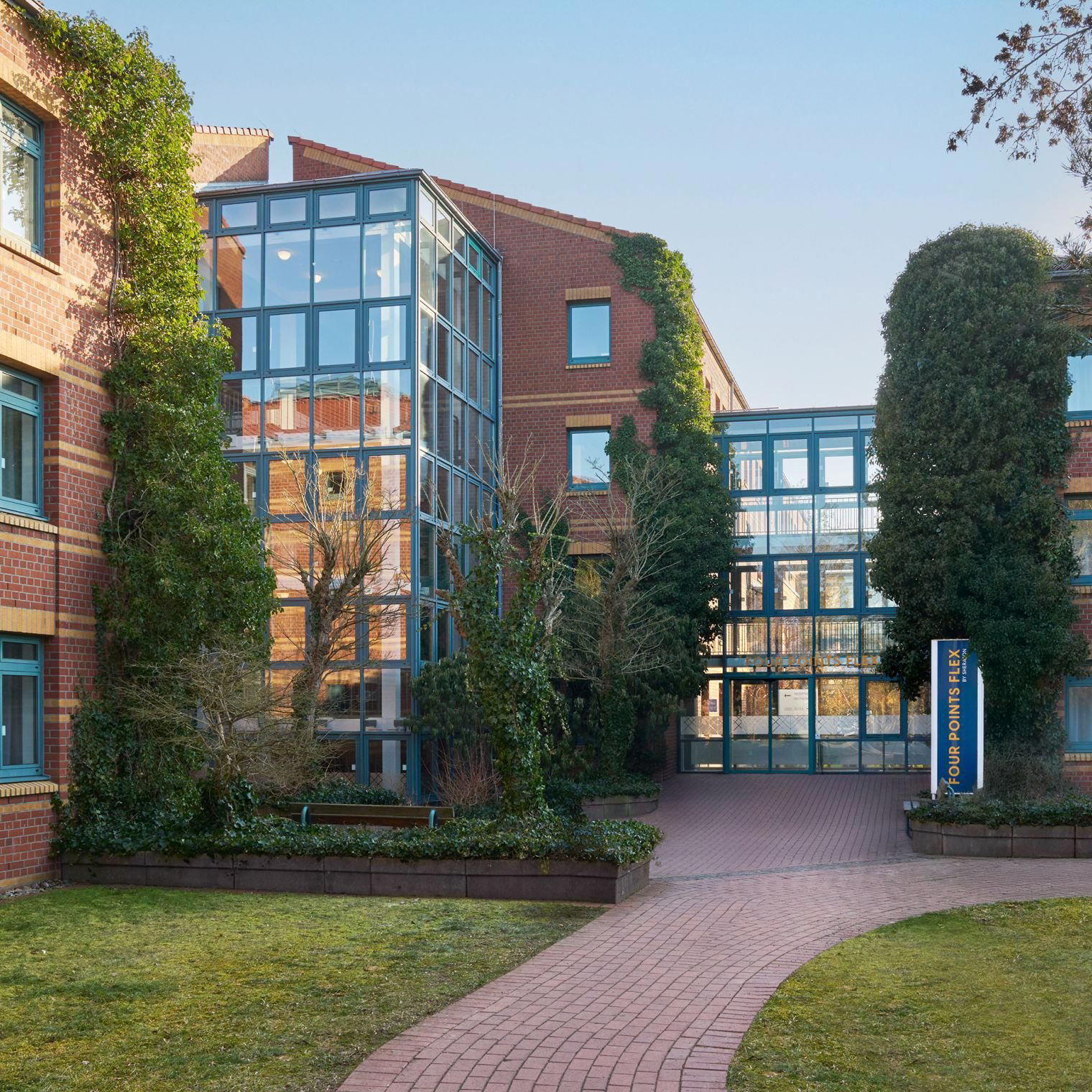
Bars in Celle
Browse all →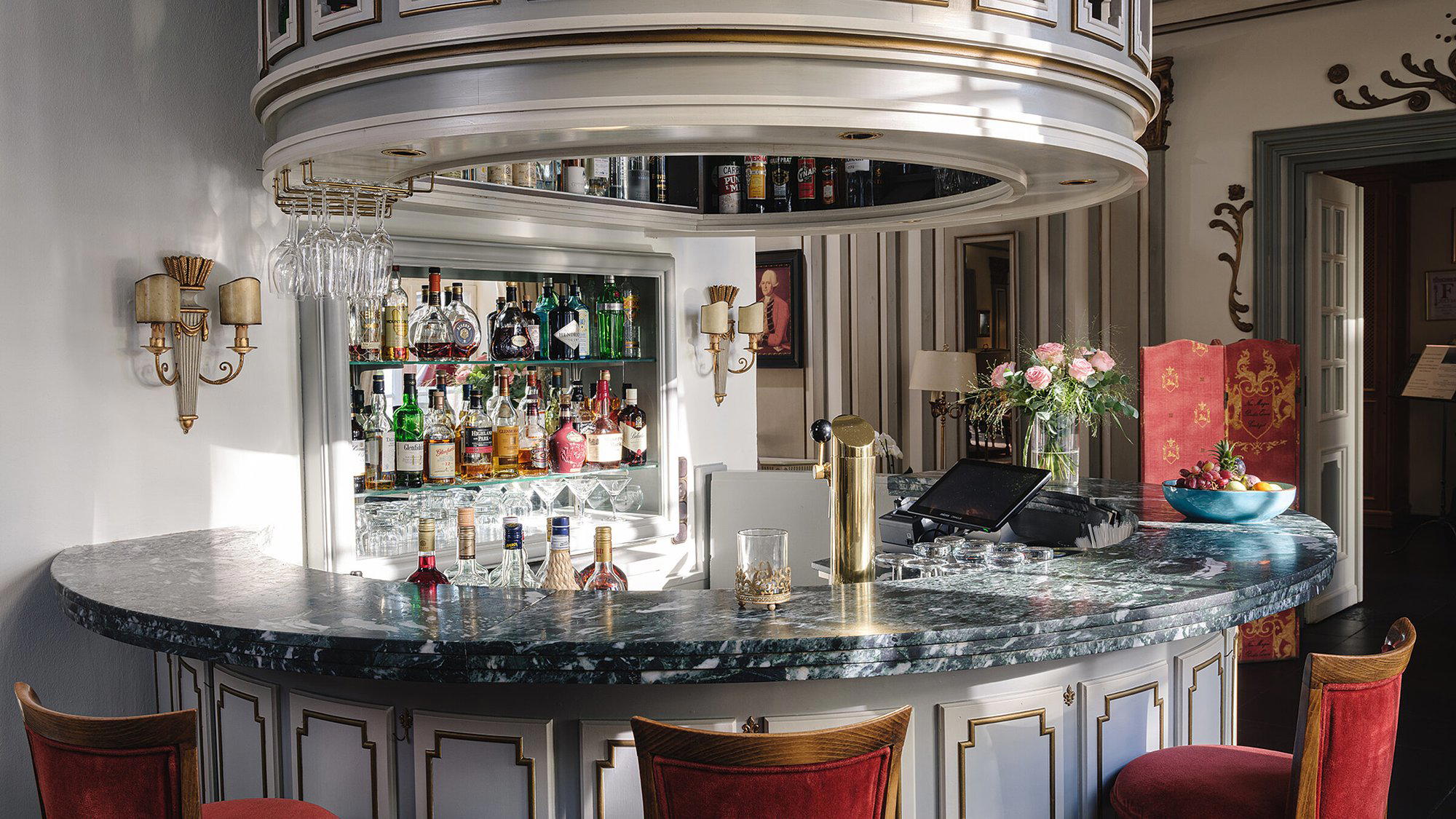
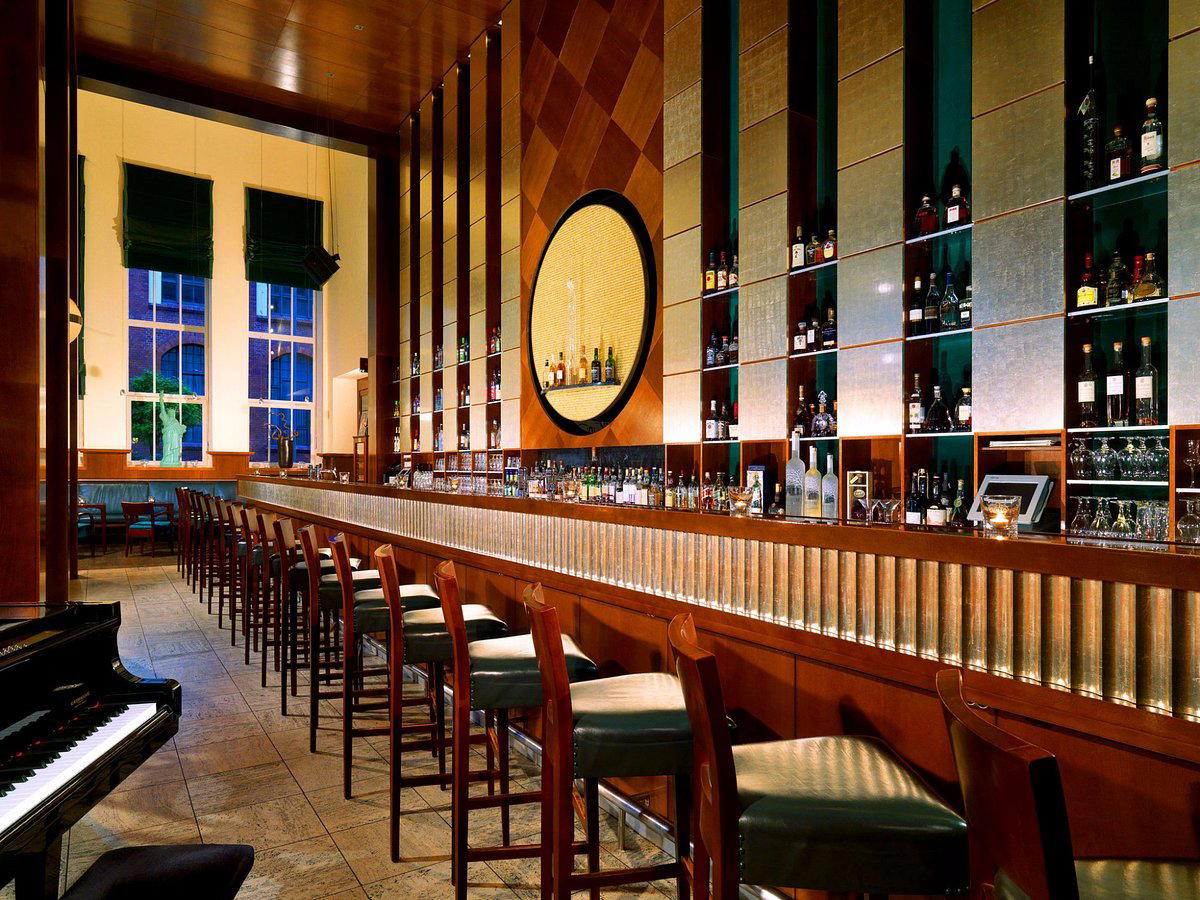
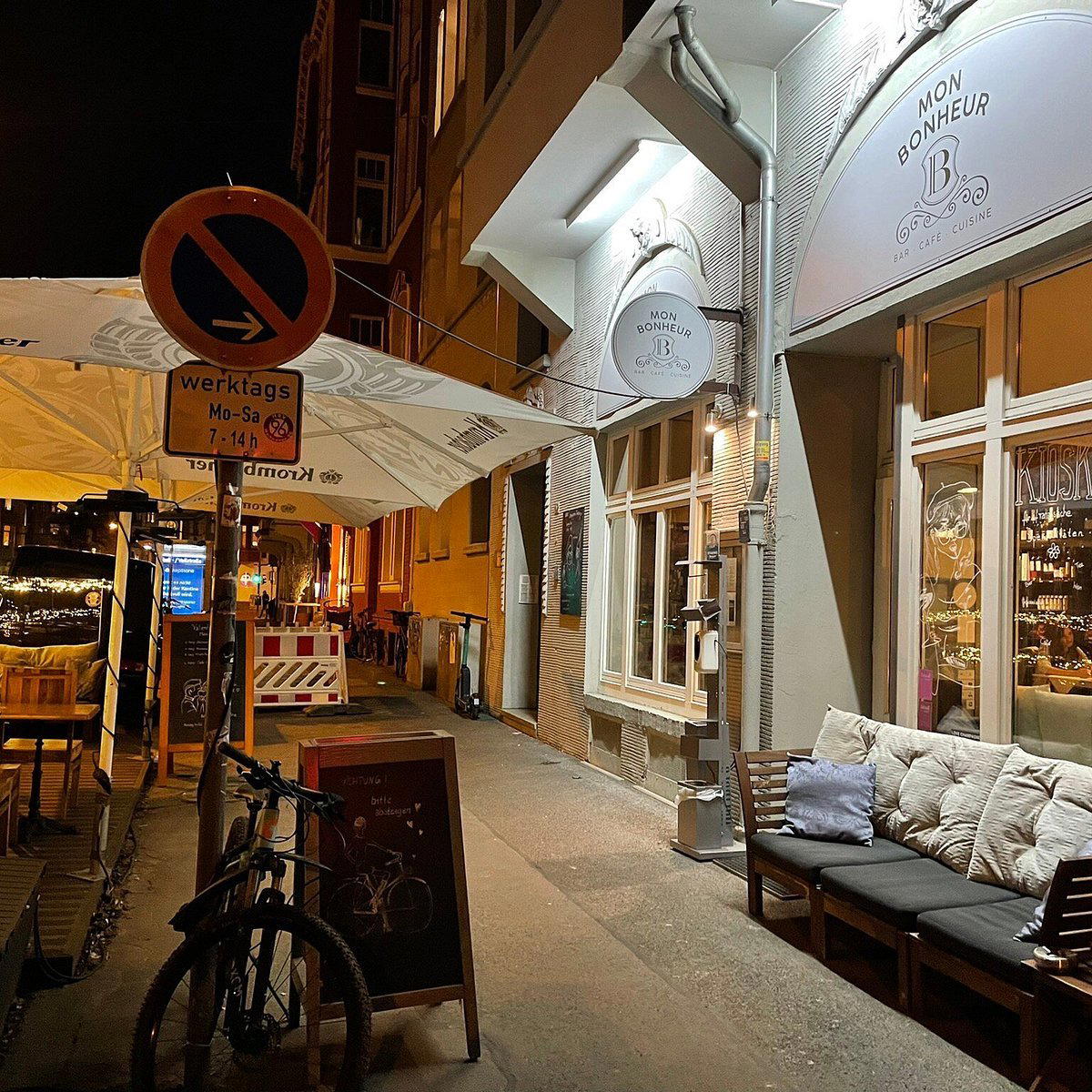
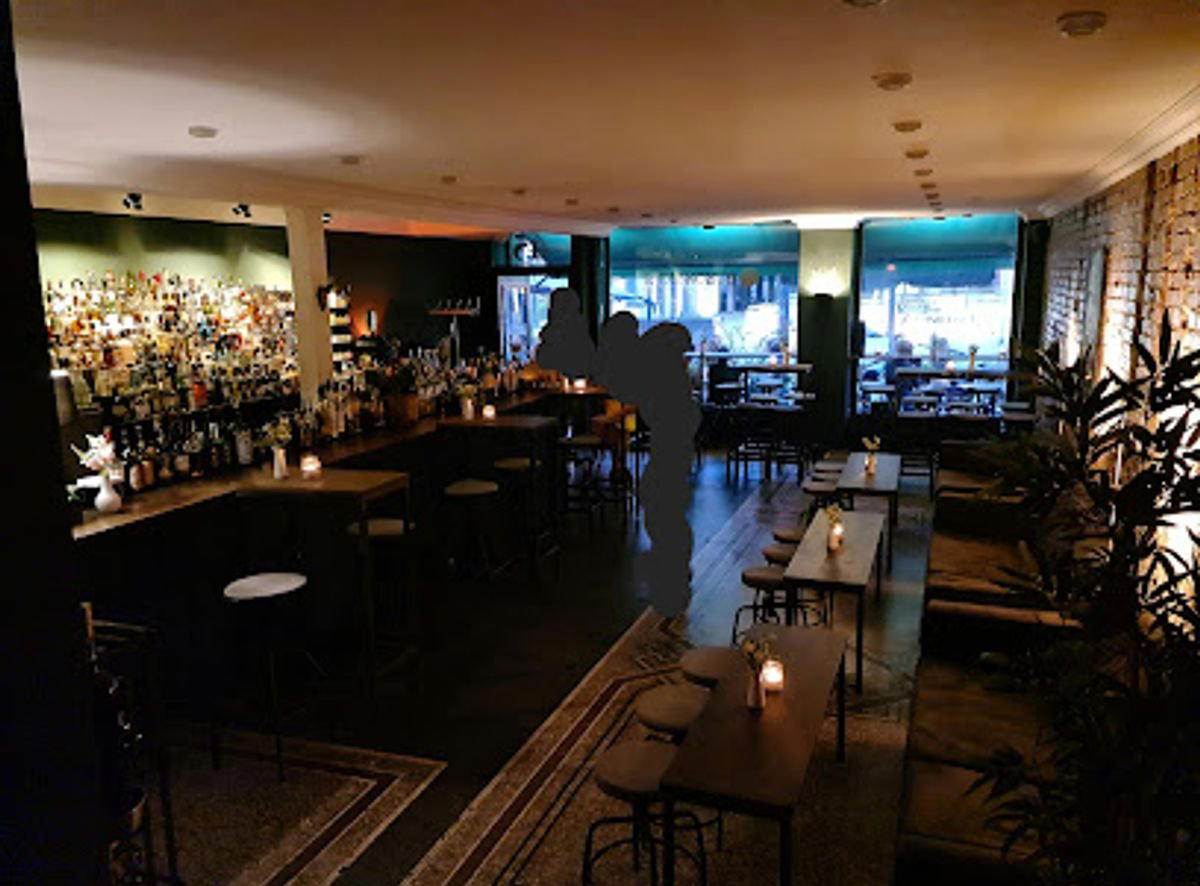
Restaurants in Celle
Browse all →
Wineries in Celle
Browse all →
At a Glance
- Elegant
- Sophisticated
- Classic
- Romantic Getaway
- Business Trip
- Anniversary
- Historic Building
- Terrace
- Wi Fi
- Pool
- Spa
- Fitness Center
- Room Service
- Concierge
- Business Center
- Valet Parking
- EV Charging
- Garden
- Wi Fi
- Pool
- Spa
- Fitness Center
- Room Service
- Concierge
- Business Center
- Valet Parking
- EV Charging
Light and tranquil country-house lodgings with soundproof rooms and a peaceful garden setting.