Albertz. operates from Hinüberstraße 6 in Hanover's Südstadt district, placing it among a compact tier of serious restaurants that have quietly reshaped what the city's dining scene can offer. With several strong independent kitchens now competing at similar price points, Albertz. earns its place through kitchen discipline and a setting that rewards the kind of dinner you actually plan in advance.
Pearl is the En Primeur Club membership app — saves, bookings, and concierge access live there. Same editors, same standards.
- Address
- Hinüberstraße 6, 30175 Hannover, Germany
- Phone
- +495113495253
- Website
- schweizerhof-hannover.de
- Directions
- Get directions
 Saves & bookings on Pearl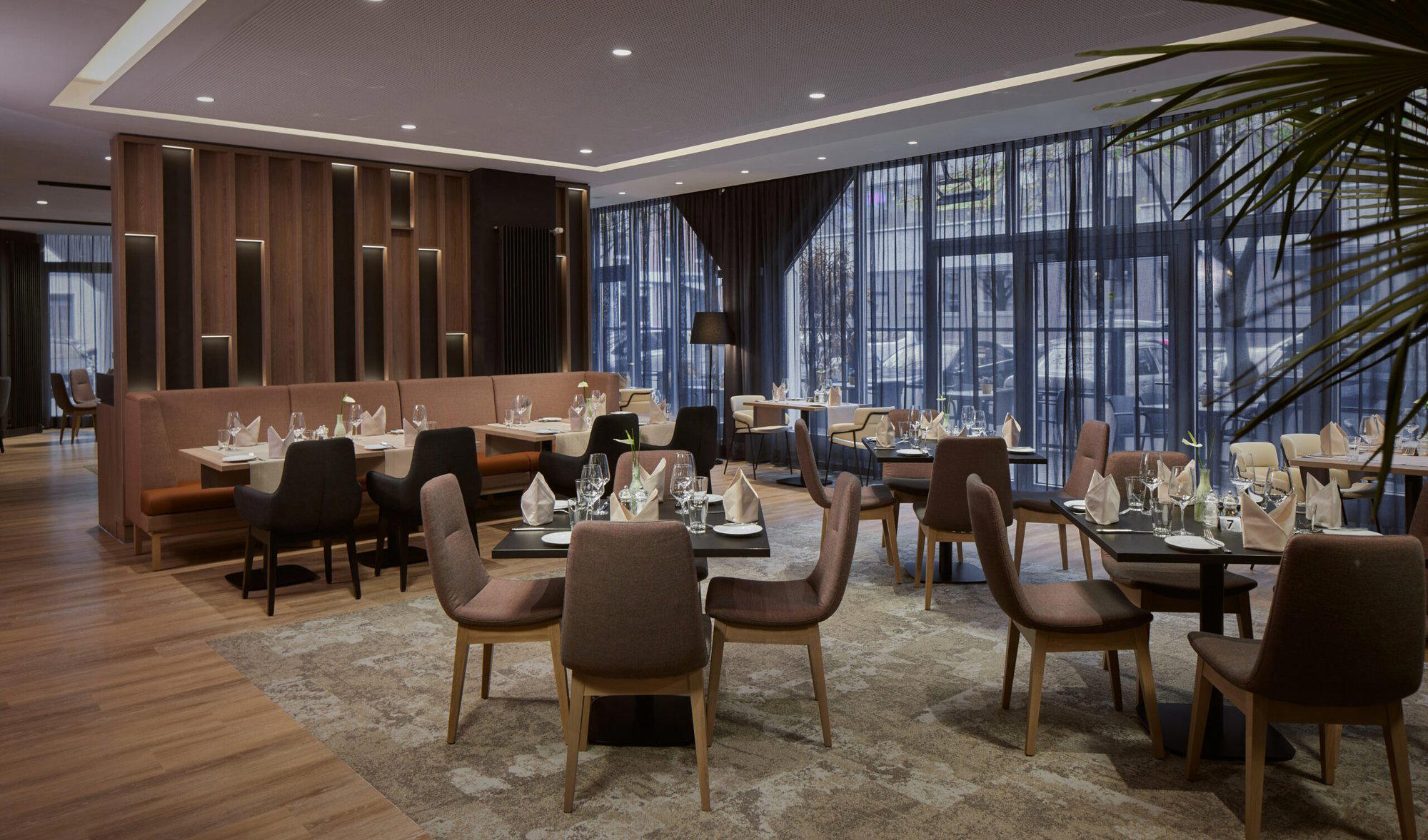
A Street-Level Signal in Hanover's Südstadt
Hinüberstraße runs through one of Hanover's quieter residential corridors, far enough from the main retail drag of Georgstraße to filter out casual foot traffic. Albertz. Arriving on foot from the Aegidientorplatz U-Bahn stop, the shift from city-centre noise to something more composed is noticeable before you reach the door. That physical transition matters for understanding how Albertz. positions itself: this is not a room designed to catch passing diners, and that deliberate remove from high-visibility locations has become something of a marker for the city's more serious kitchens.
Hanover's restaurant scene has, over the past decade, sorted into recognisable tiers. At the leading sits a small cluster of creative and modern cuisine addresses, anchored by venues like Jante and Votum, where tasting menus and kitchen-counter formats define the experience. A tier below, restaurants like Handwerk and Marie offer structured dining at the €€€ price point, drawing on French and modern European frameworks. Albertz. occupies this broader competitive band, where the question is less about spectacle and more about consistency, sourcing clarity, and whether the kitchen has something genuine to say through the plate.
Where the Food Comes From, and Why That Shapes the Menu
The ingredient-sourcing conversation has moved from marketing language to kitchen practice across Germany's mid-to-upper restaurant tier. In cities like Hamburg and Berlin, chefs at venues operating in the €€€-€€€€ range have increasingly built menus around direct supplier relationships, seasonal calendars, and regional provenance as a structural principle rather than a footnote. This shift is visible at places like Restaurant Haerlin in Hamburg, where sourcing decisions shape the menu architecture from the outset.
In Lower Saxony, the regional larder is specific and underused in mainstream dining. The Leine valley and the agricultural belt surrounding Hanover produce beef, pork, and game that rarely appear on urban menus at the quality grades available to chefs willing to build direct relationships with producers. Market gardens in the region supply vegetables at a seasonal rhythm that diverges meaningfully from what the wholesale food service industry delivers. Kitchens that plug into this supply chain directly operate with ingredients that behave differently on the plate: shorter cold chains, less standardisation, and the kind of variability that requires kitchen adaptability rather than recipe rigidity.
Albertz.'s address in the Südstadt puts it close enough to the city's covered market infrastructure and within reasonable reach of the regional supply network that defines Lower Saxon food culture. For a restaurant at this tier, the decision about where ingredients originate is not peripheral. It determines the ceiling of what the kitchen can produce, and it separates restaurants that price on atmosphere alone from those that use sourcing as a genuine quality argument. Comparing this approach to how venues further afield, like ES:SENZ in Grassau or Schanz in Piesport, have built regional identities through hyperlocal sourcing, illustrates how powerful that commitment can be at the table.
Situating Albertz. in Germany's Broader Fine Dining Picture
Germany's formally recognised fine dining tier is concentrated in a handful of cities and rural hotel restaurants. The three-Michelin-star addresses, places like Schwarzwaldstube in Baiersbronn, Aqua in Wolfsburg, and Vendôme in Bergisch Gladbach, operate in a different register entirely, with brigade sizes, investment levels, and guest expectations that do not translate to city neighbourhood restaurants. Waldhotel Sonnora in Dreis represents another variant of that top tier: a destination with decades of accumulated credibility.
Below that ceiling, the more interesting question for dining in German cities is which restaurants are doing serious work without the institutional scaffolding of a hotel address or a long-established Michelin history. In this bracket, peers from other cities are worth noting as reference points: JAN in Munich and CODA Dessert Dining in Berlin each operate with a clear editorial point of view and a format that draws from distinct traditions rather than defaulting to generic contemporary European. Internationally, kitchens like Le Bernardin in New York City and Lazy Bear in San Francisco show how strong sourcing narratives and format discipline can anchor a restaurant's identity across decades. Albertz. plays in a more modest register, but the principles that distinguish good from average at any price point remain consistent.
In Hanover specifically, the comparison set is practical rather than aspirational. Against Aspera and the broader field of independent restaurants competing in the same neighbourhood-dinner category, Albertz. on Hinüberstraße represents a considered option for a dinner that takes itself seriously without requiring a special-occasion budget at every turn.
Planning a Visit
Hinüberstraße 6 is accessible from central Hanover on foot or via the U-Bahn network, with Aegidientorplatz serving as the closest stopping point. For restaurants at this tier in German cities, booking ahead is standard practice: the mid-week calendar tends to carry more flexibility than Thursday through Saturday, when neighbourhood restaurants at this tier often run consistently full. Albertz. is recommended for reservations, with opening hours of Mon to Fri 12 to 3 PM and 5 to 11 PM, Sat 5 to 11 PM, and Sun closed. Dress code expectations at addresses like this in Hanover tend toward smart casual without the formality of hotel fine dining rooms. Victor's Fine Dining by Christian Bau, operating at the highest end of the German restaurant tier, offers a useful contrast in what full-formality service looks like; Albertz. sits comfortably below that register, which is not a limitation but a different set of expectations for what a dinner should feel like.
Quick Comparison
Comparable venues nearby, for context on price, style, and recognition.
| Venue | Cuisine | Price | Notes |
|---|---|---|---|
| Albertz.This venue — the venue you are viewing | Modern German Eatery | $$ | Not listed |
| Suppenhandlung | German Soup Specialties | $$ | Nordstadt |
| Reimanns Eck | Traditional German Regional Cuisine | $$ | Oststadt |
| ælling – brød & vin | Danish Smørrebrød & Wine | $$ | Südstadt |
| Grauwinkel Café & Deli | Artisanal Café & Bakery | $$ | Oststadt |
| Damn Dog | Hot Dog Street Food | $$ | Hanover |
Continue exploring
More in Hanover
Restaurants in Hanover
Browse all →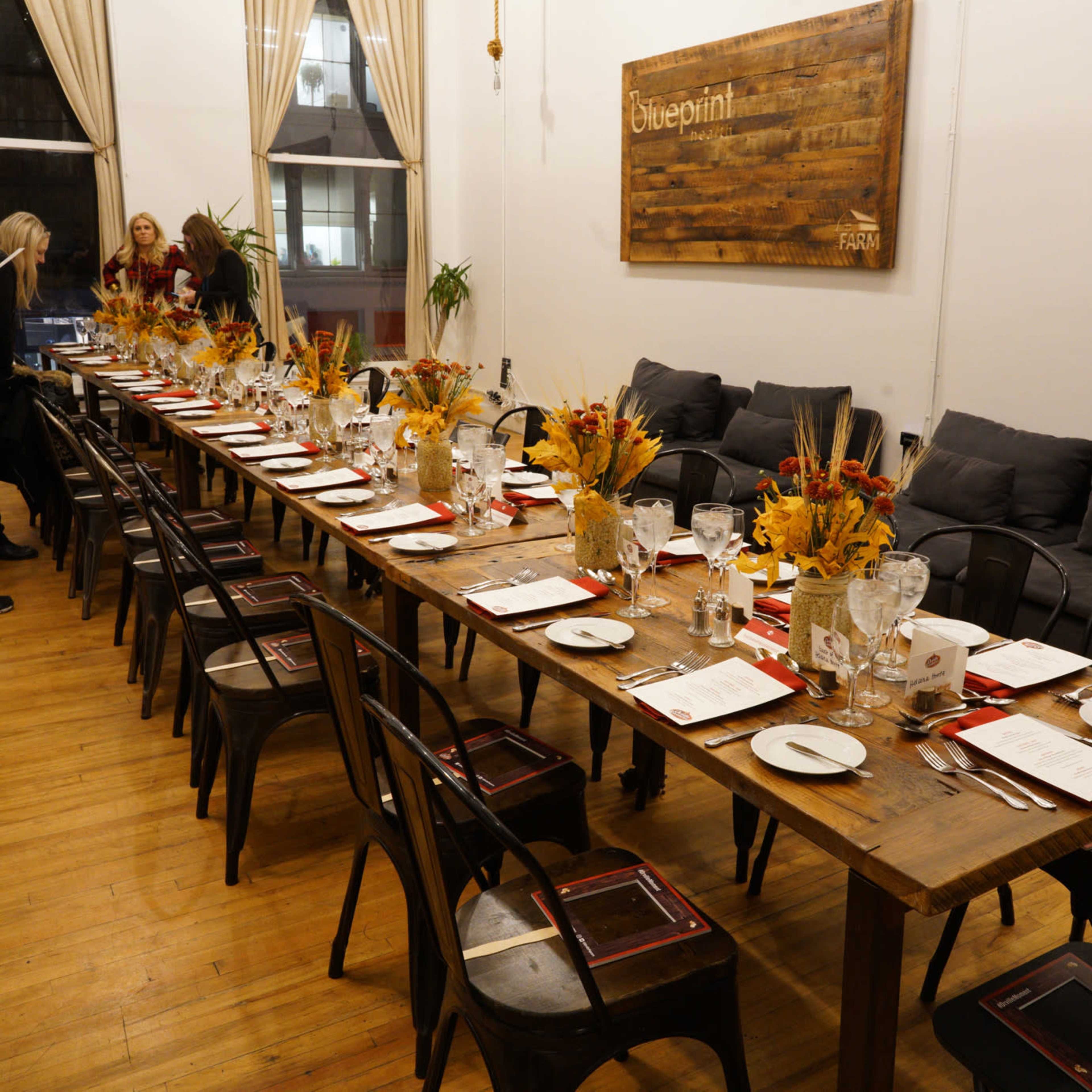
Bars in Hanover
Browse all →

Hotels in Hanover
Browse all →

At a Glance
- Modern
- Cozy
- Elegant
- Business Dinner
- Group Dining
- Special Occasion
- Terrace
- Hotel Restaurant
- Craft Cocktails
- Local Sourcing
Current opening hours
- Monday
- 12–3 PM, 5–11 PM
- Tuesday
- 12–3 PM, 5–11 PM
- Wednesday
- 12–3 PM, 5–11 PM
- Thursday
- 12–3 PM, 5–11 PM
- Friday
- 12–3 PM, 5–11 PM
- Saturday
- 5–11 PM
- Sunday
- Closed
Hours can change for holidays and private events. Last verified .
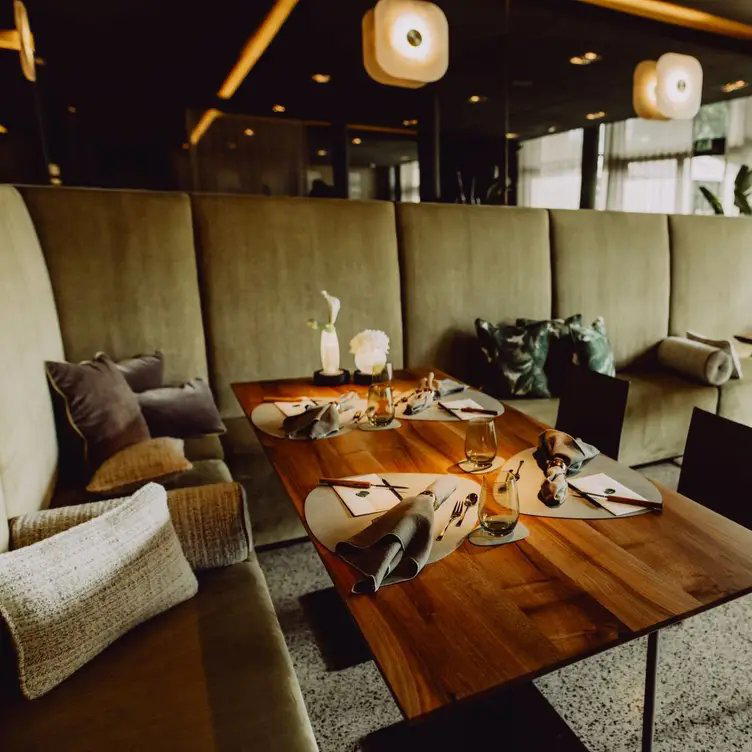
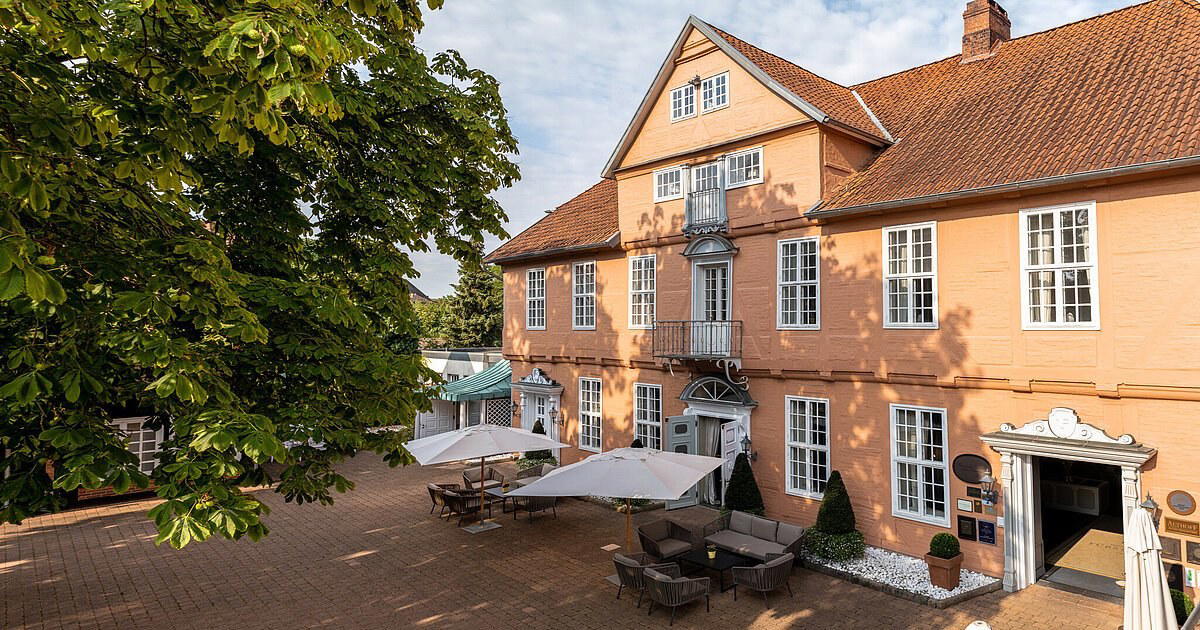
Inviting atmosphere with different sections suitable for private events, featuring a quiet terrace in summer and cozy, refined dining spaces.