
Marie holds a Michelin star earned in 2025 and brings a French kitchen to Wedekindplatz, one of Hanover's more characterful addresses. Chef Miguel Trinidad runs a €€€ programme that positions the restaurant comfortably above Hanover's mid-market French options while staying a tier below the city's most experimental creative tables.
Pearl is the En Primeur Club membership app — saves, bookings, and concierge access live there. Same editors, same standards.
- Address
- Wedekindpl. 1, 30161 Hannover, Germany
- Phone
- +49 511 65399074
- Website
- restaurantmarie.de
- Directions
- Get directions
 Saves & bookings on Pearl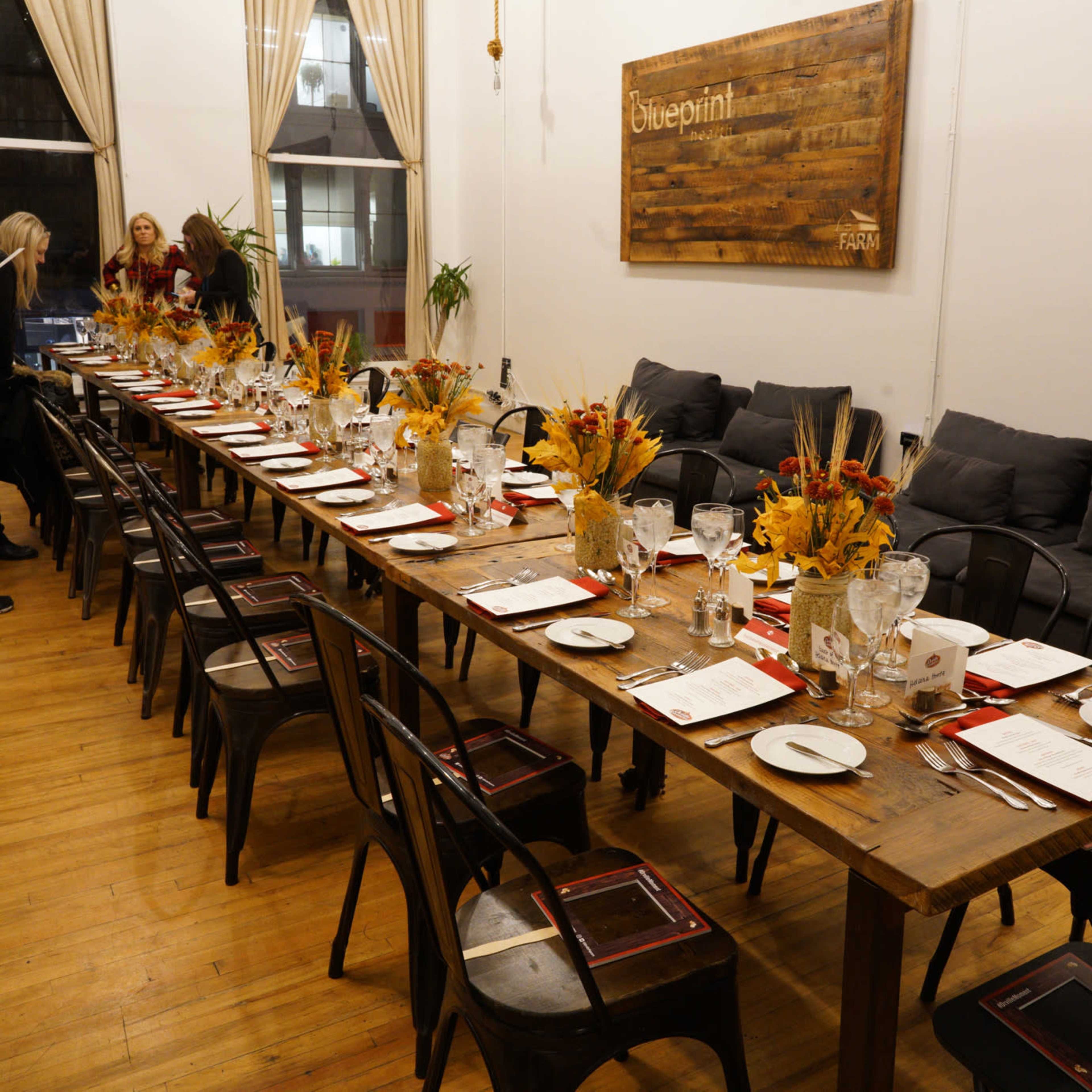
French Form at Wedekindplatz
Wedekindplatz sits in the Nordstadt district, a neighbourhood that carries more residential grain than the polished hotel-and-congress belt around the main station. Arriving at Marie, the address itself signals intent: a French restaurant choosing this square over a central business address is making a statement about who it wants to attract and what kind of evening it wants to produce. In a city where French cooking has historically occupied either the budget bistro tier or the grand hotel dining room, a Michelin-starred table on a neighbourhood square represents something more considered.
Hanover's fine dining map is not large, but it has genuine range. Jante and Votum both operate at €€€€ in the creative register, pushing produce through contemporary European techniques. Handwerk holds the modern cuisine brief at the same €€€ price tier as Marie. Beckers offers French cooking at the €€ level, providing a useful lower bracket for comparison. Marie, with its 2025 Michelin star, occupies a distinct position: French cuisine at €€€, validated by the guide but priced below Hanover's most ambitious rooms. That positioning rewards readers who want classical French structure without paying the full creative-tasting-menu premium.
What the Michelin Star Actually Signals
A 2025 star is a recent award, which matters. It reflects the kitchen as it operates now, not a legacy rating carried forward from a different era or a previous chef's regime. For Marie and Chef Miguel Trinidad, the timing places the recognition close to whatever the current menu represents, making it a more reliable indicator than stars earned and renewed over many years under different conditions.
Across Germany, French cooking at the starred level tends to cluster in certain cities: Munich at JAN in Munich, the Black Forest tradition centred on Schwarzwaldstube in Baiersbronn, the technical ambition of Aqua in Wolfsburg a short drive away, and the dessert-focused innovation of CODA Dessert Dining in Berlin. Within that national picture, a starred French table in Hanover carries additional weight: there are few direct peers in the city, which means Marie operates with less competitive pressure and more obligation to represent the tradition clearly. For readers approaching from outside Germany, it sits in comparable territory to Vendôme in Bergisch Gladbach, and draws on the same classical French inheritance that defines tables like Hotel de Ville Crissier in Crissier and, in a different geography, Sézanne in Tokyo. Similarly, ES:SENZ in Grassau demonstrates how the French-influenced fine dining register continues to find new expressions across German-speaking Europe.
Google's 4.6 rating across 357 reviews provides a secondary data point. At that volume, the score is statistically meaningful: it reflects a consistent guest experience rather than a small sample skewed by enthusiastic regulars. Tables that score in this range at starred level tend to deliver on service and consistency more than on surprise.
The Wine Angle
French cuisine at the starred level almost always assumes a wine programme that mirrors the kitchen's register. This is particularly true when the cooking draws on classical French structure: the cellar becomes the second half of the meal's argument. A Burgundy-weighted list reinforces a kitchen working with butter, cream, and long reductions; a Loire focus suggests lighter preparations and more acid-driven courses; a Rhône programme tends to accompany kitchens working with richer, more aromatic sauces.
At the €€€ price tier, wine lists typically land in a range where regional French selections can be offered at accessible markups alongside a shorter selection of prestige bottles for the table that wants to trade up. This tier also tends to support a by-the-glass programme wide enough to allow pairing without committing to full bottles, which matters when a party of two is splitting a tasting menu across eight or ten courses.
For readers planning a visit to Marie specifically with the wine programme in mind, the practical approach is to ask about pairing options at reservation or on arrival. French kitchens at this level generally have a sommelier or a senior service professional with sufficient cellar knowledge to structure a pairing that tracks the menu's progression, from the lighter early courses through to richer main preparations and into any cheese or dessert courses. The interaction between the kitchen's French foundations and a wine list drawn from the same tradition is where the evening's most coherent argument gets made.
Compared to the creative rooms at Jante and Votum, which may push toward natural wines or non-French pairings as part of their contemporary identity, a French-anchored table like Marie is more likely to maintain a cellar where Alsace, Burgundy, Bordeaux, and the Loire account for the majority of selections. That is not conservatism; it is coherence. The wine list should read as a continuation of the kitchen's choices, not a counterpoint to them.
Placing Marie in the Hanover Dining Context
Hanover rewards understanding before you arrive. The city's restaurant scene is not structured around one dominant neighbourhood: Schorse im Leineschloss operates from the historic Leineschloss setting at the €€ international tier, while the creative and modern rooms are spread across the city. Marie's Nordstadt address puts it slightly outside the city's main tourist circuit, which affects the crowd it attracts. Neighbourhood fine dining in this register tends to produce a more local, repeat-guest clientele than city-centre hotel restaurants or tourist-adjacent addresses.
For visitors, this can work in favour of the experience: a room populated by guests who return regularly creates a different atmosphere than one turning over conference attendees and short-stay travellers. It also creates a slightly higher bar for service attentiveness, since repeat guests notice inconsistencies that first-time visitors might not.
The €€€ price tier places Marie in a segment where a full dinner with wine pairing will represent a meaningful spend but not an extraordinary one by European fine dining standards. Readers familiar with starred dining in Paris, London, or Zurich will find the overall outlay lower at comparable quality signals.
Planning a Visit
Marie sits at Wedekindpl. 1, 30161 Hannover, in the Nordstadt district.
The Short List
Comparable venues nearby, for context on price, style, and recognition.
| Venue | Cuisine | Price | Notes |
|---|---|---|---|
| MarieThis venue — the venue you are viewing | French | $$$ | Not listed |
| Schorse im Leineschloss | Mitte, French Bistro | $$$ | Not listed |
| THE LIVING - room - | Not listed | $$$ | Hannover Mitte, Modern European Fine Dining |
| Handwerk | Not listed | $$$$ | Südstadt, Modern European Fusion with Nordic & Far Eastern Influences |
| TresOr | Not listed | $$$ | Prüßentrift, Modern Japanese-European Fusion |
| Beckers | Oststadt, Modern German Wine Bar | $$$ | Not listed |
Recognition history
Dated appearances from independent guides and award organizations, with the underlying list record or original source where available.
Michelin 1 Star
Michelin
Michelin 1 Star
Michelin
Continue exploring
More in Hanover
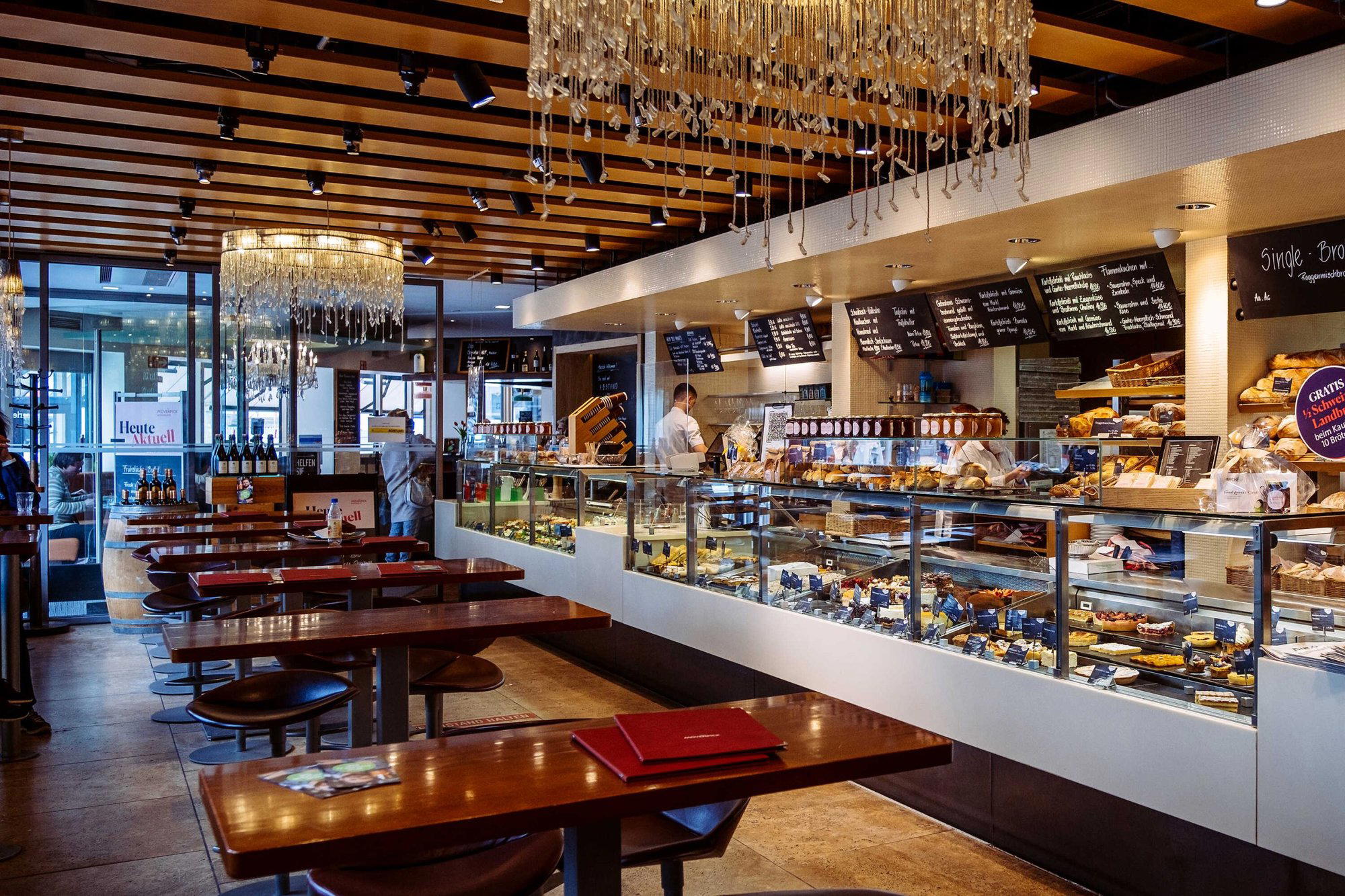
Restaurants in Hanover
Browse all →
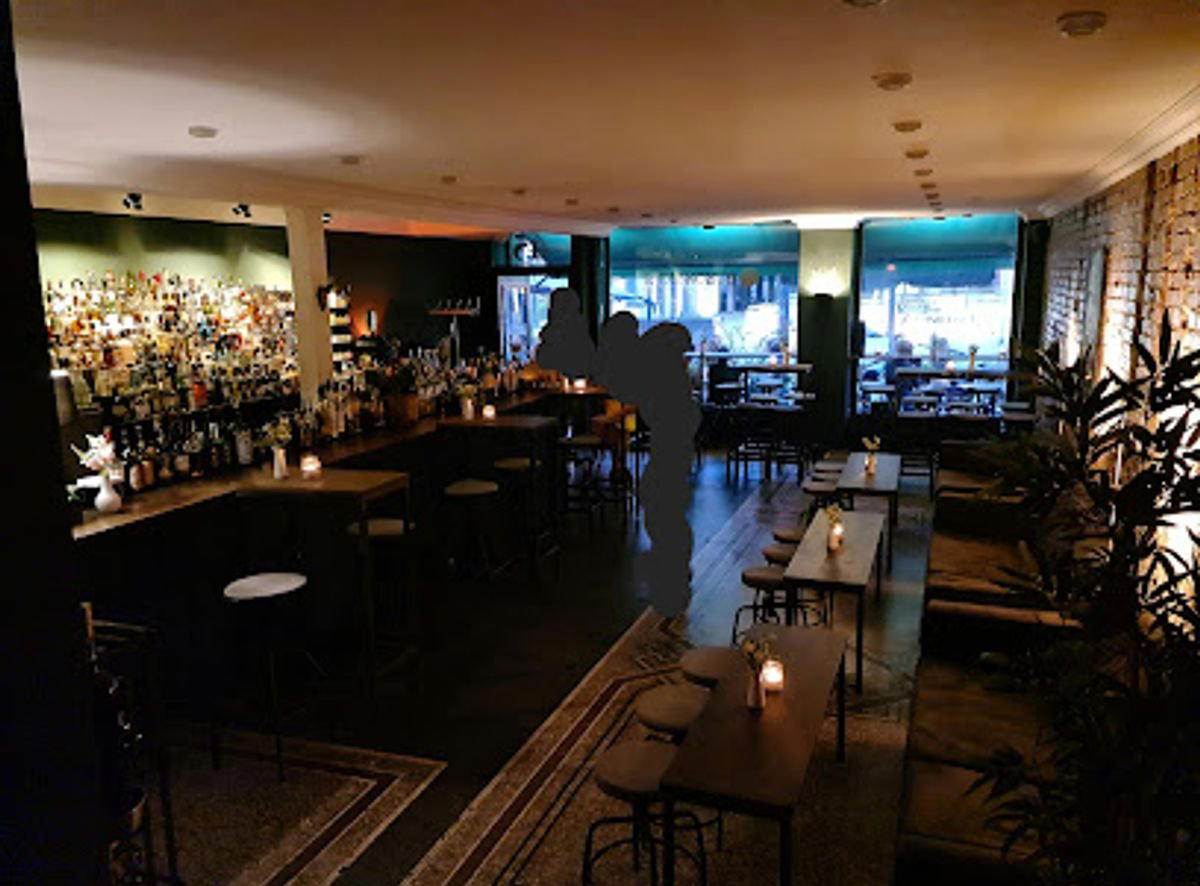
Bars in Hanover
Browse all →
Hotels in Hanover
Browse all →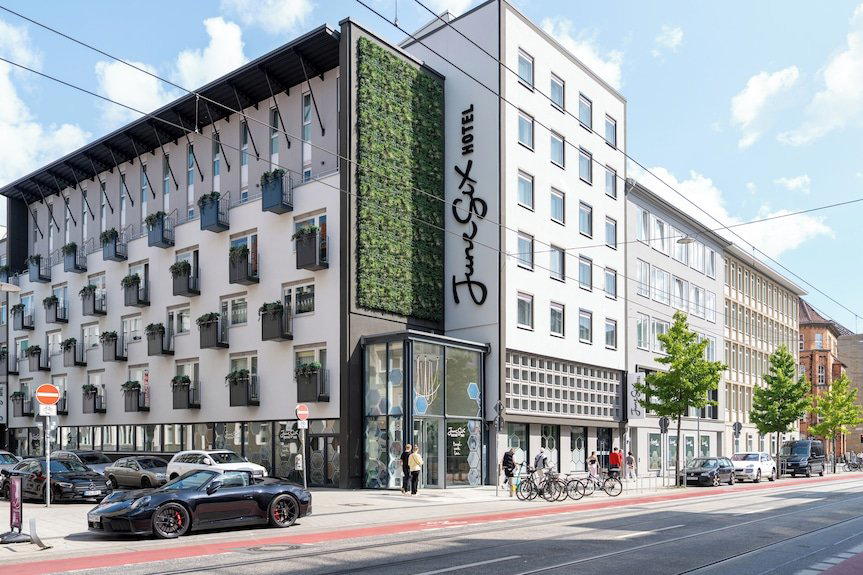

At a Glance
- Cozy
- Elegant
- Modern
- Intimate
- Sophisticated
- Date Night
- Special Occasion
- Business Dinner
- Terrace
- Extensive Wine List
Current opening hours
- Monday
- Closed
- Tuesday
- 6–10 PM
- Wednesday
- 6–10 PM
- Thursday
- 6–10 PM
- Friday
- 6–11 PM
- Saturday
- 6–11 PM
- Sunday
- Closed
Hours can change for holidays and private events. Last verified .
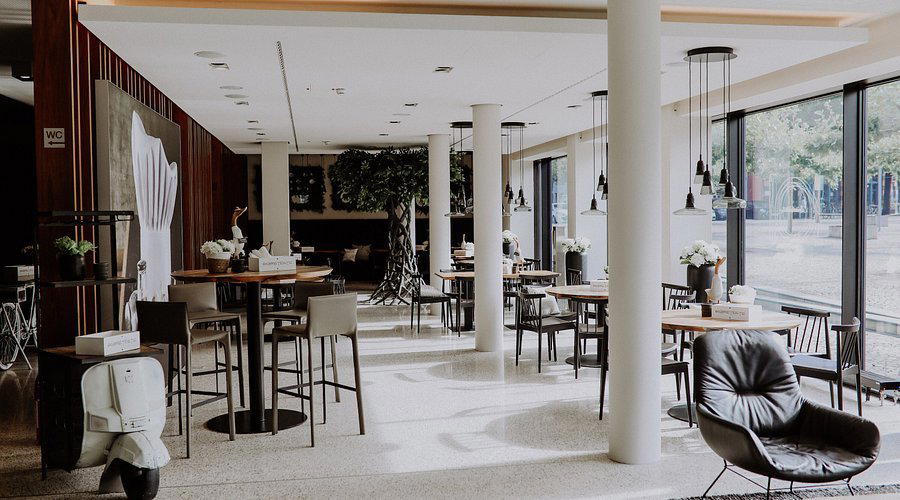
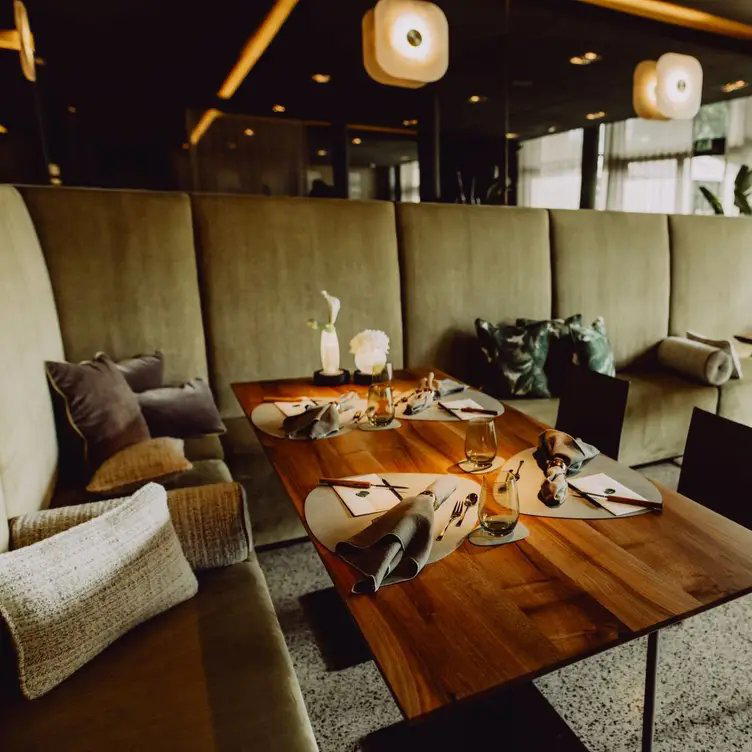
High ceilings, period floorboards, clean lines, soothing warm hues, candlelight, and soft background music create an inviting, cozy atmosphere.