Superfoods sits on Schlüterstraße in Berlin's Charlottenburg district, placing it within a neighbourhood that has long supported a different register of dining than the city's Mitte-centric fine-dining corridor.
- Address
- Schlüterstraße 37, 10629 Berlin, Germany
- Phone
- +4915150600335
- Directions
- Get directions
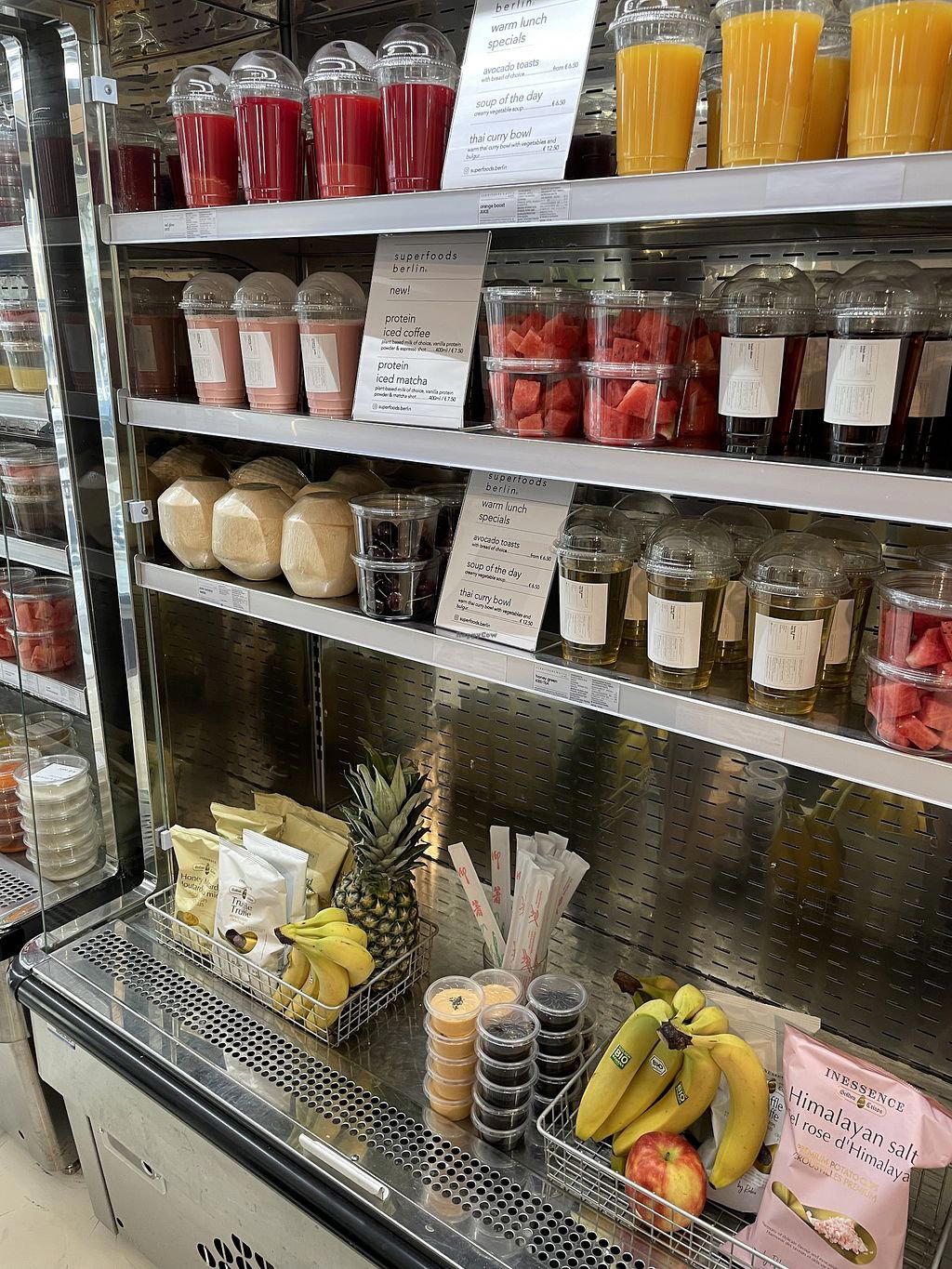
Charlottenburg's Quieter Register
Berlin's dining conversation tends to orbit a familiar set of addresses: the rooms in Mitte and Kreuzberg, the long-booked counters with published tasting menus and documented chef lineages. Charlottenburg operates at a different frequency. The district around Schlüterstraße 37 has historically attracted a more residential dining culture, one where neighbourhood continuity matters as much as critical visibility. That context matters when placing Superfoods, a name that signals a particular orientation toward ingredient quality and nutritional intentionality, within Berlin's broader dining scene.
Germany's capital has, over the past decade, developed a broad infrastructure for occasion dining. Venues like Rutz, Nobelhart & Schmutzig, and FACIL have anchored a Michelin-recognised tier that prices and performs against European peers. CODA Dessert Dining has made an international case for Berlin's willingness to subvert format entirely. What sits below, or deliberately adjacent to, that tier is a more heterogeneous category, and that is where Superfoods finds its context.
When the Occasion Calls for Something Different
Not every milestone meal wants a tasting menu running past midnight. There is a category of celebration dining that resists ceremony, where the occasion is marked not by theatre but by considered choice: a room that feels personal rather than performative, food that has a clear point of view, and a neighbourhood that does not feel engineered for tourism. Charlottenburg, with its pre-war architecture and long-established residential identity, tends to produce that kind of room more reliably than the city's more visible districts.
The name Superfoods carries weight in any major European city right now. Across London, Amsterdam, and Stockholm, a wave of restaurants has positioned ingredient sourcing and nutritional density as the organising principle of their menus, moving the conversation away from classical technique as the primary credential and toward transparency about what the food actually does. In Berlin, that conversation intersects with an existing culture of directness about provenance that venues like Nobelhart & Schmutzig helped establish. Whether Superfoods operates within that tradition or alongside it, the address on Schlüterstraße situates it in a neighbourhood where that kind of sincerity tends to find an audience.
Berlin in Comparison: What the Wider German Scene Offers
Placing Superfoods within a single city frame is only part of the picture. Germany's broader restaurant geography rewards attention. Outside Berlin, a different set of coordinates defines serious dining: Aqua in Wolfsburg, JAN in Munich, and Schwarzwaldstube in Baiersbronn each represent the classical Michelin-anchored model, formal rooms with long tasting menus, extensive wine programs, and price points that reflect the investment in both. Further south and west, Vendôme in Bergisch Gladbach, ES:SENZ in Grassau, Victor's Fine Dining by Christian Bau in Perl, and Waldhotel Sonnora in Dreis represent Germany's more rural, destination-dining tradition, meals that require travel and reward it with the kind of sustained attention that a city room rarely replicates.
Hamburg, via Restaurant Haerlin, and the Moselle corridor, through Schanz in Piesport and Bagatelle in Trier, add further texture. Against that national map, Berlin's contribution is less about classical density and more about conceptual range, the city produces more format experimentation per square kilometre than anywhere else in Germany.
For international reference points, the kind of ingredient-led, health-conscious dining that the Superfoods name suggests has parallels at a different price tier: Le Bernardin in New York City has long made the case that precision with primary ingredients is its own form of luxury, while Atomix in New York City demonstrates how a strong organising concept can anchor a room without relying on classical European structure. Neither is a direct peer, but both clarify how ingredient philosophy can function as a restaurant's primary credential.
Planning Your Visit
Superfoods is located at Schlüterstraße 37, 10629 Berlin, in the Charlottenburg district. The area is well-served by U-Bahn connections, with Uhlandstraße and Kurfürstendamm stations within walking distance. For visitors arriving from central Berlin, Charlottenburg sits west of the city's main tourist corridor and is best reached by U1 or U3. Dress: casual. Budget: around USD 15 per person.
For a full picture of Berlin's dining options across all tiers and formats, the city's restaurants range from Michelin-level rooms to neighbourhood-anchored addresses like this one. For the city's fine-dining tier specifically, Restaurant Tim Raue remains a widely recognised Berlin address in that bracket.
Style and Standing
Comparable venues nearby, for context on price, style, and recognition.
| Venue | Cuisine | Price | Notes |
|---|---|---|---|
| SuperfoodsThis venue — the venue you are viewing | Superfood Organic Deli | $$ | Not listed |
| Mana | Vegan Fusion | $$ | Moabit |
| House of Gin | Gin Bar | $$$ | Tiergarten |
| Kanal61 | Modern Bistro Sharing Plates | $$ | Kreuzberg |
| 19grams Alex | Specialty Coffee & Brunch | $$ | Mitte |
| Salhino | Authentic Georgian | $$ | Charlottenburg |
Continue exploring
More in Berlin
Restaurants in Berlin
Browse all →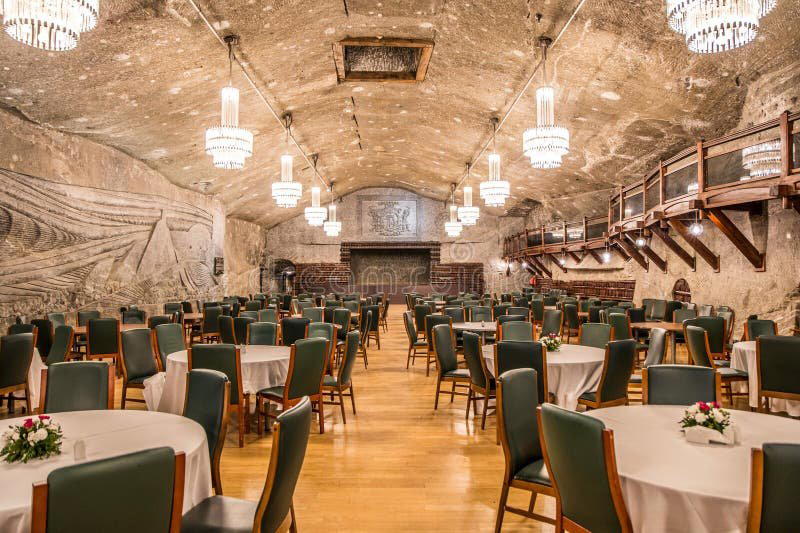
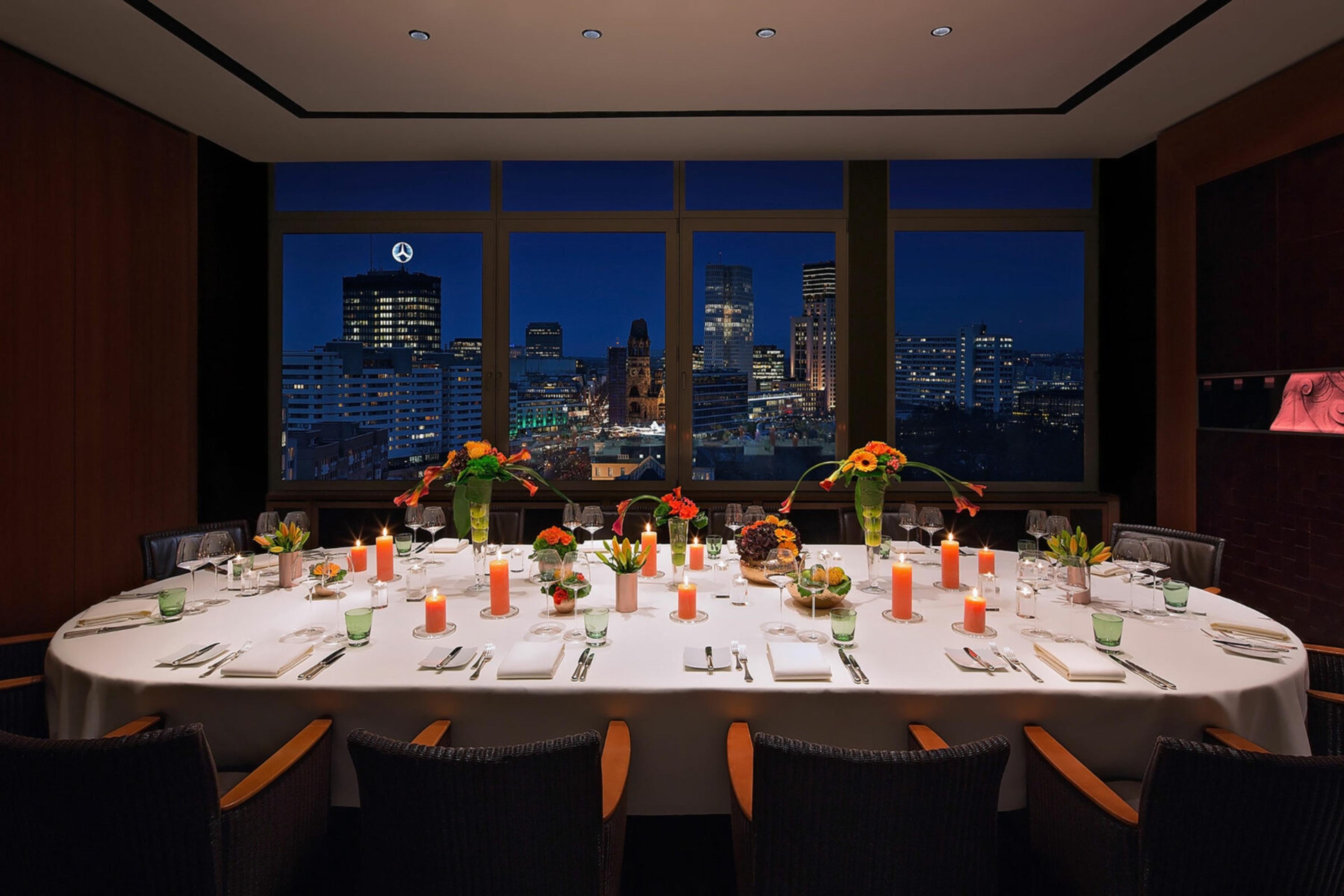
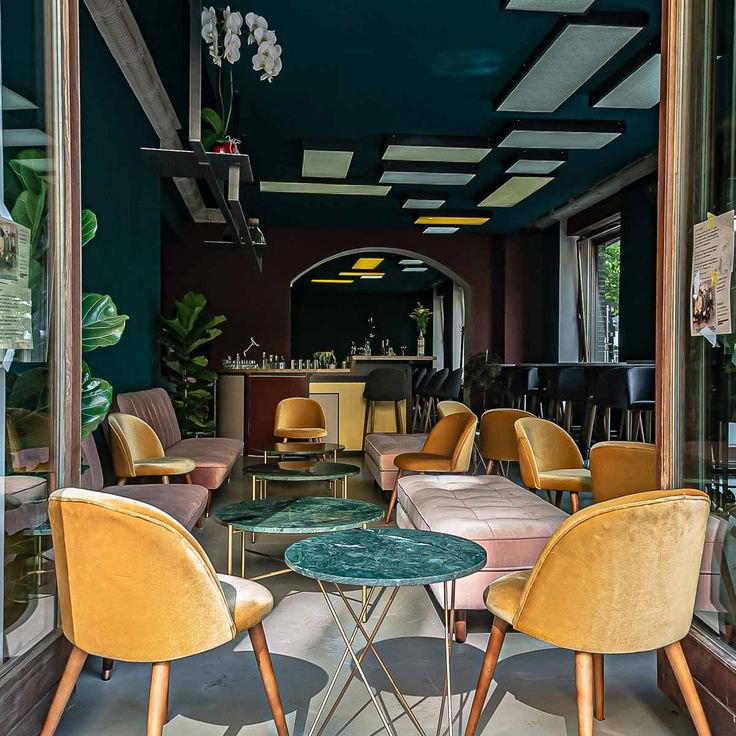
Bars in Berlin
Browse all →
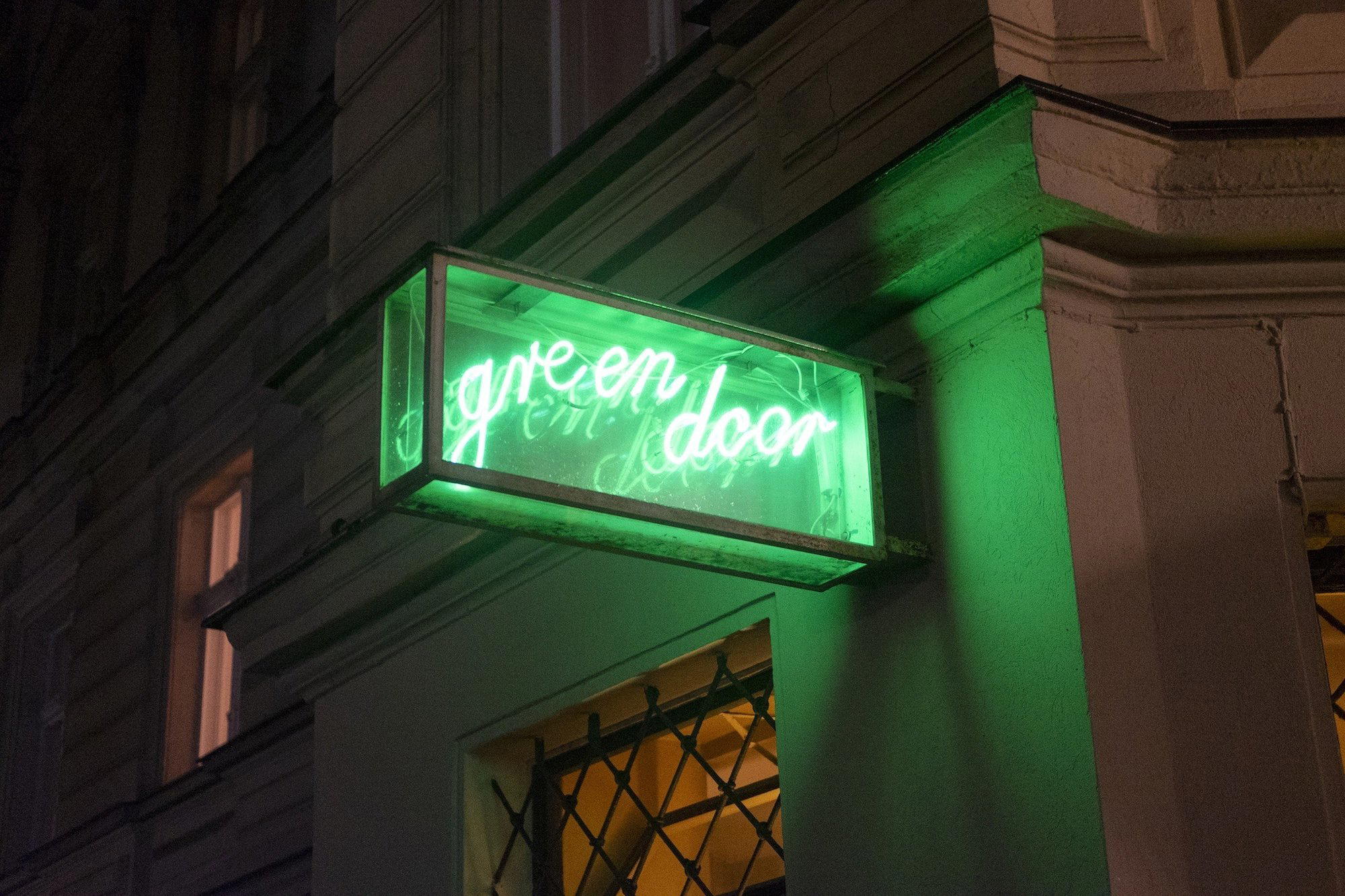
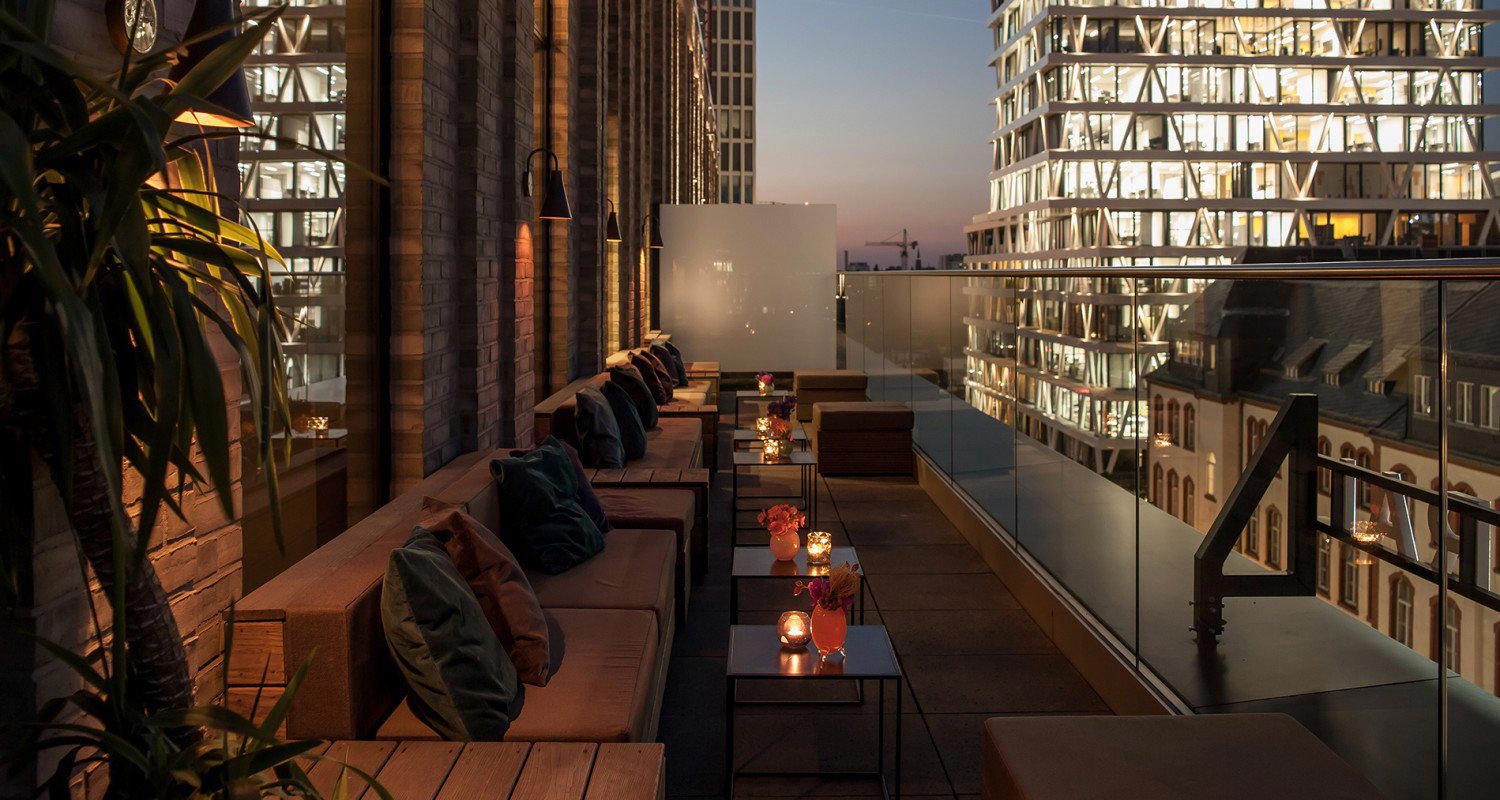
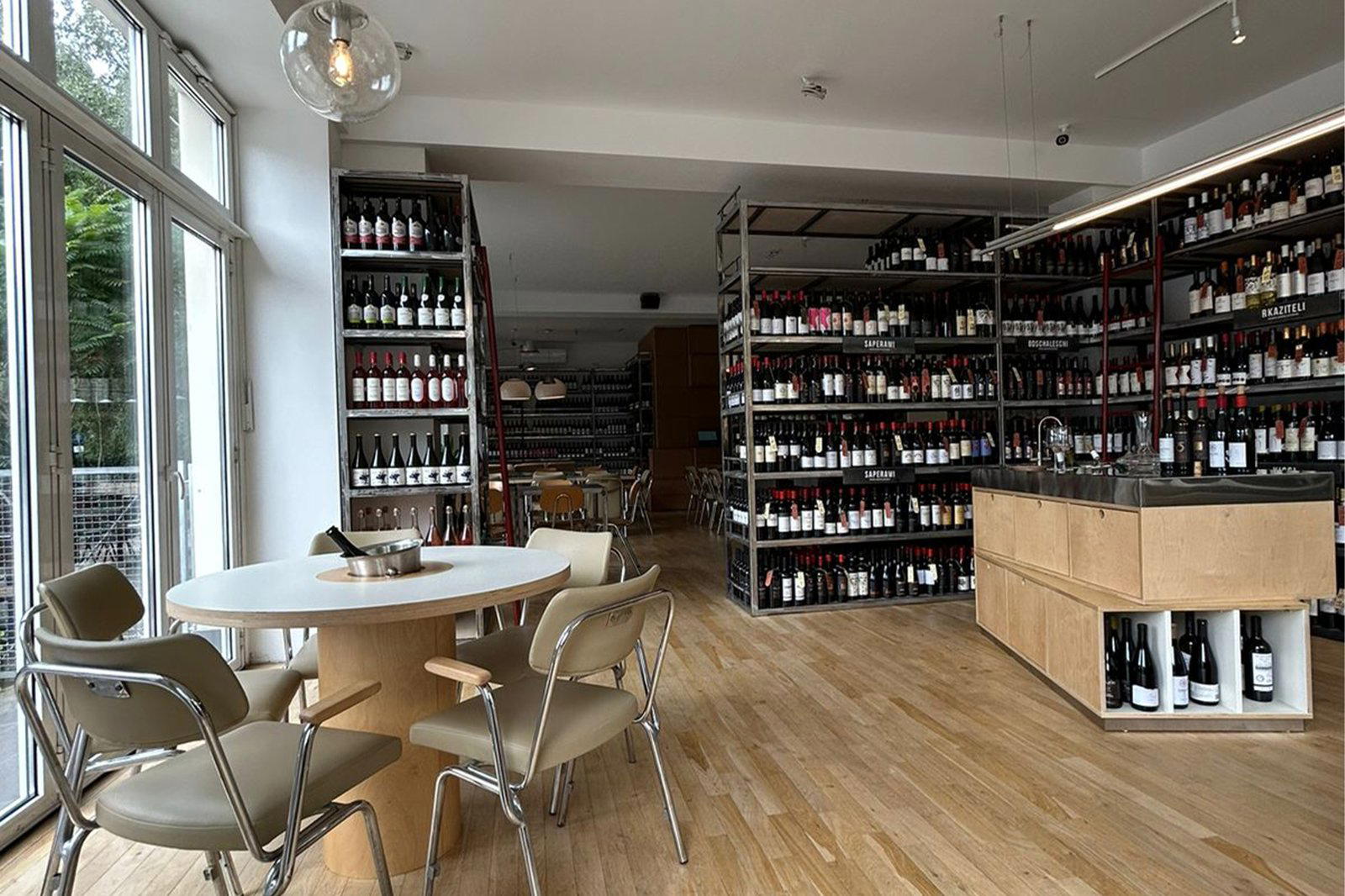
Hotels in Berlin
Browse all →
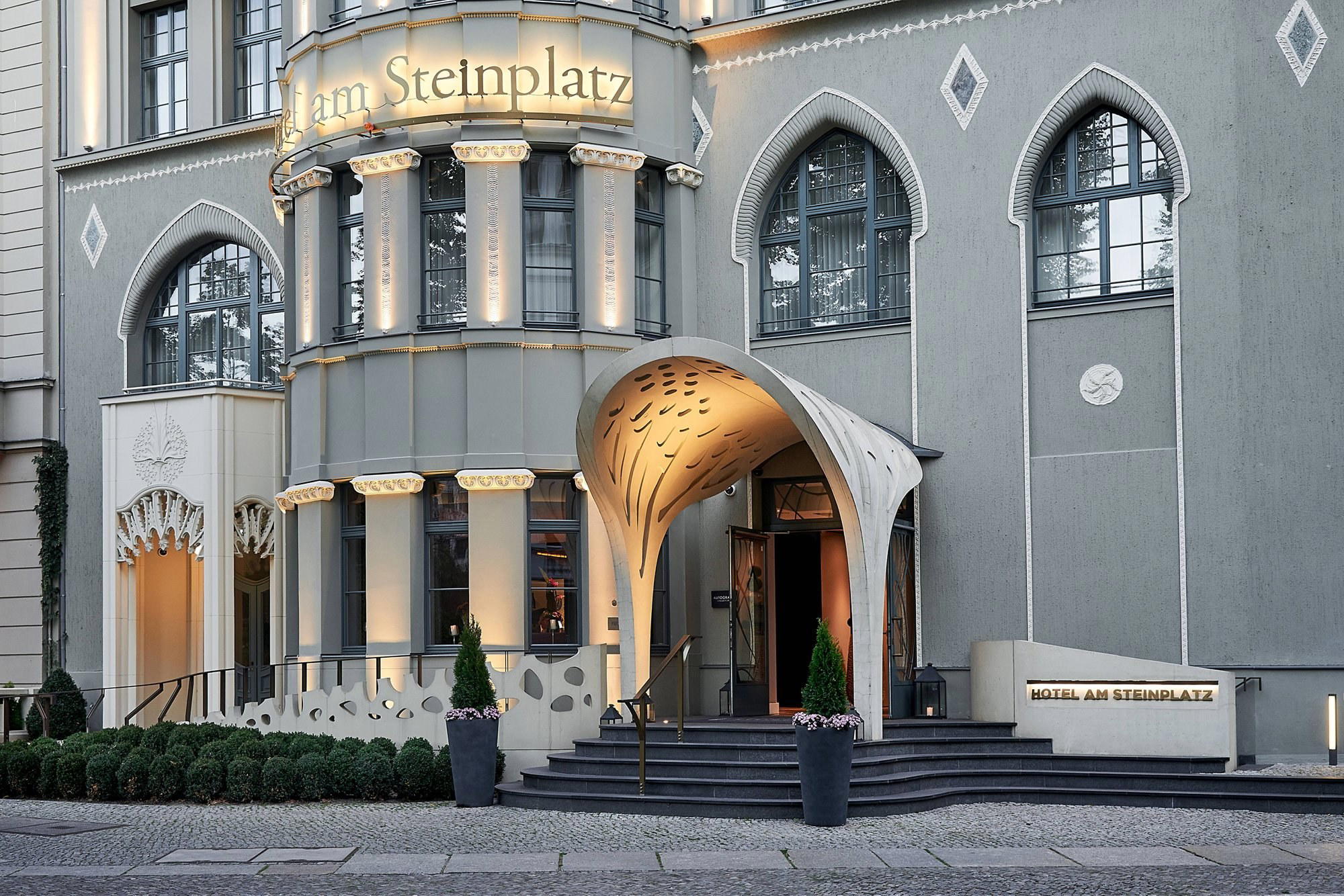




At a Glance
- Minimalist
- Trendy
- Modern
- Casual Hangout
- Brunch
- Organic
Minimalistic and trendy atmosphere focused on fresh, clean eating with visually appealing healthy dishes.