Sunda New Asian
Sunda New Asian brings a pan-Asian kitchen to Chicago's West Loop, working across Southeast Asian, Japanese, and Korean flavors in a setting that reads more downtown dining room than casual pan-Asian chain. The address at 333 N Green St places it inside one of the city's most competitive restaurant corridors, where the format rewards diners who arrive with curiosity rather than a fixed regional expectation.
Pearl is the En Primeur Club membership app — saves, bookings, and concierge access live there. Same editors, same standards.
- Address
- 333 N Green St, Chicago, IL 60607
- Phone
- +13129000033
- Website
- sundanewasian.com
- Directions
- Get directions
 Saves & bookings on Pearl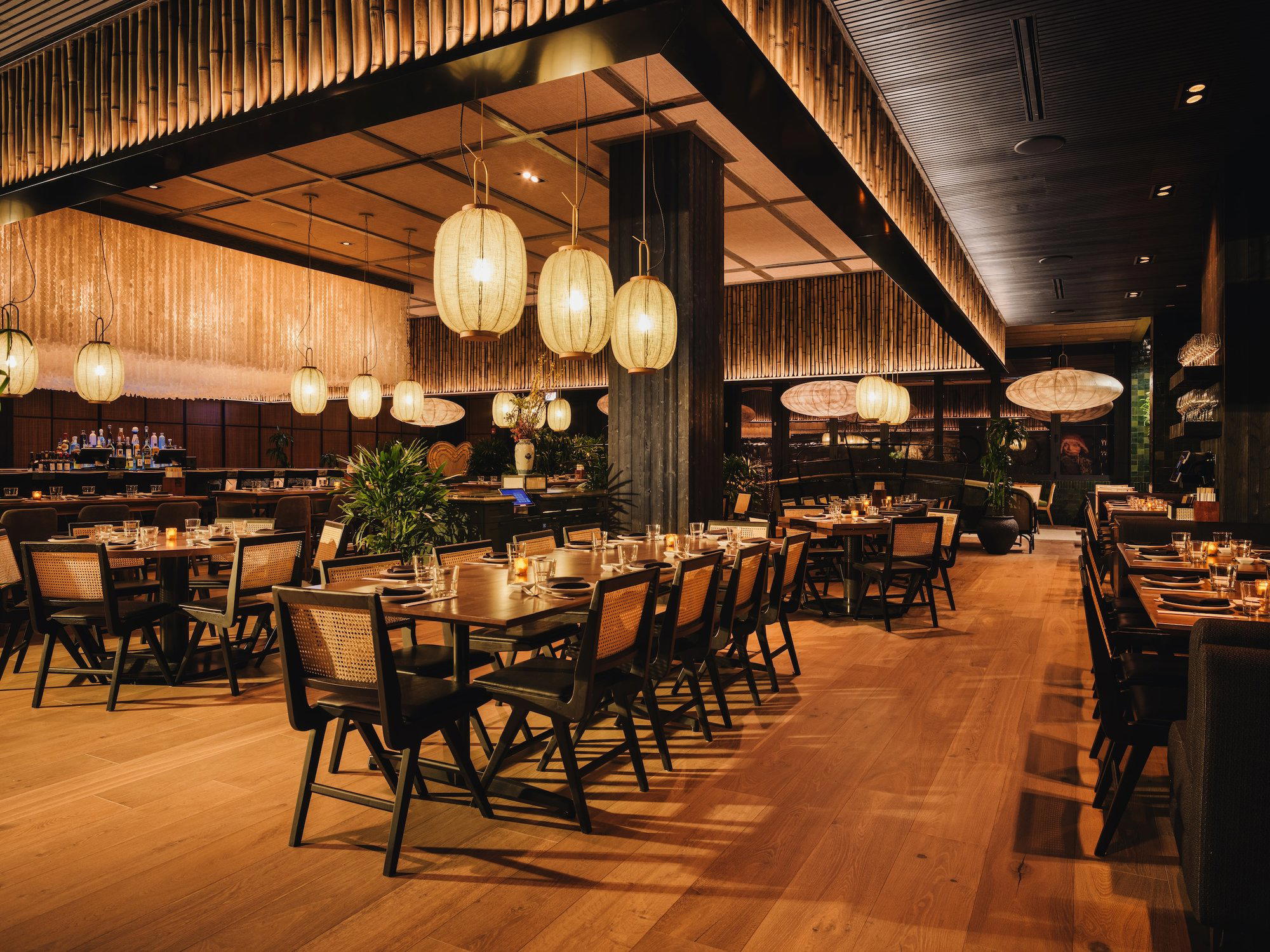
Where the West Loop's Energy Meets Pan-Asian Ambition
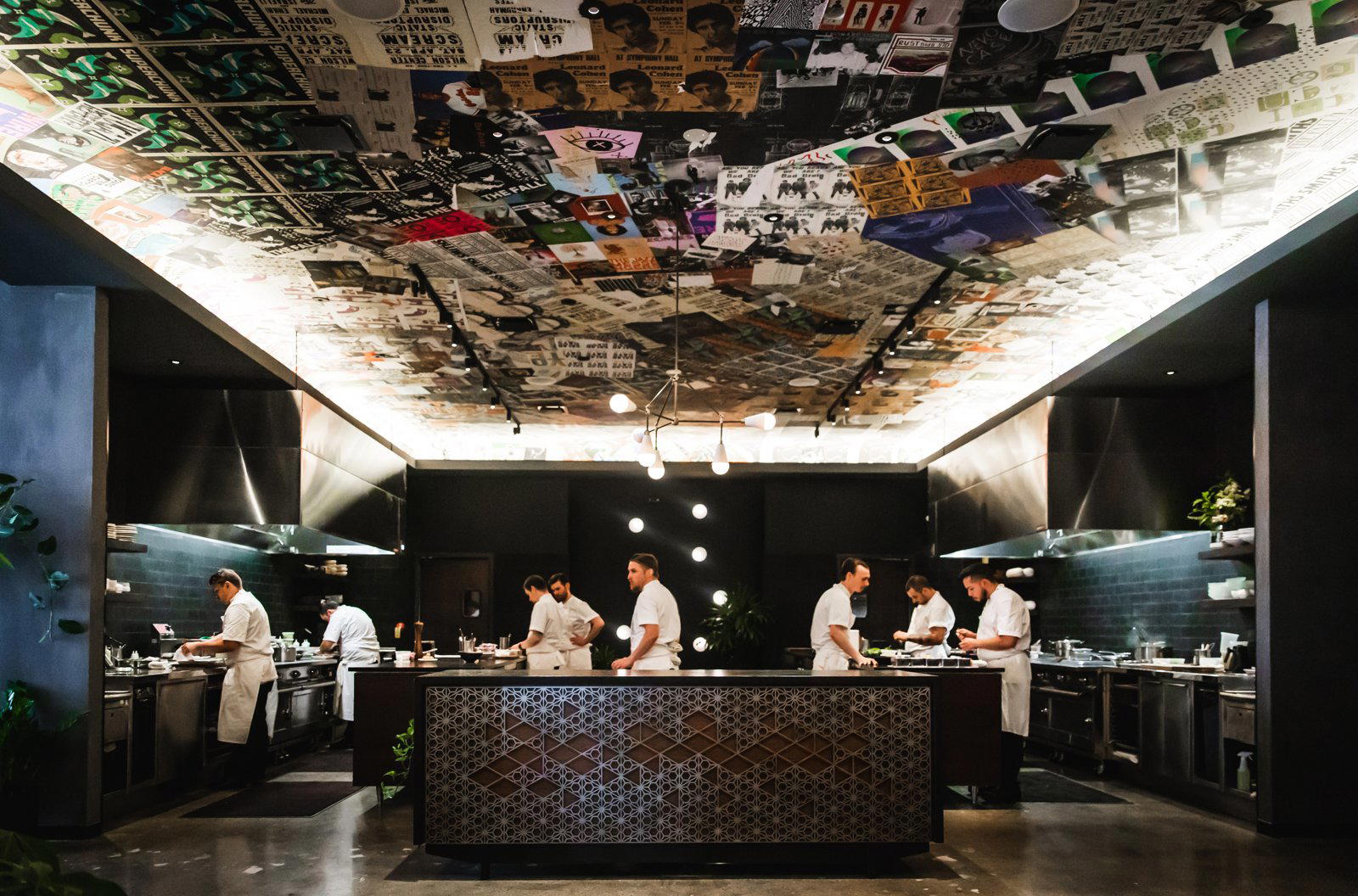
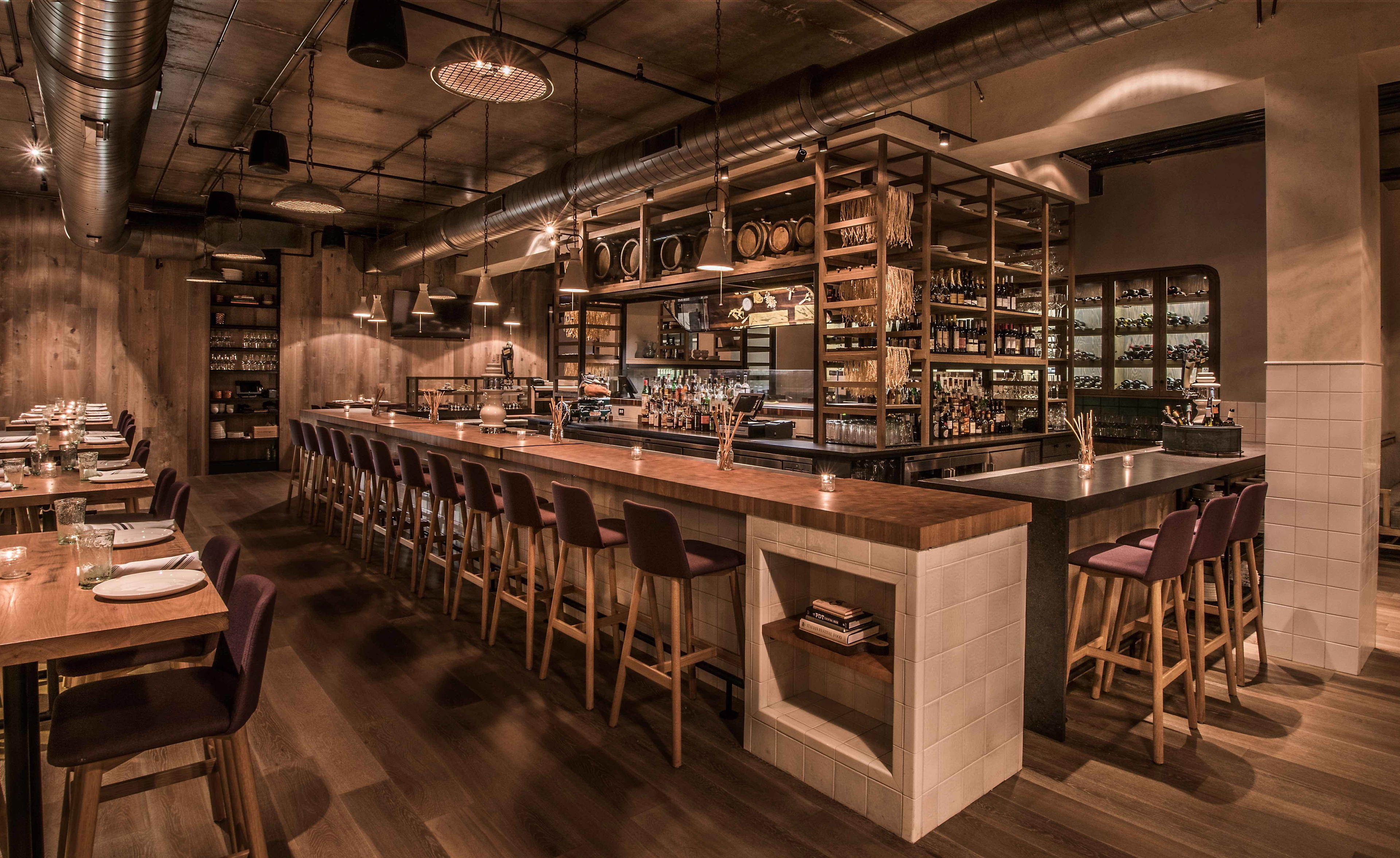
The West Loop has become the gravitational center of Chicago's restaurant culture over the past decade, pulling in formats that range from Michelin-chasing tasting menus at Smyth and Oriole to accessible contemporary dining aimed at the neighborhood's growing residential and tech-office population. 333 N Green Street sits inside this corridor, and the building's industrial-to-residential conversion DNA is readable in the bones of the space: high ceilings, exposed materials, the ambient noise level that signals a room built for volume rather than whisper. Sunda New Asian occupies that address with a Modern Southeast Asian program rather than anchoring to a single regional identity.
That multi-regional approach is increasingly common in American cities, but Chicago has fewer venues executing it at a meaningful scale than New York or Los Angeles. Where Atomix in New York pursues Korean fine dining with tasting-menu precision, and where Kasama has staked out Filipino-American territory in Chicago's Noble Square with a format that earned Michelin recognition, Sunda occupies a different position: broader in geographic scope, more accessible in format, and pitched at the diner who wants to move across flavors and regions within a single evening rather than commit to one tradition's logic.
The Arc of a Meal: Moving Across Regions
Pan-Asian menus present a structural challenge that single-cuisine kitchens avoid: how to sequence dishes drawn from radically different flavor philosophies without the meal feeling like a greatest-hits playlist with no internal logic. Particularly successful versions of this format treat the evening as a movement through textures and intensities rather than a geography lesson. Cold, raw, and cured preparations typically anchor the opening, functioning as the palate's first conversation with the kitchen. Japanese-influenced raw fish work, Korean-adjacent banchan formats, or lighter Southeast Asian preparations with citrus and herb can all occupy this register.
From there, the stronger heat signatures and more complex fermented or braised elements tend to appear mid-meal, where accumulated appetite can absorb them. This is where the kitchen's range either convinces or strains: the transition from the clean brightness of, say, a yuzu-forward preparation to the deeper, funk-forward territory of fish sauce or gochujang-based saucing requires a sequencing instinct that not every pan-Asian program develops. At its most coherent, the format rewards sharing across the table, with the meal's architecture designed for lateral movement between plates rather than individual progression from starter to main.
The dessert question is one pan-Asian menus rarely resolve elegantly in the American market. Western pastry traditions often assert themselves at the close of meals that spent their first two-thirds working with miso, tamarind, or black sesame, creating a tonal break. Particularly considered operations use the dessert course to sustain the Asian flavor register, whether through matcha, pandan, or coconut-based preparations, rather than defaulting to European pastry conventions.
Positioning Within Chicago's Contemporary Dining Tier
Chicago's dining conversation at the premium end remains heavily weighted toward Progressive American formats. Alinea remains the city's reference point for experimental tasting-menu work, while Next Restaurant has built its identity around rotating culinary concepts entirely. Within this environment, Asian-rooted restaurants occupy a smaller share of the prestige tier than their counterparts in coastal cities, though Kasama's Michelin recognition signals that the gap is closing.
Sunda's pan-Asian positioning places it in a different competitive tier from the tasting-menu operations above, but it also separates it from the more casual pan-Asian formats that have proliferated across American cities. The comparison set is probably closer to the accessible contemporary bracket than to the chef-driven fine dining category, which means the kitchen is competing on consistency, value-to-quality ratio, and the reliability of its sourcing rather than on innovation alone.
For context on what pan-Asian ambition looks like at its most technically demanding, 8½ Otto e Mezzo Bombana in Hong Kong represents a different model entirely, where Italian fine dining technique is transplanted into an Asian city rather than the reverse. The directional logic at Sunda runs the other way: Asian culinary traditions transplanted and interpreted for a Midwestern American dining room, with all the calibration that requires.
Chicago's broader restaurant scene, surveyed in our full Chicago restaurants guide, has strong representation in American tasting-menu formats and is building credibility in specific Asian regional categories. The pan-Asian format at scale remains underrepresented relative to what diners in San Francisco, where Lazy Bear has developed its own distinctive American contemporary identity, or Los Angeles, where Providence commands the seafood fine-dining tier, encounter in those markets.
The West Loop Context
Green Street in the West Loop is a working dining corridor. The density of restaurants within walking distance means competition for repeat visitors is significant, and kitchens that sustain attention beyond opening momentum tend to do so through menu evolution and operational consistency rather than novelty alone. The neighborhood's weeknight and weekend dynamics differ: the tech and finance office population drives early weekday covers, while weekend evenings bring in a broader city-wide dining audience willing to travel for a specific experience.
For visitors approaching Chicago's restaurant scene from elsewhere, the West Loop provides a useful concentration of options. Those planning multi-day itineraries around dining can cross-reference Sunda against the tasting-menu tier represented by Smyth, Oriole, and Alinea, using the pan-Asian format as a more accessible entry point within the same geographic zone. The address at 333 N Green St is walkable from multiple West Loop dining destinations and accessible from the city center without requiring a lengthy transit commitment.
Comparable tasting-sequence formats elsewhere in the US include Single Thread Farm in Healdsburg, which approaches multi-course sequencing through a hyper-local California lens, and Blue Hill at Stone Barns in Tarrytown, where the meal's arc is entirely governed by seasonal agricultural cycles. Sunda works with a different set of constraints and a different ambition, but the underlying logic of building a coherent meal narrative across multiple courses is a discipline those operations share.
Planning Your Visit
Sunda New Asian is located at 333 N Green St, Chicago, IL 60607, in the West Loop. The neighborhood is served by multiple transit options and sits within Chicago's primary dining corridor. For restaurants operating in this tier and format, reservations on weekends are advisable, and the table is generally better suited to groups who want to share across the menu rather than order individually. For travelers planning a broader Chicago dining itinerary, the venue fits most naturally into a day that also includes exploration of the West Loop's other restaurant offerings.
Recognition Snapshot
Comparable venues nearby, for context on price, style, and recognition.
| Venue | Cuisine | Price | Notes |
|---|---|---|---|
| Sunda New AsianThis venue — the venue you are viewing | Modern Southeast Asian | $$$ | Not listed |
| Fat Rice | Macanese Fusion | $$$ | Logan Square |
| Sunda | Modern Southeast Asian Fusion | $$$ | River North |
| Serai | Malaysian with Chinese, Thai & Indonesian Influences | $$ | Logan Square |
| Little Wok - Lakeview | Asian Fusion - Chinese & Japanese | $$ | Lake View East |
| Arla | Seaside Mediterranean with Japanese influences | $$$$ | Gold Coast |
At a Glance
- Trendy
- Lively
- Modern
- Sophisticated
- Date Night
- Group Dining
- Special Occasion
- Brunch
- Private Dining
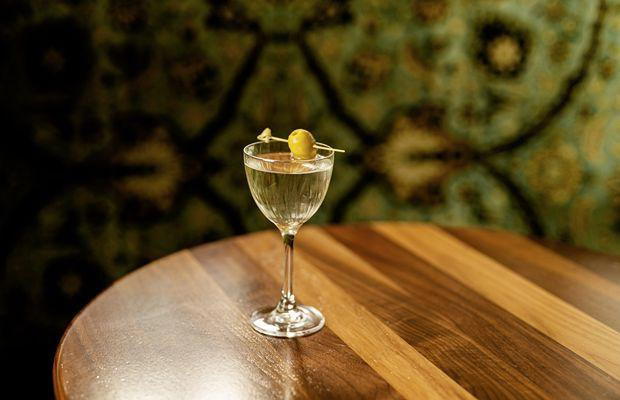
- Craft Cocktails
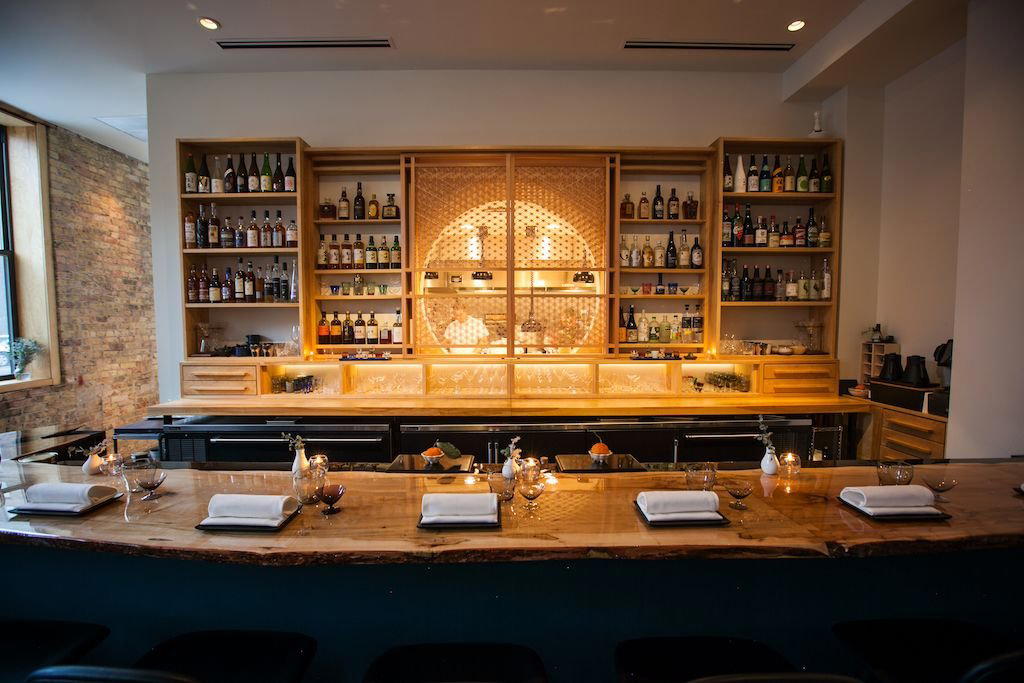
- Sake Program
Current opening hours
- Monday
- 5–10 PM
- Tuesday
- 5–10 PM
- Wednesday
- 5–10 PM
- Thursday
- 5–10 PM
- Friday
- 5 PM–1 AM
- Saturday
- 5 PM–1 AM
- Sunday
- 5–10 PM
Hours can change for holidays and private events. Last verified .
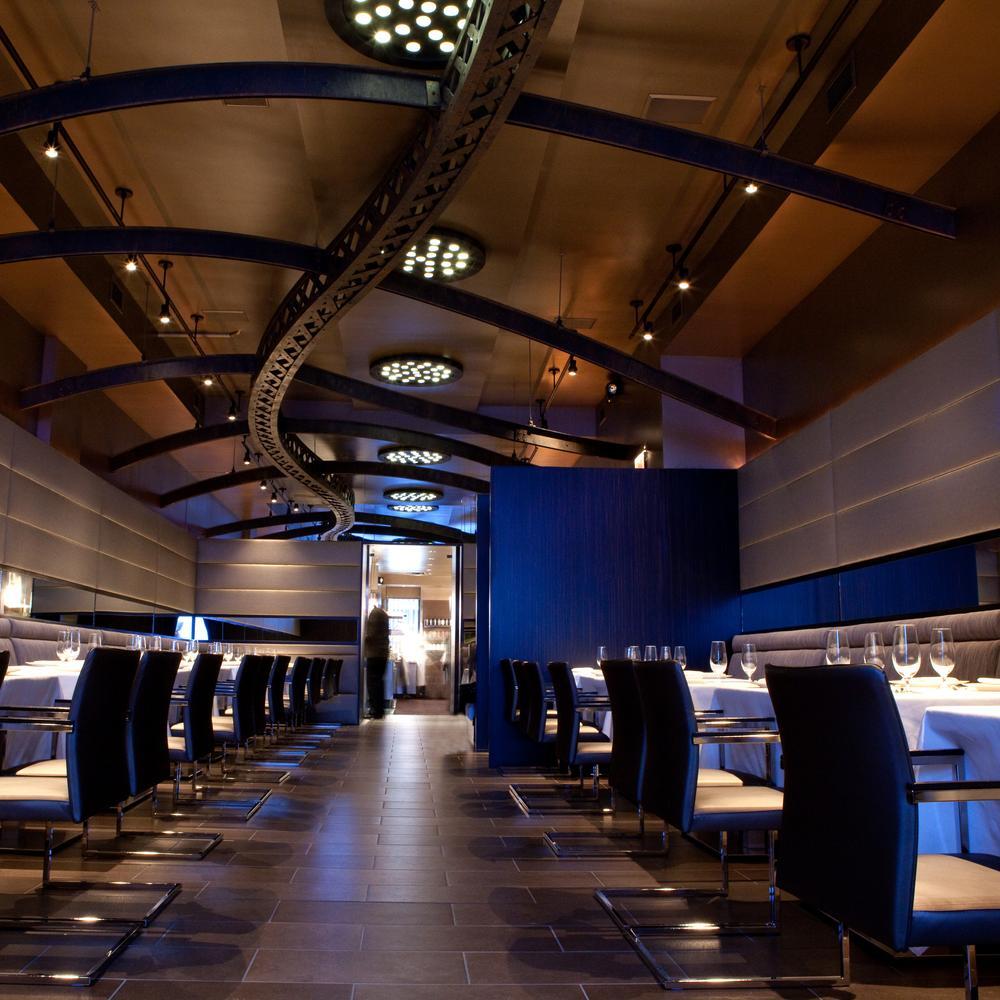
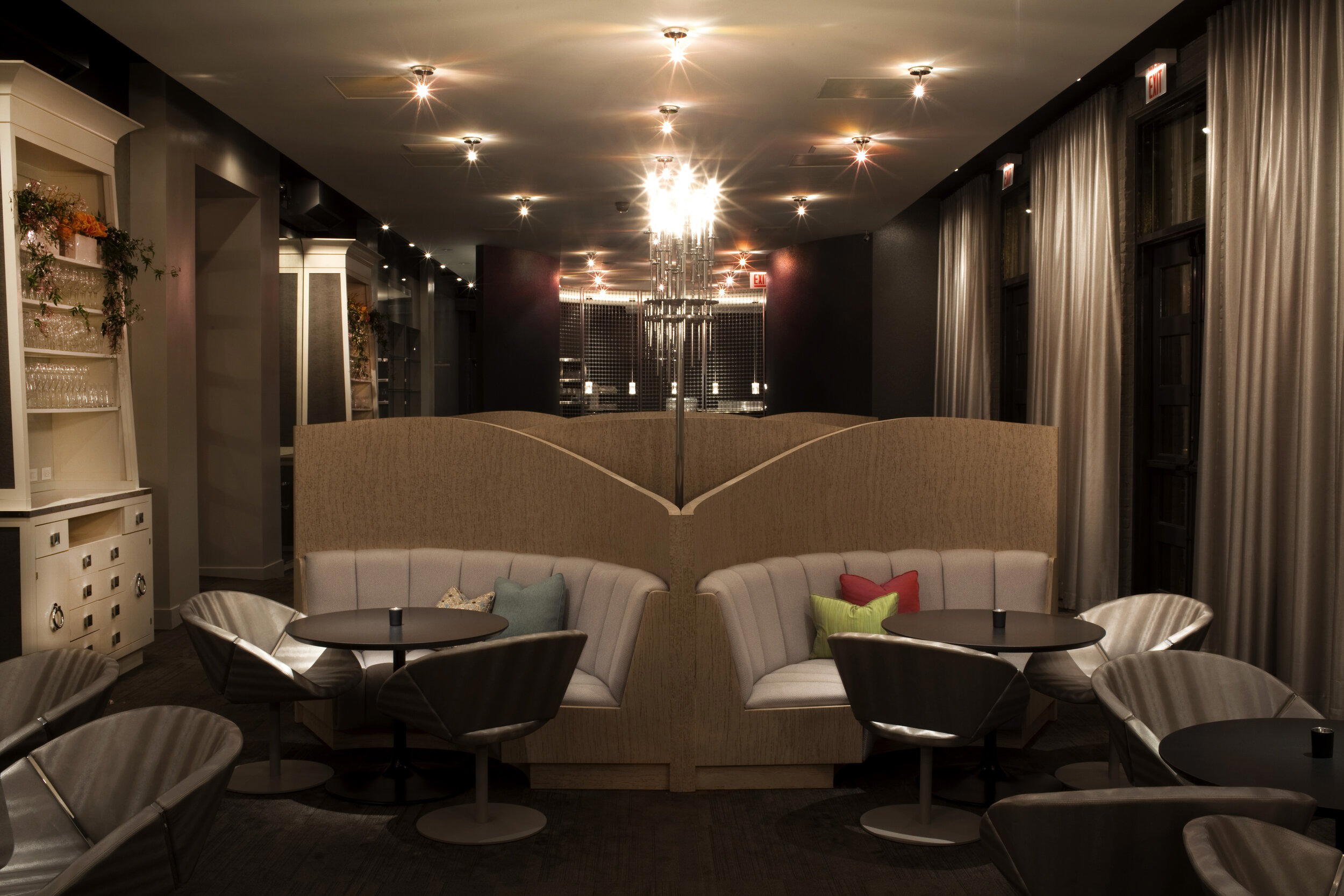
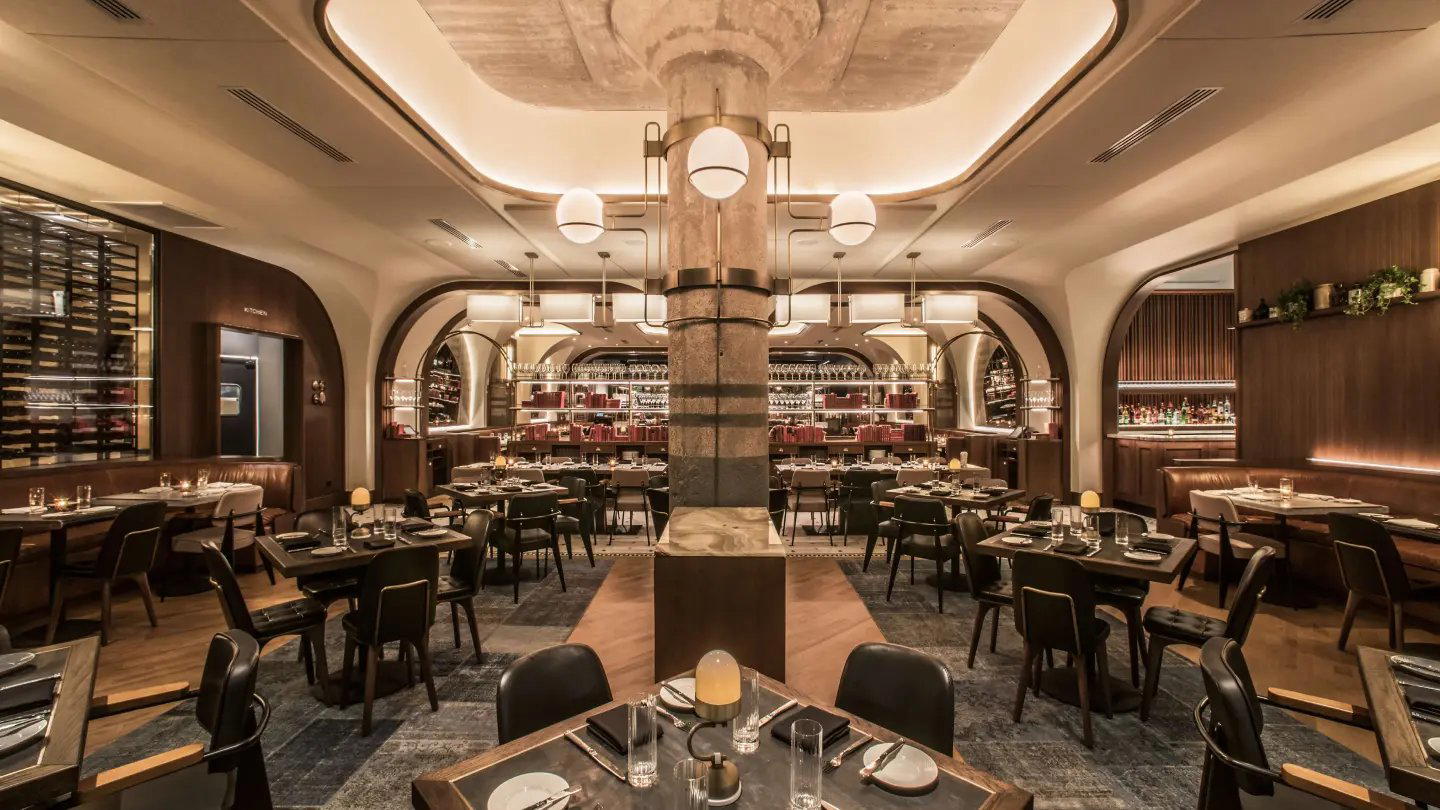
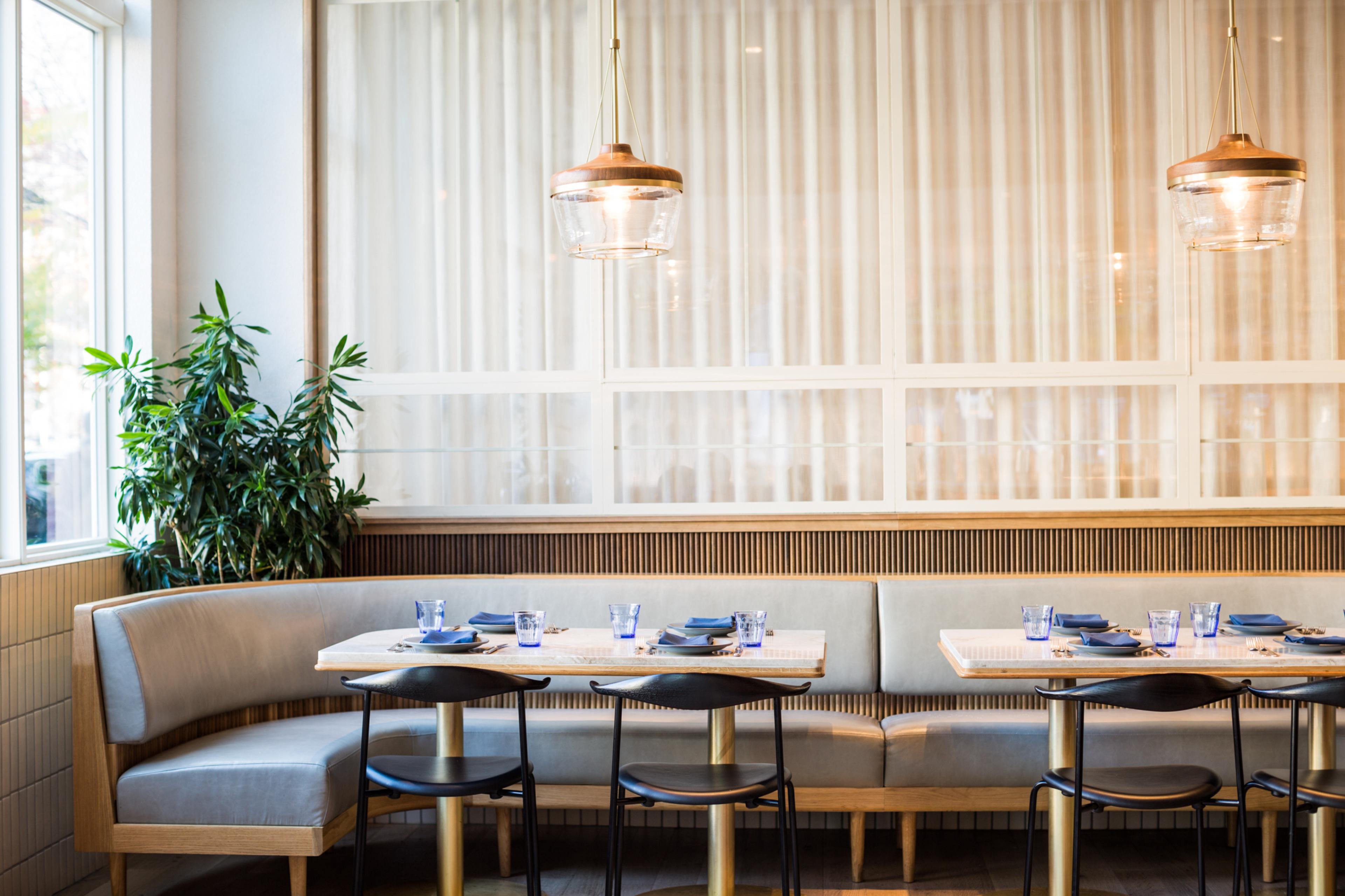
Lively and lively atmosphere in the bustling River North dining scene, well-suited for date nights and groups.