Serai
Serai occupies a Lincoln Park address on N Clybourn Ave, positioning itself within Chicago's increasingly competitive Southeast Asian dining conversation. The restaurant sits in a neighbourhood corridor that has drawn serious independent operators over the past decade, placing it alongside a comparable set that rewards curiosity over convenience. Confirm details directly before visiting, as operational specifics are best verified with the venue.
Pearl is the En Primeur Club membership app — saves, bookings, and concierge access live there. Same editors, same standards.
- Address
- 2142 N Clybourn Ave, Chicago, IL 60614
- Phone
- +18722068368
- Website
- seraichicago.com
- Directions
- Get directions
 Saves & bookings on Pearl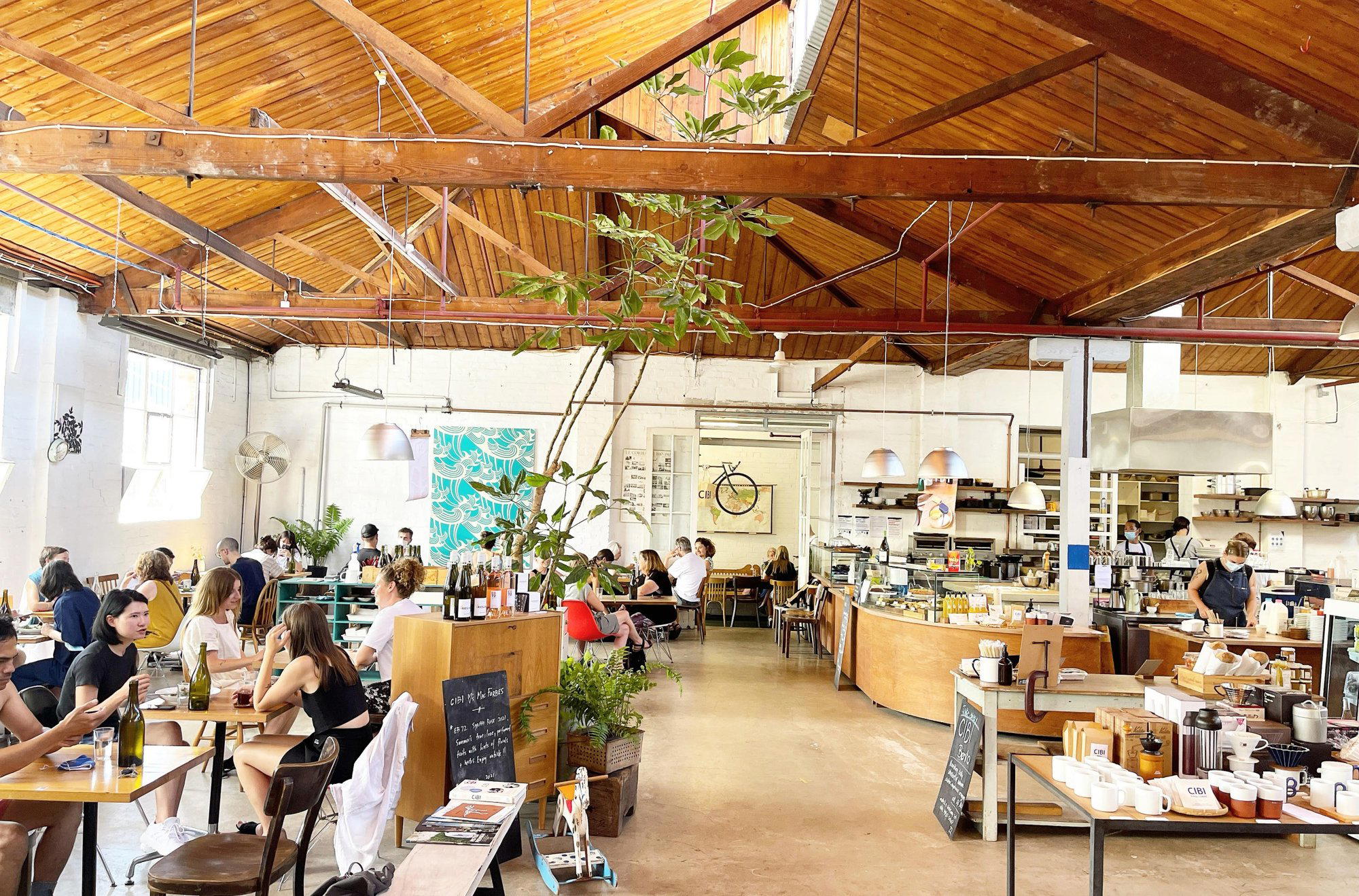
The Room Before the First Course
N Clybourn Avenue through Lincoln Park is not the address that draws Chicago's dining press on reflex. That reflex still pulls toward the West Loop and River North, where the city's progressive American flagships, including Alinea and Smyth, have concentrated critical attention for years. But the corridors that run through Lincoln Park have a different character: quieter, more neighbourhood-scaled, and increasingly home to operators who are building something considered rather than chasing a scene. Serai, at 2142 N Clybourn, sits in that tradition.
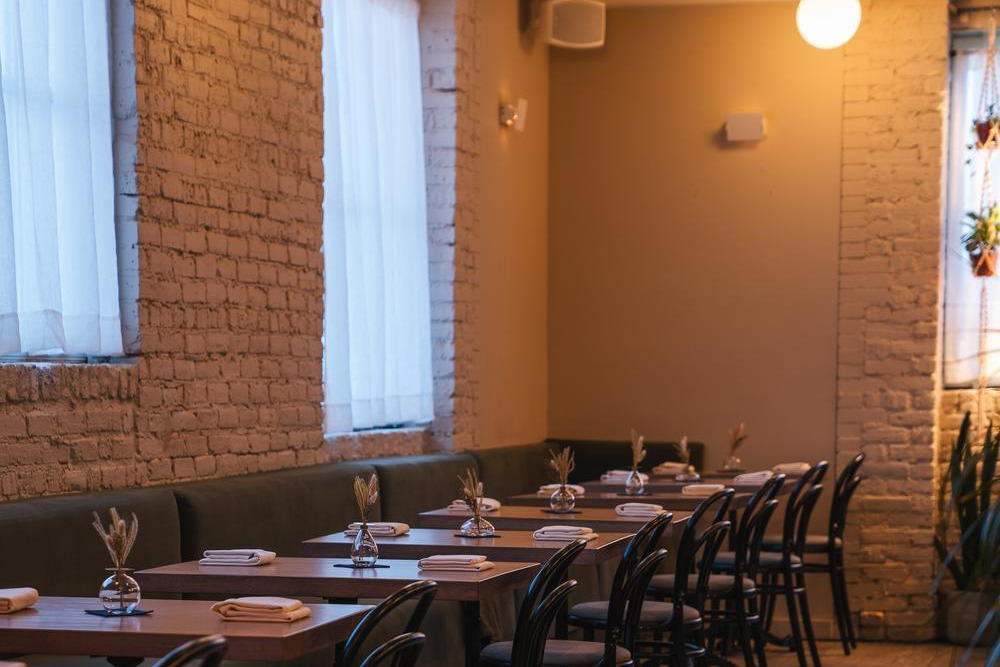
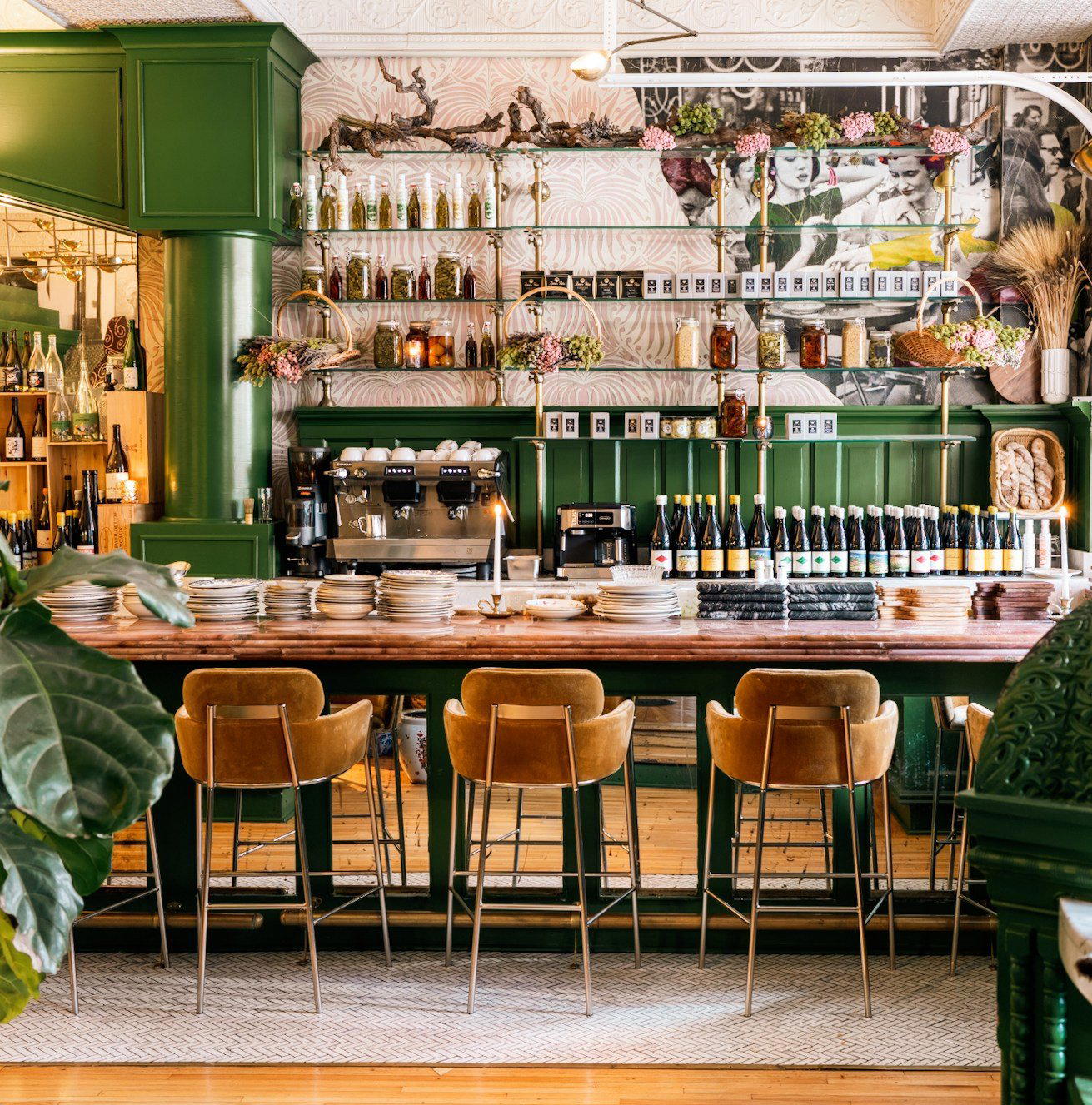
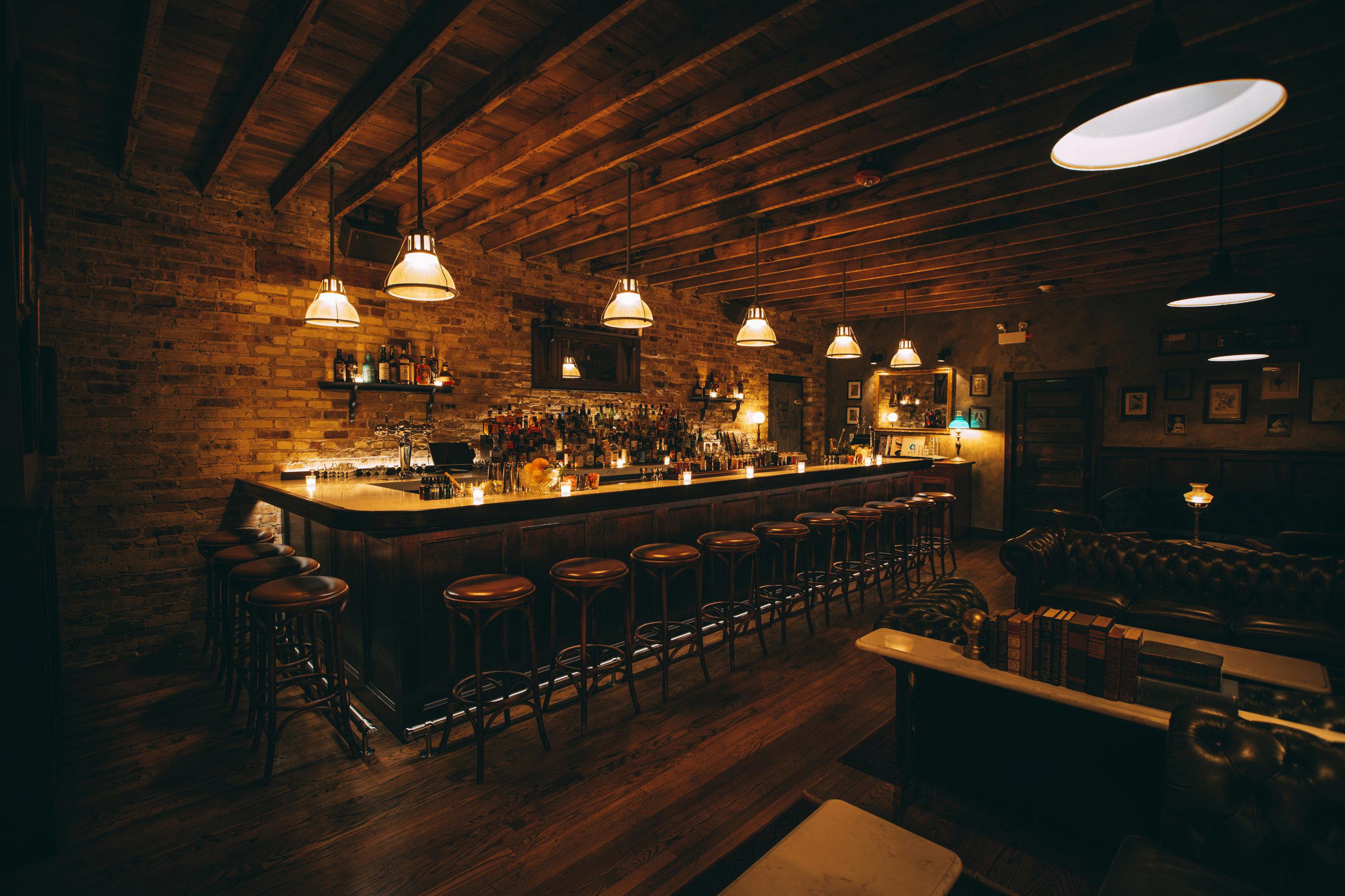
The name itself carries weight before you cross the threshold. Serai, derived from the Persian and Malay term for a palace or fortified enclosure, suggests interiority, a place deliberately set apart from the noise of the street. Whether the room delivers on that implied atmosphere is the first thing a first-time visitor will assess, and in this part of Chicago, where independent restaurants compete on sensory coherence as much as cuisine, that first impression registers differently than it does in a high-volume dining district.
Southeast Asian Dining in Chicago: Where Serai Fits
Chicago's relationship with Southeast Asian cuisine has shifted considerably over the past several years. At the premium end, the conversation has moved well beyond the question of whether the cuisine can hold a fine-dining format, a question that restaurants in other American cities, including Atomix in New York, have effectively closed in the Korean context. The new question in Chicago is which Southeast Asian traditions are receiving rigorous, ingredient-led treatment, and at what price tier.
Kasama, the Filipino restaurant that became the first Filipino establishment in the United States to earn a Michelin star, demonstrated that Chicago's dining audience is prepared to engage seriously with Southeast Asian culinary frameworks at the tasting-menu level. That precedent matters for how other restaurants in the broader regional tradition are now received and reviewed. Serai enters a city that has already extended that credibility.
The wider American context reinforces the point. Across the country, restaurants grounded in Southeast Asian technique have moved into the same tier as European-influenced fine dining. In San Francisco, Lazy Bear exemplifies how format discipline and sourcing specificity can reframe expectations. In New York, Le Bernardin demonstrates how a cuisine's identity can be held at the highest technical level across decades. The question Serai faces is the same one any serious independent restaurant faces in a city with this depth of competition: what does it add to the conversation that isn't already covered?
The Atmosphere as Argument
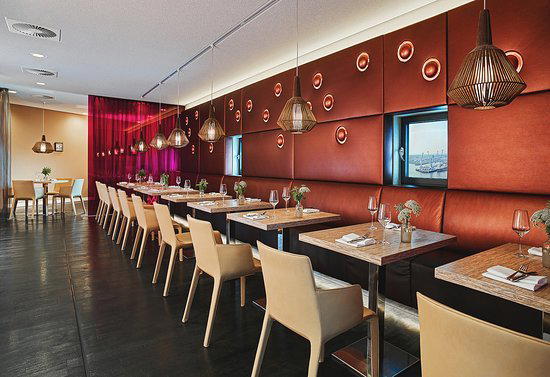
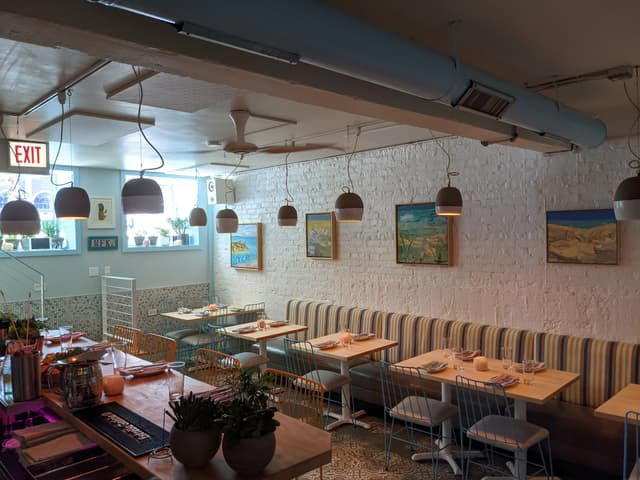
In restaurants that operate at a considered pitch, the sensory environment functions as an argument. The light level, the acoustics, the material choices in the room, the pace at which things arrive: these are not decorative decisions. They communicate what the kitchen believes eating should feel like, and they set the terms on which the food will be judged.
Chicago's premium independent tier has become increasingly deliberate about this. Oriole, housed in a converted warehouse space in the West Loop, uses spatial restraint to signal seriousness. Next Restaurant uses theatrical concept shifts to make the room itself part of the dining proposition. Serai's Lincoln Park address, quieter and more residential in character than either of those, implies a different register: something closer to a room designed for sustained attention rather than spectacle.
For Southeast Asian cooking specifically, that choice of register matters. The cuisine's aromatic range, the use of lemongrass, galangal, makrut lime, fermented shrimp paste, toasted spice, is among the more complex in any culinary tradition. A room calibrated for attention allows those aromatics to do their work rather than competing with the visual and sonic noise that characterises Chicago's higher-volume dining destinations. The scent that arrives ahead of the plate, the steam that carries dried chilli and tamarind, the colour contrast of a dish plated in the low warm light of a considered dining room: these are experiences that reward the choice to eat somewhere quieter.
Placing Serai in the Broader Fine Dining Map
For readers who triangulate restaurant choices against a wider geography, Serai operates in a city that sits alongside particularly demanding dining markets in the United States. The comparison set at the national level is significant. The French Laundry in Napa, Single Thread Farm in Healdsburg, Blue Hill at Stone Barns in Tarrytown, and Providence in Los Angeles all represent the tier at which ingredient sourcing and technical precision are expected as baseline, not distinction. Chicago's serious independent restaurants, including Serai, operate in that same expectation environment, where the question is always what comes after the baseline.
Regionally, cities like Atlanta (Bacchanalia), New Orleans (Emeril's), San Diego (Addison), and Washington (The Inn at Little Washington) each anchor their dining identities through a small number of destination restaurants. Chicago's identity, across institutions like those listed in our full Chicago restaurants guide, is built on depth rather than a single anchor. That depth creates a demanding audience, and it creates real opportunity for a restaurant that brings a cuisine tradition not yet fully represented at the premium level.
Internationally, the frame of reference for Southeast Asian fine dining now extends to venues like 8½ Otto e Mezzo Bombana in Hong Kong, where the expectations around ingredient sourcing and precision service have been set by decades of competitive luxury hospitality. Chicago diners who travel in that tier arrive at a restaurant like Serai with calibrated expectations.
Planning Your Visit
Serai is located at 2142 N Clybourn Ave, Chicago, IL 60614, in the Lincoln Park neighbourhood. Serai is open Tuesday through Saturday from 11 AM to 10 PM and Sunday from 11 AM to 9 PM; it is closed on Monday. Reservations are recommended.
- Char Koay Teow
- Nasi Lemak
- Rendang Beef
- Roti Canai
- Serai Pork Chop
- Curry Laksa
Fast Comparison
Comparable venues nearby, for context on price, style, and recognition.
| Venue | Cuisine | Price | Notes |
|---|---|---|---|
| SeraiThis venue — the venue you are viewing | Malaysian with Chinese, Thai & Indonesian Influences | $$ | Not listed |
| Little Wok - Lakeview | Asian Fusion - Chinese & Japanese | $$ | Lake View East |
| Chi-Latin | Latin American Fusion | $$ | West Town |
| Kin Sushi & Thai Cuisine | Sushi & Thai Fusion | $$ | Noble Square |
| Casa Chi | Nikkei (Japanese-Peruvian Fusion) | $$$ | Magnificent Mile |
| Ila's Chicago | Global Fusion Comfort Food | $$$ | River North |
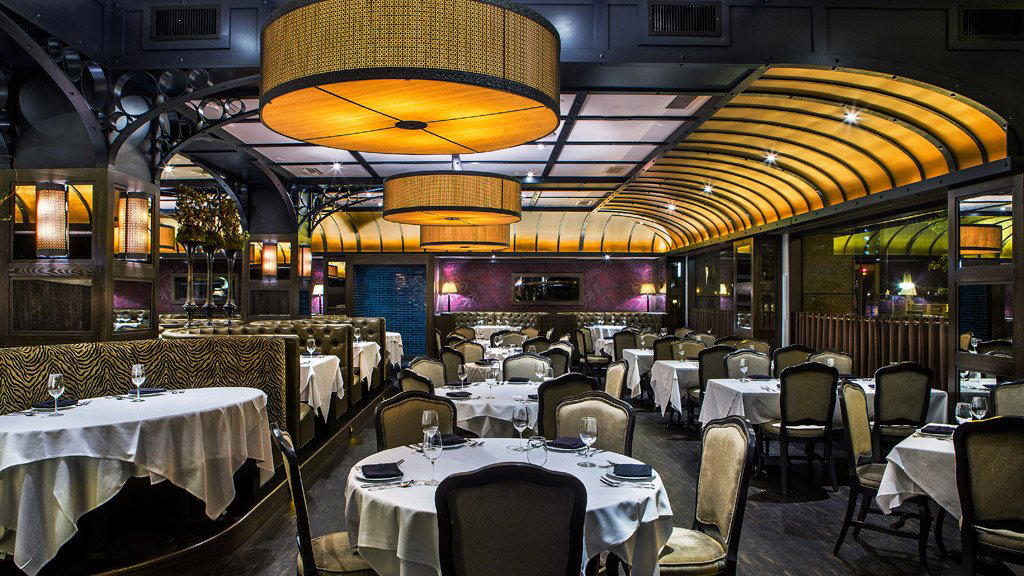
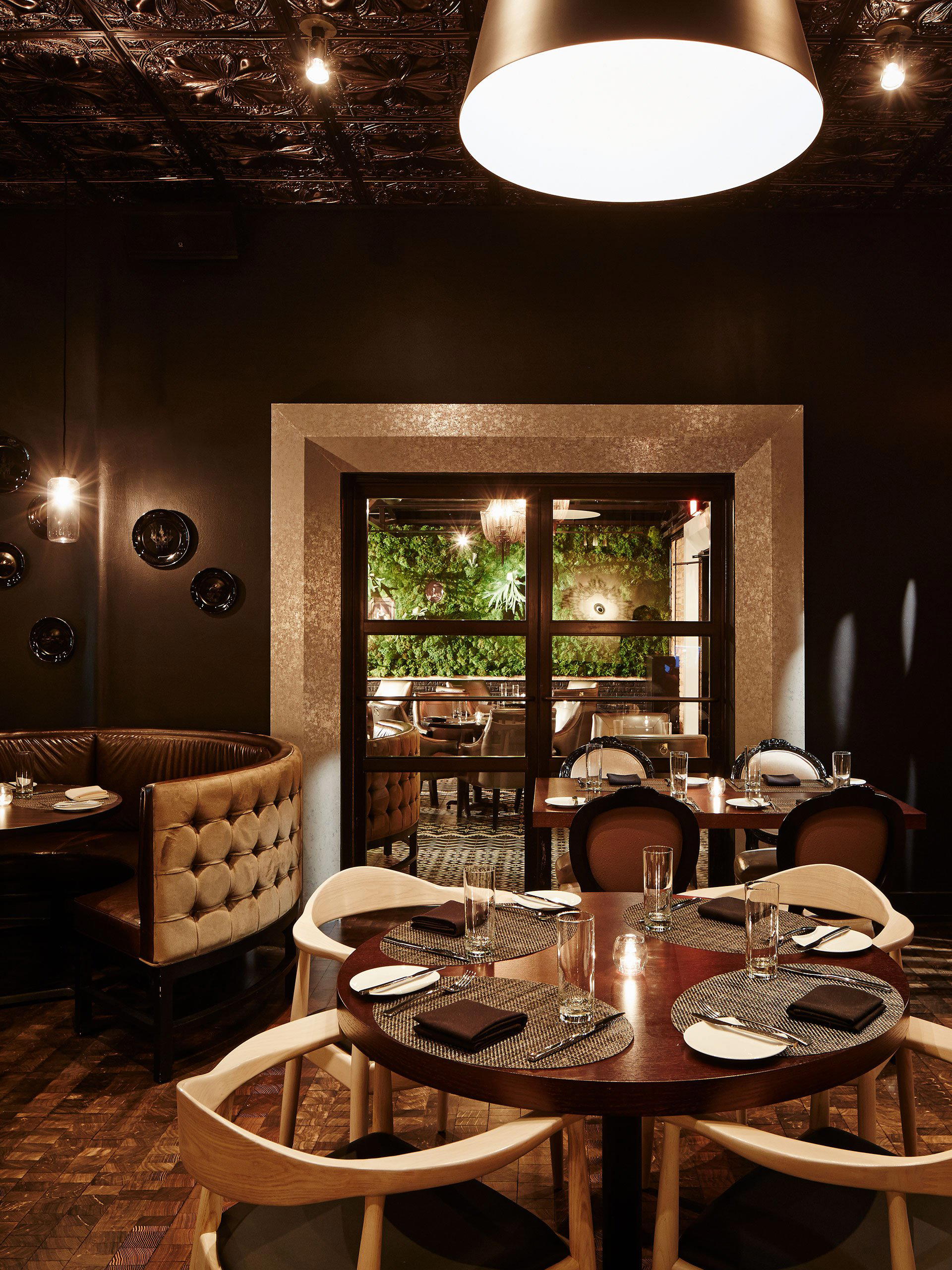
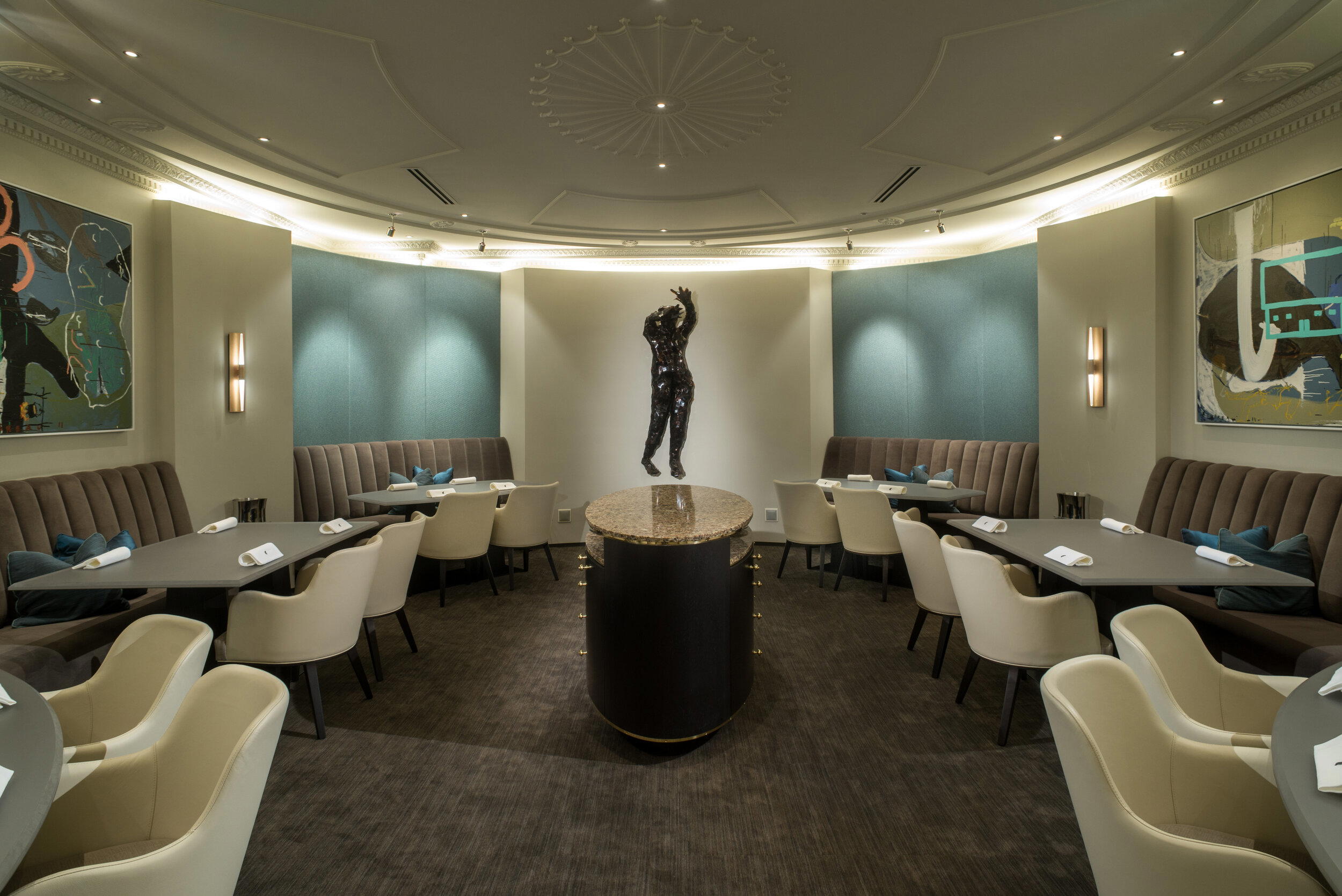

At a Glance
- Lively
- Trendy
- Bohemian
- Casual Hangout
- Group Dining
- After Work
- Standalone
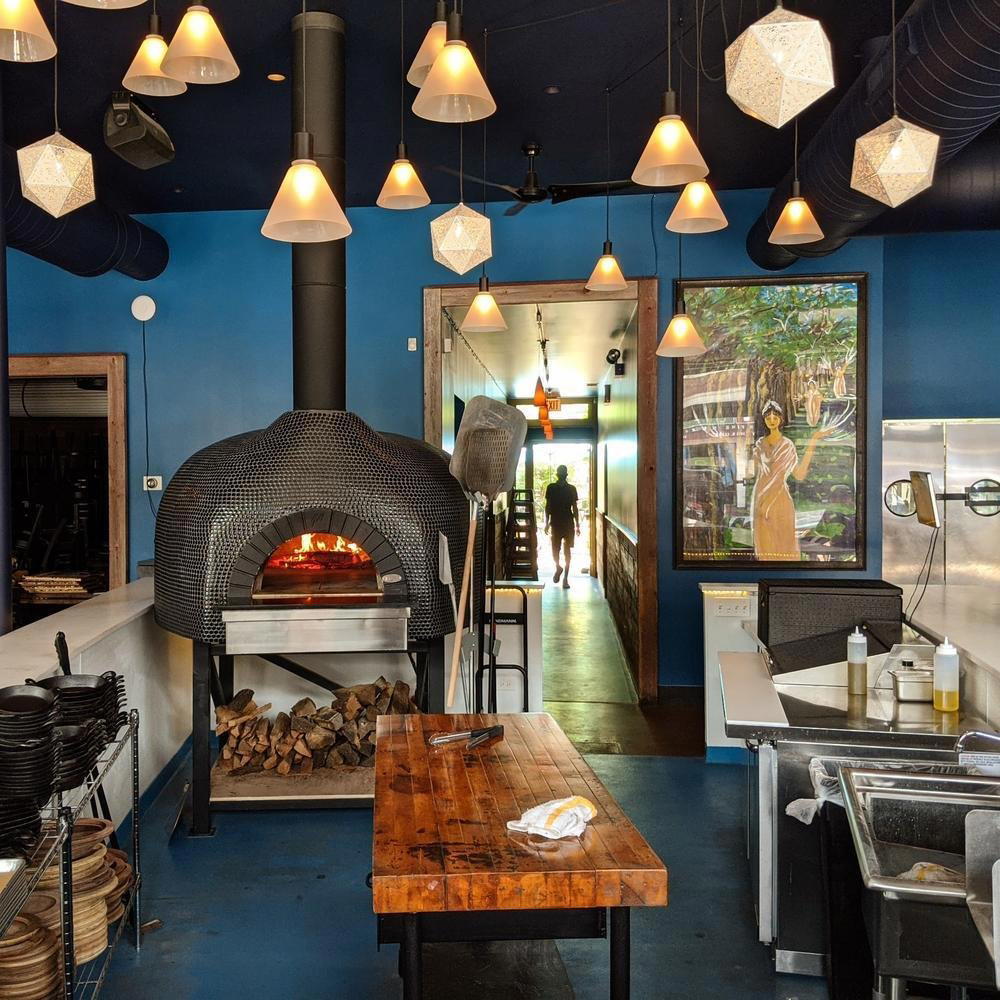
- Open Kitchen
Current opening hours
- Monday
- Closed
- Tuesday
- 11 AM–10 PM
- Wednesday
- 11 AM–10 PM
- Thursday
- 11 AM–10 PM
- Friday
- 11 AM–10 PM
- Saturday
- 11 AM–10 PM
- Sunday
- 11 AM–9 PM
Hours can change for holidays and private events. Last verified .
Lively and casual neighborhood spot in Logan Square with warm, welcoming atmosphere celebrating Southeast Asian culinary traditions.