
A charcoal-yakiniku address in Omiya with Tabelog 100 Yakiniku EAST 2025 recognition, Sumibi Yakiniku Niku no Takumi Hiuchi sits in Saitama’s serious beef bracket rather than its casual grill tier. The format is compact, the cooking is built around Japanese BBQ, steak and tripe, and the appeal is clearest for diners who treat yakiniku as a precision meal, not just a group supper.
Pearl is the En Primeur Club membership app — saves, bookings, and concierge access live there. Same editors, same standards.
- Address
- Japan, 〒330-0854 Saitama, Omiya Ward, Sakuragicho, 2 Chome−177-10 クレセント小山ビル 101
- Phone
- +81 48-729-5592
- Website
- takumi-hiuchi.com
 Saves & bookings on Pearl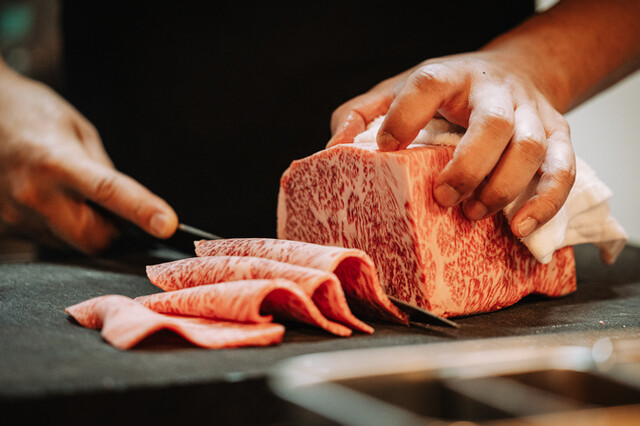
Omiya’s west side changes tone quickly after the station: commuter traffic, compact restaurant fronts, and the kind of small dining rooms where the evening’s value depends less on theatre than on sourcing, heat control and pace. In that setting, charcoal yakiniku reads as a disciplined urban craft. The grill is not a decorative prop; it is the point of the meal, turning beef, offal and side orders into a sequence controlled by cut, thickness and timing.
Sumibi Yakiniku Niku no Takumi Hiuchi belongs to the narrower Saitama tier where yakiniku is priced and judged as a specialist restaurant category. Its Tabelog 100 Yakiniku EAST 2025 selection places it inside a regional field where consistency matters: not just marbling, but how a room manages smoke, pacing and the handoff between kitchen preparation and diner-side grilling. That recognition is the clearest public signal here, more useful than vague claims of luxury or local fame.
Charcoal yakiniku as a Saitama specialist meal
Yakiniku is often misunderstood by visitors as simply Japanese barbecue. The better reading is more exacting. Modern yakiniku sits between butcher culture, Korean-influenced grilling traditions and Japanese service discipline, with the meal structured around small portions, fast cooking and a steady rhythm of rice, sauces, offal, vegetables and beef cuts. Charcoal adds another layer: heat is less uniform than gas, so timing and attention matter more.
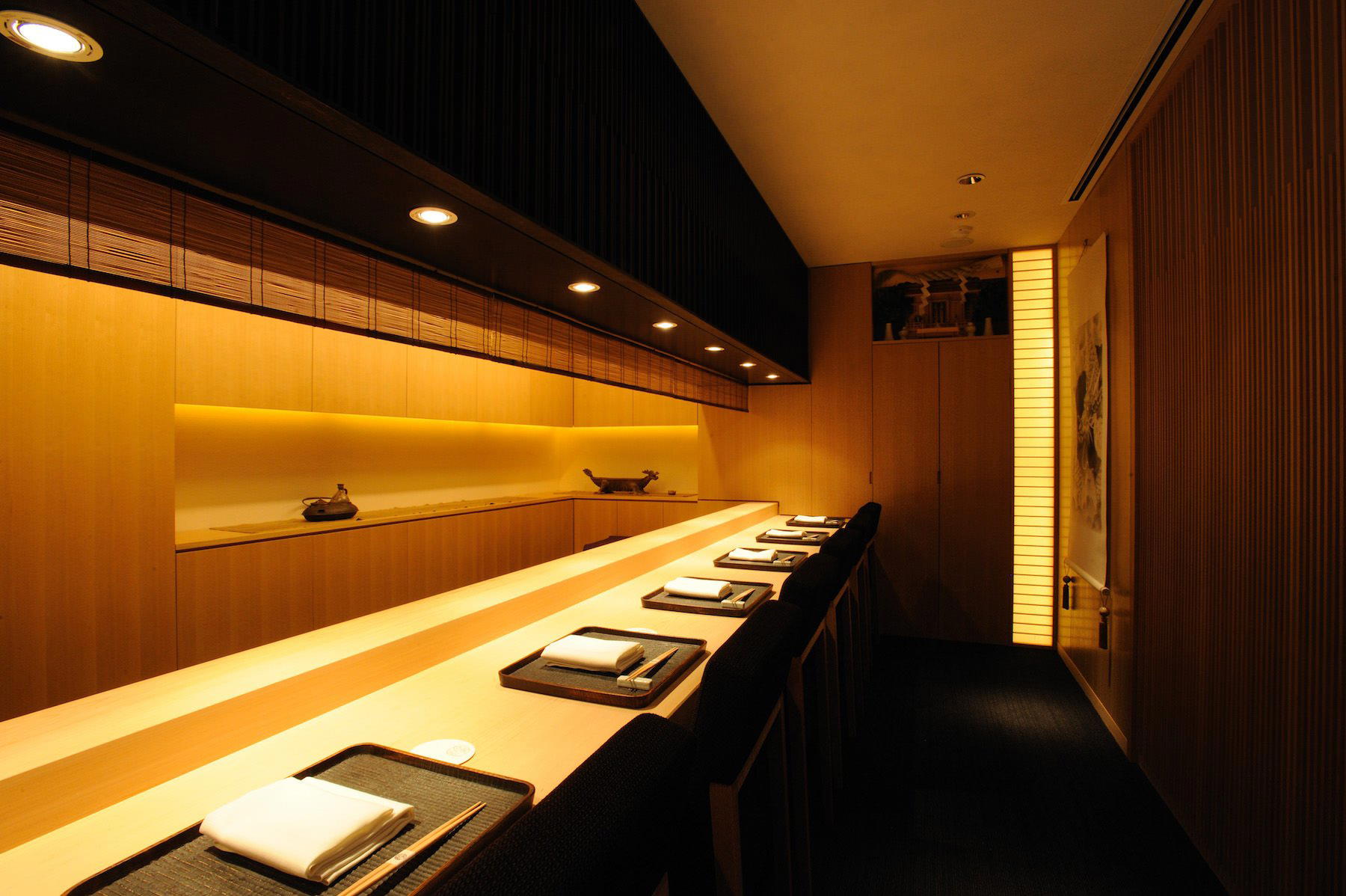
That context explains why a compact restaurant can carry more weight than a larger dining room. The category rewards control. An 18-seat layout, including counter seating and tables, keeps the format intimate enough for a more deliberate meal while retaining the social pull that makes yakiniku different from steakhouse dining. For two diners, counter or table seating changes the feel of the evening: counter seats make the grill the focus, while table seating keeps the meal closer to a shared supper.
The listed categories, yakiniku, steak and tripe, put the restaurant in a beef-led lane with room for offal rather than a broad izakaya-style menu. That distinction matters in Saitama, where the area around Omiya Station covers everything from quick noodle counters to destination sushi and meat restaurants. Compared with Yakiniku New Hiuchi, which sits in a lower published dinner band, Sumibi Yakiniku Niku no Takumi Hiuchi occupies a more expensive specialist bracket. Against Toyo Zushi, priced at a higher dinner level, it offers a different kind of premium: less ceremony, more heat, fat and grill management.
Why the room and rules shape the meal
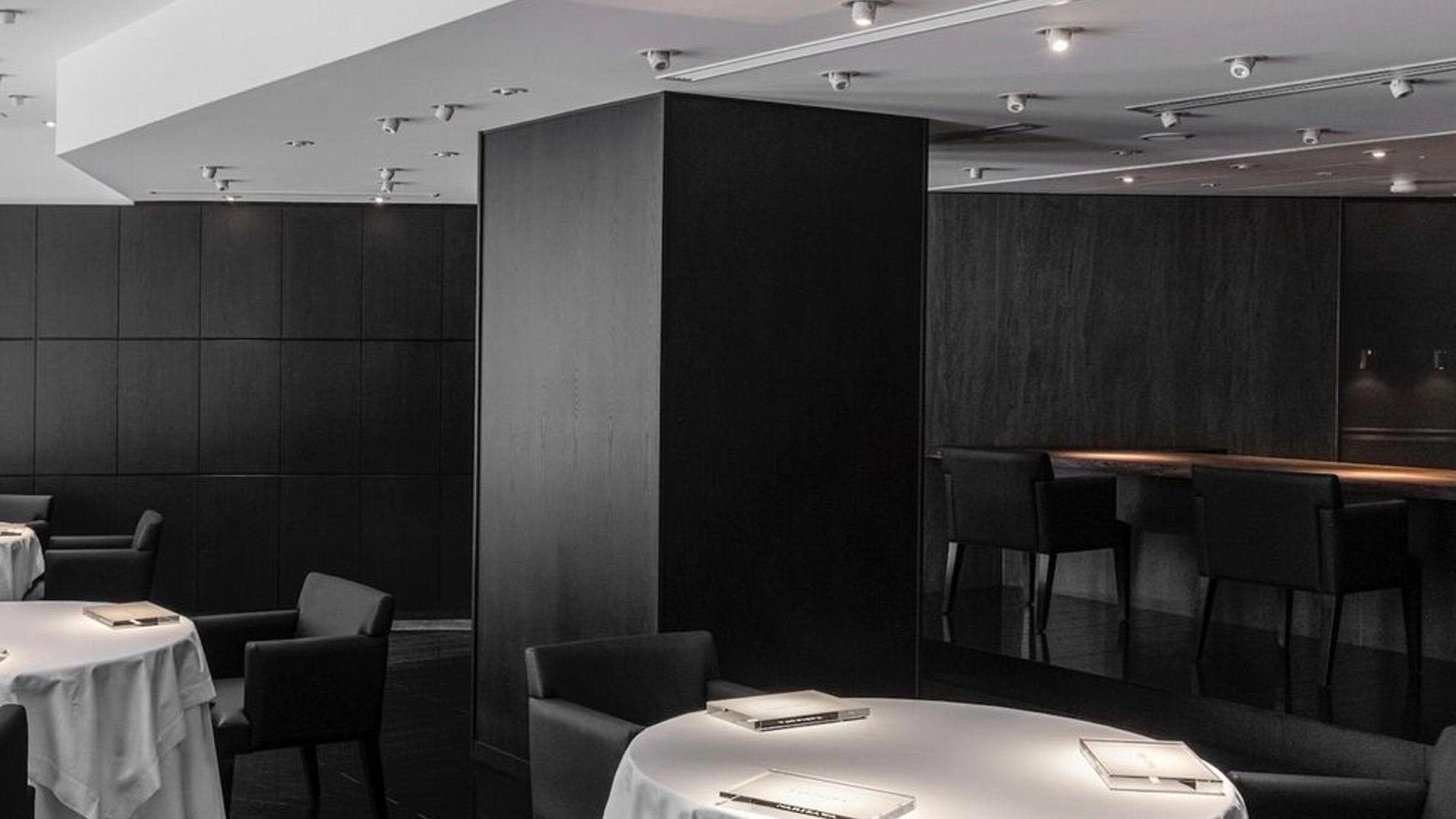
Yakiniku depends on atmosphere, but not the kind built from grand interiors. The useful signals are practical: a non-smoking dining room, a terrace smoking area, a dress request that avoids sandals, shorts and strong perfume, and no private rooms on site. Those rules tell diners something about intent. Smoke, scent and close seating can overwhelm a small grill room; restraint around fragrance and dress keeps attention on the table.
Children aged 10 and above are accepted when included in the reservation as adults, and the policy asks them to order the same meals as adults. That makes the restaurant better suited to older children already comfortable with a focused dinner than to families looking for a casual early meal. Lunch has its own payment constraint, with lunch-menu payment handled in cash; dinner-menu ordering allows card payment regardless of time. Dinner also carries a one-drink-per-guest request, a common enough restaurant rhythm in Japan but one worth noting before arrival.
For Saitama dining, Omiya is a useful base because it compresses several registers of eating into a walkable station area: sweets specialists, bakeries, curry, sushi, ramen, yakiniku and casual drinking rooms all compete for attention.
Where it fits in an Omiya eating day
The smarter use of a yakiniku dinner is to avoid crowding the same day with another heavy meal. Saitama rewards contrast: pastry or coffee earlier, grilled beef at night. Nearby planning can include sweet-led stops such as Acacier Kitaurawa honten and Acacier Urawa ten, bread and casual food references such as Bagel Shop vivant and Aki Foods, or a looser local stop such as Beach Story. The point is sequencing: let the grill dinner carry the evening rather than treating it as one stop among many.
Within Japan’s broader beef culture, this kind of restaurant is distinct from sukiyaki, steak and izakaya grilling. A reader comparing meat formats might look at -Grilled beef Sukiyaki- KAMAKURA TANUKIAN 鎌倉 たぬき庵 in Kamakura for a different beef tradition, or. 鮪と炭火焼き うお炭 秋葉原店 in Tokyo for charcoal in a broader seafood-and-grill context. The comparison clarifies Hiuchi’s lane: beef-focused, compact, and more about controlled grilling than multi-category dining.
For readers building a wider Japan-and-beyond food map, the useful contrast comes from specificity..cafe in Osaka.know in Kumamoto, (Shoku) Vietnam in Kawasaki and [Curry Senmon Ten] Maruyama Kyoju. in Sapporo sit in different casual or specialist registers, while Jōdo Saké Bar in Los Angeles and Onigiri Time in Pasadena show how Japanese drinking and everyday formats travel abroad. Against that spread, Sumibi Yakiniku Niku no Takumi Hiuchi is a Saitama answer to a precise question: where does charcoal beef become a serious dinner rather than background drinking food?
The answer is not built on spectacle. It is built on a recognized yakiniku listing, a small room, a beef-and-offal category focus and the discipline of a meal where the diner participates in the cooking. For travelers using Omiya as more than a rail interchange, that makes it a strong case for planning dinner around the grill rather than treating Saitama as Tokyo’s outer edge.
Price and Recognition
Comparable venues by cuisine and price in the same metro.
| Venue | Cuisine | Price | Notes |
|---|---|---|---|
| Sumibi Yakiniku Niku no Takumi HiuchiThis venue — the venue you are viewing | Omiya, Charcoal-Grilled Wagyu Yakiniku | $$$ | Not listed |
| Toyo Zushi | Omiya, Traditional Sushi & Hot Pot | $$$ | Not listed |
| Yakiniku Kushin | Omiya, Japanese Yakiniku BBQ | $$$ | Not listed |
| Tan Shari Yakiniku Tantatan Musashiurawa | Not listed | $$ | Musashi-Urawa, Beef tongue-focused Japanese yakiniku |
| Unagi Musashino | Not listed | $$ | Urawa, Traditional Japanese Eel (Unagi) |
| SALT | Urawa, Modern French Innovative | $$$ | Not listed |
Recognition history
Dated appearances from independent guides and award organizations, with the underlying list record or original source where available.
Tabelog 100 #97 · No. 97
Tabelog · Tabelog 100 - Yakiniku - EAST - 2025








At a Glance
- Cozy
- Lively
- Intimate
- Classic
- Date Night
- Business Dinner
- Group Dining
- Celebration
- Casual Hangout
- Late Night
- Standalone
- Sake Program
- Beer Program
- Local Sourcing
Current opening hours
- Monday
- Closed
- Tuesday
- 5–10:30 PM
- Wednesday
- 5–10:30 PM
- Thursday
- 5–10:30 PM
- Friday
- 5–10:30 PM
- Saturday
- 11:30 AM–2 PM, 5–10:30 PM
- Sunday
- 11:30 AM–3 PM, 5–10:30 PM
Hours can change for holidays and private events. Last verified .
A warm, simple, and intimate charcoal-grill dining room with a classic yakiniku feel, focused on the aroma of binchotan-style charcoal and premium Wagyu rather than flashy design.