Elissar occupies a quietly significant address on Johannesgasse in Vienna's first district, operating within a city that has built one of Europe's most considered fine-dining ecosystems. Where the broader scene prizes Austrian produce and technique, Elissar positions itself as a distinct register, drawing visitors who seek an alternative thread in the capital's restaurant fabric. Johannesgasse 27 places it within walking distance of the Stadtpark and the Opera.
Pearl is the En Primeur Club membership app — saves, bookings, and concierge access live there. Same editors, same standards.
- Address
- Johannesgasse 27, 1010 Wien, Austria
- Phone
- +434315128282
- Website
- elissar.at
- Directions
- Get directions
 Saves & bookings on Pearl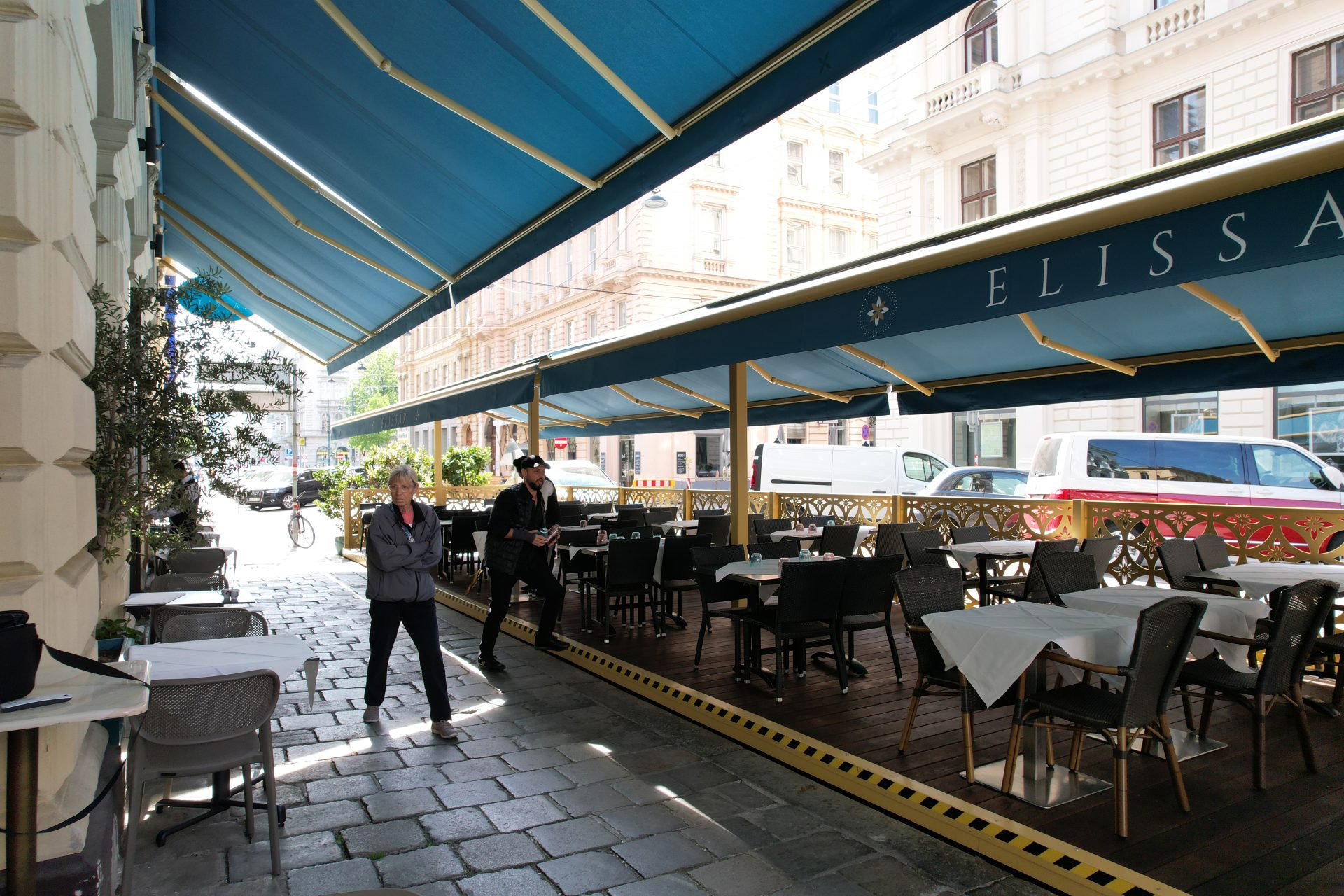
A Street That Earns Its Address
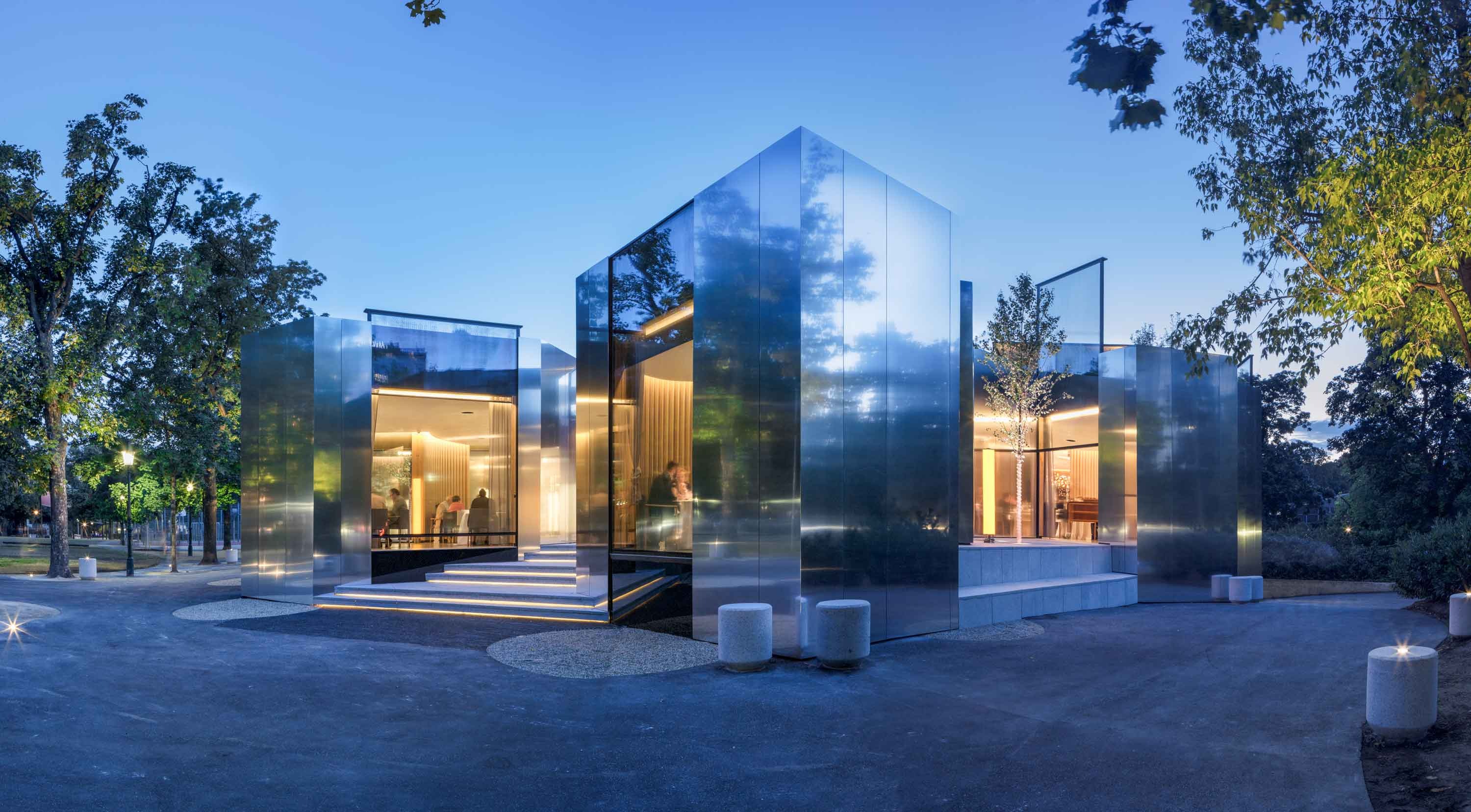
Elissar is a Modern Lebanese restaurant at Johannesgasse 27, 1010 Wien, Austria. Johannesgasse sits in the inner ring, a short walk from the Stadtpark where Steirereck im Stadtpark has set the benchmark for ingredient-driven creative cooking in Austria for decades. That proximity matters as context: diners arriving at Elissar on Johannesgasse 27 are moving through a neighbourhood where expectations are calibrated against particularly technically demanding kitchens in Central Europe. The address at 1010 Wien is not incidental, it places Elissar inside a competitive postal code that includes Michelin-recognised tables and a dining public that parses menus with the attention they might give a concert programme at the Staatsoper two streets over.
What the Ingredient Trail Tells You
Across Vienna's upper dining tier, the sourcing question has become as defining as technique. The restaurants that hold ground here, Konstantin Filippou, Mraz & Sohn, Amador, each articulate a clear position on where their produce comes from and why those decisions shape the plate. Austrian fine dining has historically drawn on the country's alpine and Pannonian regions for this purpose: mountain dairy, Marchfeld vegetables, Wachau fruit, freshwater fish from rivers that still run clean enough to matter. The editorial angle at this level is rarely the dish in isolation; it is the chain of custody from soil or water to kitchen to counter.
For a restaurant at this address, the sourcing conversation is not optional. Vienna diners in the first district have been trained by years of exposure to kitchens like Doubek to ask where things come from. Restaurants across Austria's wider network, Döllerer in Golling an der Salzach, Landhaus Bacher in Mautern an der Donau, Obauer in Werfen, have each built reputations on this foundation. The provincial operations benefit from proximity to primary producers; the urban ones have to work harder to close that gap, and the effort usually shows in the menu's vocabulary.
The First District's Competitive Register
Vienna's fine-dining map has stratified more clearly over the past decade. The price point here sits in the mid-range, and reservations are recommended. Steirereck anchors one end of that spectrum; its Stadtpark setting and multi-decade reputation mean it operates almost outside ordinary competitive dynamics. Below that apex, a cluster of kitchens, Konstantin Filippou and Mraz & Sohn among them, compete on creativity and sourcing rigour for an audience that overlaps with the international travel market but skews toward a Viennese professional class that eats out with frequency and memory.
Elissar at Johannesgasse 27 sits within reach of that cluster geographically. What distinguishes the restaurants that hold position in this tier is usually a combination of format discipline, a legible point of view on ingredients, and the kind of repeat-visitor loyalty that sustains a kitchen through the slower months. Vienna's first district does not have a tourist trap problem at the leading end, the price point self-selects, but it does have a credibility problem for newer or less-documented entrants. The city's dining public has long memories and strong opinions.
Austria's Broader Table: Provincial Counterpoints
Understanding any Vienna restaurant in context means knowing what it is measured against outside the capital. Austria's regional fine-dining circuit is more developed than many international visitors realise. Gourmetrestaurant Tannenhof in Sankt Anton am Arlberg and Stüva in Ischgl operate in alpine settings where produce sourcing is shaped by altitude and season in ways a city kitchen cannot replicate directly. Kräuterreich by Vitus Winkler in Sankt Veit im Pongau has built an audience around foraged and cultivated herb work that is geographically specific in ways a Viennese kitchen must reference rather than replicate. Taubenkobel in Schützen am Gebirge, near the Hungarian border, works the Pannonian pantry in a way that has earned consistent critical attention.
This network sets a high bar for any Vienna operation that wants to claim ingredient seriousness. The city tables that do it convincingly, and Restaurant 141 by Joachim Jaud in Mieming offers a Tyrolean parallel, typically have established supplier relationships that predate the menu by years. They also tend to build menus around availability rather than forcing year-round consistency from produce that has a natural season. That discipline is visible in the cooking; forced produce tastes like compromise, and Vienna's first-district diners have learned to recognise it.
Where Elissar Sits in the Reading
Elissar is best approached with the same diligence any serious first-district table demands: direct contact, advance planning, and a willingness to engage with whatever the current format offers on its own terms. Vienna's dining scene rewards that posture. Restaurants that ask something of their guests, attention, scheduling, the willingness to follow a kitchen's logic rather than impose their own, tend to deliver in proportion. The ones that don't make that demand rarely hold addresses on streets like Johannesgasse for long.
For comparative framing at the international level, the shift toward sourcing transparency visible in Vienna echoes what kitchens like Le Bernardin in New York City have demonstrated with seafood provenance, or what Lazy Bear in San Francisco has built around a community-facing format. The specific expression differs by city and cuisine, but the underlying logic is consistent: diners at this level want to know the chain of decisions behind what arrives at the table. Vienna's first district has absorbed that expectation, and Johannesgasse 27 sits squarely inside it.
Ois in Neufelden and Schwarzer Adler in Hall in Tirol round out the Austrian network for visitors planning a wider circuit beyond the capital.
Where It Fits
Comparable venues nearby, for context on price, style, and recognition.
| Venue | Cuisine | Price | Notes |
|---|---|---|---|
| ElissarThis venue — the venue you are viewing | Modern Lebanese | $$ | Not listed |
| L´ORIENT | Authentic Moroccan | $$ | Praterstern Wien Nord |
| Eloa by Cohen's | Modern Oriental Levantine | $$ | Favoriten |
| Maschu Maschu | Middle Eastern Falafel Specialist | $$ | Mariahilf |
| Band Amir Restaurant | Afghan-Persian | $$ | Kaiserebersdorf |
| Colono Wien | Spanish Tapas Bar & Gourmet Shop | $$ | Wien-Mitte |
At a Glance
- Romantic
- Casual
- Date Night
- Family
- Casual Hangout
- Open Kitchen
Current opening hours
- Monday
- 11 AM–11 PM
- Tuesday
- 11 AM–11 PM
- Wednesday
- 11 AM–11 PM
- Thursday
- 11 AM–11 PM
- Friday
- 11 AM–11 PM
- Saturday
- 11 AM–11 PM
- Sunday
- 11 AM–11 PM
Hours can change for holidays and private events. Last verified .
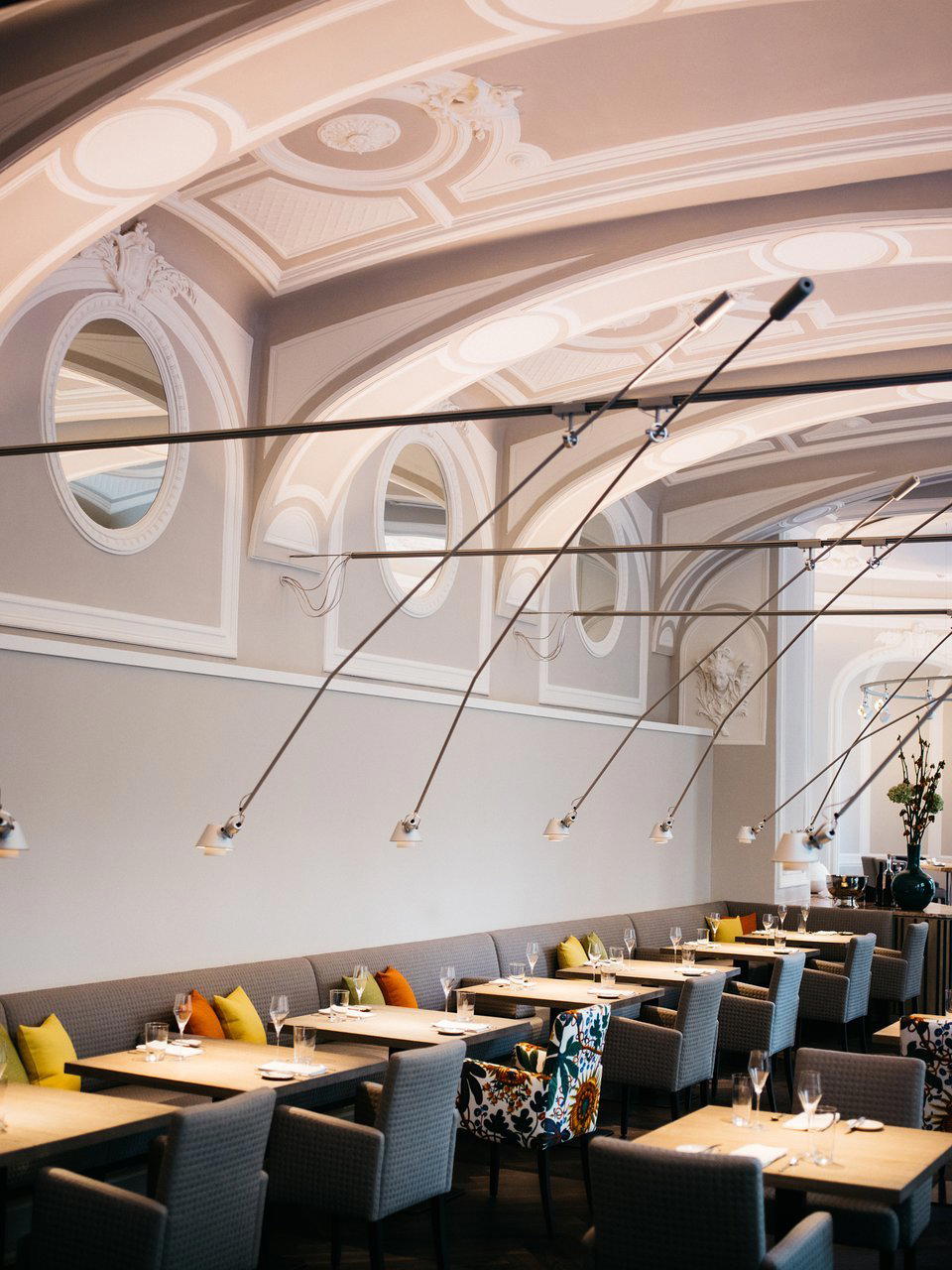
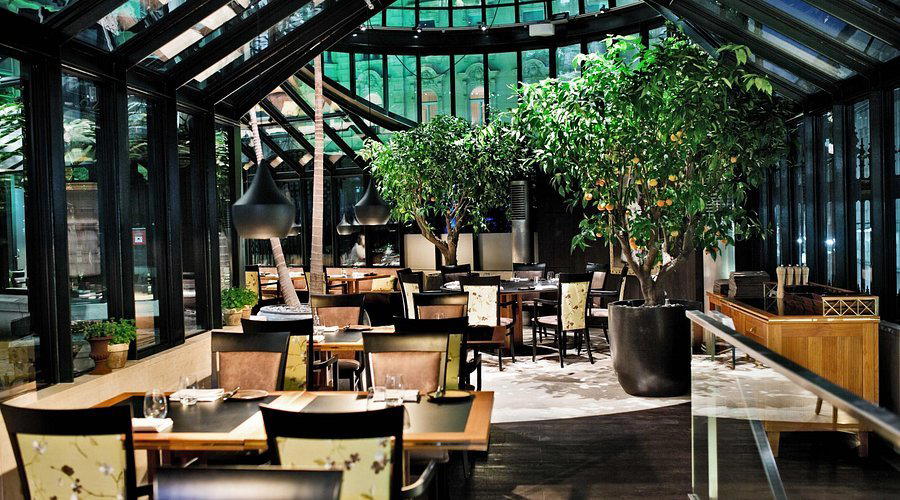
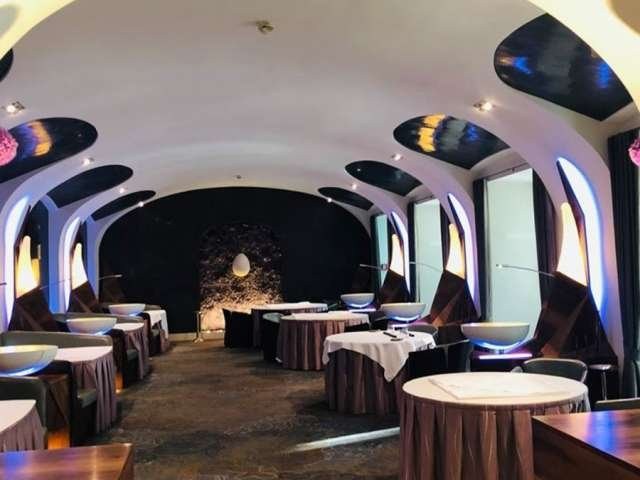
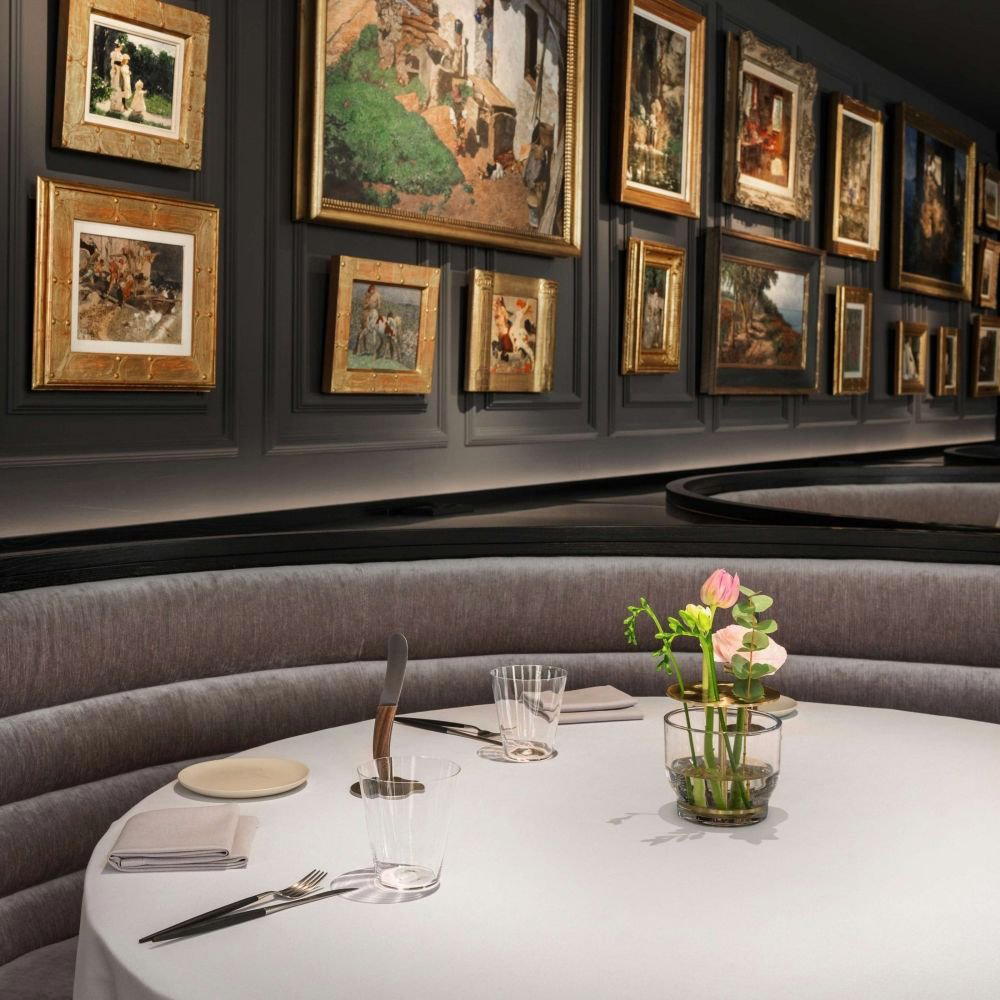
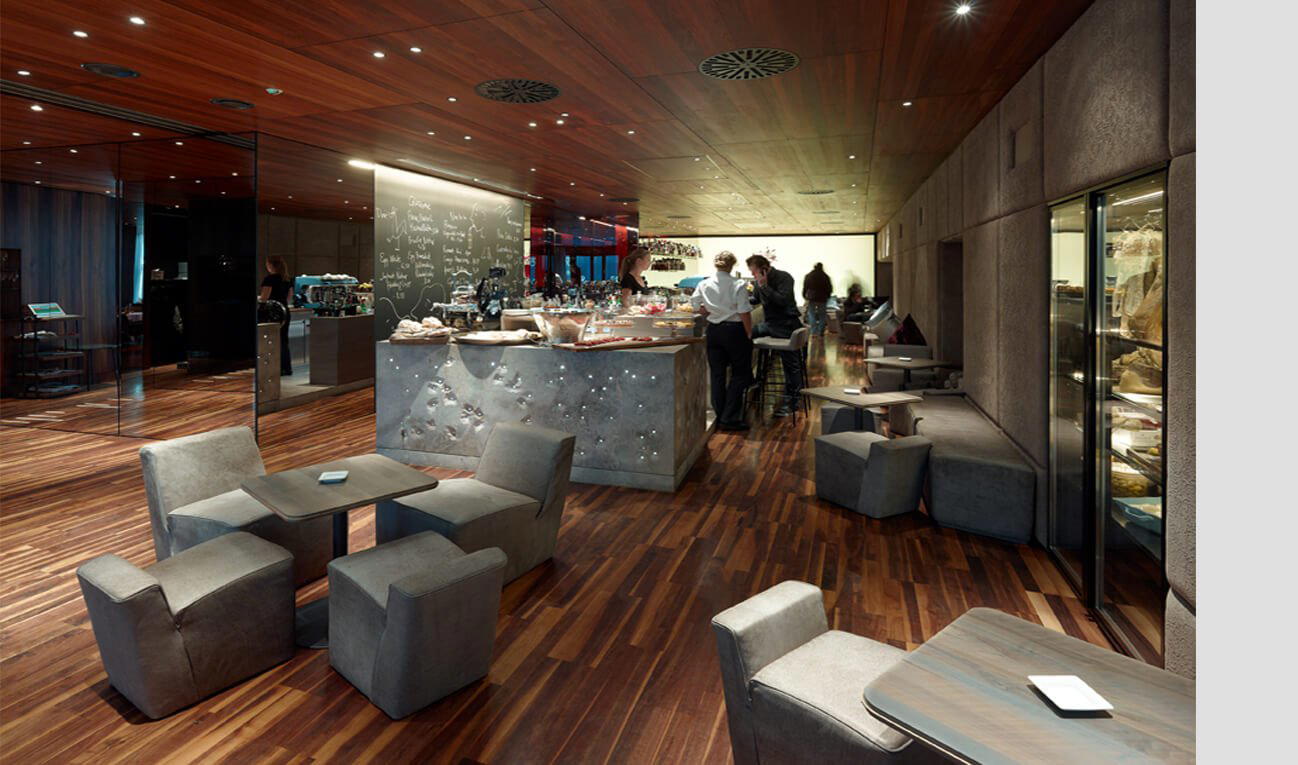
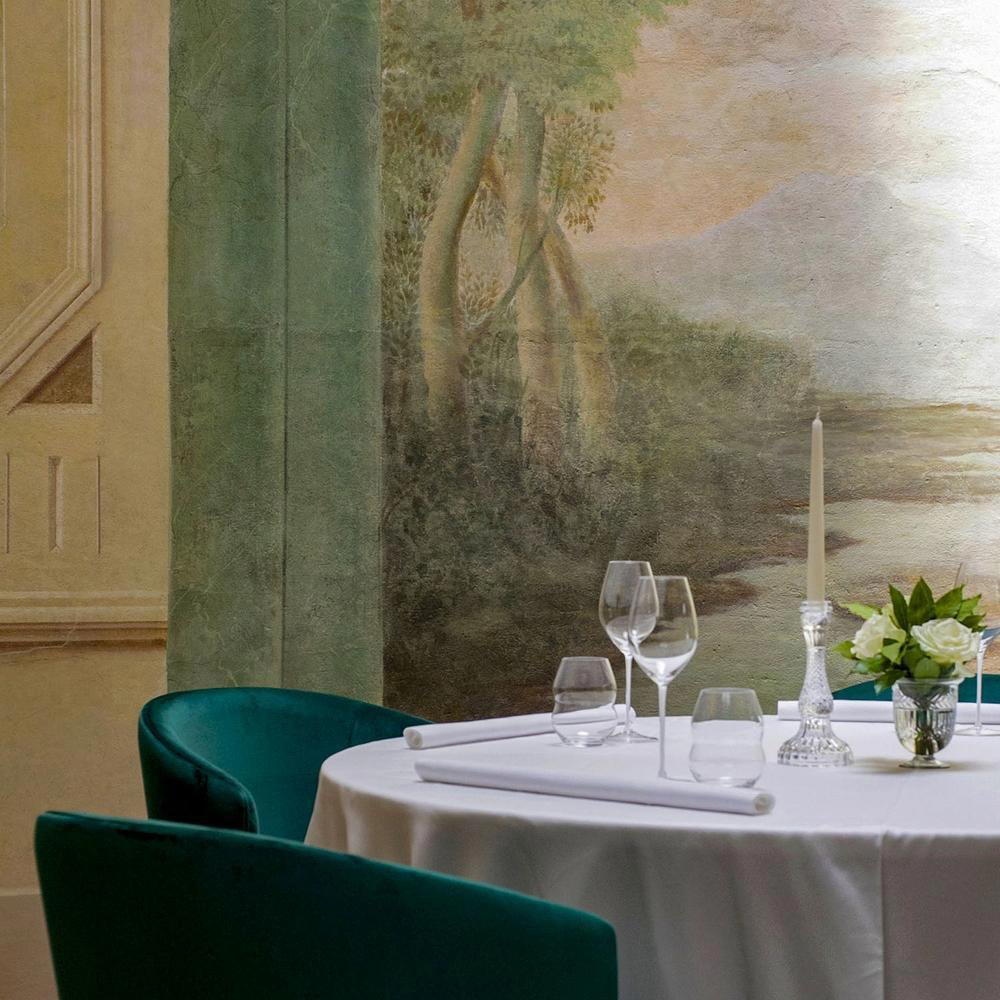
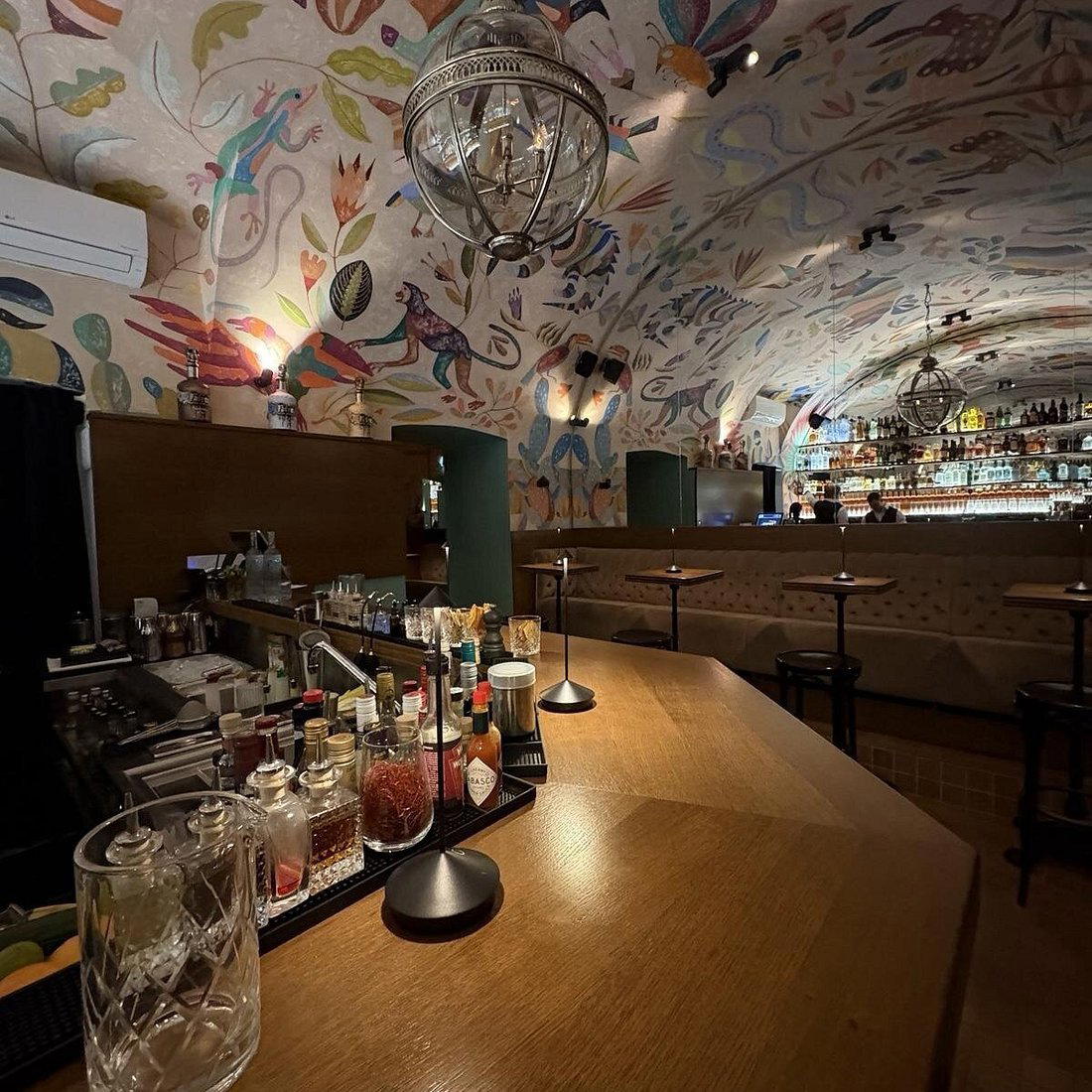
Casual yet romantic atmosphere suitable for families, with attentive service and pleasant inner-city vibe.