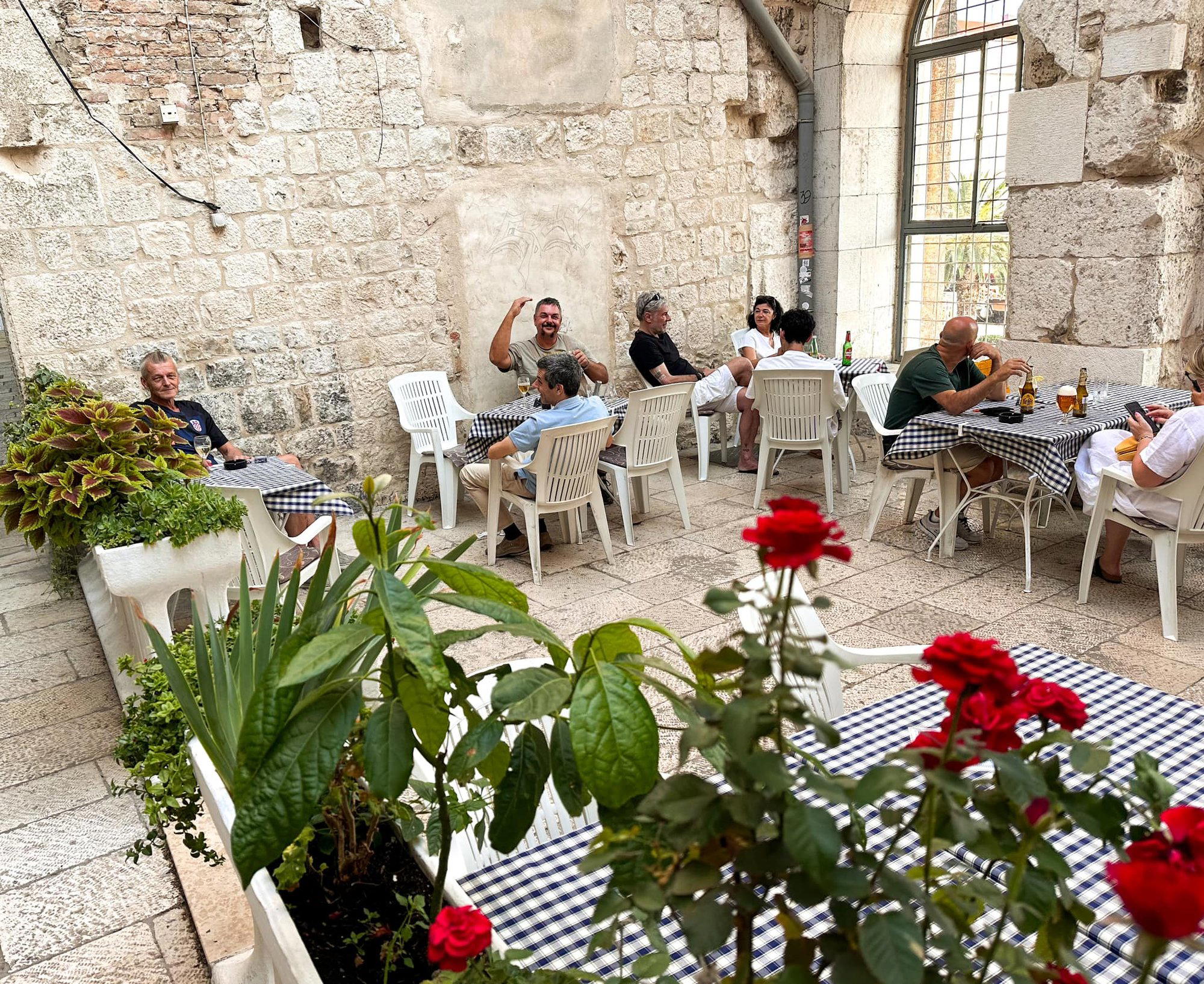
Štajun occupies a quietly residential address on Hvar's old town periphery, positioned away from the harbour-front crowds that define the island's louder dining options. The kitchen draws on Dalmatian tradition without the souvenir-menu tendencies common at tourist-facing restaurants on the waterfront. For visitors willing to seek it out, it represents the kind of local-facing dining that requires a reservation and rewards the effort.
Pearl is the En Primeur Club membership app — saves, bookings, and concierge access live there. Same editors, same standards.
- Address
- Težačka 2, 21450, Hvar, Croatia
- Phone
- +385919154479
- Website
- restaurant-stajunhvar.com
- Directions
- Get directions
 Saves & bookings on Pearl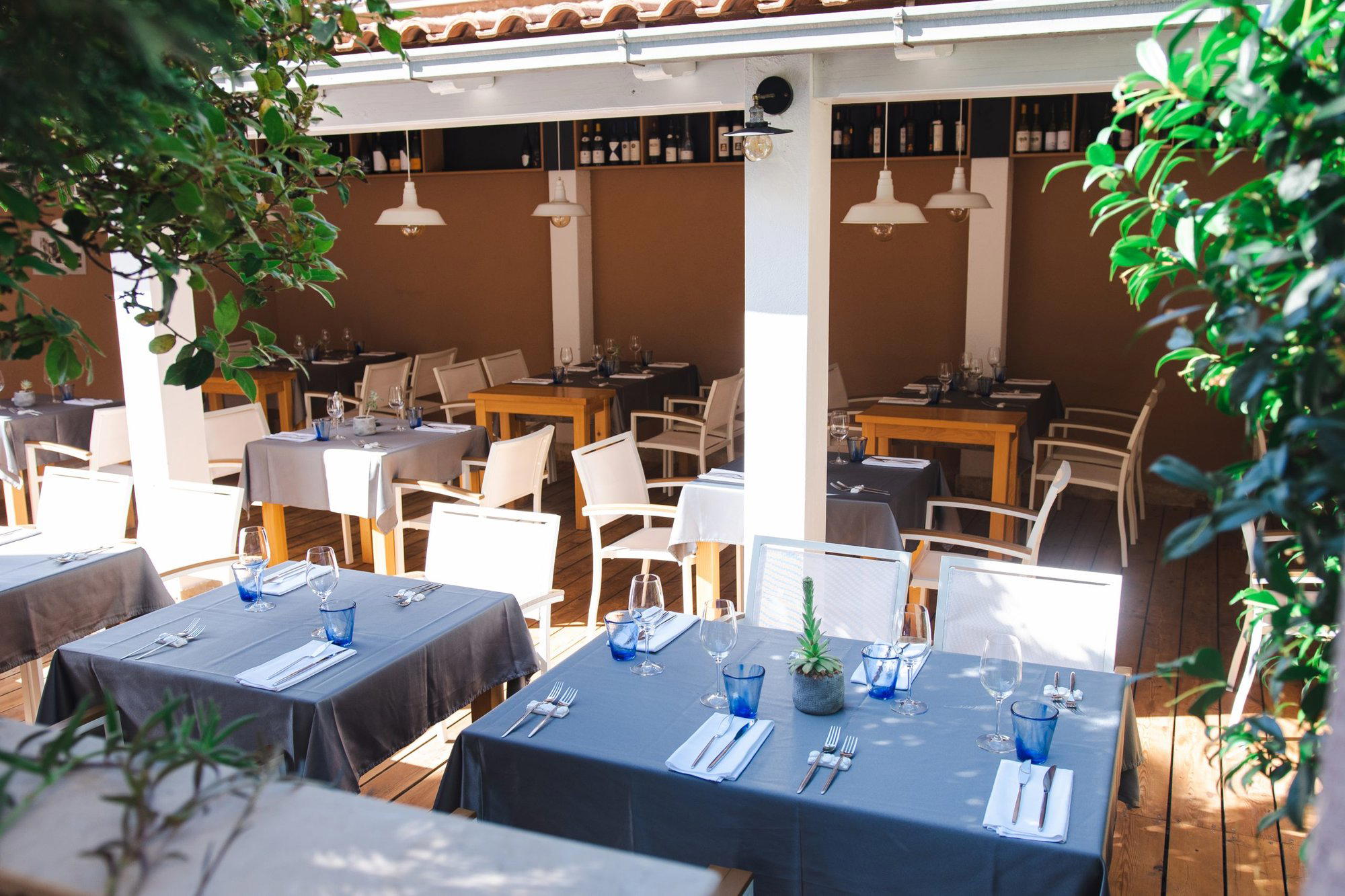
Finding Your Way to Težačka 2
Hvar's dining scene divides along a predictable axis. The harbour front and the main piazza collect the high-volume restaurants serving the charter-yacht crowd: reliable, sometimes well-executed, and priced to the season. A shorter walk inland, on streets that shed tourist traffic quickly, sits a different category of restaurant altogether. Štajun, the restaurant at Težačka 2 in Hvar, belongs to the latter. The address alone tells you something: Težačka translates roughly as 'labourer's street,' a name that signals the working-class residential fabric that once surrounded the old town's edges before tourism reshaped the island's economy. Arriving here, rather than at a terrace with a direct sightline to the water, is itself an editorial choice about what kind of Hvar meal you want.
That geography matters for planning. Hvar town's old core is compact, and Štajun is walkable from the main square, but it is not signposted along the obvious tourist routes. First-time visitors should approach it as they would any local-facing address in a historic Adriatic town: with a map pulled up, not an assumption that foot traffic will lead you there.
The Booking Question
Croatia's island dining operates under a logic that differs from mainland European cities. In Split, Zagreb, or Dubrovnik, the better restaurants have moved toward structured online reservation systems with confirmation emails and deposit policies. On Hvar, particularly at smaller local restaurants away from the hotel dining programs, the booking culture remains more informal. Hvar's summer season compresses hard: the island's population swells dramatically between late June and late August, and restaurants that seat comfortably in spring operate under entirely different pressure through that window.
If you are visiting Hvar during peak season and Štajun is a priority, treat it as a reservation and plan accordingly. Arriving without a booking at any Hvar restaurant worth eating at during August is a structural risk, not a minor inconvenience. This applies equally to the harbour-front benchmarks like Gariful and the more editorial choices like Dalmatino or Gojava.
Dalmatian Cooking at This Address
Hvar sits within among the more clearly defined regional cooking traditions on the eastern Adriatic. Dalmatian cuisine draws heavily on the sea and on the island's agricultural interior: grilled fish, peka (slow-cooked meat or seafood under an iron bell, buried in embers), locally grown olive oil from the island's terraced groves, and vegetables from the fertile Stari Grad plain, which holds UNESCO World Heritage status as one of the oldest surviving examples of ancient Greek land division. The cooking is not complex in the Michelin sense, but executed well it is deeply specific to place in a way that generic Mediterranean menus are not.
At restaurants in Štajun's category, the expectation is this kind of grounded Dalmatian cooking rather than the international hotel-cuisine hybrids found closer to the yachting infrastructure. Dishes likely to appear on menus of this type include fresh catch from Hvar's waters, local lamb prepared simply, and preparations that reflect the island's wine-growing tradition. Hvar produces both Plavac Mali, the dominant red grape of the Dalmatian islands, and the indigenous white Bogdanuša, neither of which travels widely, making them genuinely place-specific wine choices. Ordering local in this context is not sentiment: it is a different category of product from what you would get in a Zagreb restaurant or a European capital.
For context on how this kind of cooking positions across the broader Croatian fine-dining picture, it is worth noting what the credentialed end of the national scene looks like: Pelegrini in Sibenik and Agli Amici Rovinj in Rovinj represent the Michelin-tier end of Dalmatian and Istrian cooking respectively, while Nebo by Deni Srdoč in Rijeka and Boskinac in Novalja demonstrate that serious kitchens operate outside the major tourist centres. Štajun's position in Hvar's local-facing tier is a different kind of recommendation: proximity to source, informality, and a menu shaped by what the island produces rather than what international visitors expect.
Hvar in Context: Where Štajun Sits
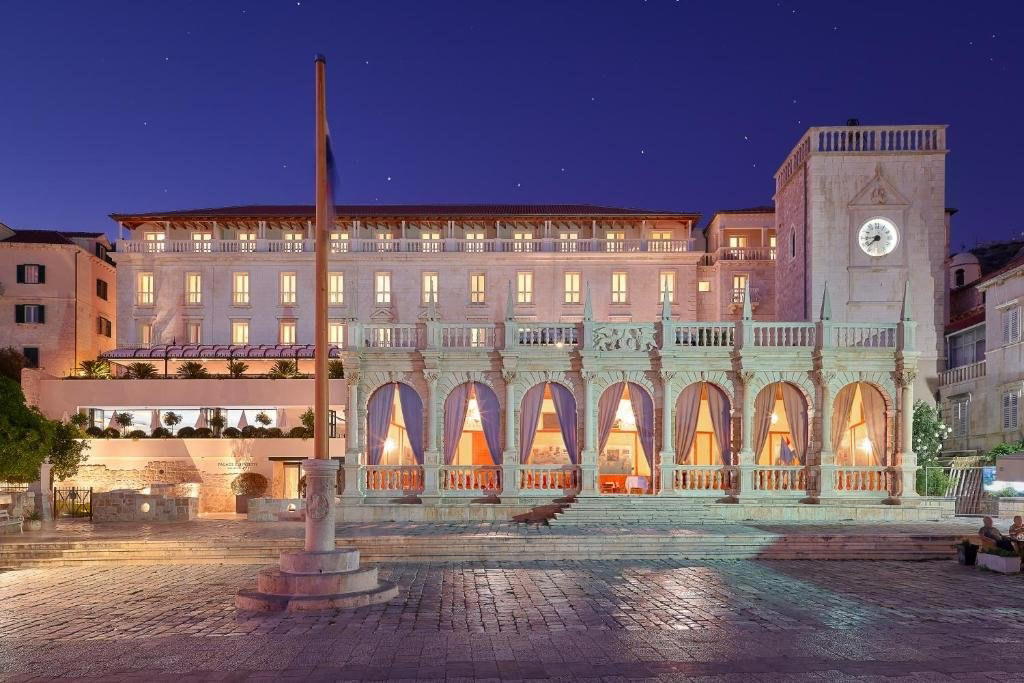
Hvar's restaurant scene has developed specific tiers over the past decade. The harbour restaurants, including Gariful and neighbours along the waterfront, compete on location and seafood quality. A second tier of more considered restaurants, including Dalmatino, Dionis, and Antonio - Patak, occupies the space between tourist-facing and locally respected. Further from the main square, restaurants like Štajun operate in a quieter register, serving a clientele that includes both residents and visitors who have done the work of finding them.
The island's character as a destination has shifted significantly since the mid-2000s, when Hvar became one of the better-known yachting stops in the Adriatic and summer crowds intensified accordingly. That shift pushed some of the more local-facing establishments away from the obvious tourist corridors, which is partly why addresses like Štajun's require a small navigational effort. That effort has a function: it filters the clientele and, by extension, the atmosphere. Compare this to how local restaurants operate in other high-tourism island environments and the dynamic is consistent. The distance between address and harbour is a form of curation.
For readers whose Croatia itinerary extends beyond Hvar, restaurants at a similar register of local specificity include Krug in Split, a short ferry crossing away, and LD Restaurant in Korčula, accessible by ferry from Hvar's eastern end. On the mainland, Dubravkin Put in Zagreb and Korak in Jastrebarsko represent the kind of grounded, non-hotel cooking that defines Croatia's better mid-tier dining. For reference points further afield, Alfred Keller in Mali Lošinj shows how island kitchens at the northern end of the Adriatic approach similar raw materials.
Planning Your Visit
Hvar town is accessible by catamaran from Split (approximately one hour for the fast connection) and by car ferry to Stari Grad, the island's main ferry port, roughly 20 kilometres east of the town. Most visitors staying in Hvar town arrive without cars, which is functionally sensible given the old town's pedestrian-only streets. Štajun's address on Težačka 2 sits within the walkable old town, removing the transport variable entirely. The planning question reduces to timing and booking confirmation.
- Hand-Cut Fish Carpaccio
- Risotto with Lupari and Ugrci
- Hvar Gregada
- Seafood Risotto
- Black Ravioli
- Tuna Tartare
Fast Comparison
Comparable venues nearby, for context on price, style, and recognition.
| Venue | Cuisine | Price | Awards | Notes |
|---|---|---|---|---|
| ŠtajunThis venue — the venue you are viewing | Seasonal Mediterranean Seafood | $$$ | Not listed | Not listed |
| Meneghello | Traditional Croatian Seafood | $$$ | Not listed | Pakleni Islands |
| Grande Luna | Traditional Dalmatian Seafood | $$ | Not listed | Old Town Hvar |
| Gojava | Traditional Dalmatian | $$ | Not listed | Gojava |
| Mediterraneo | Modern Mediterranean Fine Dining | $$$ | Michelin Plate | Hvar Old Town |
| San Marco | Innovative Mediterranean | $$$ | Not listed | Hvar Town |
Continue exploring
More in Hvar
Restaurants in Hvar
Browse all →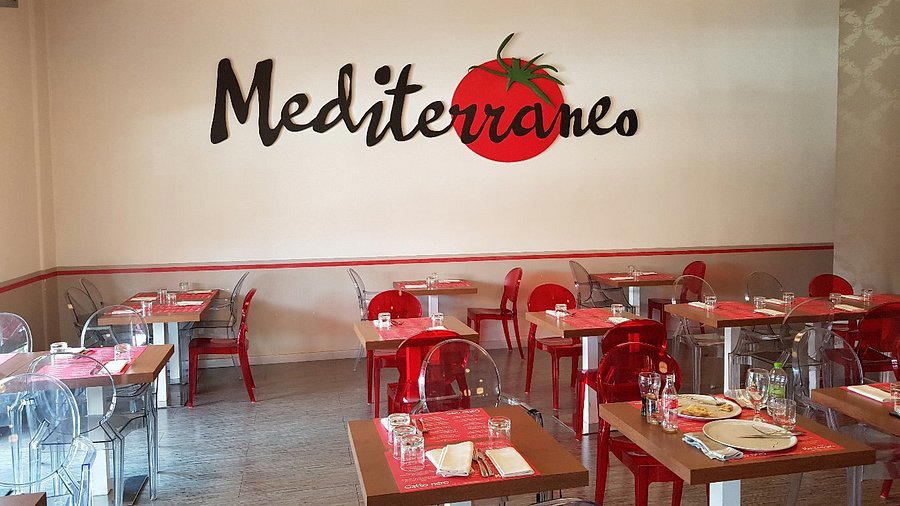
At a Glance
- Romantic
- Quiet
- Elegant
- Scenic
- Date Night
- Special Occasion
- Celebration
- Terrace
- Waterfront
- Private Dining
- Extensive Wine List
- Sommelier Led
- Farm To Table
- Local Sourcing
- Sustainable Seafood
- Street Scene
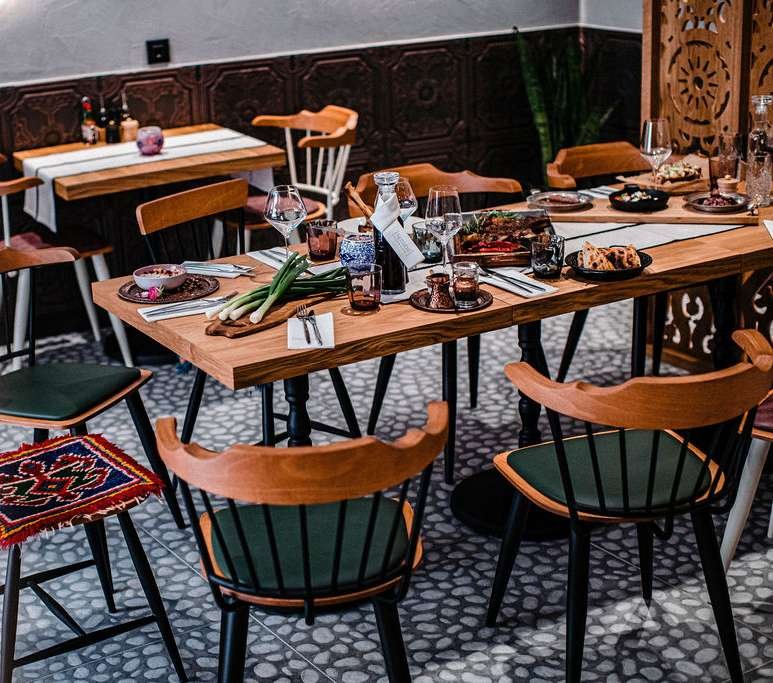
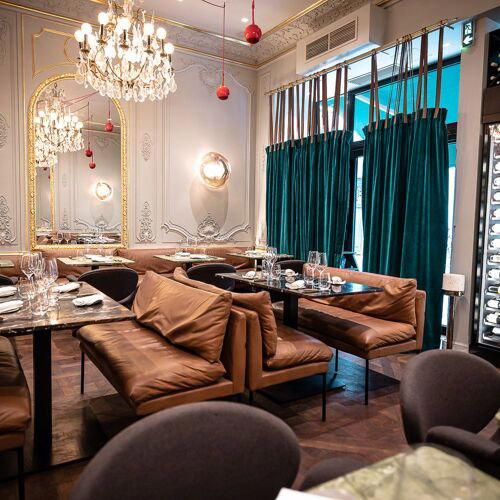
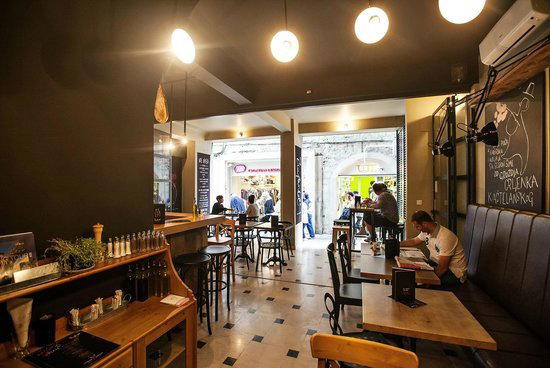
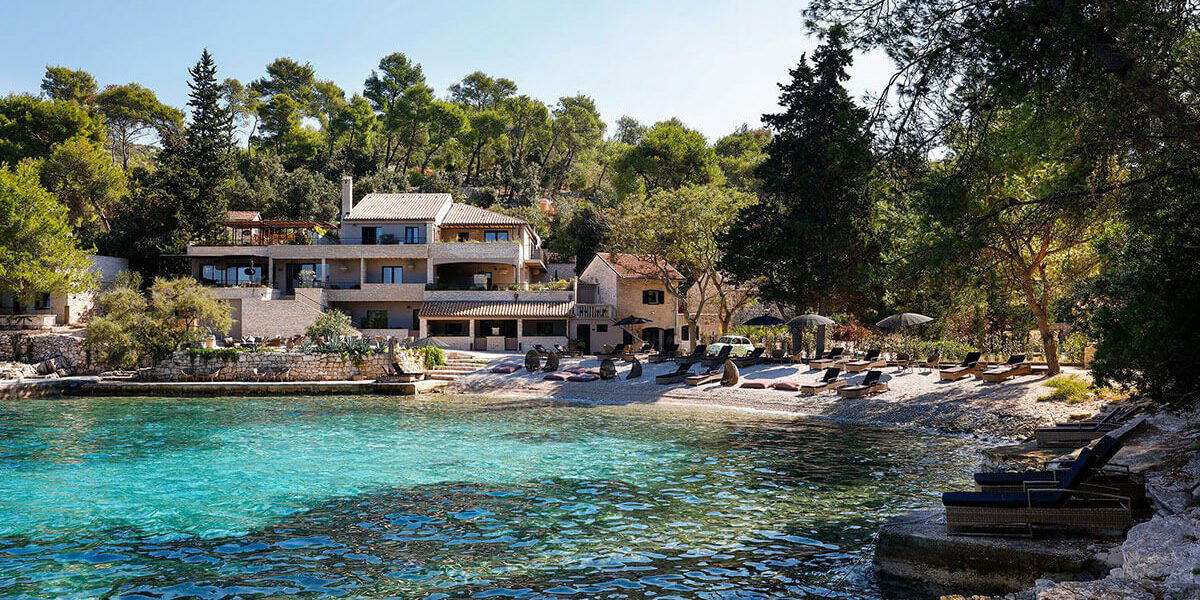
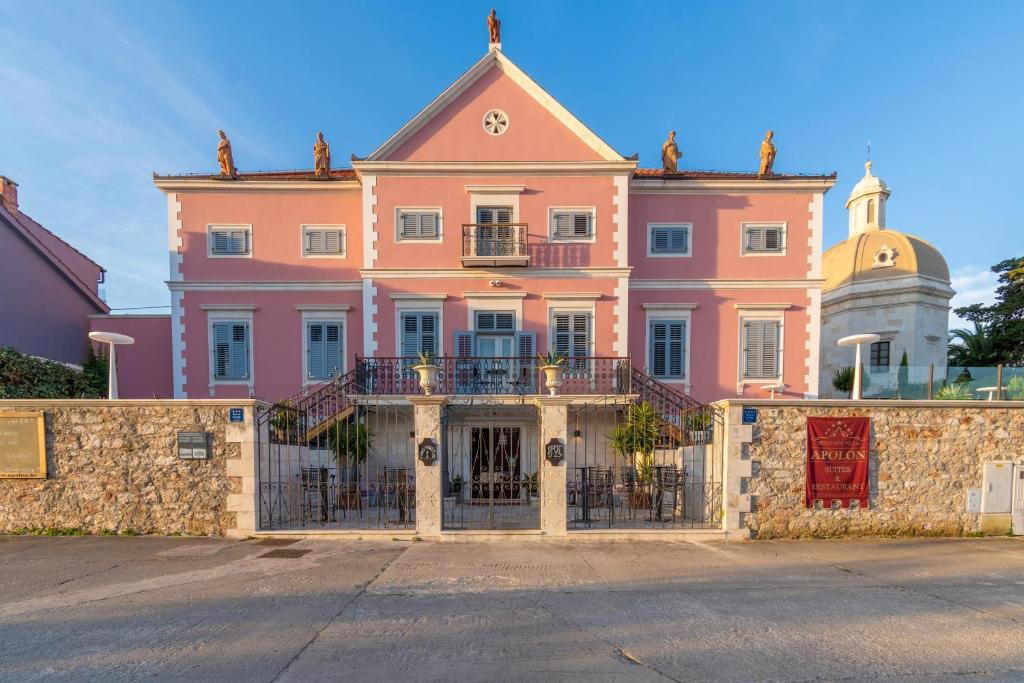
Intimate and refined with warm lighting on a quiet terrace steps from the main square, providing privacy and tranquility despite the bustling city nearby.