Steakhaus Don Camillo
Steakhaus Don Camillo on Gezelinallee in Leverkusen sits within the city's mid-market dining corridor, where neighbourhood steakhouses hold their ground against a broader German restaurant scene pulling toward Italian and Balkan traditions. The address places it in Leverkusen-Opladen, a district where reliable meat-focused cooking draws a local rather than destination crowd. Booking ahead is advisable for weekend service.
 Discover on Pearl
Pearl is the En Primeur Club membership app — saves, bookings, and concierge access live there. Same editors, same standards.
- Address
- Gezelinallee 13, 51375 Leverkusen, Germany
- Phone
- +494921458182
- Website
- steakhaus-doncamillo.de
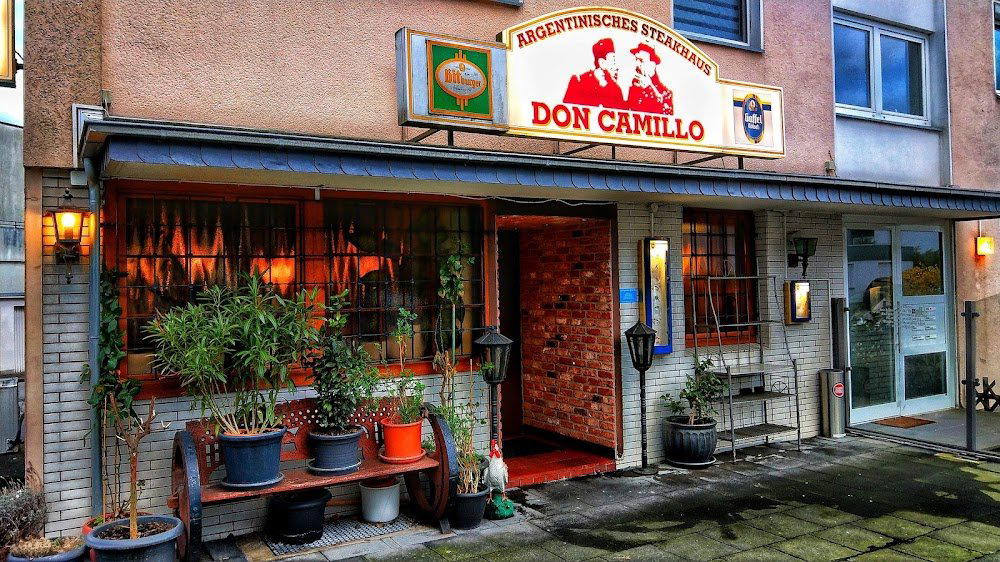
The Leverkusen Table: What a Neighbourhood Steakhouse Signals
Leverkusen does not position itself as a dining destination in the way that nearby Cologne or Düsseldorf do, and that is precisely what makes its restaurant scene legible. The city's dining options are weighted toward honest, repeat-visit formats: Italian trattorias, Balkan grills, and neighbourhood steakhouses that serve a local clientele with clear expectations. La Vecchia Osteria and Ristorante Peperoncino anchor the Italian end of that spectrum; Restaurant Balkan covers the charcoal-and-meat tradition with Balkan lineage; Los Amigos pulls in a different direction entirely. Steakhaus Don Camillo is an Argentinian steakhouse at Gezelinallee 13 in Leverkusen, with a Google rating of 4.7 from 858 reviews and a price tier around $45 per person. It sits within the meat-focused tier of that broader picture.
In German cities of Leverkusen's scale, the neighbourhood steakhouse occupies a specific cultural function. It is not competing with the tasting-menu formats found at Vendôme in Bergisch Gladbach, just to the east, nor with the technical ambition on display at Aqua in Wolfsburg or JAN in Munich. The format answers a different question entirely: where does a Leverkusen resident go when the occasion calls for a proper piece of meat, a direct wine list, and a room that feels like it belongs to the neighbourhood rather than to a hospitality brand?
Menu Architecture: What the Steakhouse Format Communicates
The steakhouse format, when it works in a German mid-city context, is built around a narrow editorial logic. The menu is structured to reduce decision fatigue rather than expand it. A well-run neighbourhood steakhouse organises its offer around cut and cooking point, with supporting roles assigned to sides, sauces, and a condensed list of starters that exist to set the right expectations for what follows. The Don Camillo name itself carries Italian-German crossover associations common across the Rhine-Ruhr region, where restaurants named after the fictional priest-mayor duo from Giovanni Guareschi's novels have long operated as comfortable, mid-register dining rooms.
That naming tradition is not incidental. Across the region, venues carrying the Don Camillo name tend to position themselves as places of conviviality rather than culinary theatre. The menu architecture in such formats typically reflects this: protein at the centre, prepared to a clear standard, without the multi-course scaffolding that characterises the fine-dining tier. This is a format where the quality of the sourcing and the accuracy of the grill do more work than any printed description could.
What a steakhouse menu at this level should deliver, and what local regulars use as their benchmark, is consistency across cuts and cooking temperatures. The German dining public, particularly in the Rhine-Ruhr region, has a long familiarity with grilled meat as a social rather than aspirational format. This is a different cultural register from the premium dry-aged steakhouse movement that has shaped cities like Hamburg and Berlin over the past decade, and the distinction matters when placing Steakhaus Don Camillo in its proper context.
Opladen's Position in the City's Dining Geography
The Gezelinallee address places the restaurant in Leverkusen-Opladen, the northern district that became formally integrated into Leverkusen in 1975 and has maintained a distinct commercial character since. Opladen's high street and surrounding streets support a mix of everyday retail and neighbourhood dining that draws from a local catchment rather than from Cologne day-trippers or hotel guests. That catchment shapes what a restaurant at this address needs to be: accessible, reliable, and priced for the regular visit rather than the special occasion in the way a Michelin-recognised room might define it.
For visitors approaching from Cologne, Opladen is reachable by S-Bahn on the S6 line, with Leverkusen-Opladen station a short walk from the Gezelinallee. Those arriving from Düsseldorf can connect via the same S-Bahn network through central Leverkusen. The Opladen station was extensively redeveloped as part of broader infrastructure investment in the district, which has brought some increased footfall to the surrounding dining strip.
Placing the Format: German Steakhouses and Their comparable set
Across Germany, the steakhouse category runs from high-end dry-aged concepts in major cities to neighbourhood grills that have operated on the same model for two or three decades. The upper end of the German fine-dining spectrum, as represented by rooms like Schwarzwaldstube in Baiersbronn, Waldhotel Sonnora in Dreis, or Victor's Fine Dining by Christian Bau in Perl, operates in an entirely separate register. Further along the spectrum, concept-driven formats like CODA Dessert Dining in Berlin or the technical precision of ES:SENZ in Grassau serve a different audience with different expectations entirely.
The neighbourhood steakhouse sits well below that tier in terms of price and ambition, but it is not without its own standards. In the Rhine-Ruhr context specifically, regulars at mid-market meat restaurants have developed an eye for sourcing quality and grill precision that keeps operators honest. A venue that cannot deliver a properly rested piece of beef at the requested temperature does not survive long on repeat business in a district like Opladen. That competitive pressure from the local diner, rather than from critical recognition, is what defines performance at this level.
For comparison points at greater distance, it is worth noting what internationally recognised steakhouse and seafood formats at places like Le Bernardin in New York City or the Korean-American precision of Atomix in New York City demonstrate: that format discipline and sourcing transparency are the marks of seriousness at every price tier. The neighbourhood steakhouse equivalent of that discipline is simpler to describe and harder to fake: cut selection, temperature accuracy, and a room where the regulars return.
Planning Your Visit
Steakhaus Don Camillo is located at Gezelinallee 13, 51375 Leverkusen. The Opladen district is served by Leverkusen-Opladen S-Bahn station on the S6 line, connecting directly to Cologne Hauptbahnhof. For weekend evenings, when neighbourhood steakhouses in the Rhine-Ruhr region tend to fill from early in the service, contacting the venue in advance to confirm availability is advisable. Reservations are recommended. Visitors with interest in the broader German fine-dining spectrum can explore Restaurant Haerlin in Hamburg, Schanz in Piesport, or Bagatelle in Trier for contrast across different German regions and price points.
Recognition, Side-by-Side
Comparable venues nearby, for context on price, style, and recognition.
| Venue | Cuisine | Price | Awards | Notes |
|---|---|---|---|---|
| Steakhaus Don CamilloThis venue — the venue you are viewing | Argentinian Steakhouse | $$$ | , | |
| Los Amigos | Spanish Steakhouse | $$$ | , | Opladen |
| Restaurant Balkan / Leverkusen | Balkan Grill | $$ | , | Opladen |
| La Vecchia Osteria | Authentic Italian Trattoria | $$$$ | , | Leverkusen |
| Ristorante Peperoncino | Authentic Italian Trattoria | $$ | , | Hitdorf |
| La Posada - Bergisch Gladbach | Argentine Steakhouse | $$$ | , | Stadtzentrum |
Continue exploring
More in Leverkusen
Restaurants in Leverkusen
Browse all →
Bars in Leverkusen
Browse all →
Hotels in Leverkusen
Browse all →
At a Glance
- Cozy
- Elegant
- Special Occasion
- Family
- Celebration
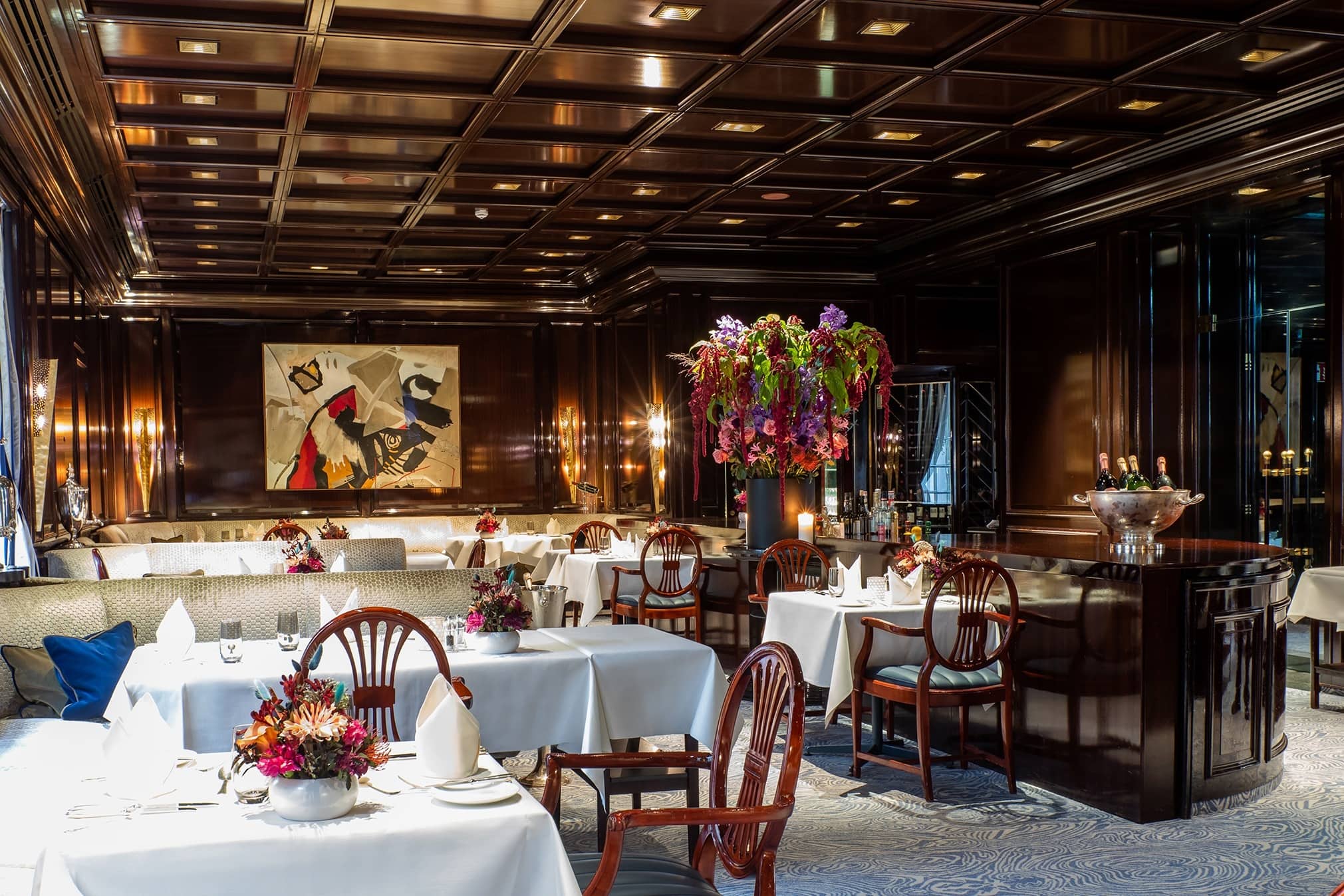
Gemütlich (cozy) atmosphere with friendly and attentive service.