La Vecchia Osteria
Our verdict
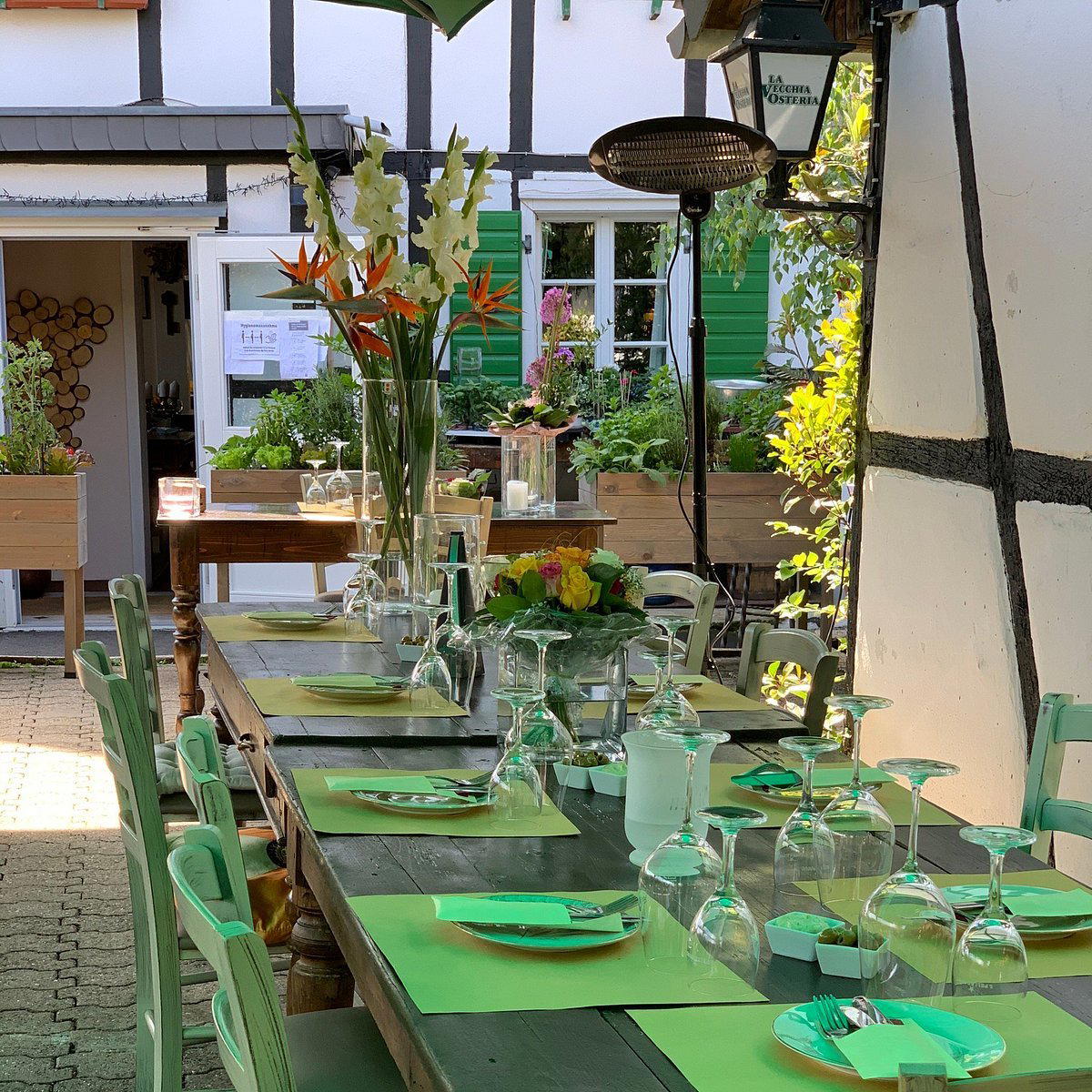
La Vecchia Osteria on Altenberger Strasse brings the Italian osteria tradition to Leverkusen's dining scene, where casual neighbourhood trattorias sit alongside Balkan grills and steakhouses in a city that rewards patience from those willing to look beyond Cologne's shadow. The format here follows a classic template: familiar Italian cooking, a setting pitched at regulars, and a philosophy rooted in returning guests rather than passing trade.

Pearl is the En Primeur Club membership app — saves, bookings, and concierge access live there. Same editors, same standards.
- Address
- Altenberger Str. 130, 51381 Leverkusen, Germany
- Phone
- +4949217183521
- Hours
- Mon ClosedTue–Fri 12–2:30 PM, 6–10:30 PMSat 6–10:30 PMSun 12–2:30 PM
- Website
- la-vecchia-osteria.eatbu.com
- Directions
- Get directions
The menu
What to order
- Spaghetti with Hummer (Lobster Spaghetti)
- Antipasto Misto
- Vitello Tonato
- Bruschetta
The Osteria Tradition in a City That Keeps Its Own Counsel
There is a particular kind of Italian restaurant that does not announce itself through design or destination marketing. The osteria format, as it developed across northern and central Italy, was built around the neighbourhood: a small room, a short menu, and a kitchen whose credibility rested on repetition rather than reinvention. Leverkusen, a city that sits in Cologne's considerable shadow despite a population well above 160,000, has a dining culture shaped by exactly this logic. Its Italian restaurants, its Balkan grills, and its steakhouses serve communities rather than tourists, which tends to produce cooking calibrated for satisfaction over spectacle.
La Vecchia Osteria on Altenberger Strasse 130 occupies this territory. The name itself frames the editorial question before you arrive: vecchia means old, as in established, as in a claim to continuity over novelty. In a German city where Italian dining has historically split between fast pizza-pasta operations near transit hubs and more considered neighbourhood rooms, that framing is a signal about which lane the kitchen intends to occupy.
Ingredient Logic and the Italian Provincial Kitchen
The osteria tradition is, at its structural core, an ingredient-first format. The cucina povera lineage that underlies much of what has become mainstream Italian cooking in Germany traces back to a simple premise: good raw material, properly handled, needs little augmentation. Dried pasta made from durum wheat, cured meats sourced from recognised Italian producers, olive oil from specific regional appellations, and aged cheeses that carry their provenance in the rind. These are not luxury signals in an Italian provincial kitchen; they are baseline requirements.
For a restaurant operating under the vecchia osteria framing in a mid-size German city, the question of where ingredients originate matters structurally. The Italian import network that supplies German restaurants has deepened considerably since the 1990s, when most Italian restaurants in the Rhineland relied on domestic wholesale suppliers who had little connection to Italian producing regions. Today, sourcing relationships with Italian regional producers, whether for prosciutto from Emilia-Romagna, bottarga from Sardinia, or Puglian olive oil, are more accessible, and the gap between a well-sourced Italian kitchen in Germany and an adequate one is largely a function of how seriously the operator takes those relationships.
What the osteria format historically delivers, though, is a kitchen organised around a modest number of preparations executed with consistency: antipasti built on cured and pickled elements, pasta courses where the sauce-to-pasta ratio is taken seriously, and secondi that reflect whatever the region of origin the kitchen draws from. The framing at La Vecchia Osteria suggests an alignment with this architecture.
Leverkusen's Table: Context for the Uninitiated
Visitors arriving from Cologne, 15 kilometres to the north, often approach Leverkusen's restaurant scene with diminished expectations. That is a navigational error. The city's dining rooms, precisely because they are not oriented around tourism or international visibility, tend toward a kind of reliability that destination restaurants sometimes sacrifice for novelty. Restaurant Balkan / Leverkusen represents one strand of this: a long-established format serving a community rather than a scene. Los Amigos, in the Latin American corner of the city's informal dining map, operates on similar logic. Steakhaus Don Camillo and Ristorante Peperoncino complete a picture of a city whose Italian and international dining options are spread across the residential fabric rather than concentrated in a single quarter.
La Vecchia Osteria fits inside this distributed pattern. Altenberger Strasse runs through the Opladen district, a neighbourhood with its own civic character distinct from Leverkusen's more industrial central zones. The address places the restaurant in a setting more consistent with a genuine neighbourhood anchor than a destination address, which reinforces the osteria positioning. For a more complete picture of where this fits in the city's overall dining mix, the full Leverkusen restaurants guide provides the necessary map.
Against the German Fine Dining Frame
For readers oriented toward the upper end of the German restaurant spectrum, the osteria format sits deliberately outside that conversation. Germany's most decorated kitchens, among them Aqua in Wolfsburg, JAN in Munich, and Schwarzwaldstube in Baiersbronn, operate at a structural remove from what a neighbourhood osteria does. So do the more conceptually ambitious rooms like CODA Dessert Dining in Berlin.
Internationally awarded Italian cooking exists at rooms like Le Bernardin in New York City or, in a different register, Atomix in New York City, where the Italian and Korean traditions are taken to their technical limits. The osteria tradition is not in competition with any of that. It occupies a separate and in many ways more durable position: the everyday room where the cooking is honest, the pricing accessible, and the regulars are the point. Germany's broader restaurant geography includes reference points at every level, from ES:SENZ in Grassau to Victor's Fine Dining by Christian Bau in Perl, Waldhotel Sonnora in Dreis, Restaurant Haerlin in Hamburg, Schanz in Piesport, and Bagatelle in Trier. La Vecchia Osteria is not trying to occupy any of those positions, and that clarity of purpose is itself a form of editorial interest.
Planning a Visit
La Vecchia Osteria is located at Altenberger Str. 130, 51381 Leverkusen, in the Opladen district. Given the neighbourhood-anchor format and the absence of a high-visibility booking platform presence, walk-in visits during off-peak hours on weekday evenings are likely to be the most practical approach for first-time guests. Reservations for weekend dinner, in any established osteria with a local following, are generally advisable ahead of time.
Frequently asked questions
What's the address for La Vecchia Osteria?
La Vecchia Osteria is located at Altenberger Str. 130, 51381 Leverkusen, Germany, Leverkusen.
Is La Vecchia Osteria in Leverkusen worth the trip from Cologne?
Cologne sits roughly 15 kilometres north of Leverkusen's Opladen district, making La Vecchia Osteria a short and practical detour rather than a dedicated journey. The osteria format it represents sits deliberately outside the German fine dining register, which makes it a different kind of evening from what Cologne's city centre offers. For anyone after ingredient-led Italian cooking in an unpretentious neighbourhood setting, the distance is not a meaningful obstacle.
What's the best thing to order at La Vecchia Osteria?
The osteria format that defines La Vecchia Osteria is built around ingredient logic rather than elaborate composition, so dishes rooted in the cucina povera tradition tend to show the kitchen at its clearest. Pasta and slow-cooked preparations are the structural backbone of this style of Italian cooking.
How hard is it to get a table at La Vecchia Osteria?
La Vecchia Osteria is located at Altenberger Str. 130 in Leverkusen's Opladen district, a neighbourhood with a local rather than tourist-driven dining culture, which typically means demand is steady but not the kind that requires weeks of lead time. Booking ahead is still advisable for weekend evenings, as osteria-format restaurants with a regular local following fill on habit rather than occasion.
Fast Comparison
Comparable venues nearby, for context on price, style, and recognition.
| Venue | Cuisine | Price | Notes |
|---|---|---|---|
| La Vecchia OsteriaThis venue — the venue you are viewing | Authentic Italian Trattoria | $50–100 | Not listed |
| Steakhaus Don Camillo | Argentinian Steakhouse | $30–50 | Schlebusch |
| Ristorante Peperoncino | Authentic Italian Trattoria | $20–30 | Hitdorf |
| Restaurant Balkan / Leverkusen | Balkan Grill | $10–20 | Opladen |
| Los Amigos | Spanish Steakhouse | $50–100 | Opladen |
| Forissimo Ristorante Italiano | Authentic Italian Ristorante | $50–100 | Zentrum |
Continue exploring
More in Leverkusen
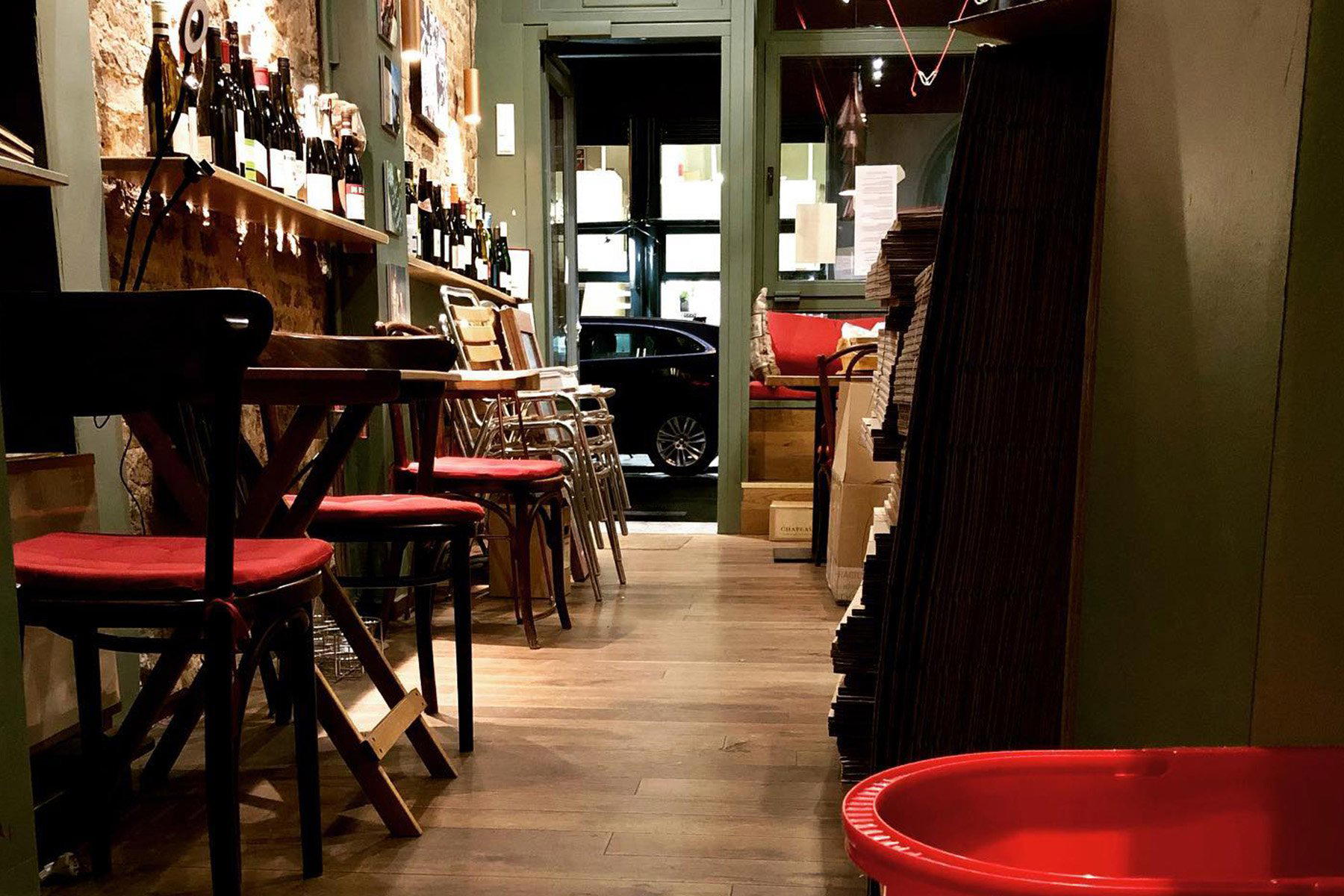
Restaurants in Leverkusen
Browse all →
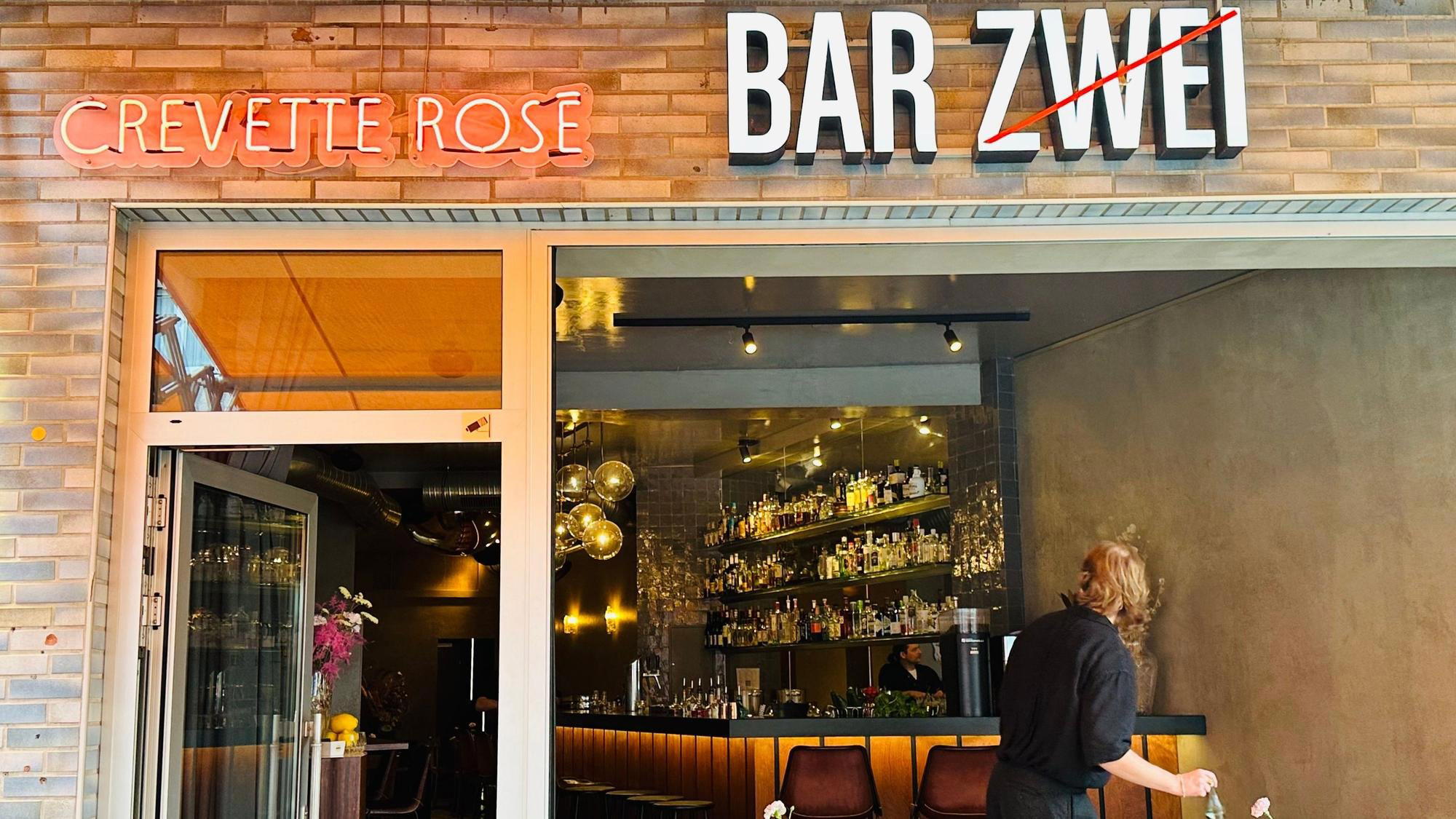
Bars in Leverkusen
Browse all →

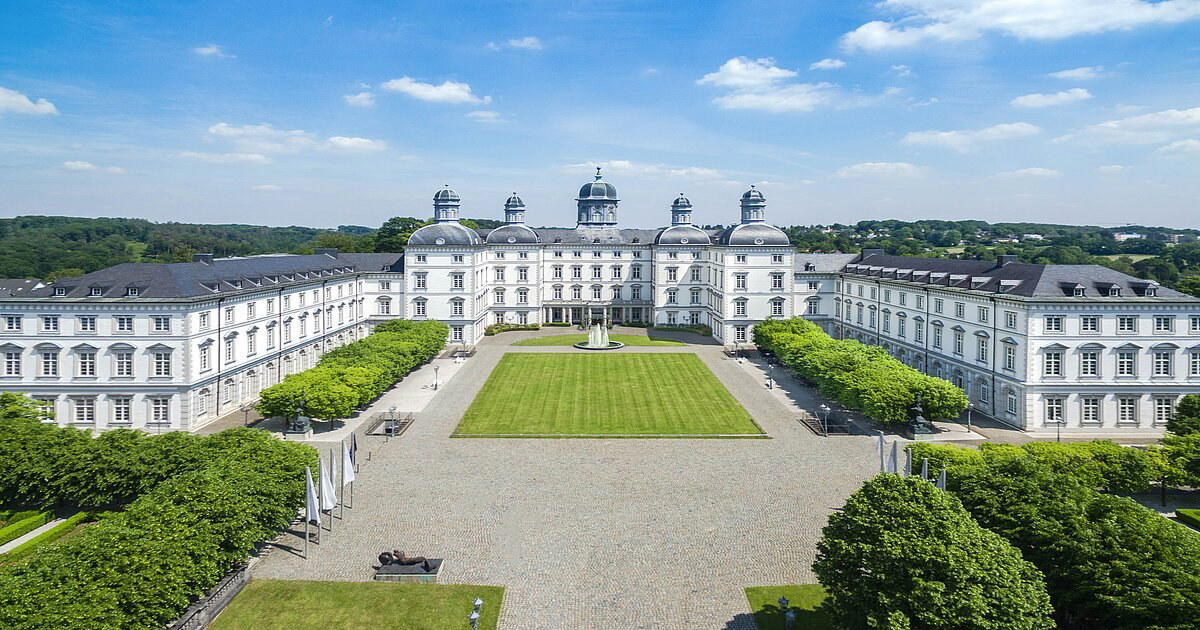
Hotels in Leverkusen
Browse all →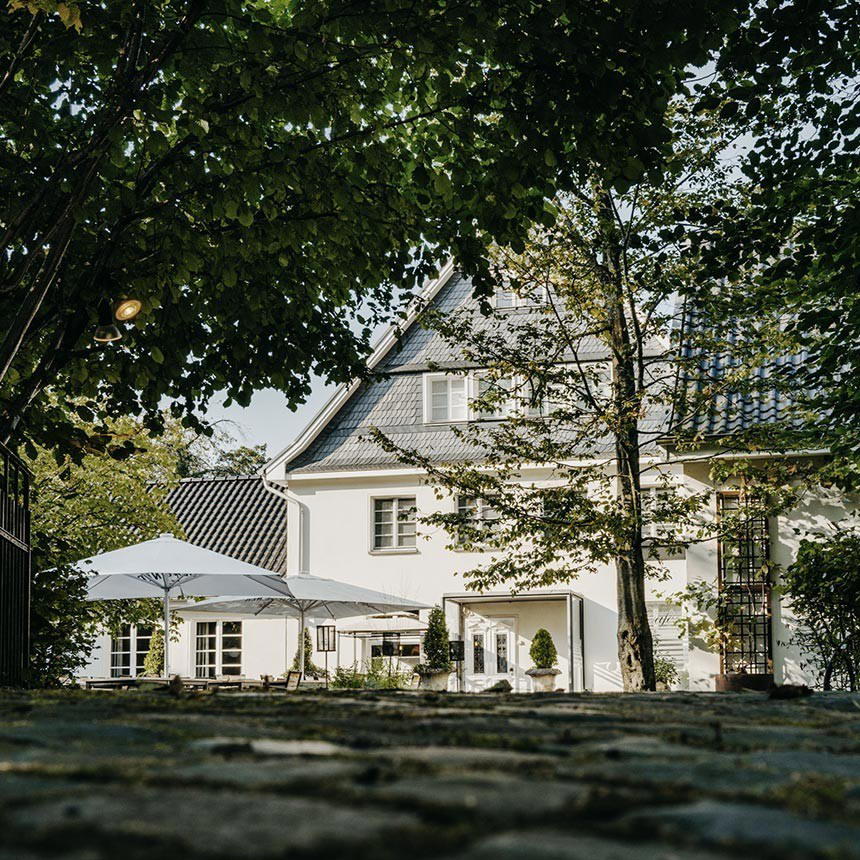

Details
- Classic
- Elegant
- Intimate
- Date Night
- Special Occasion
- Business Dinner
- Standalone
- A La Carte
- Vegetarian Friendly
- Vegan Options
Current opening hours
- Monday
- Closed
- Tuesday
- 12–2:30 PM, 6–10:30 PM
- Wednesday
- 12–2:30 PM, 6–10:30 PM
- Thursday
- 12–2:30 PM, 6–10:30 PM
- Friday
- 12–2:30 PM, 6–10:30 PM
- Saturday
- 6–10:30 PM
- Sunday
- 12–2:30 PM
Hours can change for holidays and private events. Last verified .
Warm and inviting with great visuals; informal yet refined Italian atmosphere with attentive, personal service creating an intimate dining experience.