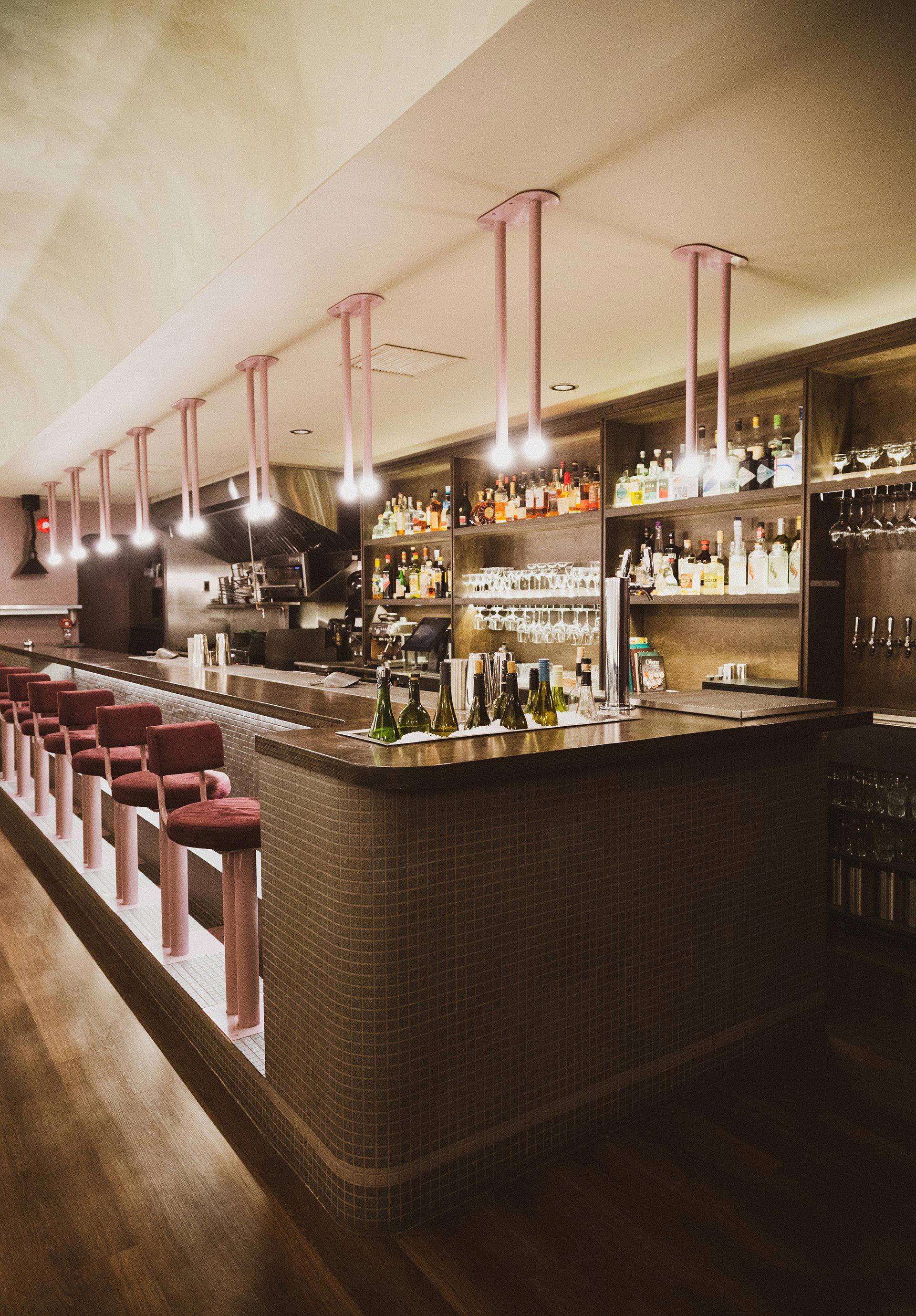
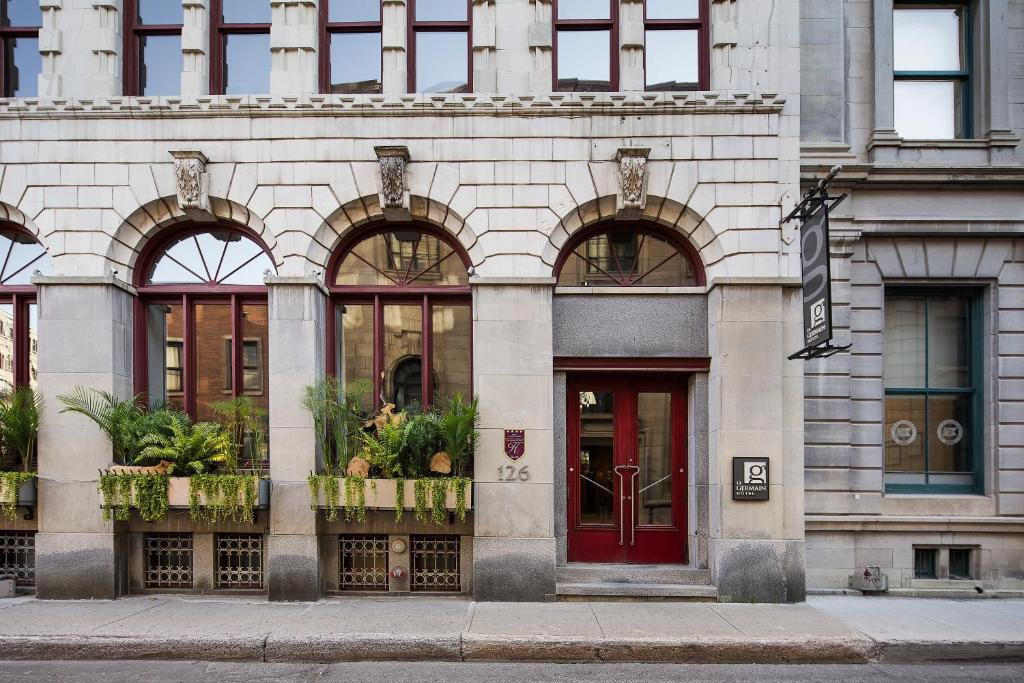
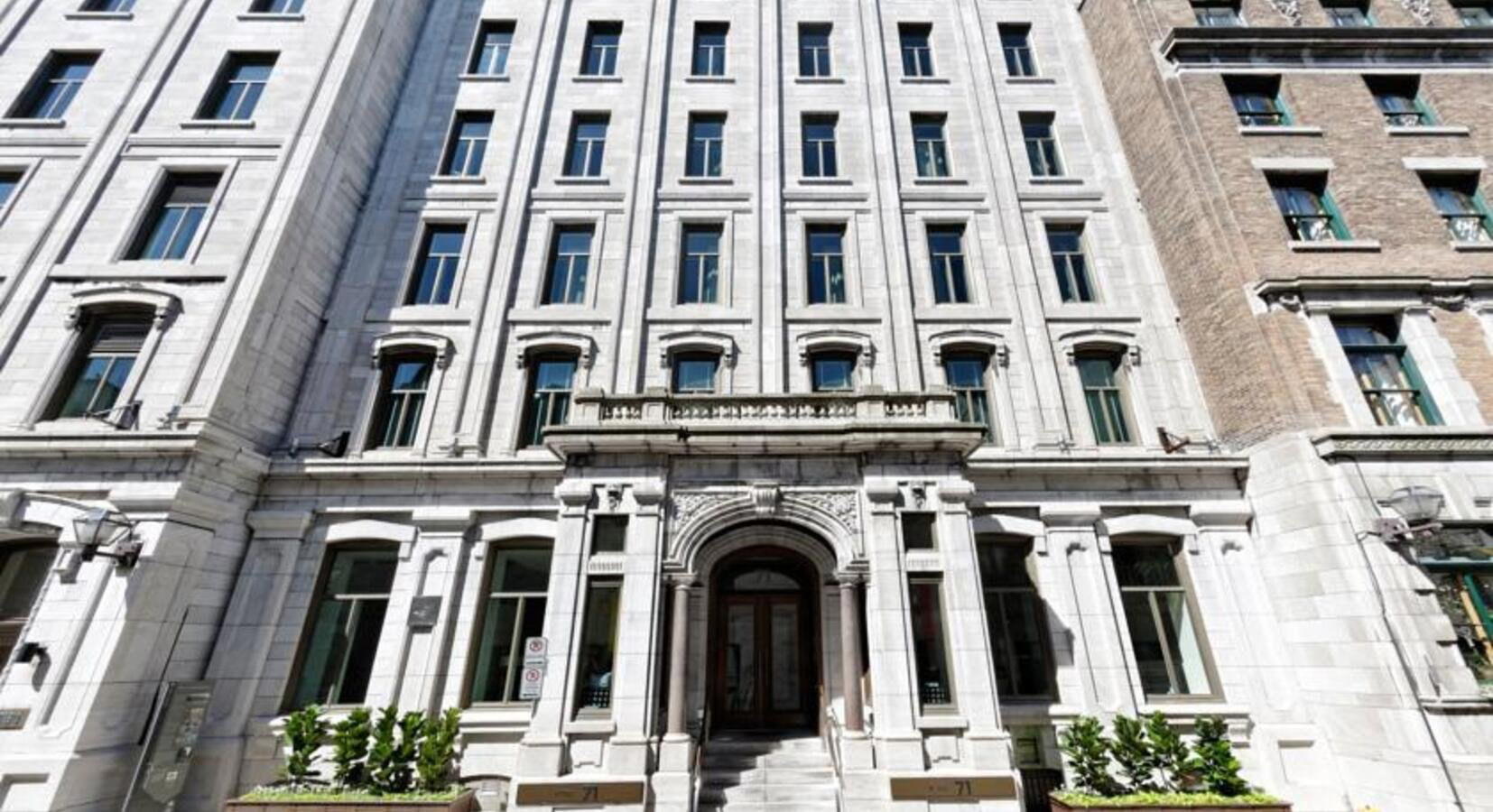
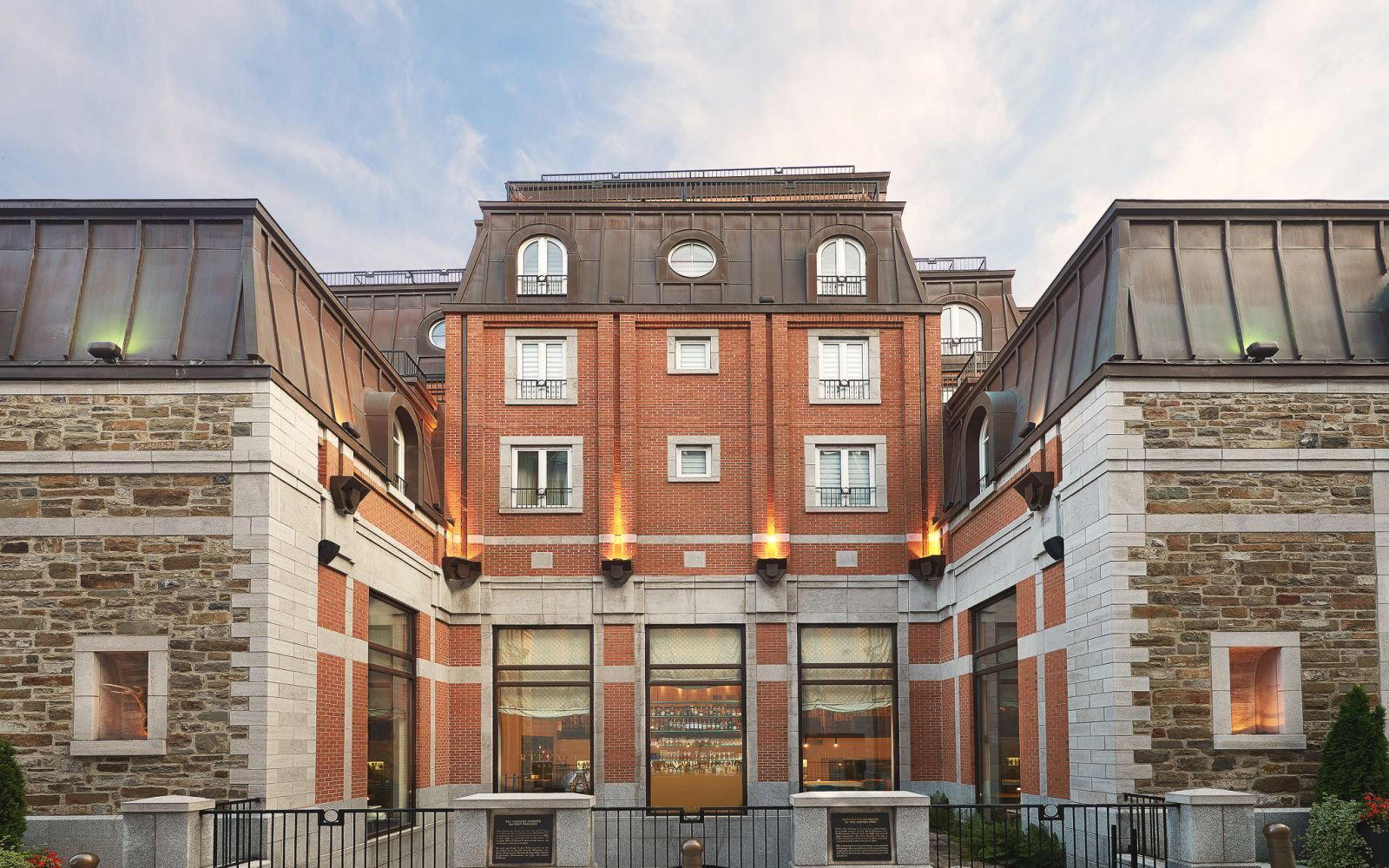
Steak Avenue - Vieux Québec
Our verdict
The address places it steps from the St. Lawrence waterfront and in close proximity to the city's broader steakhouse and French-influenced brasserie tier. For visitors working through Quebec City's restaurant scene, it represents a meat-forward option in a quarter better known for heritage-driven Canadian cooking.

Pearl is the En Primeur Club membership app — saves, bookings, and concierge access live there. Same editors, same standards.
- Address
- 15 Rue du Sault-au-Matelot, Québec, QC G1K 3Y7, Canada
- Phone
- (418) 948-5333
- Hours
- Daily 5–10 PM
- Website
- steakavenue.com
- Directions
- Get directions
- Booking
- Book on OpenTable
The menu
What to order
- Boneless ribeye
- Tomahawk steak
- Filet
- Wagyu flank
- Lobster
In Quebec City's current restaurant scene, the steakhouse format occupies a specific position. The city's celebrated fine-dining tier, anchored by rooms like Tanière³ and ARVI, has moved toward highly seasonal, technique-forward menus that foreground local and indigenous ingredients. The steakhouse sits in a separate lane: the format trades seasonal flexibility for consistent, protein-centred execution and tends to attract diners looking for a reliable, occasion-friendly meal rather than an experimental one. That separation matters when placing Steak Avenue in its competitive set. The question of where a cut comes from, and how it was raised, has moved from a marketing footnote to a central part of how steakhouse kitchens differentiate themselves. Quebec itself sits within a broader eastern Canadian beef and agricultural supply chain, with producers in the province and across the Maritimes supplying a range of grass-fed, grain-finished, and heritage-breed programmes that increasingly find their way onto restaurant menus in the province's major cities.
This sourcing conversation matters in the Quebec City context because the city's most ambitious kitchens have made ingredient provenance a consistent editorial point. Auberge Saint-Antoine has built a Canadian cuisine identity around regional sourcing and heritage product. Laurie Raphaël has long referenced Quebec's agricultural seasons as a structural element of its menus. Even at the brasserie level, provenance language has become standard. Operations with strong sourcing programmes, like those that specify breed, farm, or regional origin on the menu, tend to hold a clearer position in an increasingly crowded mid-to-premium dining tier. Those that do not can find themselves squeezed between the accessible bistro price point below and the tasting-menu room above. The Canadian dining market, from Alo in Toronto to AnnaLena in Vancouver, has moved consistently toward specificity, and steakhouses are not exempt from that pressure.
The Vieux-Québec Dining Tier It Operates In
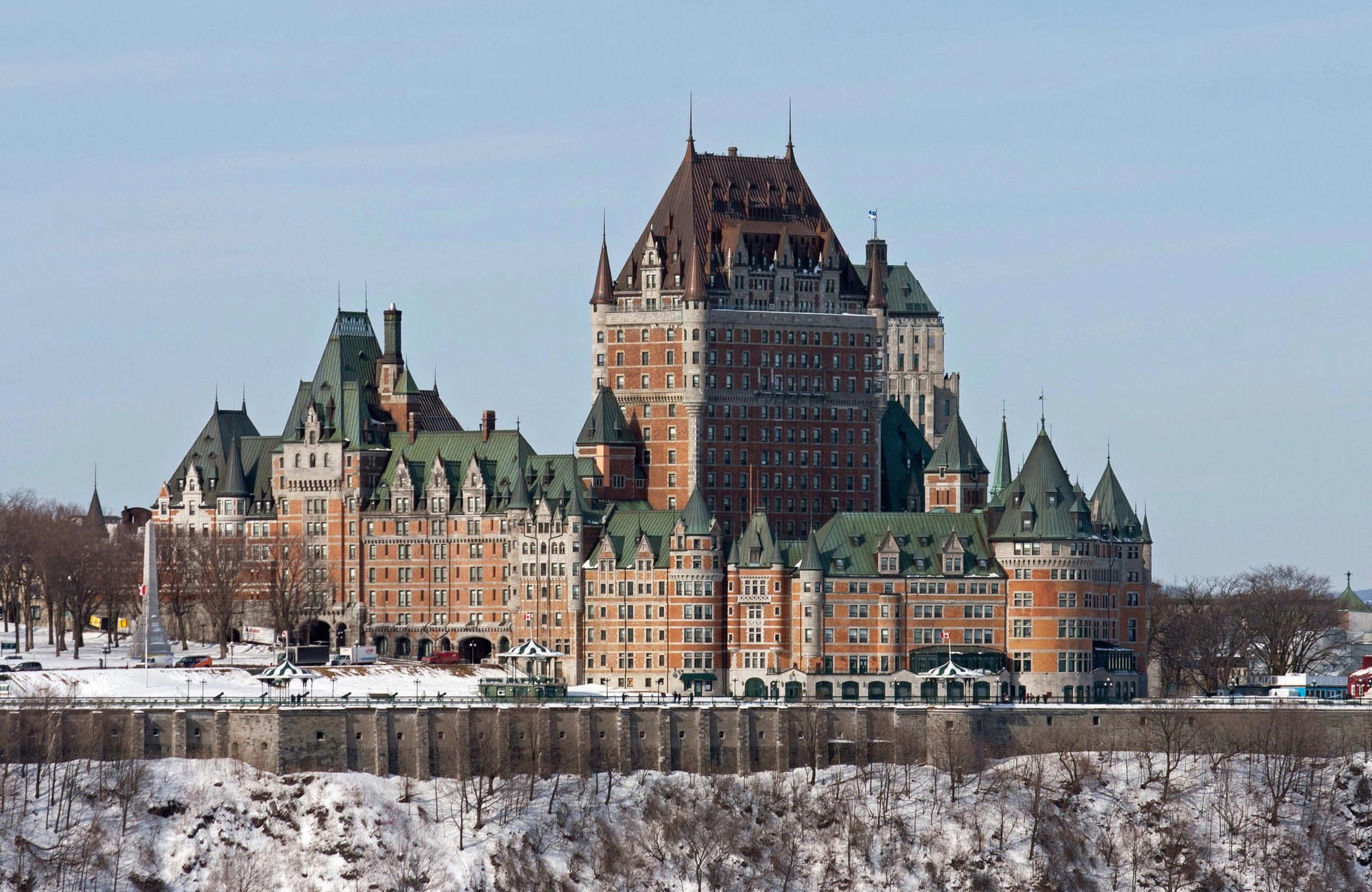
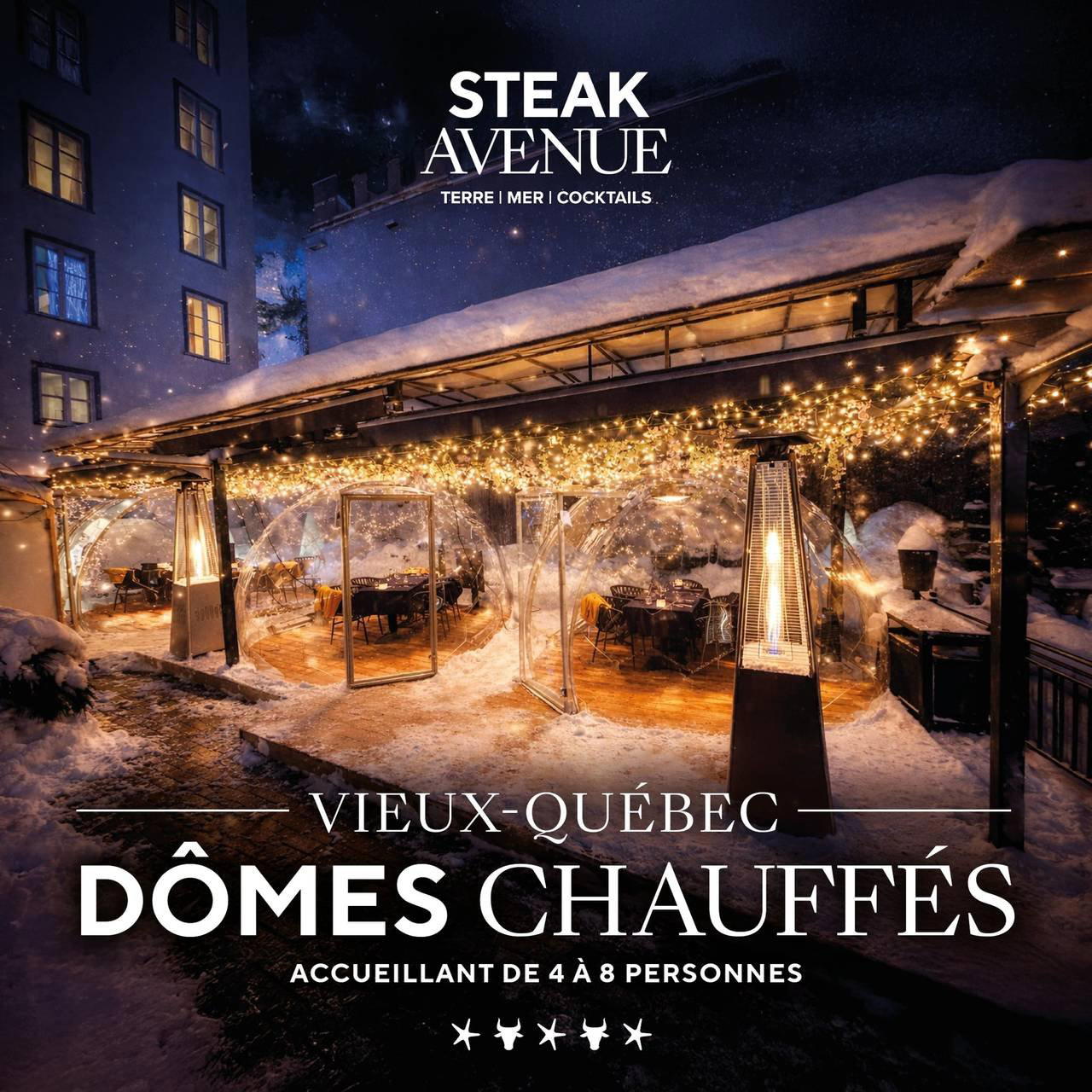
The lower town in winter is a different proposition from summer. From November through March, foot traffic in the historic quarter drops significantly, and the restaurants that survive that contraction tend to be those with a loyal local base or a strong reservation flow from hotel guests staying in the Old Port corridor. Summer, by contrast, brings a sustained tourist influx that fills tables across price points. For a steakhouse at this address, the seasonal rhythm likely means a heavier reliance on visitor traffic during peak months, with the quieter shoulder periods testing the degree to which the room draws from within the city.enprimeurclub.com/restaurants/aux-anciens-canadiens-quebec-restaurant">Aux Anciens Canadiens, which has built a durable local and tourist following through a consistent focus on traditional Quebec cuisine. The steakhouse format does not carry that same heritage narrative, which means it competes more directly on format, execution, and price point than on story. In a city where rooms like Kebec Club Privé have developed a distinctive creative identity, operating without a strong conceptual anchor requires the product itself to do more of the work.
For those mapping Quebec City's dining scene against broader Canadian and international benchmarks, the city's most forward-looking rooms compare credibly with ambitious kitchens in Montreal, and even with destination restaurants further afield. Jérôme Ferrer's Europea in Montreal represents the Quebec fine-dining tier at a different scale, while rural operations like Eigensinn Farm in Singhampton and Restaurant Pearl Morissette in Lincoln have pushed the ingredient-sourcing conversation in directions that now filter back into how urban diners think about what they eat. A steakhouse in Vieux-Québec absorbs those expectations whether or not it explicitly engages with them. For visitors staying in the historic quarter, the location is accessible on foot from most accommodation in the area. The surrounding neighbourhood offers a range of options across price points, so those building a multi-stop evening in the lower town have flexibility before or after. Booking in advance is advisable during the summer high season, when demand across the lower town dining corridor runs consistently ahead of available covers. For reference on the broader Quebec City scene, see our full Quebec City restaurants guide.
Travellers exploring the wider region's dining options will find points of comparison in Narval in Rimouski for a different take on Quebec's St. Lawrence corridor ingredient culture, and in The Pine in Creemore or Barra Fion in Burlington for how other Canadian kitchens outside major urban centres have approached protein-forward menus with a regional sourcing focus.
Frequently asked questions
Where is Steak Avenue - Vieux Québec located?
Steak Avenue - Vieux Québec is located at 15 Rue du Sault-au-Matelot, Québec, QC G1K 3Y7, Canada, Quebec City.
Is Steak Avenue - Vieux Québec a good option for dining in Quebec City's lower town in winter?
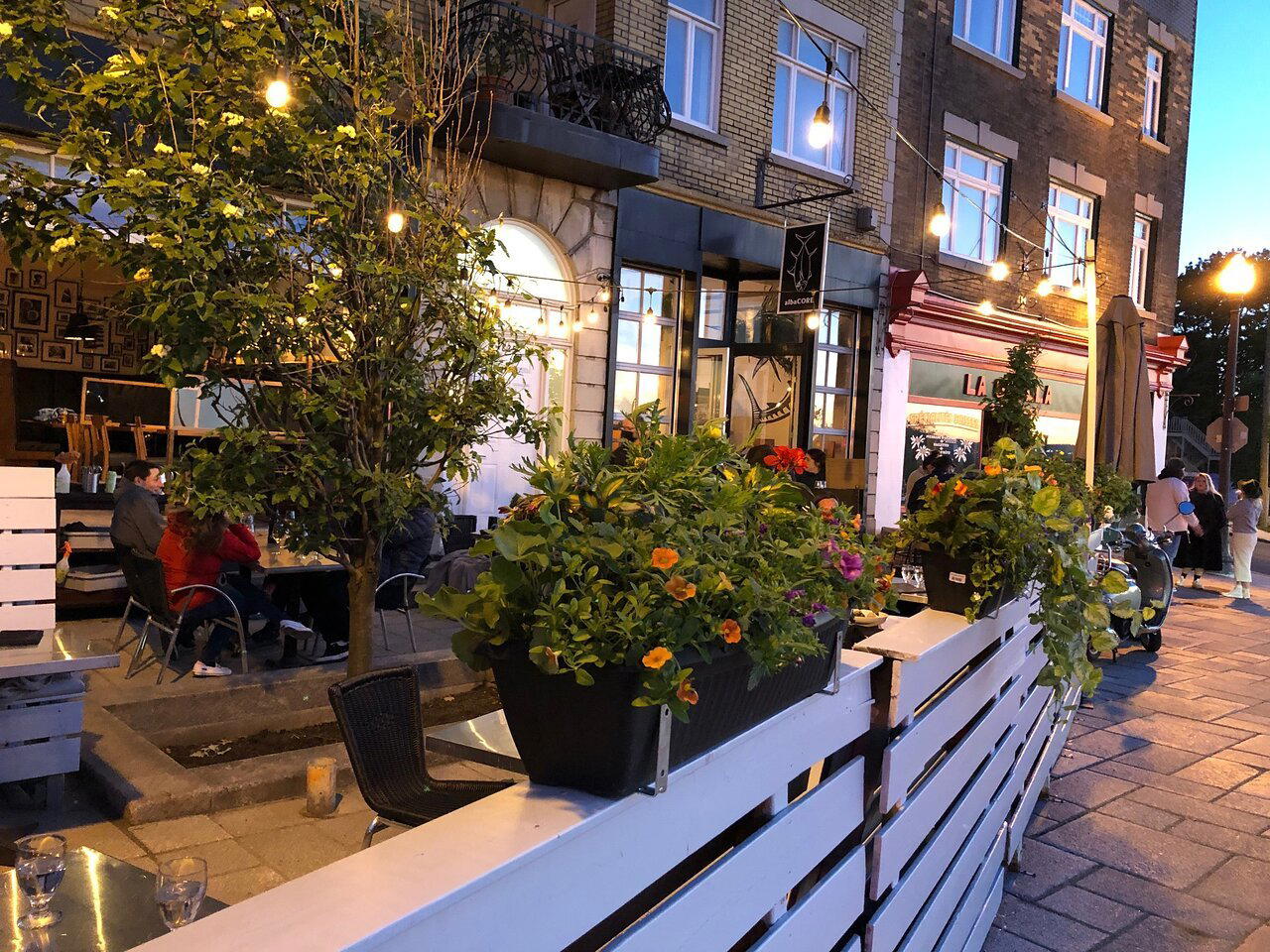
The lower town in winter is a quieter proposition than the summer historic quarter, and Steak Avenue's Rue du Sault-au-Matelot location puts it close to the Old Port waterfront and the funicular connecting to the upper town. That geography makes it a practical anchor for an evening that begins or ends in the Basse-Ville. Quebec City's winter restaurant scene rewards visitors who move past the main tourist corridors, and this street falls into that category.
What's the must-try dish at Steak Avenue - Vieux Québec?
The restaurant's focus is on premium cuts with documented sourcing, which puts the beef itself at the centre of any visit. Without a current posted menu, the safest strategy is to ask the floor staff which cut is in from which producer on the night you arrive. At a steakhouse operating in Quebec City's competitive lower town dining tier, the daily sourcing question tends to yield a more useful answer than any fixed recommendation.
How far ahead should I plan for Steak Avenue - Vieux Québec?
Timing matters more by season than by lead time at this address. Rue du Sault-au-Matelot sees a significant drop in foot traffic between November and March, which generally means more availability in winter than in peak summer. For July and August visits, or during Carnaval de Québec in February when the lower town sees unusual winter crowds, contacting the restaurant directly ahead of your trip is advisable.
What's the defining dish or idea at Steak Avenue - Vieux Québec?
The defining idea is provenance specificity: across Canada, the steakhouse format has shifted toward named-source beef over the past decade, and Steak Avenue operates within that tradition. The address on Rue du Sault-au-Matelot places it in a neighbourhood of stone-faced heritage buildings rather than the tourist-dense Haute-Ville, which tends to attract a clientele more focused on the plate than the postcard setting.
Comparable Venues
Comparable venues nearby, for context on price, style, and recognition.
| Venue | Cuisine | Price | Awards | Notes |
|---|---|---|---|---|
| Steak Avenue - Vieux QuébecThis venue — the venue you are viewing | Premium Steakhouse with Seafood | $30–50 | Not listed | Not listed |
| La Bête | Modern Steakhouse | $100–150 | Michelin Plate | Saint-Louis |
| Enzo Sushi | Traditional Japanese Sushi | $30–50 | Not listed | Saint-Jean-Baptiste |
| Sushi X Cartier | Asian | Not listed | Not listed | Montcalm |
| Restaurant Ophelia | Modern Seafood and Steakhouse | $50–100 | Star Wine List · Wine Spectator Award of Excellence | Vieux-Québec, Cap-Blanc, Colline parlementaire |
| Ciel | Modern French Bistro with Quebec Influences | $50–100 | Not listed | Vieux-Québec, Cap-Blanc, Colline parlementaire |