Enzo Sushi
Quebec City's sushi scene operates at a remove from the omakase-heavy markets of Toronto and Vancouver, and Enzo Sushi on Boulevard René-Lévesque East occupies a distinct position within that context. Located in the heart of the city's administrative corridor, it offers Japanese-style dining to a clientele more accustomed to bistro boréal and French-inflected tasting menus. For visitors mapping the city's full dining range, it sits as a counterpoint to the region's dominant local cuisine tradition.
Pearl is the En Primeur Club membership app — saves, bookings, and concierge access live there. Same editors, same standards.
- Address
- 150 Bd René-Lévesque E #130, Québec, QC G1R 2V6, Canada
- Phone
- +14186491688
- Website
- sushi-enzo.com
- Directions
- Get directions
 Saves & bookings on Pearl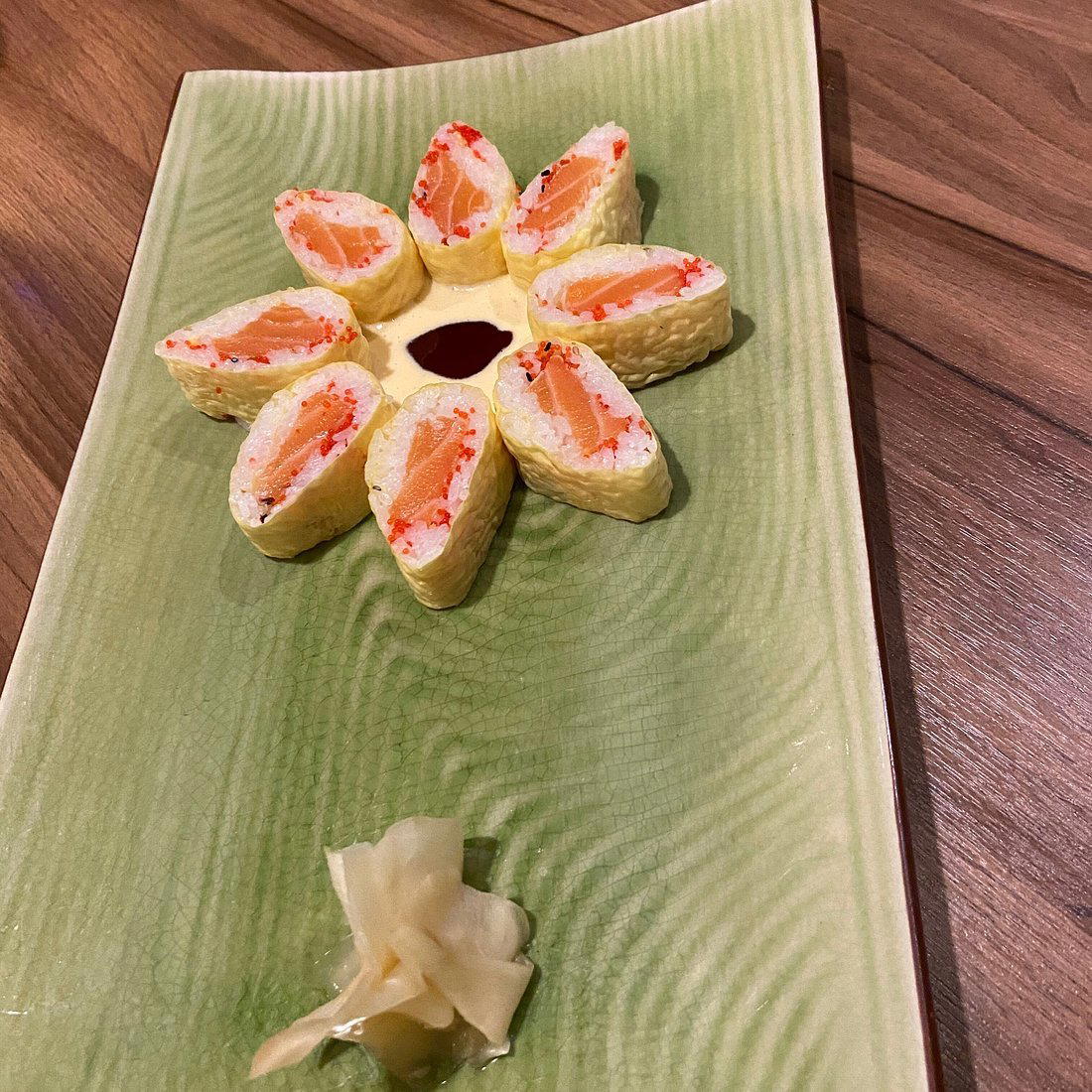
Japanese Dining in a French-Inflected City
The dining conversation here runs through boreal larders, heritage terroir, and the kind of French-trained kitchen discipline that shaped restaurants like Tanière³ and Laurie Raphaël. The city's culinary identity leans hard into its geography: the St. Lawrence, the Laurentian highlands, the short growing season that makes chefs work harder for their produce. Against that backdrop, Japanese cuisine occupies a niche role, present, patronized, but rarely the primary lens through which visitors or locals think about eating well here.
That tension is worth noting when approaching Enzo Sushi at 150 Boulevard René-Lévesque East. The address places it in the lower town's administrative and commercial spine, a stretch of the city that draws a lunch crowd of government workers and office professionals rather than the tourism-heavy foot traffic of the Old Port. It is not the setting you associate with late-night omakase rituals or the hushed ceremony of a Tokyo counter. The surrounding context is workaday, purposeful, and local in character.
The Atmosphere of a Neighbourhood Anchor
In cities where Japanese dining has matured into a competitive, stratified market, Toronto's omakase tier, Vancouver's Japanese-Canadian hybrid tradition, sushi restaurants tend to announce themselves through design language: raw concrete, warm cypress, the geometry of a counter built around performance. Smaller-market sushi operations in cities like Quebec City more often function as neighbourhood anchors, places where familiarity and consistency carry more weight than spectacle.
Approaching the Boulevard René-Lévesque address in winter, which in Quebec City means navigating the city's characteristically direct cold, the restaurant occupies a ground-floor unit in a mixed-use building that signals mid-market accessibility rather than destination dining theatre. The surrounding streetscape is functional rather than atmospheric: government ministries, service businesses, and the kind of steady pedestrian rhythm that defines a working city's commercial arteries. This is not the cobblestone quarter tourists photograph; it is where Quebec City eats on a Tuesday.
That positioning has its own logic. Across Canada, particularly durable sushi restaurants in secondary markets have often been those that embed themselves in the daily rhythms of local diners rather than competing for tourist spend. Cafe Brio in Victoria built its reputation similarly, through neighbourhood loyalty rather than destination marketing. The same pattern appears in cities from Rimouski, where Narval has found its footing in a smaller market, to the rural destinations like Eigensinn Farm in Singhampton, where sustained local relevance outlasts any single season of critical attention.
Quebec City's Dining Tier and Where Sushi Sits Within It
The city's upper dining tier is well-documented and competitive. Creative tasting-menu formats dominate: ARVI and Kebec Club Privé operate at the four-dollar-sign range alongside Tanière³, while mid-market options like Chez Boulay Bistro Boréal anchor the three-dollar bracket with a focus on regional ingredients. Auberge Saint-Antoine represents the hotel dining format with a Canadian cuisine focus. These restaurants share a common emphasis: Quebec's own landscape as the primary ingredient source and narrative framework.
Japanese cuisine sits outside that framework almost by definition. Sushi relies on fish supply chains and rice traditions that are not rooted in the St. Lawrence Valley, which means sushi restaurants in Quebec City exist in a kind of productive tension with the dominant local identity. They serve a real demand, the city has a substantial permanent population with diverse dining preferences, but they do not compete for the same cultural positioning that drives tasting-menu bookings at Tanière³ or the farm-to-table conversation at ARVI. This is a different kind of value proposition: familiar format, approachable pricing signals, and proximity to where people already are.
For visitors who have eaten along the full Canadian spectrum, from Alo in Toronto to Restaurant Pearl Morissette in Lincoln to AnnaLena in Vancouver, the comparison point for Quebec City sushi is not those destination formats. It is the mid-market Japanese restaurant that every city of Quebec City's size supports: consistent, unpretentious, and serving a legitimate function in a dining week that might otherwise be entirely dominated by butter-rich French technique and boreal protein.
Planning a Visit
The Boulevard René-Lévesque East address puts Enzo Sushi within walking distance of the city's central hotel corridor and the lower approaches to the Old Town, making it a practical option for visitors staying in the administrative quarter or those looking for a lighter meal between the city's heavier tasting-menu commitments. Quebec City winters are serious, temperatures regularly drop below minus fifteen Celsius between December and February, which affects the logic of choosing a restaurant based on location. A short walk from a central hotel to a familiar format can be the right call on a cold weeknight. Spring and summer, when the city's outdoor character reasserts itself and the tourist volume rises sharply, tend to drive longer waits and fuller rooms at every format from bistro to brasserie. For Japanese dining specifically, the shoulder seasons offer a more relaxed experience without the summer peak pressure on tables.
Open Tuesday through Sunday, with Monday closed. The address, 150 Boulevard René-Lévesque East, unit 130, is publicly confirmed.
Visitors with an interest in how Canadian cities outside the major metropolitan centres are developing their dining range will find Quebec City instructive. The French-heritage fine dining tradition remains the dominant cultural signal, as it does at Jérôme Ferrer's Europea in Montreal and in the seafood formalism of Le Bernardin in New York at the far end of that tradition. But the presence of mid-market international formats, Japanese, among others, reflects a permanent population with wider appetites than any single culinary identity can satisfy. Enzo Sushi operates in that register: not as a statement about Quebec City's dining ambition, but as a working part of its daily eating life. For a city-mapping exercise across Canada's more remote dining contexts, formats like Fogo Island Inn Dining Room, Busters Barbeque in Kenora, and The Pine in Creemore offer useful contrast points about how geography shapes restaurant identity. Lazy Bear in San Francisco represents the extreme opposite end of the format range: a tightly controlled, high-concept experience where every element is deliberate. Enzo Sushi occupies neither extreme.
City Peers
Comparable venues nearby, for context on price, style, and recognition.
| Venue | Cuisine | Price | Notes |
|---|---|---|---|
| Enzo SushiThis venue — the venue you are viewing | Traditional Japanese Sushi | $$ | Not listed |
| Nina Pizza Napolitaine St-Roch | Authentic Neapolitan Pizza | $$ | Saint-Roch |
| Portofino | Traditional Italian Trattoria with Wood-Fired Pizza | $$ | Vieux-Québec, Cap-Blanc, Colline parlementaire |
| BISTRO LE SAM | Modern French Bistro | $$$ | Vieux-Québec, Cap-Blanc, Colline parlementaire |
| Que Sera Sera | French-Canadian Bistro | $$ | Vieux-Québec, Cap-Blanc, Colline parlementaire |
| Savini | Authentic Italian | $$$ | Vieux-Québec, Cap-Blanc, Colline parlementaire |
Continue exploring
More in Quebec City
Restaurants in Quebec City
Browse all →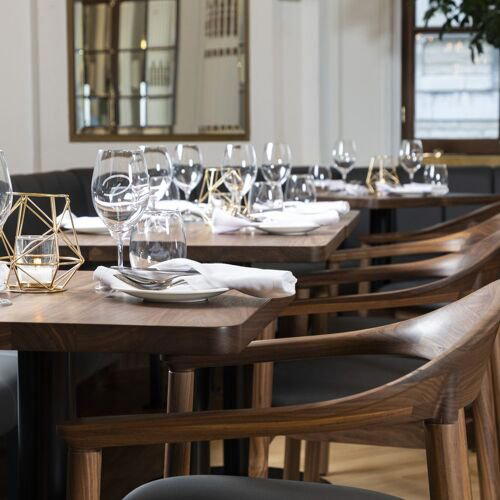
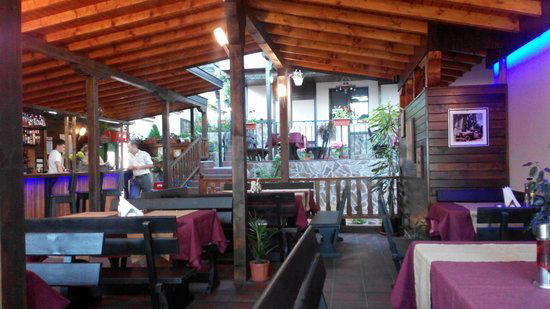
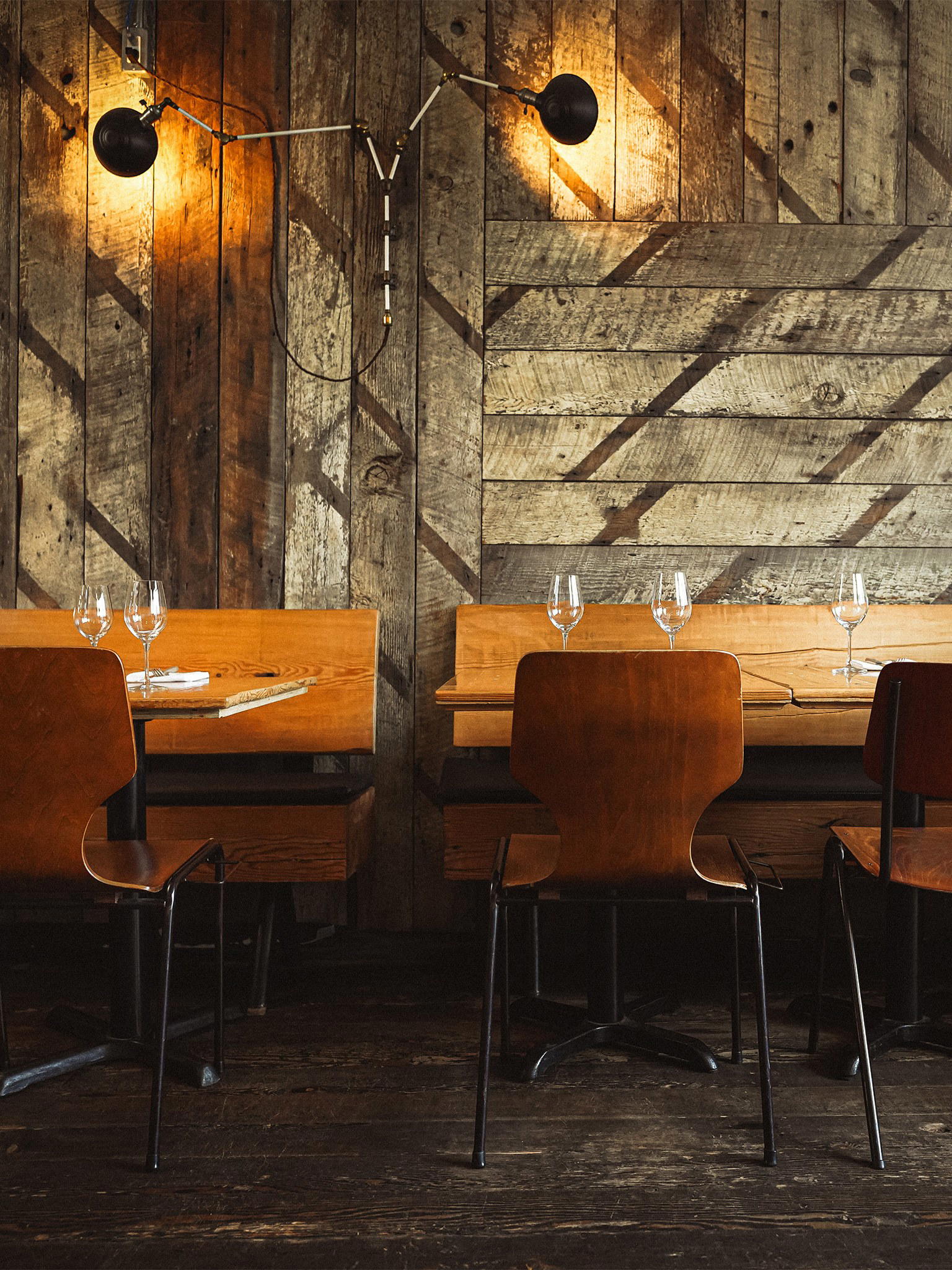
Bars in Quebec City
Browse all →
At a Glance
- Cozy
- Modern
- Elegant
- Intimate
- Date Night
- Family
- Group Dining
- Open Kitchen
- Sake Program
Current opening hours
- Monday
- Closed
- Tuesday
- 5 AM–10 PM
- Wednesday
- 5–10 PM
- Thursday
- 5–10 PM
- Friday
- 5–10 PM
- Saturday
- 5–10 PM
- Sunday
- 5–10 PM
Hours can change for holidays and private events. Last verified .
Modern yet cozy atmosphere with atmospheric lighting, intimate booths on mezzanine, and warm welcoming service.