Sýpka u Ludvíka sits in Báb, a quiet village in the agricultural heartland of western Slovakia near Nitra. The name — which translates roughly as 'Ludvík's Granary' — signals a connection to the land that shapes dining across this region of small farms and seasonal produce. For travellers moving between Nitra and Bratislava, it represents the kind of rurally rooted stop that defines Slovak hospitality outside the cities.
Pearl is the En Primeur Club membership app — saves, bookings, and concierge access live there. Same editors, same standards.
- Address
- Alexandrov Dvor 423, 951 34 Báb, Slovakia
- Phone
- +421918399575
- Website
- sypka.sk
- Directions
- Get directions
 Saves & bookings on Pearl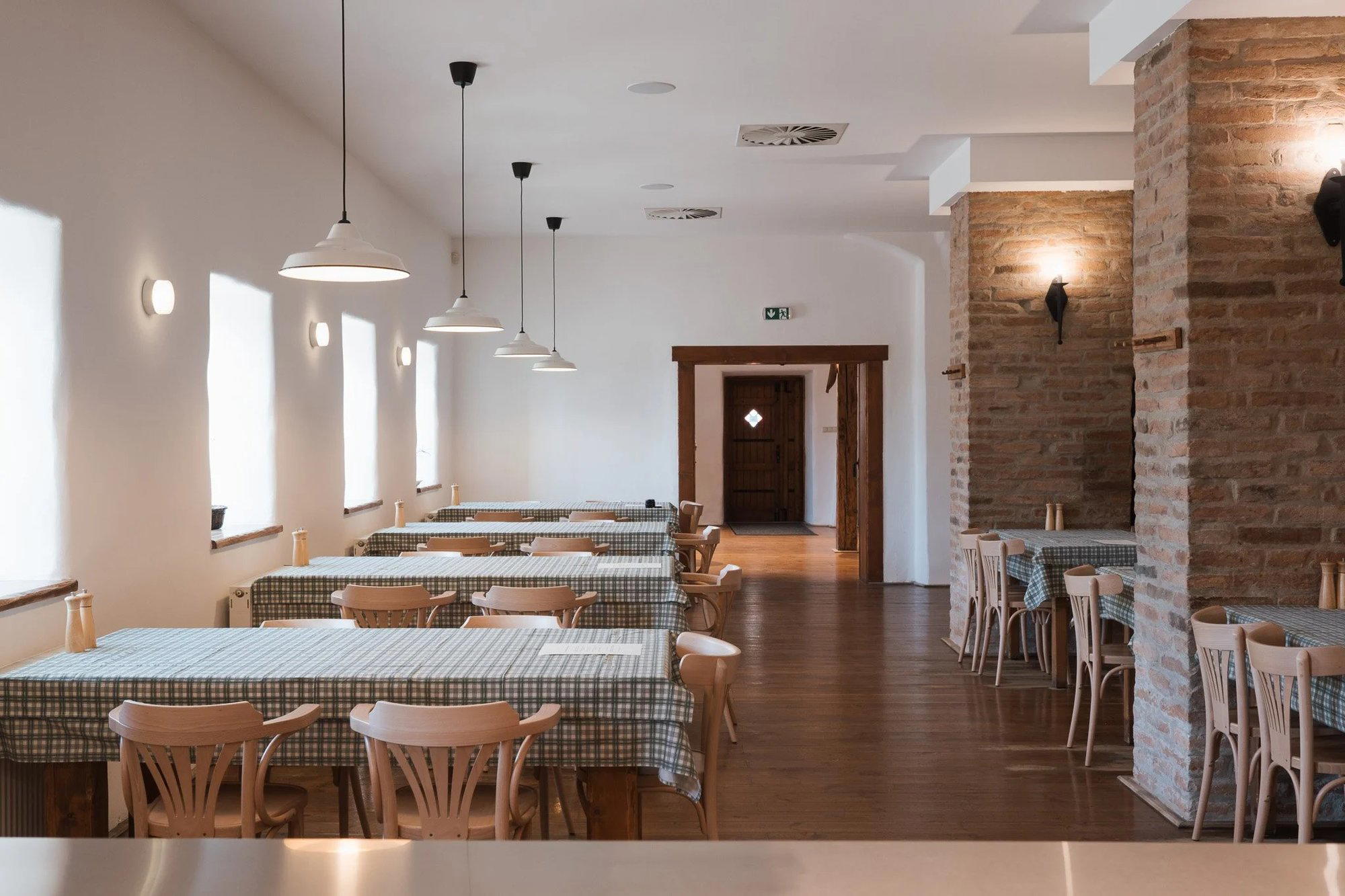
Where the Granary Tradition Meets the Table
Sýpka u Ludvíka is a restaurant in Báb, Slovakia, serving Traditional Slovak food at a casual price point around $15 per person. In Slovakia's agricultural west, the stretch of lowland between Nitra and the capital has always fed the country before it fed its restaurants. Villages like Báb sit on this productive plain, surrounded by fields that supply the markets, kolibas, and kitchen gardens that define the region's food character. Sýpka u Ludvíka — the name references a granary, the traditional storage building that anchored every working farm — places itself squarely within that context. The address, Alexandrov Dvor, is itself a reminder of the estate farming history that shaped this part of western Slovakia, where manor houses and their outbuildings once organised rural life around the harvest cycle.
That agricultural grounding is not decorative. Across central European rural dining, particularly credible kitchens are those that can trace their ingredients to nearby sources: the pig farmer two villages over, the market gardener supplying cabbages and root vegetables through winter, the local mill whose flour determines the texture of the bread. In this corner of Slovakia, proximity to Nitra, one of the country's oldest cities and a consistent centre of regional agriculture, means access to a supply web that urban restaurants in Bratislava often have to work harder to reach. For venues positioned in villages like Báb, sourcing locally is less a marketing position than a practical reality built into the geography.
The Wider Scene: Rural Slovak Dining and Ingredient Identity
Slovak rural dining operates along lines that are distinct from the country's urban restaurant scene. Where Bratislava has moved toward contemporary reinterpretation, places reworking halušky and bryndzové combinations for a dining-out audience with international reference points, village restaurants in the Nitra region tend to maintain a more direct relationship with traditional formats. Slow-cooked meats, fermented dairy, preserved vegetables, and game from nearby forests appear not as nostalgic gestures but as the natural output of what the surrounding land produces each season.
This pattern recurs across Slovakia's wine and farming regions. Wild Kitchen Modra in Modra operates with a similar logic closer to the Small Carpathians, where foraged ingredients and local game give the kitchen its identity. Further afield, Fatrabeef in Lubochna has built an entire proposition around a specific regional beef breed, demonstrating how a single sourcing decision can anchor a rural restaurant's entire editorial position. In the High Tatras context, Koliba Patria in Štrbské Pleso connects sheep-farming tradition to the table in ways that reflect mountain-specific ingredient culture. The through-line across all of these is that the strongest rural Slovak kitchens derive their authority from what grows or grazes nearby, not from imported technique or imported product.
In the Nitra lowlands, that means grain, root vegetables, freshwater fish from the Nitra river system, pork from local farms, and the sheep and goat dairy products that have moved through Slovak cooking for centuries. A venue named for a granary, sýpka, situates itself within exactly this tradition.
Placing Báb in the Regional Dining Map
Báb is a small village of a few hundred residents, roughly 10 kilometres north of Nitra city centre. For visitors using Nitra as a base, Slovakia's fourth-largest city is a practical overnight for anyone exploring western Slovakia's wine villages, Roman ruins at Gerulata, or the route between Bratislava and the Tatras, the surrounding villages offer a style of dining that the city itself does not always replicate. The scale is different, the pace is different, and the relationship between kitchen and supplier tends to be more compressed and direct.
Nitra itself has a growing restaurant scene, with places like Allora Fresh Pasta in Nitra representing the more cosmopolitan end of the local dining register. But for those wanting to understand how western Slovak cooking connects to its agricultural base, the villages in the Nitra hinterland, rather than the city centre, offer the more instructive context. Sýpka u Ludvíka, at Alexandrov Dvor, occupies one of those positions.
Visitors to the area who want comparable rural formats elsewhere in western Slovakia might look at Holotéch víška in Kosariská or Afrodita in Čerenany. Further into central Slovakia, Klára v GOYA vitality hotel in Voderady and Kaštieľ Čičmany in Čičmany demonstrate how estate and manor-house settings continue to shape Slovak rural hospitality, a pattern that Alexandrov Dvor's address at Sýpka u Ludvíka also evokes.
For those building a longer Slovakia itinerary that stretches east, Bulli Kebab in Košice represents a different culinary register, the eastern city's multicultural food scene sits at the opposite end of the spectrum from western Slovak agricultural tradition. The contrast is instructive for understanding how varied Slovak dining geography actually is. And for reference points further afield, the kind of sourcing rigour and ingredient-led discipline that western Slovak rural kitchens aspire to at their leading, venues like Le Bernardin in New York City and Atomix in New York City show what ingredient authority looks like when applied at the highest formal level, even if the formats are entirely different.
Planning a Visit
Báb is most practically accessed by car from Nitra, a drive of around 10 to 15 minutes along local roads heading north from the city. Reservations are recommended. Village restaurants in this part of Slovakia frequently operate on reduced weekday schedules, with weekend lunch being the primary service. Given the agricultural character of the address, Alexandrov Dvor suggests an estate or farmyard setting, arriving without a booking during peak weekend hours carries some risk.
For reference points in nearby urban settings before or after a visit to Báb, Don Saro Cucina Siciliana in Bratislava and Cafe Sissi in Trenčín represent contrasting approaches to Slovak regional dining in city formats. In the other direction, Hotel and Restaurant Gino Park Palace in Považská Bystrica, Focus Restaurant in Žilina, KOLIBA na Vršku in Bytča, and Hotel and Restaurant Drak in Liptovský Mikuláš map the kind of Slovak hospitality format that connects to the same rural and agricultural traditions visible in the Nitra region.
At-a-Glance Comparison
Comparable venues nearby, for context on price, style, and recognition.
| Venue | Cuisine | Price | Notes |
|---|---|---|---|
| Sýpka u LudvíkaThis venue — the venue you are viewing | Traditional Slovak | $$ | Not listed |
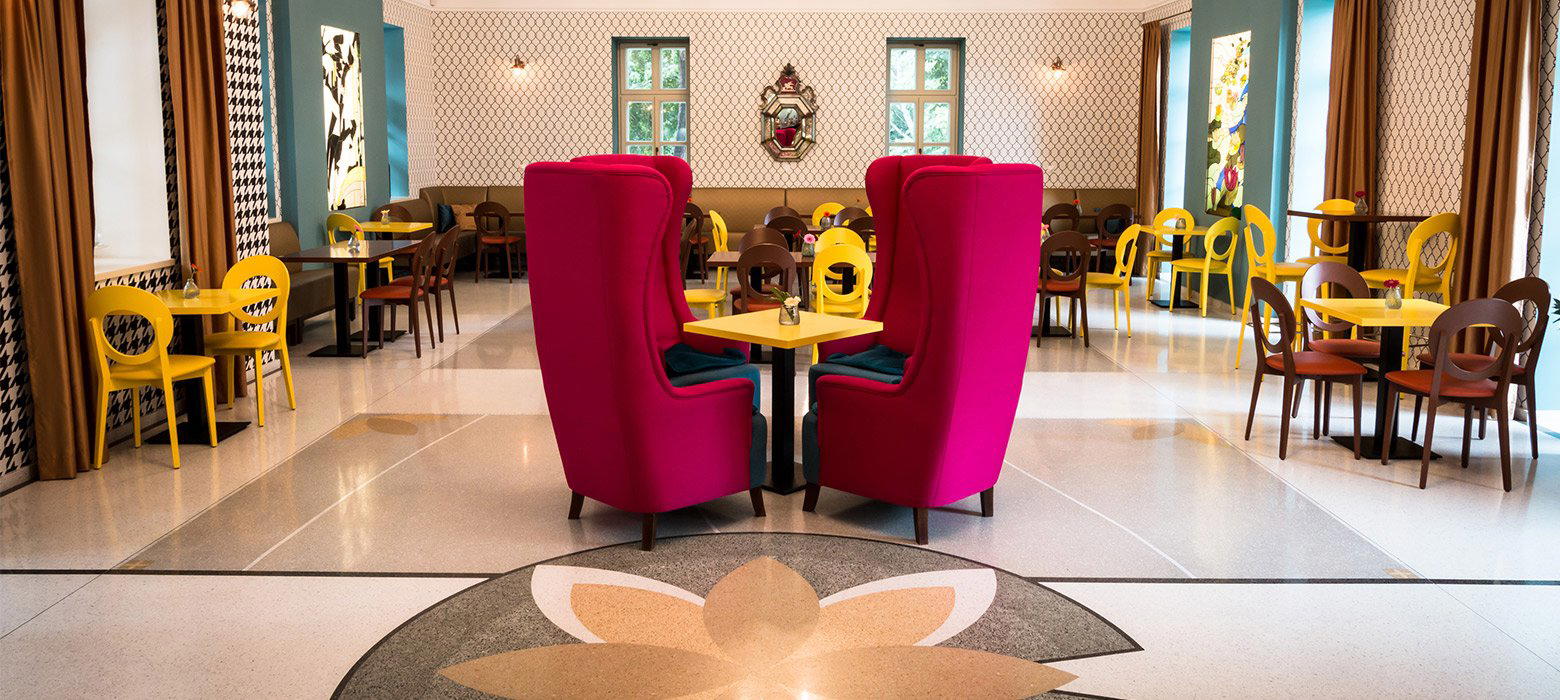
| Nitriansky Furmanský Dvor | Modern Slovak Cuisine | $$ | Nitra Center |
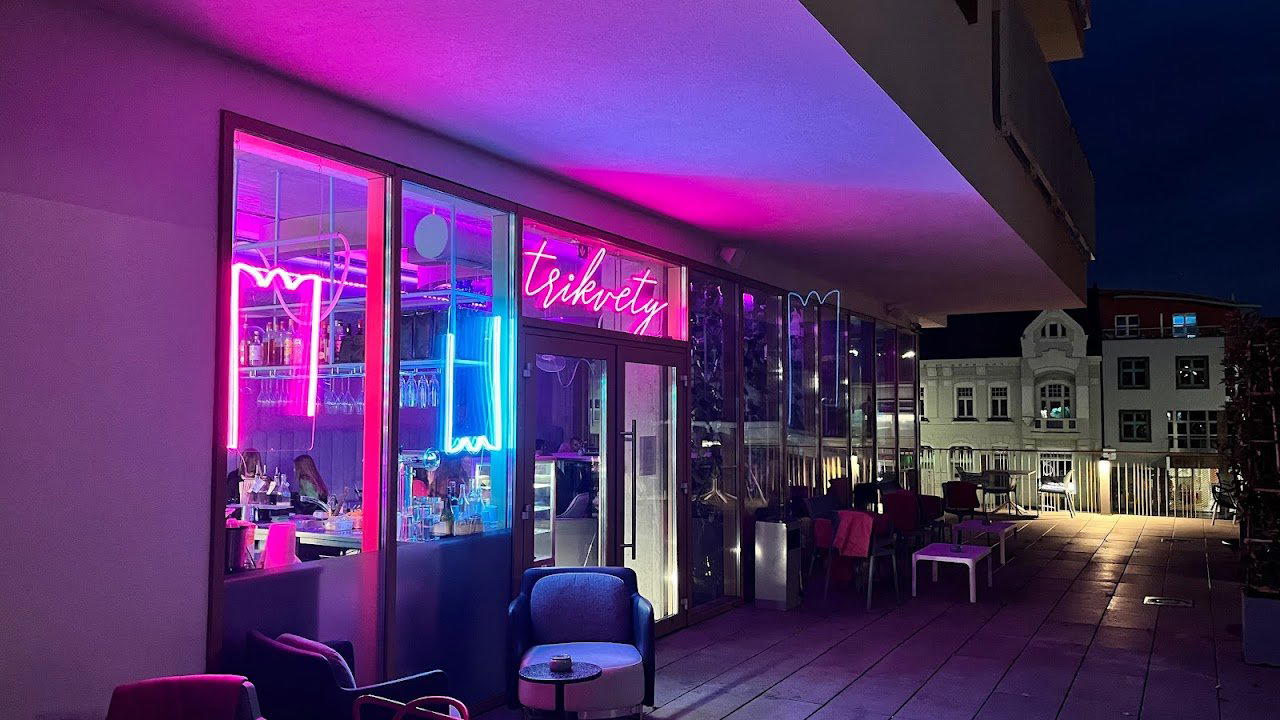
| Tri Kvety | Slovak Bistro | $$ | Nitra center |
| Clock Block | Slovak Pub with Craft Beer | $$ | Petržalka |
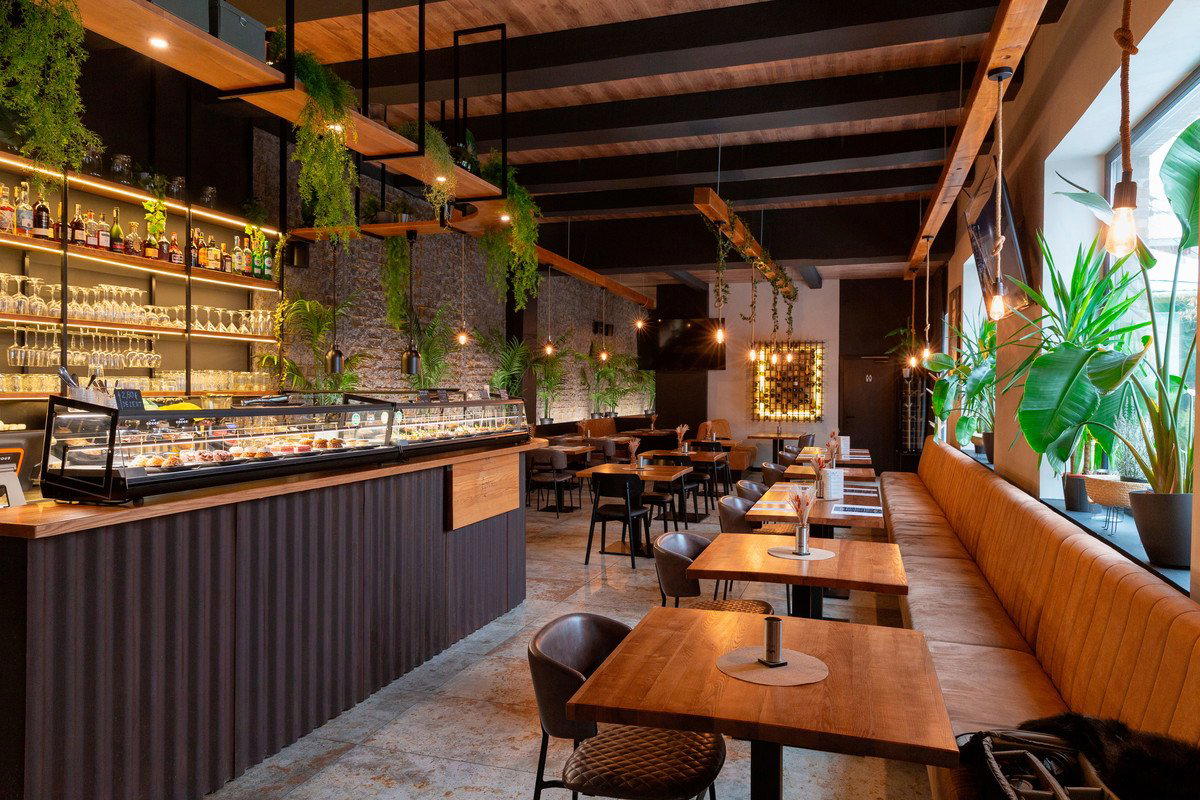
| TERRA Jasová | Slovak Farm-to-Table | $$ | Jasova |
| Café Devín | Modern Pressburg Café Cuisine | $$ | Staré Mesto |

At a Glance
- Rustic
- Cozy
- Classic
- Family
- Group Dining
- Casual Hangout
- Terrace
- Historic Building
- Local Sourcing
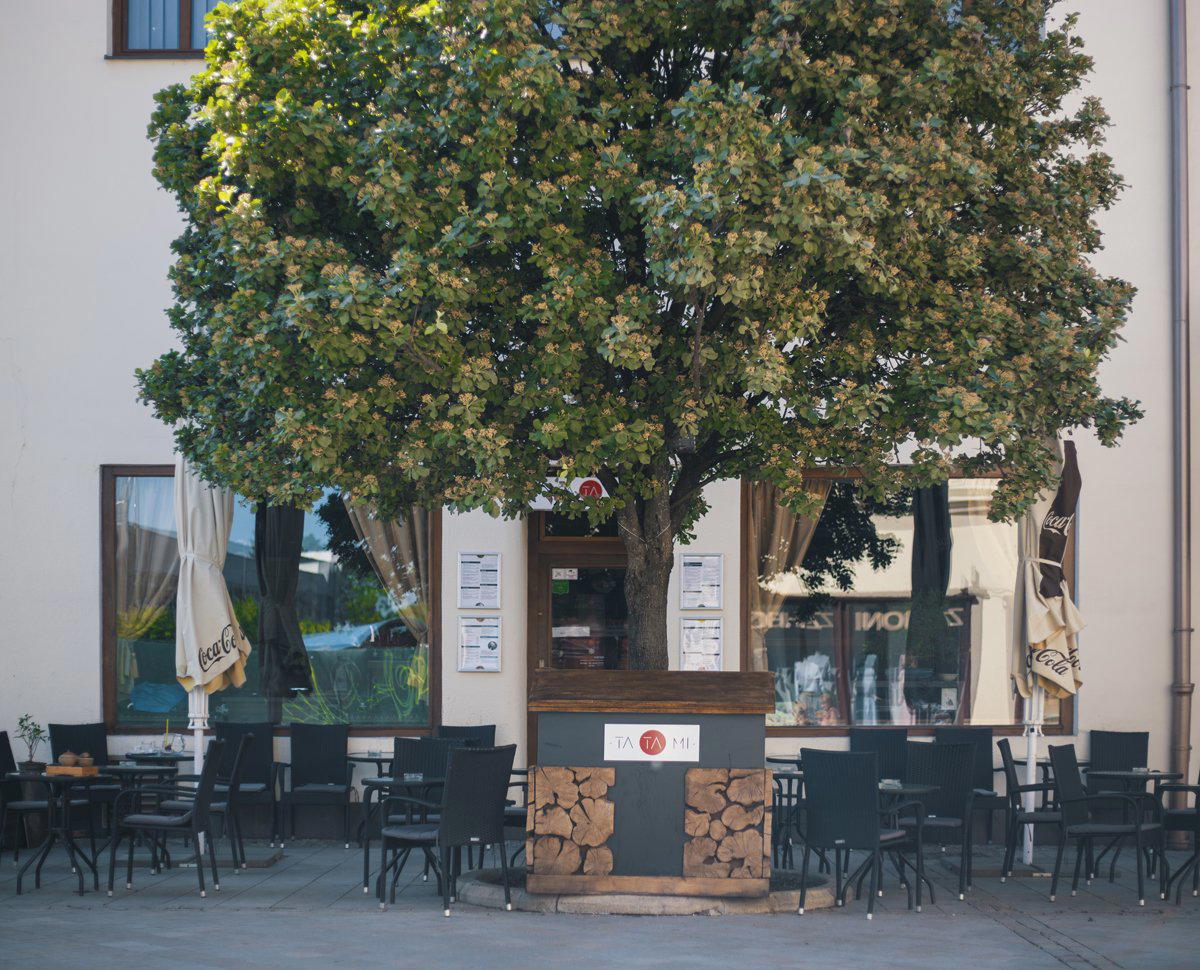
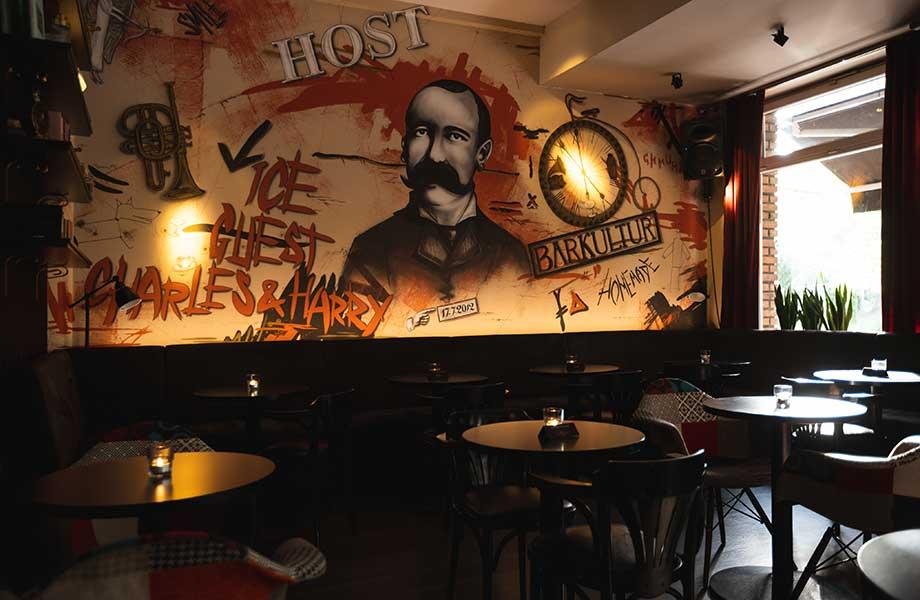
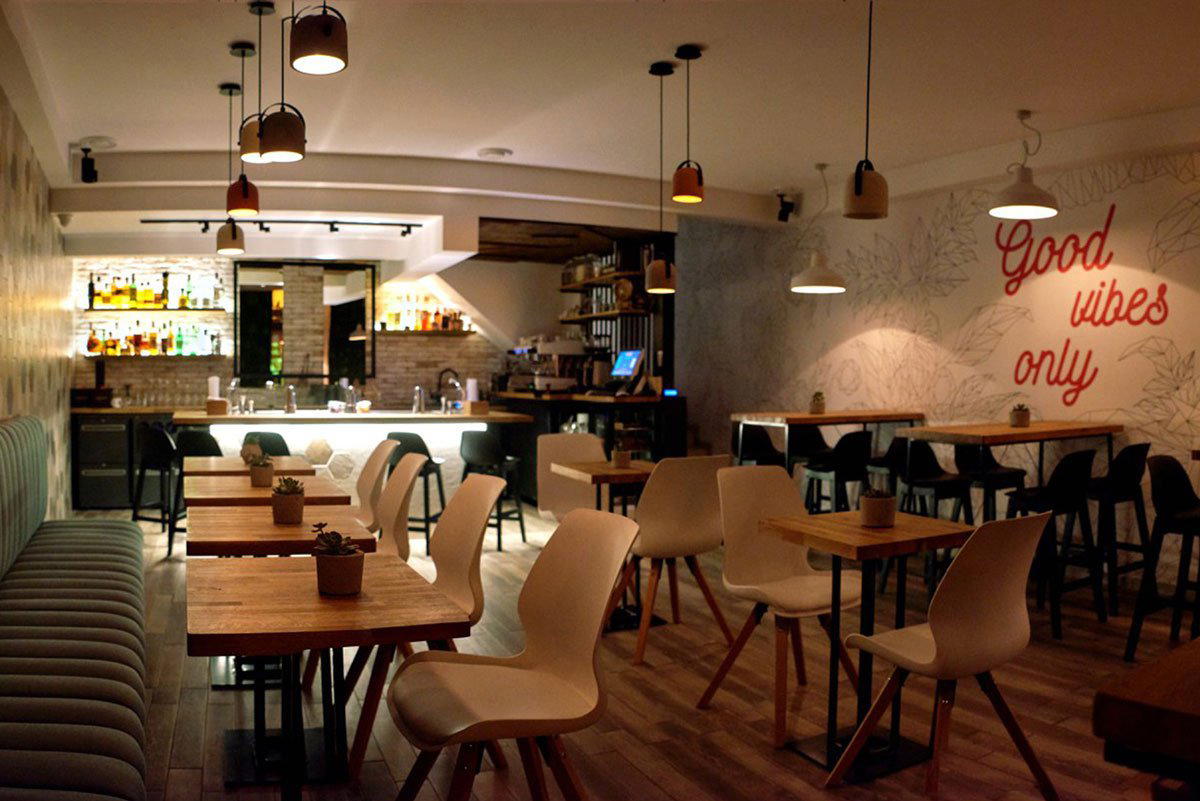
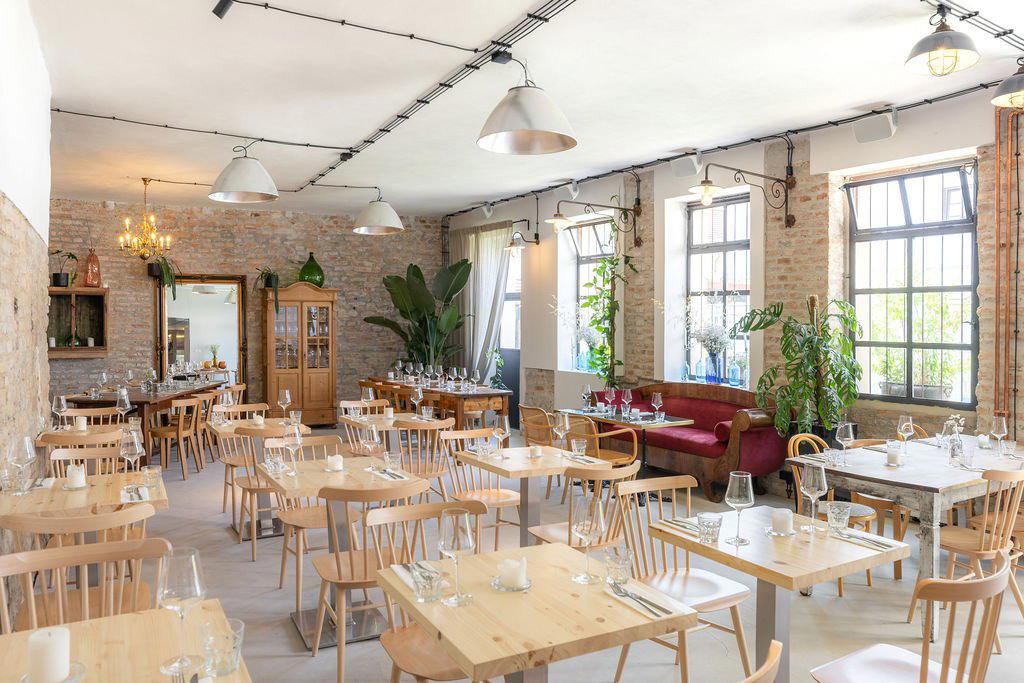
Traditional Slovak-themed interior with cozy, warm decorations, comfortable seating, and a pleasant terrace for summer dining.