Fresh pasta in a city better known for its medieval castle than its Italian food, Allora Fresh Pasta on Fraňa Mojtu fills a specific gap in Nitra's dining scene. The format is focused: handmade pasta, ingredient-led simplicity, and a pace that sits outside the mainstream Slovak restaurant circuit. For a mid-sized regional city, that kind of specialisation carries weight.
Pearl is the En Primeur Club membership app — saves, bookings, and concierge access live there. Same editors, same standards.
- Address
- Fraňa Mojtu 280/16, 949 01 Nitra, Slovakia
- Phone
- +421948190019
- Directions
- Get directions
 Saves & bookings on Pearl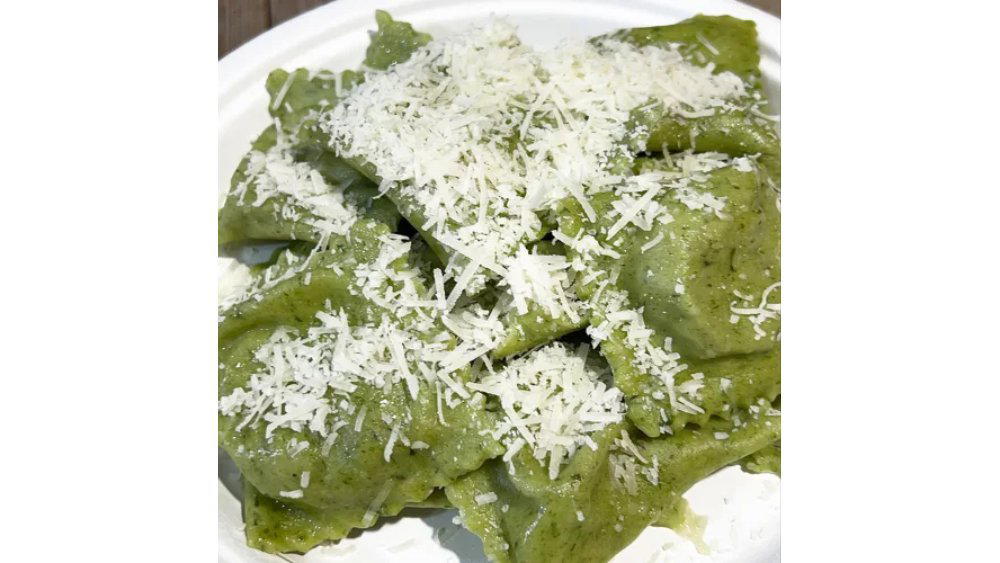
Fresh Pasta in a Slovak Regional City: The Case for Specificity
Allora Fresh Pasta is a restaurant in Nitra, Slovakia, focused on handmade pasta at a casual, recommended venue. Nitra is not a city that trades heavily on international food trends. Its restaurant scene runs along familiar Central European lines: roast meats, game, heavy sauces, and the kind of Slovak hospitality that prizes portion size over precision. That context matters when placing Allora Fresh Pasta on Fraňa Mojtu, because a format built around handmade pasta and ingredient-led Italian cooking is operating against the grain of what this city usually produces. The contrast is the point. In a market where most kitchens default to the same regional playbook, a narrow, craft-focused concept tends to either fail quickly or build a loyal following. Allora appears to be the latter.
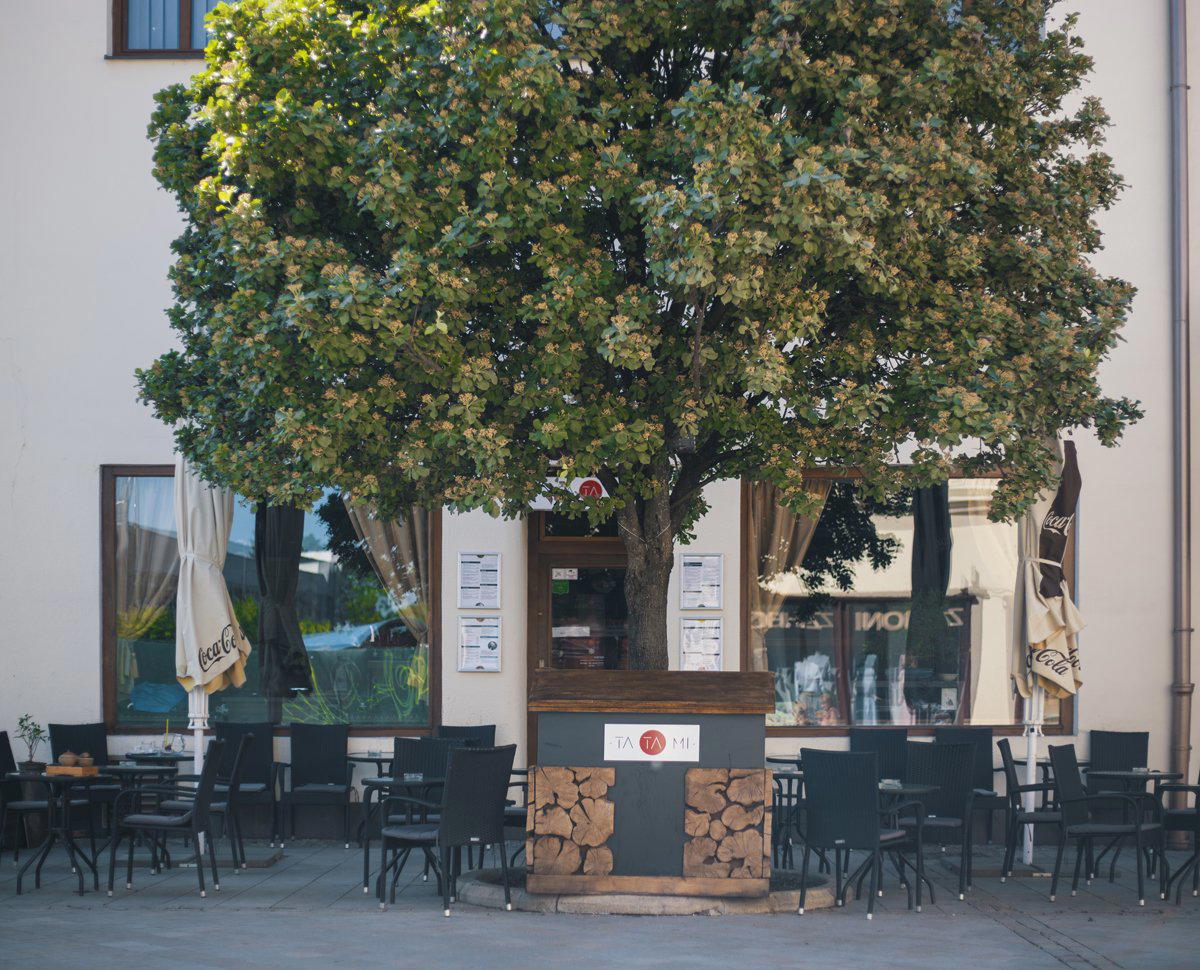
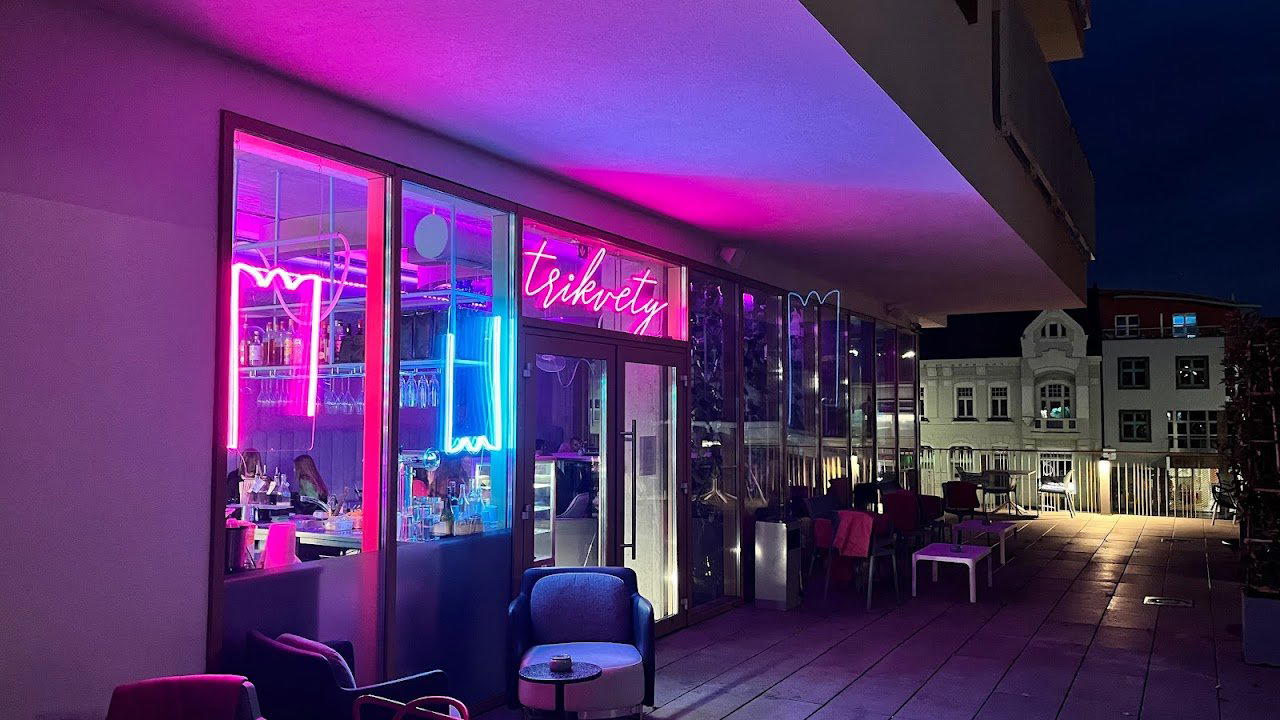
The address, on Fraňa Mojtu in the 949 01 district, puts the restaurant in a workaday part of the city rather than the historic centre that draws visitors to Nitra's castle and cathedral. For the broader Nitra dining scene, including the traditional Slovak cooking at Nitriansky Furmanský Dvor, the historic inn atmosphere of Starý Biskupský Hostinec, the Japanese format at Tatami, and the café-restaurant crossover at Tri Kvety, Allora represents a genuinely different proposition: Italian pasta as the primary subject, not a menu filler.
What Fresh Pasta Means as a Format
The distinction between fresh and dried pasta is one of the more consequential decisions a kitchen can make, and it carries implications well beyond texture. Fresh pasta production requires daily labour, ingredient consistency, and a commitment to short shelf life that dried-pasta kitchens simply do not face. Flour quality matters acutely: the difference between 00-grade Italian flour and standard commercial alternatives shows immediately in the final product. Eggs, if used, need to be fresh enough to produce the deep-yellow dough associated with northern Italian traditions like tagliatelle and pappardelle. In short, the format is an ingredient-sourcing commitment before it is anything else.
For a restaurant in a Slovak regional city to build its entire identity around that commitment is, in practical terms, a supply chain decision as much as a culinary one. Sourcing quality semolina, 00 flour, and high-fat eggs consistently in Nitra requires either established supplier relationships or the willingness to absorb higher input costs than a kitchen using dried pasta would face. The format signals that the kitchen has made that calculation and concluded it is worth it. That kind of conviction tends to produce better food than eclecticism.
Across Slovakia, the handful of restaurants taking ingredient sourcing seriously enough to build their format around it include places like Fatrabeef in Lubochna, which centres its menu on traced beef, and Origin in Lučenec, where provenance is an explicit editorial position. Allora belongs to a similar logic, applied to pasta rather than protein.
The Broader Italian Pasta Tradition Allora Is Positioned Against
Italian fresh pasta is one of the oldest and most regionally varied food traditions in Europe. The northern regions, particularly Emilia-Romagna, produce egg-rich doughs that yield silky, golden strands; the south favours semolina-and-water doughs with more structural resistance. Each region has its own shapes, its own filling conventions, its own sauce pairings built up over centuries of agricultural and cultural specificity. A fresh pasta restaurant operating outside Italy is always, consciously or not, making choices about which part of that tradition to reference.
In Central Europe, Italian food has historically been simplified to the point of generic: pizza margins, dried pasta with cream sauces, tiramisu from a catering supplier. The growth of format-specific Italian concepts, from pasta bars to focaccerie, represents a correction to that flattening. Allora's positioning in Nitra is part of that broader shift across the region, visible in Bratislava, Košice, and now filtering into secondary cities. For a point of comparison on the higher end of the Slovak fine-dining register, consider UFO in Bratislava or ARTE in Svätý Jur, both of which demonstrate that serious food is not confined to major Slovak urban centres.
How Allora Fits the Nitra Scene
Nitra has a university population, a historic old town, and a catchment area that extends into the surrounding Nitra Region, one of Slovakia's more agriculturally productive areas. The local food economy is not without resource: the region produces grains, vegetables, and livestock at scale. What it has historically lacked is restaurants translating that agricultural abundance into formats with culinary ambition. Allora, at its core, is a bet that Nitra's population is ready for a more disciplined, ingredient-focused offer than the mainstream Slovak restaurant circuit provides.
That bet is not distinctive to Nitra. Across Slovak secondary cities, a similar pattern is playing out: Seven Restaurant Café by Villa Sandy, City Park Resort in Košice, Alej Bojnice in Bojnice, and Afrodita in Cerenany all represent formats that would have been unusual in their respective locations a decade ago. The appetite for specificity is growing beyond Bratislava, and Allora is evidence of that shift reaching Nitra.
For those planning a broader regional itinerary, the range of formats available in and around western Slovakia now justifies multi-stop planning. Gašperov Mlyn in Batizovce, Bakoš Bistro in Kosice, Cafe Sissi in Trencin, and Dublin Cafe in Presov District each occupy distinct format niches in the Slovak restaurant scene. For reference points outside the country, the discipline of a format-led kitchen is visible at the highest registers in places like Le Bernardin in New York City and Lazy Bear in San Francisco, where singular focus on a specific cooking tradition underpins the entire programme.
Planning a Visit
Allora Fresh Pasta is located at Fraňa Mojtu 280/16, 949 01 Nitra, Slovakia. Current contact details, hours, and booking arrangements should be confirmed directly with the restaurant before visiting.
Comparison Snapshot
Comparable venues nearby, for context on price, style, and recognition.
| Venue | Cuisine | Price | Notes |
|---|---|---|---|
| Allora Fresh PastaThis venue — the venue you are viewing | Fresh Handmade Pasta | $$ | Not listed |
| Tatami | Japanese Sushi and Asian Fusion | $$ | city center |
| Nitriansky Furmanský Dvor | Modern Slovak Cuisine | $$ | Nitra Center |
| Starý Biskupský Hostinec | Traditional Slovak Steakhouse | $$ | Park na Sihoti, Mestský park |
| Tri Kvety | Slovak Bistro | $$ | Nitra center |
| Antica Toscana | Authentic Tuscan Italian | $$$ | Rusovce |

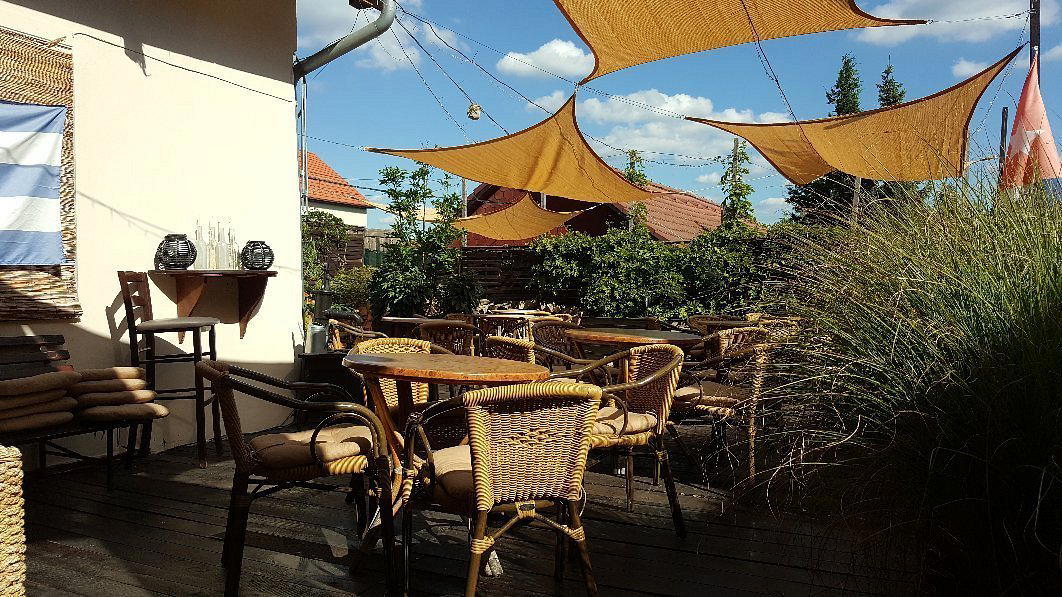

At a Glance
- Cozy
- Rustic
- Intimate
- Casual Hangout
- Solo
- Open Kitchen
- Local Sourcing
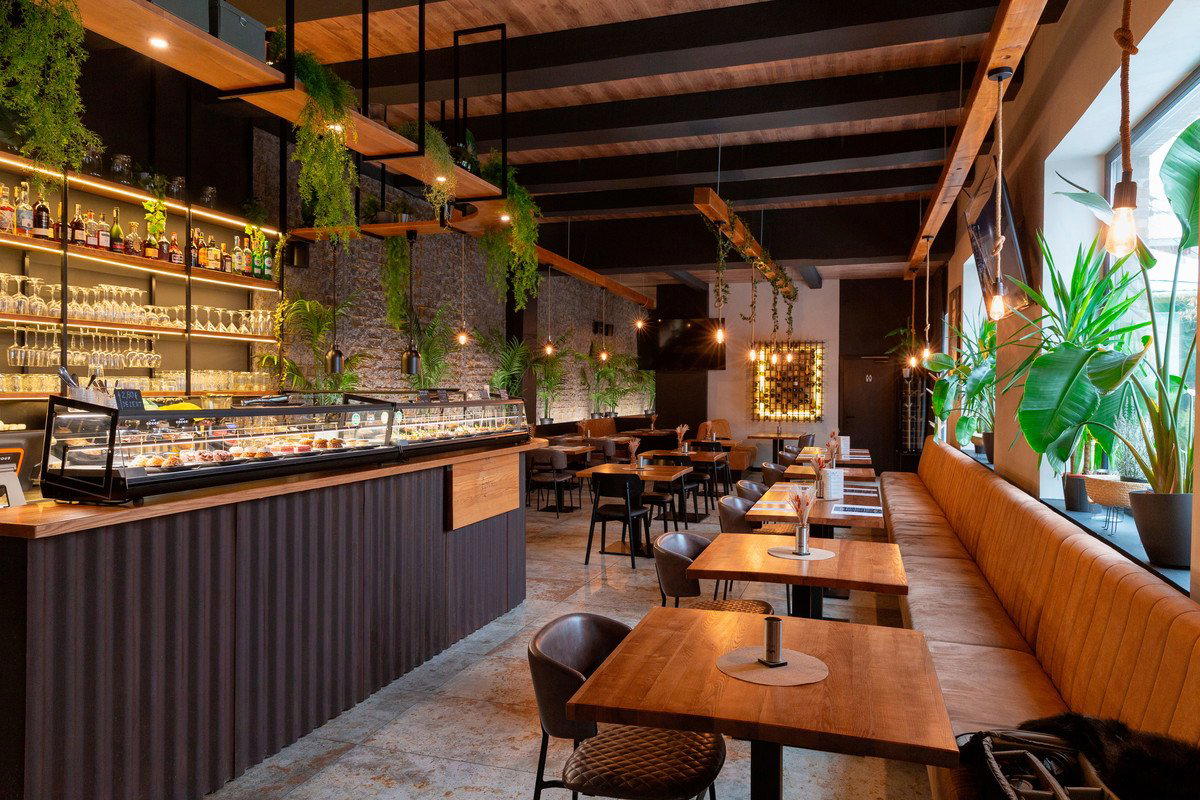
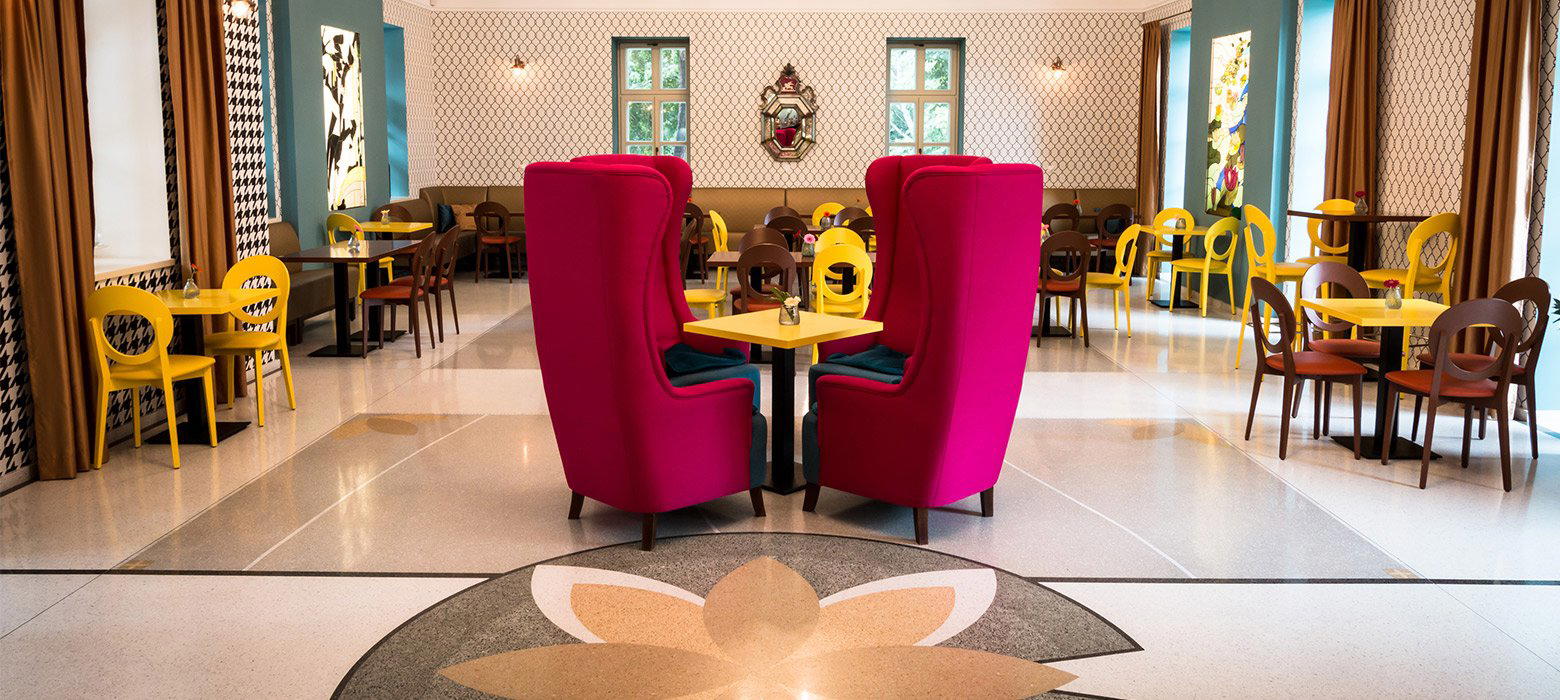
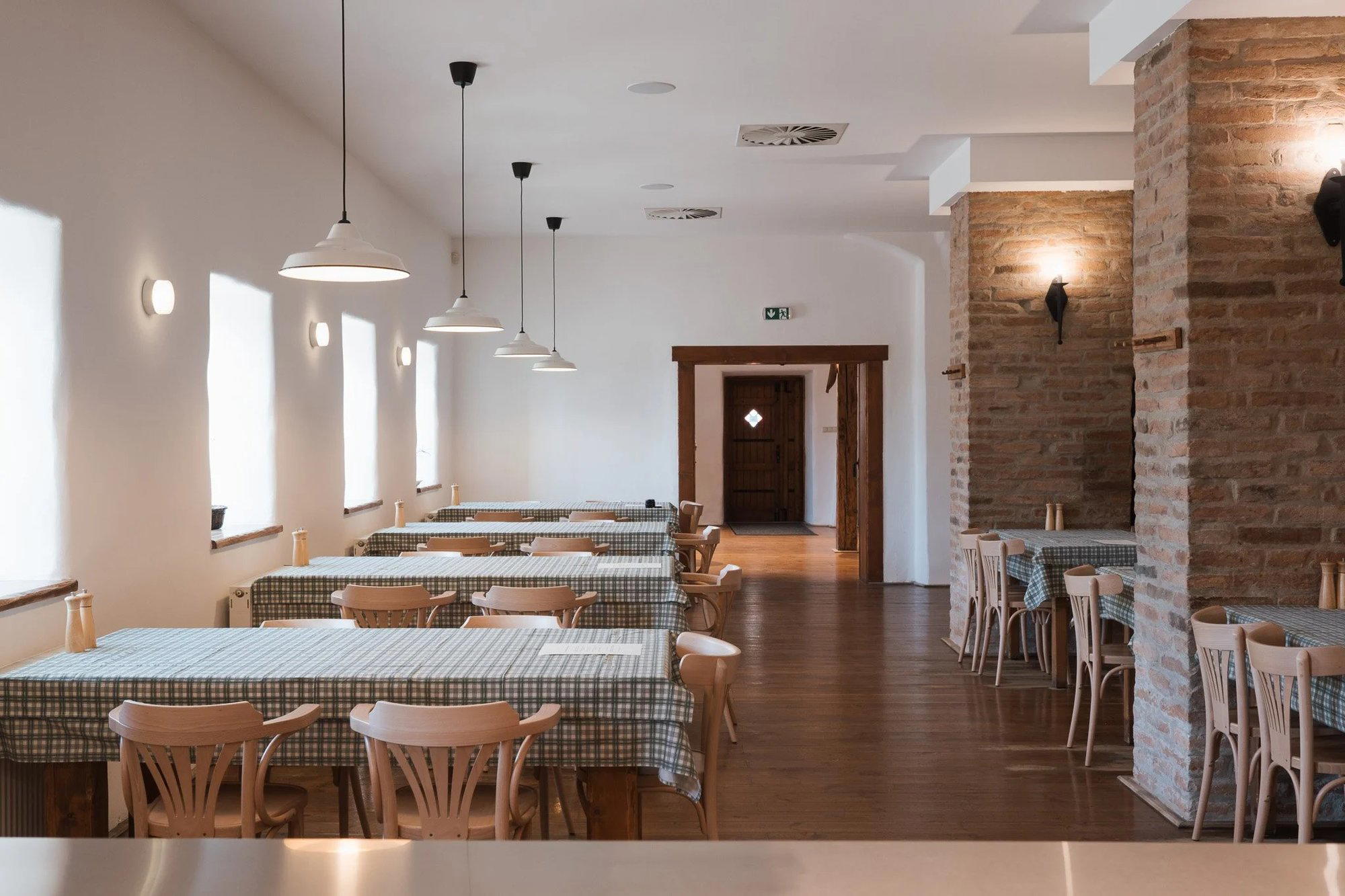
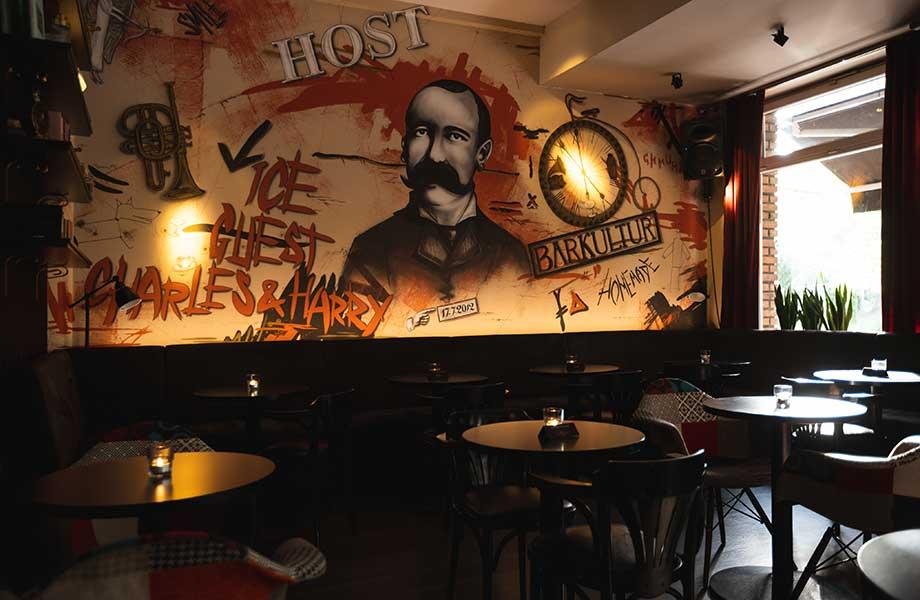
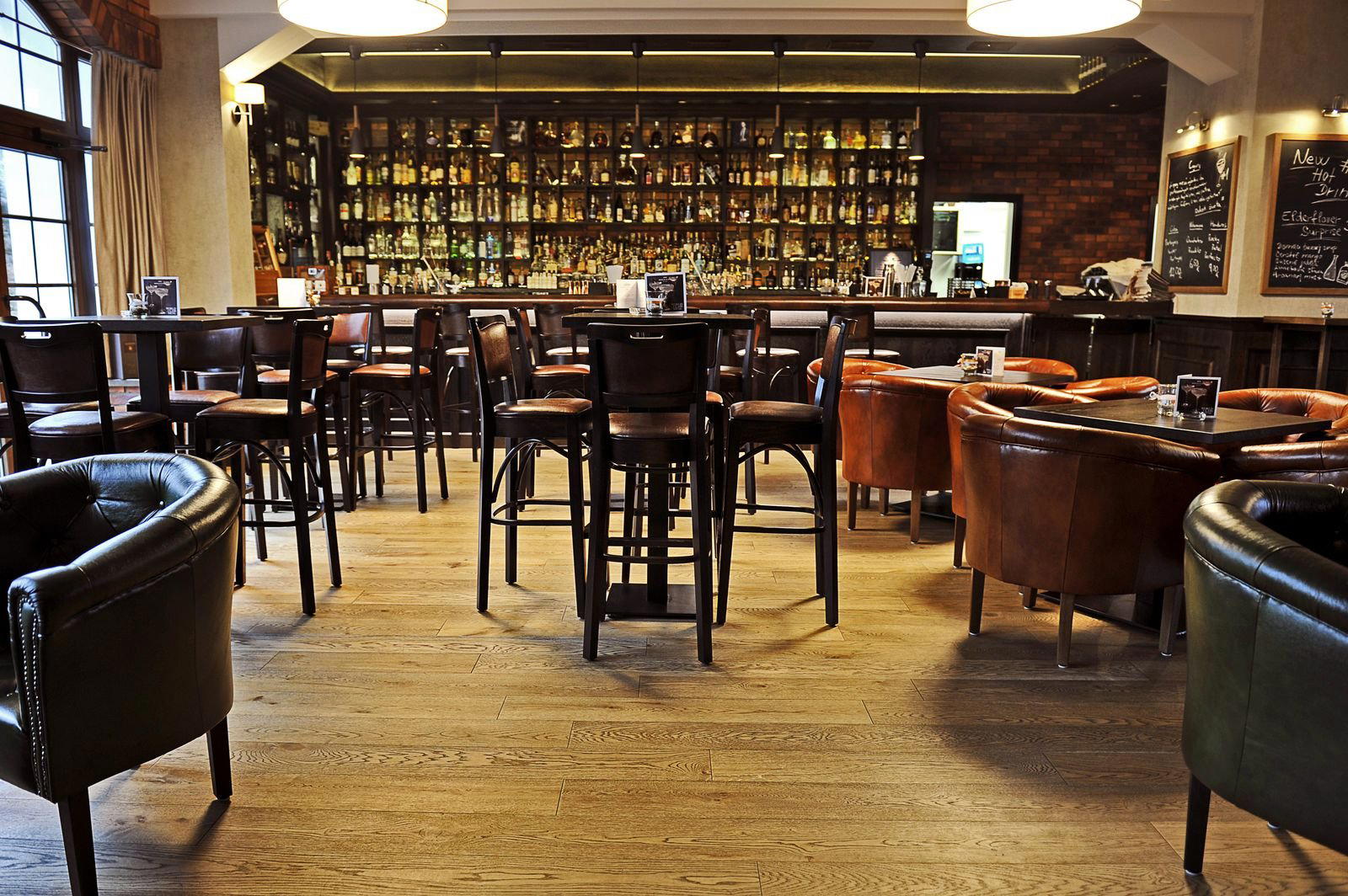
Casual workaday atmosphere focused on pasta craftsmanship.