Tatami brings a Japanese-inflected dining sensibility to Štefánikova trieda, one of Nitra's main thoroughfares, in a city where Central European traditions still dominate the table. The name signals a deliberate departure from the surrounding Slovak-leaning restaurant scene, positioning the address inside a smaller cohort of venues testing international format dining in secondary Slovak cities. For visitors already exploring Nitra's range, it represents one data point in the city's gradual diversification beyond traditional hospitality.
Pearl is the En Primeur Club membership app — saves, bookings, and concierge access live there. Same editors, same standards.
- Address
- Štefánikova trieda 22, 949 01 Nitra, Slovakia
- Phone
- +421911555265
- Website
- tataminitra.sk
- Directions
- Get directions
 Saves & bookings on Pearl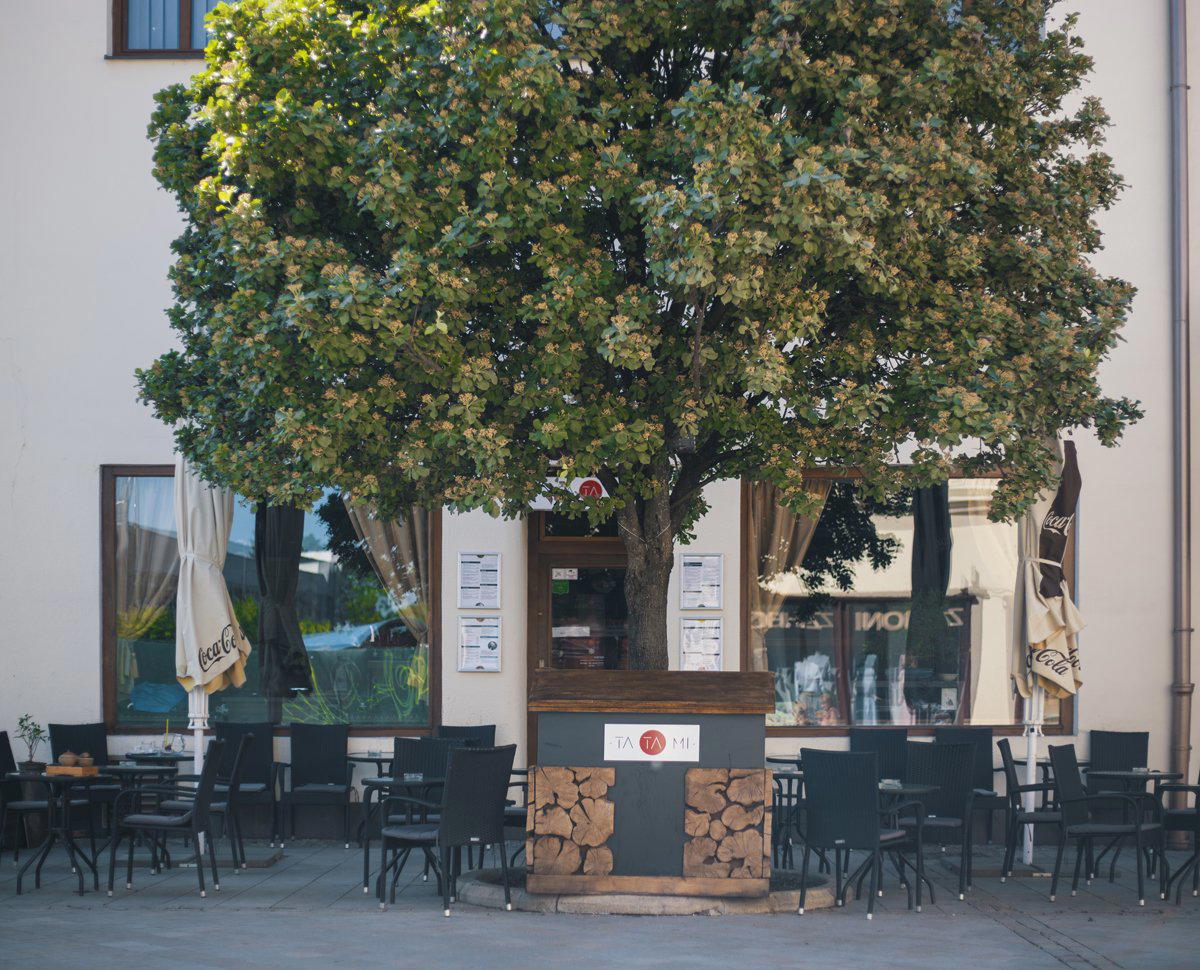
A Different Tempo on Štefánikova
There is a particular kind of stillness that Japanese-named dining rooms aim for, even when located thousands of kilometres from Japan. The name Tatami, planted at Štefánikova trieda 22 in Nitra, signals an intention before you cross the threshold: this is a place organised around a slower, more considered rhythm than the Slovak pub-restaurant model that still anchors most of the city's dining scene. Tatami is a Japanese sushi and Asian fusion restaurant in Nitra, Slovakia, with a casual dress code, recommended reservations, and an average spend of about $17 per person.
Nitra is a city of roughly 75,000 people, one of Slovakia's oldest settlements, and a place where the dominant restaurant grammar remains Central European: grilled meats, dumplings, roasted poultry, and beer on tap. Against that backdrop, venues that draw on Asian naming conventions and, implicitly, Asian dining customs occupy a niche position. They attract a customer who is consciously stepping outside the local default, and that customer brings different expectations about pacing, presentation, and the structure of a meal.
The Ritual of the Meal, Reframed
Japanese dining culture, in its most codified forms, is built around sequencing and restraint. The kaiseki tradition divides a meal into small, deliberate courses governed by season and technique. Even more casual Japanese formats, the teishoku set meal, the ramen counter, the izakaya, share a logic of purposeful progression rather than the Central European approach of a single generous plate. When a restaurant in a mid-sized Slovak city borrows Japanese vocabulary, it borrows, at least implicitly, some of that structural logic. The dining ritual becomes part of the offer.
This matters because it changes how a guest moves through the experience. You are not filling a plate and settling in for an extended conversation over a single course. You are, in theory, tracking a sequence: lighter flavours first, richer ones later, attention paid to temperature and texture rather than sheer volume. For cities like Nitra, where that framework is still relatively uncommon, a venue that applies it consistently has a clear point of difference from neighbours such as Nitriansky Furmanský Dvor or Starý Biskupský Hostinec, both of which operate firmly within the Slovak tradition of hearty, hospitality-forward service.
Nitra's Restaurant Range and Where Tatami Sits
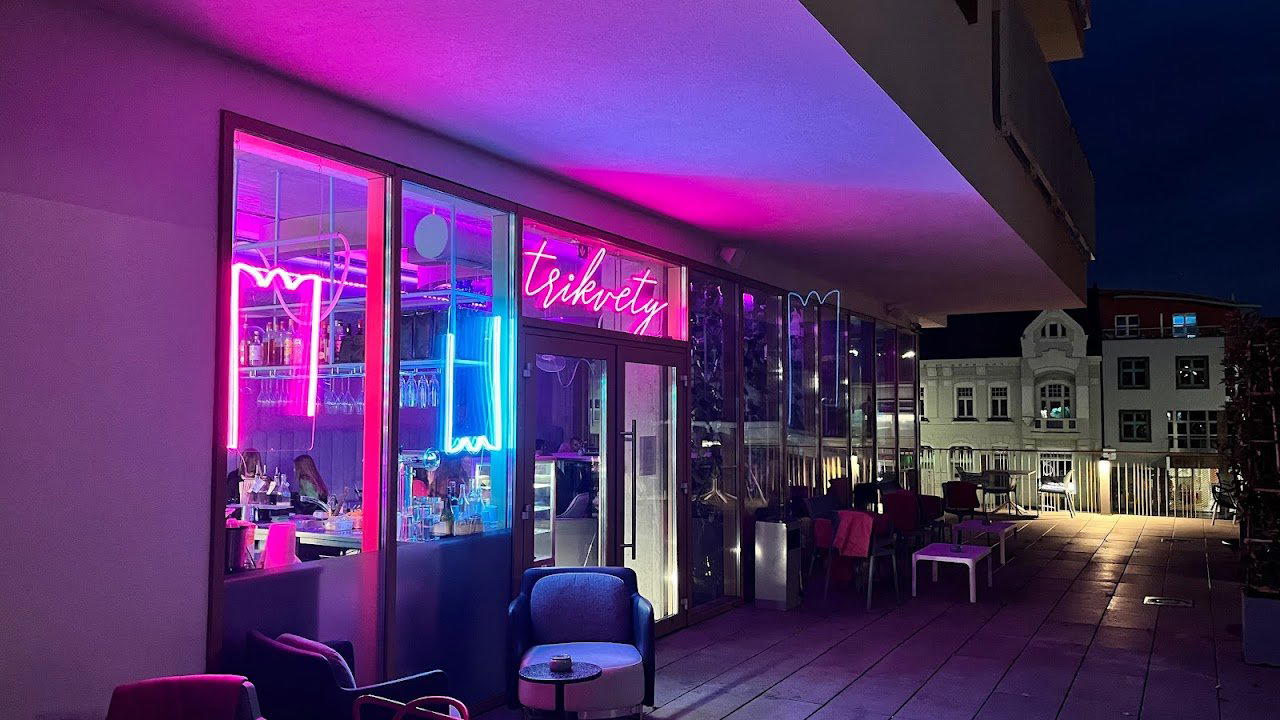
The city's dining scene has grown more varied over the past decade, tracking national trends toward Italian-influenced casual dining and broader international formats. Allora Fresh Pasta represents the Italian-casual end of that shift, while Tri Kvety adds another reference point in the mid-range. Tatami occupies a different drawer in that filing system: the venue that asks the guest to adjust to a format, not the other way around.
That positioning is neither inherently superior nor inferior to the alternatives. It simply attracts a different kind of evening. Slovak cities at Nitra's scale have seen enough international dining exposure through travel and urban migration that a Japanese-referencing restaurant is no longer a novelty in the way it might have been in the early 2000s. The question is whether the execution sustains the premise. What we can place is the context: the venue sits inside a cohort of addresses across Slovakia's secondary cities that are testing whether international dining formats can sustain consistent audiences away from Bratislava's larger, more cosmopolitan customer base.
For reference on what that challenge looks like elsewhere in the country, the contrast between Bratislava's more developed international dining tier, illustrated by venues like Don Saro Cucina Siciliana, and the offer in cities like Nitra or Košice, where Bulli Kebab anchors a different end of the spectrum, underlines how much local demand shapes what survives in each market.
Slovak Mountain Dining as a Counterpoint
For those building a wider itinerary across the country, the contrast between Nitra's urban dining and Slovakia's mountain hospitality tradition is worth holding in mind. Venues like Koliba Patria in Štrbské Pleso and KOLIBA na Vršku in Bytča represent the koliba format, rustic highland dining rooms built around open fire cooking and regional produce, that remains one of Slovakia's most coherent indigenous dining traditions. Fatrabeef in Ľubochňa pushes that further into specialist territory with a beef-focused program. Tatami sits at the opposite end of that cultural register: urban, international in reference, and structured around a non-Slovak dining logic.
That contrast is useful for readers planning multiple stops. The Slovak dining scene rewards visitors who are willing to track both directions: the deeply local and the internationally inflected. Venues at the quieter or more rural end of the spectrum, such as Holotéch víška in Kosariská or Kaštieľ Čičmany in Čičmany, anchor one end. Tatami, operating on a Nitra thoroughfare with a name drawn from Japanese domestic architecture, anchors another.
Planning a Visit
Tatami is located at Štefánikova trieda 22, a main artery running through central Nitra that is walkable from the old town and the historic castle district. If the format follows conventional Japanese-influenced dining structures, expect a meal paced over a moderate time window rather than a quick turnaround cover. For further Slovak dining context across different price points and regions, the properties at Hotel & Restaurant Gino Park Palace in Považská Bystrica, Klára v GOYA vitality hotel in Voderady, Afrodita in Čerenany, and Focus Restaurant in Žilina each illustrate how hotel-anchored dining operates at different scales across the country. For a benchmark of what structured, sequenced tasting formats look like at the highest international tier, Atomix in New York City and Le Bernardin represent the ceiling of that format discipline.
Cuisine Lens
Comparable venues nearby, for context on price, style, and recognition.
| Venue | Cuisine | Price | Notes |
|---|---|---|---|
| TatamiThis venue — the venue you are viewing | Japanese Sushi and Asian Fusion | $$ | Not listed |
| Allora Fresh Pasta | Fresh Handmade Pasta | $$ | Fraňa Mojtu |
| Nitriansky Furmanský Dvor | Modern Slovak Cuisine | $$ | Nitra Center |
| Starý Biskupský Hostinec | Traditional Slovak Steakhouse | $$ | Park na Sihoti, Mestský park |
| Tri Kvety | Slovak Bistro | $$ | Nitra center |
| IASAI | Modern Asian Fusion Sushi Bar | $$$ | Staré Mesto |

At a Glance
- Cozy
- Intimate
- Family
- Date Night
- Casual Hangout
- Open Kitchen
- Extensive Wine List
Current opening hours
- Monday
- 11 AM–9 PM
- Tuesday
- 11 AM–9 PM
- Wednesday
- 11 AM–9 PM
- Thursday
- 11 AM–9 PM
- Friday
- 11 AM–9 PM
- Saturday
- 11 AM–9 PM
- Sunday
- 11 AM–9 PM
Hours can change for holidays and private events. Last verified .
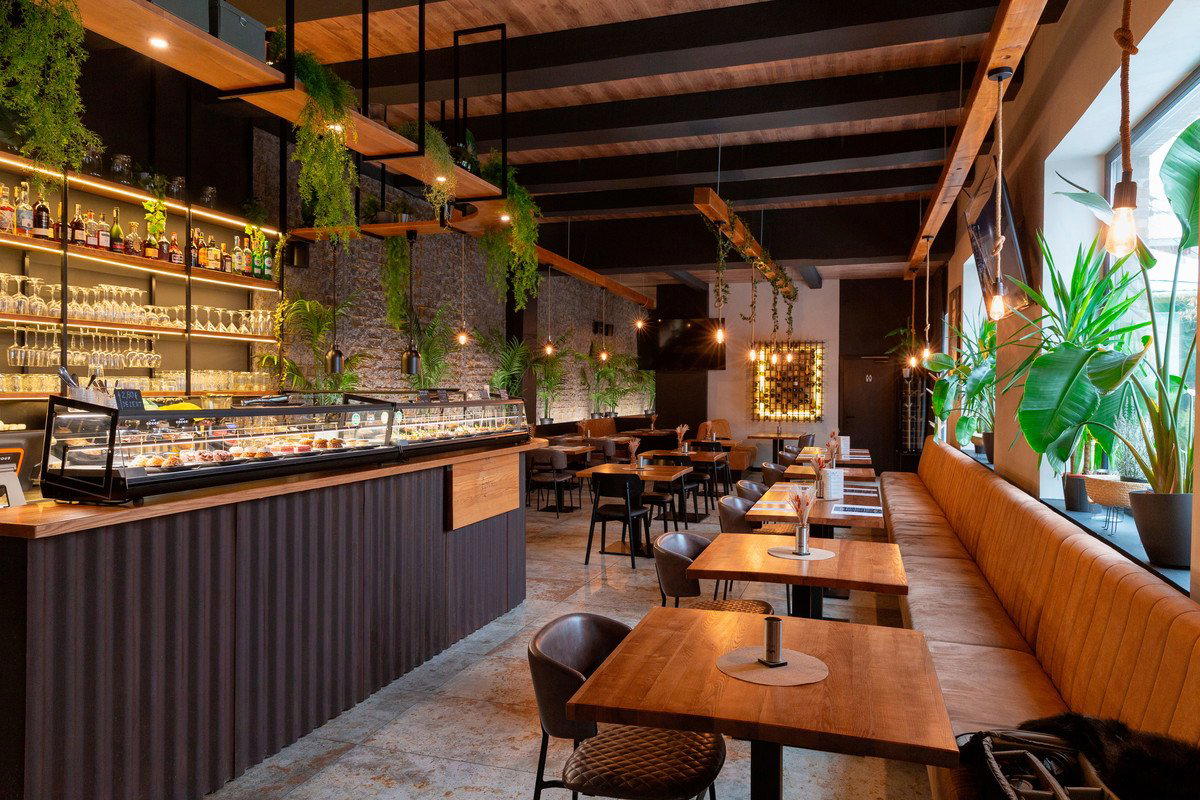
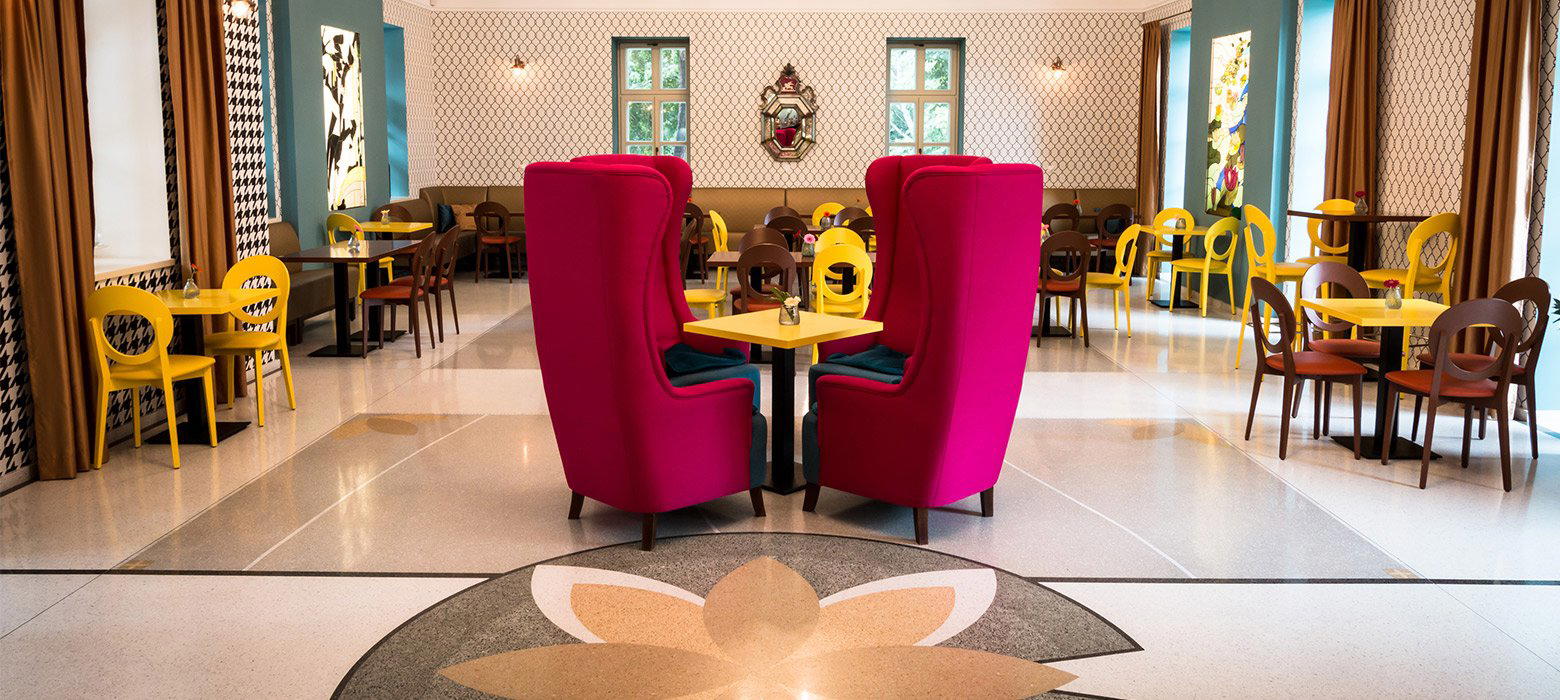
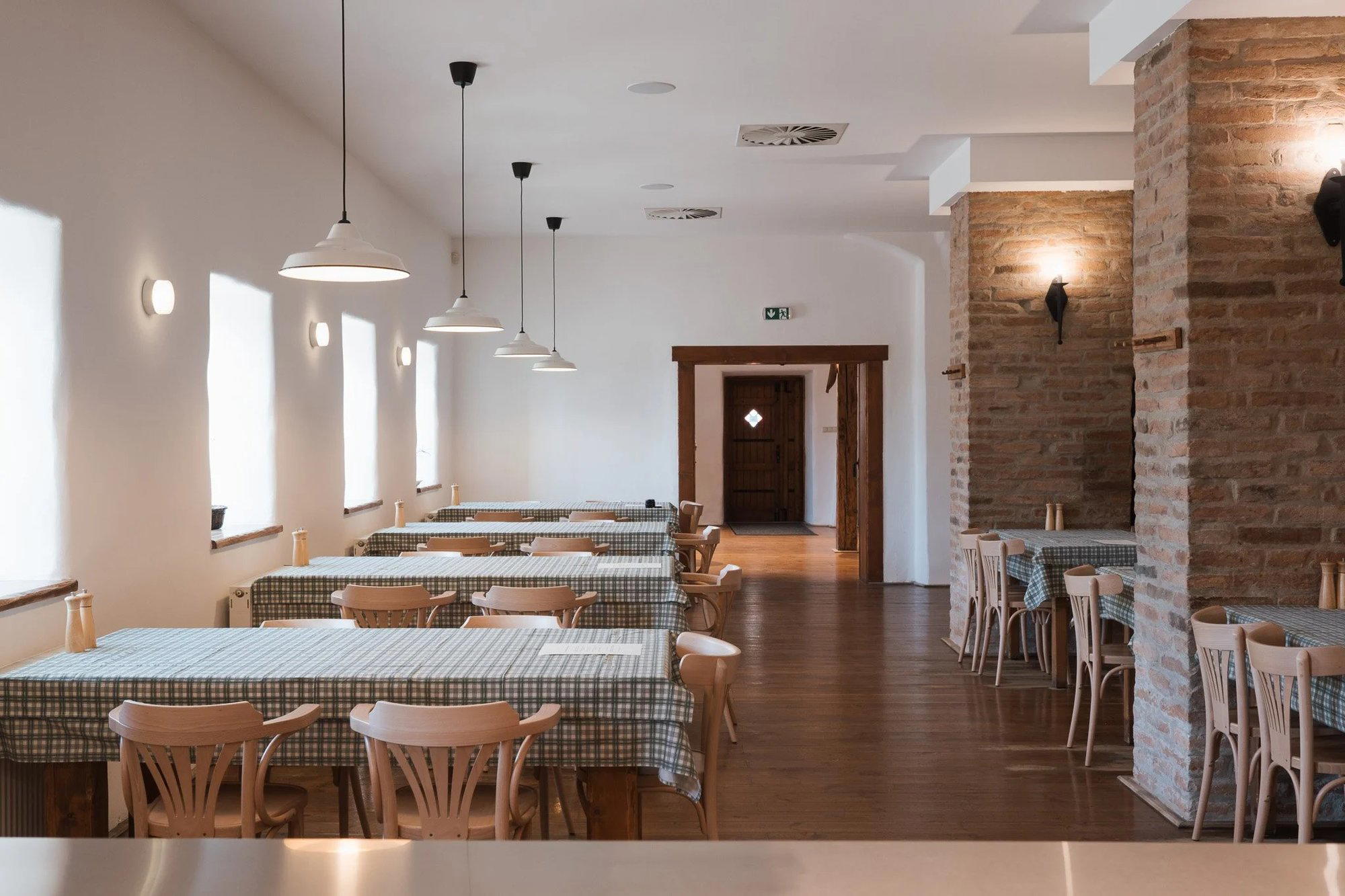
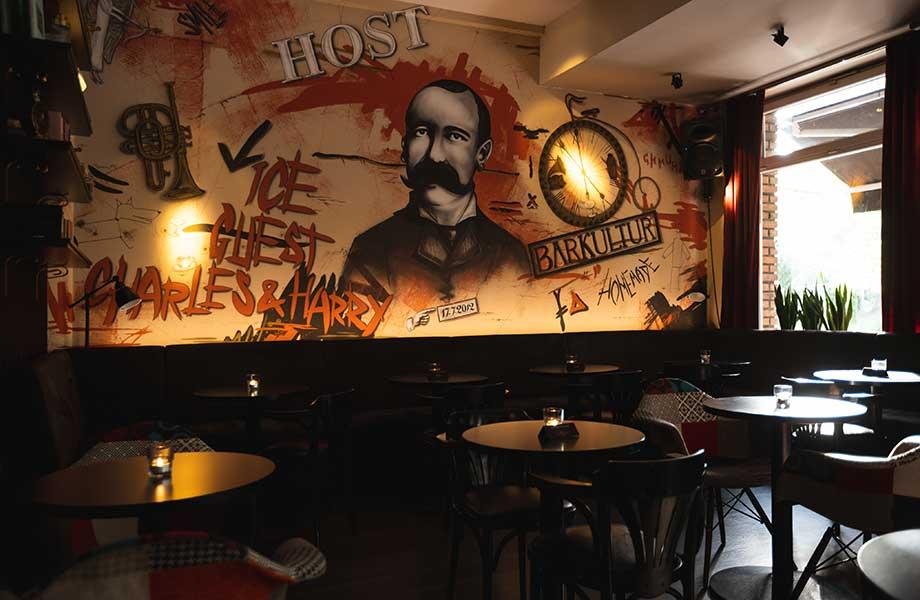
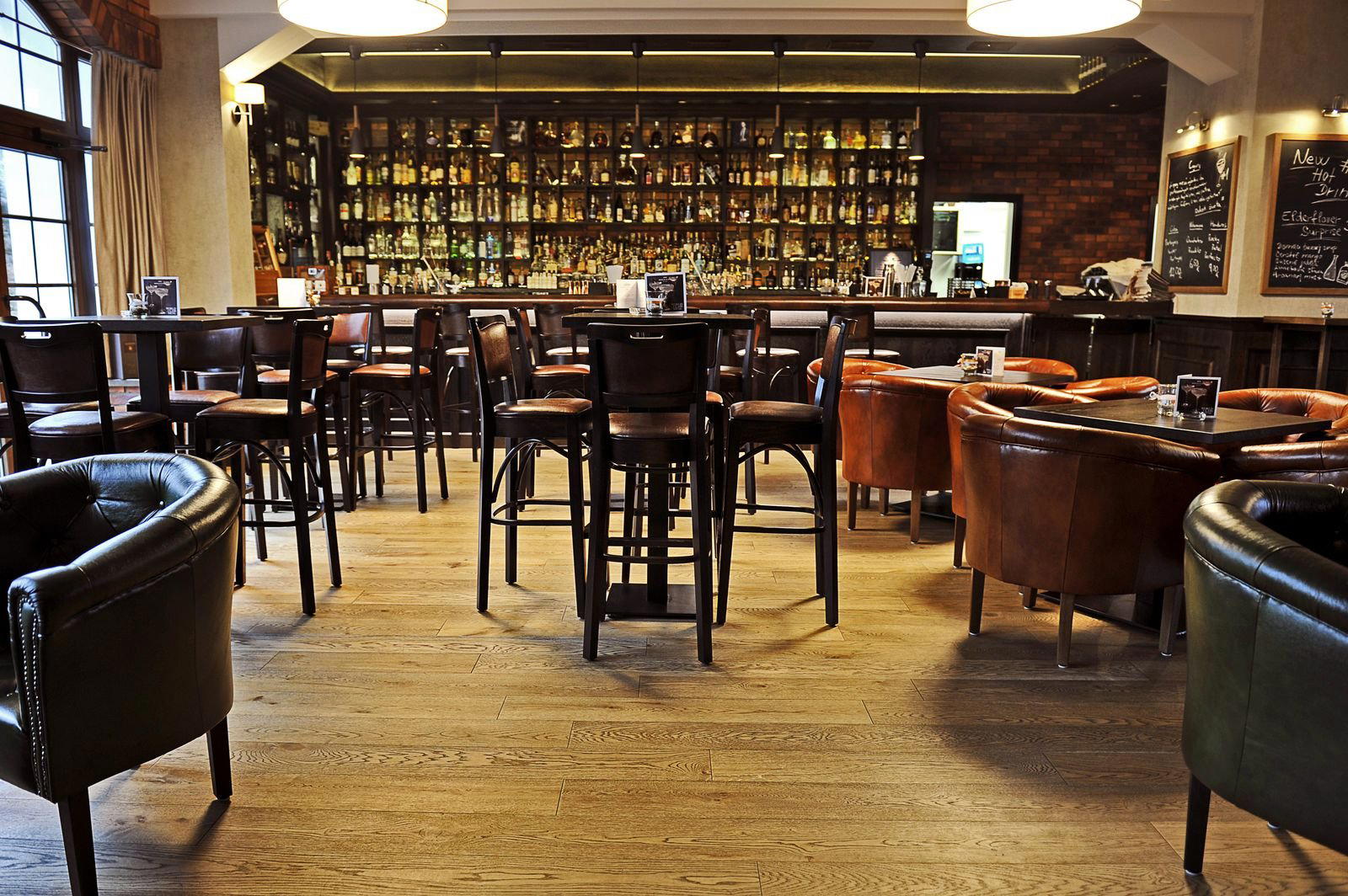
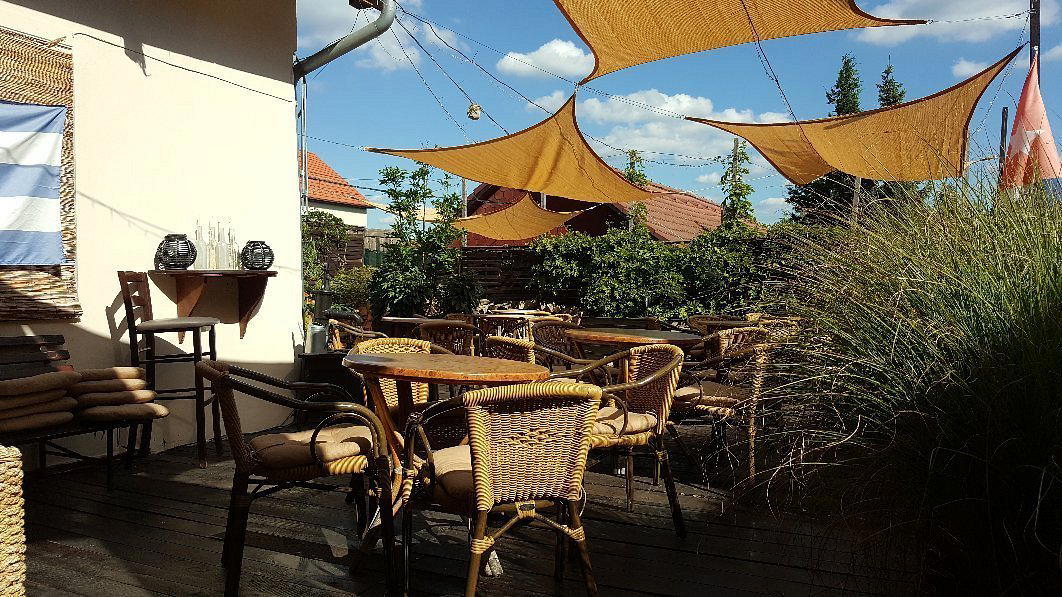
Pleasant cozy atmosphere in the heart of Nitra's pedestrian zone.