Wild Kitchen Modra occupies a quiet address on Na Starom trhu in Modra, a Small Carpathian wine town where foraging culture and local agriculture have long shaped the table. The kitchen draws its identity from regional sourcing, placing it in a cluster of Slovak restaurants that treat the surrounding countryside as a pantry rather than a backdrop. For visitors making the short drive from Bratislava, it functions as a serious introduction to how western Slovakia actually eats.
Pearl is the En Primeur Club membership app — saves, bookings, and concierge access live there. Same editors, same standards.
- Address
- Na Starom trhu 7, 900 01 Modra, Slovakia
- Website
- wildkitchen.sk
- Directions
- Get directions
 Saves & bookings on Pearl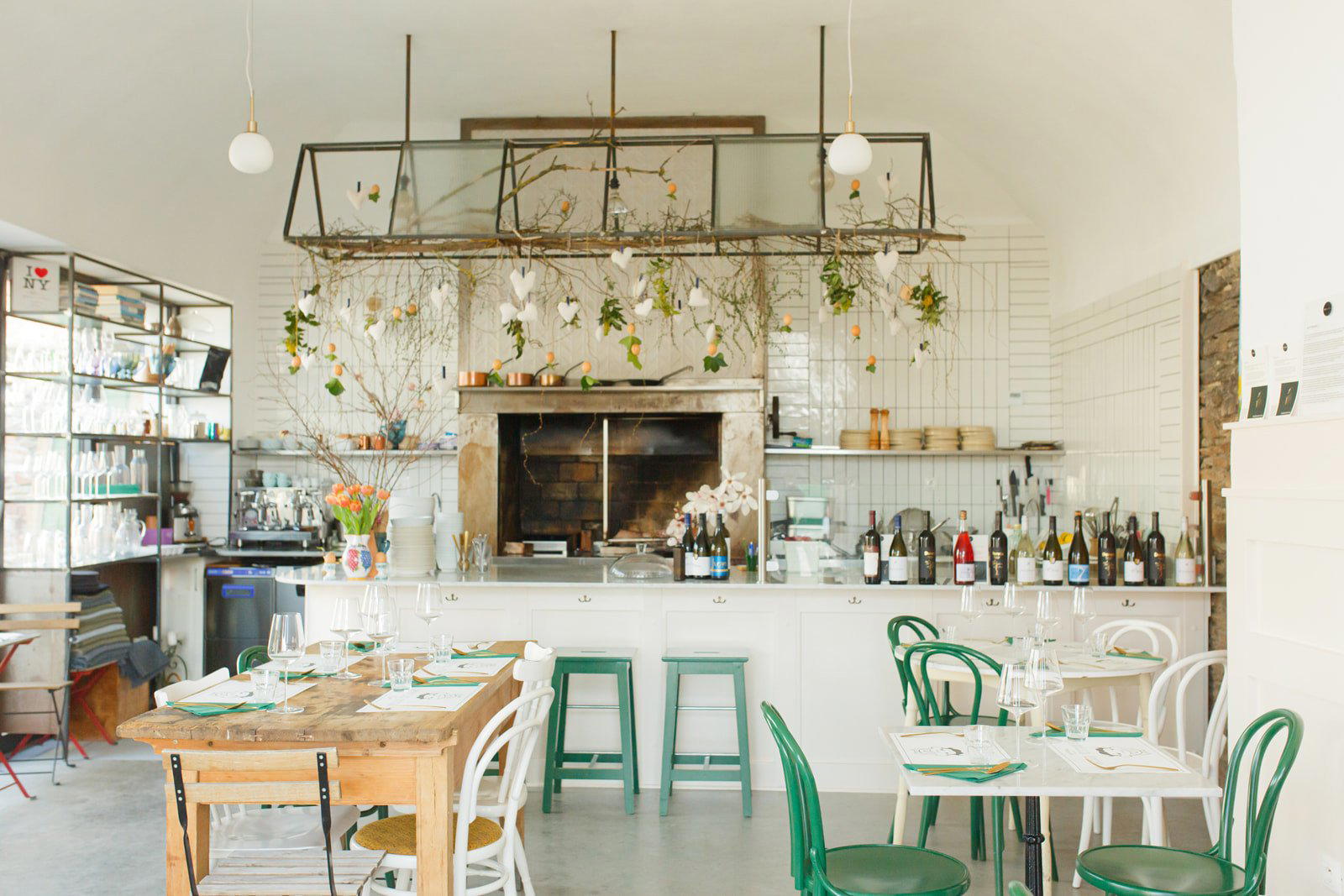
Where the Small Carpathians Meet the Plate
Modra sits at the southern edge of the Small Carpathian wine region, roughly 30 kilometres northeast of Bratislava along a road that passes through vineyards before the town's pastel baroque facades come into view. The address at Na Starom trhu 7 places Wild Kitchen on what was historically a market square, a detail that feels less coincidental and more like a statement of intent. Market squares in Slovak wine towns are where agricultural trade happened for centuries, and the kitchen at this address continues that orientation, drawing on the produce and proteins that the surrounding hills and lowland farms generate rather than importing flavour from further afield.
The physicality of Modra matters here. Small Carpathian towns at this latitude sit inside a microclimate that supports both viticulture and a wider range of cold-climate produce: game from the forested ridge above town, stone fruits from the valley orchards, mushrooms from the forest floor in autumn. Restaurants in this zip code either ignore that geography or build around it. Wild Kitchen, as its name signals without subtlety, belongs to the latter category. In a Slovak dining scene that has spent the past decade oscillating between international imports and a renewed interest in domestic terroir, the kitchen's positioning aligns it with the terroir-driven cohort rather than the cosmopolitan one.
The Sourcing Logic Behind the Menu
Across Slovakia, a small group of kitchens has moved away from the industrialised supply chains that dominated restaurant procurement through the post-communist decades and towards direct relationships with growers, hunters, and foragers. This is not a Slovakia-specific phenomenon, it mirrors broader central European movements visible in Czech, Austrian, and Hungarian kitchens, but it carries particular meaning in wine-producing towns like Modra, where the connection between local agriculture and local identity never fully broke.
Wild Kitchen operates inside that shift. The name references foraging and wild-sourced ingredients, a framing that places the kitchen in conversation with a wider European wild-food revival. What this means practically is a menu that changes with the season and that sources from the immediate countryside rather than from a national or international distributor. In autumn, that means fungi and game. In summer, garden produce from the surrounding villages. In spring, the early greens and herbs that the Small Carpathian slopes produce before the vines fully leaf out. Diners who visit in successive seasons will encounter a kitchen that does not hold still, which is partly the point.
Elsewhere in Slovakia, this approach appears at properties like Fatrabeef in Lubochna, which centres its identity around a single-origin beef supply chain, and at Holotéch víška in Kosariska, where the rural setting shapes both the sourcing and the register of the cooking. Wild Kitchen in Modra belongs to this broader current: Slovak kitchens that treat the immediate geography as the primary ingredient rather than the decoration.
Modra's Table in Context
Modra is better known internationally for its faience pottery tradition than for its restaurants, which has historically kept its dining scene off the itineraries of visitors who pass through the Small Carpathians primarily for wine tourism. That is changing, and not just at Wild Kitchen. The town's proximity to Bratislava, close enough for a comfortable day trip, far enough to feel genuinely removed from the capital's urban density, has made it an increasingly viable destination for Bratislava residents looking for a different register of eating and drinking. The wine connection is part of the draw: Modra's surrounding vineyards produce Welschriesling, Grüner Veltliner, and Frankovka Modrá, and local restaurants that pair regional food with regional wine make a coherent argument for the town as a destination rather than a waypoint.
For those building a broader picture of where Slovak regional cooking is heading, the comparison set extends across the country. Koliba Patria in Strbske Pleso and KOLIBA na Vršku in Bytca represent the traditional koliba format, which anchors Slovak rural dining in a different register: heavier, more folkloric, built around mutton and bryndza rather than wild-sourced seasonal produce. Wild Kitchen sits in a different tier of that conversation, closer to contemporary regional than to traditional rustic.
Closer in spirit, if not in geography, are kitchens like Klára v GOYA vitality hotel in Voderady and Kaštieľ Čičmany in Cicmany, both of which combine regional setting with a more considered approach to the local food supply. The difference with Wild Kitchen is the emphasis on wild and foraged sourcing as a defining characteristic rather than an occasional feature.
In the Bratislava orbit, the contrast with urban restaurants is instructive. Don Saro Cucina Siciliana in Bratislava imports its identity from the Mediterranean. Mlyn 108, also in Modra, occupies a mill-converted space that shares the same regional gravity. Both help define what Modra's table offers relative to the capital: a more grounded, less internationally inflected version of Slovak hospitality.
Planning Your Visit
Wild Kitchen Modra is located at Na Starom trhu 7 in the centre of Modra's old town, accessible by car from Bratislava in under 40 minutes via the D1 motorway and regional roads through Pezinok. Modra also connects by bus from Bratislava's Most SNP terminal, though car access allows for easier exploration of the surrounding wine villages before or after eating. Booking is recommended, and the restaurant is open Thu-Sat 11:30 AM-9 PM and Sun 11:30 AM-3 PM. Those building a broader Slovak regional itinerary might consider combining a visit with Afrodita in Cerenany, Cafe Sissi in Trencin, or Focus Restaurant in Zilina for a west-Slovak dining circuit.
A Quick Peer Check
Comparable venues nearby, for context on price, style, and recognition.
| Venue | Cuisine | Price | Notes |
|---|---|---|---|
| Wild Kitchen ModraThis venue — the venue you are viewing | Modern Mediterranean with Slovak Influences | $$$ | Not listed |
| Mlyn 108 | Modern Slovak-European | $$$$ | Modra |
| Kogo | Mediterranean Seafood | $$$ | Staré Mesto |
| WERK | Modern Cosmopolitan Mediterranean | $$ | Staré Mesto |
| Savoy Restaurant | Modern Traditional Slovak | $$$ | Staré Mesto |
| San Marten | Mediterranean Italian | $$$ | Staré Mesto |
Continue exploring
More in Modra
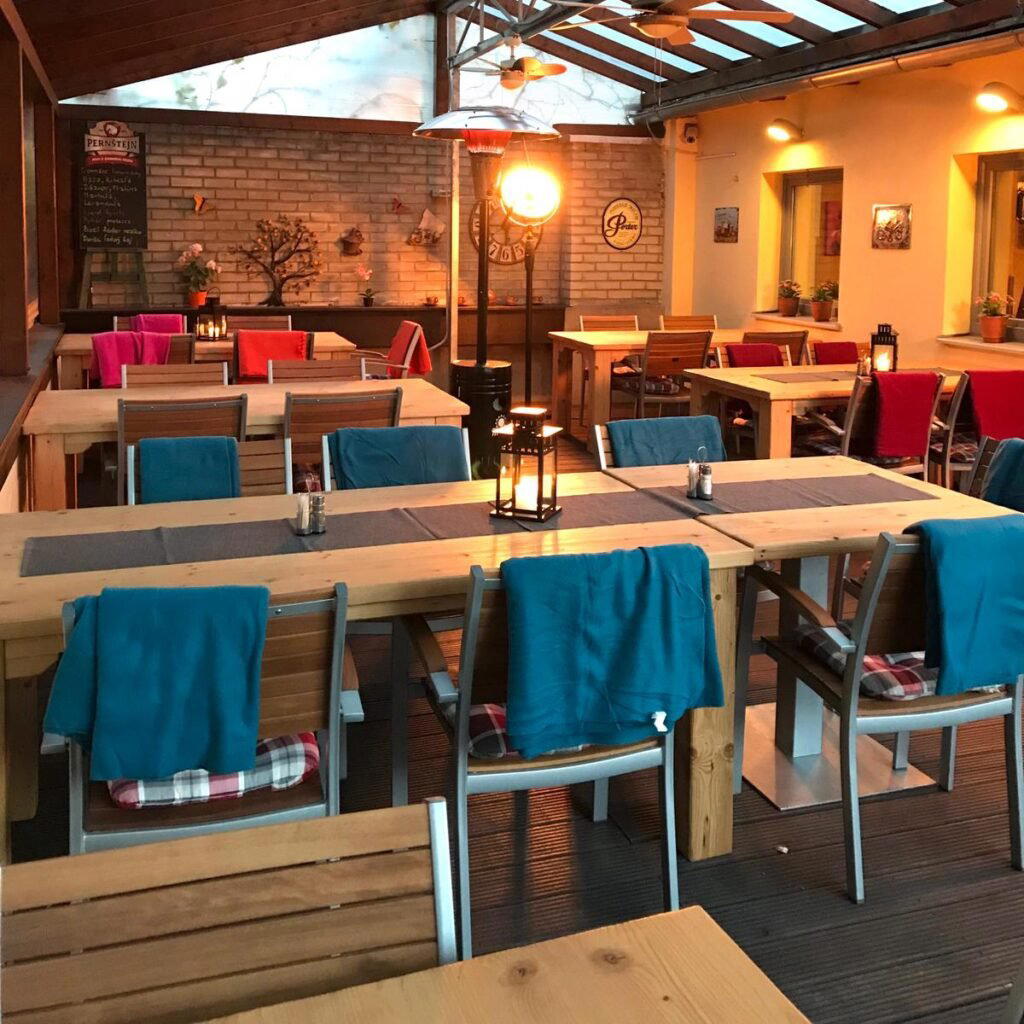
Restaurants in Modra
Browse all →
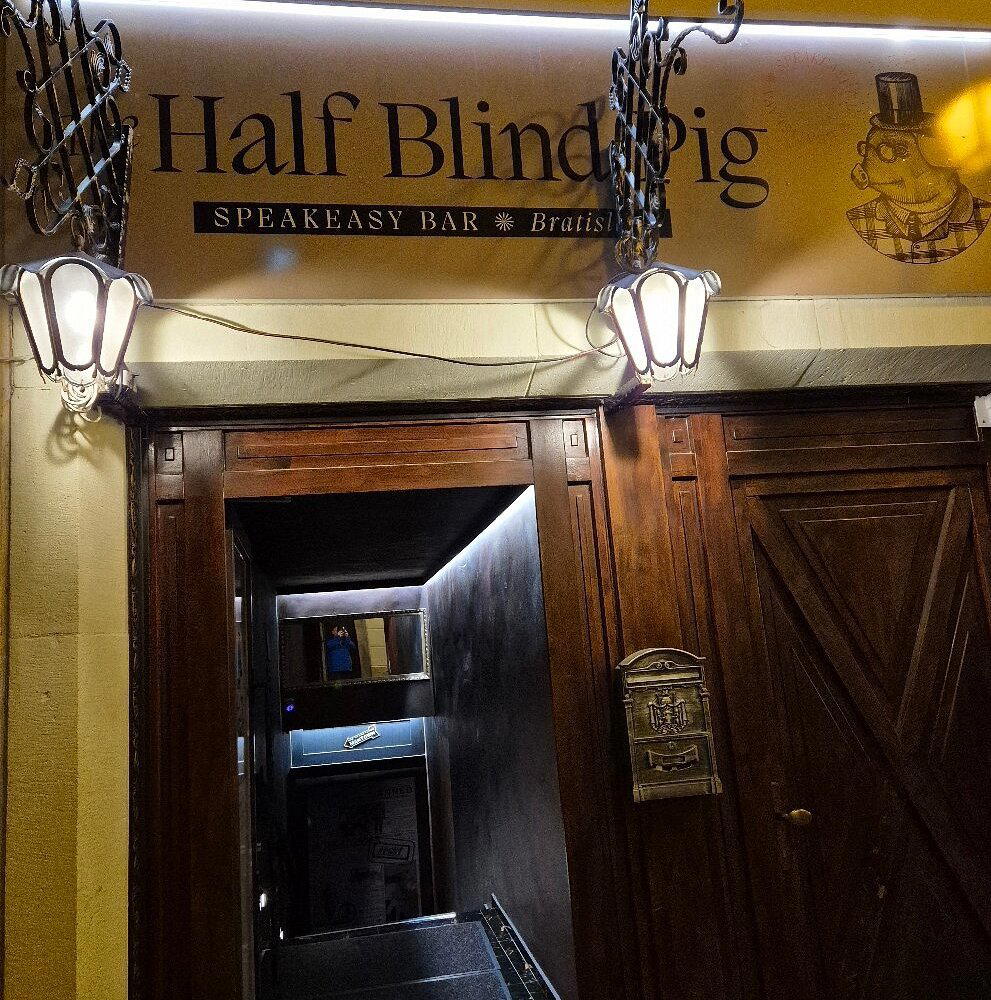
Bars in Modra
Browse all →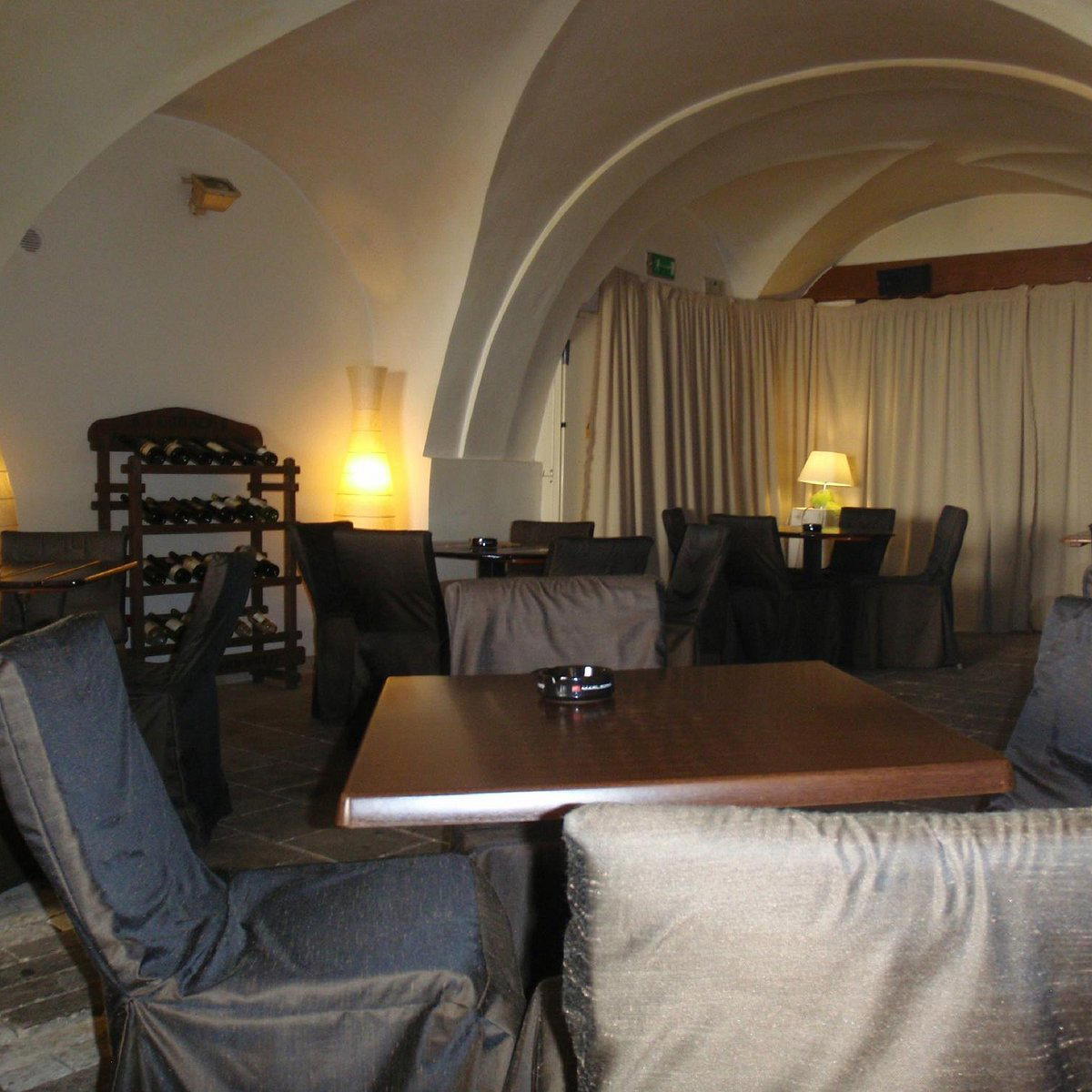
Hotels in Modra
Browse all →

At a Glance
- Cozy
- Rustic
- Intimate
- Elegant
- Date Night
- Special Occasion
- Celebration
- Open Kitchen
- Historic Building
- Garden
- Standalone
- Extensive Wine List
- Natural Wine
- Sommelier Led
- Farm To Table
- Local Sourcing
- Organic
Current opening hours
- Monday
- Closed
- Tuesday
- Closed
- Wednesday
- Closed
- Thursday
- 11:30 AM–9 PM
- Friday
- 11:30 AM–9 PM
- Saturday
- 11:30 AM–9 PM
- Sunday
- 11:30 AM–3 PM
Hours can change for holidays and private events. Last verified .
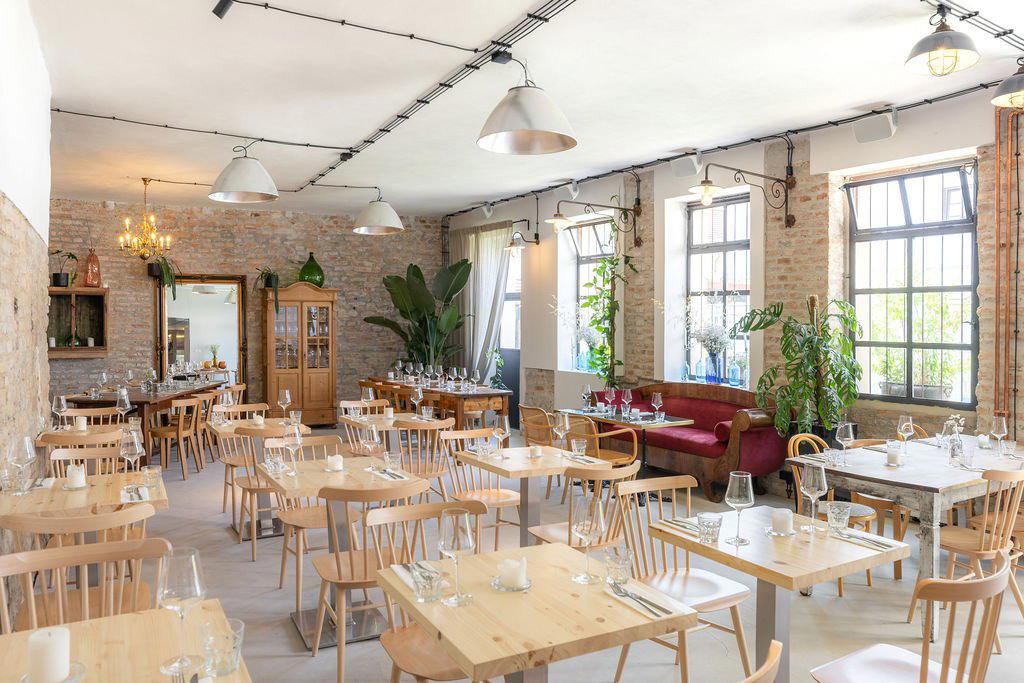
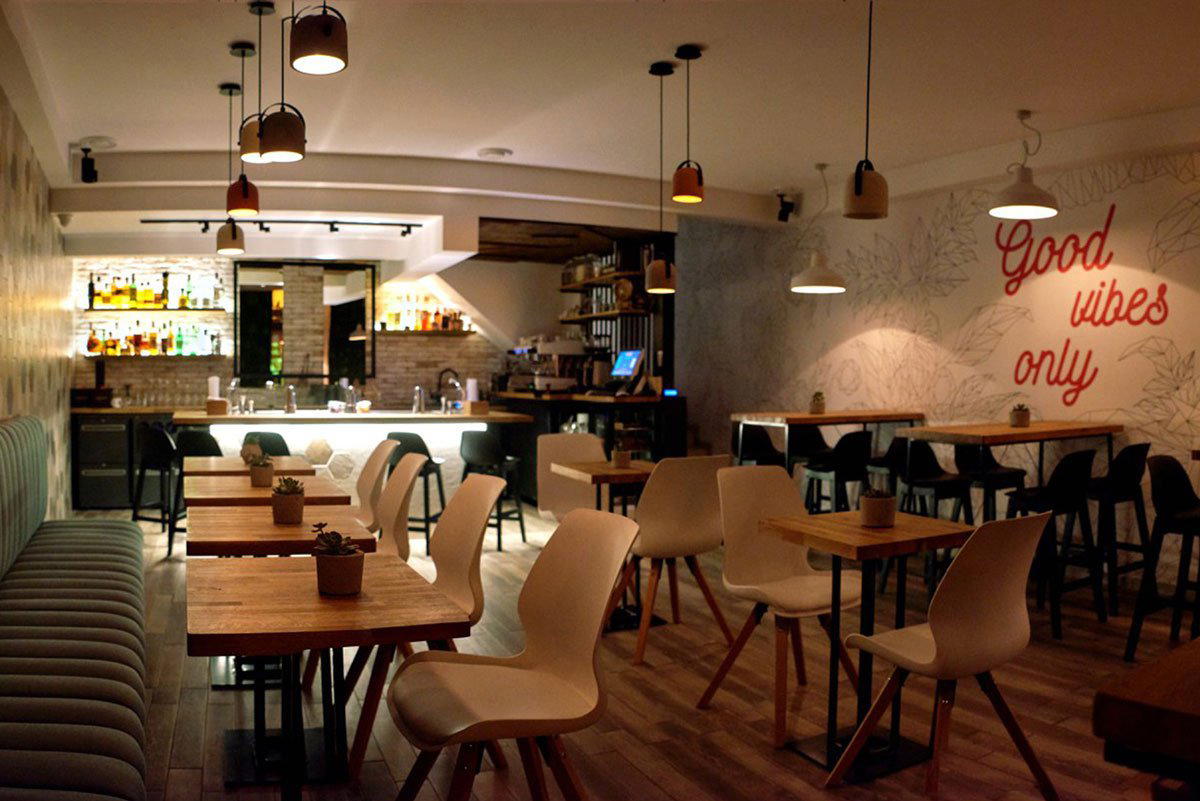
Warm, rustic yet stylish interior with Mediterranean touches, bright and elegant design, intimate setting with open kitchen allowing diners to observe food preparation.