


Gašperov Mlyn in Batizovce delivers modern Slovak fine dining inside a restored 19th-century water mill. The tasting menu highlights hyper-local ingredients and seasonality; notable dishes include game with foraged mushrooms, smoked freshwater trout with buckwheat, and artisanal sheep’s cheese with honey and herbs. Chef Jozef Breza leads a small, skilled kitchen and a sommelier curates pairings of Slovak and Central European wines. With only three tables and a maximum of seven guests, Gašperov Mlyn offers an intimate, adults-only experience framed by original stone walls, a garden terrace, and quietly confident service. Reservations are required at least 24 hours in advance.
Pearl is the En Primeur Club membership app — saves, bookings, and concierge access live there. Same editors, same standards.
- Address
- Štúrova 121/75, 059 35 Batizovce, Slovakia
- Phone
- +421 905 033 462
- Website
- gasperovmlyn.sk
- Directions
- Get directions
 Saves & bookings on Pearl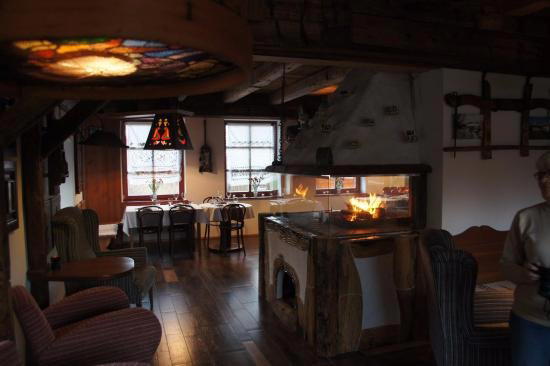
A Mill Town Table in the High Tatras
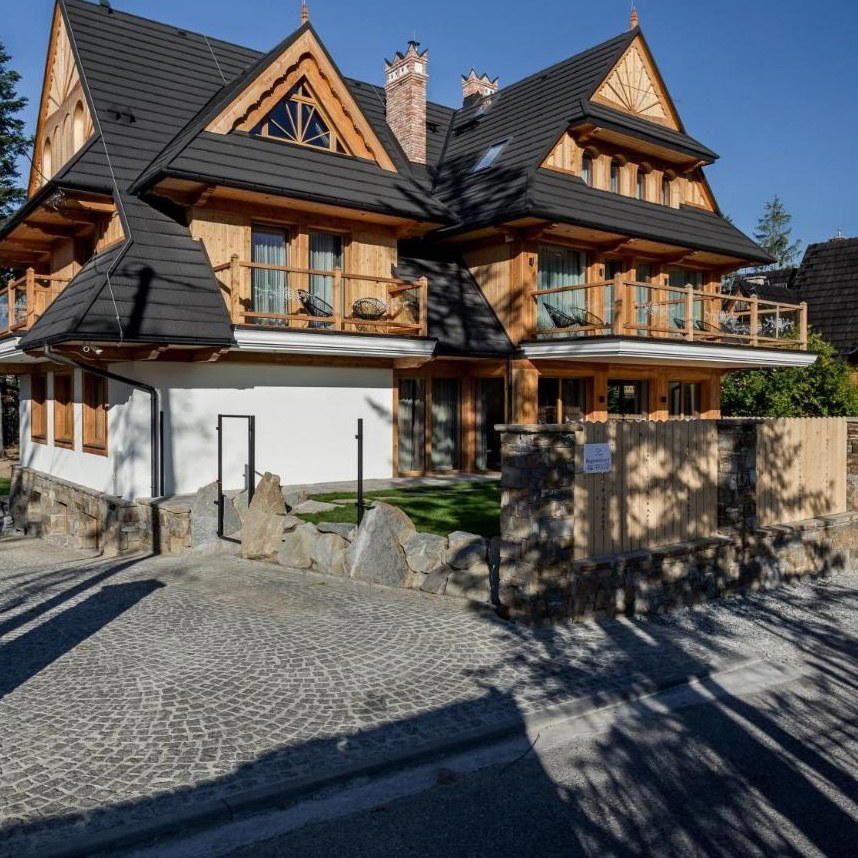
Gašperov Mlyn is a restaurant in Batizovce, Slovakia, serving Modern Slovak cuisine, with. The village of Batizovce sits in the shadow of the High Tatras, the kind of place where the mountains define the rhythm of daily life and the cooking follows suit. Štúrova street runs quietly through a settlement that most travellers pass without stopping, yet Gašperov Mlyn has made that oversight increasingly difficult to justify. The building carries the weight of its setting: stone, timber, the logic of a structure built for work rather than display. Arriving here, you are not walking into a restaurant that has been designed to feel rural; you are walking into somewhere that simply is.
This matters because Slovak traditional cooking occupies a contested position in European fine dining. The country's cuisine has rarely received the critical scaffolding that has lifted, say, Hungarian or Czech cooking into international conversation. The gap between village practice and formal restaurant presentation has historically been wide. What has changed in the past decade is a generation of Slovak chefs who trained seriously, often abroad, and returned with the technical vocabulary to frame regional ingredients in terms that La Liste jurors and foreign critics could assess on comparable terms.
Chef Jozef Breza and the Architecture of Slovak Cooking
Understanding Gašperov Mlyn requires understanding where Slovak restaurant cooking has been, and where it is heading. The country's most serious kitchens have generally developed in Bratislava, where venues like ECK Restaurant in Bratislava have worked to establish a credible fine-dining register for Slovak ingredients and technique. Operating at a high level from a village address in the Tatras foothills represents a different proposition entirely: the supply chains are shorter but the audience is narrower, and the critical attention that sustains a restaurant's reputation at the summit of any list requires a sustained effort to bring reviewers to a location they would not otherwise visit.
Chef Jozef Breza has built that case over time. The La Liste score tells part of the story with numbers: 82.5 points in 2025, rising to 87 points in the 2026 edition. That five-point gain in a single cycle is not a rounding adjustment; it represents a meaningful re-evaluation by the aggregated international critical apparatus that La Liste draws upon. For context, An 87-point score reflects broad consensus rather than a single enthusiast's enthusiasm. In the Slovak context, this places Gašperov Mlyn in conversation with the country's most formally recognised addresses, a comparable set that includes venues in the capital and in wine-producing regions rather than mountain villages.
The editorial point is not about the chef's personal arc, but about what his kitchen represents for Slovak cooking as a category. The tradition he works within is one of preservation: fermented dairy, smoked meats, root vegetables that carry through winter, dumplings in their many regional forms. The challenge for any serious Slovak kitchen is not finding these ingredients but making the argument, plate by plate, that they carry the same complexity as the more internationally legible cuisines that dominate La Liste's upper registers. The trajectory from 82.5 to 87 suggests that argument is landing.
For readers familiar with the broader conversation about regional European cooking, comparisons to what chefs in similar contexts have achieved elsewhere are instructive. The work of reframing a national cuisine in fine-dining terms is not uniquely Slovak: you see it in the ambitions of venues from ARTE in Svätý Jur to Origin in Lučenec, each approaching Slovak produce from a different regional angle. The restaurant's distinction is doing this work from a village address, without the capital's density of critics and clients to provide regular external validation.
What the La Liste Score Signals About the Experience
La Liste's methodology aggregates critical opinion rather than awarding stars, which means its scores are sensitive to consistency and to the range of voices that have visited over time. An 87-point rating implies not just a single strong meal but a pattern of strong meals across different seasons and reviewers. For a Slovak restaurant operating outside the capital, achieving this kind of consistency requires a supply and kitchen discipline that is easy to underestimate from the outside.
Slovak traditional cooking at this level is not folk museum cooking. The category includes preparations that reward technical precision: bryndza, the sheep's milk cheese that runs through Slovak culinary identity from breakfast to dinner, is far more complex in its leading forms than casual treatments suggest. Halušky, the dumpling preparation most associated with Slovak cuisine internationally, has as many regional variants as Italian pasta, and the distance between a perfunctory version and a carefully made one is significant. A kitchen scoring 87 on La Liste is making those distinctions count.
For the EP Club reader considering a visit, the relevant comparison set is not the nearest Slovak city restaurant but the growing category of destination kitchens in rural European settings where the address is itself part of the proposition. Think of the logic that draws diners to remote Nordic restaurants, or to village addresses in the Lot or the Périgord: the journey is not incidental but structural to the experience. The restaurant operates on similar terms, with the Tatras providing the geographic frame that makes the cooking legible as something rooted rather than performed.
Volume at that score is not routine: it requires a consistent experience across a wide range of visitors, many of whom will be Slovak locals rather than international critics, and whose expectations for traditional cooking will be precise in ways that foreign reviewers often cannot access. Holding 4.9 across nearly 400 reviews suggests the kitchen is satisfying both registers simultaneously.
Planning a Visit to Gašperov Mlyn
Batizovce is a small village in the Poprad district of northeastern Slovakia, within reasonable driving distance of the High Tatras national park and of Poprad itself, which is accessible by rail from Bratislava in under three hours. If you are combining a visit with mountain hiking or with broader exploration of the Tatra region, the village address becomes a logical overnight stop rather than a detour.
Reservations are essential. The address is Štúrova 121/75, 059 35 Batizovce, Slovakia.
For readers who want to understand the restaurant within the broader international fine-dining conversation, the comparison set includes venues at the level of Le Bernardin in New York City, Alain Ducasse at Louis XV in Monte Carlo, and Alléno Paris au Pavillon Ledoyen. The restaurant is not scoring in that tier, but it is being assessed by the same instrument, which is itself a measure of how seriously Slovak cooking at its most careful is now being taken. Other La Liste-recognised addresses worth benchmarking include Atomix in New York City, Alinea in Chicago, Lazy Bear in San Francisco, Emeril's in New Orleans, 8½ Otto e Mezzo Bombana in Hong Kong, Amber in Hong Kong, and Aponiente in El Puerto de Santa María.
Fast Comparison
Comparable venues nearby, for context on price, style, and recognition.
| Venue | Cuisine | Price | Notes |
|---|---|---|---|
| Gašperov Mlyn | Modern Slovak | $$$ | Batizovce |
| Moment | Modern Slovak Bistro | $$ | Batizovce |
| Rosalia zámocká reštaurácia | Modern Slovak Fine Dining | $$$ | Halic |
| Reštaurácia Furkotka | Traditional Slovak & Central European | $$ | Strbske Pleso |
| Irin | Modern Slovak Fine Dining | $$$ | Staré Mesto |
| Reštaurácia Sissi | Austro-Hungarian with Local Slovak Influences | $$$ | Tatranská Lomnica |
Recognition history
Dated appearances from independent guides and award organizations, with the underlying list record or original source where available.
Falstaff Restaurant - 96 Falstaff Points
Falstaff
La Liste Top Restaurants
La Liste
La Liste Top Restaurants
La Liste
The Best Chef One Knife
The Best Chef
Continue exploring
More in Batizovce
Restaurants in Batizovce
Browse all →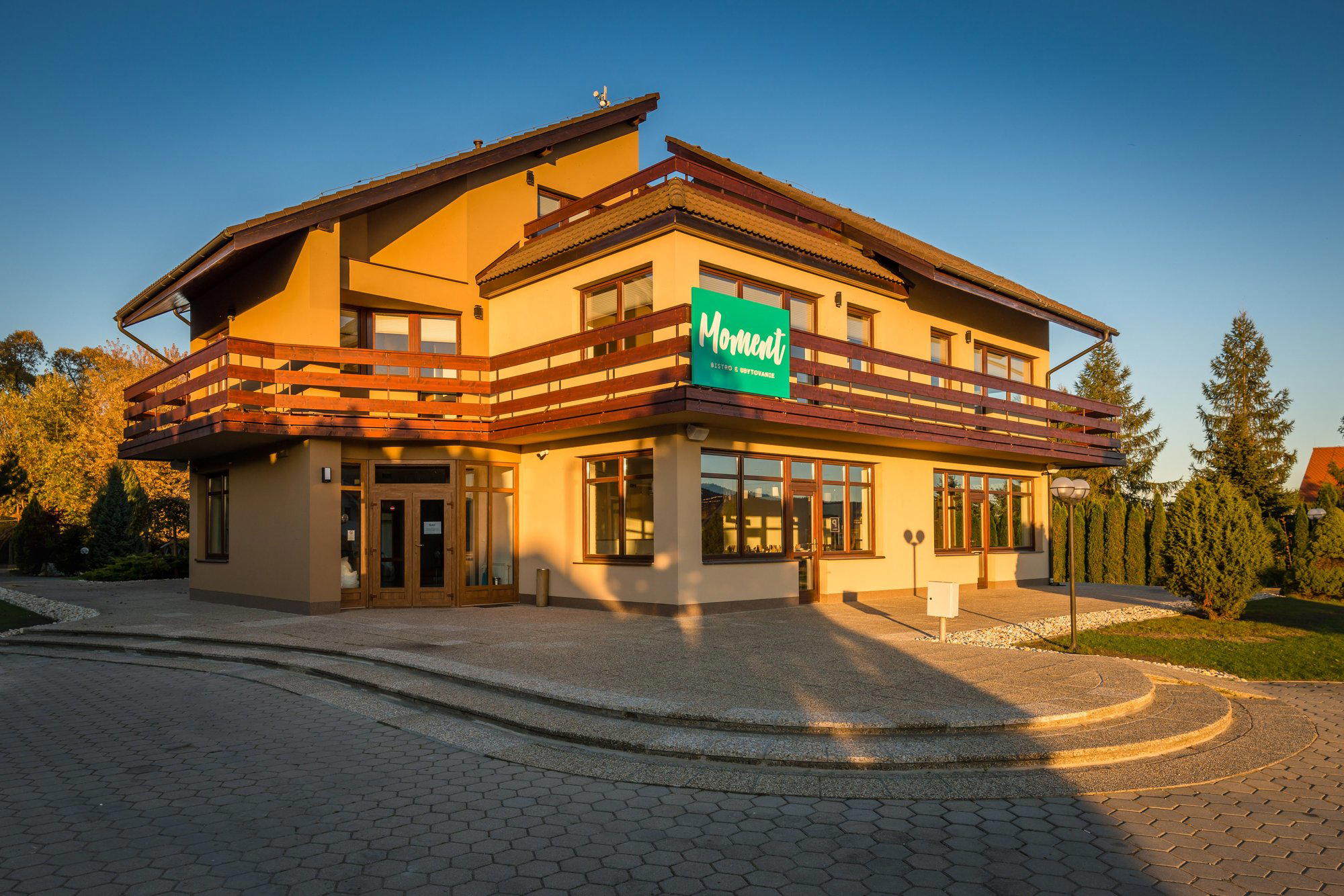
At a Glance
- Intimate
- Cozy
- Rustic
- Elegant
- Special Occasion
- Date Night
- Historic Building
- Sommelier Led
- Local Sourcing
- Mountain
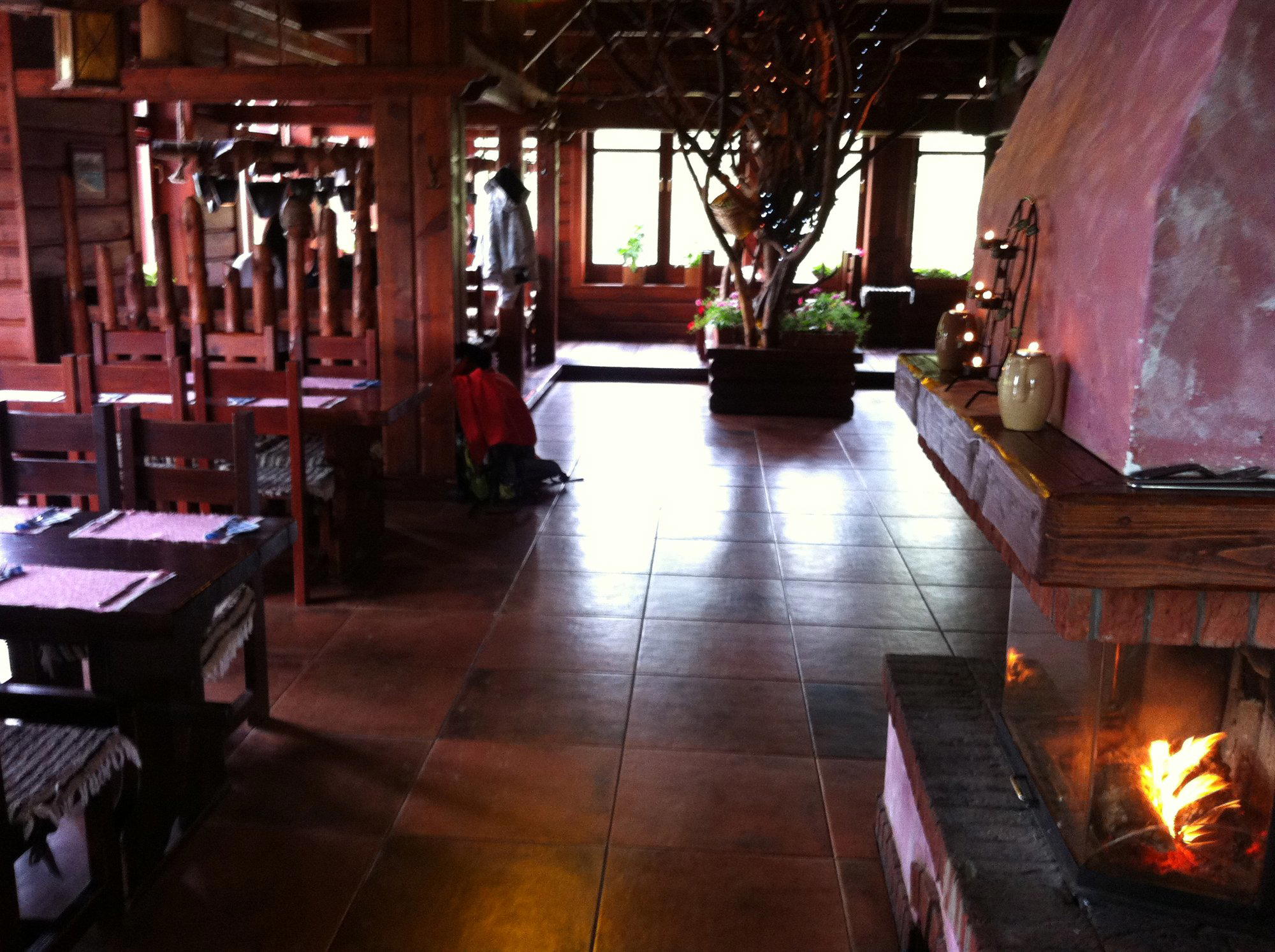
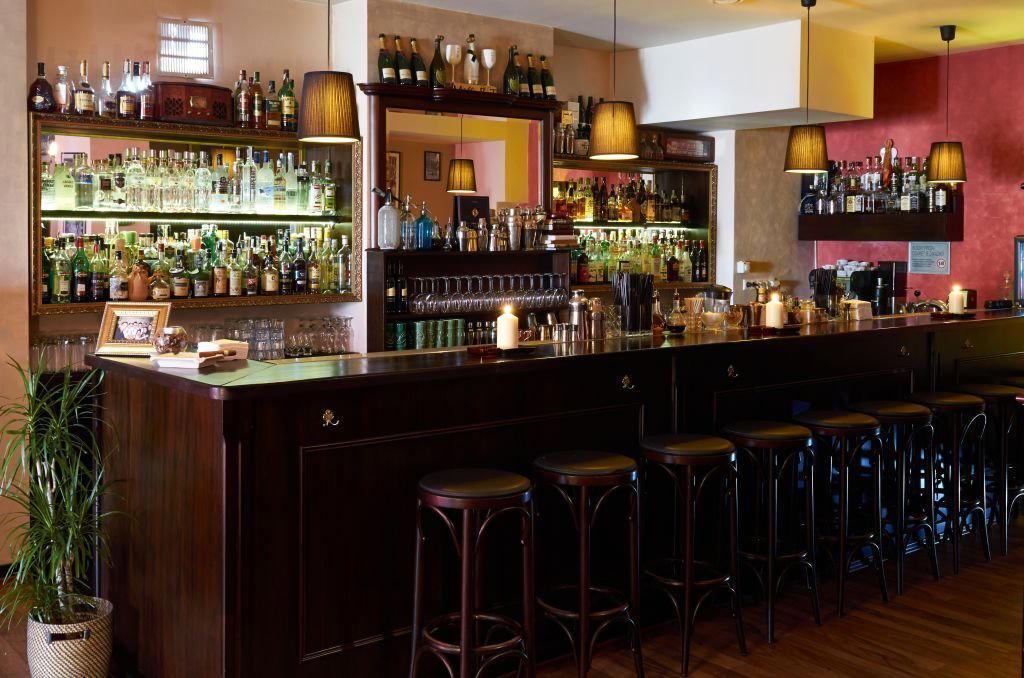
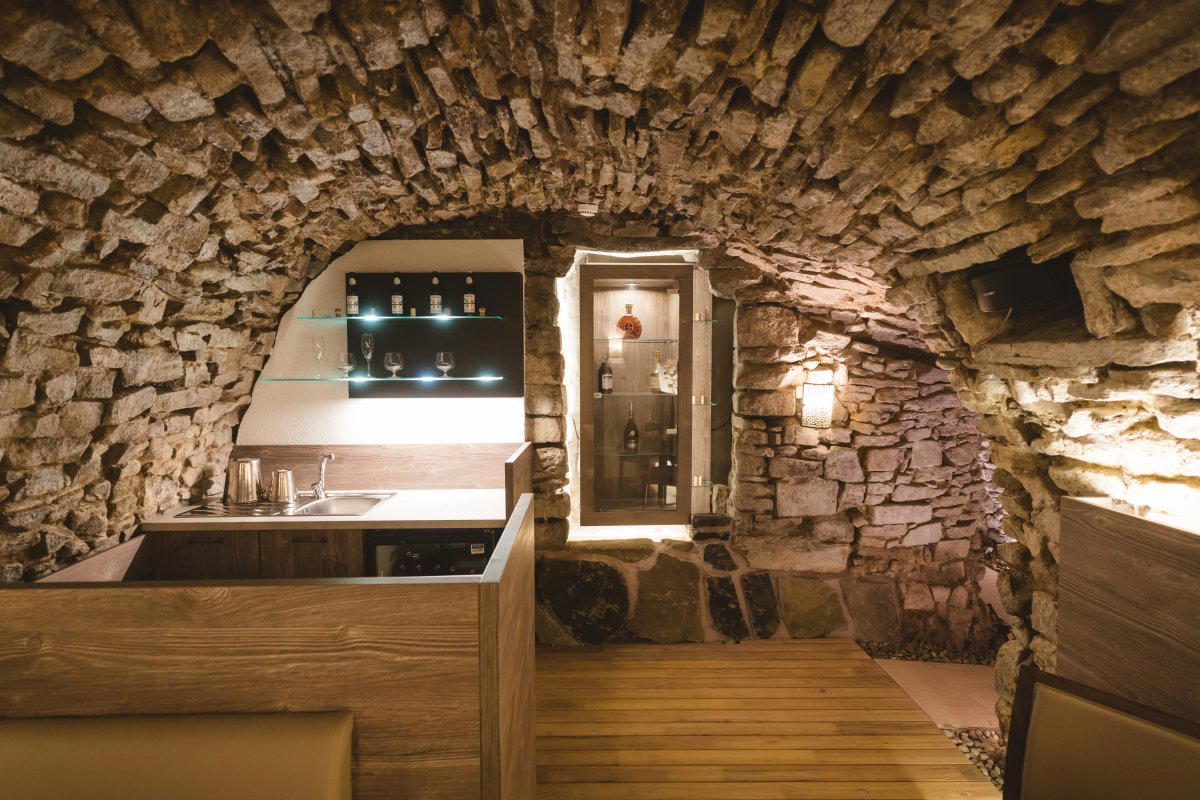
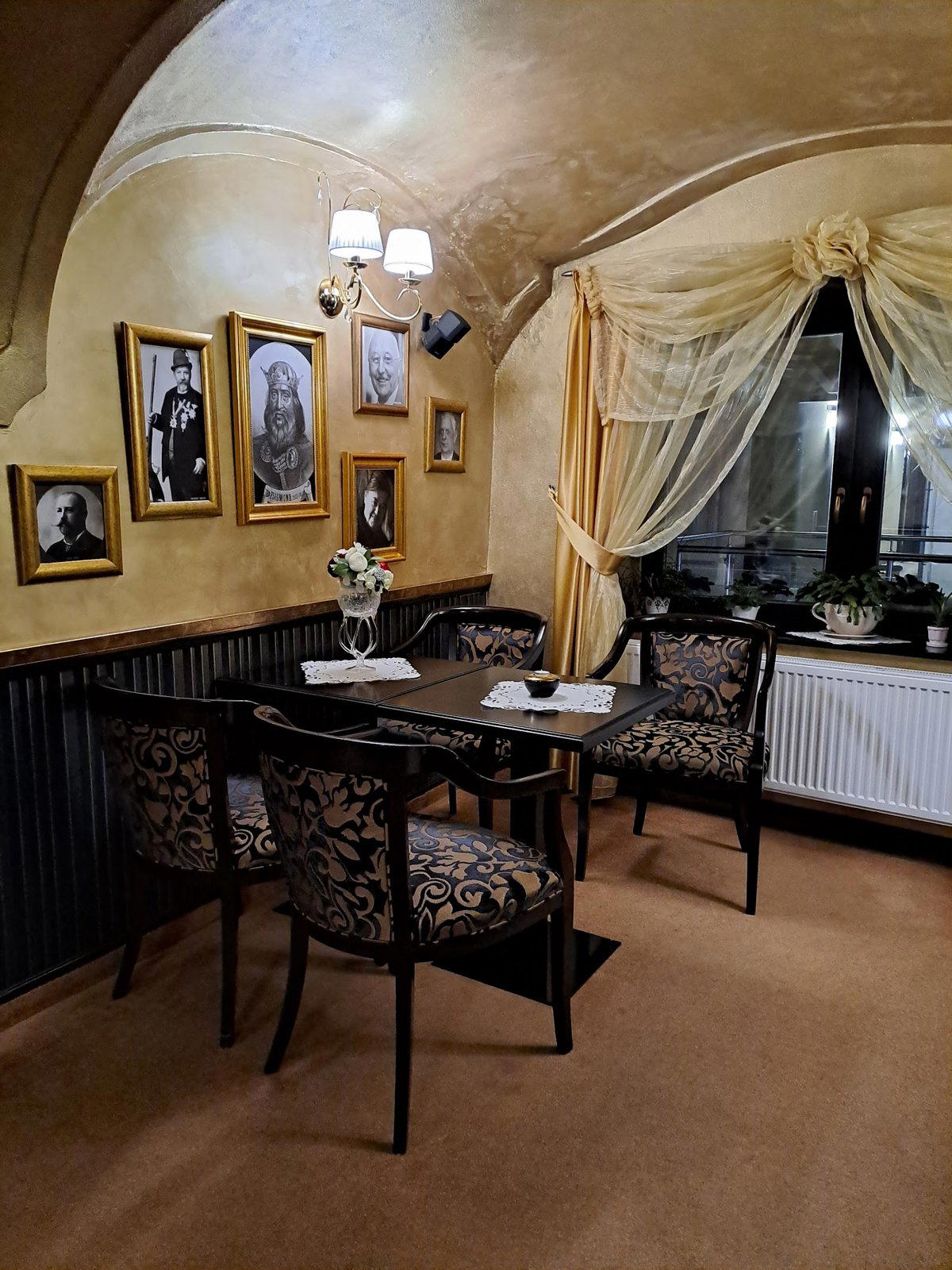
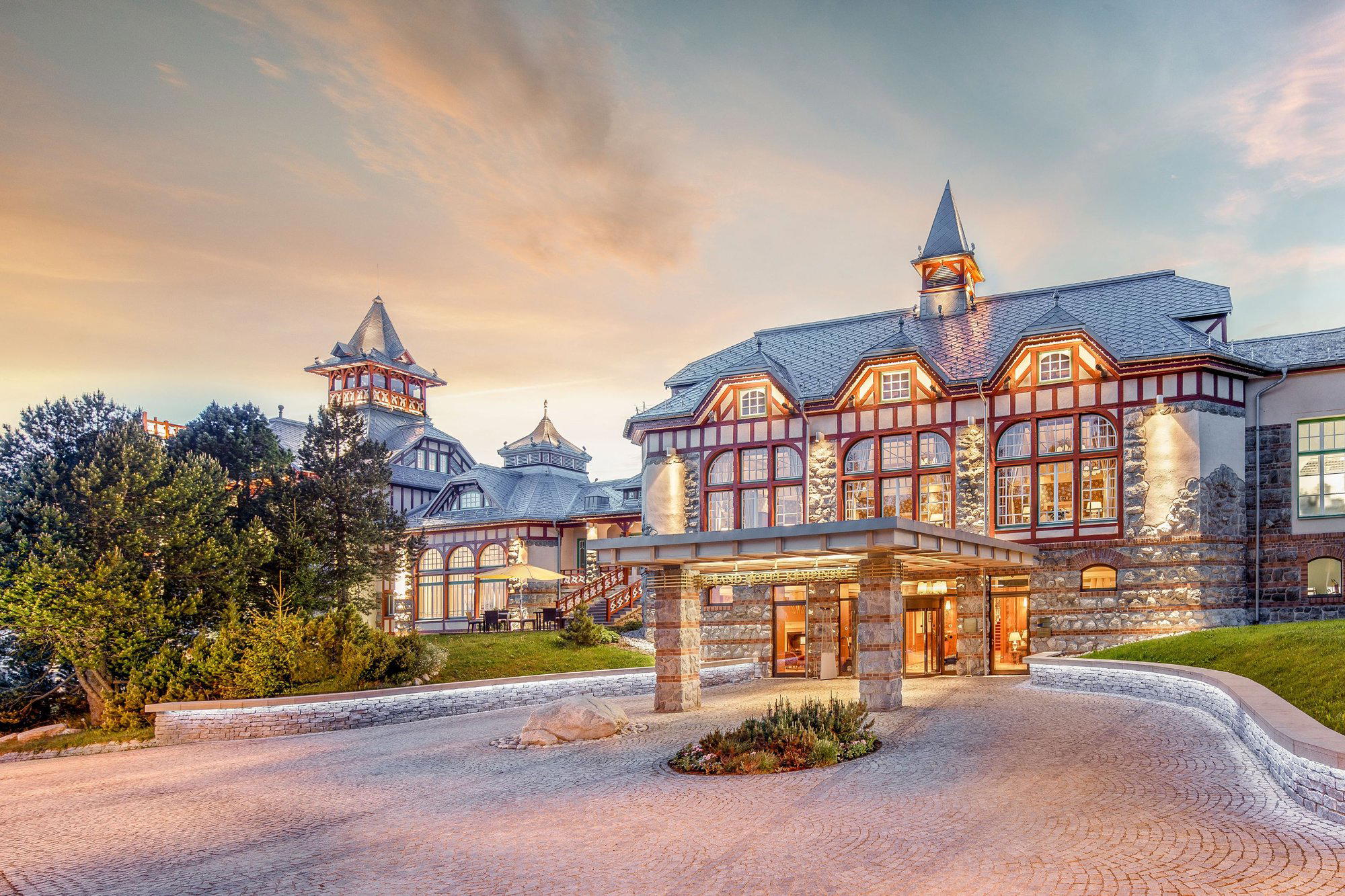
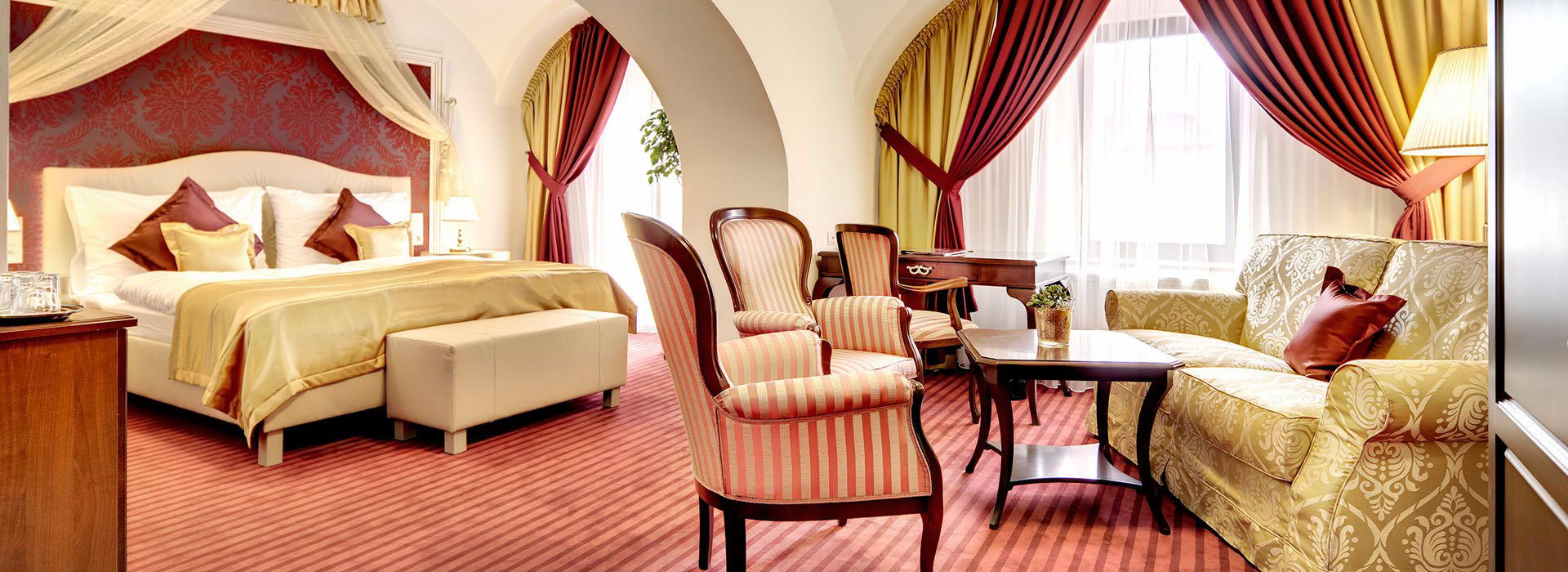
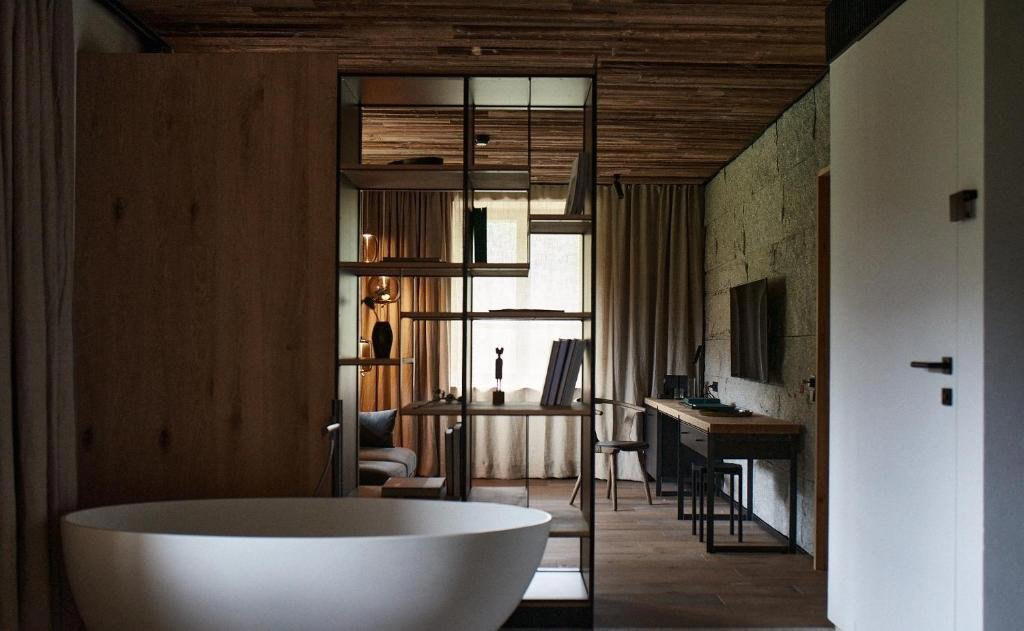
Compact, quiet, and intimate with original stone walls, low ceilings, exposed beams, modest fireplace, and warm practical lighting for a private, historic country home feel.