A Hostinec in the Park: Slovak Tavern Culture in Nitra Mestský park in Nitra's Sihoť district sits along the Nitra River, a green corridor that separates the old episcopal town from its residential sprawl. It is the kind of park that Slovak...
Pearl is the En Primeur Club membership app — saves, bookings, and concierge access live there. Same editors, same standards.
- Address
- Mestský park, Sihoť, na Sihoti 3, 949 01 Nitra, Slovakia
- Phone
- +421373811867
- Website
- sbh.sk
- Directions
- Get directions
 Saves & bookings on Pearl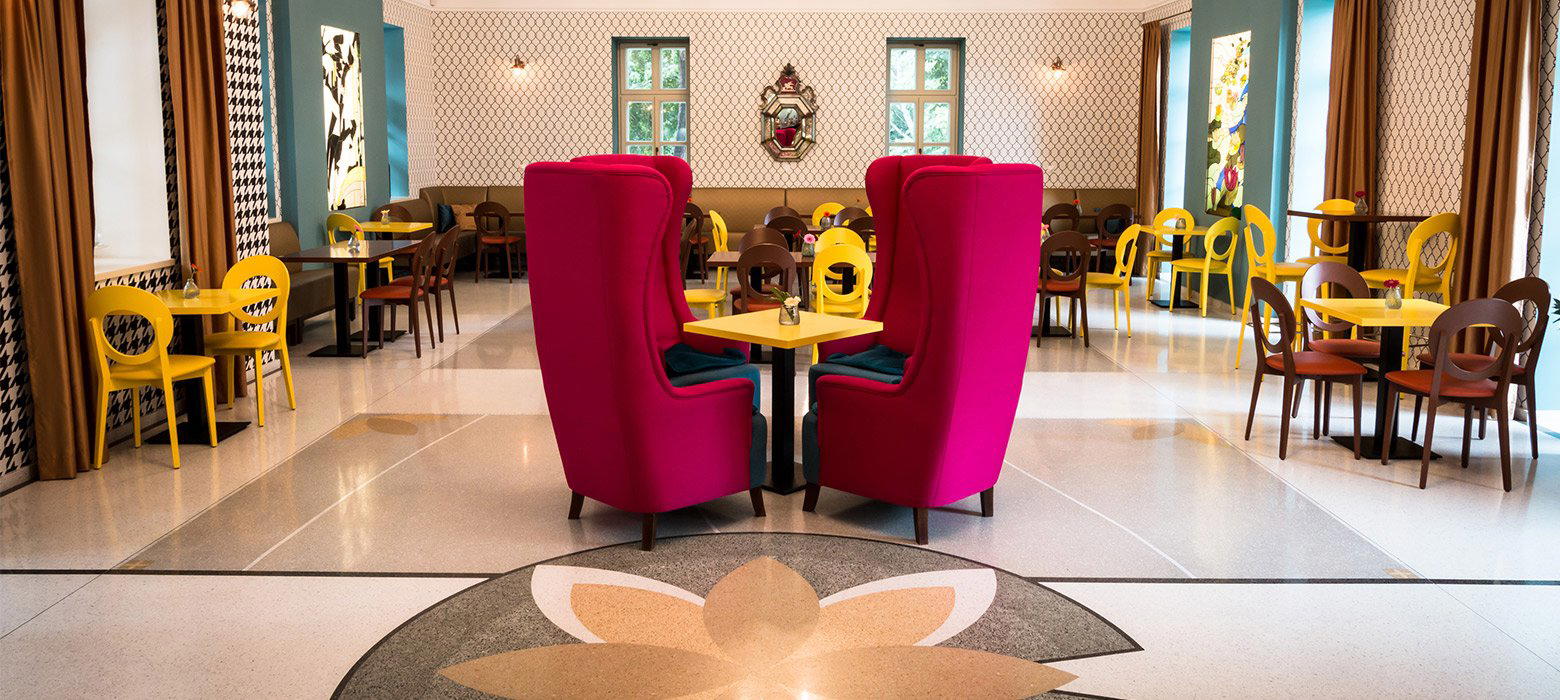
A Hostinec in the Park: Slovak Tavern Culture in Nitra
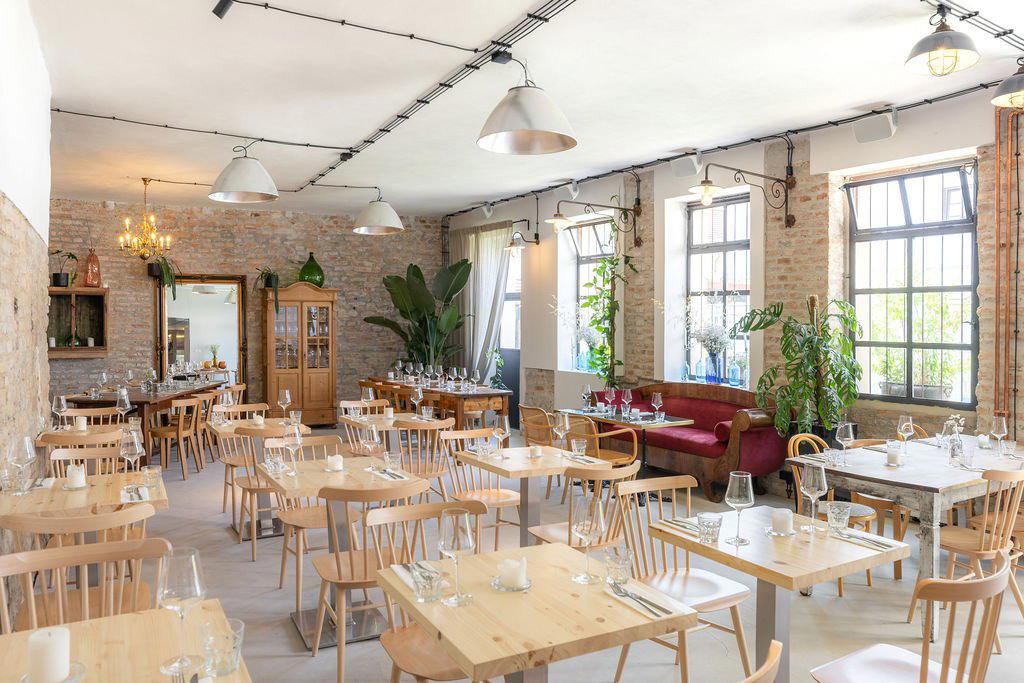
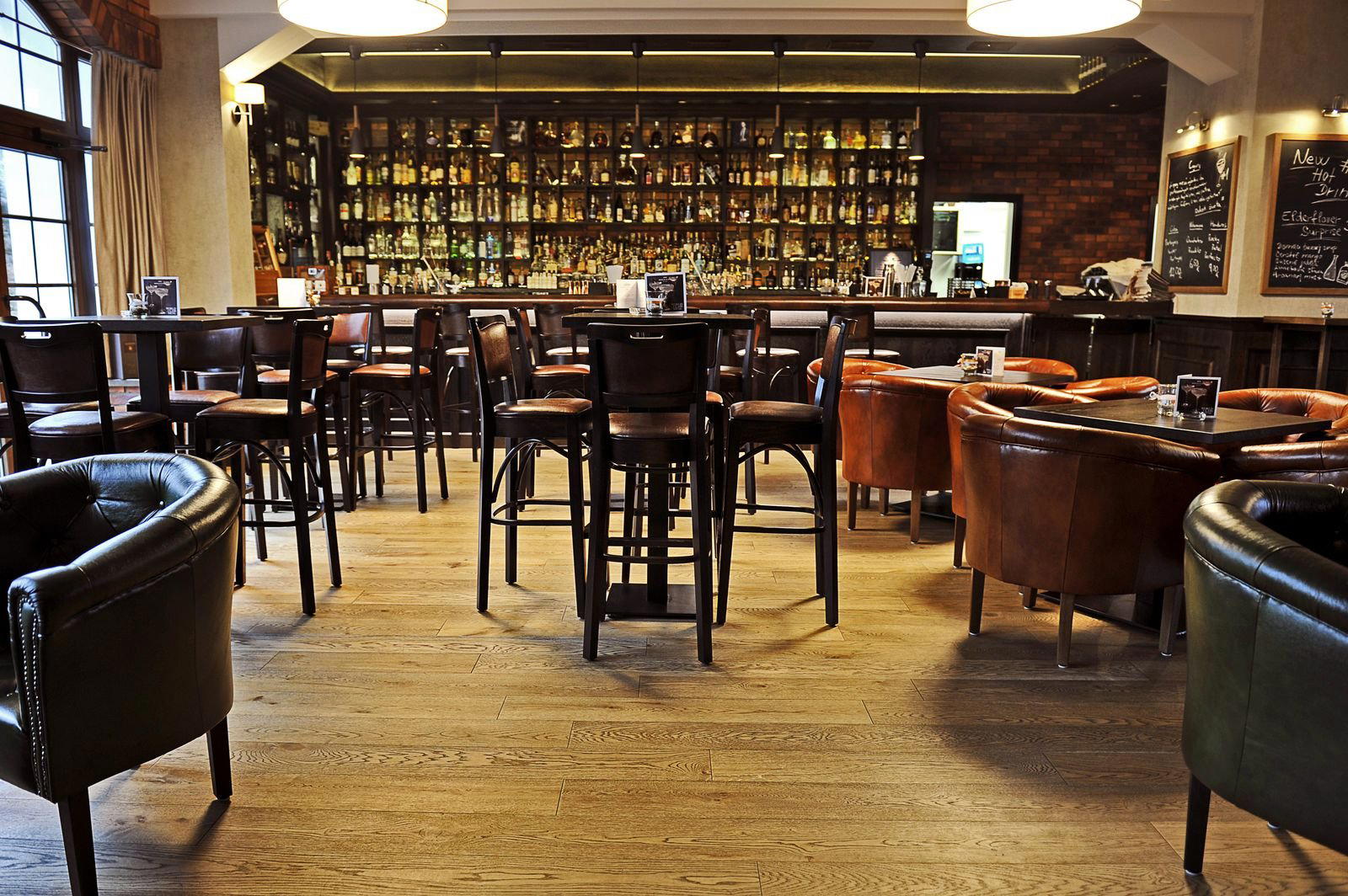
Mestský park in Nitra's Sihoť district sits along the Nitra River, a green corridor that separates the old episcopal town from its residential sprawl. It is the kind of park that Slovak cities use well: shaded benches, weekend walkers, and somewhere near the water, a building that has been serving food and drink long enough to feel like part of the landscape itself. Starý Biskupský Hostinec occupies that position, its name translating roughly as the Old Bishop's Inn, a reference to Nitra's long identity as a seat of ecclesiastical power and one of the oldest continuously inhabited cities in Slovakia.
The hostinec as a format carries significant cultural weight in Central Europe. These are not restaurants in the contemporary sense; they are closer to the Viennese Gasthaus or the Bavarian Wirtshaus, institutions where the social contract between kitchen and guest is older than any current menu. Slovak hostince historically anchored community life in market towns, serving as the point where commerce, politics, and daily eating overlapped. The episcopal associations attached to this particular address place it in a tradition of institutional hospitality, the kind that fed visiting clergy, merchants, and civic officials before the concept of the modern restaurant existed.
Where Starý Biskupský Hostinec Sits in Nitra's Dining Scene
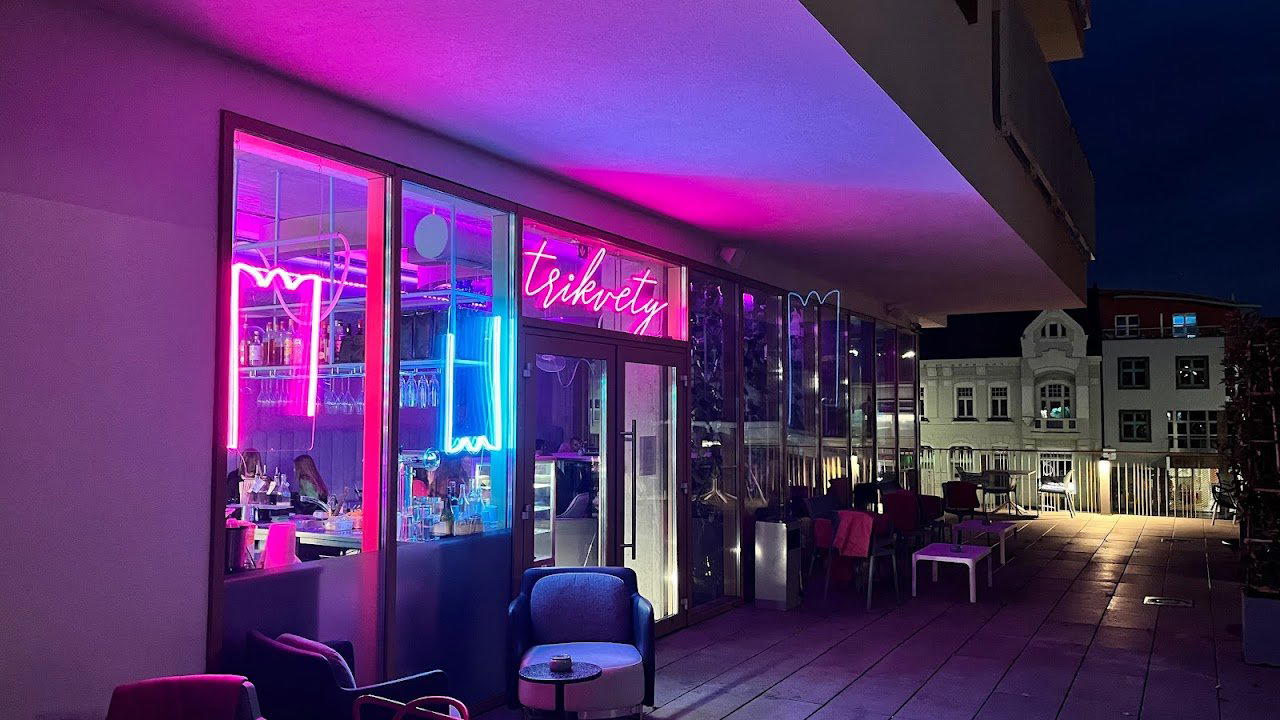
Nitra's restaurant scene has diversified considerably over the past decade. The city now has dedicated Italian kitchens like Allora Fresh Pasta, Asian-inflected options at Tatami, and contemporary Slovak cooking at venues like Tri Kvety. Against that backdrop, a traditional hostinec occupies a specific and deliberate position. It is not competing with the city's more modern dining formats on their own terms; it is serving a function those formats do not, the reliable delivery of Slovak regional food in a setting with physical and historical continuity.
The closest peer in Nitra's Slovak-tradition sector is Nitriansky Furmanský Dvor, which also draws on domestic culinary roots. In the broader Slovak context, the hostinec format appears across the country in different registers, from mountain-adjacent koliba structures like Koliba Patria in Štrbské Pleso and KOLIBA na Vršku in Bytča, to estate dining settings such as Kaštieľ Čičmany in Čičmany. Each occupies a slightly different niche within the country's traditional food infrastructure. Starý Biskupský Hostinec's park setting gives it a civic rather than rural character, which shapes both its clientele and its positioning.
Slovak Tavern Food: What the Format Typically Delivers
The hostinec kitchen tradition across Slovakia and the wider Carpathian region draws on a pantry shaped by centuries of agriculture in a landlocked, seasonally extreme climate. Pork features heavily, prepared through slow-cooking and smoking methods developed for preservation. Dumplings, particularly halušky, function as the primary starch across many traditional menus, often served with bryndza, the sharp sheep's milk cheese that has Protected Designation of Origin status in Slovakia. Soups, particularly kapustnica (sauerkraut soup) and gulash-adjacent preparations, serve both warming and restorative purposes that are practical in a country where winters are genuine.
These dishes connect directly to Slovakia's agricultural calendar and to a pre-industrial food economy that the hostinec format was built around. Venues of this type in other Slovak cities, including regional specialists like Fatrabeef in Ľubochňa and Holotéch víška in Košariská, demonstrate how strongly the countryside-to-table logic persists in Slovak dining outside Bratislava. At a venue like Starý Biskupský Hostinec, the address and name suggest alignment with that tradition, even as the specific execution remains something a visitor should confirm directly.
Planning a Visit: Location, Access, and Context
The address, Mestský park, na Sihoti 3, places the venue inside Nitra's riverside park on the Sihoť side of the river, accessible on foot from the historic centre within a short walk across the city's main bridge. This is not a venue buried in a commercial strip; a park setting implies outdoor seating is plausible seasonally, though confirming current hours and reservation requirements before arriving is advisable, as
For those moving between Slovak cities and looking at the traditional dining category specifically, useful reference points exist in Focus Restaurant in Žilina, Afrodita in Čereňany, and Klára v GOYA vitality hotel in Voderady. Each operates in a different regional context but within a similar hospitality tradition. For comparison against Slovakia's fastest-growing cities, Hotel and Restaurant Gino Park Palace in Považská Bystrica represents the category's hotel-attached variant.
Closer to home, Don Saro Cucina Siciliana in Bratislava and Bulli Kebab in Košice round out the country's more diverse urban dining spectrum.
Price Lens
Comparable venues nearby, for context on price, style, and recognition.
| Venue | Cuisine | Price | Notes |
|---|---|---|---|
| Starý Biskupský HostinecThis venue — the venue you are viewing | Not listed | $$ | Not listed |
| Allora Fresh Pasta | Fraňa Mojtu, Fresh Handmade Pasta | $$ | Not listed |
| Nitriansky Furmanský Dvor | Nitra Center, Modern Slovak Cuisine | $$ | Not listed |
| Tatami | Not listed | $$ | city center, Japanese Sushi and Asian Fusion |
| Tri Kvety | Nitra center, Slovak Bistro | $$ | Not listed |
| Fatrabeef | Lubochna, Slovak Steakhouse | $$ | Not listed |


At a Glance
- Classic
- Elegant
- Scenic
- Cozy
- Family
- Group Dining
- Casual Hangout
- Celebration
- Garden
- Historic Building
- Standalone
- Beer Program
- Local Sourcing
- Garden
Current opening hours
- Monday
- 11 AM–10 PM
- Tuesday
- 11 AM–10 PM
- Wednesday
- 11 AM–10 PM
- Thursday
- 11 AM–10 PM
- Friday
- 11 AM–10 PM
- Saturday
- 11 AM–10 PM
- Sunday
- 11 AM–8 PM
Hours can change for holidays and private events. Last verified .
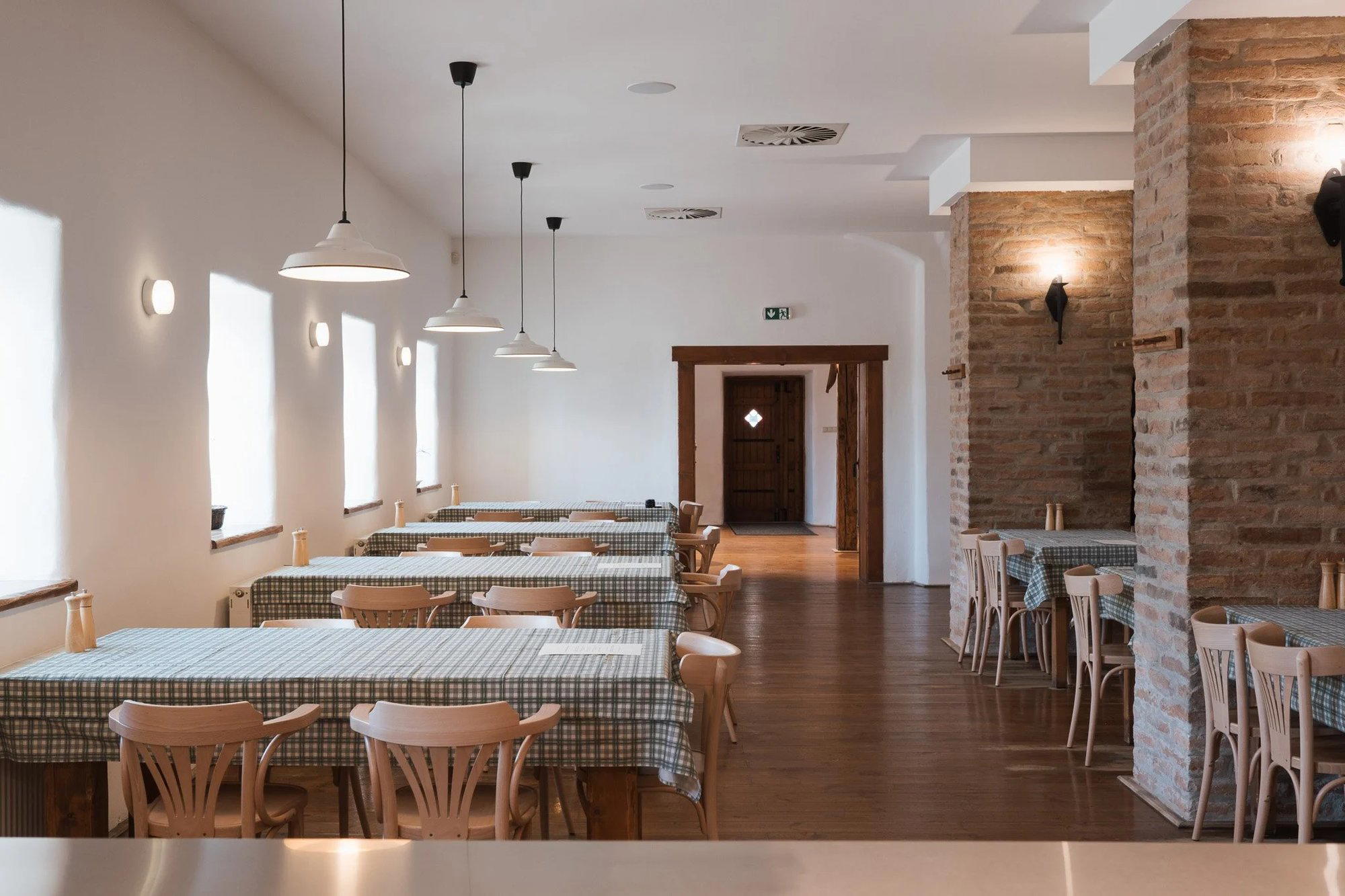
Grand and stylish ambiance with charming fine dining atmosphere in a historic building surrounded by park scenery and natural reserve.