Nitriansky Furmanský Dvor serves Modern Slovak Cuisine in Nitra, with Bryndzové halušky, a beer program, and conversational pacing for lunch or dinner.
Pearl is the En Primeur Club membership app — saves, bookings, and concierge access live there. Same editors, same standards.
- Address
- Farská 27, Pri synagóge 1392/6, 949 01 Nitra, Slovakia
- Phone
- +421918987522
- Website
- nitrianskyfurmanskydvor.sk
- Directions
- Get directions
 Saves & bookings on Pearl
A Courtyard Address in Nitra's Old Town
Nitriansky Furmanský Dvor is a restaurant in Nitra, Slovakia, serving Modern Slovak Cuisine at a casual, recommended reservation venue priced around $18 per person. The streets around Nitra's historic cathedral hill carry a particular atmosphere that most Slovak cities can't replicate. Farská street, running close to the old synagogue in the city's preserved lower town, belongs to that older layer of Nitra: stone buildings, compressed alleyways, and the residual architecture of a city that was already a medieval market town when most of Central Europe was still frontier territory. Nitriansky Furmanský Dvor occupies an address within this fabric, at Farská 27 and Pri synagóge 1392/6, and the name itself signals the register it operates in. "Furmanský dvor" translates roughly to a coachman's courtyard, the kind of working inn that once served carters and traders moving goods through the Nitra valley. That framing places the venue firmly within a Slovak tradition of tavern hospitality rooted in transit, trade, and the countryside rather than in urban refinement.
What Slovak Farmyard Cooking Actually Means
Slovakia's koliba and furman-style restaurants occupy a distinct niche in the country's dining culture. They are not rustic by accident or affectation. The tradition draws on the agricultural economy of the Nitra region, one of Slovakia's most productive farming areas, where the Nitra river valley has sustained cereal crops, livestock, and orchards for centuries. The western Slovak lowlands around Nitra differ markedly from the mountainous north, and the food reflects that difference: heavier reliance on pork, duck, and goose; preparations that reference the smokehouse and the slow-cooked pot rather than the grill; and a structural preference for dishes that sustained physical labour rather than accompanied leisure.
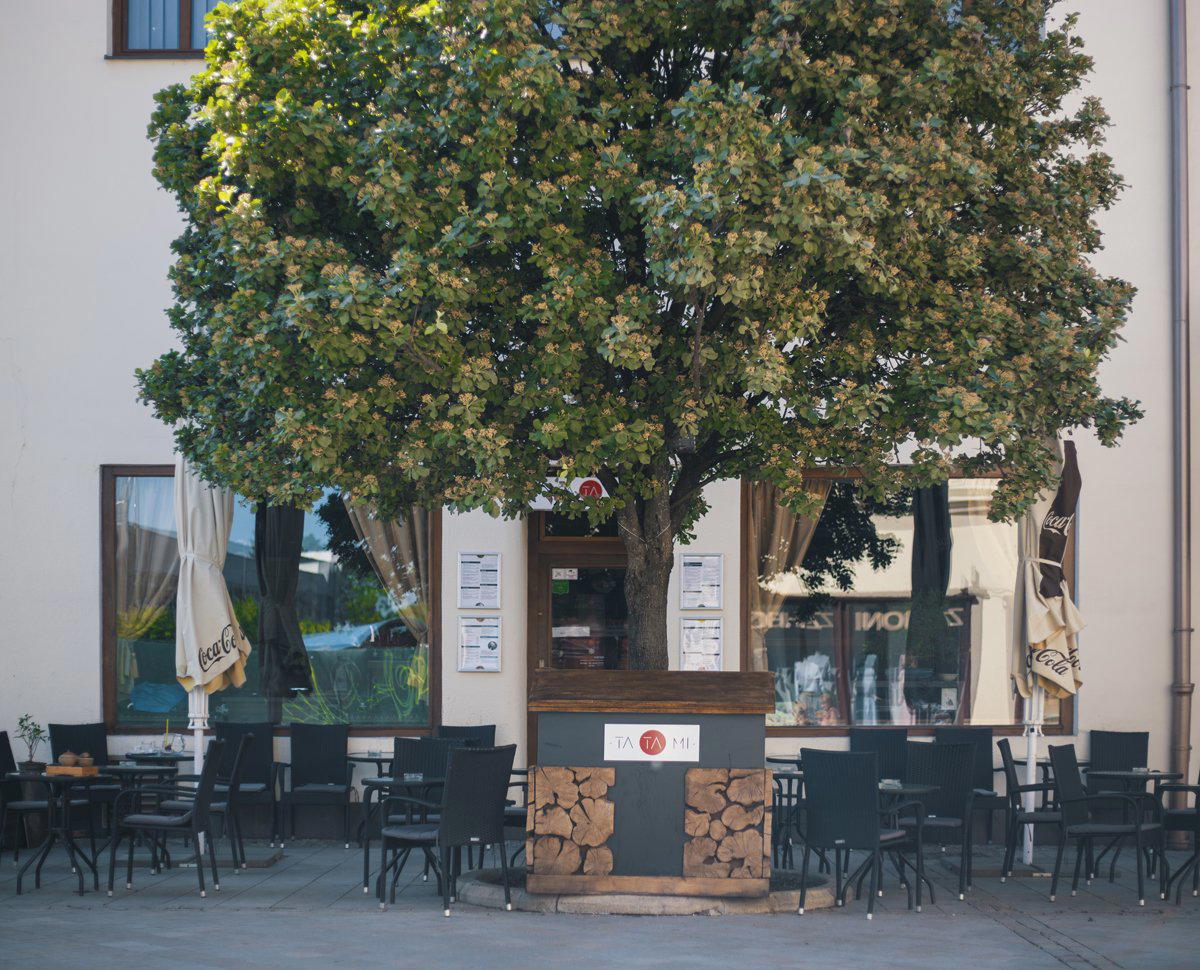
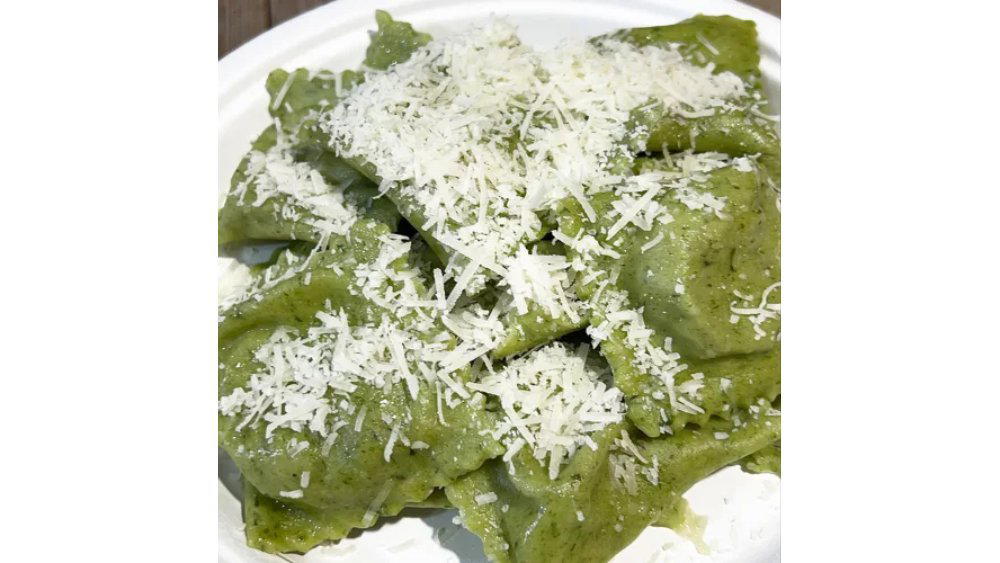
This context matters when placing Nitriansky Furmanský Dvor alongside Nitra's broader restaurant offering. The city has restaurants that lean into international formats, such as Allora Fresh Pasta with its Italian pasta focus, and venues like Tatami representing the city's appetite for Asian formats. At the opposite end of that spectrum, furman-style venues function as anchors for Slovak culinary identity, places where the question of sourcing is settled by geography and season rather than menu trend.
Ingredient Geography and Why It Shapes the Plate
The Nitra region produces particularly agriculturally significant output in Slovakia. The fertile lowlands south and west of the city support grain, sunflower, sugar beet, and livestock farming at a scale that makes proximity sourcing not merely possible but logistically natural. A restaurant operating in a furman tradition within this region has access to a supply chain that urban Slovak kitchens in Bratislava or Košice typically have to work harder to secure.
That agricultural proximity has a direct effect on what appears on the table and how it is priced. Pork and poultry from the Nitra region can move from farm to kitchen within the same county. Root vegetables, cabbage, and seasonally foraged additions reflect what the surrounding land produces at a given time of year. This is ingredient sourcing as practical geography rather than marketing positioning, a structural reality of cooking in a region that has been feeding itself from its own soil for a long time. Comparing this to the supply chains required by restaurants focused on imported ingredients, such as the Sicilian-accented Don Saro Cucina Siciliana in Bratislava, illustrates how deeply a venue's identity can be shaped by its relationship to local agricultural production.
The furman format across Slovakia consistently returns to smoked and cured preparations, slow-braised meats, and bread-based accompaniments. These are not arbitrary stylistic choices; they reflect preservation techniques developed before refrigeration and the cooking methods most suited to the large cuts that working-inn kitchens historically handled. Venues operating in this tradition elsewhere in the country, from Koliba Patria in Štrbské Pleso in the High Tatras to KOLIBA na Vršku in Bytča in the northwest, share this structural DNA while adapting to their specific regional landscapes. Nitra's version carries its own lowland agricultural signature.
The Nitra Dining Context
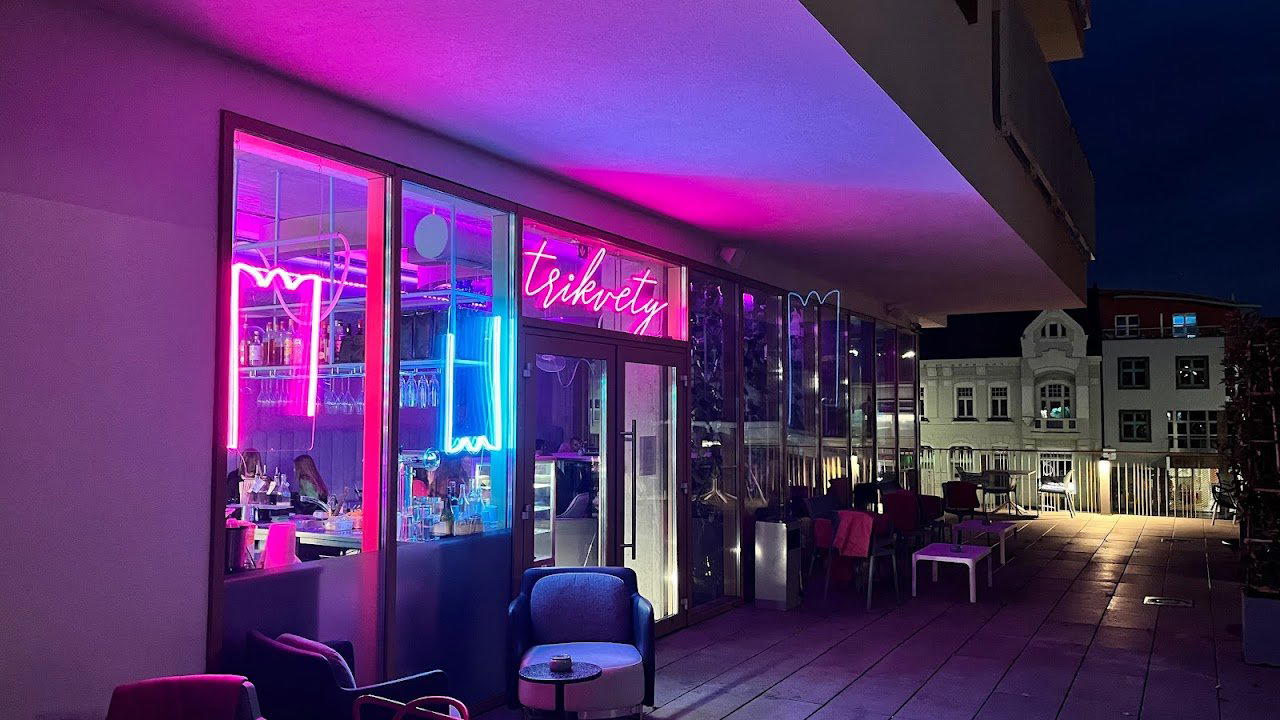
Nitra's restaurant scene has been developing a wider range of formats in recent years, with the city's university population and proximity to Bratislava creating demand for more varied dining. Starý Biskupský Hostinec and Tri Kvety represent other points on the local spectrum, each with their own relationship to Slovak hospitality tradition. Against that backdrop, a venue using a coachman's courtyard framework is making a deliberate statement about where it positions itself: in the territory of Slovak culinary memory rather than international aspiration.
The old town location near the synagogue compound places Nitriansky Furmanský Dvor in a part of Nitra that attracts visitors interested in the city's layered history. Nitra is among the oldest continuously inhabited settlements in Slovakia, with the castle and cathedral complex forming one of Central Europe's more complete examples of a fortified episcopal centre. Restaurants in this zone serve both local regulars and visitors who arrive through the historic quarter on foot. For a comparison point at a different scale and setting, venues such as Holotéch víška in Košariská or Kaštieľ Čičmany in Čičmany show how the Slovak countryside tradition adapts when the surrounding architecture is rural rather than urban-historic.
For visitors to Slovakia building a broader picture of the country's regional cooking traditions, the full range is worth exploring beyond Nitra. Fatrabeef in Ľubochňa represents the beef-forward mountain approach of central Slovakia, while Focus Restaurant in Žilina and Afrodita in Čerináni each anchor different regional formats. The distance between Nitra's lowland furman cooking and the high-altitude koliba style found in mountain venues illustrates how much geographic variation exists within Slovak food culture.
For reference points at the opposite end of the international dining scale, venues such as Le Bernardin in New York City or Atomix in New York City represent how tightly controlled sourcing and cultural precision operate at the award-level tier, a comparison that clarifies what distinguishes ingredient-led regional cooking in any country from globally recognised fine dining, and why both forms have value on their own terms.
Planning a Visit
The restaurant is located at Farská 27, near the Pri synagóge address in central Nitra's old town. The venue's address places it within walking distance of the cathedral hill and the main historic zone, making it accessible on foot from most central accommodation. Visitors are advised to check current operating details before travelling, particularly for evening visits. Nitra is approximately 90 kilometres from Bratislava by road, with regular bus connections making it a feasible day trip or short stay from the capital. Venues at comparable regional destinations, including Klára v GOYA vitality hotel in Voderady and Hotel and Restaurant Gino Park Palace in Považská Bystrica, follow similar patterns of combining accommodation and dining in one address, a format worth considering for visitors spending more than a day in the western Slovak region.
Quick Comparison
Comparable venues nearby, for context on price, style, and recognition.
| Venue | Cuisine | Price | Notes |
|---|---|---|---|
| Nitriansky Furmanský DvorThis venue — the venue you are viewing | Modern Slovak Cuisine | $$ | Not listed |
| Tri Kvety | Slovak Bistro | $$ | Nitra center |
| Tatami | Japanese Sushi and Asian Fusion | $$ | city center |
| Starý Biskupský Hostinec | Traditional Slovak Steakhouse | $$ | Park na Sihoti, Mestský park |
| Allora Fresh Pasta | Fresh Handmade Pasta | $$ | Fraňa Mojtu |
| PaB Donau | Modern Austro-Hungarian | $$ | Staré Mesto |

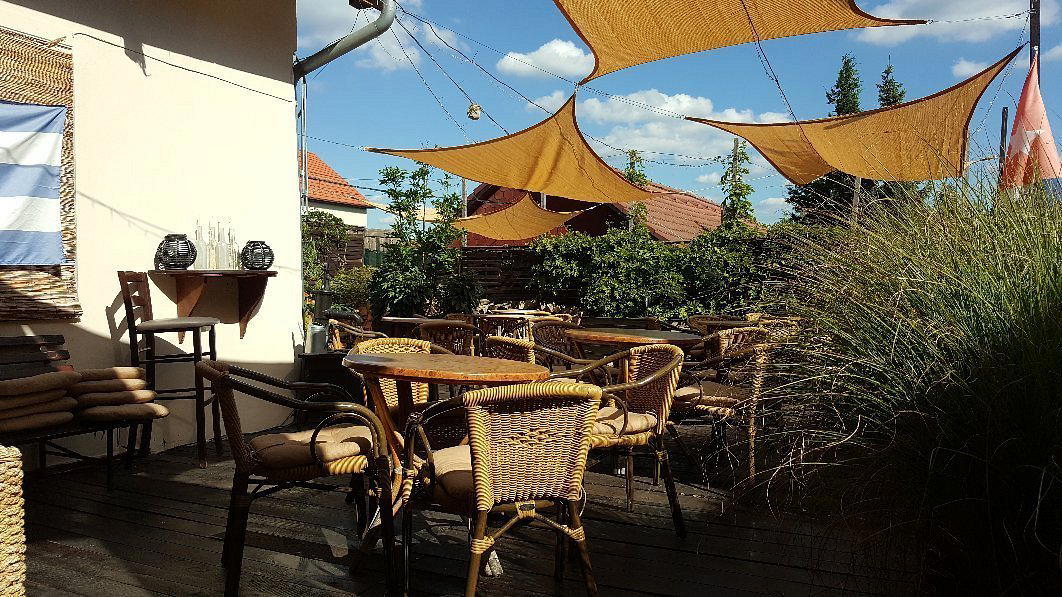

At a Glance
- Rustic
- Cozy
- Classic
- Group Dining
- Family
- Casual Hangout
- Standalone
- Beer Program
- Farm To Table
- Local Sourcing
- Organic
Current opening hours
- Monday
- 11 AM–4 PM
- Tuesday
- 11 AM–4 PM
- Wednesday
- 11 AM–8 PM
- Thursday
- 11 AM–8 PM
- Friday
- 11 AM–10 PM
- Saturday
- 11 AM–10 PM
- Sunday
- Closed
Hours can change for holidays and private events. Last verified .
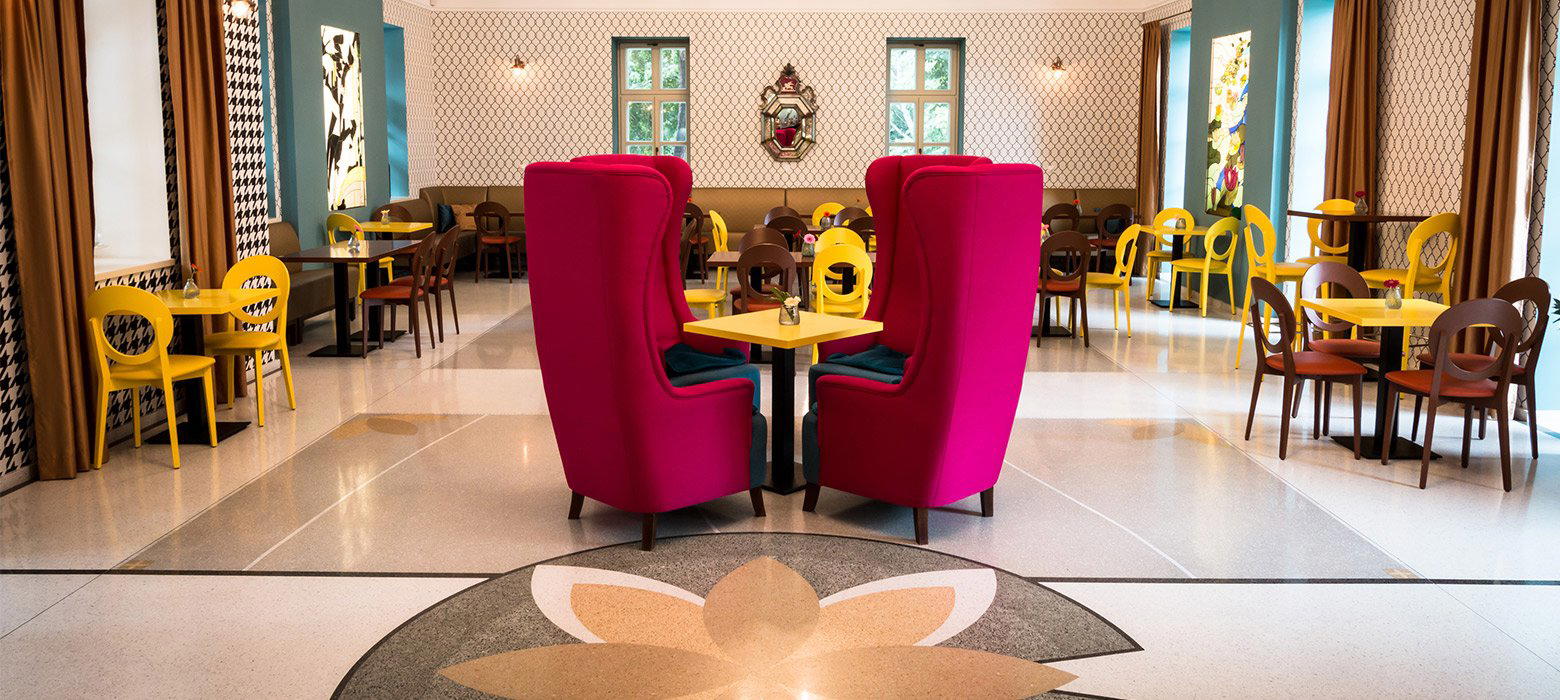
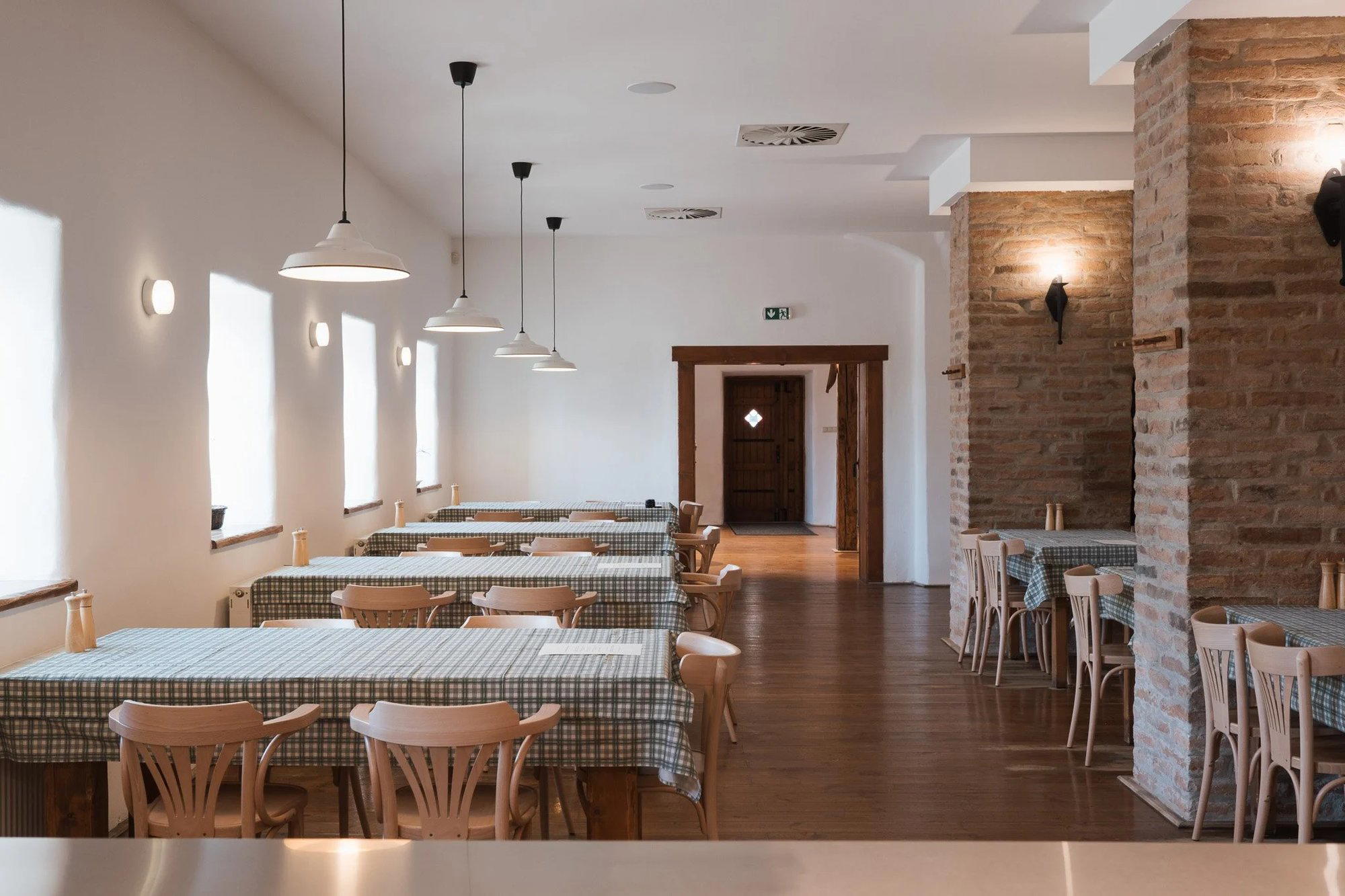
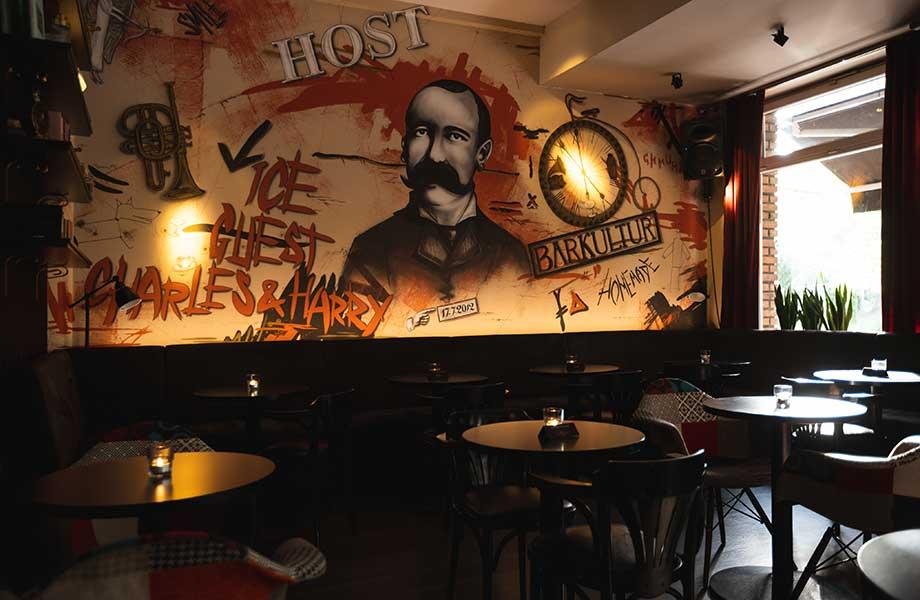
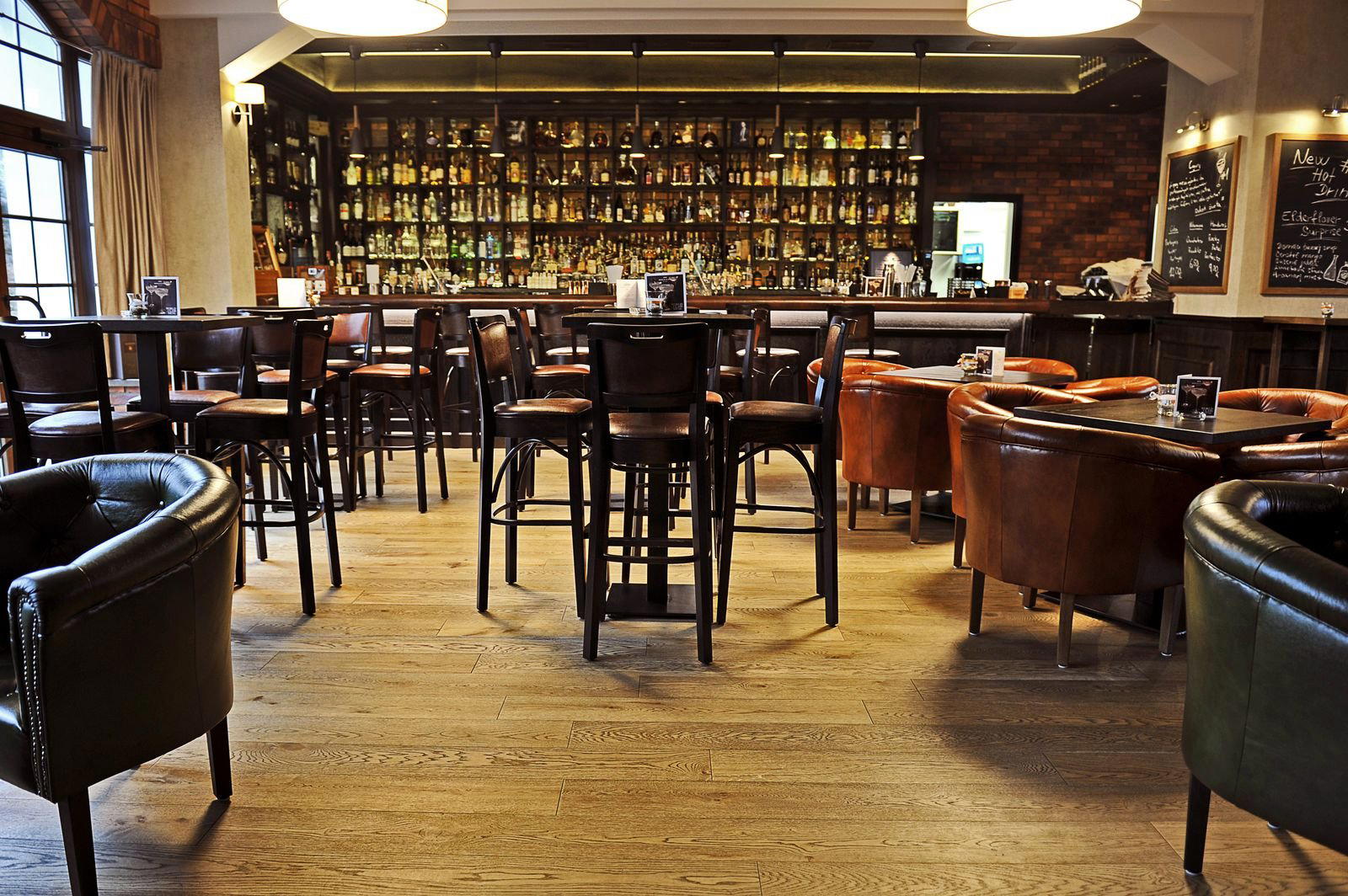
Friendly and pleasant atmosphere with traditional Slovak character, warm lighting, and attentive service in a welcoming regional setting.