
Spice Drunker yabuya sits in Yokohama’s smaller, more specialist tier of spice-led dining: Asian, ethnic and Indian cooking framed through Japanese sake rather than beer or wine. Its Tabelog 100 selection for Asian and ethnic cuisine in East Japan in 2023 and 2024 signals a room built for diners who care about format as much as flavour.
Pearl is the En Primeur Club membership app — saves, bookings, and concierge access live there. Same editors, same standards.
- Address
- 神奈川県横浜市中区伊勢佐木町1-3-7 沼田ビル 3F
- Website
- tabelog.com
 Saves & bookings on Pearl
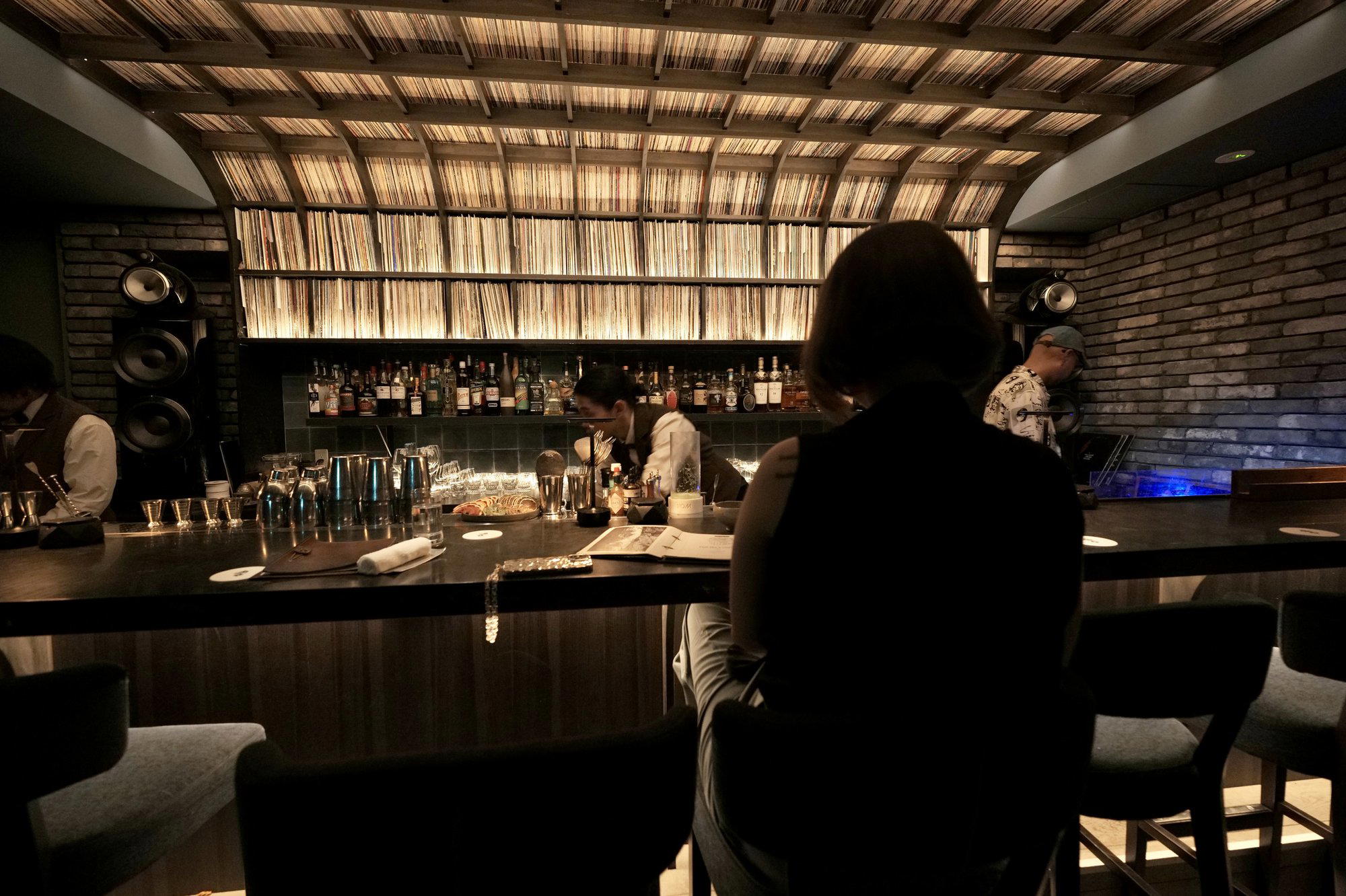
Upstairs in Isezakicho, the room is built at counter scale rather than banquet scale: ten seats, no private rooms, and a format that keeps the meal close to the person controlling both spice and sake. Yokohama has long been comfortable with cross-border eating, from Chinatown to curry shops and late-night drinking rooms, but this address works in a narrower lane. Spice-led cooking is not treated as casual ballast for drinks; the drinks program is part of the architecture, with nihonshu, including warm sake, positioned as the pairing language.
That matters because Yokohama’s restaurant map can be deceptive. The city has everyday noodles, old confectioners, cocktail bars, Chinatown institutions and destination counters all sitting within a short train ride of one another. A diner comparing 1000 (Yakitori (Grilled chicken skewers)), Aichun, Ajowan and Alpenjiro Honten is not choosing among identical versions of “local dinner.” The decision is about format: skewers, Chinese cooking, curry, or a compact sake-and-spice counter. For a wider read on the city, use Our full Yokohama restaurants guide alongside Our full Yokohama bars guide, because the line between restaurant and drinking room is especially porous here.
Spice and warm sake set the structure, not just the mood
The useful way to read this menu is not as an Indian restaurant with sake added later, nor as a sake bar serving snacks. The listed categories, Asian, ethnic, Indian and Japanese sake bar, point to a hybrid format in which spice levels, oil, heat and aroma have to negotiate with rice-based alcohol. Warm sake changes that equation: temperature softens texture, increases aromatic lift and can make spice feel rounder rather than sharper. In Japan, that kind of pairing has moved beyond izakaya convention, especially in small rooms where the host can control pacing course by course.
The restaurant’s Tabelog 100 selection for Asian cuisine and ethnic cuisine in East Japan in both 2023 and 2024 places it in a competitive field that is broader than Yokohama alone. Tabelog’s category is useful here because it does not reward a single cuisine label; it groups restaurants that handle regional Asian cooking, spice traditions and Japanese dining habits in different ways. Within that field, a ten-seat counter with a sake specialist signal belongs to the specialist end of the spectrum, not the high-volume ethnic-dining lane.
Pricing also changes the reader’s expectations. At JPY 10,000 to JPY 14,999 for dinner, this is not a casual curry stop or a pre-bar plate of snacks. Yokohama has lower-cost options such as Menya Sakigakeboshi or Marumasara in a different bracket, while Bar Noble sits in a cocktail-bar price lane rather than a dinner-counter one. The comparison is not about which is better; it clarifies intent. This format asks diners to treat spice and sake pairing as the evening’s main event.
A Yokohama counter for diners who like controlled formats
Small counters in Japan often reveal more about a restaurant than long menus do. Ten seats create a narrow operating rhythm: limited cover count, direct pacing, and less room for sprawling à la carte decision-making. The listed note asking first-time guests to leave menu selection to the owner fits that structure. It is a common logic in specialist Japanese dining, where the kitchen’s sequence matters more than the guest assembling a meal from scattered preferences.
That does not make the room formal in the hotel-dining sense. It places it closer to Yokohama’s compact after-dark culture, where eating and drinking can happen in the same breath, especially around Kannai and Isezakicho. The area sits away from the polished waterfront image many visitors associate with Minato Mirai; its stronger pull is older nightlife, small buildings and third-floor addresses that reward diners willing to look above street level. Visitors planning a broader stay can pair this kind of dinner research with Our full Yokohama hotels guide, while travellers building non-restaurant days can use Our full Yokohama experiences guide and Our full Yokohama wineries guide.
The restaurant’s no-minors policy also defines the room. This is adult dining in the literal sense, with sake central to the experience and counter seats too limited for compromise. Payment flexibility, including major credit cards, transit IC cards and QR payments, makes the practical side easier than the booking side, but the editorial point is simpler: this is a controlled, low-capacity format built around pairing discipline.
How to place it within a wider Japan dining itinerary
For travellers moving through Japan, this is the kind of Yokohama address that complicates the usual Tokyo-first hierarchy. Tokyo has the density and ceremony, but Yokohama can offer more idiosyncratic formats at a scale that feels closer to a local drinking culture. Nearby city comparisons are useful only when they show category differences: (Shoku) Vietnam in Kawasaki reflects another Asian-cuisine lane in Kanagawa, while -Grilled beef Sukiyaki- KAMAKURA TANUKIAN 鎌倉 たぬき庵 in Kamakura belongs to a more explicitly Japanese beef tradition. In Tokyo. 鮪と炭火焼き うお炭 秋葉原店 in Tokyo points toward tuna and charcoal cooking rather than spice-and-sake pairing. Those differences help define the Yokohama choice.
The same logic applies when looking beyond Kanto..cafe in Osaka.know in Kumamoto, [Curry Senmon Ten] Maruyama Kyoju. in Sapporo, Anzen Shokudo, Jōdo Saké Bar in Los Angeles and Onigiri Time in Pasadena all sit in different relationships to Japanese food culture, diaspora taste or everyday dining. Spice Drunker yabuya is narrower: a Yokohama counter where the menu structure makes sake pairing the spine of dinner, and where recognition from Tabelog’s Asian and ethnic category confirms that the experiment has moved beyond novelty.
The editorial recommendation is to treat it as a planned dinner, not a flexible backup. The small seat count, adult-only policy, category recognition and pairing emphasis all point in the same direction. Diners who want free-form ordering, children at the table or a broad group meal should look elsewhere in the city. Diners interested in how contemporary Japan absorbs spice traditions into a sake-led format will understand the appeal quickly.
Comparable Spots
Side-by-side context: comparable cuisine and price.
| Venue | Cuisine | Price | Notes |
|---|---|---|---|
| Spice Drunker yabuyaThis venue — the venue you are viewing | Sake & spice pairing bar (Asian/Indian) | $$$ | Not listed |
| Minami Indian Ten Bodhisena | South Indian Restaurant | $$ | Naka |
| Spice Corner Benzie | South Indian & Nepalese Curry House | $$ | Nishi |
| The Bar CASABLANCA | Authentic Cocktail Bar | $$$ | Naka |
| Chinese Choyuuro (Yokohama Baycourt Club Hotel & Spa Resort) | Chinese Restaurant | $$$ | Nishi |
| Bay & Leaf Yokohama | Japanese-style Indian curry house | $ | Totsuka |
Recognition history
Dated appearances from independent guides and award organizations, with the underlying list record or original source where available.
Tabelog 100 #51 · No. 51
Tabelog · Tabelog 100 - Asian cuisine / Ethnic cuisine - EAST - 2024










At a Glance
- Cozy
- Intimate
- Trendy
- Sophisticated
- Date Night
- After Work
- Solo
- Special Occasion
- Private Event
- Late Night
- Chefs Counter
- Standalone
- Design Destination
- Sake Program
- Sommelier Led
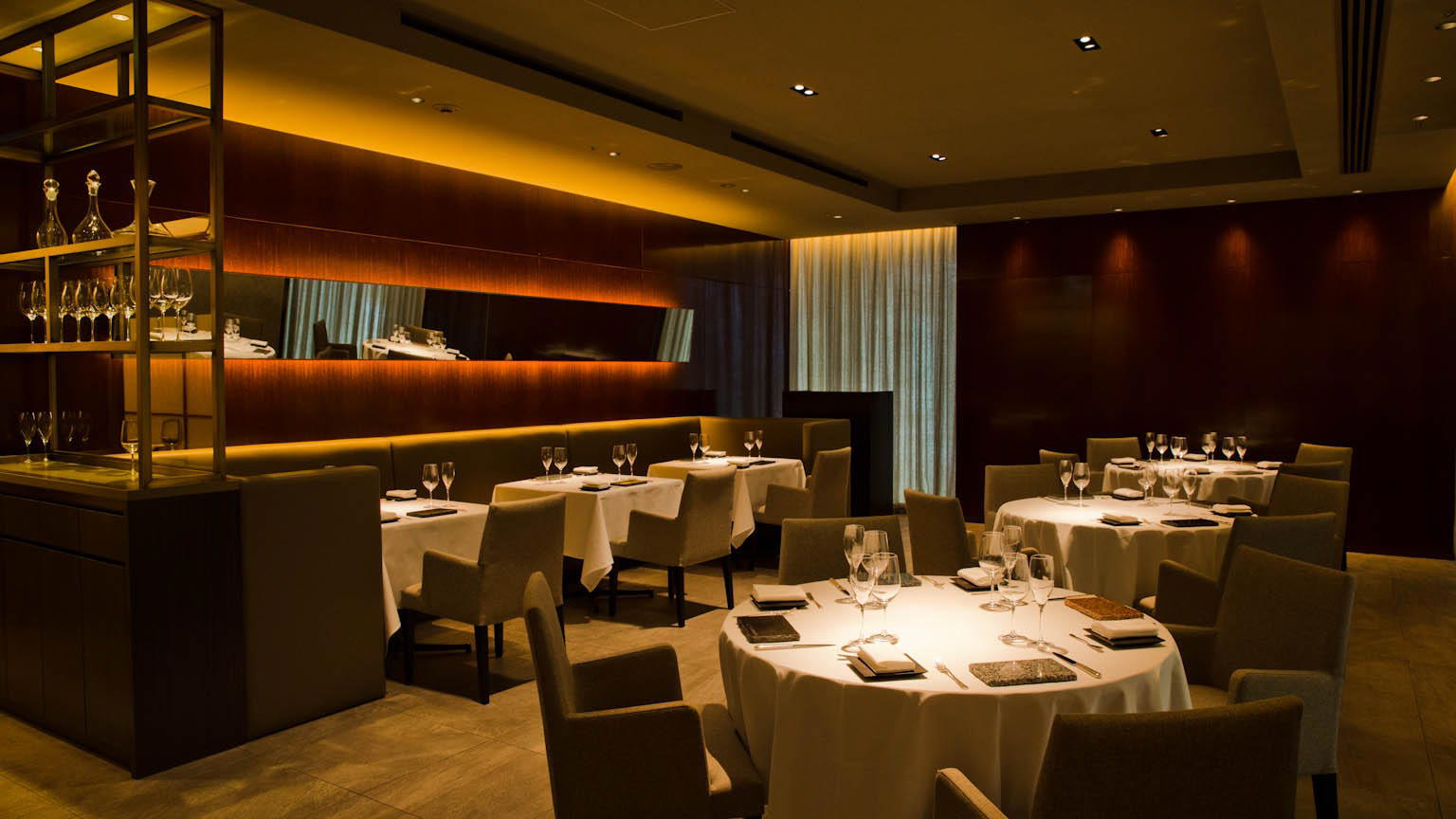
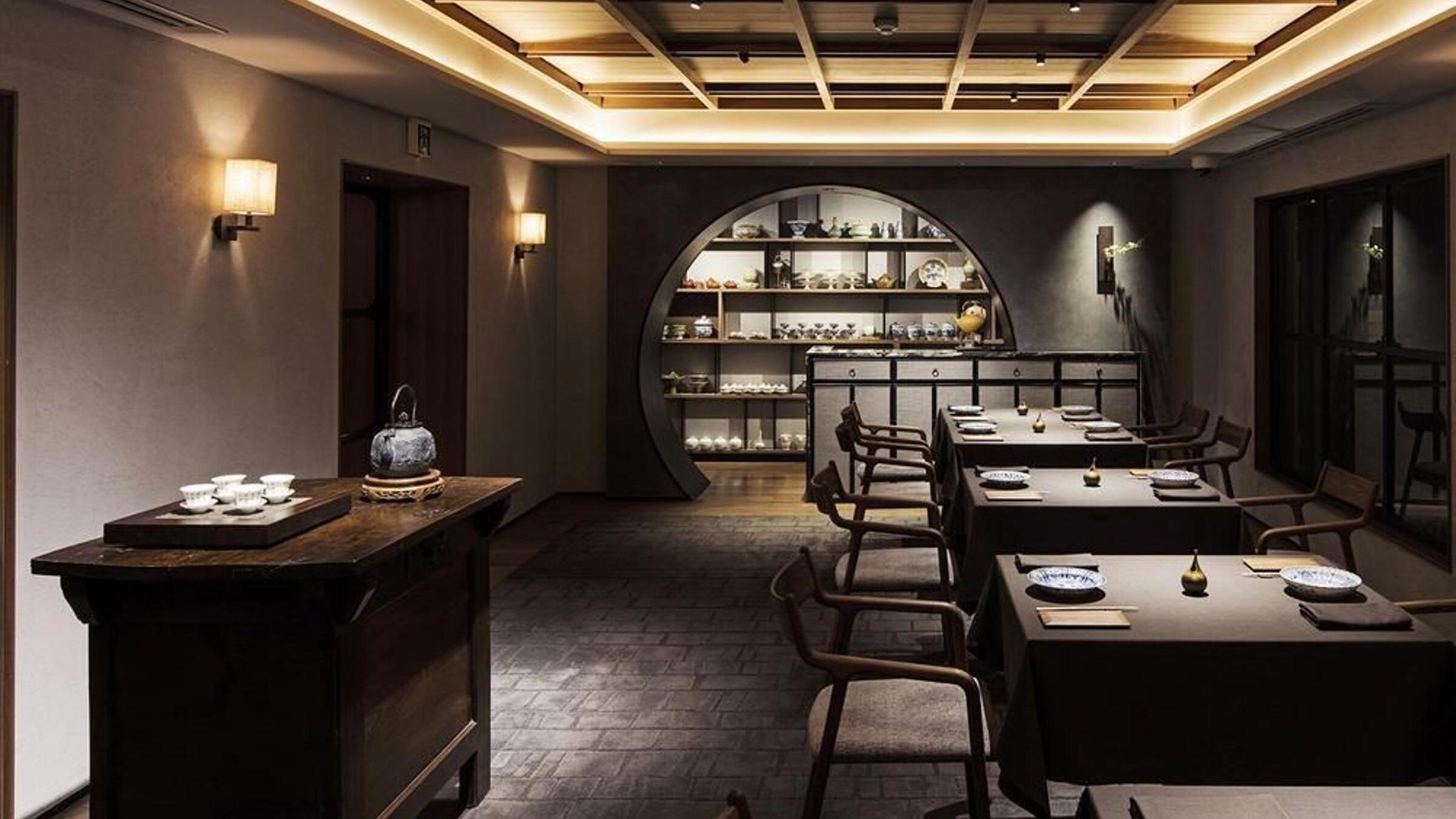
A stylish, relaxed hideout with a small counter-only layout, low-key bar feel, and an emphasis on quiet, focused sake-and-spice pairing rather than a noisy izakaya atmosphere.