
Chinese Choyuuro brings formal Chinese dining into Yokohama’s waterfront hotel tier, with Tabelog Chinese EAST 100 selections in 2024 and 2026. The appeal is not street-market energy but controlled, occasion-minded service: 60 seats, private rooms, wine service, and a Minatomirai address that places it in the city’s polished dining circuit.
Pearl is the En Primeur Club membership app — saves, bookings, and concierge access live there. Same editors, same standards.
- Address
- 1 Chome-1-4 Minatomirai, Nishi Ward, Yokohama, Kanagawa 220-0012, Japan
- Phone
- +81 45-522-0001
- Website
- rtg.jp
 Saves & bookings on Pearl
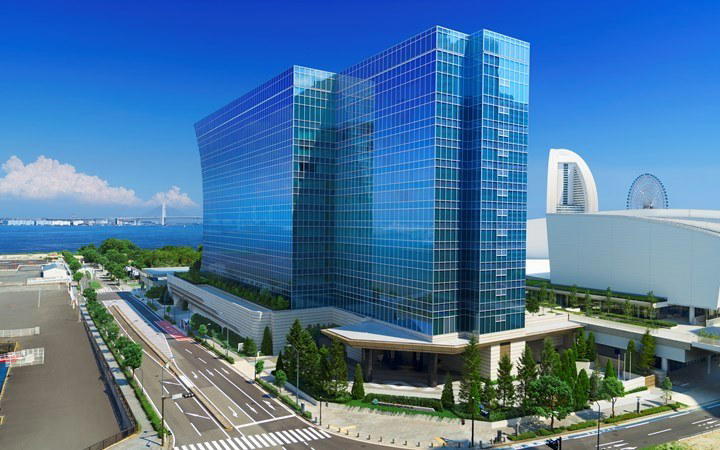
Minatomirai changes the terms of Chinese dining in Yokohama. The harbour district replaces Chinatown’s tight lanes, steam, neon, and queue culture with glass towers, hotel lobbies, bay views, and rooms built for longer lunches and formal dinners. Chinese Choyuuro (Yokohama Baycourt Club Hotel & Spa Resort) belongs to that second Yokohama: measured, reservation-led, and aimed at diners who want Chinese cuisine with the pacing and privacy of a luxury hotel restaurant rather than the tempo of a neighbourhood canteen.
That distinction matters in a city where Chinese food carries unusual weight. Yokohama’s Chinese dining identity is often read through Chinatown, one of Japan’s historic gateways for Cantonese, Shanghainese, Sichuan, and banquet traditions. But the contemporary premium tier has widened. Hotel Chinese rooms, private dining formats, and wine-supported menus now form a separate category, closer in rhythm to kappo or French dining than to casual shared-plate eating. The Tabelog Chinese EAST 100 selections in 2024 and 2026 put this room inside that conversation, not as a nostalgic Chinatown reference point, but as part of the region’s formal Chinese dining class.
Hotel Chinese dining, seen through Yokohama rather than Tokyo
Tokyo tends to dominate the discussion around Japan’s expensive Chinese restaurants, yet Yokohama has a different claim: Chinese food is part of the city’s public memory, not an imported luxury category. In Minatomirai, that history is filtered through newer hospitality architecture. The result is a format where the cultural roots remain Chinese, but the guest experience is Japanese hotel dining: controlled timing, quiet service, separation between tables, and a stronger emphasis on occasion use.
Chinese Choyuuro’s price band places dinner in the JPY 15,000 to JPY 19,999 range, with lunch listed at JPY 5,000 to JPY 5,999. That is a useful signal. It sits below some Yokohama hotel-adjacent luxury rooms such as RISTORANTE OZIO and Teppanyaki Hanagoyomi at dinner, while overlapping with Tempura Fukunishi Zen to Takumi and above Sichuan Restaurant Chin Yokohama ten. In practice, the comparison is less about cuisine than occasion: Italian, teppanyaki, tempura, Sichuan, and hotel Chinese are competing for the same celebratory dinner slot in Minatomirai and central Yokohama.
The Tabelog score of 3.68 is another clue to how this category works in Japan. Chinese restaurants rarely receive the same international shorthand as sushi counters or kaiseki houses, so domestic platforms carry particular weight. A Chinese EAST 100 listing is not a decorative badge; it places the restaurant among a curated regional group in a cuisine category where technique, consistency, and repeat local use matter more than overseas name recognition.
Private rooms and wine signal the intended meal
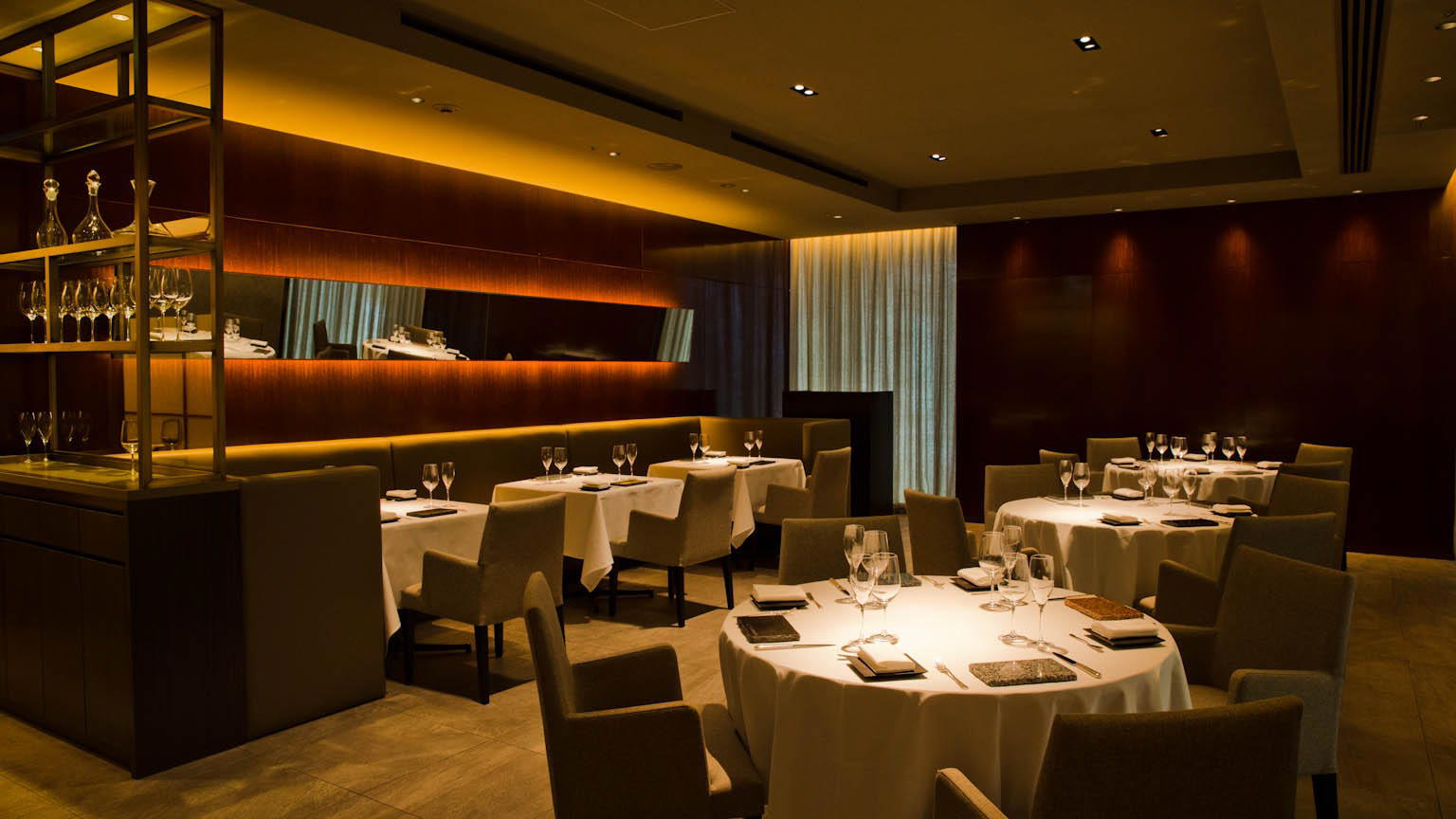
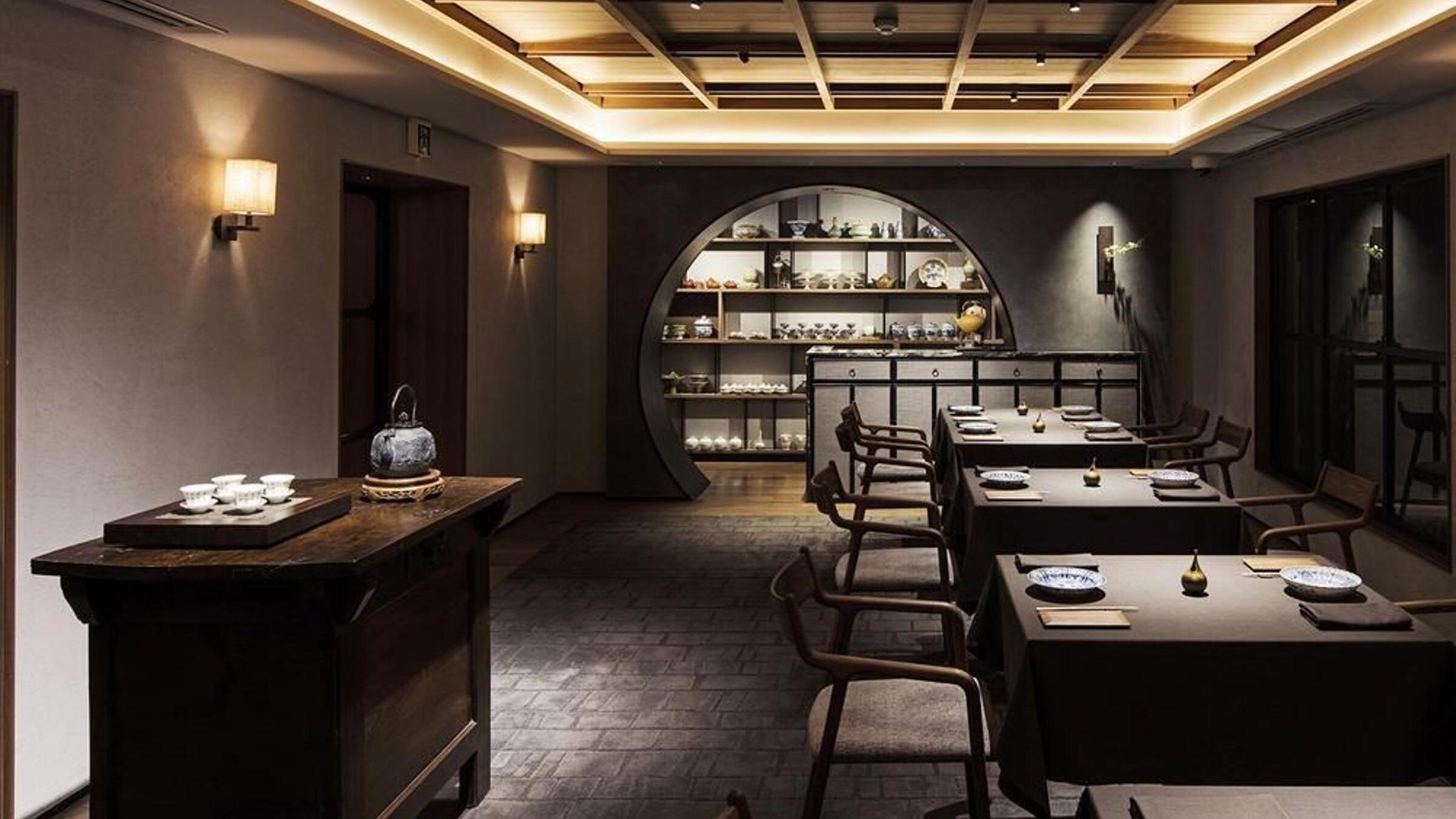
The room is built for diners who value discretion. There are 60 seats, with private rooms available for four, six, and eight people, plus private use. Those details point to a restaurant designed for family milestones, business meals, and multi-generational gatherings rather than solo counter dining or fast turnover. The no-smoking policy, children-welcome note, and stroller acceptance widen the use case without changing the level of formality.
Wine is listed as part of the drinks program, which is relevant in Japanese Chinese dining. Premium Chinese rooms increasingly treat wine not as an afterthought but as a partner to banquet-style pacing, especially where seafood, poultry, sauces, and heat levels need more flexible pairing than a single beverage tradition can provide. No signature dish is publicly named here, and that absence is not a weakness. In this tier, the stronger indicator is the restaurant’s placement within a recognized Chinese category list and its hotel-service infrastructure.
For visitors mapping Yokohama by appetite, this address should be read alongside the broader city rather than in isolation. The contrast with casual and specialist rooms is sharp: 1000 (Yakitori (Grilled chicken skewers)) points toward grilled counter culture, Aichun and Ajowan show other local registers, while Alpenjiro Honten and Anzen Shokudo underline how broad the city’s dining range becomes once the search moves beyond waterfront hotels. For a fuller city read, use Our full Yokohama restaurants guide, with parallel planning through Our full Yokohama hotels guide, Our full Yokohama bars guide, Our full Yokohama wineries guide, and Our full Yokohama experiences guide.
Who should choose this room
The strongest case is for diners who want Chinese cuisine in a controlled hotel setting: a family meal with grandparents and children, a private-room dinner, or a business occasion where pacing and noise level matter. Reservations are available, but access is tied to membership, which immediately makes planning different from a public restaurant booking. The Minatomirai location also suits travellers already staying or meeting around the waterfront rather than crossing the city purely for a single meal.
There are better formats for spontaneity, and better formats for diners seeking the street-level density of Yokohama Chinatown. This is a polished, high-comfort expression of Chinese dining in a city where the cuisine has deep roots. Its value is clearest when privacy, hotel service, and regional recognition matter as much as the food category itself.
For broader Japan planning, useful contrasts include -Grilled beef Sukiyaki- KAMAKURA TANUKIAN 鎌倉 たぬき庵 in Kamakura. 鮪と炭火焼き うお炭 秋葉原店 in Tokyo.cafe in Osaka.know in Kumamoto, (Shoku) Vietnam in Kawasaki, [Curry Senmon Ten] Maruyama Kyoju. in Sapporo, plus overseas Japanese-adjacent references such as Jōdo Saké Bar in Los Angeles and Onigiri Time in Pasadena.
Cuisine and Credentials
Comparable venues side-by-side for orientation.
| Venue | Cuisine | Price | Notes |
|---|---|---|---|
| Chinese Choyuuro (Yokohama Baycourt Club Hotel & Spa Resort)This venue — the venue you are viewing | Chinese Restaurant | $$$ | Not listed |
| Sichuan Restaurant Chin Yokohama ten | Upscale Sichuan (Szechwan) Chinese | $$$ | Nishi |
| SUIRINKAKU | Nouvelle Chinese fine dining in Yokohama Bashamichi | $$$ | Naka |
| Kasei Rou Honten | Traditional Beijing-style Chinese banquet restaurant | $$$ | Naka |
| Manchin ro Honten | Historic Cantonese fine dining in Yokohama Chinatown | $$$ | Naka |
| Ryuho | Traditional Chinese (Yokohama Isezakicho) | $$ | Naka |
Recognition history
Dated appearances from independent guides and award organizations, with the underlying list record or original source where available.
Tabelog 100 #38 · No. 38
Tabelog · Tabelog 100 - Chinese cuisine - EAST - 2026










At a Glance
- Elegant
- Sophisticated
- Classic
- Group Dining
- Business Dinner
- Private Event
- Special Occasion
- Private Dining
- Hotel Restaurant
- Beer Program
- Sake Program
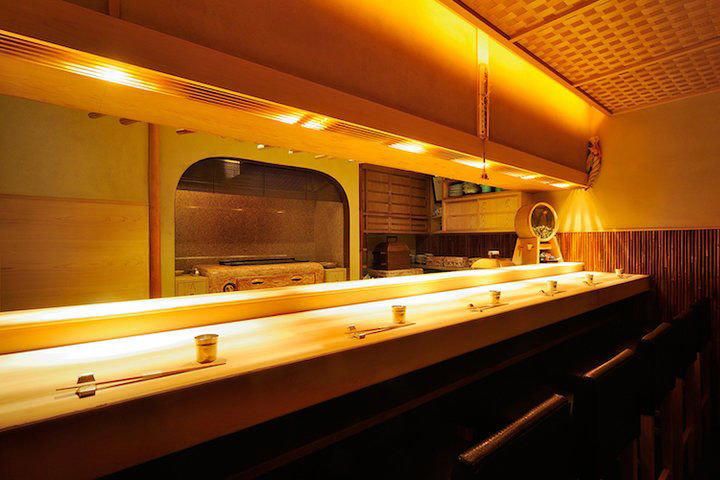
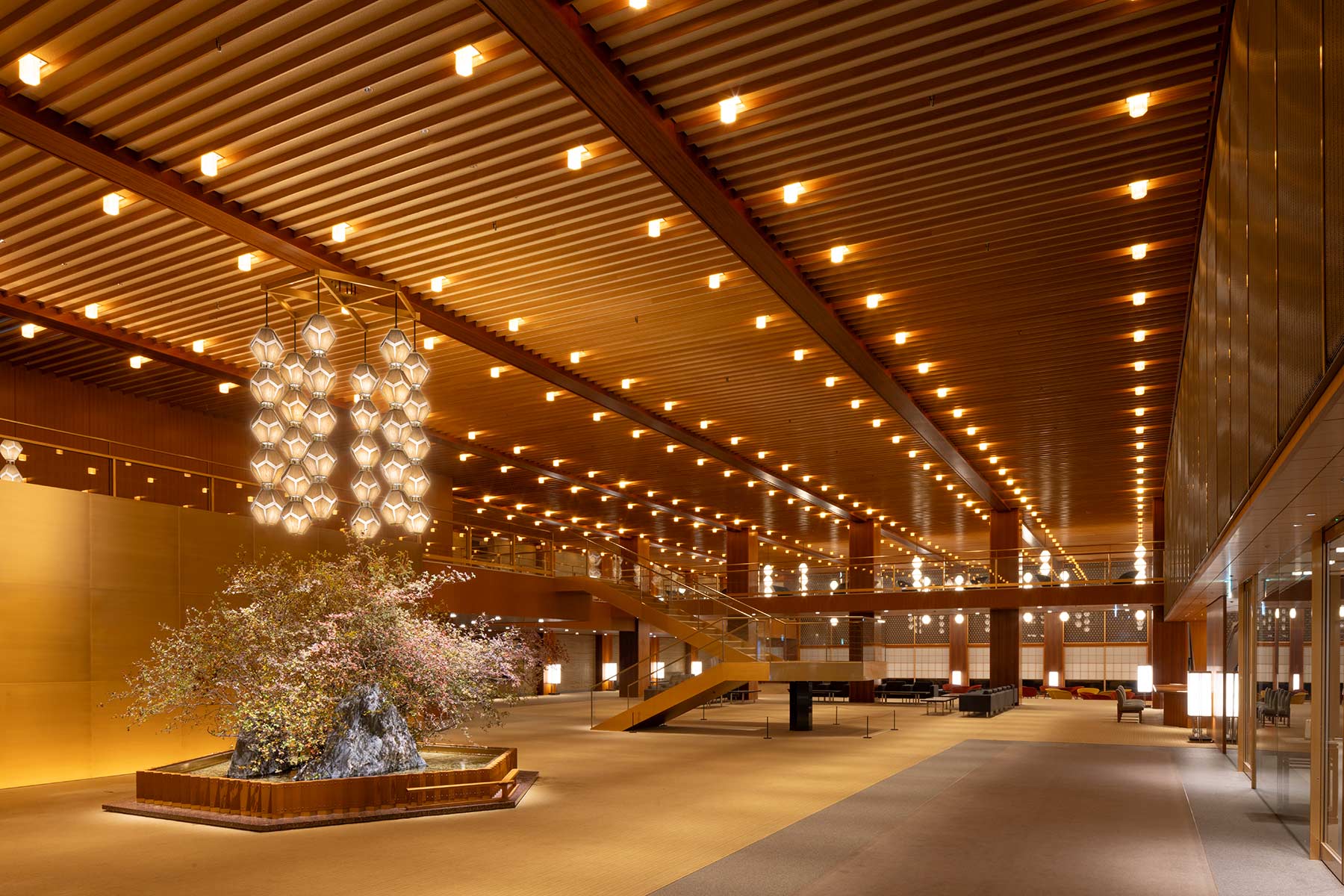
Refined hotel-restaurant atmosphere with a private-room option and a formal, quiet-leaning setting inside a resort property.