
Minami Indian Ten Bodhisena puts Yokohama’s South Indian cooking into the city’s serious casual tier, backed by selection in Tabelog’s Asian cuisine and Ethnic cuisine EAST 100 for 2022, 2023, and 2024. The draw is not luxury theatre but reputation: a Kannai Indian curry and dining-bar format with vegetarian options, English menu support, and enough critical traction to matter beyond the neighbourhood.
Pearl is the En Primeur Club membership app — saves, bookings, and concierge access live there. Same editors, same standards.
- Address
- 神奈川県横浜市中区住吉町3-28 新井ビル 1F
- Phone
- +81452648297
- Website
- tabelog.com
 Saves & bookings on Pearl
Kannai’s restaurant streets shift quickly from office-day efficiency to after-work appetite, and South Indian cooking fits that rhythm better than many heavier dinner formats. The appeal is direct: rice-led meals, spice structures that do not need ceremony, and a price bracket that lets a serious table happen without the long-form expense of Yokohama’s sushi or yakitori counters. Minami Indian Ten Bodhisena belongs to that more useful part of the city’s dining culture, where repetition matters as much as discovery and where recognition has to survive everyday use.
Yokohama’s international food identity is often reduced to Chinatown or port-city nostalgia, but the stronger contemporary story is broader. Kannai, Bashamichi, and the streets around the municipal and JR lines support a dense mix of curry houses, izakaya, specialist counters, and casual dining rooms that serve office workers, families, and destination diners in the same week. In that context, a South Indian restaurant appearing repeatedly in Tabelog’s Asian cuisine and Ethnic cuisine EAST 100 is a useful signal. It places the cooking inside a regional conversation rather than treating it as a local convenience.
South Indian cooking with enough reputation to travel for
The Tabelog 100 selection in 2022, 2023, and 2024 is the key trust marker here. For non-Japanese diners, the list matters because it filters a category often judged too casually from the outside. Indian restaurants in Japan can be read as lunch curry shops, drinking rooms, family venues, or specialist regional kitchens, and the better ones often blur those categories. Minami Indian Ten Bodhisena is listed as Indian, Indian curry, and dining bar, which says something about how the format works in Yokohama: not a temple of tasting-menu formality, not a quick canteen either.
That middle position is the point. Compared with a higher-spend Yokohama counter such as 1000, where yakitori sits in a far more expensive bracket, South Indian dining here reads as an everyday specialist choice rather than an occasion built around scarcity. Against neighbourhood curry competition, the repeated Tabelog recognition gives it sharper editorial weight. It is the kind of room that helps explain how Yokohama diners separate routine curry from a restaurant with a wider following.
The vegetarian emphasis also matters. Japan’s premium restaurant scene can be difficult for plant-led diners, especially outside international hotel dining rooms. South Indian traditions give vegetables, lentils, rice, coconut, tamarind, and spice technique a structural role rather than treating them as substitutions. When a Yokohama restaurant is noted for vegetable focus and vegetarian options, that is not a minor service detail; it changes who can use the table and how confidently mixed groups can plan around it.
Kannai gives the room its audience
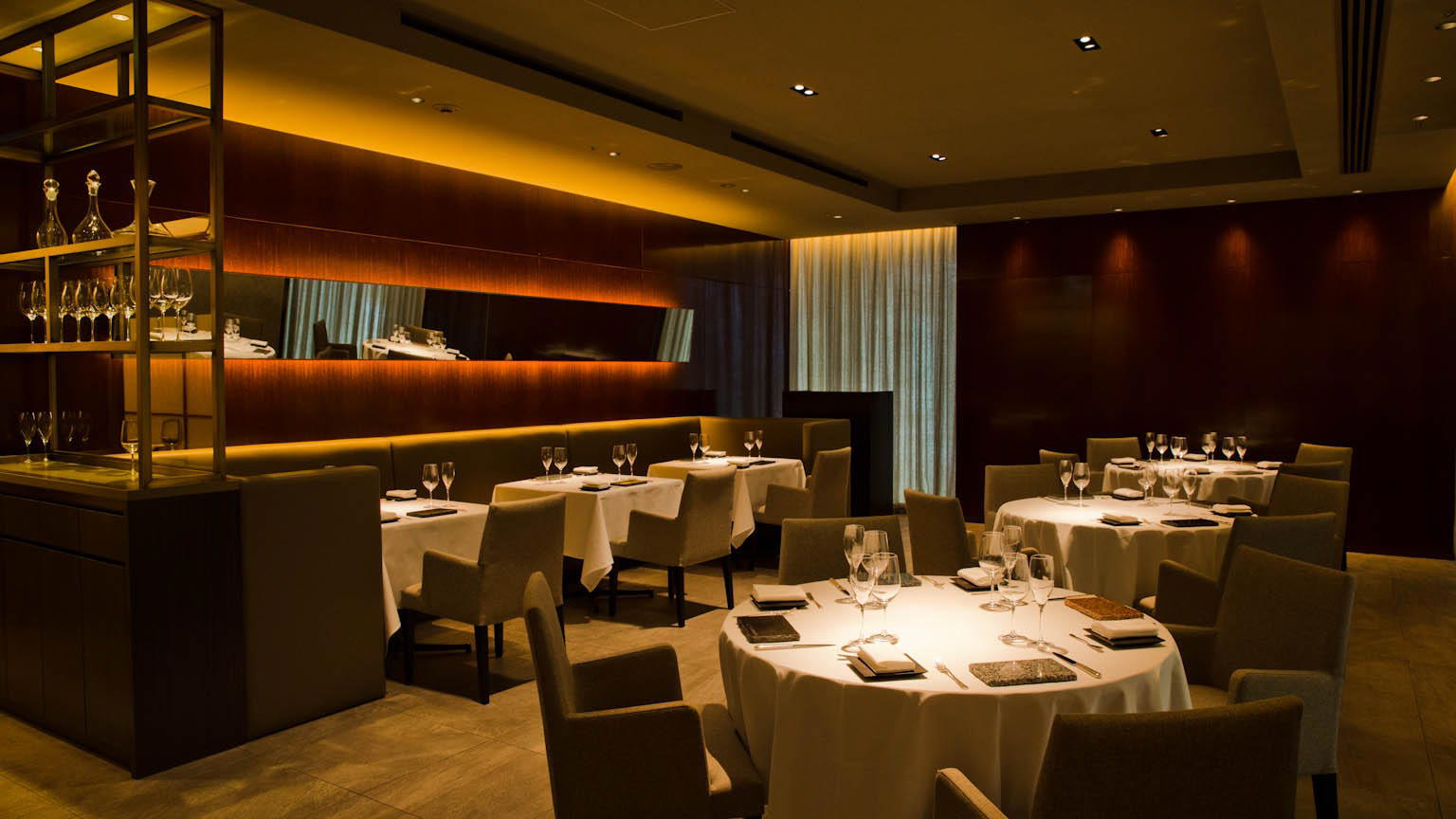
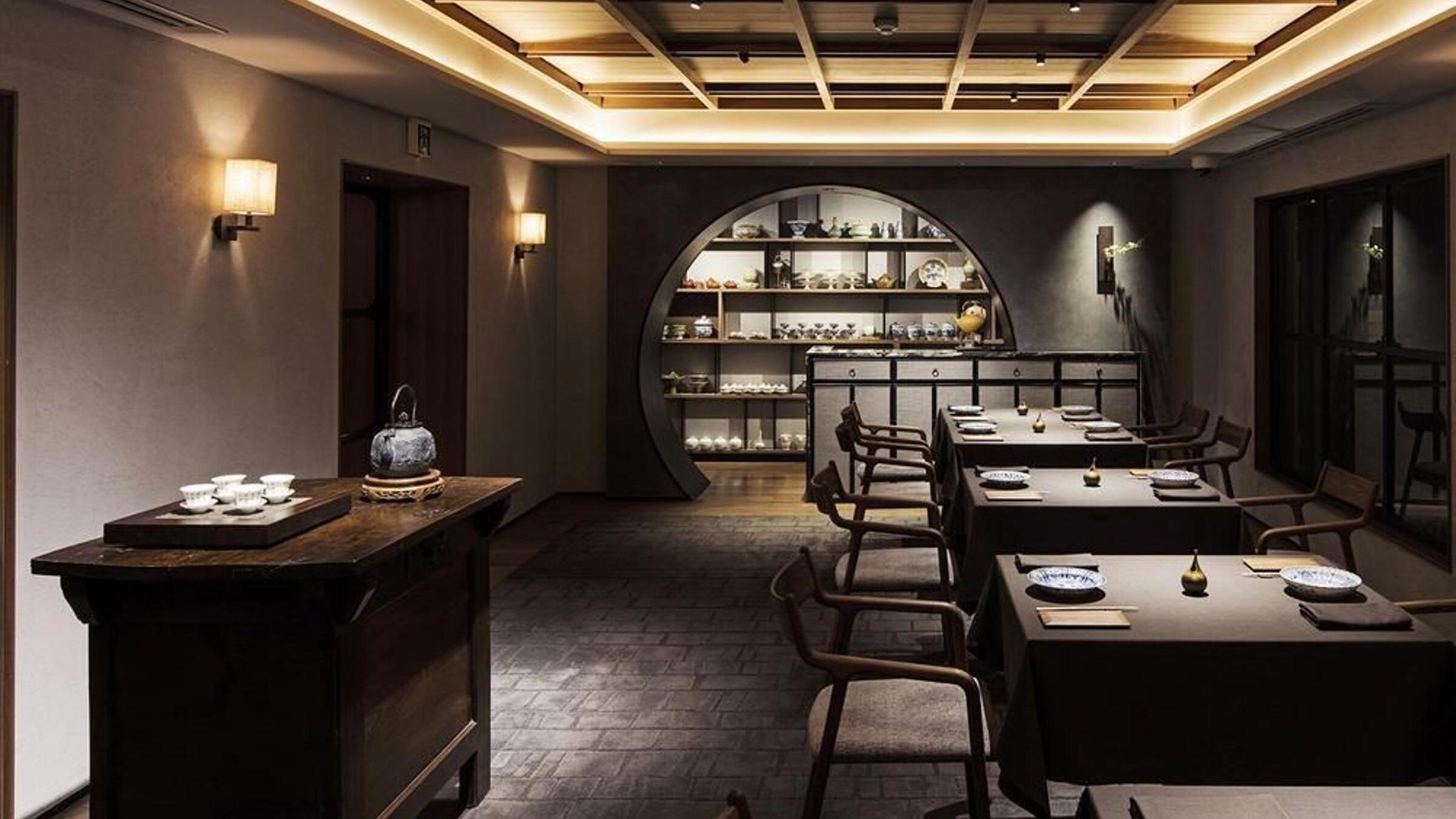
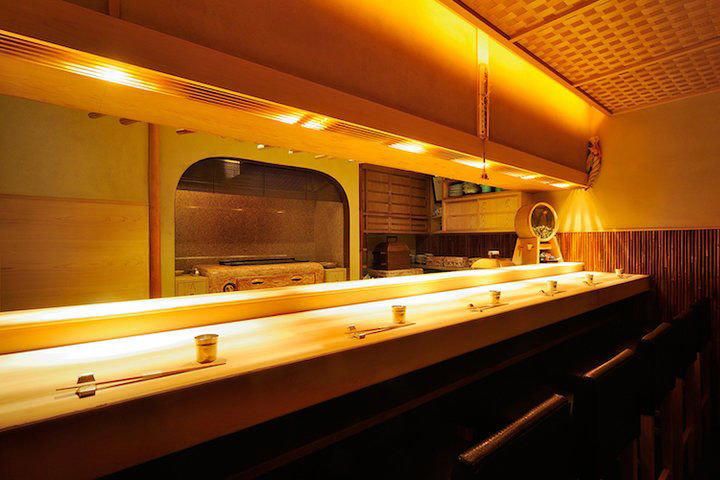
Kannai is practical restaurant territory: close to civic buildings, offices, stadium traffic, and the port-side cultural corridor, with Bashamichi and Nihon-odori close enough to fold into the same evening. That geography produces a different energy from Minato Mirai hotel dining or Chinatown’s tourism lanes. Meals need to serve regulars, visitors, and groups who have not planned their whole day around dinner. A 32-seat room with counter seating and space for private use sits neatly inside that neighbourhood logic.
The dining-bar tag is also worth reading carefully. In Japan, Indian restaurants that make room for wine, cocktails, and all-you-can-drink plans are not only selling curry; they are competing for group evenings. That puts the restaurant closer to Yokohama’s social dining circuit than to a narrow lunch-only curry category. It also explains why the family-friendly signals and English menu support are more than conveniences. They widen the audience without changing the basic proposition: regional Indian cooking in a city that values accessible, repeatable formats.
Yokohama’s broader restaurant map reinforces the contrast. Chinese comfort cooking at Aichun, curry-focused dining at Ajowan, and the long-running local pull of Alpenjiro Honten show how the city rewards restaurants with clear use cases. Add Anzen Shokudo and the picture becomes less about a single cuisine than about Yokohama’s appetite for focused, mid-scale dining. Minami Indian Ten Bodhisena sits in that ecosystem rather than above it.
How to read the acclaim, and who should go
Tabelog’s Hyakumeiten-style lists are not Michelin substitutes, and they should not be read that way. Their value is category literacy. Selection in Asian cuisine and Ethnic cuisine EAST suggests the restaurant has cut through a large and uneven field where diner expectation can be vague. For a traveler deciding where to spend one Yokohama meal, that matters. The endorsement points toward consistency, category relevance, and local demand, not white-tablecloth ceremony.
The decision is therefore simple. Choose this table when the night calls for spice, vegetarian range, and a casual room with enough recognition to justify crossing town. Do not approach it as Yokohama’s luxury splurge; the city has other formats for that, from sushi such as Nakajo to high-spend yakitori like 1000 and Yakitori Hifumi. This is stronger as a reputation-backed South Indian stop in Kannai, especially for diners who want the city’s non-Japanese cooking scene without defaulting to the better-known tourist circuits.
For a wider Yokohama plan, place it alongside Our full Yokohama restaurants guide, then build the rest of the trip through Our full Yokohama hotels guide, Our full Yokohama bars guide, Our full Yokohama wineries guide, and Our full Yokohama experiences guide. Nearby and regional alternatives broaden the comparison: -Grilled beef Sukiyaki- KAMAKURA TANUKIAN 鎌倉 たぬき庵 in Kamakura. 鮪と炭火焼き うお炭 秋葉原店 in Tokyo.cafe in Osaka.know in Kumamoto, (Shoku) Vietnam in Kawasaki, [Curry Senmon Ten] Maruyama Kyoju. in Sapporo, Jōdo Saké Bar in Los Angeles, and Onigiri Time in Pasadena.
A Pricing-First Comparison
Comparable venues to anchor price and recognition.
| Venue | Cuisine | Price |
|---|---|---|
| Minami Indian Ten BodhisenaThis venue — the venue you are viewing | Naka, South Indian Restaurant | $$ |
| Saiko Shinkan | Naka, Traditional Cantonese & Dim Sum | $$ |
| Berg no Shigatsu Honten | Aoba, Japanese patisserie & dessert shop | $$ |
| ecomo Bakery YOKOHAMA MOTOMACHI | Naka, Dining | Not listed |
| Sisiliya | Naka, Neapolitan Pizza & Italian Bar | $$ |
| Yokohama Ramen Masagoya | Naka, Dining | Not listed |
Recognition history
Dated appearances from independent guides and award organizations, with the underlying list record or original source where available.
Tabelog 100 #62 · No. 62
Tabelog · Tabelog 100 - Asian cuisine / Ethnic cuisine - EAST - 2024









At a Glance
- Cozy
- Modern
- Group Dining
- Casual Hangout
- After Work
- Private Event
- Standalone
- Beer Program
- Zero Proof
- Street Scene
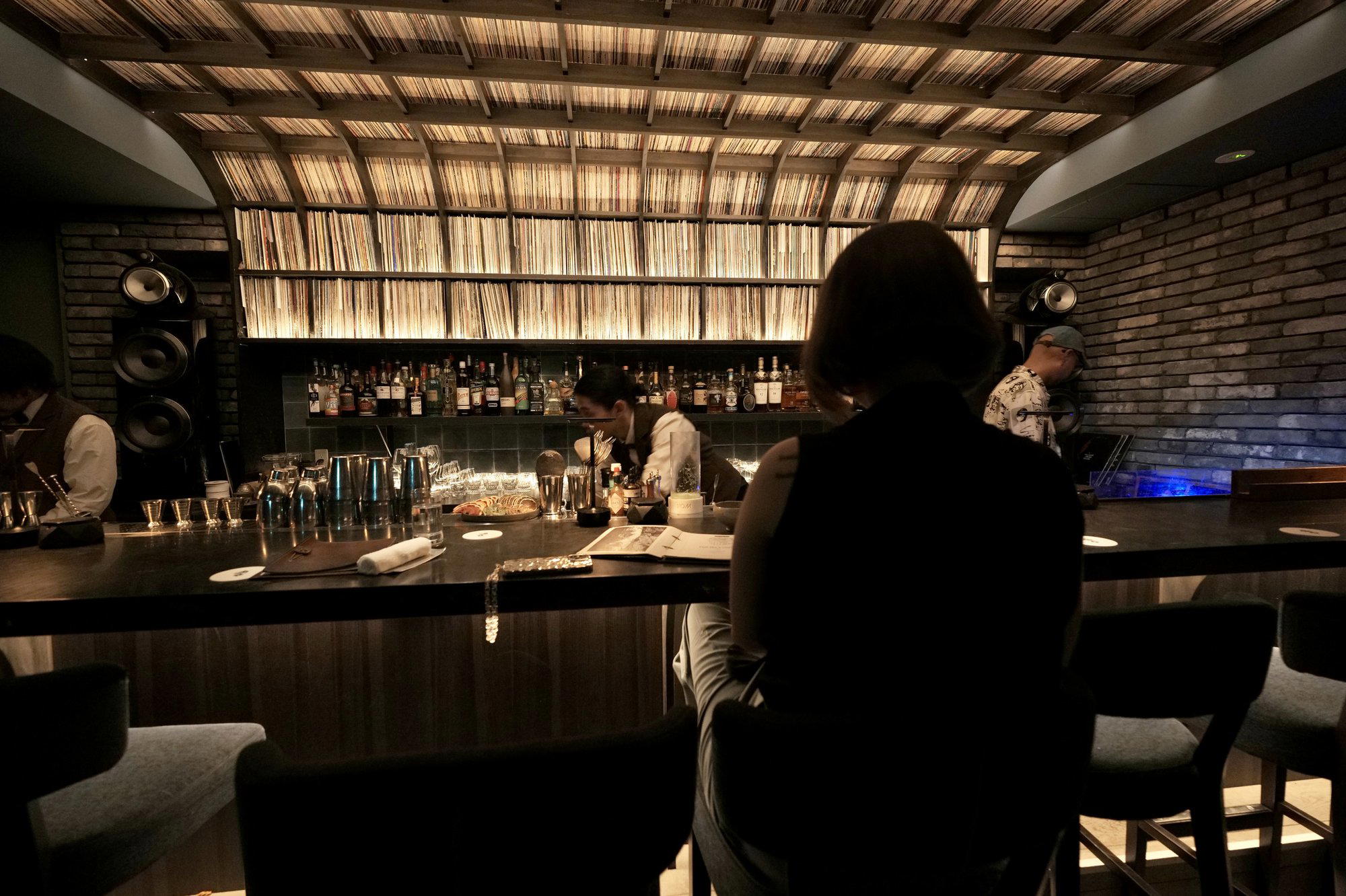
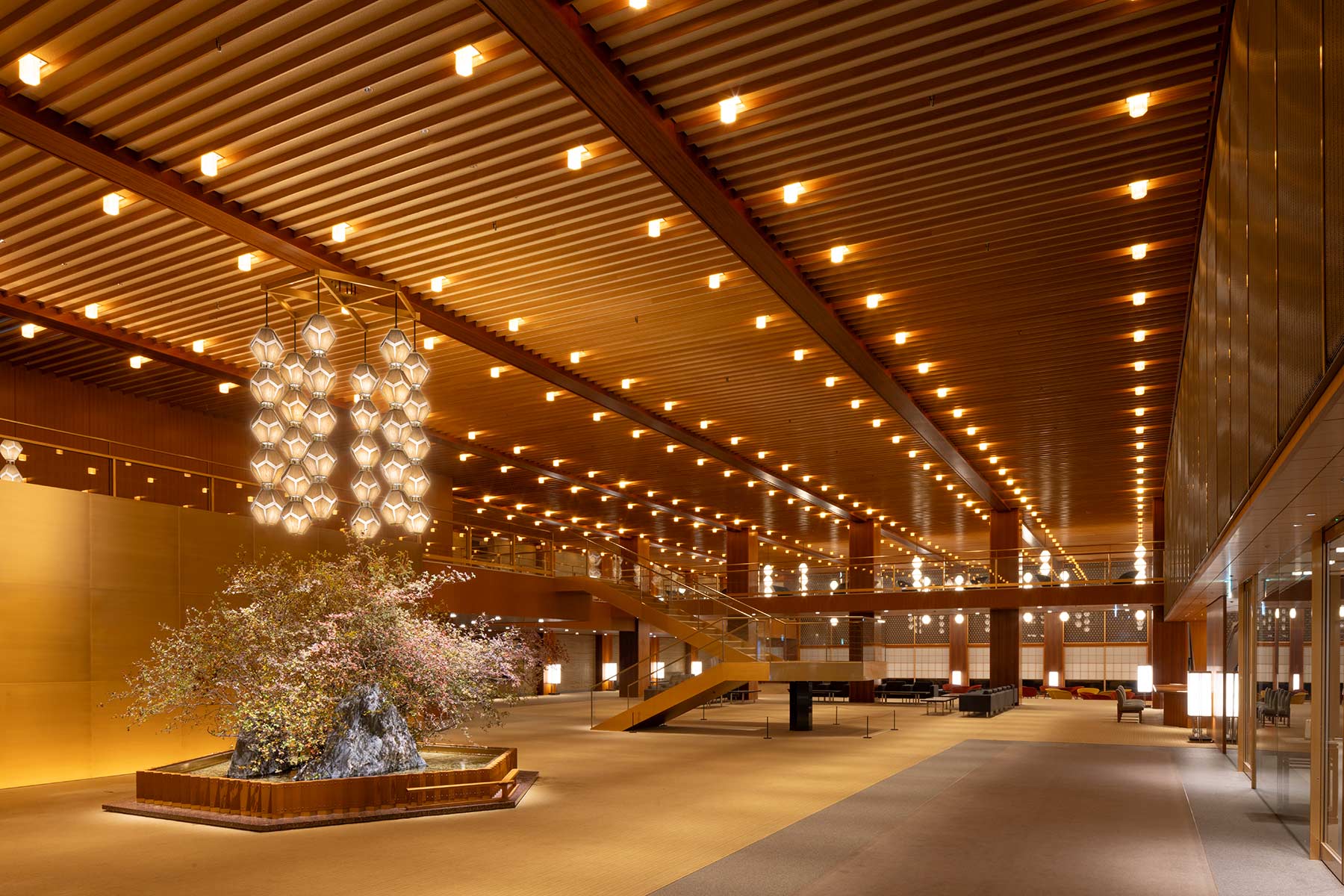
A neat, cozy, calm, and stylish interior suited to everyday dining and small gatherings.