
Spice Corner Benzie brings Indian, Indian curry, and Nepalese cooking into Yokohama’s smaller-format ethnic dining scene, with 17 seats and recognition in Tabelog’s Asian cuisine and Ethnic cuisine EAST 100 for 2024. The appeal is less about grand-restaurant ceremony than a focused neighborhood format, vegetable-conscious cooking, and a price tier that keeps it closer to daily dining than occasion dining.
Pearl is the En Primeur Club membership app — saves, bookings, and concierge access live there. Same editors, same standards.
- Address
- 神奈川県横浜市西区戸部本町13-8
- Phone
- +81452954828
- Website
- tabelog.com
 Saves & bookings on Pearl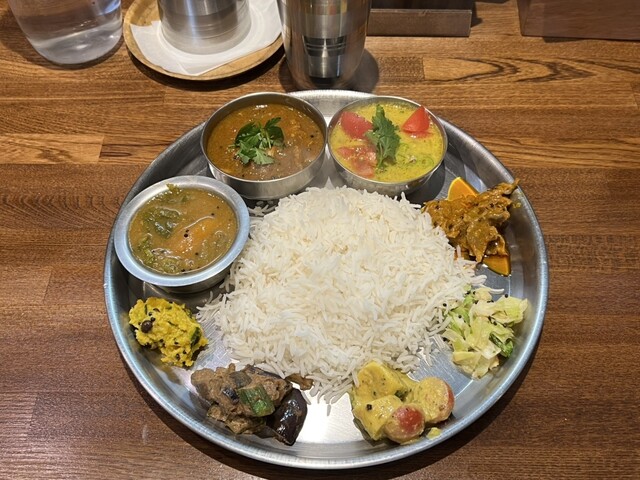
Approaching the Tobe side of Yokohama, the city changes register. The port-city scale is still there, but the dining rhythm becomes tighter: small rooms, train-station proximity, and restaurants built for repeat local use rather than spectacle. In that setting, Spice Corner Benzie belongs to a category that Japan does especially well: compact specialist restaurants that translate regional Asian cooking into a precise, low-friction urban format.
Yokohama’s relationship with non-Japanese food is older and broader than the recent curry boom. The city’s port history made foreign cuisines part of its dining vocabulary early, but the current interest in South Asian and Himalayan cooking is more specific. Diners now distinguish between Japanese curry rice, North Indian curry sets, spice-forward modern curry, Nepalese staples, and vegetable-led plates with far more confidence than they did a decade ago. That is the useful lens here. The restaurant is not a generic curry stop; it sits in the Indian, Indian curry, and Nepalese bracket, where seasoning structure and side dishes matter as much as volume.
Recognition on Tabelog’s Asian cuisine and Ethnic cuisine EAST 100 in 2024 gives the room a measurable signal inside a crowded field. Tabelog scores can be conservative, and a 3.63 rating in this category suggests a restaurant with traction among diners who compare across Tokyo, Kanagawa, and the wider eastern Japan scene. That context matters in Yokohama, where casual ethnic restaurants are plentiful but not all earn regional attention.
Yokohama curry culture beyond the standard set meal
The city’s curry map is not a single genre. Soup curry, Japanese curry, South Asian thali-style meals, Nepalese kitchens, and newer spice-curry formats all compete for the same lunch and dinner decisions. Sapporo Soup Curry Ananda sits in the soup-curry lane, while Baron Noodle occupies a lower-priced noodle-adjacent bracket. Trattoria Tabule, with a higher dinner spend, answers a different kind of evening. Spice Corner Benzie sits between these poles: small, specialist, and close enough to everyday pricing that the cooking has to justify repeat visits rather than rely on occasion status.
That distinction is useful for travelers using Yokohama as more than a day trip from Tokyo. The city rewards eating by neighborhood rather than chasing only landmark dining. A compact curry and Nepalese-focused room near Tobe makes sense before or after moving through Nishi-ku, especially for diners who want a meal with sharper regional identity than department-store dining or station-mall chains can usually provide. For a broader local map, Our full Yokohama restaurants guide is the better starting point, with adjacent planning in Our full Yokohama hotels guide, Our full Yokohama bars guide, Our full Yokohama wineries guide, and Our full Yokohama experiences guide.
The vegetable note is also worth reading culturally rather than as a lifestyle checkbox. South Asian and Nepalese cooking have long traditions of vegetable-centered meals, legumes, pickles, greens, and spice bases that do not need meat as the organizing principle. In Japan, where curry often defaults to a protein-and-rice template, a restaurant marked for vegetable care and vegetarian options signals a broader grammar. It points toward a meal built from contrast, seasoning, and texture rather than just heat level.
A 17-seat room changes the way the cooking reads
Scale affects expectation. Seventeen seats, including a short counter and a few tables, puts the restaurant in the same operating universe as many serious neighborhood specialists across Japan. These rooms rarely sell luxury; they sell control. Small capacity keeps the kitchen close to the dining room, limits the sprawl of the menu, and makes service feel direct without turning the meal into a performance.
That format also explains why the restaurant’s recognition carries more weight than the modest spend might suggest. In a category crowded with inexpensive curry shops, awards attention tends to reward consistency and point of view rather than décor or wine-program spending. For comparison inside Yokohama, Yoshokuya Ki Luck represents a different everyday comfort-food register, and リスペット belongs to another lane altogether. The better comparison is not cuisine-for-cuisine imitation but how small restaurants define a repeatable reason to cross town.
Travelers building a Kanagawa food itinerary can use this as a counterpoint to other Yokohama addresses such as 1000 (Yakitori (Grilled chicken skewers)), Aichun, Ajowan, and Alpenjiro Honten. The point is not to rank unlike cuisines against one another; it is to understand how Yokohama’s dining identity is assembled from narrow specialties rather than a single flagship genre.
How to place it in a wider Japan itinerary
For visitors moving beyond Yokohama, Spice Corner Benzie helps clarify a broader Japanese dining pattern: some of the country’s more interesting casual meals happen in rooms that look operationally modest but are tightly defined. That pattern appears across cuisines, from regional curry specialists to izakaya, noodle counters, and rice-focused shops. In Fukuoka, Anzen Shokudo plays a different local role; in Kawasaki, (Shoku) Vietnam in Kawasaki points to another strand of Asian cooking in the Greater Tokyo orbit. Farther afield, [Curry Senmon Ten] Maruyama Kyoju. in Sapporo shows how curry specialization changes with region.
The same itinerary logic can stretch outside Kanagawa without losing focus. -Grilled beef Sukiyaki- KAMAKURA TANUKIAN 鎌倉 たぬき庵 in Kamakura suits a more formal meat-led meal, while. 鮪と炭火焼き うお炭 秋葉原店 in Tokyo.cafe in Osaka, and.know in Kumamoto show how Japan’s casual and specialist formats vary by city. Even overseas, the same editorial question applies: Jōdo Saké Bar in Los Angeles and Onigiri Time in Pasadena translate Japanese dining categories for a different audience.
The useful verdict is restrained: this is a small Yokohama specialist with regional recognition, a clear South Asian and Nepalese frame, and enough logistical simplicity to work as part of a serious eating day rather than a standalone occasion. In a city where international food can drift into broad, tourist-facing categories, that specificity is the reason to pay attention.
Booking and Cost Snapshot
Comparable venues in the metro at similar price points.
| Venue | Cuisine | Price | Notes |
|---|---|---|---|
| Spice Corner BenzieThis venue — the venue you are viewing | Not listed | $$ | Not listed |
| Marumasara | Naka, Spice Curry | $$ | Not listed |
| Ajowan | Not listed | $$ | Tsuzuki, Indian-style Clay Pot Curry House |
| Bay & Leaf Yokohama | Not listed | $ | Totsuka, Japanese-style Indian curry house |
| Sumire (すみれ) | Minato Mirai, Premium Soba & Japanese | $$ | Not listed |
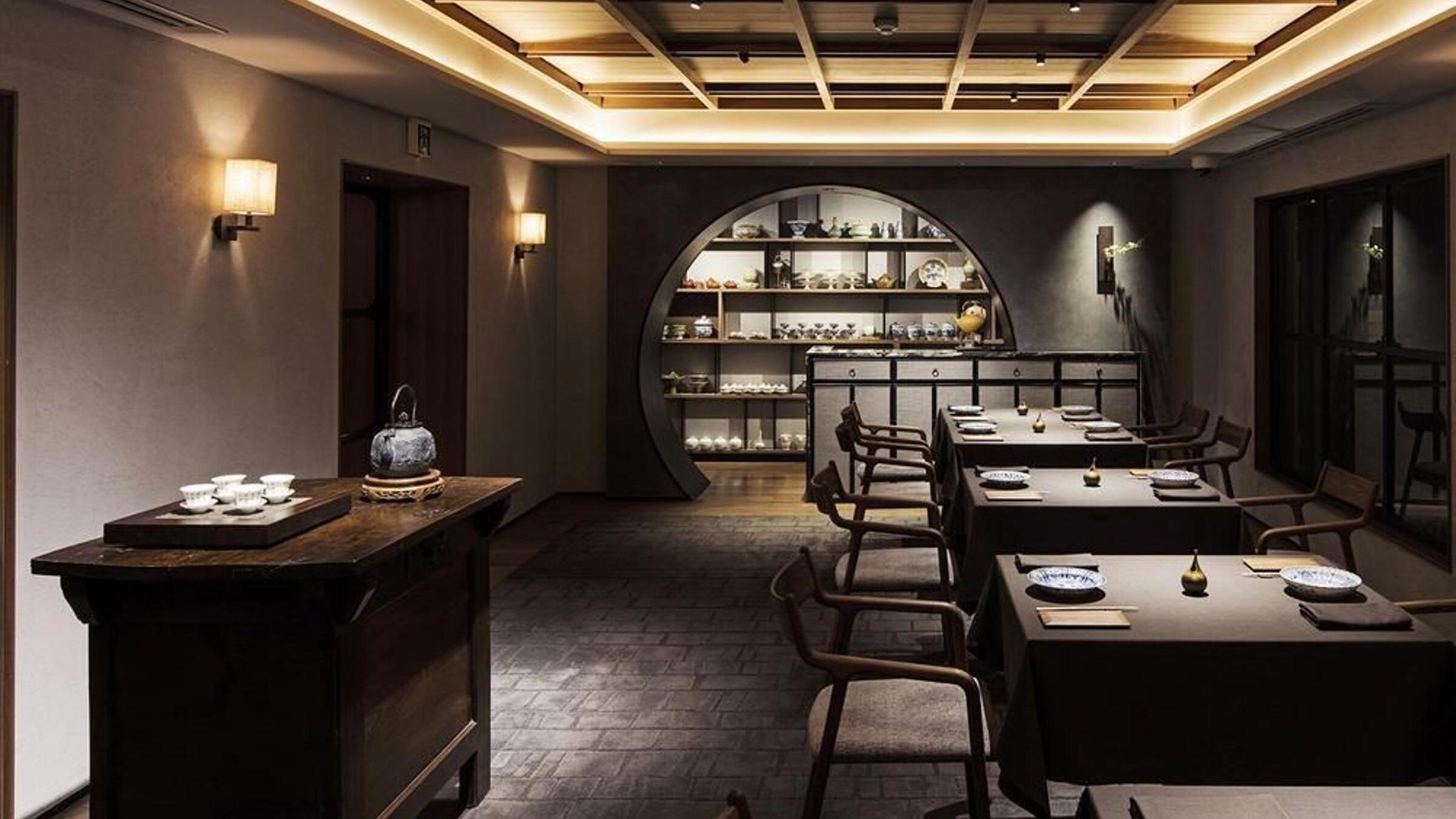
| Goku Chasou | Not listed | $$ | Naka, Traditional Chinese Teahouse & Cafe |
Recognition history
Dated appearances from independent guides and award organizations, with the underlying list record or original source where available.
Tabelog 100 #7 · No. 7
Tabelog · Tabelog 100 - Asian cuisine / Ethnic cuisine - EAST - 2024









At a Glance
- Cozy
- Intimate
- Solo
- Casual Hangout
- After Work
- Group Dining
- Standalone
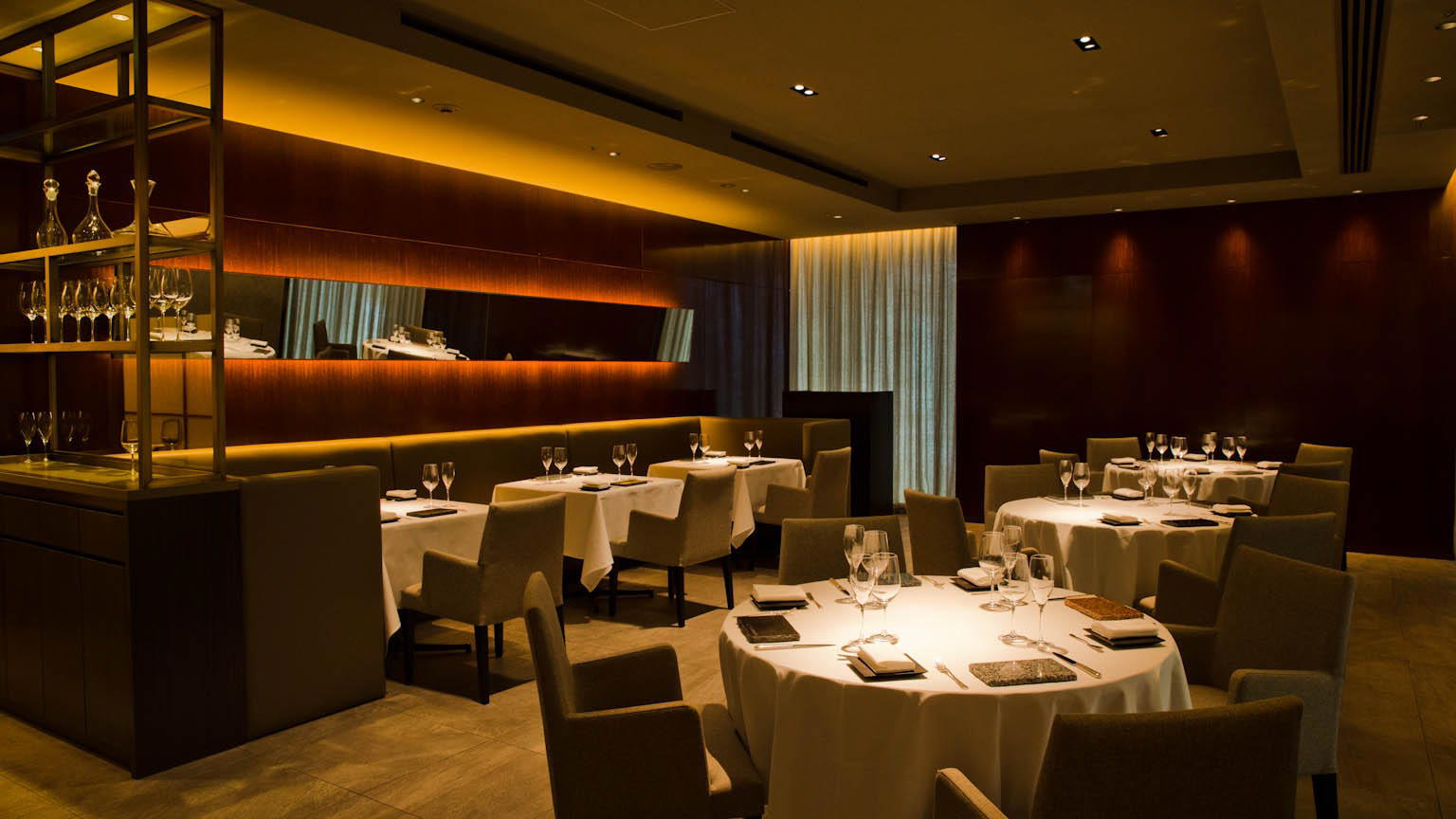
A small, house-like hideaway with around 17 seats, simple cozy interiors and a relaxed neighborhood feel, offering an intimate atmosphere focused on aromatic spice curries rather than formality.