Our verdict
Sphere Tim Raue brings Tim Raue's Asia-inflected cooking philosophy to one of Berlin's most architecturally dramatic settings, inside the TV Tower at Alexanderplatz. The collaboration between kitchen, floor, and sommelier teams shapes an experience where altitude and culinary ambition reinforce each other. For visitors mapping Berlin's top-tier dining, it sits in a distinct tier from its Kreuzberg flagship.

Pearl is the En Primeur Club membership app, where members save venues, book tables and use the concierge.
The menu
What to order
- Berlin pork schnitzel
- Königsberger meatballs
- Broiler chicken
- Blood sausage
- Kalbsbraten with smoked fish mousse
- Schweineschnitzel with Lecsó
A Room That Sets Expectations Before You Eat
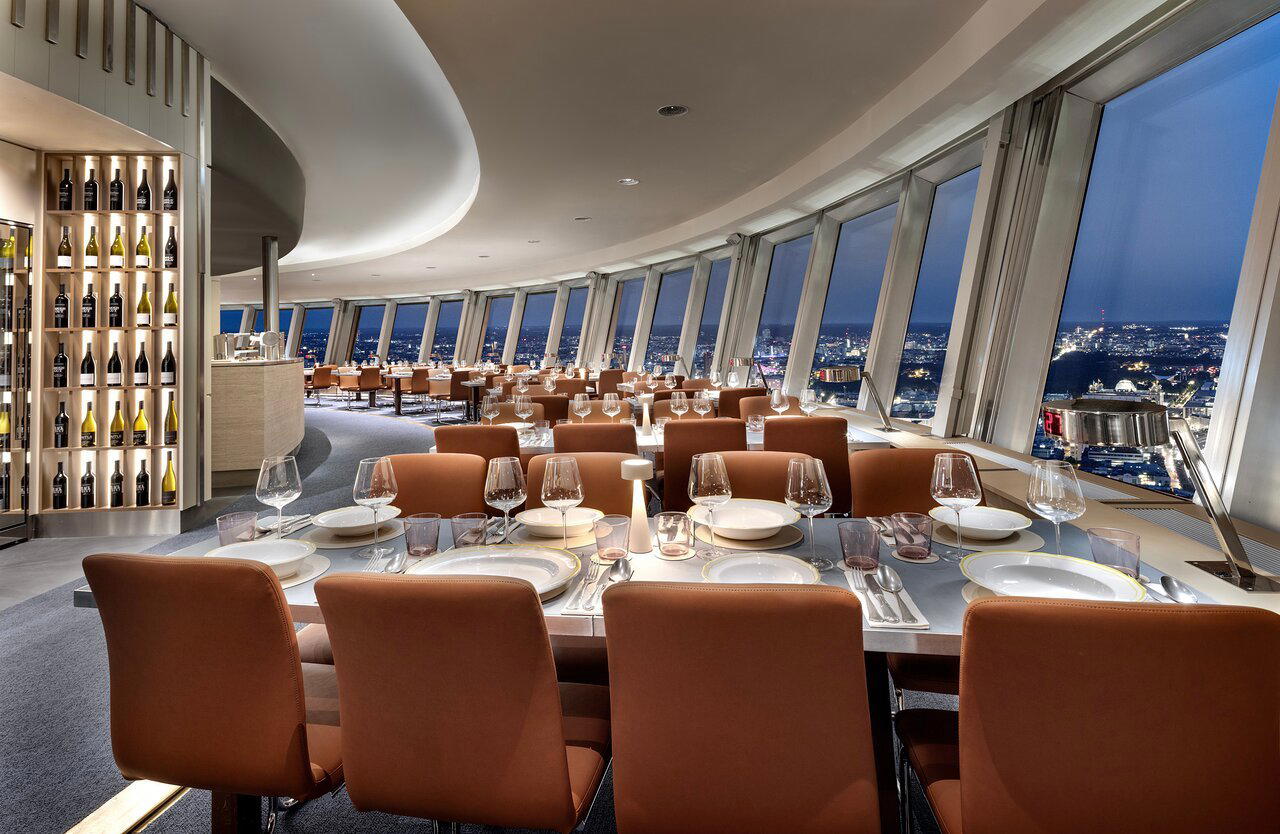
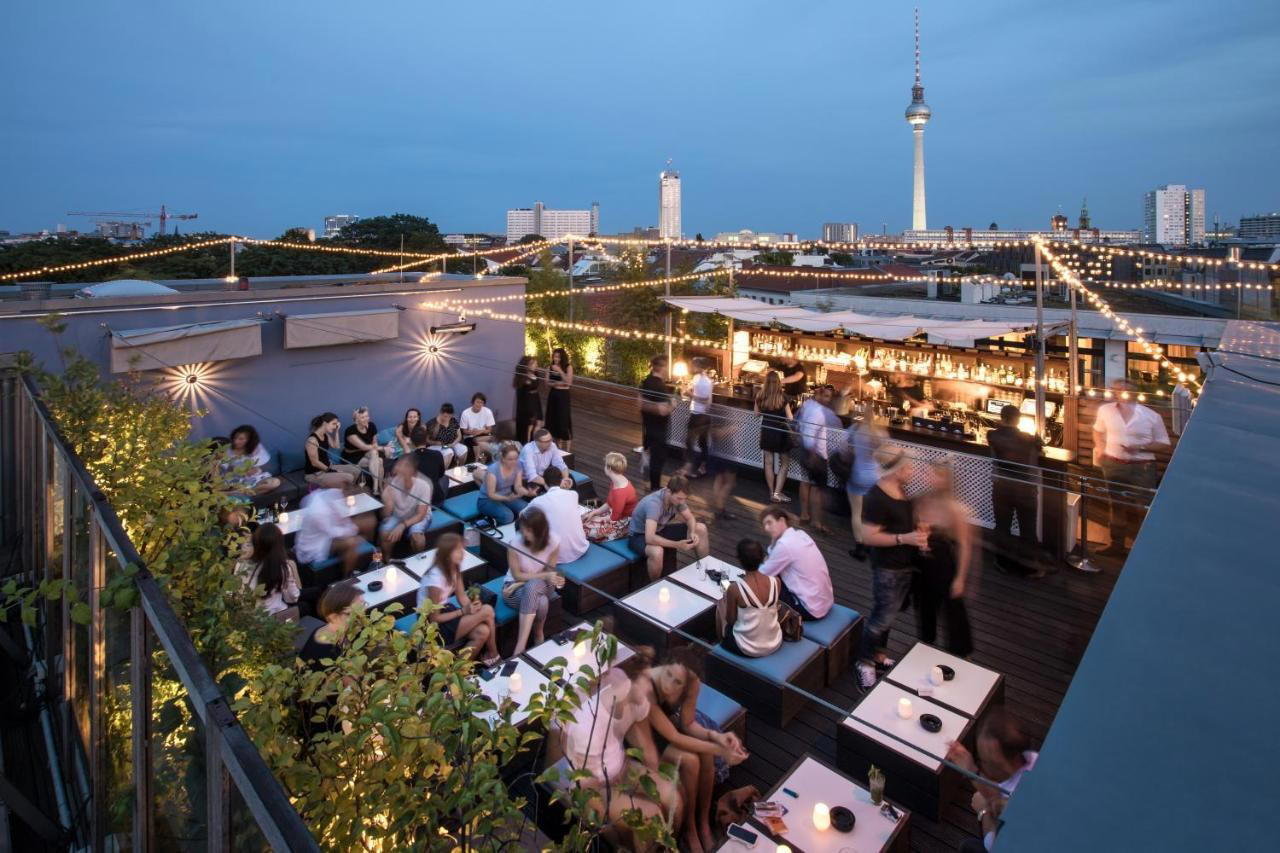
There are restaurants where the setting is a distraction from the food, and there are those where the two enter into genuine conversation. The Sphere at Berlins Fernsehturm, the revolving restaurant inside the city's most recognisable structure above Alexanderplatz, belongs to the second category, at least when a kitchen of Tim Raue's calibre occupies it. At roughly 207 metres above street level, the room turns slowly, offering an unobstructed circuit of the city: the grid of Mitte, the Spree curving west, the density of Prenzlauer Berg giving way to the flat Brandenburg horizon. The architecture does not need assistance, but the question any serious food operation must answer is whether the cooking can hold attention in competition with the view.
That tension, spectacle versus substance, defines the positioning challenge for Sphere Tim Raue within Berlin's high-end dining tier. FACIL operates from a quiet courtyard inside a Potsdamer Platz hotel, its context deliberately muted so the cooking reads clearly. Nobelhart & Schmutzig strips setting to near-austerity, placing all emphasis on Brandenburg provenance. Sphere Tim Raue makes the opposite wager: that a world-rotating room and precision cooking are compatible, and that the right team can hold both together without either collapsing into mere decoration.
The Collaborative Structure Behind the Counter
Tim Raue's name carries the weight of Restaurant Tim Raue in Kreuzberg, which has held two Michelin stars and placed consistently on the World's 50 Best list. That credential functions here as a framework guarantee: a signal to the market that the Sphere is not a licensed brand extension with diluted standards, but an operation with direct lineage to a documented kitchen philosophy.
What makes a revolving restaurant at this altitude function at a serious culinary level is not any single element but the coordination between teams. The kitchen brigade working within the constraints of a rotating structure must account for service logistics that static restaurants never face: timing adjustments, equipment placement, the physical realities of producing technically demanding food in a non-standard environment. The floor team, operating in a room where every table has a different view angle at any given moment, must manage pacing and presence without the usual spatial anchors. The sommelier programme must balance an international wine list with the kind of coverage that suits a tourist-facing venue while still satisfying guests arriving specifically for the Raue connection.
This triangulation, kitchen discipline, floor intelligence, and drinks programme, is what separates a landmark restaurant from a landmark with a restaurant inside it. Germany's high-end dining has several examples of the latter, venues where the address or setting outpaces the food. Operations like Aqua in Wolfsburg or Victor's Fine Dining by Christian Bau in Perl demonstrate that serious cooking can anchor unusual or remote locations; the question at Sphere Tim Raue is whether the same logic applies to a setting this theatrically dominant.
Where Sphere Sits in Berlin's Fine Dining Tier
Berlin's top-end restaurant tier has expanded and clarified over the past decade. Rutz has built one of the city's most sophisticated wine programmes alongside its modern European kitchen. CODA Dessert Dining has staked an entirely different position, building a Michelin-starred format around a dessert-led menu that has no direct peer in the city. These venues compete not for the same guest but for the same calendar slot: the deliberate Berlin dining reservation.
Sphere Tim Raue occupies a position none of them hold: it is the only fine dining operation in the city that doubles as a Berlin experience in the tourist-destination sense, while simultaneously drawing guests who arrive specifically for the Raue kitchen. That dual audience is both an asset and a calibration challenge. At venues like Schwarzwaldstube in Baiersbronn or Schanz in Piesport, the guest base is almost exclusively culinary-pilgrimage in nature. Here, the room on any given service will contain first-time Berlin visitors alongside regulars tracking Raue's cooking across his different formats.
That mix shapes the front-of-house brief significantly. The team must read the room accurately and adjust explanation, pacing, and register accordingly, a skill that requires a different kind of floor intelligence than a single-audience restaurant demands. For context on how similar calibration plays out across Germany's top tier, Restaurant Haerlin in Hamburg and Vendôme in Bergisch Gladbach both manage comparable dual-audience dynamics at the three-star level.
The Cooking Register
Tim Raue's culinary approach at his Kreuzberg flagship has long been defined by a sustained engagement with East and Southeast Asian technique and flavour architecture applied to European fine dining structure. Umami-forward seasoning, controlled acidity, and textural precision have been the consistent markers, producing food that reads as neither fusion nor approximation but as a genuine synthesis developed over years. Whether the Sphere menu replicates that register exactly, adapts it for the setting, or operates as a distinct format altogether is a distinction worth establishing before booking, particularly for guests whose primary reference point is the Kreuzberg experience.
For those building a broader picture of Berlin's creative dining, the contrast with Nobelhart & Schmutzig's hyper-regional German approach, or FACIL's quieter contemporary European register, clarifies where Sphere Tim Raue sits on the flavour-philosophy spectrum. Internationally, the Asia-inflected fine dining model has its most sophisticated expressions at venues like Atomix in New York, where Korean technique meets tasting-menu structure; the comparison is instructive even where the specifics differ.
Berlin's full high-end dining picture is mapped in our complete Berlin restaurants guide, which places Sphere Tim Raue alongside the city's other serious operations in Mitte, Kreuzberg, and beyond. For readers tracking Germany's three-star tier more broadly, JAN in Munich, ES:SENZ in Grassau, and Waldhotel Sonnora in Dreis provide useful comparative anchors. For a technically ambitious seafood reference in a different market, Le Bernardin in New York demonstrates what a long-running kitchen reputation does for a restaurant's positioning within a demanding city. For German wine-country fine dining at a high level, Bagatelle in Trier rounds out the regional picture.
Planning Your Visit
Location: Panoramastraße 1A, 10178 Berlin (Alexanderplatz, accessible by U2, U5, U8, S-Bahn, and tram). Reservations: Advance booking is advised; the setting draws both tourists and culinary guests, so availability compresses on weekends and during peak Berlin travel periods (spring and autumn). Dress: Smart casual is the working register for Berlin's high-end tier; the Sphere's setting skews slightly more dressed than the city average. Budget: Confirm current format, pricing, and hours directly with the venue before booking.
Frequently asked questions
What should I eat at Sphere Tim Raue?
What is the ideal way to book Sphere Tim Raue?
What is the defining dish or idea at Sphere Tim Raue?
How does dining at Sphere Tim Raue differ from eating at Restaurant Tim Raue in Kreuzberg?
Cuisine Context
Comparable venues nearby, for context on price, style, and recognition.
| Venue | Cuisine | Price | Awards | Notes |
|---|---|---|---|---|
| Sphere Tim RaueThis venue (the venue you are viewing) | Modern Berlin-Brandenburg Cuisine | $50–100 | Not listed | Not listed |
| DAS KÖSTLICH-Berlin Charlottenburg | Modern German | $30–50 | Not listed | Charlottenburg |
| Bundesbüdchen | Modern German Regional | $50–100 | Not listed | Mitte |
| Merold | Modern German | $50–100 | Michelin Plate · Star Wine List | Neukolln |
| Café Anna Blume | Classic German Café with Breakfast and Cakes | $20–30 | Not listed | Prenzlauer Berg |
| Knödelwirtschaft NORD | German Knödel Dumplings | $20–30 | Not listed | Prenzlauer Berg |
Continue exploring
More in Berlin
Restaurants in Berlin
All restaurants in Berlin →
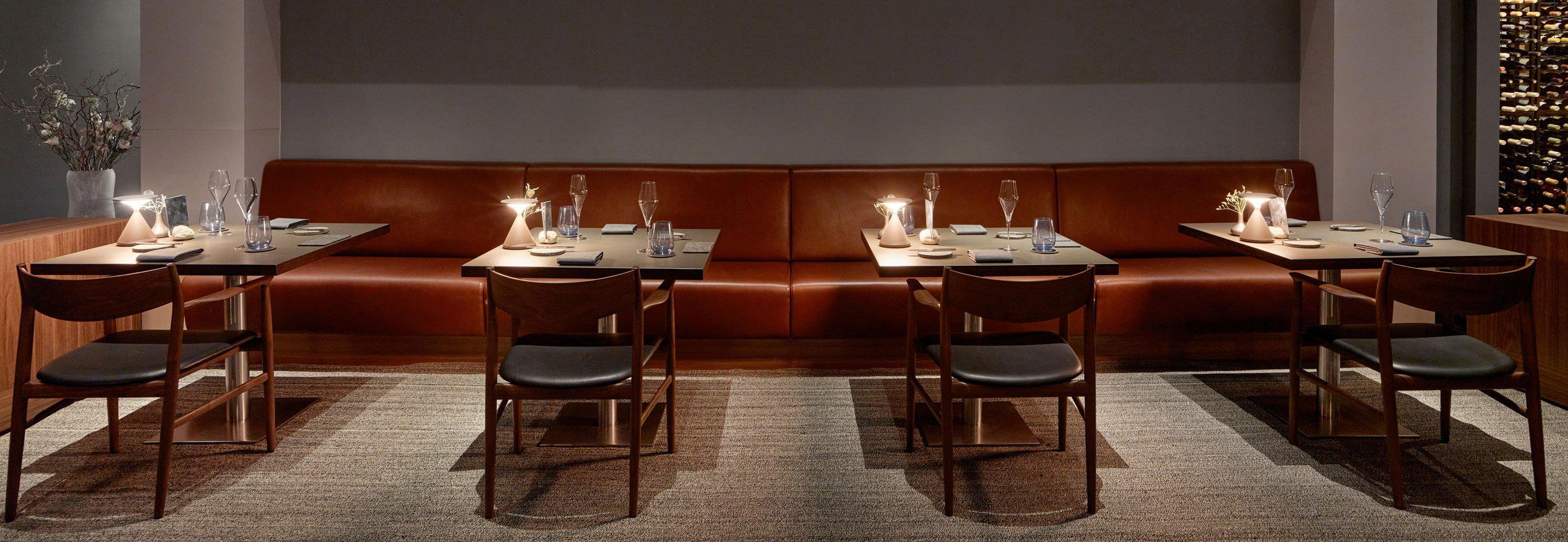
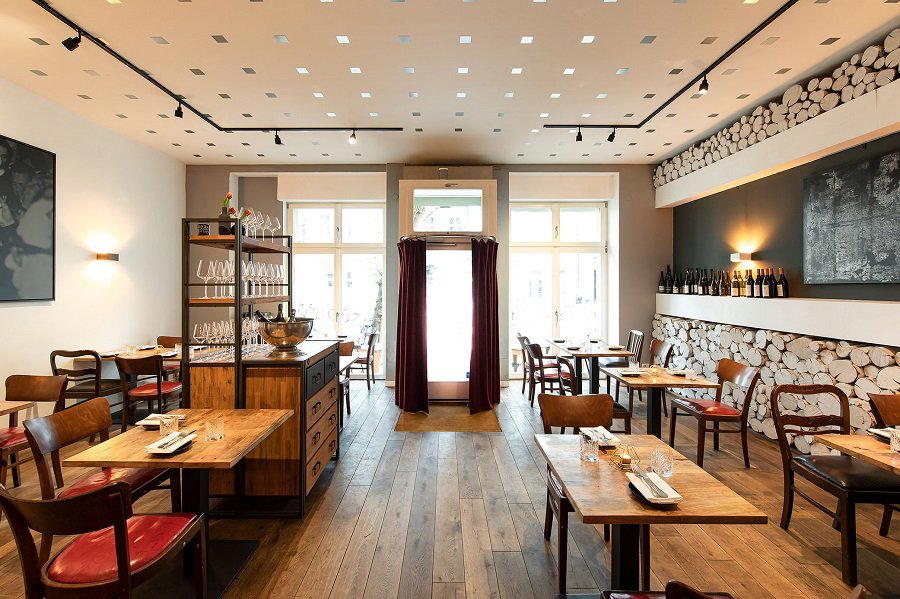
Bars in Berlin
All bars in Berlin →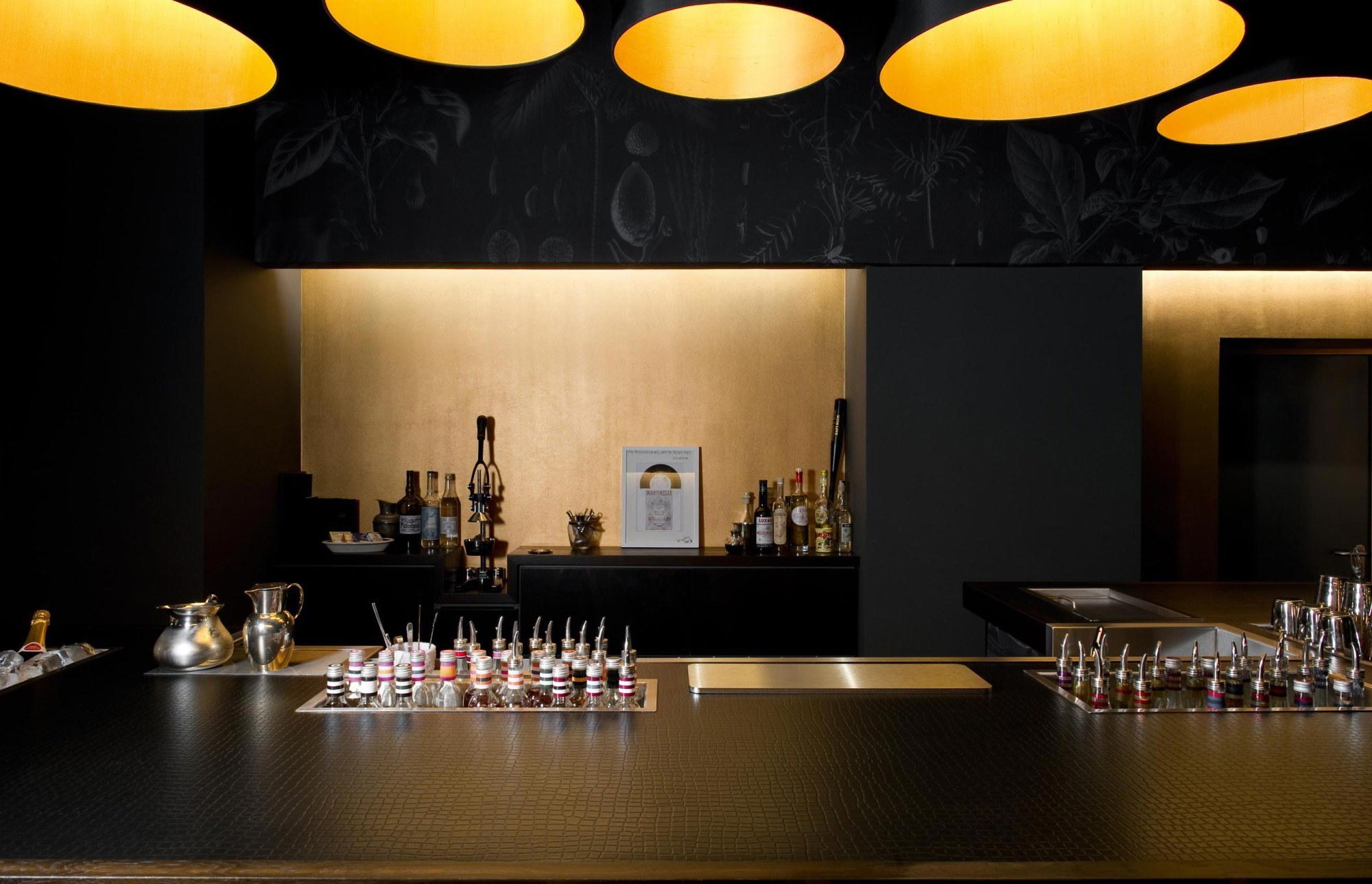
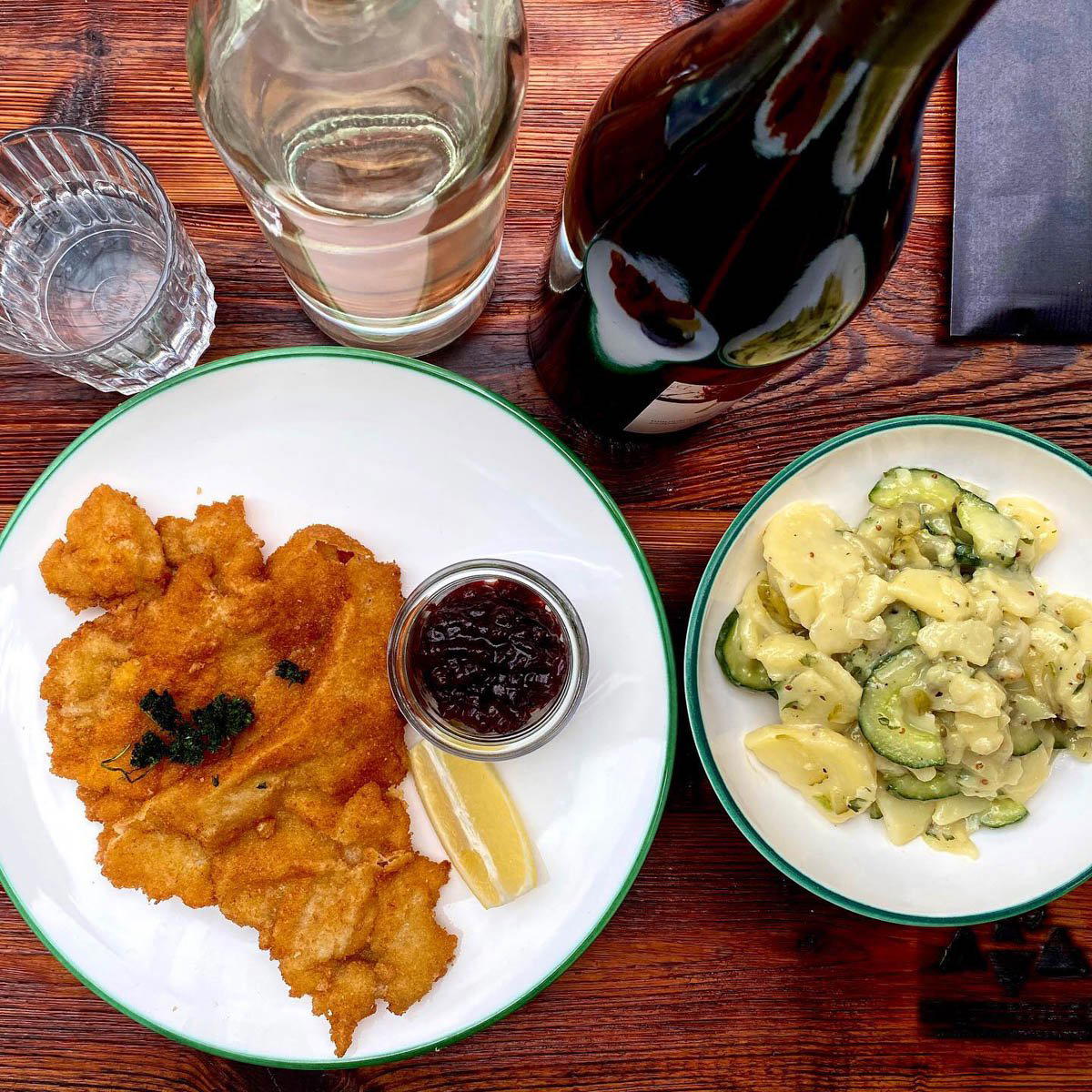
Details
- Scenic
- Elegant
- Well Known
- Modern
- Date Night
- Special Occasion
- Celebration
- Business Dinner
- Panoramic View
- Historic Building
- Design Destination
- Rooftop
- Extensive Wine List
- Sommelier Led
- Local Sourcing
- Skyline
- Set Menu
- A La Carte
- Wine
- Sparkling Wine
- Vegetarian Friendly
- Vegan Options
Current opening hours
- Monday
- 9 AM–11 PM
- Tuesday
- 9 AM–11 PM
- Wednesday
- 9 AM–11 PM
- Thursday
- 9 AM–11 PM
- Friday
- 9 AM–11 PM
- Saturday
- 9 AM–11 PM
- Sunday
- 9 AM–11 PM
Hours can change for holidays and private events. Hours as of .
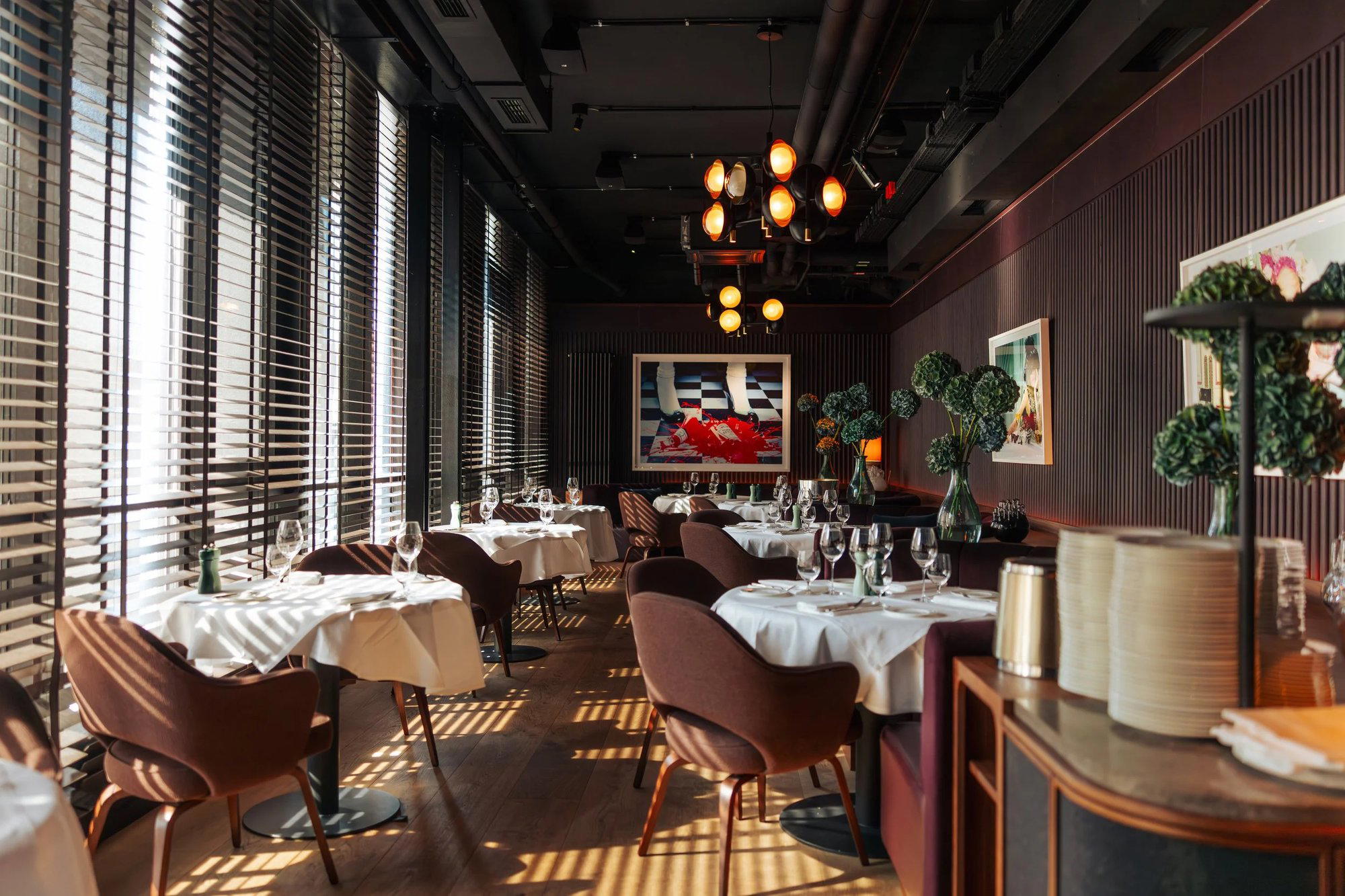
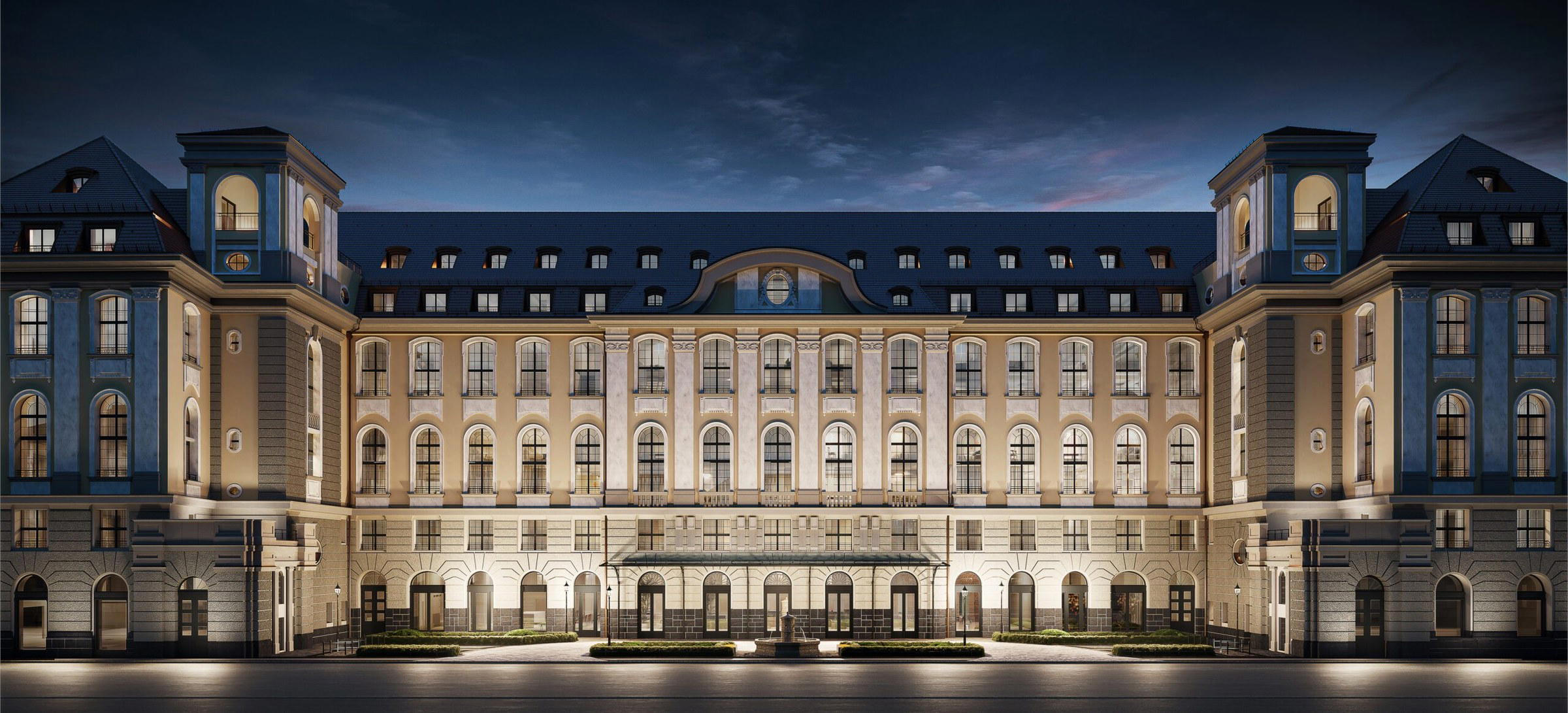
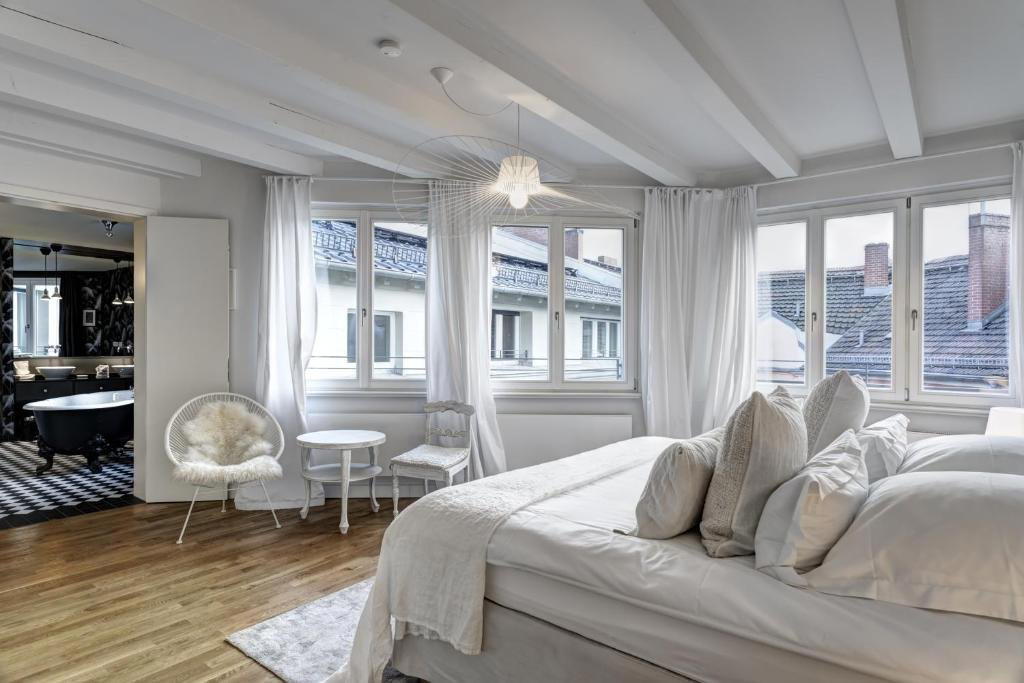
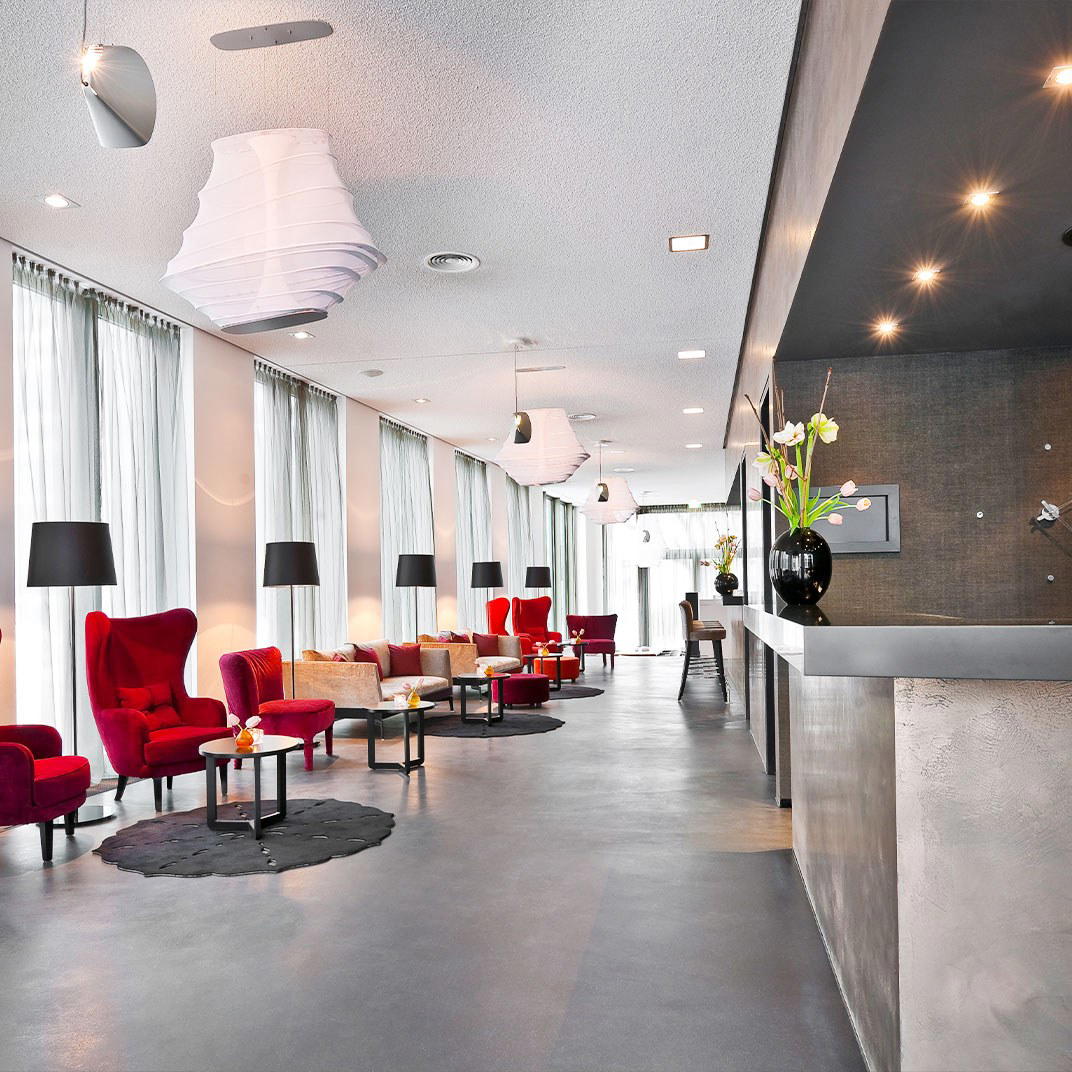
Modern design blended with retro chic, featuring a starry sky ceiling with piano accompaniment, burgundy seating, and slowly rotating dining platform creating a memorable atmospheric experience.