

Merold, on Pannierstraße in Berlin's Neukölln district, earned the Star Wine List #1 ranking in 2025, placing it at the summit of Berlin's wine-forward dining conversation. The address puts it in one of the city's most culinarily restless neighbourhoods, where the gap between a serious wine list and a serious kitchen has been narrowing for several years. For a table where the glass programme leads the experience, Merold is the current reference point.
Pearl is the En Primeur Club membership app — saves, bookings, and concierge access live there. Same editors, same standards.
- Address
- Pannierstraße 24, 12047 Berlin, Germany
- Phone
- +49 30 62733210
- Website
- restaurant-merold.de
- Directions
- Get directions
 Saves & bookings on Pearl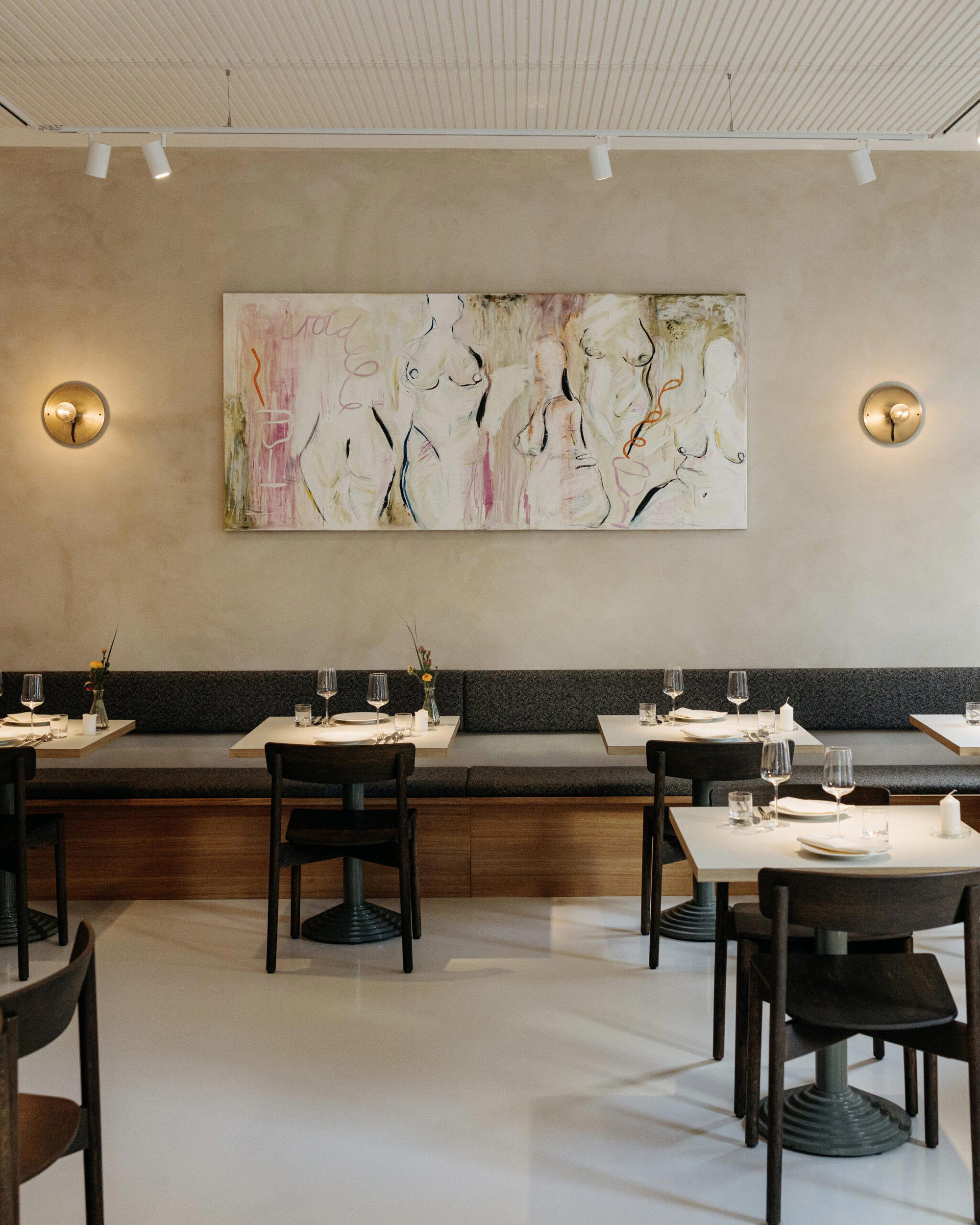
Neukölln's Wine Table and What It Means for Berlin Dining
Merold is a restaurant in Berlin's Neukölln district at Pannierstraße 24, 12047 Berlin, Germany, and it holds the Star Wine List #1 ranking for 2025. The stretch between Richardplatz and Karl-Marx-Platz is not the tourist-facing version of the city; it is the kind of address where a serious wine programme or a focused kitchen can build a following without the noise of Mitte or Prenzlauer Berg. That context matters when reading what Merold has managed to do: earning the Star Wine List #1 ranking for 2025 from a Neukölln address is a statement about the programme, but also about how far this part of the city has moved as a dining destination.
Berlin's upper tier of fine dining has traditionally clustered around hotel restaurants and high-traffic central districts. Places like FACIL, Rutz, and Nobelhart & Schmutzig operate in a comparable set where location reinforces prestige. Merold operates on different logic: the address is deliberately peripheral, the opening date is November 2021, and the credential that anchors its reputation is not a Michelin star or a best-new accolade but a wine-specific ranking that cuts across categories. That is a distinct competitive positioning, one that aligns it more closely with wine-led European destination restaurants than with the broader Berlin fine dining field.
Daytime Versus Evening: The Service Divide That Defines the Experience
In cities where restaurant rents and staffing costs force difficult choices, the lunch-versus-dinner divide is often where a kitchen reveals its actual priorities. Many of Berlin's serious restaurants reserve their full ambition for evening service, treating lunch as either a value-format concession or a scaled-down version of the same menu. At wine-forward restaurants in particular, the daytime hours create a structural challenge: wine programmes that depend on extended pairings, cellar depth, and sommelier attention are harder to execute at pace when a lunch crowd expects to be out within ninety minutes.
How Merold handles that divide matters for how a visitor should plan their visit. The 2025 Star Wine List #1 ranking signals a programme built around cellar depth and selection rigour. That kind of programme typically reaches its full expression in the evening, when pacing allows for longer pours, more considered pairing conversations, and the kind of unhurried service rhythm that makes a wine-driven meal cohere. A first visit for the purpose of understanding what Merold is doing at its most deliberate should target dinner. A return visit, or a visit framed around lighter engagement with the list, may find the daytime format more practical.
This pattern holds across comparable European wine restaurants. The cellars that earn upper-tier recognition from specialist programmes like Star Wine List are generally built for evening service, where the average spend per cover gives the kitchen and floor staff the margin to perform at the level the list implies. At comparators like Aqua in Wolfsburg or JAN in Munich, evening booking lead times run significantly longer than daytime availability, which is itself a reliable signal of where the kitchen and floor concentrate their leading work.
The Wine Programme as Editorial Subject
Star Wine List rankings are not awarded on volume or price point alone. The 2025 #1 designation for Merold reflects assessment across breadth of selection, depth in specific regions or producers, and the overall coherence of the list as a document. It places Merold above a field that includes well-resourced hotel restaurants and established tasting-menu formats that have been building their cellars for considerably longer. For a restaurant that opened in November 2021, reaching that ranking by 2025 indicates a programme assembled with speed and deliberateness that is not typical of the category.
Berlin's wine scene has been developing its own character independently of Munich's Bavarian gravity and the Rhine and Mosel regions' producer-driven reputation. Restaurants like CODA Dessert Dining and Restaurant Tim Raue have demonstrated that Berlin's dining culture can sustain highly specific, technically demanding formats. Merold's wine ranking adds a different kind of credential to that conversation: not technical innovation in the kitchen but intellectual seriousness in the cellar, and the two are not always found together.
For comparison within Germany's broader serious dining tier, cellars at Schwarzwaldstube in Baiersbronn, Vendôme in Bergisch Gladbach, or ES:SENZ in Grassau have been assembled over decades within established fine dining institutions. Merold reaches a comparable tier of recognition with a four-year runway, from a neighbourhood address, without the infrastructure of a hotel or an established hospitality group behind it. That gap in conditions is the more interesting story than the ranking itself.
Planning a Visit
Merold is at Pannierstraße 24, 12047 Berlin, in the northern part of Neukölln. The neighbourhood is accessible by U-Bahn on the U8 line, with Boddinstraße and Leinestraße as the closest stations. Booking through the restaurant directly is advisable given the profile the Star Wine List ranking has generated; demand in the months following a upper-tier wine designation tends to compress availability quickly, particularly for evening tables on Thursday through Saturday. Merold's regular hours are Wednesday 7-11 PM, Thursday 7-11 PM, Friday 7-11:30 PM, and Saturday 7-11:30 PM.
For those extending travel within Germany, Restaurant Haerlin in Hamburg offers a northern counterpoint, while international comparators at the level of wine programme ambition include Le Bernardin in New York City and Emeril's in New Orleans.
The Essentials
Comparable venues nearby, for context on price, style, and recognition.
| Venue | Cuisine | Price | Notes |
|---|---|---|---|
| MeroldThis venue — the venue you are viewing | Neukolln, Modern German | $$$ | Not listed |
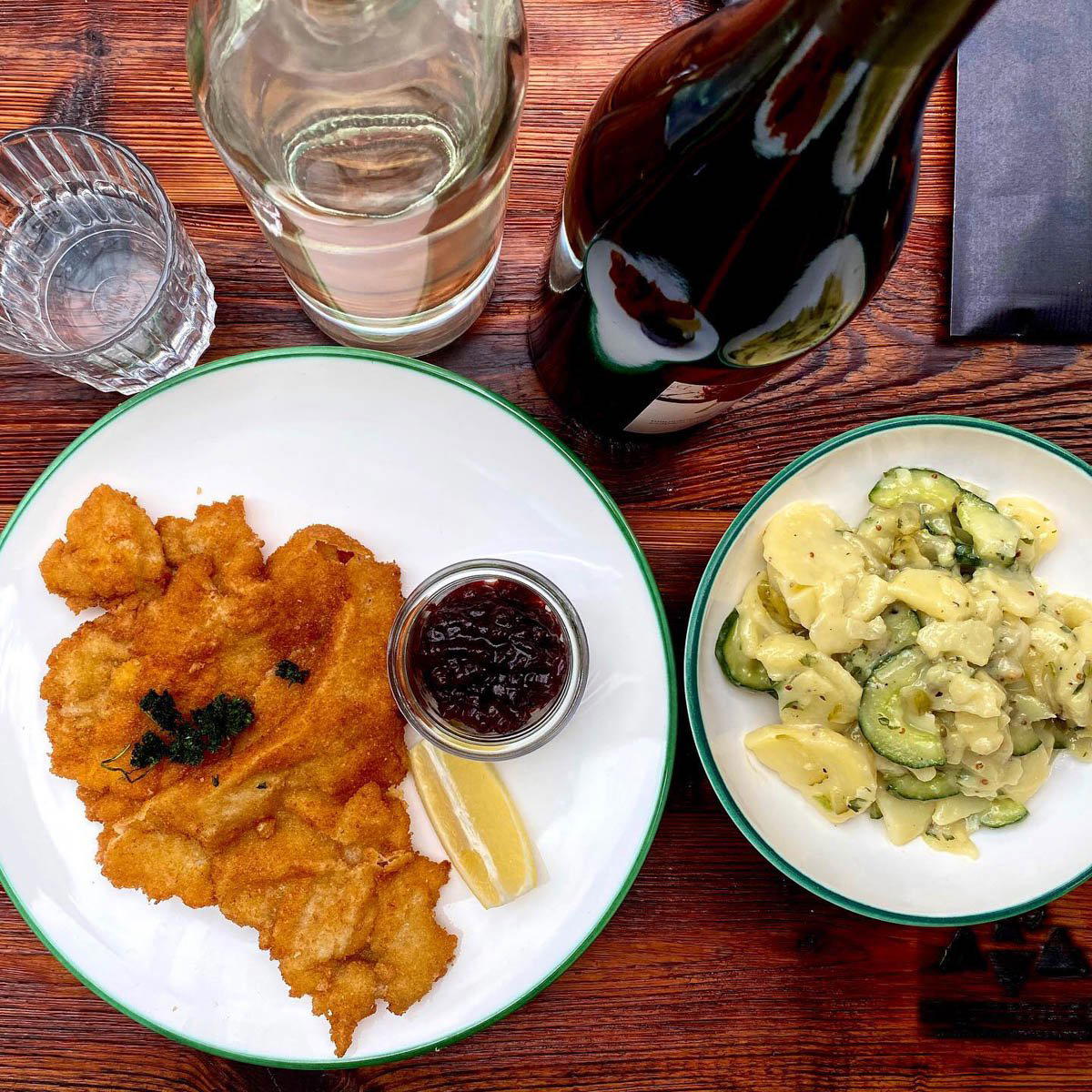
| Jasper's Mitte | Not listed | $$$ | Scheunenviertel, Austrian & Bavarian Schnitzel House |
| ALvis | Mitte, Modern German Regional | $$$ | Not listed |
| Oh Panama | Tiergarten, Modern German | $$$ | Not listed |
| Katz Orange | Not listed | $$$ | Mitte, Modern German with North African Influences |
| Restaurant Deutsche Oper | Not listed | $$$ | Charlottenburg, Sophisticated German Cuisine |
Recognition history
Dated appearances from independent guides and award organizations, with the underlying list record or original source where available.
Michelin Plate
Michelin · 2026 Michelin Plate
Star Wine List
Star Wine List
Star Wine List
Star Wine List
Continue exploring
More in Berlin
Restaurants in Berlin
Browse all →
Bars in Berlin
Browse all →
Hotels in Berlin
Browse all →
Wineries in Berlin
Browse all →
At a Glance
- Modern
- Elegant
- Cozy
- Sophisticated
- Minimalist
- Date Night
- Special Occasion
- Business Dinner
- Open Kitchen
- Extensive Wine List
- Local Sourcing
- Organic
- Farm To Table
Current opening hours
- Monday
- Closed
- Tuesday
- Closed
- Wednesday
- 7–11 PM
- Thursday
- 7–11 PM
- Friday
- 7–11:30 PM
- Saturday
- 7–11:30 PM
- Sunday
- Closed
Hours can change for holidays and private events. Last verified .
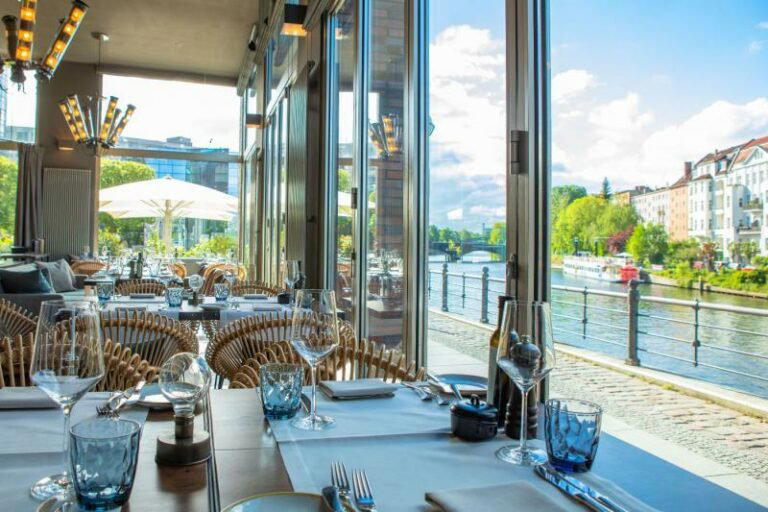
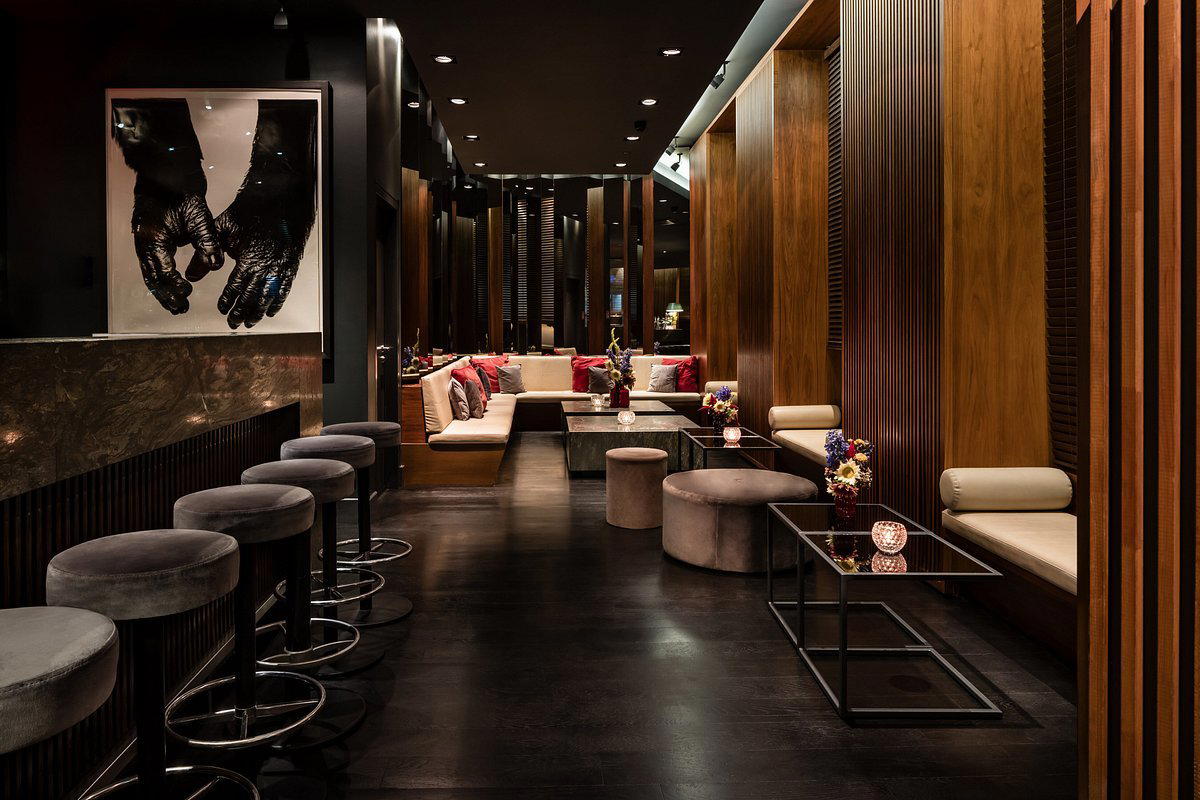
Sleek modern interior with bright, airy, and refined lighting creating a welcoming and elegant atmosphere.