Bundesbüdchen occupies a corner address in Berlin-Mitte, at Hannoversche Strasse 2, where the city's habit of threading serious craft into unassuming spaces plays out in compact form. The venue sits within a neighbourhood that has accumulated a dense tier of considered dining over the past decade, placing it alongside a scene more interested in technique and sourcing than in spectacle.
Pearl is the En Primeur Club membership app — saves, bookings, and concierge access live there. Same editors, same standards.
- Address
- Hannoversche Str. 2, 10115 Berlin, Germany
- Phone
- +493034099979
- Website
- bundesbuedchenberlin.de
- Directions
- Get directions
 Saves & bookings on Pearl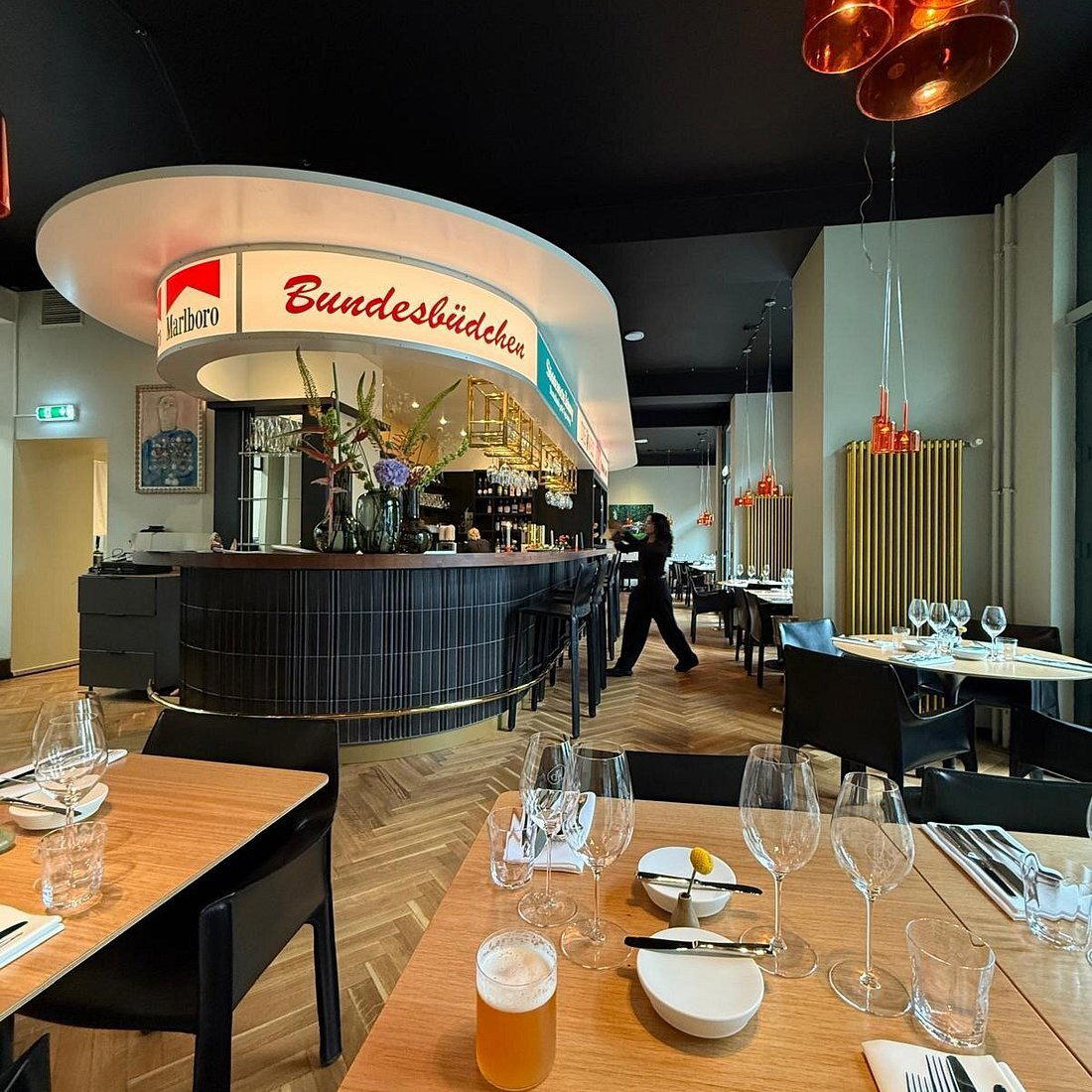
A Corner in Mitte, and What It Signals
Bundesbüdchen is a restaurant on Hannoversche Str. 2 in Berlin's Mitte district. Walk Hannoversche Strasse toward number two and you encounter exactly that: a compact, corner-set address that announces itself through presence rather than signage. This is a neighbourhood where the-resourced, most technically ambitious dining has accumulated over the past fifteen years, and where the physical modesty of a room is often in direct proportion to the seriousness of what happens inside it. Bundesbüdchen operates within that tradition.
The broader Mitte dining tier has matured considerably since the early 2000s, when Berlin's post-reunification energy produced a wave of ambitious openings that were more interested in concept than execution. What replaced that wave, gradually, then decisively, was a generation of operators more focused on product sourcing, kitchen discipline, and the specific tension between global culinary method and locally rooted ingredients. That tension is where particularly interesting work in German urban dining is currently happening, and Mitte's denser pockets of the scene sit at its centre.
The Intersection of Technique and Place
German fine dining has undergone a structural shift in how it frames the relationship between imported method and domestic product. For decades, the country's leading kitchens borrowed heavily from French classical grammar, sauces built on reduction, service rhythms inherited from the grande cuisine tradition, wine lists anchored to Bordeaux and Burgundy. What has emerged since, particularly in the city dining rooms rather than the country estates, is something more hybrid: kitchens applying precision fermentation, Nordic-influenced preservation, and Japanese product-handling techniques to ingredients pulled from Brandenburg, Mecklenburg, and the surrounding agricultural belt.
This is not merely a style preference. It reflects a genuine shift in how German chefs have been trained over the past two decades, stages in Copenhagen, time in Japanese kitchens, time in the modernist Spanish tradition, and then returned with those tools to apply them to the particular terroir of the northern German plain. Venues like Nobelhart & Schmutzig have made this their explicit editorial position, building menus almost entirely from Berlin and Brandenburg producers. Rutz operates at the summit of the city's tasting-menu tier with a similarly product-first logic. FACIL brings contemporary European framing to a similar sourcing discipline. Bundesbüdchen occupies the same city, the same conversation, and the same reader interest in what happens when a specific address becomes a vessel for that broader movement.
That conversation extends well beyond Berlin's city limits. At the summit end of the German dining hierarchy, kitchens like Schwarzwaldstube in Baiersbronn, Aqua in Wolfsburg, and Vendôme in Bergisch Gladbach have made the case for German fine dining as a fully independent tradition rather than a derivative of its French neighbour. Further south, JAN in Munich and ES:SENZ in Grassau extend the regional argument into Bavaria. Victor's Fine Dining by Christian Bau in Perl, Schanz in Piesport, Waldhotel Sonnora in Dreis, and Bagatelle in Trier round out the western corridor. In Hamburg, Restaurant Haerlin represents the northern city's claim on the same conversation. Bundesbüdchen's Mitte address places it within this national context while operating in the specific register of Berlin's more informal, density-driven dining culture.
That culture also produces adjacent venues of a different kind. CODA Dessert Dining has taken the creative tasting-menu format and built an entire program around the dessert course as primary idiom. Restaurant Tim Raue occupies a different position entirely: a kitchen rooted in Chinese and Asian culinary grammar, applied through a Berlin lens. These are not competitors in a simple sense; they are markers of how eclectic and segmented Berlin's upper dining tier has become, and how different operators can share a postcode and barely overlap in their competitive set.
Mitte's Dining Character, Block by Block
The block around Hannoversche Strasse has a particular quality that distinguishes it from Berlin's louder dining corridors further east. Prenzlauer Berg and Neukölln operate on a different social register: higher foot traffic, younger demographic, more visible branding. Mitte, particularly in the northern residential pockets near the Charité and the old Postal Quarter, has a quieter density. Venues here tend to rely on reputation and return custom rather than walk-in volume. It is a pattern familiar from other European capital districts where premium dining has retreated from central tourist corridors into residential adjacency, seeking the kind of clientele that makes reservations in advance and knows what it is coming for.
This matters for Bundesbüdchen's positioning. At this address, in this neighbourhood, the operating logic is almost certainly one of regulars, deliberate visitors, and the kind of word-of-mouth that moves slowly and sticks. The international comparison points are useful here: at Le Bernardin in New York City or Lazy Bear in San Francisco, the neighbourhood relationship matters as much as the room's own reputation. Venues embedded in their local geography tend to develop a different kind of loyalty than destination-only operations.
For visitors to Berlin arriving from outside the city, the pull of the Mitte cluster is its walkability and its concentration. Several of the addresses mentioned above sit within a navigable radius, making an evening in this part of the city a genuinely layered proposition rather than a single-stop exercise.
Know Before You Go
Address: Hannoversche Str. 2, 10115 Berlin, Germany
Neighbourhood: Berlin-Mitte, northern residential pocket near the Charité
Booking: Reservation recommended
Hours: Mon: 12–2:30 PM; Tue: 12–2:30 PM, 6–11:30 PM; Wed: 12–2:30 PM, 6–11:30 PM; Thu: 12–2:30 PM, 6–11:30 PM; Fri: 12–2:30 PM, 6–11:30 PM; Sat: 6–11:30 PM; Sun: Closed
Price: About $75 per person
Getting There: The address is at Hannoversche Str. 2, 10115 Berlin, Germany
Cuisine and Credentials
Comparable venues nearby, for context on price, style, and recognition.
| Venue | Cuisine | Price | Notes |
|---|---|---|---|
| BundesbüdchenThis venue — the venue you are viewing | Modern German Regional | $$$ | Not listed |
| Gärtnerei | Modern German-Austrian Gastropub | $$$ | Mitte |
| 3 Sisters | German Regional Seasonal | $$ | Kreuzberg |
| Vorwerck Restaurant - Dine & Show | Modern Central European Fine Dining | $$$ | Neukolln |
| Restaurant HessenWinkel | Regional German with Seasonal Specialties | $$$ | Rahnsdorf |
| Heritage | Modern German Fine Dining | $$$ | Mitte |
Continue exploring
More in Berlin
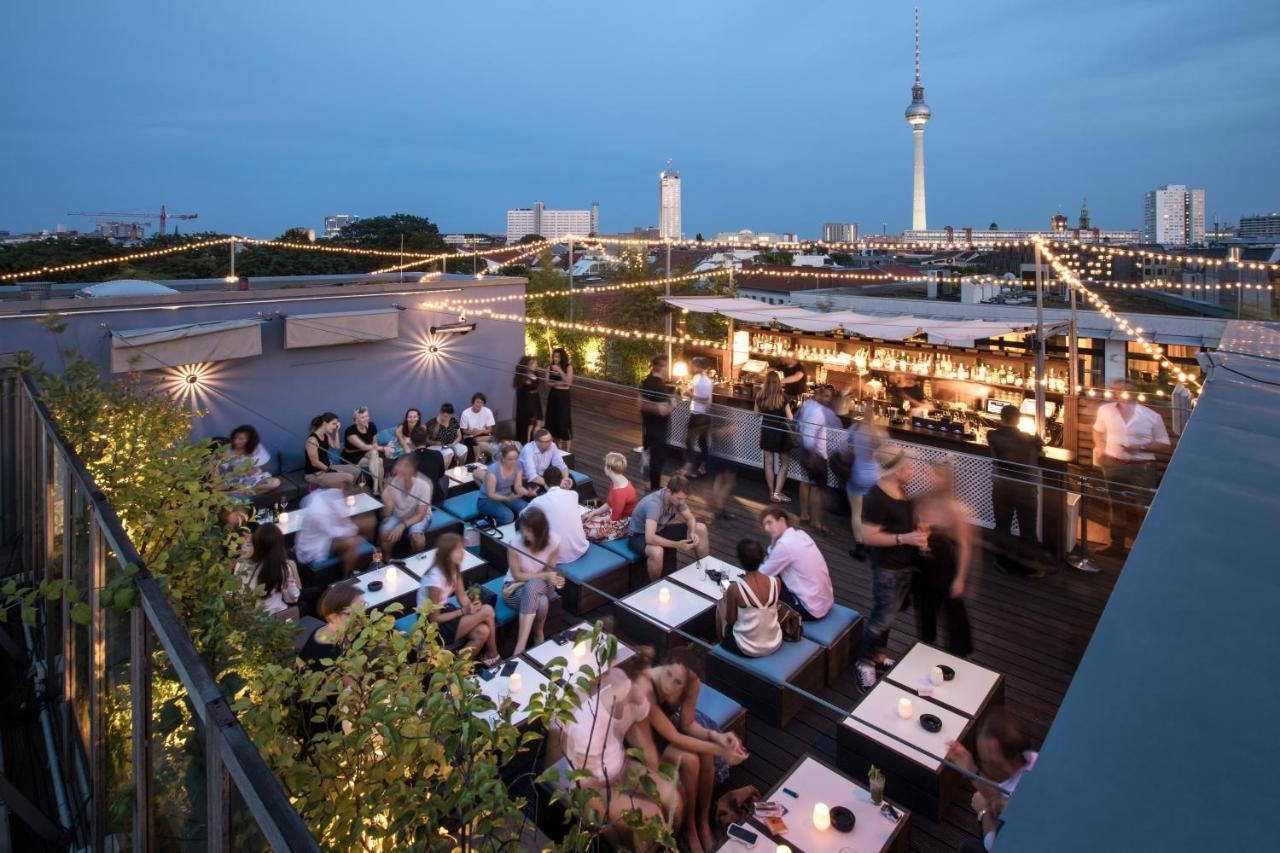
Restaurants in Berlin
Browse all →
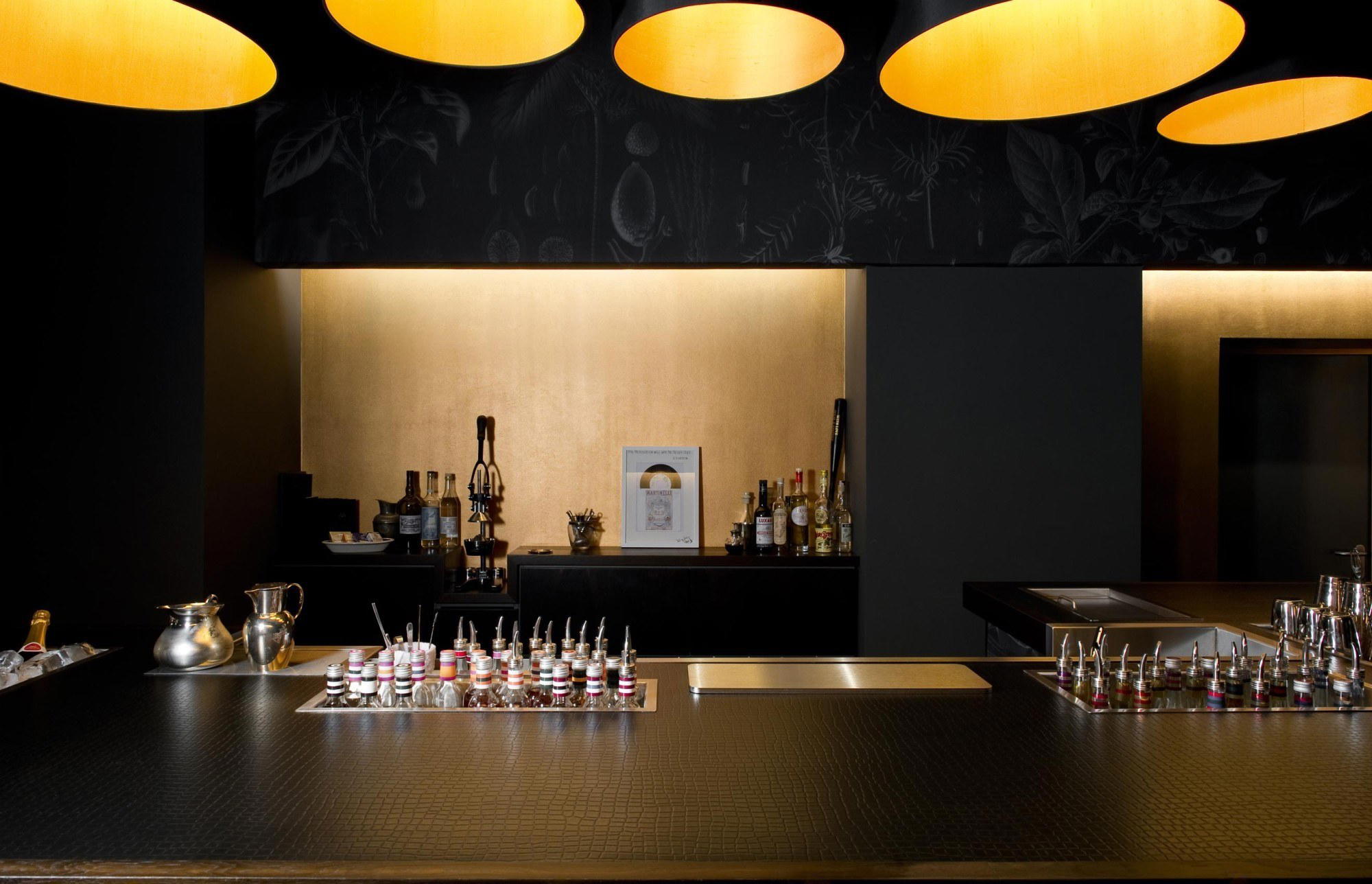
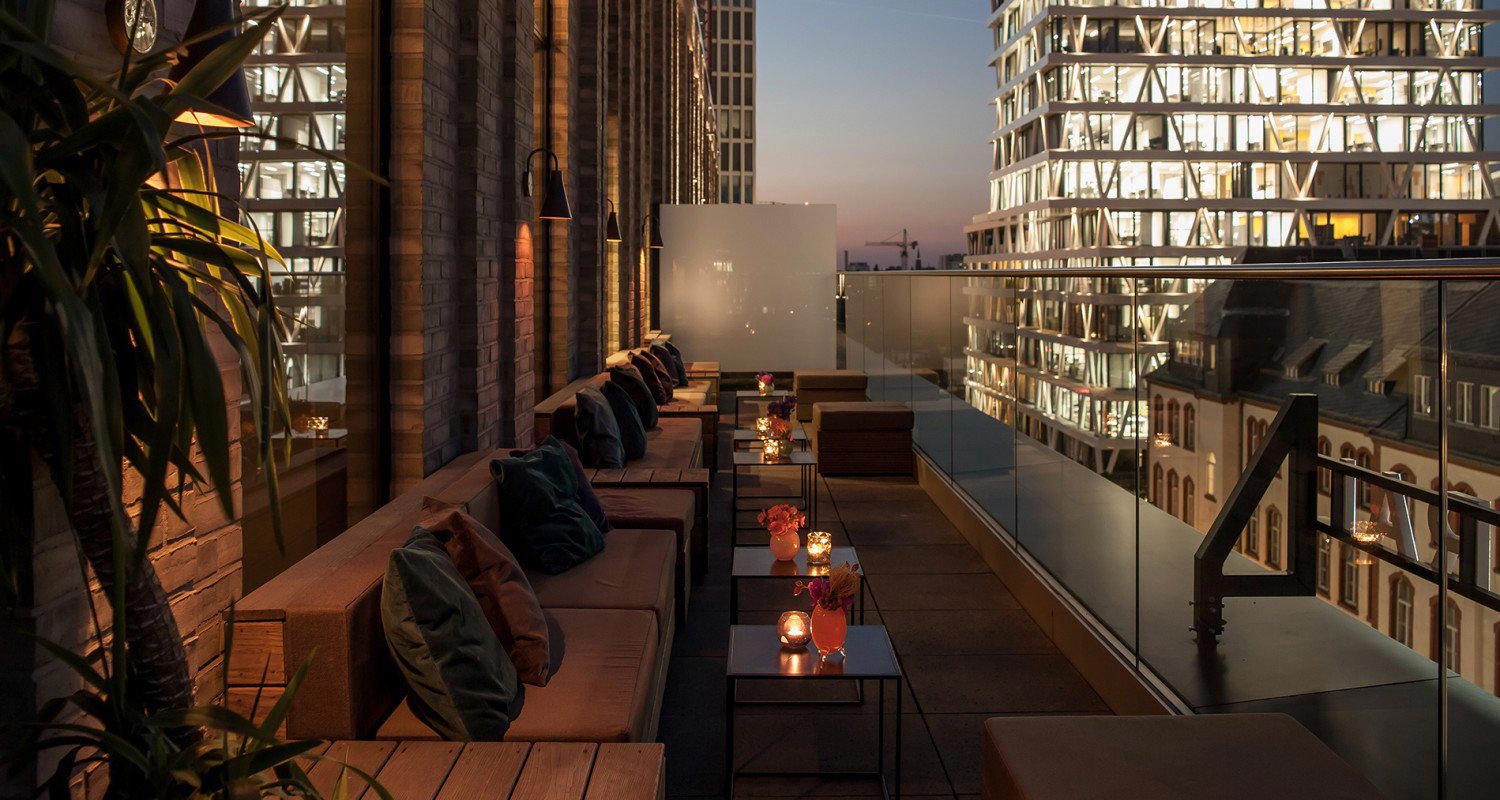
Bars in Berlin
Browse all →
Hotels in Berlin
Browse all →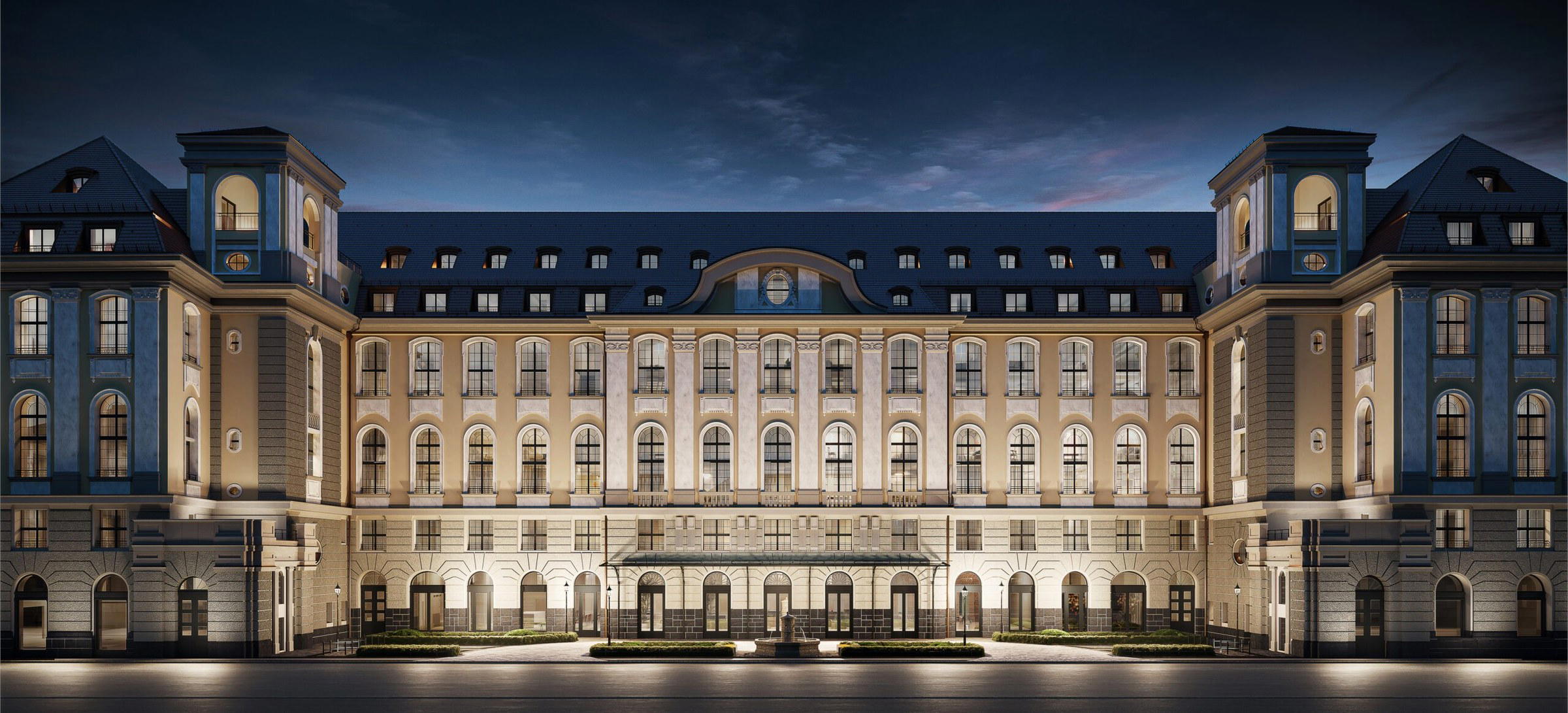

At a Glance
- Elegant
- Cozy
- Sophisticated
- Classic
- Business Dinner
- Group Dining
- Celebration
- Special Occasion
- Historic Building
- Design Destination
- Standalone
- Natural Wine
- Beer Program
- Local Sourcing
Current opening hours
- Monday
- 12–2:30 PM
- Tuesday
- 12–2:30 PM, 6–11:30 PM
- Wednesday
- 12–2:30 PM, 6–11:30 PM
- Thursday
- 12–2:30 PM, 6–11:30 PM
- Friday
- 12–2:30 PM, 6–11:30 PM
- Saturday
- 6–11:30 PM
- Sunday
- Closed
Hours can change for holidays and private events. Last verified .
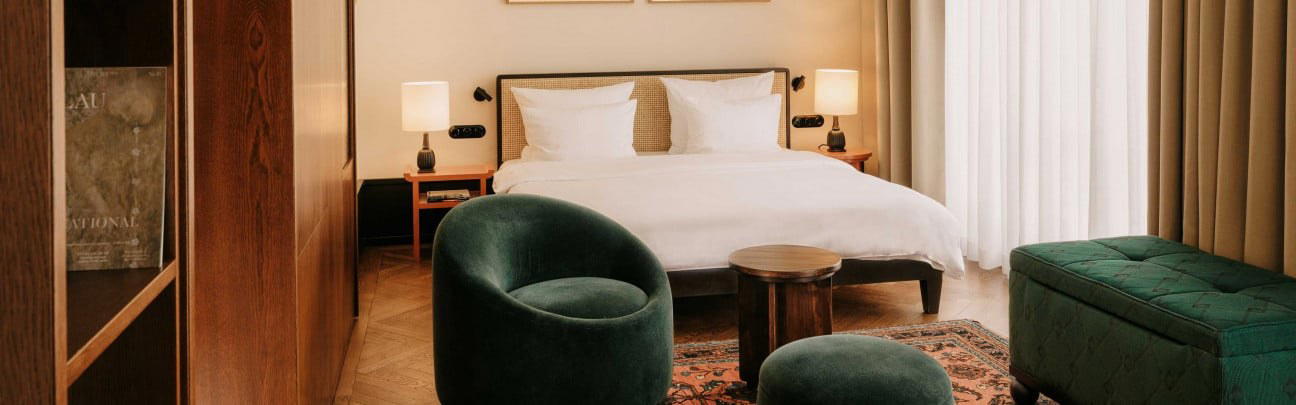
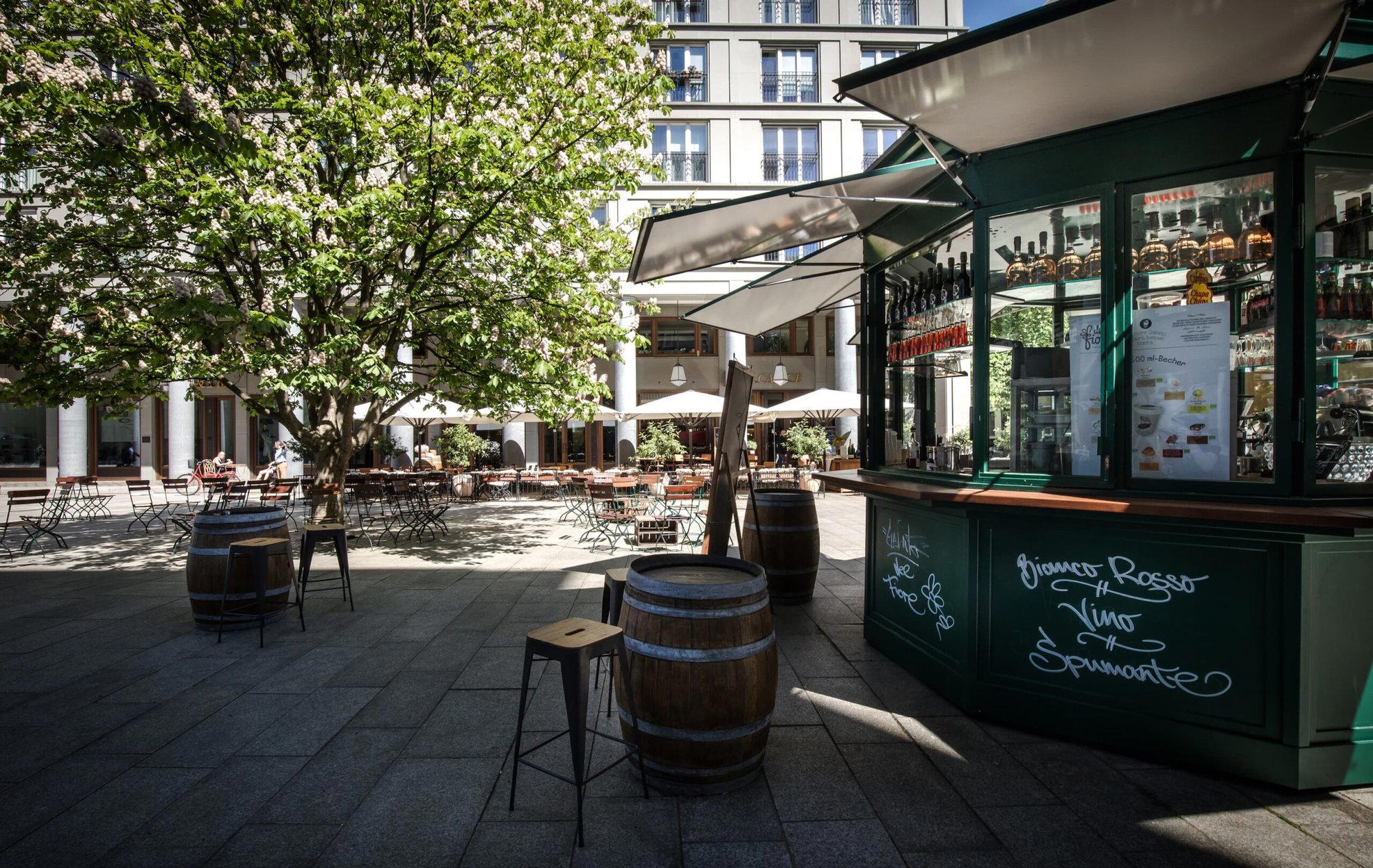
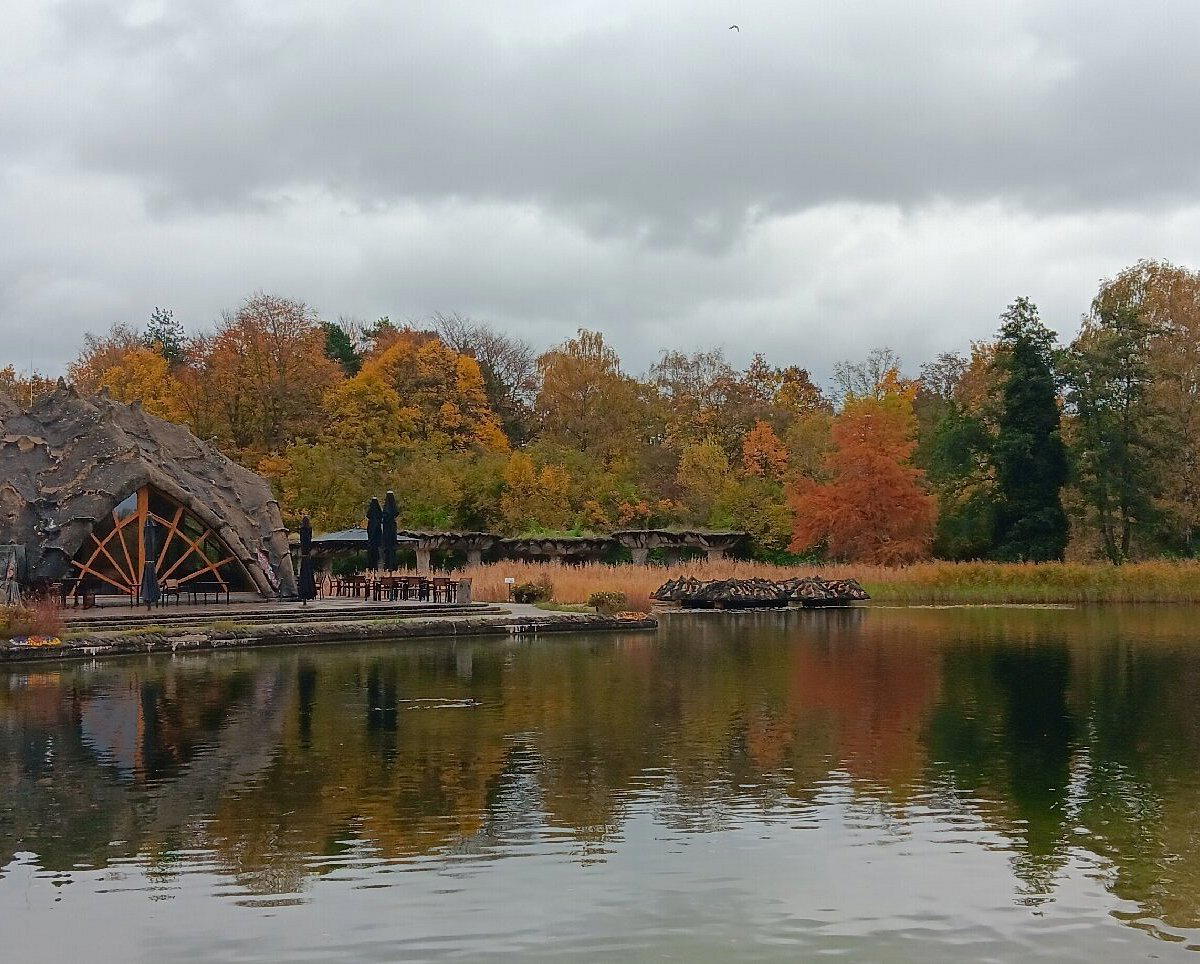
Modern yet approachable setting with interior design referencing the protected Bonn kiosk, creating an atmosphere that bridges tradition and contemporary Berlin dining culture.