
SPANISH BAR PLOMO gives Kusatsu a compact Spanish-bar counter rather than a grand dining room: tapas, ajillo, paella, Iberico ham and a drinks list that reaches from Spanish beer to sherry and txakoli. Its selection for Tabelog 100 Spanish cuisine in 2024 and 2026 puts this small Shiga bar in a national conversation usually dominated by larger cities.
Pearl is the En Primeur Club membership app — saves, bookings, and concierge access live there. Same editors, same standards.
- Address
- Japan, 〒525-0032 Shiga, Kusatsu, Oji, 1 Chome−12−5 グービル 2F
- Phone
- +81 77-584-5581
- Website
- r.gnavi.co.jp
 Saves & bookings on Pearl
Up on the second floor in Oji, the room reads as a bar before it reads as a restaurant: counter seating, close quarters, and a Spanish tavern format built for conversation rather than ceremony. That matters in Kusatsu, where evening dining often splits between local Japanese staples and destination-led rooms. SPANISH BAR PLOMO occupies a different lane, importing the logic of the Iberian bar: small plates first, drinks in dialogue with the food, and enough structure to turn grazing into dinner.
A Spanish counter in Kusatsu, built around ingredients that want a drink beside them
The useful way to read the menu is not as a checklist of Spanish classics, but as a sourcing-and-pairing argument. Tapas, ajillo, paella and Iberico ham all belong to a tradition where salt, fat, seafood, rice and cured pork are designed to meet wine, beer or sherry at the counter. The drinks list follows that same geography: Spanish beer, sherry, txakoli, sparkling wine, wine and cocktails. In a Japanese regional city, that combination is more telling than a long menu would be. It signals a bar that understands Spanish food as a drinking culture, not only as a cuisine category.
That is also why the format has sharper edges than a casual drink stop. The house asks guests not to use the room for drinks only, with dish minimums that change after the earlier part of service. In editorial terms, the policy clarifies the experience: this is a food-led baru, not a standing bar with Spanish labels on the shelf. The 18-seat scale reinforces that. Counter-led Spanish dining works when plates move quickly, glasses stay in rotation and the room keeps its compact rhythm.
Recognition has followed the format rather than a celebrity-chef narrative. Selection for Tabelog 100 Spanish cuisine in 2024 and again in 2026 places the bar within a national Spanish-cuisine list, a useful trust signal in a category where Japan’s serious Spanish rooms range from polished tasting-menu restaurants to informal counters. SPANISH BAR PLOMO sits closer to the latter, but the award context lifts it above the generic tapas-bar tier.
Why the Kusatsu setting changes the value of the table
Kusatsu is not Kyoto, Osaka or Tokyo, and that changes the reader’s calculus. A Spanish bar here does not need to compete with a dense grid of Iberian specialists. It needs to justify itself against the city’s stronger everyday dining habits: ramen, bakery culture, Japanese set meals, local counter restaurants and higher-ticket destination cooking. Within that spread, the bar’s appeal is specificity. It gives Kusatsu a room for sherry, txakoli, ham, rice and small plates without asking the guest to turn the evening into a formal tasting menu.
The local comparison is instructive. Glicine operates at a higher spend level, while Pan du Marche and Hakata Tonkotsu Masao sit in much more everyday price territory. Kogetsu and Tezukuri Hamburger steak Apeze point to other local instincts: Japanese dining on one side, Western-style comfort on the other. Against that field, SPANISH BAR PLOMO is neither the cheap bite nor the full-dress occasion. It is the middle evening: a counter, a few plates, and a beverage list with enough Spanish accent to make the choice feel deliberate.
Ingredient sourcing is the quiet hinge. Iberico ham carries its own provenance and price logic; paella depends on rice, stock and timing; ajillo lives or dies on the quality of oil, garlic and what is placed in it. These are not dishes that benefit from excessive reinvention. They need proportion, product and restraint. In Japan, where diners are trained to notice texture, temperature and the handling of small portions, the Spanish bar format can feel unusually compatible. The counter becomes less about spectacle and more about pacing: a plate, a glass, another plate, another pour.
How to place it in an evening
The room is suited to dates and solo dining, which says more about the format than any slogan could. Counter seating lowers the friction for one person, while the shared-plate structure gives two guests a natural rhythm. It also works as a first stop, a second stop or a full meal, provided the food remains central. That flexibility is part of the Spanish baru appeal: the night does not need to declare itself in advance.
For travellers using Kusatsu as a Shiga base, the restaurant belongs in a wider map rather than as an isolated trophy. Start with our full Kusatsu restaurants guide to understand the city’s dining range, then use our full Kusatsu hotels guide for lodging context. Drinks-focused readers can compare the city through our full Kusatsu bars guide, while regional planning sits better with our full Kusatsu wineries guide and our full Kusatsu experiences guide.
The broader Japan-and-beyond comparison also helps define what this bar is not. It is not the beef-focused register of -Grilled beef Sukiyaki- KAMAKURA TANUKIAN 鎌倉 たぬき庵 in Kamakura, the seafood-and-charcoal axis of. 鮪と炭火焼き うお炭 秋葉原店 in Tokyo, the cafe register of.cafe in Osaka, or the contemporary Kumamoto angle of.know in Kumamoto. Nor does it chase the Vietnamese focus of (Shoku) Vietnam in Kawasaki, the curry specialization of [Curry Senmon Ten] Maruyama Kyoju. in Sapporo, the sake-bar identity of Jōdo Saké Bar in Los Angeles, or the onigiri format of Onigiri Time in Pasadena. Its lane is narrower and clearer: Spanish ingredients, counter scale, drinks with purpose, and a Kusatsu address that makes the category feel less expected.
A Quick Peer Check
Comparable venues by cuisine and price in the same metro.
| Venue | Cuisine | Price | Notes |
|---|---|---|---|
| SPANISH BAR PLOMOThis venue — the venue you are viewing | Spanish Bar & Tapas | $$ | Not listed |
| Hakata Tonkotsu Masao | Hakata-style Tonkotsu Ramen | $ | Anamura-cho |
| Tezukuri Hamburger steak Apeze | Japanese Western (Yoshoku) Hamburger Steak | $$ | Minami Kusatsu |
| Pan du Marche | Japanese artisan bakery | $ | Kusatsu |
| 馳走 とし藤 | Traditional Japanese Kaiseki | $$$ | Kusatsu |
| Kogetsu | Traditional Japanese Kaiseki | $$$ | Oji |
Recognition history
Dated appearances from independent guides and award organizations, with the underlying list record or original source where available.
Tabelog 100 #57 · No. 57
Tabelog · Tabelog 100 - Spanish cuisine - 2026
Continue exploring
More in Kusatsu
Restaurants in Kusatsu
Browse all →
Bars in Kusatsu
Browse all →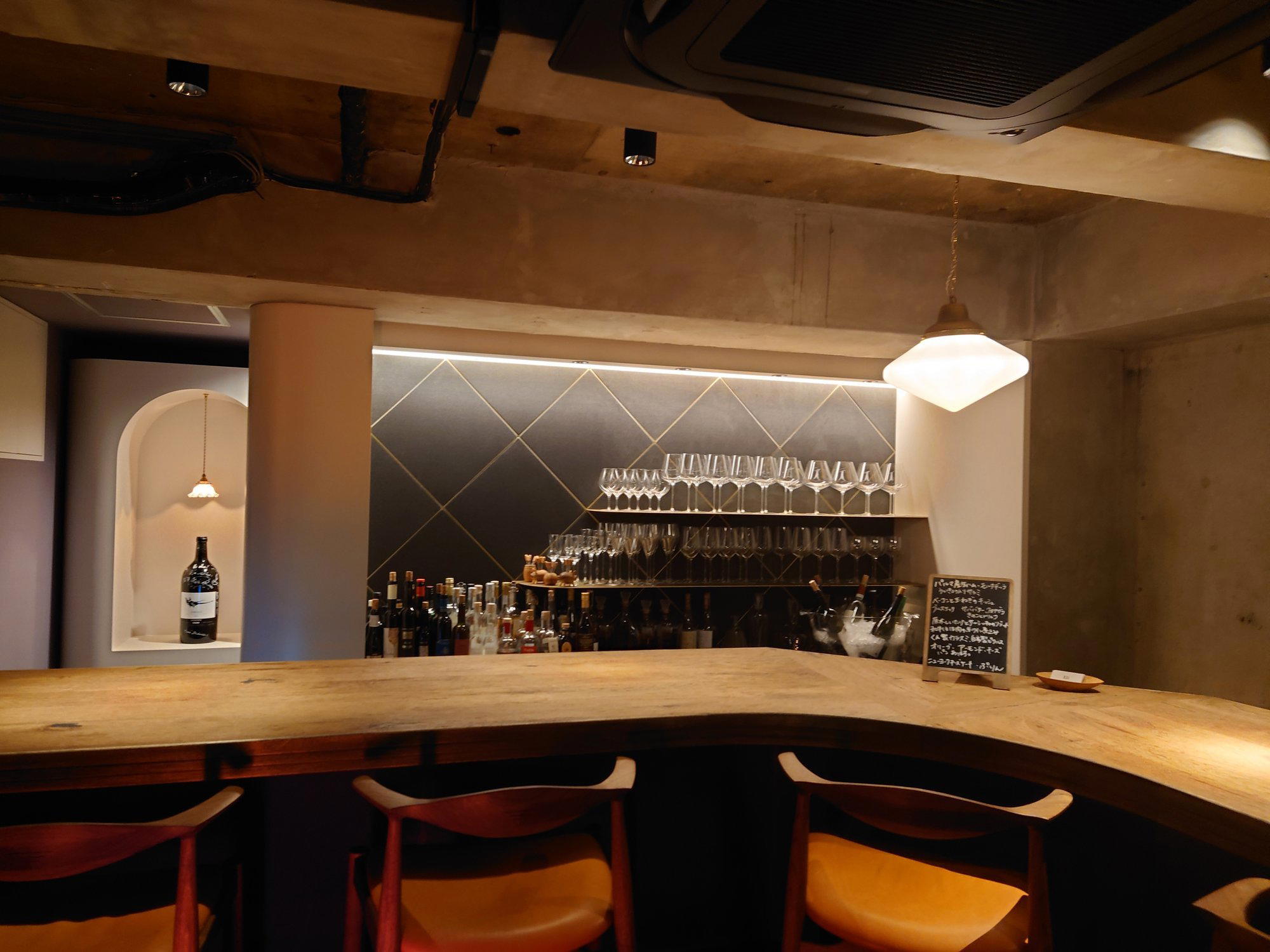
Hotels in Kusatsu
Browse all →


Wineries in Kusatsu
Browse all →
At a Glance
- Lively
- Cozy
- Modern
- Intimate
- Casual Hangout
- After Work
- Date Night
- Group Dining
- Late Night
- Celebration
- Standalone
- Extensive Wine List
- Beer Program
Current opening hours
- Monday
- Closed
- Tuesday
- Closed
- Wednesday
- 6 PM–1 AM
- Thursday
- 6 PM–1 AM
- Friday
- 6 PM–1 AM
- Saturday
- 6 PM–1 AM
- Sunday
- 6 PM–1 AM
Hours can change for holidays and private events. Last verified .
Warm, casually stylish Spanish bar atmosphere with playful interior details and a pleasantly bustling vibe that suits dates, small parties, and relaxed drinking with food until late at night.