
Tabelog 100 #58
Our verdict
Glicine belongs to Kusatsu’s small-format dining tier, where Italian technique, local appetite, and Kansai restraint meet at close range. Its Tabelog Italian WEST “Tabelog 100” selections in 2023 and 2025 give it a clear credential, but the sharper point is format: a compact, reservation-only course restaurant that asks diners to treat timing, sourcing, and pacing as part of the meal.

Pearl is the En Primeur Club membership app, where members save venues, book tables and use the concierge.
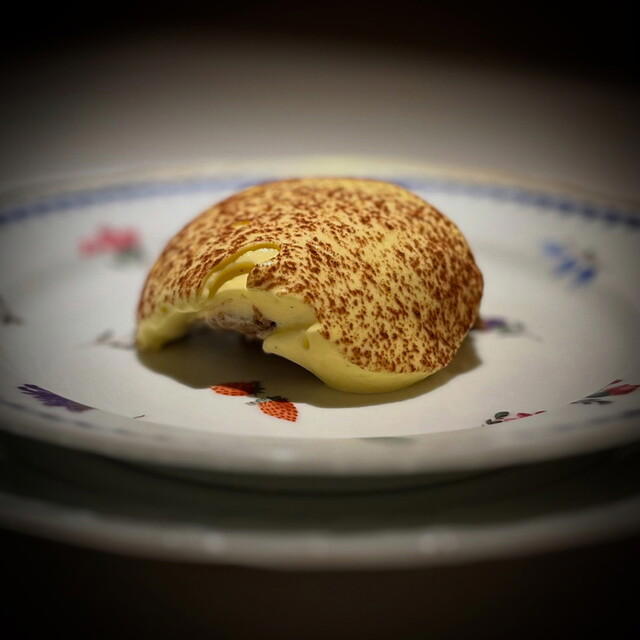
Approaching Glicine in Kusatsu resets expectations before the first plate. The city does not perform luxury like larger Kansai dining capitals; it rewards steady local reputations, practical choices, and restaurants whose appeal is built through repetition rather than spectacle. Glicine fits that rhythm. Its listed categories, Italian, pasta, and yoshoku, place it in a local scene where the question is not whether a restaurant can imitate Italy, but whether Italian structure can feel natural within Kusatsu’s everyday dining habits and Kansai’s preference for clarity over ornament.
That context matters because Italian dining in Japan has split into lanes: casual pasta for frequency; polished dining rooms with a more formal register; and restaurants where pasta, vegetables, meat, and sauce are read as part of a composed meal rather than only a menu of options. Glicine’s recognition in the 2025 Tabelog Hyakumeiten conversation places it in a serious Japanese dining context, not simply the everyday trattoria category.
Italian form, Shiga scale
Kusatsu’s dining identity is practical at street level: commuter traffic, daily-use restaurants, bakeries, casual counters, and independent rooms that make sense outside a capital city. The useful comparison is not with grand urban dining rooms, but with the town’s range: Pan du Marche represents the bakery-and-daily-use side of Kusatsu, other local noodle and counter restaurants sit in the casual lane, SPANISH BAR PLOMO brings a bar-dining reference point, and Tezukuri Hamburger steak Apeze speaks to yoshoku comfort. Against that field, Glicine reads as a deliberate escalation: not louder, just more focused.
The category angle is where this kind of restaurant earns its place. Glicine is categorized around Italian, pasta, and yoshoku, which gives the kitchen room to move between European structure and Japanese expectations of balance. Italian cooking gives that frame a grammar: acidity, pasta texture, sauce work, and a progression that can stay quiet without feeling thin. No serious diner should expect a stage set. The stronger proposition is Kusatsu Italian with local scale, where success depends on editing and balance rather than abundance.
The format changes how diners read value. In a more casual restaurant, choice can disguise inconsistency. In a more focused meal, decisions become easier to notice: pacing, portioning, sequence, and the handoff between kitchen and floor. The beverage side should be approached as part of the meal rather than a separate performance. Pairing here need not be doctrinaire; the better expectation is a dining experience shaped around the food’s rhythm rather than a rigid cellar narrative.
A small room in the western-Japan Italian conversation
Tabelog’s Hyakumeiten lists are not Michelin stars; they capture a different consensus, driven by Japanese diners and category-specific attention. For regional Italian restaurants, a place in that discussion signals that the restaurant has crossed from local preference into a wider dining conversation. That distinction matters in Kusatsu, where a serious meal competes not only with nearby restaurants but with the easy pull of larger Kansai cities. Glicine’s 2025 listing, with a Tabelog score of 3.64, gives the restaurant an external signal while leaving the meal to make its own case.
The restaurant story should be read through the plate, not through biography. What matters editorially is the restaurant’s Italian, pasta, and yoshoku frame and how it is translated for Kusatsu. In Japan, the more interesting pattern is how kitchens adapt overseas technique to local ingredients, service expectations, and dining tempo. The strongest versions avoid both imitation and fusion theatre. They use Italian technique as discipline, then let Japanese produce, pacing, and hospitality set the register.
That is why Glicine makes sense within a Kusatsu itinerary, not only as a detour for award-chasers. A diner comparing the city’s range can use Kogetsu for another local reference point, then read Glicine as one focused expression of the same city. For broader planning, our full Kusatsu restaurants guide gives the dining map; our full Kusatsu hotels guide, our full Kusatsu bars guide, our full Kusatsu wineries guide, and our full Kusatsu experiences guide place the meal inside a longer stay.
Who should choose this table
This is the right choice for diners who prefer precision over display. The format asks for punctuality, attention, and comfort with a more considered meal rather than casual browsing. It also suits travellers who have already eaten heavily in larger Kansai cities and want a quieter meal that reflects a smaller city’s tempo. It may be less useful for diners seeking a loose, flexible evening, but well matched to those who value a restaurant with a clearly defined Italian and pasta-led identity.
The broader Japanese dining circuit is full of useful contrasts, but the most helpful ones for Glicine are close to home. Other Kusatsu dining rooms show how category, price tier, and occasion reshape expectations within the same city. Daily-use bakeries, bar-dining rooms, yoshoku comfort spots, and more formal restaurants all create a local map in which Glicine occupies the more focused Italian and pasta-led end. That local context is more useful than forcing comparisons with unrelated restaurants in distant cities or overseas markets.
The editorial case for Glicine is specific. It is not merely an Italian restaurant in Kusatsu; it is a Kusatsu answer to how regional Japanese cities absorb European technique without surrendering local proportion. The 2025 Tabelog Hyakumeiten recognition provides the external signal. The real interest lies in the intersection of Italian sequencing, pasta and yoshoku-adjacent categories, and a restaurant focused enough that every part of the meal has to justify its place.
Frequently asked questions
Is Glicine child-friendly?
Glicine is best approached as a focused restaurant in Kusatsu. Families should confirm suitability directly with the restaurant when booking.
How would you describe the vibe at Glicine?
Glicine has the feel of a focused Kusatsu restaurant, suited to diners who prefer a considered meal over a sprawling, casual dining room.
Is Glicine more mid-range or high-end?
Glicine is listed at Dinner: JPY 15,000 - JPY 19,999; Lunch: JPY 8,000 - JPY 9,999.
What are Glicine's hours?
Hours should be confirmed directly with Glicine before visiting.
Where exactly is Glicine?
Kusatsu.
Side-by-Side Snapshot
Comparable venues by cuisine and price in the same metro.
| Venue | Cuisine | Price | Awards | Notes |
|---|---|---|---|---|
| GlicineThis venue (the venue you are viewing) | Seasonal Italian (Omi beef–focused) | $100–150 | Tabelog 100 #58 | Not listed |
| 馳走 とし藤 | Traditional Japanese Kaiseki | $30–50 | Not listed | Kusatsu |
| Kogetsu | Traditional Japanese Kaiseki | $100–150 | Not listed | Oji |
| SPANISH BAR PLOMO | Spanish Bar & Tapas | $30–50 | Tabelog 100 #57 | Kusatsu |
| Tezukuri Hamburger steak Apeze | Japanese Western (Yoshoku) Hamburger Steak | Not listed | Tabelog 100 #85 | Minami Kusatsu |
| Hakata Tonkotsu Masao | Hakata-style Tonkotsu Ramen | $10–20 | Tabelog 100 #34 | Anamura-cho |
Recognition history
Dated appearances from independent guides and award organizations, with the underlying list record or original source where available.
Tabelog 100 #58 · No. 58
Tabelog · Tabelog 100 - Italian - WEST - 2025
Continue exploring
More in Kusatsu
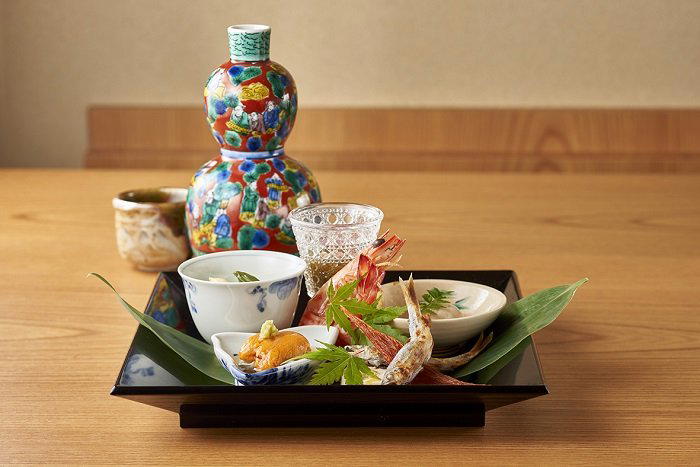
Restaurants in Kusatsu
All restaurants in Kusatsu →
Bars in Kusatsu
Browse all →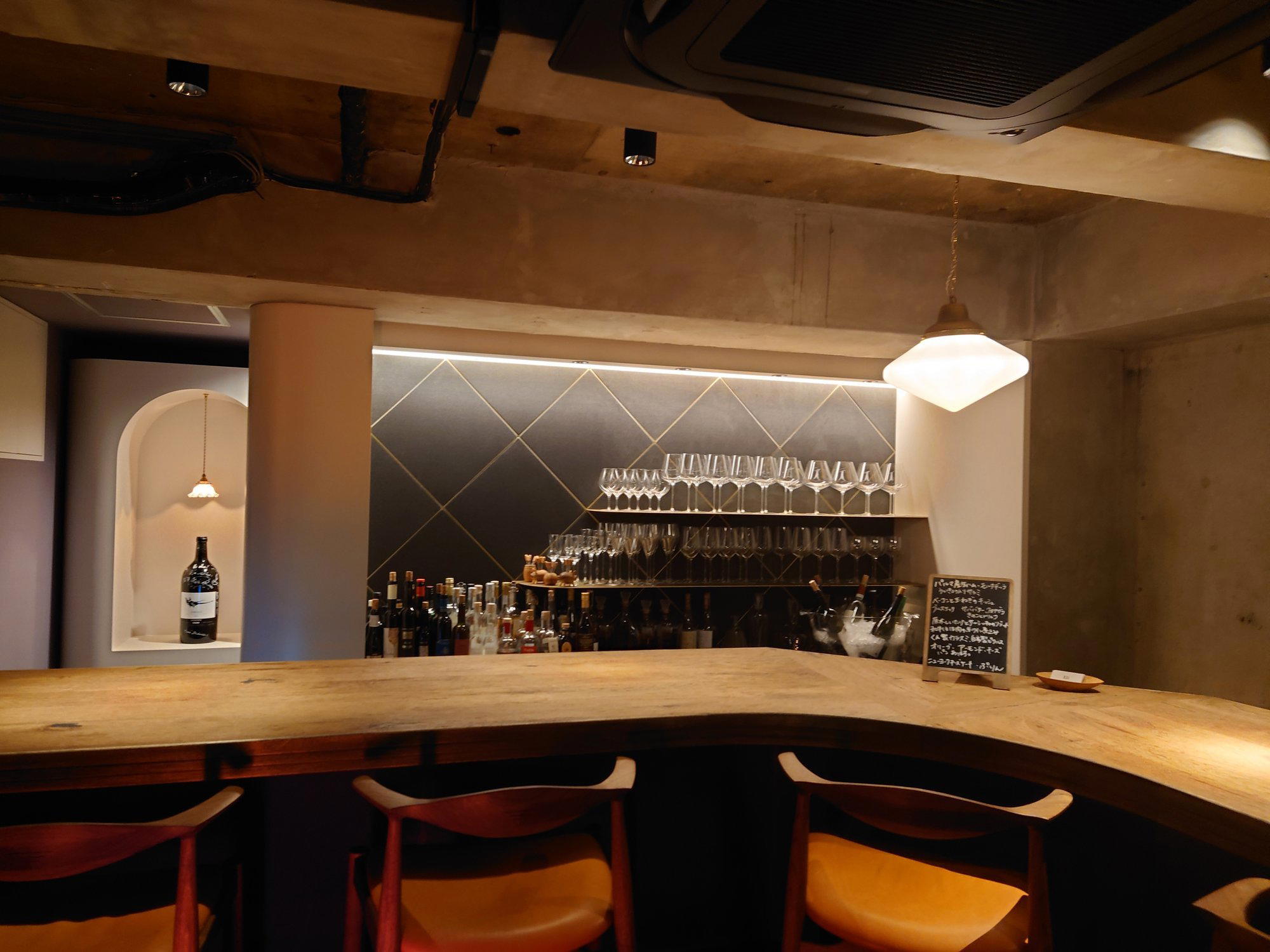
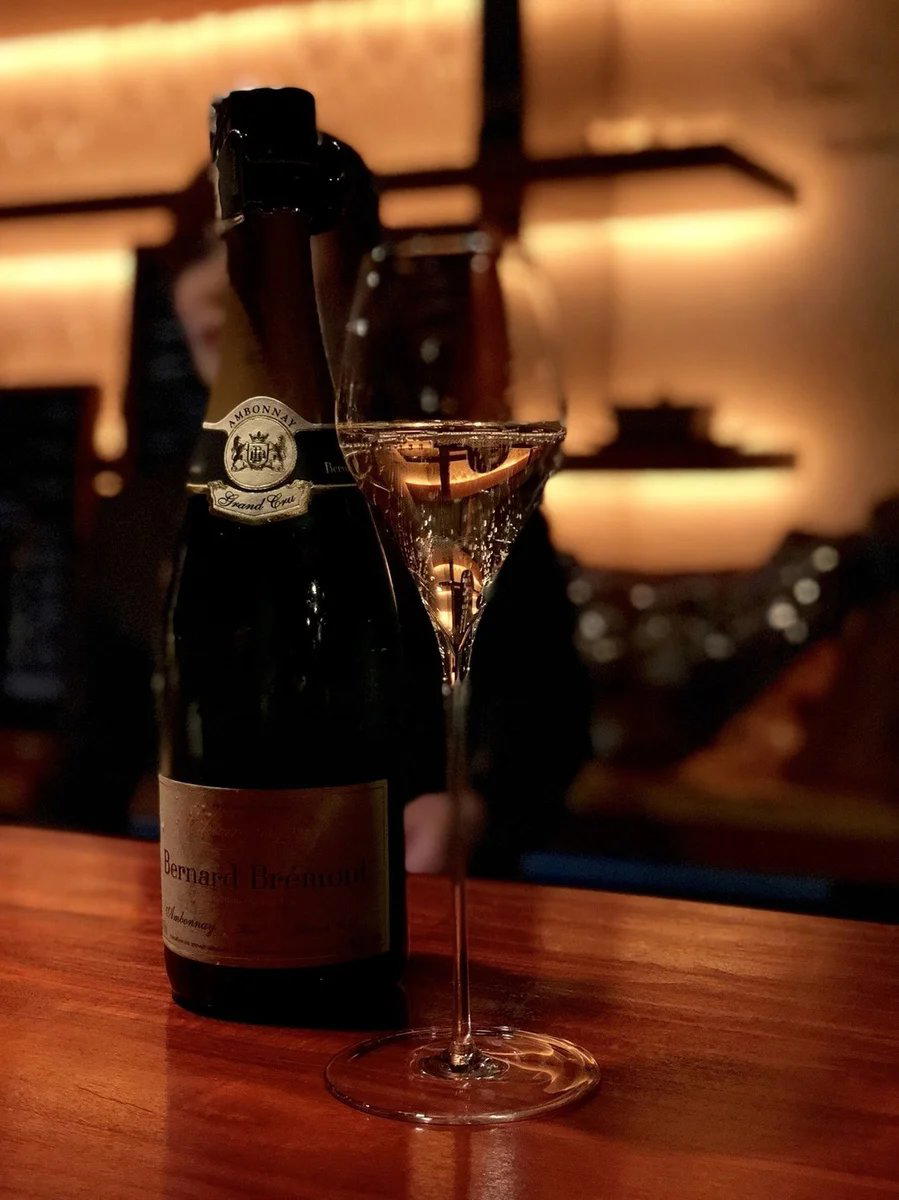

Hotels in Kusatsu
Browse all →
Wineries in Kusatsu
Browse all →
Details
- Intimate
- Elegant
- Cozy
- Date Night
- Special Occasion
- Celebration
- Private Event
- Standalone
- Design Destination
- Private Dining
- Extensive Wine List
- Local Sourcing
- Set Menu
- Tasting Menu
- Wine
Current opening hours
- Monday
- 12–3 PM, 6:30–9:30 PM
- Tuesday
- 12–3 PM, 6:30–9:30 PM
- Wednesday
- 12–3 PM, 6:30–9:30 PM
- Thursday
- 12–3 PM, 6:30–9:30 PM
- Friday
- 12–3 PM, 6:30–9:30 PM
- Saturday
- 12–3 PM, 6:30–9:30 PM
- Sunday
- 12–3 PM, 6:30–9:30 PM
Hours can change for holidays and private events. Hours as of .
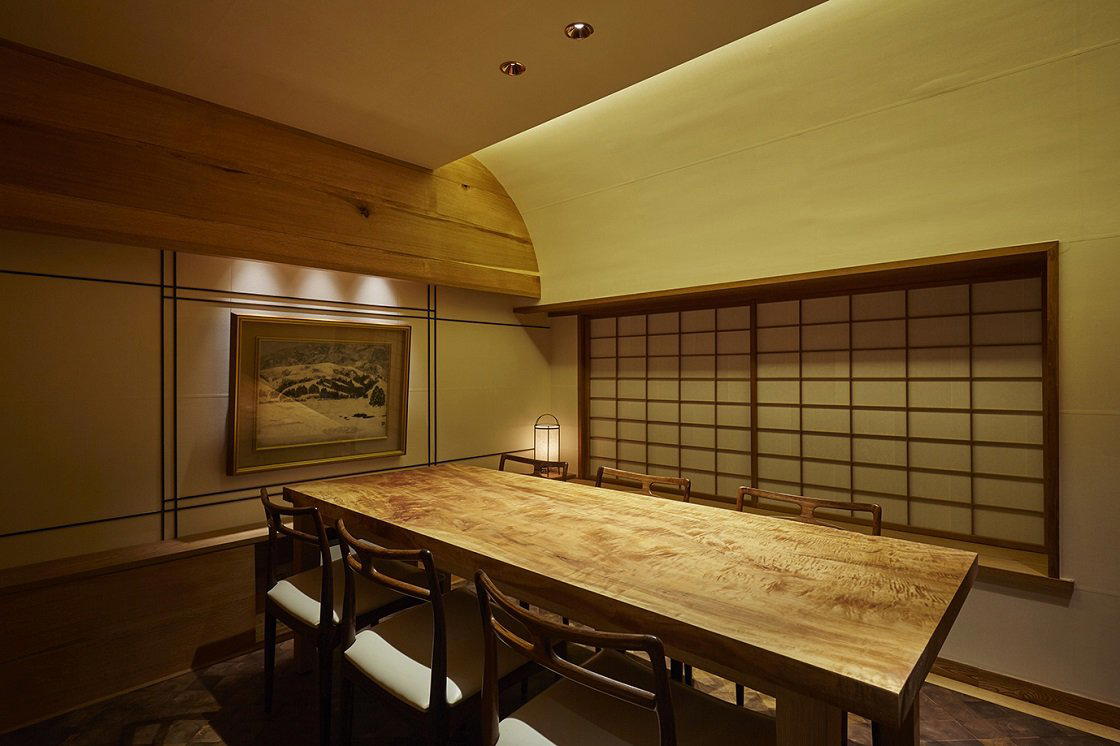
An intimate, quiet setting with only a single six-seat table, giving the feel of a private dining room and allowing for attentive, personalized service typical of a small high-end Italian restaurant in Japan.