Our verdict
Soy München occupies a quietly considered address on Theresienstraße in central Munich, placing it within reach of the city's denser fine-dining corridor. The name signals an Asian culinary orientation, situating it in a Munich restaurant scene that increasingly rewards cross-cultural precision. For visitors charting a course through the city's mid-to-upper dining tier, it merits attention alongside the broader contemporary conversation happening across Munich's kitchens.

Pearl is the En Primeur Club membership app — saves, bookings, and concierge access live there. Same editors, same standards.
- Address
- Theresienstraße 93, 80333 München, Germany
- Phone
- +498954540886
- Hours
- Daily 11:30 AM–2:30 PM, 5–11:30 PM
- Website
- soy-muenchen.com
- Directions
- Get directions
- Booking
- Book on the venue's website
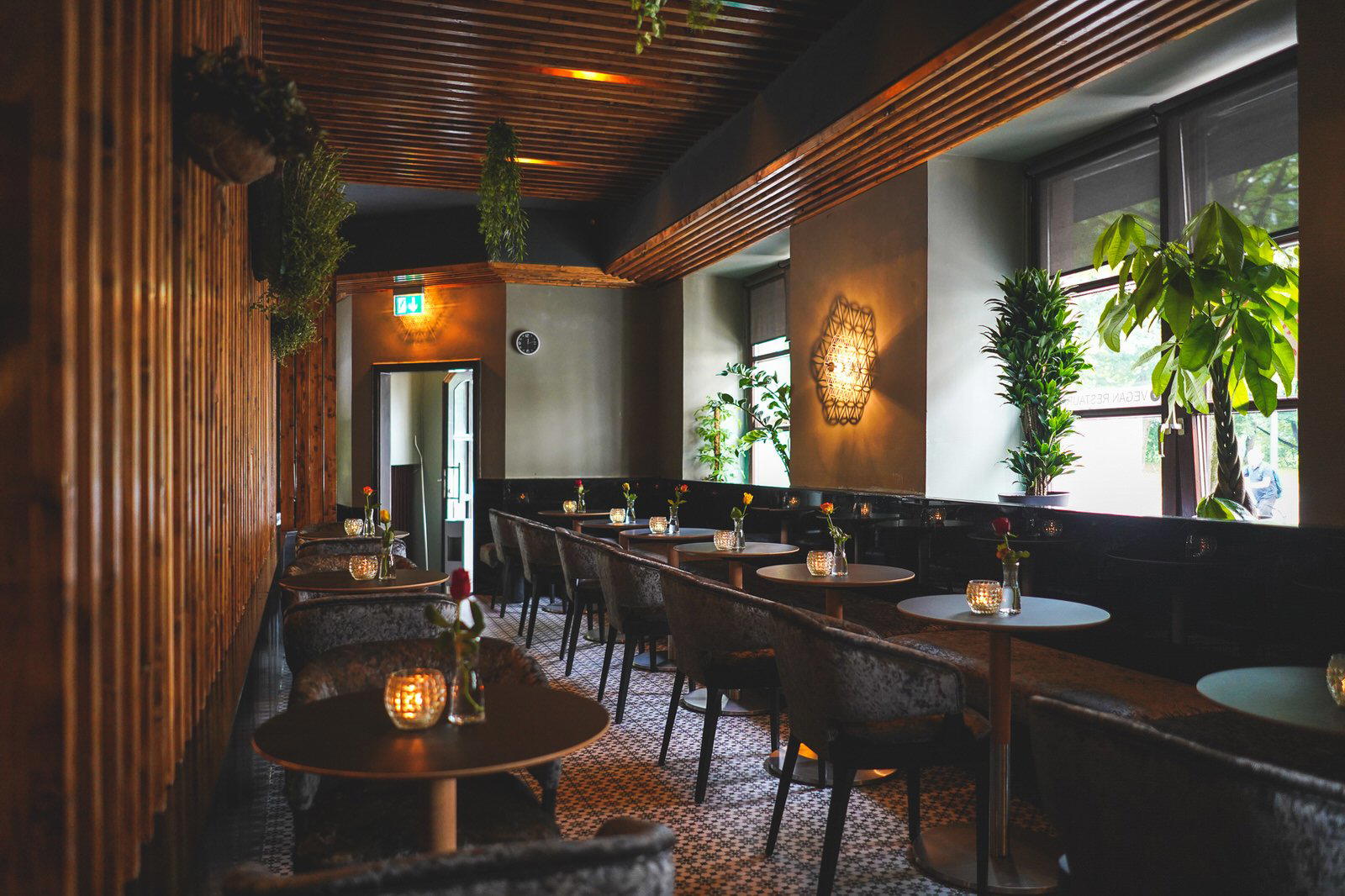
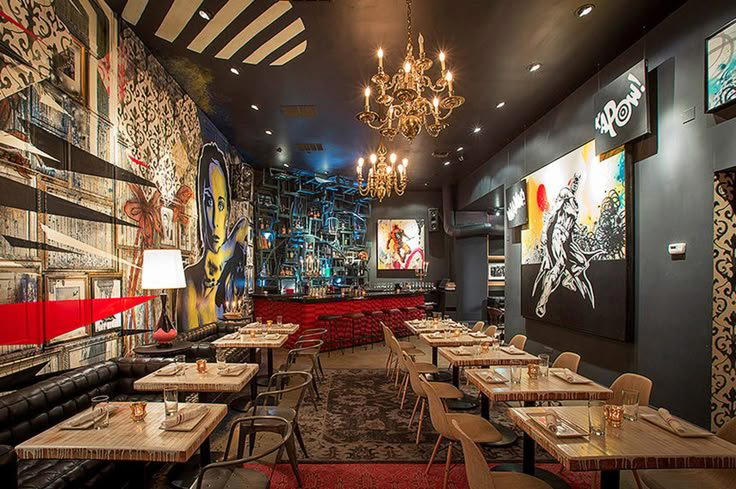
A Room That Sets Its Own Terms
Theresienstraße runs through a part of central Munich that sits slightly apart from the tourist-facing stretch of Maxvorstadt and the heavier institution-crowd of the Altstadt. The street has a functional residential quality that makes a restaurant like Soy München feel less like a destination dropped into a neighbourhood and more like something the neighbourhood quietly generated itself. That placement matters: dining rooms that occupy unassuming addresses in working residential streets in Munich tend to develop a regulars-first dynamic, where the physical space is calibrated for return visits rather than first impressions.
The name Soy carries a double register in this context. It points clearly toward an Asian culinary orientation, most likely Japanese or pan-Asian in inflection, while also suggesting a tonal restraint in the room itself. Munich's more considered contemporary restaurants, from the Michelin-starred formalism of Tantris to the German-Japanese synthesis practised at Tohru in der Schreiberei, have tended to invest heavily in spatial identity, understanding that the physical container shapes how food is received. Soy München's Theresienstraße address puts it in a tier where that investment in atmosphere is more intimate in scale than the flagship operations further toward the centre.
Space as Editorial Statement
In Munich's contemporary dining conversation, the design of a room is rarely incidental. The city's upper bracket, which includes operations like Alois - Dallmayr Fine Dining and Atelier, tends toward either heritage grandeur or stripped-back modernism, with very little middle ground. A restaurant built around the soy register, which implies umami depth, fermentation discipline, and a vocabulary drawn from Japanese culinary culture, usually follows that stripped-back approach in its interior too. The logic is consistent: when the cooking asks guests to pay close attention to layered, subtle flavour, the room needs to remove visual noise rather than add it.
That spatial philosophy, where seating arrangements are deliberate rather than maximised, lighting is warm without being theatrical, and material choices favour natural textures over decorative flourish, has become the defining characteristic of the more serious Asian-inflected restaurants across German cities. You see it at CODA Dessert Dining in Berlin, where the format itself demands that guests orient entirely toward the plate, and in different ways at precision-led operations like JAN in Munich, where the room signals focus before the first course arrives. A restaurant on Theresienstraße with an Asian culinary identity is likely drawing from the same spatial vocabulary.
Where Soy München Sits in Munich's Dining Pattern
Munich has consolidated a clear upper tier over the past decade. The Michelin-weighted establishments, Tantris, Atelier, Alois, and Tohru in der Schreiberei, command multi-month booking windows and price structures that reflect both award status and the city's broader cost-of-living pressure. Below that tier, Munich runs a busy mid-market that is increasingly sophisticated, particularly in cuisines with a Japanese or East Asian anchor, where technical discipline and product sourcing matter as much as setting.
Soy München, at its Theresienstraße address, reads as a participant in that second tier: a restaurant where the cooking ethos is serious but the format is not structured around the tasting-menu formalism of the starred room. That positioning is increasingly where the most interesting eating happens in German cities. At ES:SENZ in Grassau and at Schanz in Piesport, regional operations demonstrate that compelling contemporary cooking does not require a metropolitan flagship address. Soy München's logic appears similar: a sharply defined culinary identity, a room designed to serve it, and a neighbourhood address that keeps the focus on the plate.
Germany's broader fine-dining circuit, which stretches from Aqua in Wolfsburg and Vendôme in Bergisch Gladbach to Waldhotel Sonnora in Dreis and Victor's Fine Dining by Christian Bau in Perl, has largely operated within French-inflected or modern European parameters. The emergence of restaurants in German cities that foreground soy, dashi, and fermentation-led Asian technique as their primary culinary language is a genuine structural shift, not a trend overlay. Atomix in New York City and Le Bernardin represent international reference points for how precision technique and cultural specificity can coexist at the highest level; Munich's mid-tier Asian-inflected operations are working through comparable questions at a different scale.
The Culinary Register
A restaurant operating under the soy identity in a German city is working with a specific set of culinary tools. Soy itself, in the broad sense, encompasses everything from delicate white shiro through to deeply fermented tamari, and the way a kitchen positions itself within that spectrum signals almost everything about its approach. Restaurants that use soy as a background umami driver are doing something quite different from those that foreground it as a primary flavour element alongside dashi, miso, or koji-fermented components.
In Munich, that kind of culinary precision is increasingly common at the upper end, where Tohru in der Schreiberei has demonstrated that German-Japanese synthesis can operate at Michelin level. Soy München appears to work within a related vocabulary but at a different access point, which in practice likely means a more flexible format, a shorter booking lead time, and a price structure that widens the potential guest base. For visitors already planning time at Schwarzwaldstube in Baiersbronn or Restaurant Haerlin in Hamburg, Soy München offers a different register within the same serious culinary trip through Germany.
Planning Your Visit
Soy München is located at Theresienstraße 93, 80333 München. The address sits in central Munich, accessible from the main U-Bahn network with Theresienstraße station (U2) nearby. Reservations: Given the limited publicly available booking data, contacting the venue directly or checking current availability through Google Maps or local booking platforms is advisable; for a smaller Asian-concept restaurant in this neighbourhood, weekend tables are typically the first to go and planning two to three weeks ahead is prudent. Timing: Munich's dining calendar peaks in the autumn and during Oktoberfest season, when restaurant availability across the city tightens considerably; a visit in late spring or early summer offers more flexibility. Context: For a fuller picture of where Soy München sits among Munich's dining options, our full Munich restaurants guide maps the city's contemporary scene across price tiers and cuisine categories.
Frequently asked questions
Where is Soy München in Munich?
Soy München is located at Theresienstraße 93, 80333 München, Germany, Munich.
How does Soy München fit into Munich's broader dining scene compared to Michelin-listed restaurants?
Munich's recognised upper tier is anchored by Michelin-listed establishments including Tantris, Atelier, and Alois, most of which operate within French or European fine-dining frameworks. Soy München on Theresienstraße 93 occupies a different register: a restaurant whose identity is built around a specific non-European ingredient in a city where that approach remains relatively rare at serious dining level. That positioning makes it a distinct option for guests who have already covered the city's starred addresses and want a different culinary reference point.
What do people recommend at Soy München?
Soy München's menu is built around soy as a primary culinary reference, which in practice covers a spectrum from fermented bases to lighter preparations. Regulars tend to point toward dishes where the kitchen commits to that identity rather than using it as a loose theme. Given the address on Theresienstraße — a street with its own residential seriousness — the room attracts guests who expect the food to carry the experience, not the setting. Specific dish recommendations are best sourced from recent visitor accounts, as the menu evolves with the kitchen's direction.
How far ahead should I plan for Soy München?
Munich's upper-bracket dining addresses, including well-regarded independent rooms in central Maxvorstadt, typically fill two to four weeks out on weekends. Soy München sits on Theresienstraße 93 in a neighbourhood where table counts tend to run small. Booking a fortnight ahead for a weekend slot is a reasonable baseline; mid-week visits at Theresienstraße addresses of this profile generally allow shorter lead times.
What's the signature at Soy München?
The defining characteristic at Soy München is the kitchen's orientation around soy as a structural ingredient rather than an accent. In the broader German dining context — where fermented and umami-forward cooking sits outside the default register — this is a specific editorial position. Whether that manifests in broth, glaze, or marinade form, the commitment to soy as a culinary lens distinguishes it from Munich's more conventionally European rooms.
Is Soy München allergy-friendly?
Soy is one of the fourteen major allergens regulated under EU food law, so a restaurant built around soy as a primary ingredient is a direct concern for anyone with a soy allergy or intolerance. Guests with soy, gluten, or other allergen requirements should check the venue's official channels before booking, as the kitchen's core identity makes allergen substitution structurally more complex than at a venue where soy is incidental. The address is Theresienstraße 93, 80333 München.
Nearby-ish Comparables
Comparable venues nearby, for context on price, style, and recognition.
| Venue | Cuisine | Price | Notes |
|---|---|---|---|
| Soy MünchenThis venue — the venue you are viewing | Vegan Vietnamese | $20–30 | Not listed |
| LAM Vietnamesisches Restaurant | Modern Vietnamese | $20–30 | Schwabing |
| Vietsoup | Vietnamese Street Food | $10–20 | Altstadt |
| Ca Go Restaurant | Vietnamese Fusion | $20–30 | Theresienwiese |
| Marstall Festzelt | Traditional Bavarian Oktoberfest | $30–50 | Theresienwiese |
| Napoli Rush | Neapolitan Pizza | $10–20 | Neuhausen |