
Falstaff Bar - 94 Falstaff Points
Bar Montez sits in Munich’s central old-town orbit, at Kardinal-Faulhaber-Straße 1, where the city’s polished cocktail culture meets a more compact, late-evening bar rhythm. With no public awards, price band, chef, or formal cuisine category supplied in the record, it is better read through context: a city-centre drinks address to compare against Munich’s established classic and design-led bar rooms.

Pearl is the En Primeur Club membership app — saves, bookings, and concierge access live there. Same editors, same standards.
- Address
- Kardinal-Faulhaber-Straße 1, 80333 München, Germany
- Phone
- +49 89 8000198720
- Hours
- Mon–Thu 6 PM–1 AMFri–Sat 6 PM–1:30 AMSun 6 PM–1 AM
- Website
- rosewoodhotels.com
- Directions
- Get directions
- Booking
- Book on SevenRooms
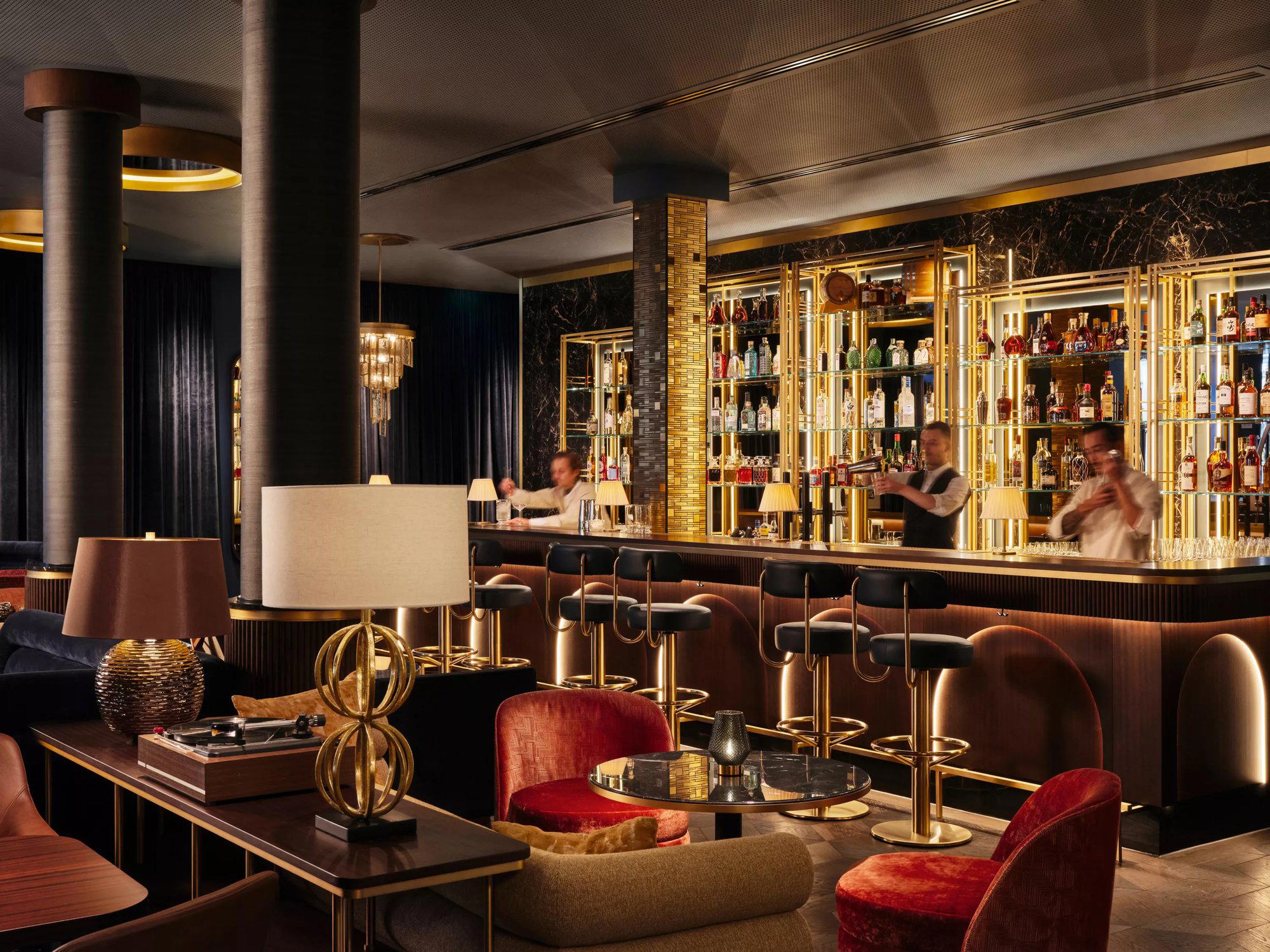
Munich's polished bar circuit, seen from Kardinal-Faulhaber-Straße
Approaching Kardinal-Faulhaber-Straße puts a drinker in one of Munich’s more revealing hospitality pockets: close to the old-town hotels, luxury retail, museum traffic, and the after-work routes that feed the city’s central bars. Bar Montez occupies that Munich register where a bar is not merely a stop after dinner, but part of a wider evening economy shaped by hotel lobbies, private dining rooms, gallery openings, and late conversations that move at a measured Bavarian pace rather than a clubland sprint.
Munich cocktail culture has long carried a double identity. On one side, the city is anchored by classic drinking rooms with serious regulars, polished service, and a belief in the short drink as a social instrument. On the other, a newer generation of bars has pushed design, sound, and drink construction into a more contemporary frame. That absence matters editorially: the responsible way to read the venue is through its position in the city’s bar geography, not through invented signature serves or unverified personalities.
For context, Munich’s central bar set ranges from art-adjacent rooms such as Goldene Bar to long-running classic institutions such as Schuman's Bar. Those two names define different poles: one tied to atmosphere and cultural setting, the other to cocktail lineage and old-school service codes. Bar Montez sits in the field between those reference points, useful for readers trying to understand where a newer central address fits in a city that does not separate drinking from dress, timing, and neighbourhood identity as sharply as Berlin or London.
The cocktail programme as Munich language, not imported theatre
The strongest way to assess a Munich cocktail address is to ask how it handles restraint. The city rewards polish, but it has limited patience for empty spectacle. A bar can be theatrical in lighting, glassware, or playlist, yet the drink still has to hold its shape under scrutiny. The broader point remains useful: Munich’s serious cocktail rooms tend to trade on technique that is legible rather than shouted, where the guest can order a familiar template and see how the house manages balance, dilution, temperature, and pace.
That is where the comparison set becomes instructive. Blaue Libelle gives one route into Munich’s contemporary bar mood, while Champagne Characters München frames drinking through a narrower sparkling-wine lens. That makes it a more open category address in editorial terms: the main interest is not whether it belongs to a single drink niche, but how it operates within a compact central circuit where guests often decide by mood, proximity, and the level of conversation they want.
Munich is also different from cities where cocktail culture is built around discovery narratives. The more useful distinction here is between established rooms with codified rituals and newer venues that borrow from hotel-bar comfort, lounge culture, and modern mixology without necessarily announcing a manifesto. Bar Montez should be read against that local grammar. Its central address places it near the kind of foot traffic that expects competence without a lecture: a drink before dinner, a second location after a restaurant, or a late seat when the night has moved beyond beer halls and wine bars.
Why location matters more than hype in central Munich
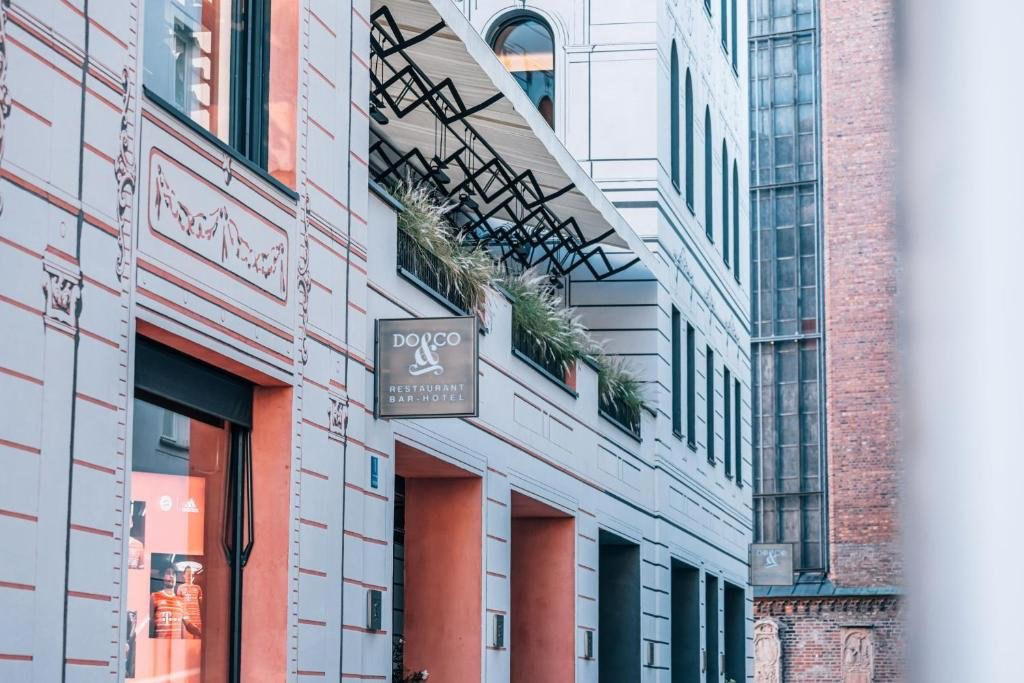
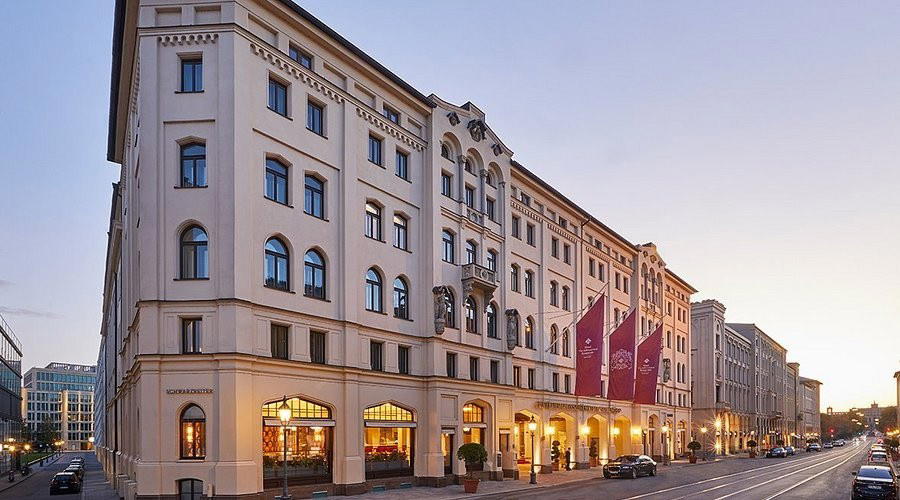
Kardinal-Faulhaber-Straße is a practical clue. In Munich, the difference between a bar near the old town and a bar in a more residential quarter is not cosmetic. Central venues often serve a mixed room: hotel guests, local regulars, business drinkers, gallery-adjacent traffic, and restaurant spillover. That blend changes the expected rhythm of service. A bar in this zone needs to be flexible enough for a quick first drink and composed enough for a longer evening. The address supplied for Bar Montez, Kardinal-Faulhaber-Straße 1, 80333 München, places it firmly in that central pattern.
Readers planning a night around a central Munich bar should confirm current opening times and booking arrangements through live channels before building an itinerary. That is not a weakness in the writing; it is the difference between editorial guidance and invented certainty.
The neighbourhood also makes pairing decisions easier. A drink here can sit before or after dinner in the old town, or as part of a wider evening that includes hotel bars and restaurant rooms within the Altstadt-Lehel orbit. For broader planning, Our full Munich restaurants guide is the natural companion, especially for readers deciding whether the bar should come before a formal meal or after a lighter dinner. For those anchoring the night around accommodation, Our full Munich hotels guide gives the hotel context that often shapes central Munich drinking patterns.
How Bar Montez fits among Munich's serious drinking rooms
Munich does not have a single bar identity. It has beer halls, wine rooms, hotel bars, classic cocktail institutions, champagne specialists, and design-led late-night rooms coexisting within a small central radius. The stronger addresses are not interchangeable, because each one answers a different question. Is the night about provenance and wine service? Is it about a dry Martini and a room that understands silence? Is it about a louder contemporary room where design carries as much weight as the back bar? Bar Montez is useful because it adds another option in that central field, with the supplied data confirming location but leaving the finer claims open.
The city comparison also helps prevent category confusion. Goldene Bar draws part of its authority from cultural setting, while Schuman's Bar belongs to the classic-cocktail conversation. Champagne Characters München narrows the decision around bubbles, allocation, and bottle culture. Bar Montez, with no cuisine or awards metadata supplied, should be treated less as a trophy address and more as a mood-driven central bar choice. That is a legitimate role in Munich, where not every good night is built around awards lists.
Readers comparing German bar cities should also note the difference in tempo. Berlin’s cocktail culture often rewards late hours, layered subcultures, and theatrical formats; Stagger Lee in Berlin sits in that broader capital-city conversation. Frankfurt, by contrast, often connects cocktails to finance, hotels, and concentrated after-work drinking, a pattern visible when looking at The Parlour in Frankfurt on the Main. Munich’s centre is more socially coded: good shoes, reserved tables, quieter spending power, and a preference for service that does not need to announce itself.
What to expect from the experience
It does not list a chef, cuisine type, hotel group, style category, awards, rating, review count, hours, price range, dress code, booking method, or seat count. That means the experience should be described through the reliable frame of category and location rather than through unverified promises. Expect a bar decision, not a restaurant decision; a central Munich evening venue, not a documented dining room with a tasting menu or chef-led format.
That distinction is useful for planning. If the priority is a cocktail-led stop in the old-town area, Bar Montez can be considered alongside Munich’s established bar names. If the priority is food, the better starting point is Our full Munich restaurants guide. If the evening is being built around several drinks addresses, Our full Munich bars guide gives the fuller map. Munich rewards this kind of sequencing: aperitif first, dinner within walking or taxi range, then a final drink in a room with enough composure to carry the end of the night.
There is also a practical point about expectation management. Since no price range is supplied, assume central Munich pricing rather than neighbourhood-pub pricing, but do not attach a specific euro figure without current confirmation. Since no hours are supplied, check same-day opening information before committing. Since no booking method is supplied, treat advance planning as sensible, especially on Thursday, Friday, and Saturday evenings, when central bars near hotels and restaurants absorb both local and visitor demand. This is logistical intelligence, not caution for its own sake.
Beyond cocktails: where it sits in a Munich itinerary
Bar Montez makes the most sense as part of a central Munich itinerary rather than as an isolated object of attention. The city’s premium hospitality works by proximity: a restaurant reservation, a hotel lobby, a gallery opening, a late drink, then a short ride home. That pattern differs from destination drinking in cities where guests cross town for a single bar. In Munich, the better evening often comes from a sequence of well-chosen addresses close enough to let the night develop without transport becoming the story.
For travellers building around wine, the city is not a winery destination in the way Baden, the Mosel, or the Pfalz are, but wine bars and restaurant lists remain part of the Munich equation. Our full Munich wineries guide is useful for understanding how EP Club categorises wine-related addresses in and around the city. For cultural programming, private access, and non-restaurant formats, Our full Munich experiences guide helps place a bar stop within a larger trip rhythm.
Internationally, Bar Montez belongs to a category of city bars whose appeal depends less on global ranking machinery and more on how well they serve the night around them. That separates it from exportable, music-driven bar formats such as Café La Trova in Miami, where live culture and Cuban-American drinking traditions shape the premise. Munich’s central bars tend to be quieter in their claims. The guest reads the room, orders with intent, and lets the night tighten around conversation rather than performance.
Planning notes
The confirmed planning detail is the address: Kardinal-Faulhaber-Straße 1, 80333 München, Germany. For a central Munich bar, that means a sensible plan is to verify current hours before arrival, avoid assuming walk-in availability during peak weekend periods, and pair the visit with nearby dinner or hotel plans rather than building a rigid evening around unconfirmed logistics.
Dress in Munich’s central drinking rooms usually follows the neighbourhood more than a posted code. Since no dress code is supplied for Bar Montez, do not infer a formal requirement, but the address suggests that smart casual clothing will feel more natural than tourist daywear. The same logic applies to timing. Earlier evening suits an aperitif or pre-dinner drink; later hours suit a slower second stop after restaurants begin to empty. Without verified hours, the exact window needs current confirmation.
Recognition history
Dated appearances from independent guides and award organizations, with the underlying list record or original source where available.
Falstaff Bar - 94 Falstaff Points
Falstaff
Details
- Elegant
- Sophisticated
- Lively
- Romantic
- Modern
- Intimate
- Date Night
- After Work
- Late Night
- Celebration
- Special Occasion
- Private Event
- Live Music
- Historic Building
- Design Destination
- Hotel Bar
- Speakeasy
- Seated Bar
- Lounge Seating
- Craft Cocktails
- Classic Cocktails
- Conventional Wine
- Craft Beer
- Zero Proof
Current opening hours
- Monday
- 6 PM–1 AM
- Tuesday
- 6 PM–1 AM
- Wednesday
- 6 PM–1 AM
- Thursday
- 6 PM–1 AM
- Friday
- 6 PM–1:30 AM
- Saturday
- 6 PM–1:30 AM
- Sunday
- 6 PM–1 AM
Hours can change for holidays and private events. Last verified .
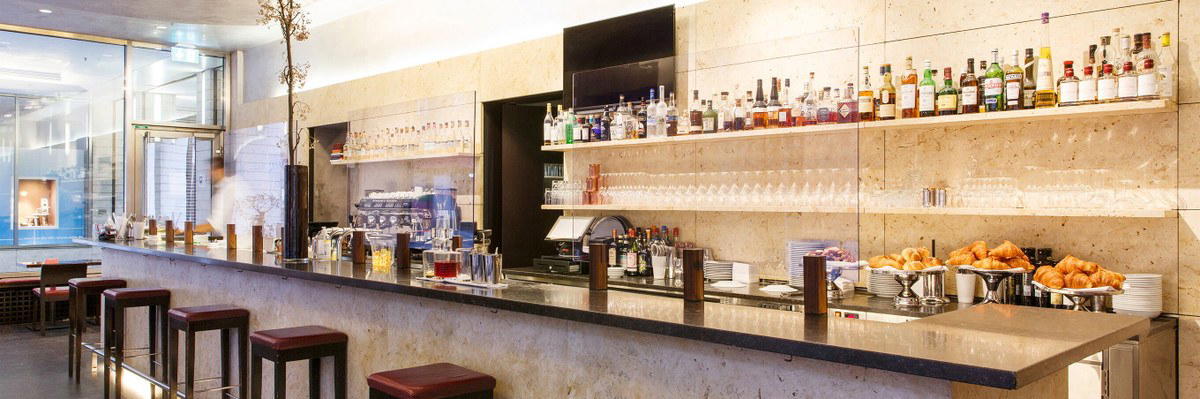
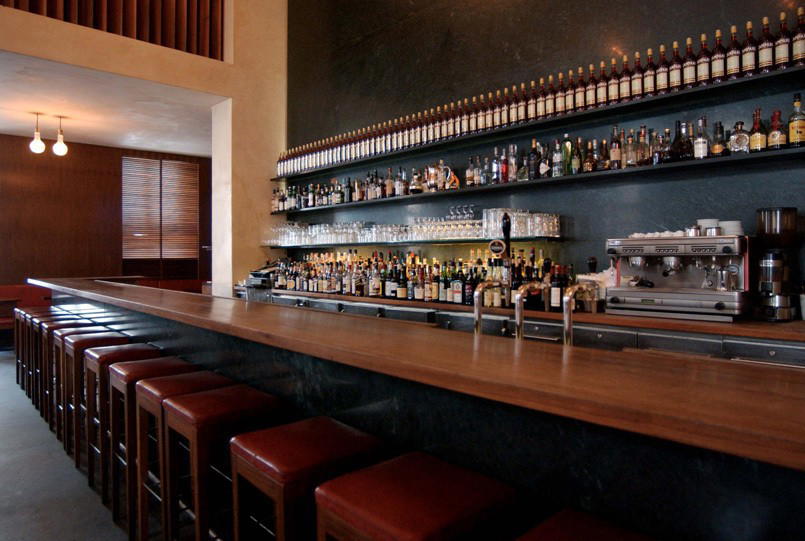
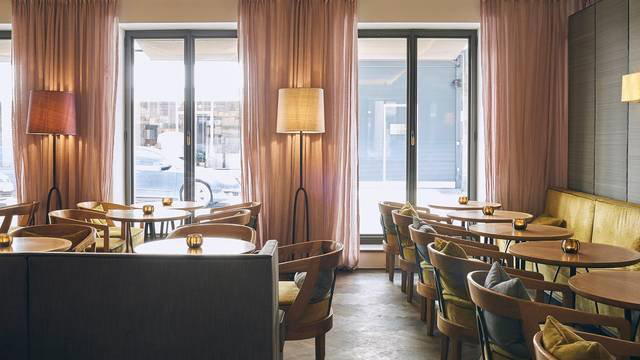
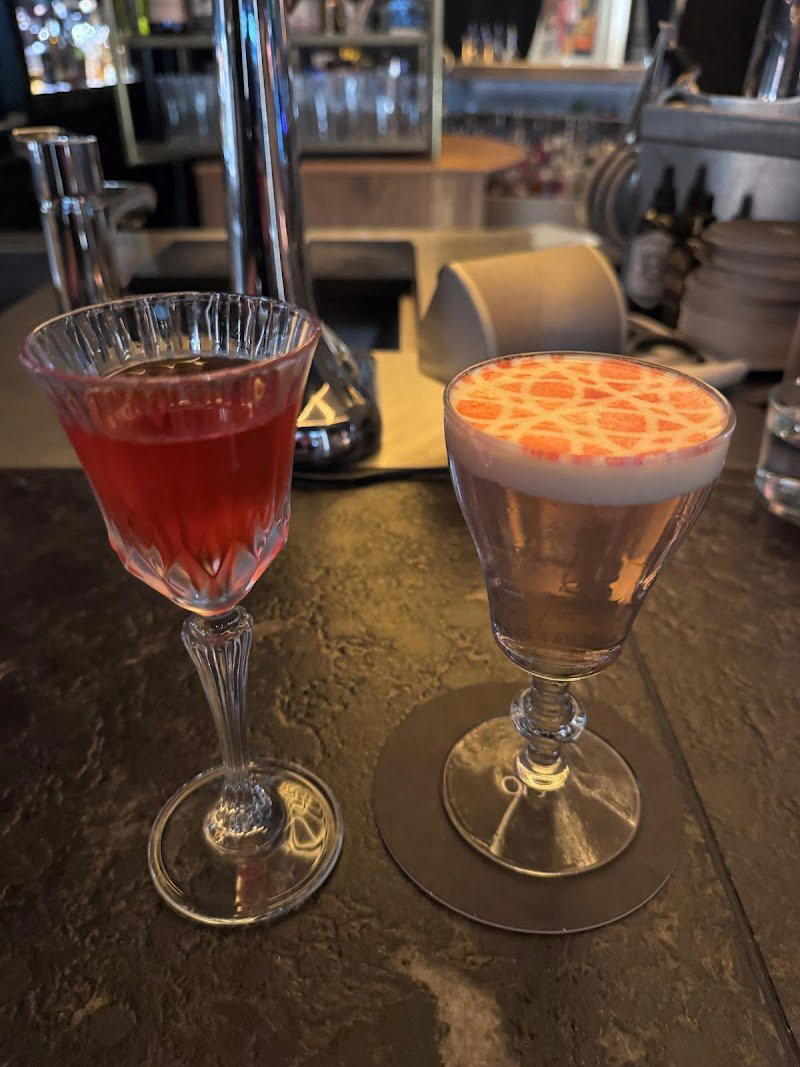
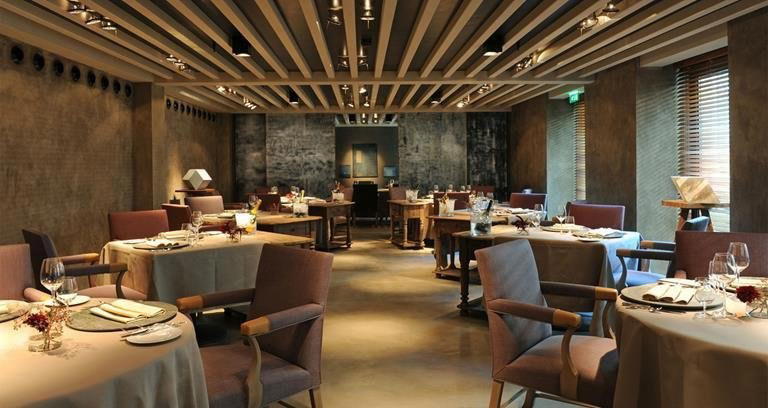
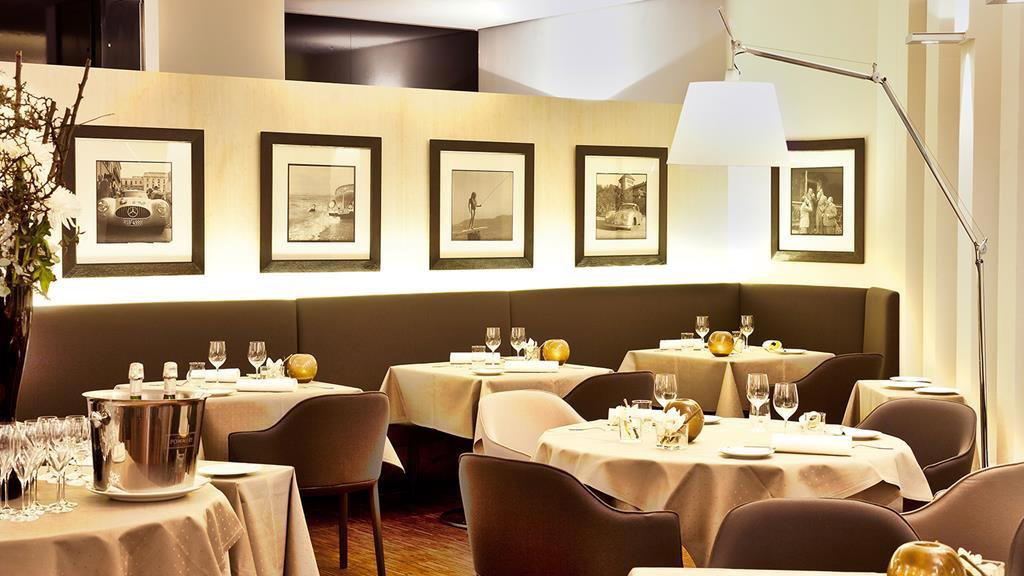
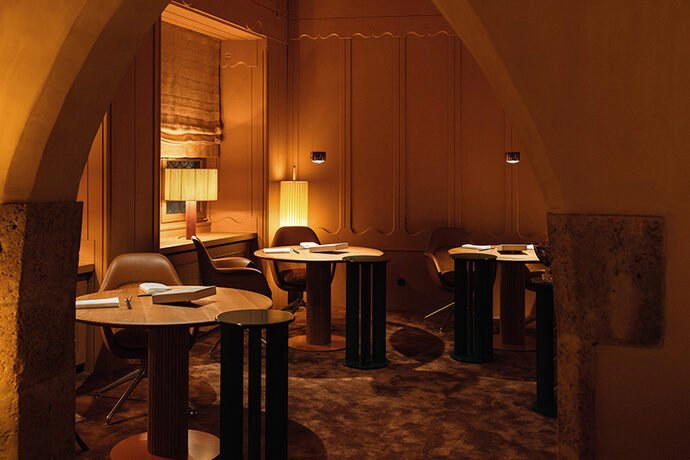
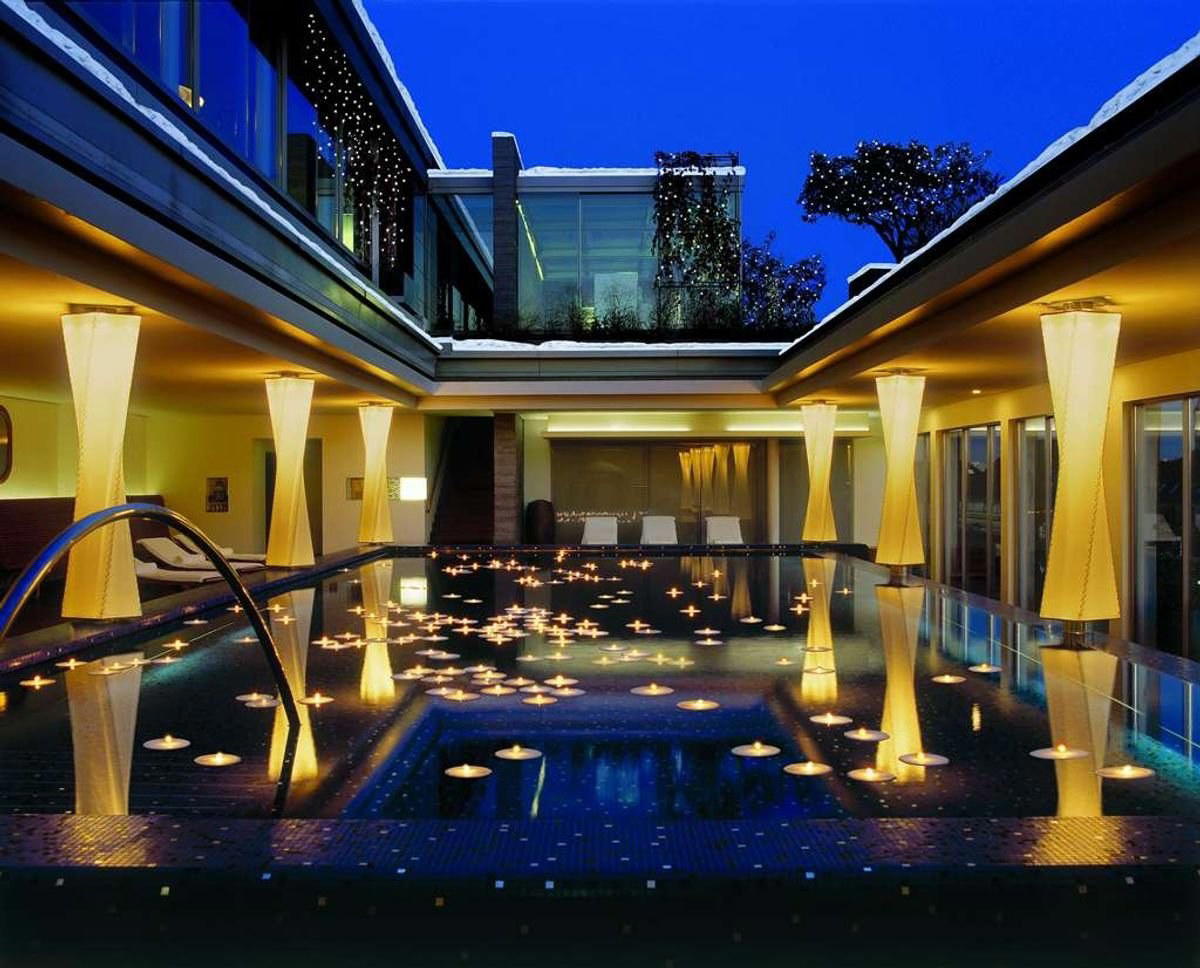
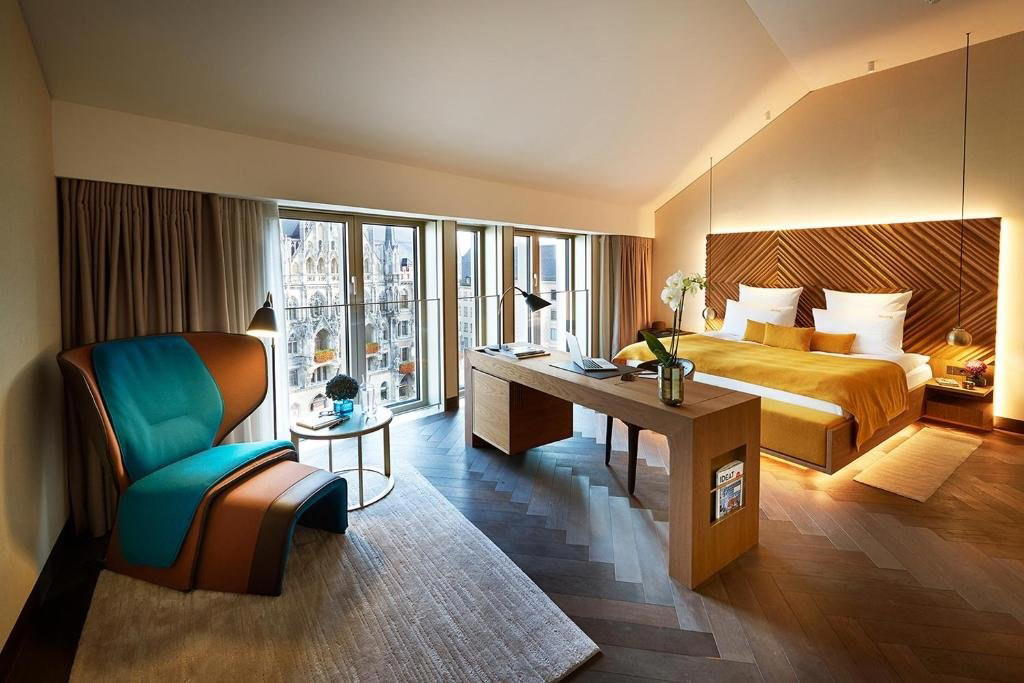
Lively yet intimate jazz-bar atmosphere with wood paneling, refined finishes, and dim, warm lighting that evokes 19th‑century salon glamour while feeling contemporary and sophisticated.